
Best Boss Distortion Pedals 2026
Alright, let's talk Boss distortion. For years, they've been the go-to for gigging musicians needing reliable, usable overdrive and distortion - often as the first pedal in a chain, and sometimes the only one. They're not always the most exciting, mind you, but their consistency and reputation for taking a beating are hard to ignore. We're breaking down the best Boss distortion pedals, not just listing them, but explaining why they work (or don't) in real-world situations.
Last updated: October 8, 2026
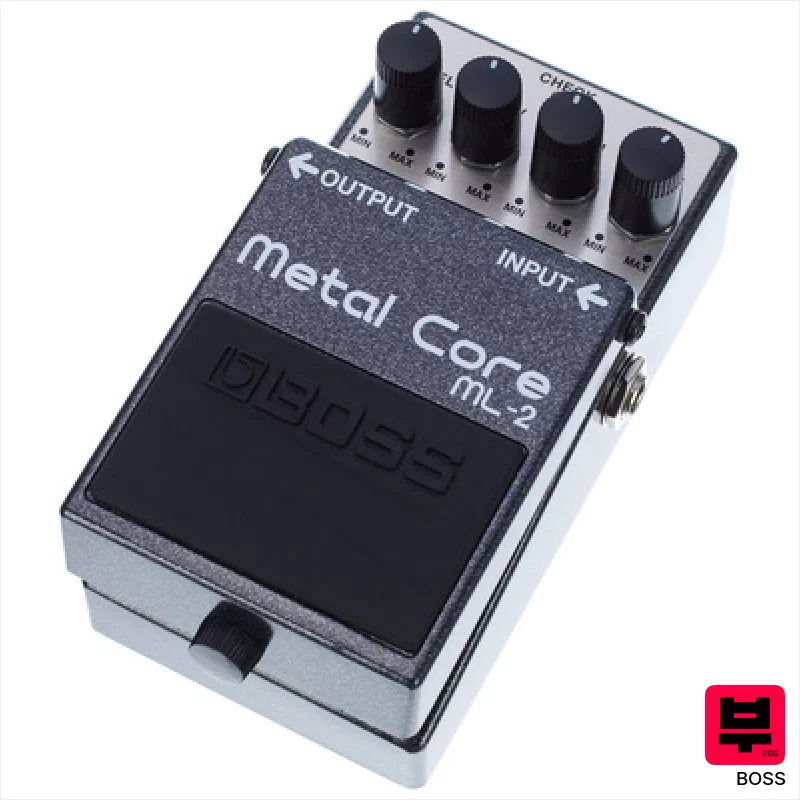
Boss ML-2
- • Aggressive, modern high-gain distortion excels in extreme metal genres
- • Dedicated Low and High controls tailor the frequency response effectively
- • Boss’s robust construction ensures durability for stage and studio use
- • Compact footprint fits easily into pedalboard setups without taking up much space
- • Limited versatility outside of heavily distorted metal tones
- • Can sound overly harsh or fizzy without careful EQ adjustments
- • Lacks a MIDI input for advanced parameter control
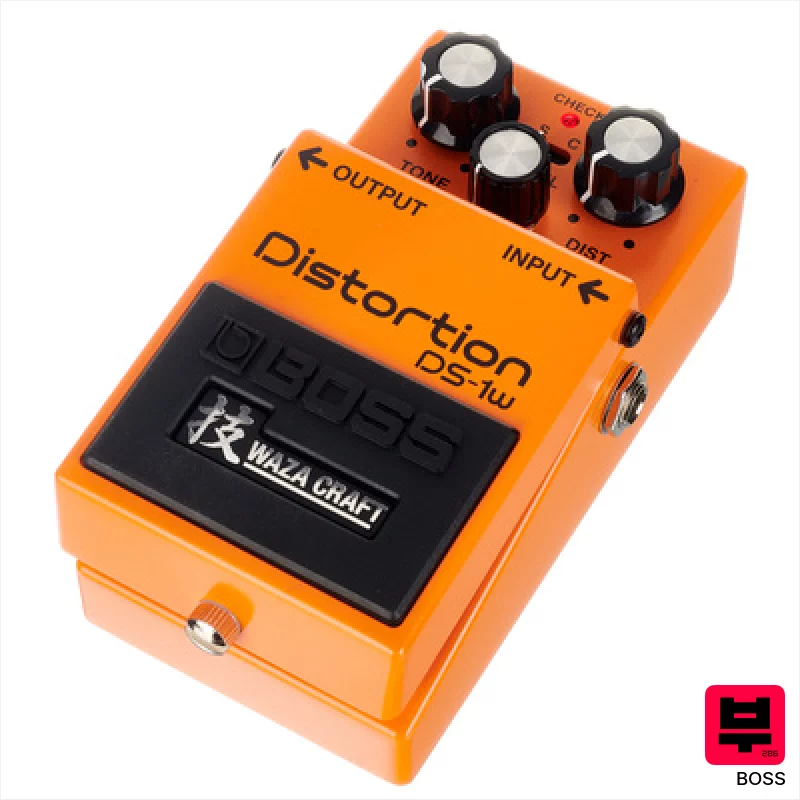
Boss DS-1w Distortion
- • The 'Custom' mode offers a noticeably tighter, more modern distortion character.
- • Japanese-made construction ensures reliable build quality and longevity.
- • Maintains clarity even at high gain, preventing muddy low-end frequencies.
- • The Waza version improves upon the original's dynamic response and articulation.
- • The original 'Standard' mode can be a bit thin and harsh for some players.
- • Limited tonal flexibility compared to more complex multi-effect units.
- • The plastic enclosure, while durable, doesn't feel as premium as some competitors.
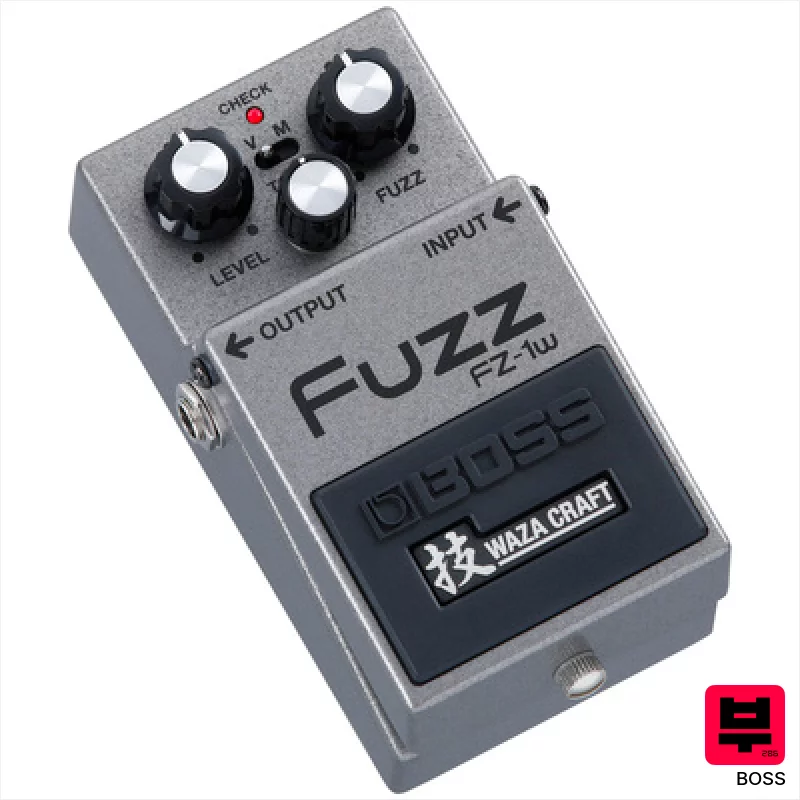
Boss FZ-1W Fuzz
- • Silicon transistors deliver a thick, saturated fuzz tone with excellent sustain.
- • Vintage mode nails classic fuzz box character – think Hendrix meets early Sabbath.
- • Modern mode provides a more scooped, aggressive fuzz suitable for heavier genres.
- • Boss’s renowned build quality ensures exceptional durability and reliability for years.
- • Limited tonal versatility; it's primarily a fuzz pedal, not a broad distortion platform.
- • The 'Vintage' mode can be quite dark and may require EQ to cut through a mix.
- • Relatively heavy for a compact pedal, which might be a concern for pedalboard space.
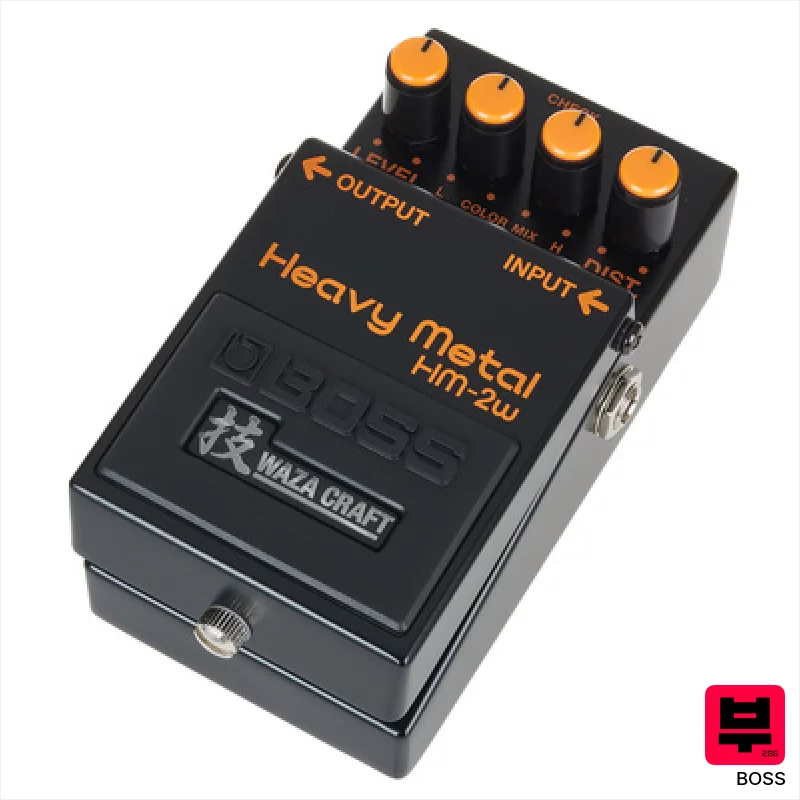
Boss HM-2w Heavy Metal Distortion
- • Waza Craft build quality ensures robust construction and reliability.
- • The 'Color Mix' switch offers surprising tonal flexibility for a distortion.
- • Classic HM-2 sound – instantly recognizable, raw, and aggressive.
- • Buffered bypass preserves signal strength, even when bypassed.
- • Limited tonal palette; excels at one specific, extreme sound.
- • Can be noisy, especially with high gain settings and sensitive pickups.
- • Size is relatively large, taking up considerable pedalboard real estate.

Boss OD-200 Hybrid Overdrive
- • Versatile range of overdrive tones, from subtle to aggressive.
- • Excellent digital modeling of classic overdrive circuits.
- • Boss's robust construction ensures long-term reliability.
- • Memory slots allow for quick switching between custom sounds.
- • Digital nature might lack the organic feel of analog overdrive.
- • The sheer number of options can be overwhelming for beginners.
- • Relatively large footprint compared to smaller overdrive pedals.
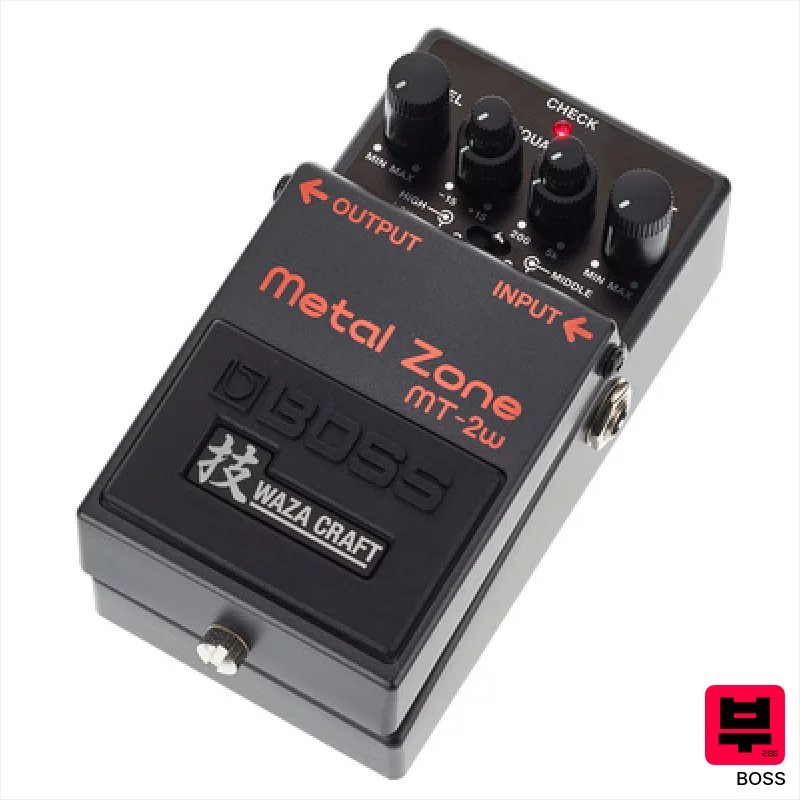
Boss MT-2W Metal Zone
- • Waza series signifies refined circuitry and improved noise performance.
- • Robust, all-metal enclosure provides excellent durability for stage use.
- • Custom mode delivers a wider frequency response and more aggressive distortion.
- • Premium buffer preserves signal integrity, crucial for long cable runs.
- • The 'Metal Zone' name can be misleading; it's not a subtle overdrive.
- • EQ can be challenging to dial in for certain amp/guitar combinations.
- • Its aggressive character isn't universally flattering on all guitars.
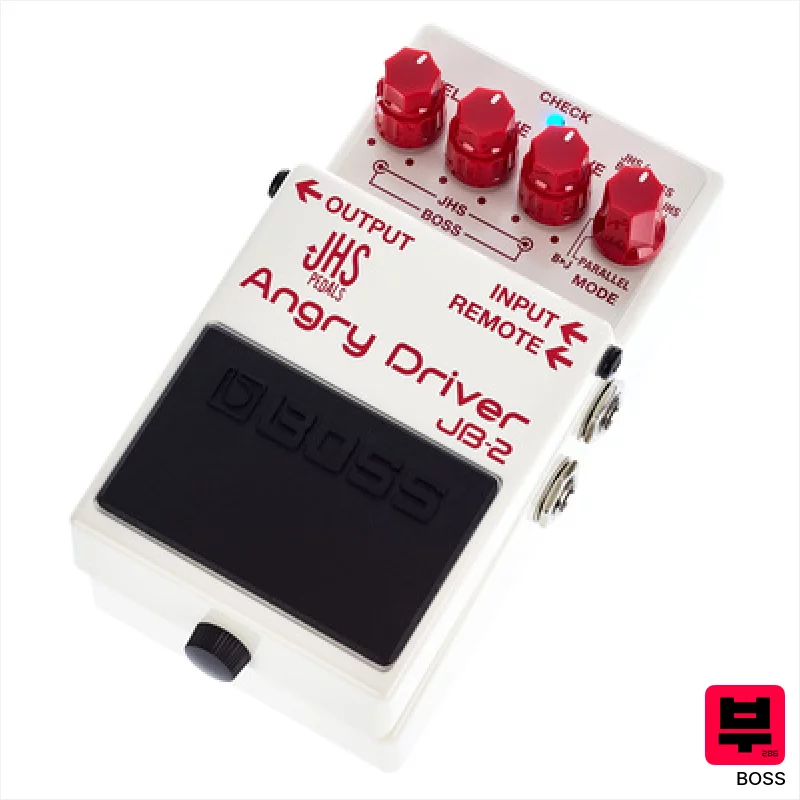
Boss JB-2 Overdrive/Distortion
- • Combines BD-2's warmth with JHS's aggressive edge, a unique blend.
- • Boss build quality ensures roadworthiness and long-term reliability.
- • Serial/parallel switching offers surprising tonal flexibility for a compact pedal.
- • Mode switch provides quick access to distinct overdrive characters.
- • Can get muddy with high gain settings and darker pickups.
- • Limited EQ control; shaping the tone beyond the 'Tone' knob is challenging.
- • The footprint, while compact, can feel cramped with frequent switching.
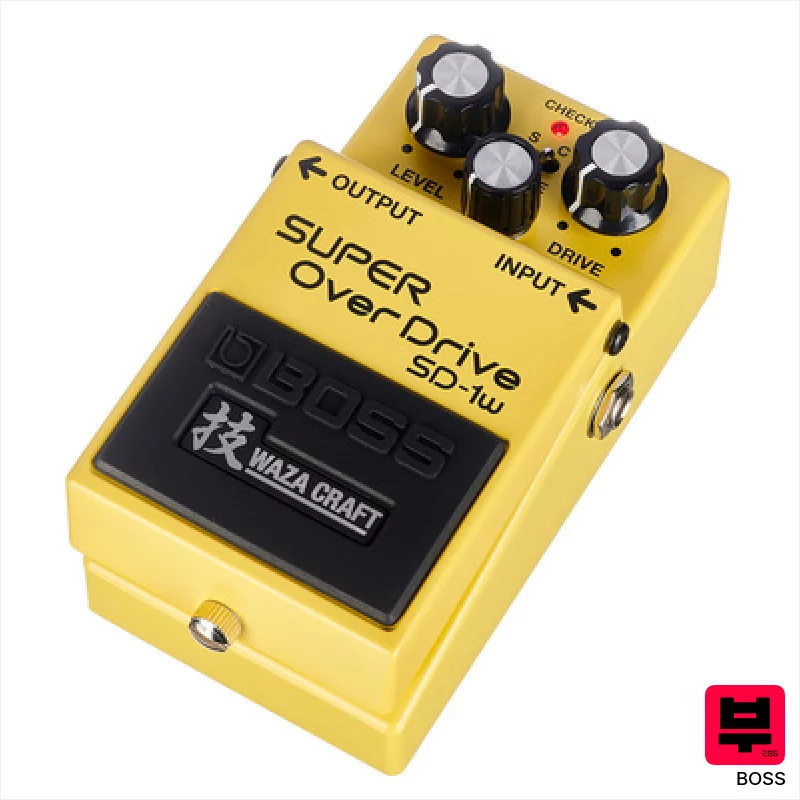
Boss SD-1W Super Overdrive
- • Waza Craft version offers refined, more responsive gain staging.
- • True bypass preserves original signal when pedal is disengaged.
- • Boss’s robust build quality ensures long-term reliability and gig-worthiness.
- • Versatile enough for subtle drive to moderate crunch with careful knob adjustments.
- • Can sound a bit thin with high-output humbuckers, lacking low-end warmth.
- • Limited tonal flexibility compared to more complex overdrive/distortion pedals.
- • Gain range isn't suited for heavy, modern high-gain distortion styles.
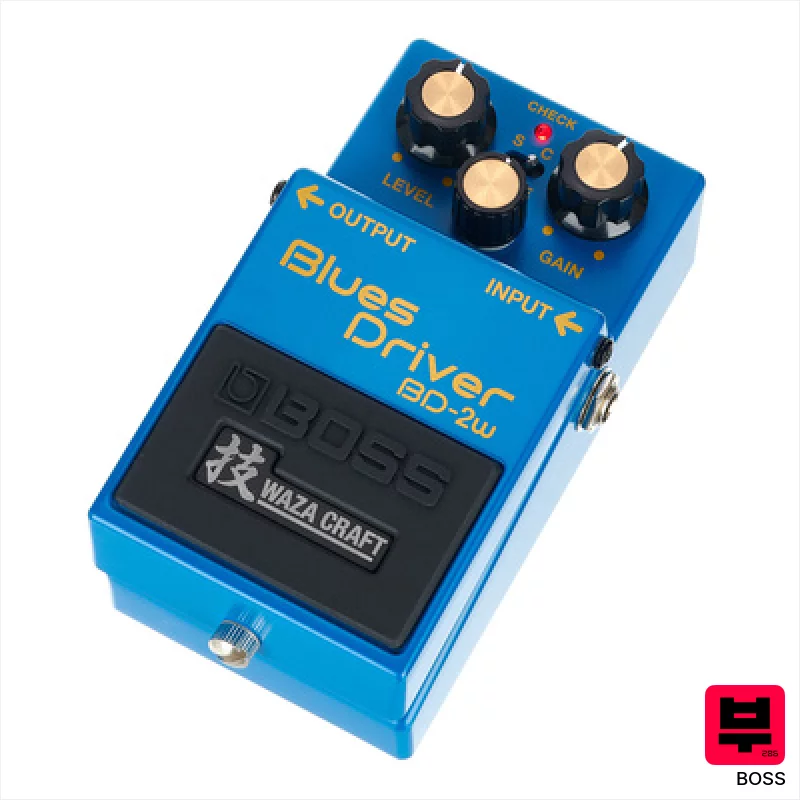
Boss BD-2w Blues Driver
- • Waza Craft series delivers refined, nuanced overdrive tones.
- • Japanese build quality ensures exceptional durability and reliability.
- • Versatile enough for blues, rock, and even subtle lead boosts.
- • Analog circuitry provides a responsive, dynamic feel under the fingers.
- • Can get fizzy at higher gain settings with brighter pickups.
- • Limited tonal shaping compared to more complex overdrive pedals.
- • BD-2w lacks a MIDI control option for advanced integration.

Boss DS-1X Distortion
- • Improved clarity over the original DS-1, retaining its aggression
- • MDP processing yields a surprisingly dynamic and responsive distortion
- • Solid Boss build quality – reliable for gigging and studio use
- • The 'Dark' setting offers a surprisingly usable, thicker overdrive tone
- • Can still sound a bit 'fizzy' at higher gain settings for some tastes
- • Lacks true bypass – tone coloration even when disengaged is present
- • Limited tonal flexibility compared to more modern distortion options
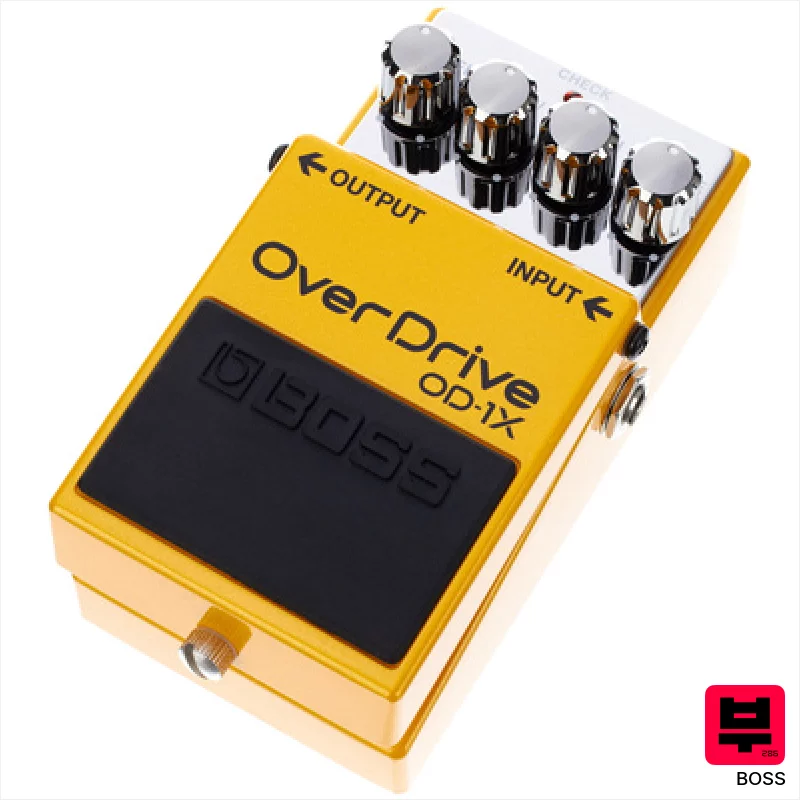
Boss OD-1X Overdrive
- • Warm, responsive overdrive with a distinctly vintage Boss character
- • MDP processing delivers surprising dynamic range and clarity
- • Low noise floor even at high gain settings, great for stacking
- • Durable Boss build quality; reliable for gigging and studio use
- • Limited tonal palette compared to more modern, versatile overdrives
- • Digital processing, while well-executed, lacks some analog warmth
- • Can get muddy with high gain and certain humbucker pickups
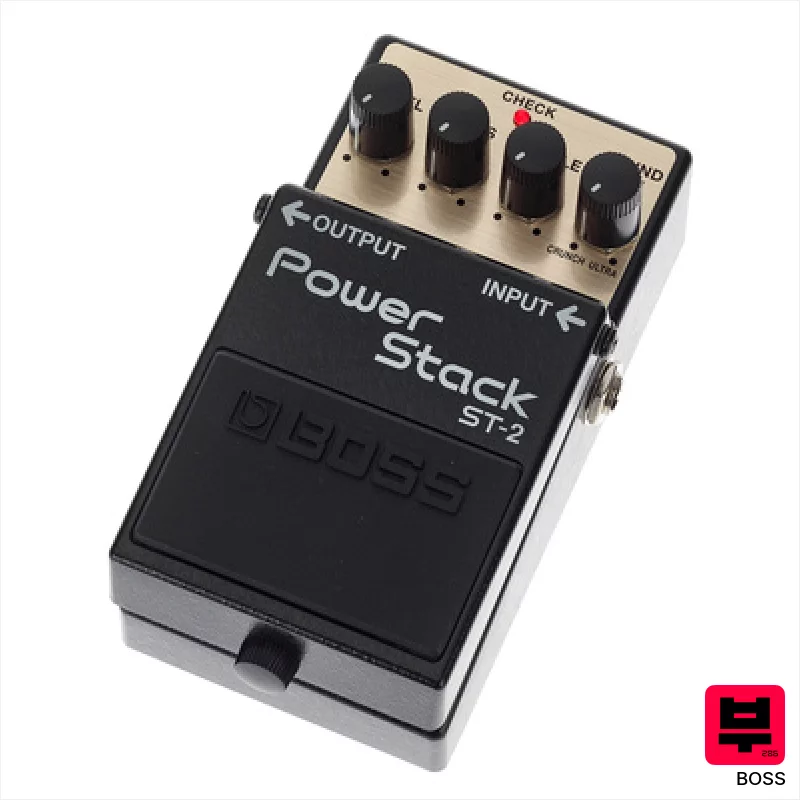
Boss ST-2 Power Stack
- • Faithfully recreates classic Plexi tones, from crunchy to high-gain.
- • Boss's renowned build quality ensures durability for gigging.
- • Versatile enough to work well with a wide range of amps and guitars.
- • Compact footprint makes it easy to integrate into existing pedalboards.
- • Lacks nuanced control compared to more complex amp modeling units.
- • Relies heavily on a single 'Sound' knob, limiting precise shaping.
- • Requires a separate power supply, adding to the overall cost.
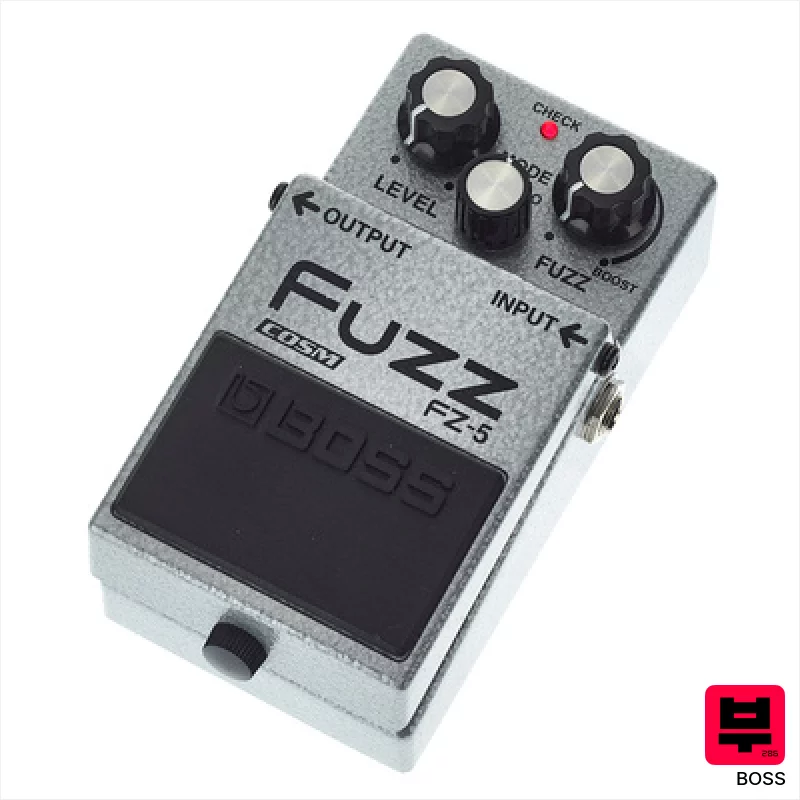
Boss FZ-5 Fuzz
- • Excellent recreation of classic fuzz tones, surprisingly authentic for a modelling pedal.
- • BOOST control adds significant versatility, from subtle grit to full-on chaos.
- • Boss’s renowned build quality ensures durability for gigging and studio use.
- • Compact size and pedalboard-friendly design makes integration easy.
- • COSM modelling, while good, lacks the unpredictable charm of true vintage fuzz circuits.
- • Limited to three fuzz types; lacks the breadth of some multi-fuzz options.
- • The 'Octavia' mode can sound a little thin and artificial compared to a dedicated Octavia.

Boss MD-2 Mega Distortion
- • Delivers thick, saturated distortion, surprisingly responsive for the price
- • GAIN BOOST offers a significant, usable signal increase for aggressive tones
- • BOTTOM control adds substantial low-end, useful for 7-string and dropped tunings
- • Boss’s renowned reliability and build quality ensures longevity.
- • Limited tonal flexibility beyond aggressive distortion styles
- • Can become muddy quickly if not dialed carefully, especially with high gain
- • Lacks true stereo capabilities, restricting wider soundscapes.
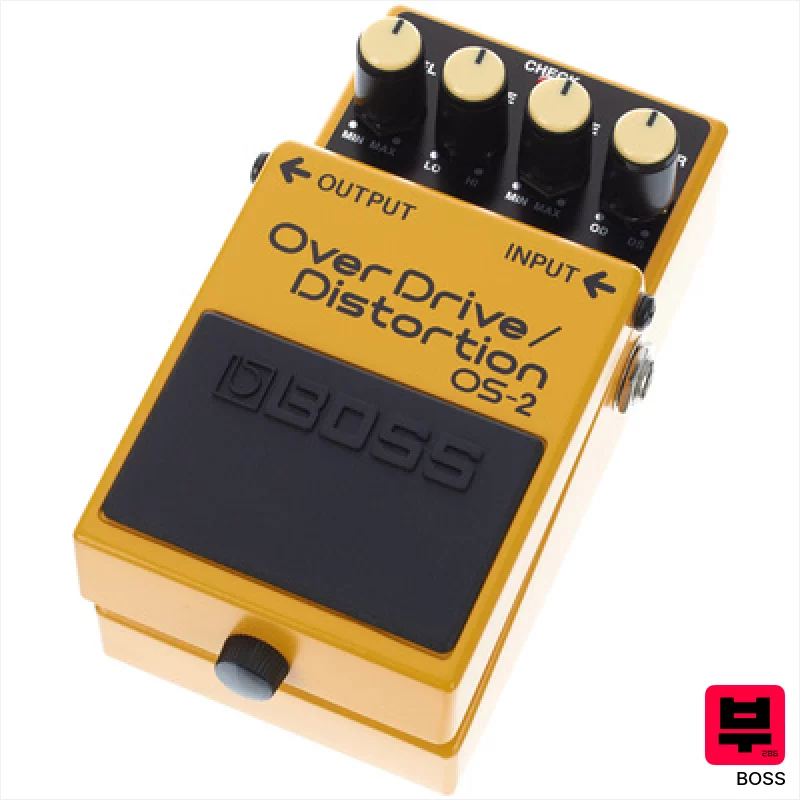
Boss OS-2
- • Compact and durable build quality, typical of Boss’s rugged construction
- • Colour control offers a surprisingly wide range of overdrive tones
- • Effective for adding sustain and grit to clean or already distorted signals
- • Level control maintains output volume, useful for stacking in a chain
- • The tone control is fairly basic, lacking precise mid-frequency adjustment
- • High-gain settings can become muddy and lack clarity, especially with darker pickups
- • Limited versatility compared to multi-effect units or pedals with more complex controls
Every distortion pedals that matches
21 models match this page. The 15 above are covered in detail; the rest are listed here with their published specifications.
| # | Model | Specifications | Price |
|---|---|---|---|
| 16 | Boss OD-3 Overdrive | not published | $123 |
| 17 | Boss SD-1 Overdrive | not published | $77 |
| 18 | Boss MT-2 Metal Zone Distortion | not published | $140 |
| 19 | Boss DS-2 Distortion | not published | $98 |
| 20 | Boss BD-2 Overdrive | not published | $116 |
| 21 | Boss DS-1 Distortion | not published | $85 |
Distortion Pedals by the numbers
Measured across all 551 models in this category, so «wide», «short» or «expensive» mean something you can check.
How to Choose the Best Distortion Pedals
Heritage & Reliability
Boss pedals are legendary for a reason - they're built like tanks. That compact enclosure and robust footswitch have seen countless gigs, and the circuit design is generally bulletproof. This isn't about 'vintage mojo'; it's about a pedal that'll still be working when your boutique clone gives up the ghost.
Tone Character
While Boss isn't known for nuanced, boutique-level tones, they offer a distinct flavor. Many lean towards a mid-focused, slightly compressed sound that cuts through a mix - crucial for rhythm guitar in a band. It's not always 'fat' or 'organic,' but it's consistent.
Dynamic Response
A good distortion isn't just about gain; it's about how it reacts to your playing. Boss pedals often have a slightly compressed feel, which can be a plus for locking in with a drummer or a minus if you're after a more open, responsive feel. Some models handle picking dynamics better than others.
Versatility (or Lack Thereof)
Some Boss distortions are pretty one-trick ponies, while others offer a surprising amount of tweakability. The ability to shape the tone with EQ controls or multiple voicing options can make a huge difference in adapting to different guitars and amps.
Noise Performance
Distortion inherently adds noise, but Boss pedals have historically had a bit more hiss than some competitors. It's usually manageable, but it's something to be aware of, especially when stacking multiple pedals or recording clean passages.
Buying Guide
Don't expect a Boss distortion to be a sonic revelation. They're workhorses, not magic boxes. The older models (DS-1, DS-2) are often incredibly affordable and provide a solid base for a distorted rhythm sound, but might require some tweaking to tame the highs. Spending a bit more on a newer model like the DS-3 or SD-1 often gets you a more refined response and better noise performance, but don't expect a drastic tonal leap - it's more about refinement than revolution.
How This List Is Built
We don't play these instruments — we're a catalog, not a review desk, and we'd rather say so than pretend otherwise. This page covers 21 of 551 distortion pedals from the Thomann catalogue, which is the largest single source of specification data in this category: 15 in detail, the rest listed with their specifications.
Position is computed, not curated. We parse the manufacturer's own description into actual values — nut width, scale, fret count, fingerboard radius, size, alloy — and rank on them: how many specifications a model has published, how many of them are measurable numbers, and how precisely it meets this page's criterion. A product image adds a little. Price is not a ranking signal: it tells you nothing about whether a neck fits your hand. The same inputs always produce the same order, so nothing here is shuffled to look fresh.
What this list is good for: narrowing a category down to a shortlist by spec and budget. What it isn't: a substitute for hearing an instrument. Before you buy, read hands-on reviews and, where you can, play it. Full methodology.

