
Best KMA Audio Machines Distortion Pedals 2026
Alright, so you're chasing that Kma Audio Machines vibe, huh? These pedals aren't just another clone factory; they're digging deep into classic amp circuits - think Marshall, Soldano, Bogner - but with a Kma twist. If you're tired of pedals that sound sterile or just plain wrong, and want something that'll actually inspire you to play, let's break down what makes Kma distortion pedals special and whether they're the right fit for your rig.
Last updated: October 7, 2026
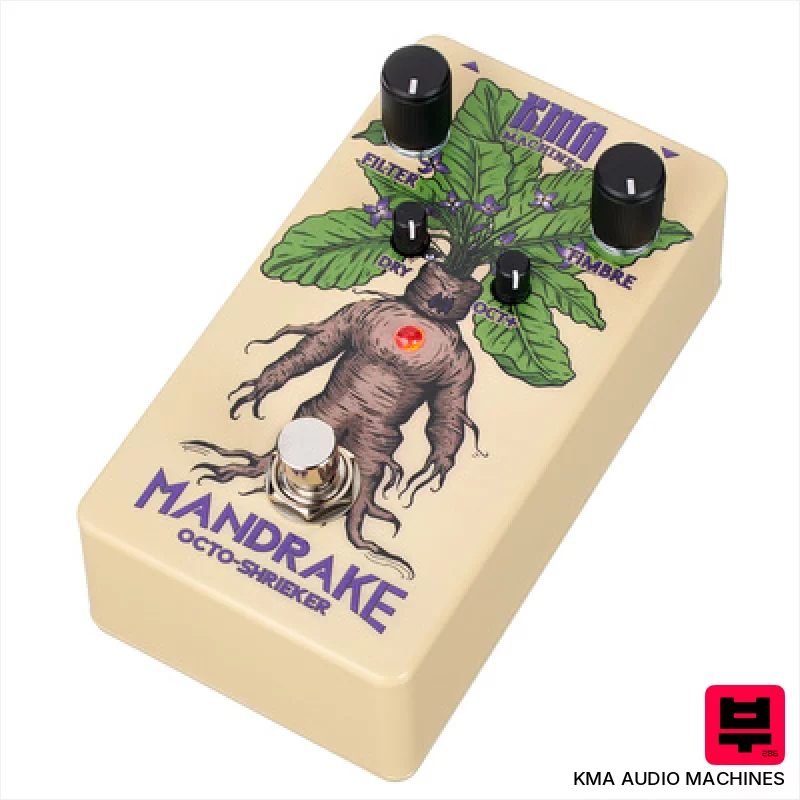
KMA Audio Machines Mandrake Octave Fuzz
- • Excellent tracking speed minimizes the muddy, out-of-control octave fuzz issues.
- • Timbre and Filter controls offer surprising tonal sculpting beyond a simple octave boost.
- • Handmade in Germany ensures high-quality components and meticulous construction.
- • The 'Dry' blend allows for subtle thickening or full-on octave mayhem.
- • Lacks battery operation, requiring a dedicated power supply – a minor inconvenience.
- • The compact size might feel cramped for players with larger hands or pedalboards.
- • The octave effect can be overwhelming for clean or delicate sounds; best suited for heavier genres.
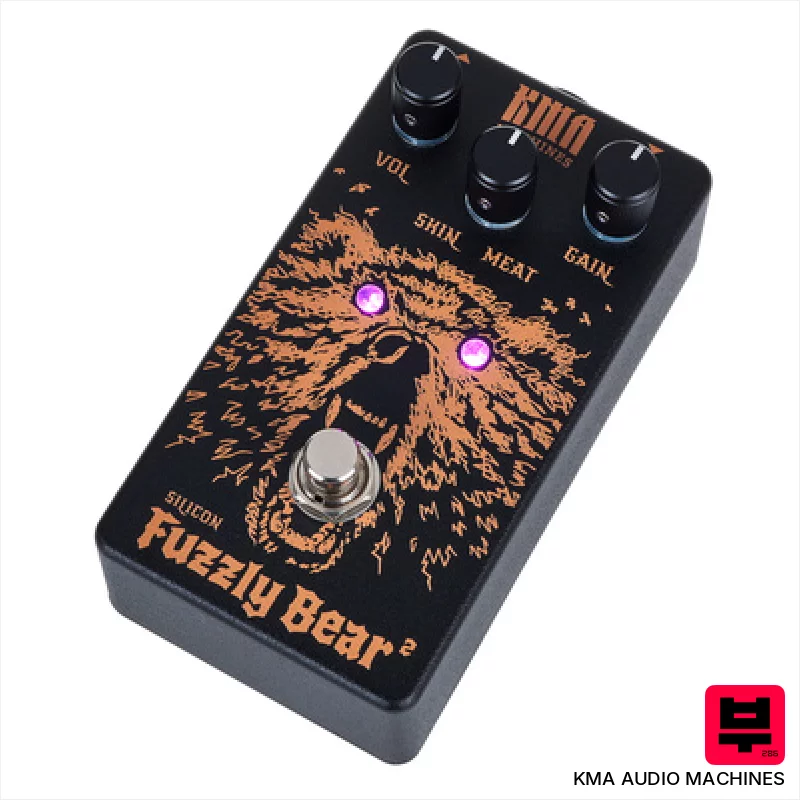
KMA Audio Machines Fuzzly Bear 2 Fuzz
- • Excellent recreation of the Bosstone fuzz's core character and vibe.
- • The 'Skin/Meat' bias control adds considerable tonal flexibility and warmth.
- • Relay-based switching eliminates unwanted noise and hiss – a crucial upgrade.
- • Top-mounted jacks improve pedalboard layout and cable management significantly.
- • Limited overall tonal palette; excels at fuzz, less versatile for other distortions.
- • Requires a 9V DC power supply (not included), adding to the initial investment.
- • The 'Skin/Meat' control can be subtle, requiring careful tweaking for noticeable changes.
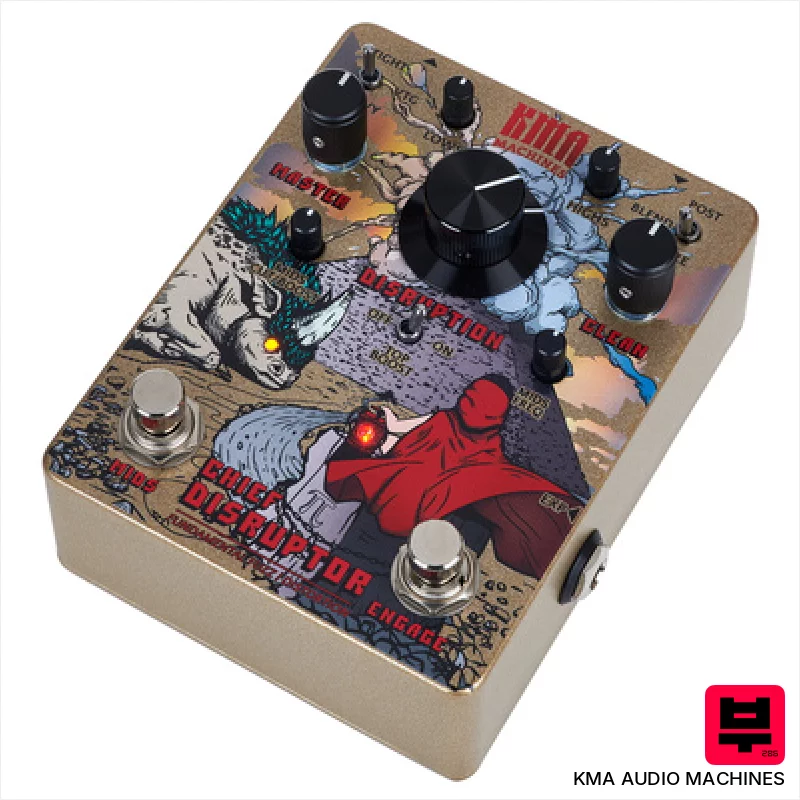
KMA Audio Machines Chief Disruptor Fuzz/Dist.
- • Excellent gain flexibility, ranging from subtle fuzz to aggressive distortion.
- • The parametric mid EQ offers incredibly precise tonal shaping capabilities.
- • Active bass and treble controls restore low-end and high-end clarity at higher gain.
- • Clean blend allows for stacking fuzz with clean signals for complex textures.
- • The complex controls can be overwhelming for beginners to dial in quickly.
- • Power consumption is relatively high, requiring a robust power supply.
- • The pedal’s size might be a constraint for those with very compact pedalboards.
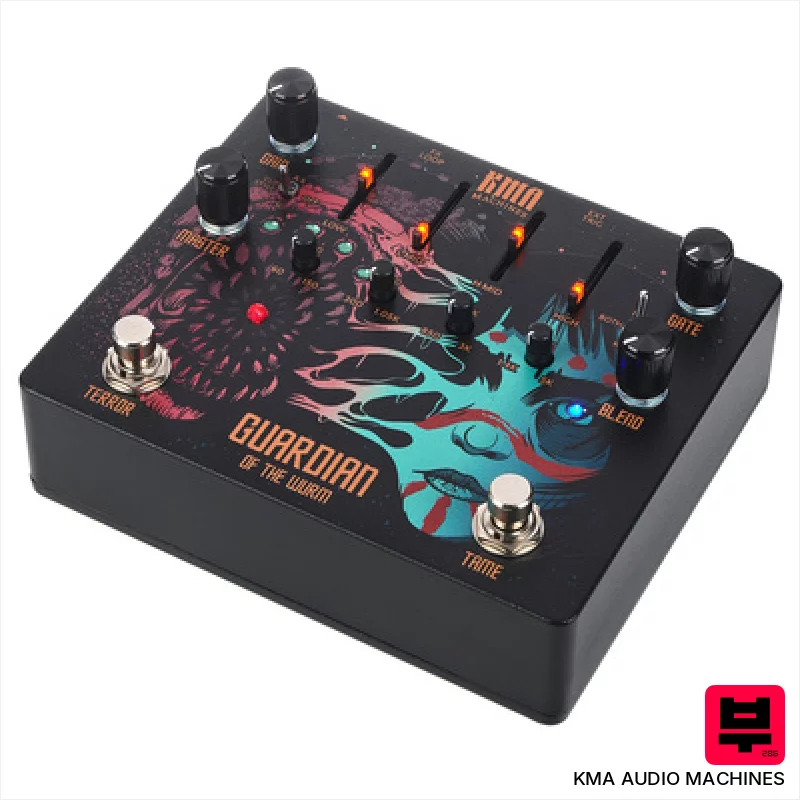
KMA Audio Machines Guardian of the Wurm Dist.
- • Exceptional gain range, from subtle grit to crushing high-gain distortion.
- • Flexible EQ section allows precise tonal shaping, avoiding muddy low-mids.
- • Integrated noise gate is genuinely effective, taming aggressive settings.
- • TRS loop and external trigger offer advanced routing and noise gate control.
- • The complex EQ can be overwhelming for players seeking simple distortion.
- • Relatively large footprint might be an issue for smaller pedalboards.
- • Premium-priced, placing it outside the reach of budget-conscious players.
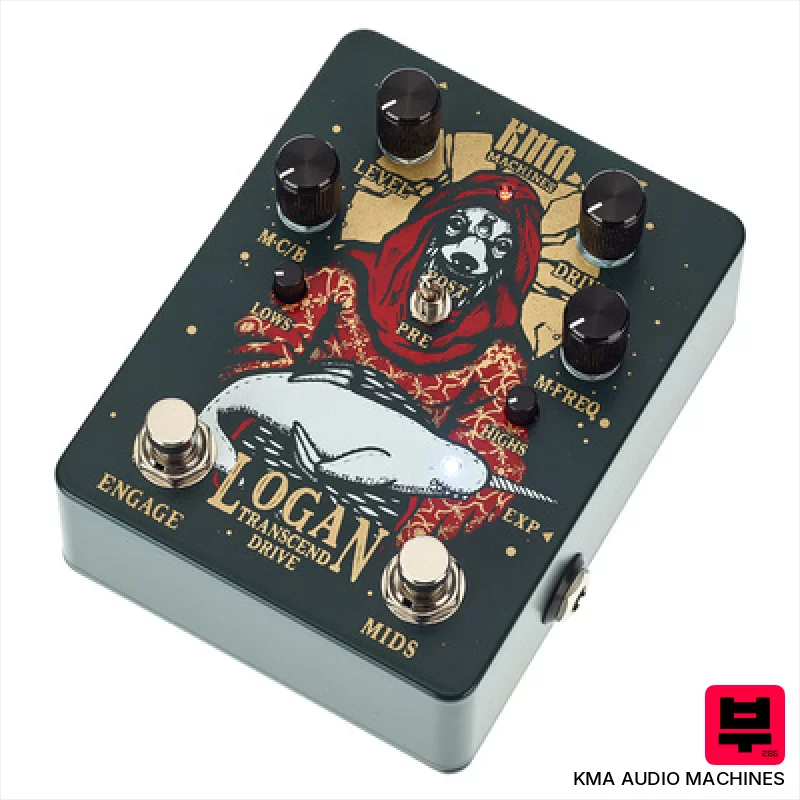
KMA Audio Machines Logan Overdrive
- • Exceptional touch sensitivity delivers nuanced dynamic response.
- • High headroom allows for clean, articulate solos and preamp duties.
- • Active EQ with adjustable mids provides sculpting flexibility.
- • Expression pedal input unlocks creative, wah/phaser-like textures.
- • 30mA current draw requires a robust power supply for pedalboard stability.
- • Limited versatility; best suited for overdrive and preamp applications.
- • Plastic enclosure feels less premium compared to all-metal alternatives.
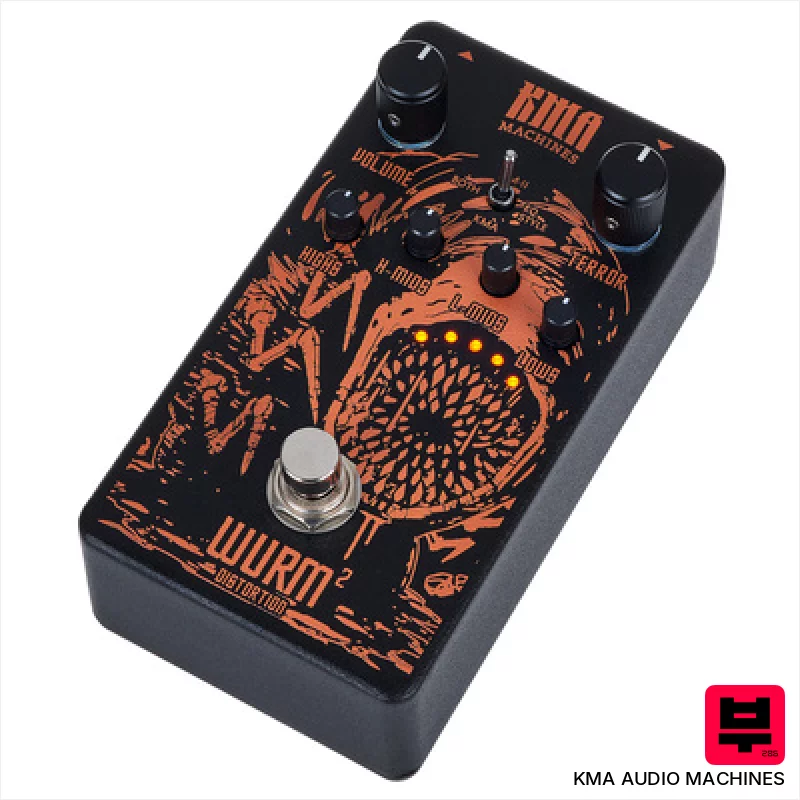
KMA Audio Machines WURM 2 Distortion
- • Excellent metal-inspired distortion with a surprisingly wide tonal range
- • The 'HM-II' EQ mode convincingly emulates a classic high-gain pedal
- • Silent operation is a massive plus for recording and live use
- • Compact size makes it pedalboard-friendly without sacrificing functionality
- • Lacks the versatility of a multi-mode distortion; primarily metal focused
- • Power supply not included, adding to the overall cost of acquisition
- • High-mid frequencies can become harsh if not carefully adjusted
Distortion Pedals by the numbers
Measured across all 548 models in this category, so «wide», «short» or «expensive» mean something you can check.
How to Choose the Best Distortion Pedals
Circuit Philosophy
Kma isn't chasing a fad. They're meticulously recreating (and subtly improving) classic high-end amp distortion circuits. This means a focus on nuanced dynamics and a responsiveness you just don't find in simpler distortion designs - it's not just 'more gain', it's better gain.
Dynamic Response
This is where Kma really shines. They've nailed the way these amps react to your picking intensity. Light touch yields a cleanish crunch, dig in and you get a screaming lead tone - it's that natural, reactive feel that makes a pedal feel alive, not just a tone generator.
EQ Flexibility
While the core circuit is the star, Kma pedals offer surprisingly flexible EQ controls. It's not just about boosting or cutting frequencies; it's about sculpting the tone to cut through a dense mix or to sit perfectly in a recording - essential for gigging and tracking.
Build Quality
The enclosures are solid, the footswitches are reliable, and the components are generally high quality. They aren't boutique-level hand-wired, but they're a step above the typical mass-produced pedal. You're not going to be worried about this thing failing mid-set.
The 'Kma' Sound
It's a subtle thing, but Kma pedals often have a slightly smoother, more refined character than the amps they're based on. They retain the aggression but soften the harsher edges, making them incredibly versatile and easier to dial in across different guitars and amps.
Buying Guide
Kma pedals aren't cheap, but you're paying for a level of detail and accuracy that's hard to find elsewhere. If you're on a tight budget and just need a simple boost, these probably aren't for you. However, if you're serious about your tone and want a distortion that'll inspire you and work well in a variety of situations, the extra investment is often worth it. Don't expect a one-knob wonder; these pedals have depth, and you'll need to spend some time learning how to dial them in properly.
How This List Is Built
We don't play these instruments — we're a catalog, not a review desk, and we'd rather say so than pretend otherwise. This page covers 6 of 548 distortion pedals from the Thomann catalogue, which is the largest single source of specification data in this category: 6 in detail, the rest listed with their specifications.
Position is computed, not curated. We parse the manufacturer's own description into actual values — nut width, scale, fret count, fingerboard radius, size, alloy — and rank on them: how many specifications a model has published, how many of them are measurable numbers, and how precisely it meets this page's criterion. A product image adds a little. Price is not a ranking signal: it tells you nothing about whether a neck fits your hand. The same inputs always produce the same order, so nothing here is shuffled to look fresh.
What this list is good for: narrowing a category down to a shortlist by spec and budget. What it isn't: a substitute for hearing an instrument. Before you buy, read hands-on reviews and, where you can, play it. Full methodology.

