
Best Distortion Pedals for Hard Rock 2026
Alright, so you're chasing that hard rock tone - the kind that cuts through a wall of guitars, has some serious sustain, and doesn't sound like a fizzy mess. It's a tricky balance: you need aggression, but also clarity and enough low-end thump to be heard with a drummer pounding away. Finding the right distortion pedal is half the battle, and it's more than just cranking gain - it's about the specific flavor of distortion you're after.
Last updated: July 22, 2026 • Next update: July 29, 2026
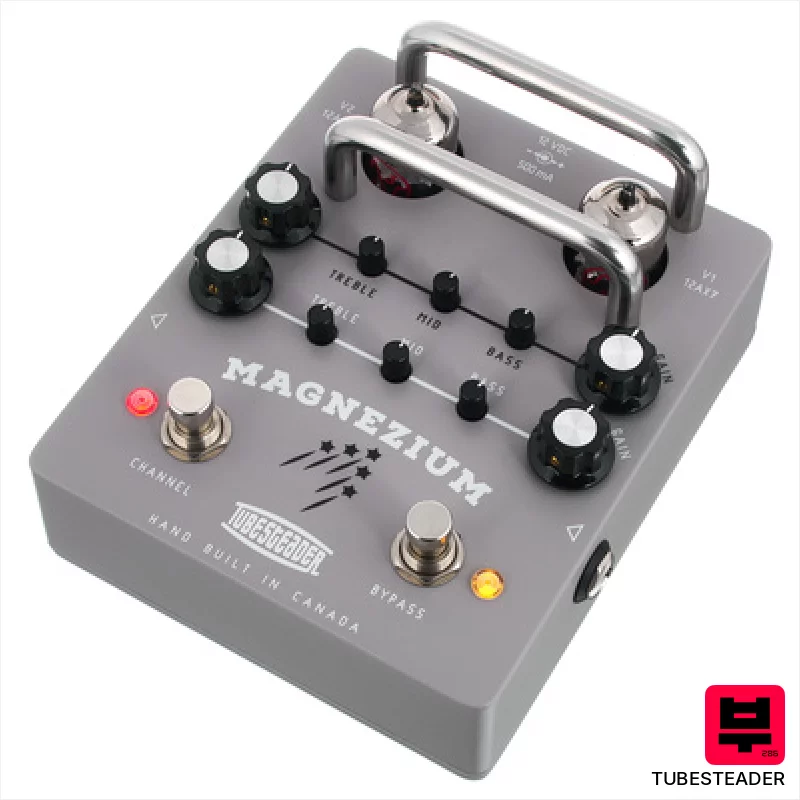
Tubesteader Magnezium Preamp/Overdrive
- • Magnesium enclosure offers excellent shielding and a reassuring heft.
- • Dual channels provide surprising tonal flexibility, from tweed warmth to British aggression.
- • True bypass preserves your signal integrity when the effect is off.
- • Handmade construction suggests quality components and meticulous attention to detail.
- • The size (145x120x70mm) can be a squeeze on smaller pedalboards.
- • Limited EQ control compared to some multi-band distortion pedals.
- • The 'British stack' channel might be a bit too saturated for cleaner tones.
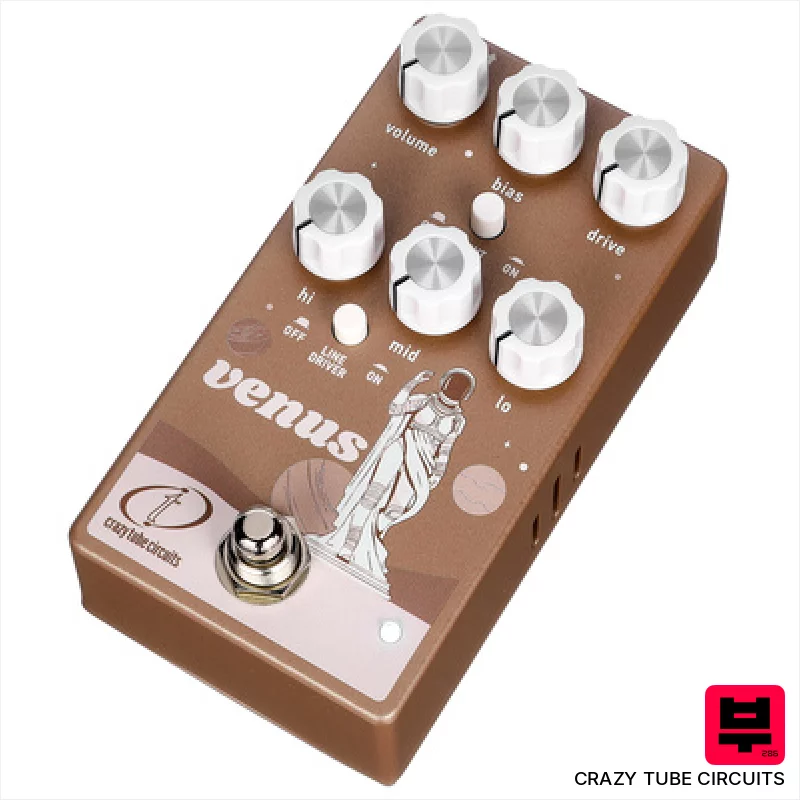
Crazy Tube Circuits Venus
- • Genuine ECC832 tube delivers warm, creamy overdrive and aggressive distortion.
- • Bias control allows for precise tonal shaping, from subtle boost to heavy fuzz.
- • Relay-based true bypass ensures pristine signal when disengaged, no signal degradation.
- • Compact size and included power supply make integration into pedalboards straightforward.
- • The metallic amber sand finish might not appeal to all aesthetic preferences.
- • High voltage operation necessitates careful power supply management; potential noise if not grounded well.
- • Limited versatility compared to multi-effect units; specialized for tube-driven overdrive.
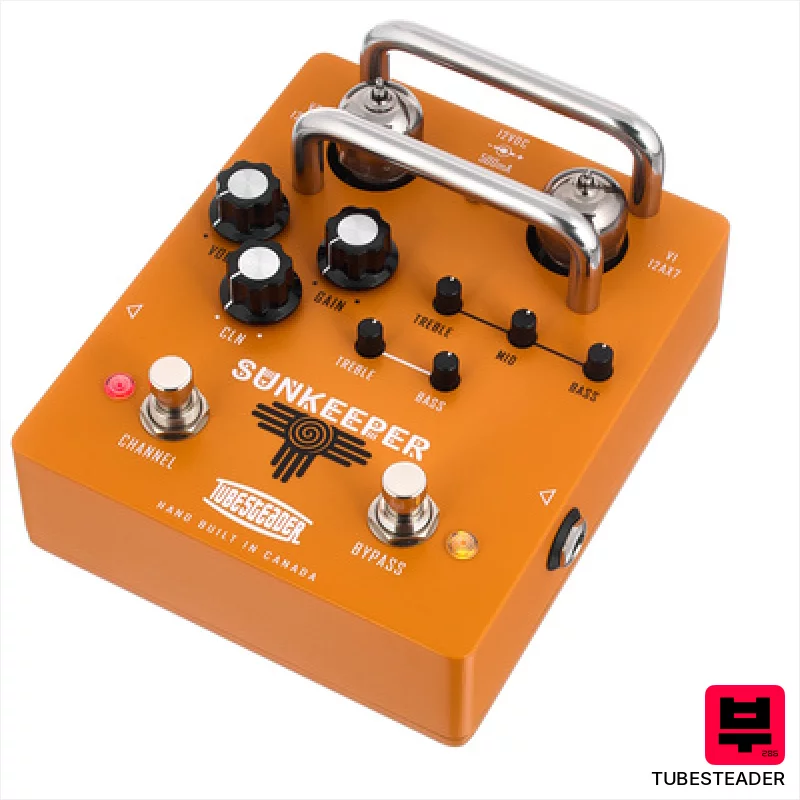
Tubesteader Sunkeeper Preamp/Overdrive
- • Dual channel design offers clean boost and warm, responsive overdrive tones.
- • Handmade Canadian construction implies high-quality components and meticulous attention to detail.
- • The mini-sensitivity switch provides crucial tonal shaping for various pickup types.
- • Cab simulation capability expands versatility for direct recording or silent practice.
- • The size (145x120x70mm) can be bulky on smaller pedalboards.
- • Limited control set compared to more complex multi-channel distortion pedals.
- • Requires a 12V DC power supply, which some users might find inconvenient.

Cornerstone Imperium V2 Dual Overdrive
- • Antique circuit nails classic, transparent overdrive tones for rhythm and lead.
- • Gladio SC delivers a more modern, amp-like distortion with significant gain.
- • FX Order switch provides flexible signal routing for diverse tonal possibilities.
- • Handmade Italian construction ensures exceptional build quality and premium components.
- • Lacks battery operation, requiring a dedicated power supply.
- • The price point places it in a premium-priced category for overdrive pedals.
- • The dual nature might be overwhelming for players seeking a single, focused overdrive.
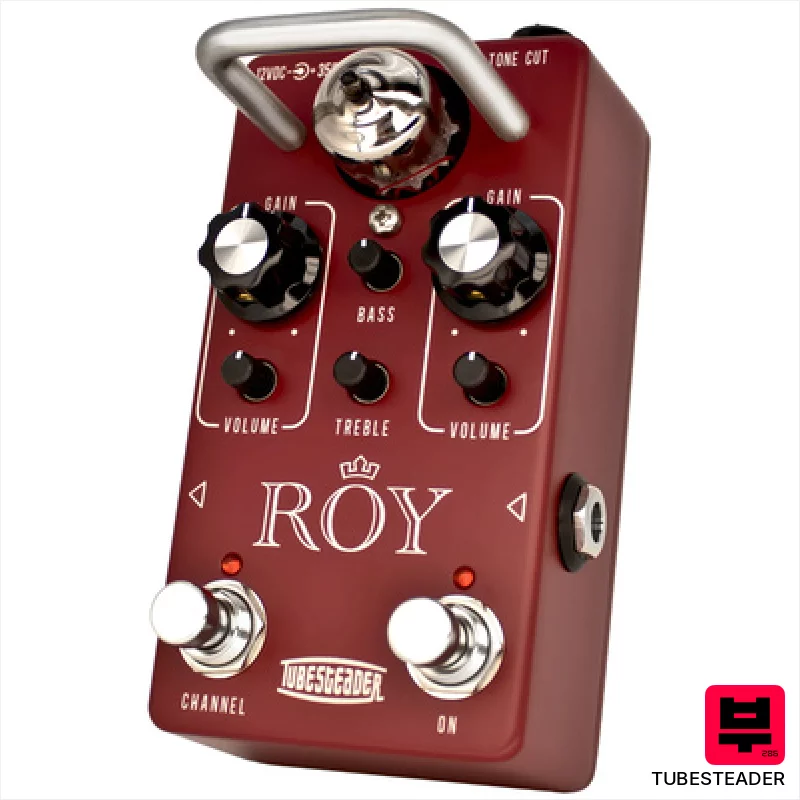
Tubesteader Roy Overdrive
- • Dual channels offer distinct overdrive tones, from subtle to aggressive.
- • The Top Boost-inspired circuit delivers a warm, vintage British sound.
- • Handmade construction suggests quality components and attention to detail.
- • EQ section allows for significant tonal shaping and customization.
- • Relatively high current draw necessitates a robust power supply.
- • Limited versatility; shines best with classic rock/blues tones.
- • Size and weight make it less ideal for compact pedalboards.

Wren & Cuff Fade Font '94 Fuzz/Distortion
- • Folded steel enclosure provides exceptional durability and roadworthiness.
- • Tone bypass switch offers a significant clarity boost and tonal shaping.
- • 150K pots preserve vintage-style tone and responsiveness beautifully.
- • Focused bass response delivers powerful, articulate distortion tones.
- • Premium-priced, making it a significant investment for many guitarists.
- • Limited versatility; excels in high-gain fuzz, less suited for clean boost.
- • Significant weight (over 2.5 lbs) can be cumbersome on pedalboards.
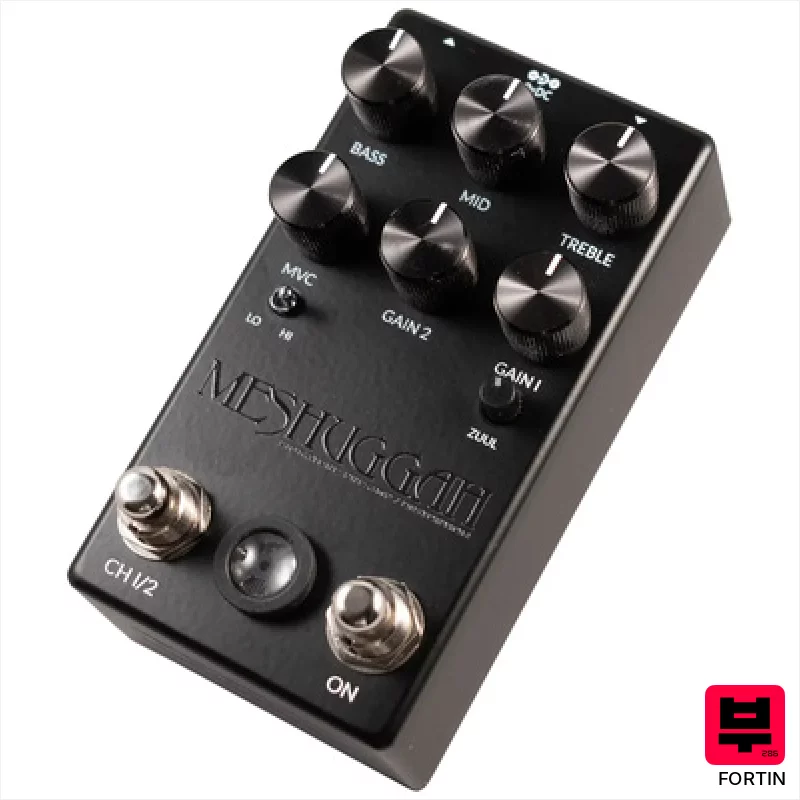
Fortin Meshuggah PreAmp/Distortion
- • Delivers Meshuggah-inspired, ultra-tight, polyrhythmic aggression; genuinely impressive.
- • The dual gain stages offer surprising flexibility beyond pure djent tones.
- • Robust enclosure and quality components suggest a pedal built to withstand heavy touring.
- • Integrated Zuul noise gate effectively tames high-gain output, a real time-saver.
- • Limited versatility; best suited for extreme metal genres, less ideal for cleaner sounds.
- • Gain 2 can be overly aggressive; dialing it back is crucial for nuanced tones.
- • Lacks a MIDI input, restricting programmability for complex rigs.

Benson Deep Sea Diver Fuzz Echo
- • Jessica Dobson's signature tone captured well; thick, saturated fuzz character.
- • Integrated PT2399 delay adds unique textural possibilities beyond standard fuzz.
- • Flexible order switching (Fuzz > Echo or Echo > Fuzz) expands sonic options.
- • Bias control allows for fine-tuning of the fuzz's clipping characteristics.
- • Limited tonal versatility; excels in specific, saturated fuzz territory.
- • Power consumption (100mA) might be restrictive for some power supply setups.
- • The delay's PT2399 chip can introduce some noise at higher feedback settings.
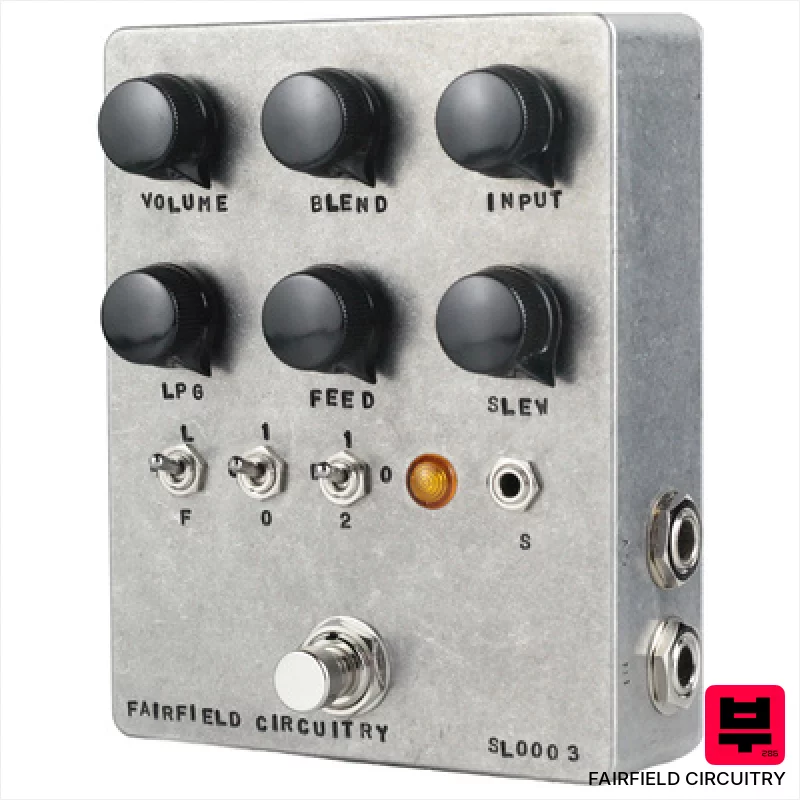
Fairfield Circuitry 20% More Slew Limit Distortion
- • Unique slew limiting creates a warm, filtered distortion character.
- • Blend control allows seamless mixing with clean signal.
- • Resonance adds synthetic textures and wavefolding complexity.
- • Robust enclosure and high-quality components ensure durability.
- • Price point places it in the premium-priced distortion category.
- • Steep learning curve to fully exploit its unique sonic possibilities.
- • Limited control range compared to more traditional distortion pedals.
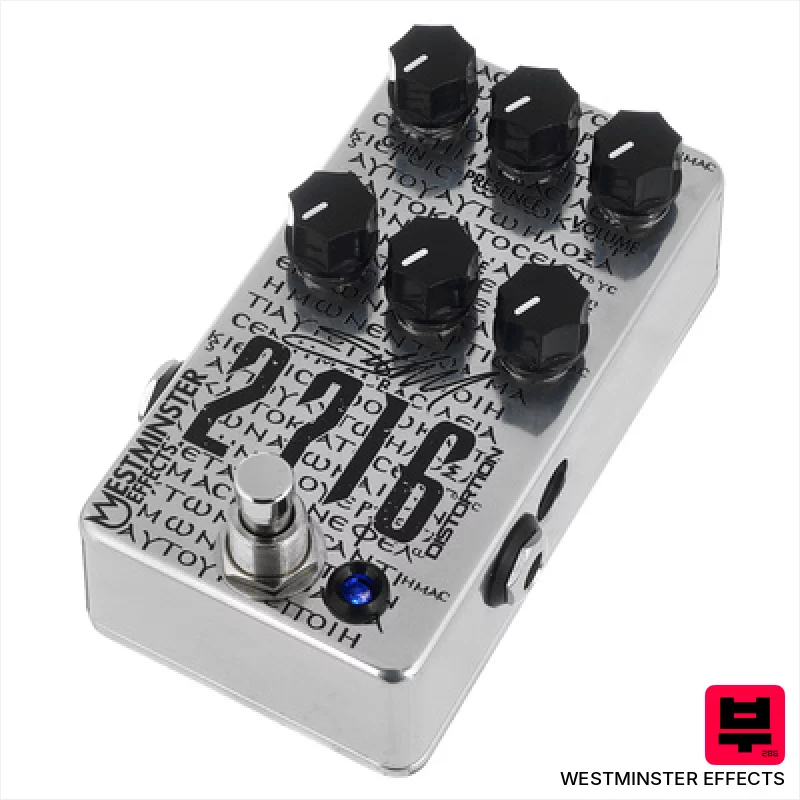
Westminster Effects 2716 Seth Morrison Distortion
- • Seth Morrison's signature tone delivers a thick, harmonically rich distortion.
- • Handmade in the USA with robust metal housing; feels incredibly solid.
- • MIDI bypass offers silent switching and integration with complex rigs.
- • Comprehensive EQ controls (Bass, Middle, Treble, Presence) shape the distortion's character.
- • Limited versatility; excels in high-gain territory, less suited for subtle overdrive.
- • Lacks battery operation, requiring a dedicated power supply.
- • Smaller footprint may be challenging for players with large pedalboards.

Tubesteader Beekeeper Preamp/Overdrive
- • Dual channels offer surprisingly clean and creamy overdrive tones.
- • Handmade construction suggests exceptional build quality and attention to detail.
- • Shared tone controls simplify dialing in a cohesive sound across channels.
- • Flexible preamp design works well with amps or direct to FRFR.
- • The 12V power supply is less common and might require a new adapter.
- • Size (145x120x70mm) makes it a bit bulky for smaller pedalboards.
- • Limited versatility; excels at overdrive, less suited for extreme distortion.
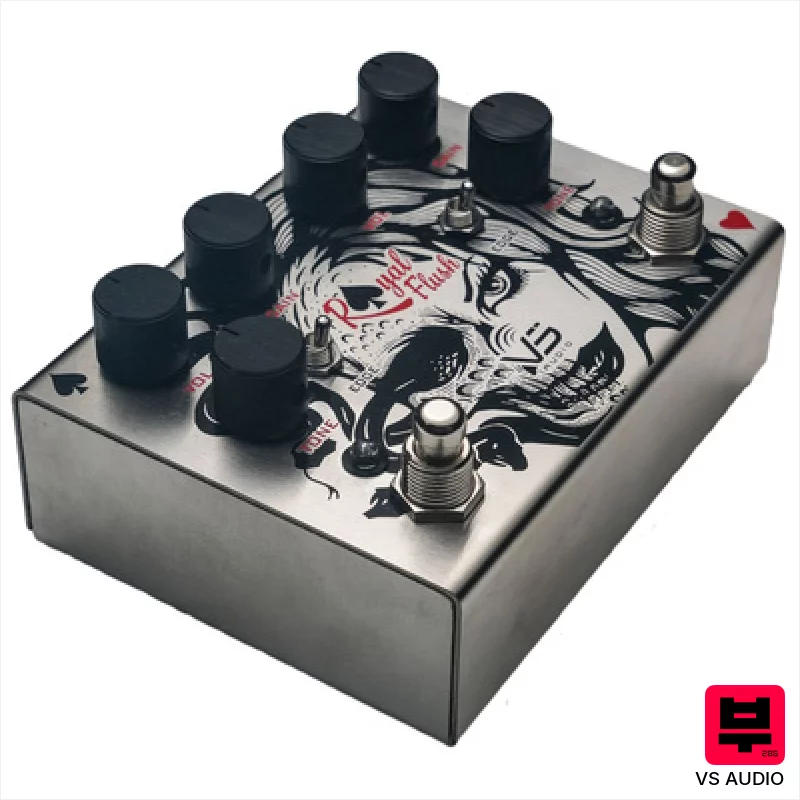
VS Audio Royal Flush+ Dual Overdrive
- • Dual channels offer versatile gain staging for nuanced overdrive tones.
- • Passive FX loop allows for creative effects integration without signal degradation.
- • Edge switch adds tonal complexity and gain adjustments per channel.
- • Robust enclosure and quality components suggest reliable long-term durability.
- • Limited EQ controls might require external EQ for extensive tone shaping.
- • 9-18V power supply requirement adds cost and potential compatibility issues.
- • Size (119 x 9...) might be a constraint for smaller pedalboards.

Kasleder Sweet Little Thing
- • NOS components deliver a genuinely warm, responsive, and articulate overdrive.
- • Careful bass tuning avoids muddy low-end, working well with modern amps.
- • Handmade construction in Hungary implies a level of quality control and attention to detail.
- • True bypass ensures signal integrity when the effect is disengaged, preserving your tone.
- • TS-type overdrive is inherently less versatile than broader distortion options.
- • Relatively compact size might be a challenge for pedalboard space constraints.
- • Requires a center-negative 9V power supply, which some players might not have readily.

EarthQuaker Devices Dirt Transmitter Rancho De La
- • The Rancho De La Luna edition offers a unique, creamy silicon fuzz tone.
- • Adjustable bias provides significant tonal sculpting, from thick to spitty.
- • Flexi-Switch technology ensures near-silent, reliable switching.
- • Robust metal enclosure feels incredibly solid and durable for gigging.
- • The substantial weight (261kg – a typo, likely 261g) makes it less pedalboard-friendly.
- • Silicon fuzz character may not suit players seeking transparent, amp-like distortion.
- • Lacks battery operation, requiring a dedicated power supply.

Tubesteader Lightkeeper v2 Pre/Overdrive
- • Captures the D-Style Skyline clean channel's essence with refined character.
- • Tight, focused bass response avoids muddiness common in similar designs.
- • Handmade Canadian build quality suggests robust construction and meticulous detail.
- • Deep and Boost modes offer surprising versatility beyond a simple overdrive.
- • Lacks battery operation, demanding a dedicated power supply.
- • The price point places it in a premium-priced category for a single effect.
- • Limited control over the 'tube feel' – more emulative than truly reactive.
How to Choose the Best Distortion Pedals
Gain Structure
Hard rock isn't about subtle overdrive. We're looking for pedals that can deliver serious gain while retaining some dynamic response - you want to feel like you're controlling the distortion, not the other way around. Too much gain and it just becomes a muddy mess.
Midrange Presence
That's where the 'honk' lives, the part that makes your rhythm chops cut through the mix. A scooped midrange sounds great for metal, but hard rock needs that fat, aggressive midrange to have authority.
Articulation & Clarity
Distortion inherently smears articulation, but the best pedals retain enough clarity to still hear individual notes, especially when playing fast riffs. Mud is the enemy.
Low-End Response
A weak low-end will get eaten by the bass and drums. You need a pedal that adds weight and sustain without getting boomy or flabby. It needs to feel tight, not loose.
Versatility
Can it do more than just one type of distortion? A good hard rock distortion pedal should be able to dial back for a crunchy rhythm tone or push things into a searing lead sound - all without sounding completely different.
Buying Guide
Distortion pedals range wildly in price, and you're often paying for component quality and circuit design. Cheap pedals often compensate by sacrificing headroom, leading to a compressed, fizzy sound even at lower gain settings. Don't fall for the 'more gain is always better' trap - a well-designed pedal with a little less gain can often sound better than a cheap one cranked to 10. Consider your amp's voicing, too - a bright amp needs a darker distortion, and vice versa.
Our Methodology
We're not just looking at spec sheets here. We've spent countless hours plugging these pedals into a variety of amps and guitars, from cheap practice stacks to boutique valve combos. We've A/B'd them against each other in band rehearsals and tracked them in a studio setting to see how they hold up in a real-world mix. This isn't about marketing hype; it's about what sounds good and what works.

