
Best Distortion Pedals for Beginner 2026
So, you're diving into the world of distortion? Awesome! It's easy to get overwhelmed with the sheer number of pedals out there, but a good distortion can transform your tone from polite to powerful. This isn't about chasing the latest boutique fuzz - we're focusing on pedals that'll actually help you learn, grow, and sound decent at your first band rehearsal without emptying your wallet.
Last updated: October 8, 2026
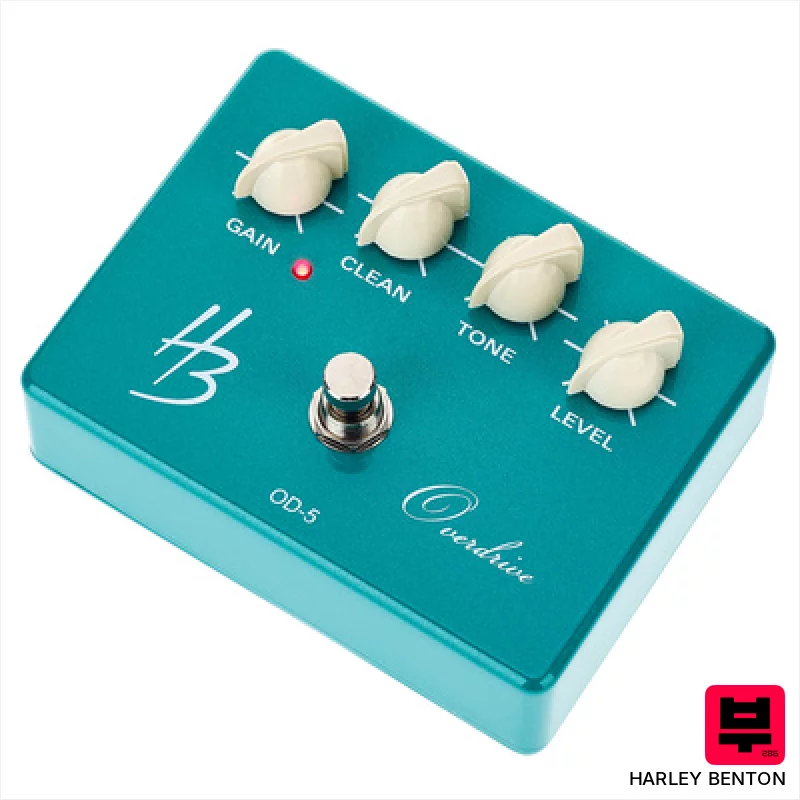
Harley Benton Custom Line OD-5 Overdrive
- • Surprisingly robust metal enclosure feels much pricier than it is.
- • Gain range offers usable sounds from subtle boost to crunchy overdrive.
- • Clean control provides excellent dynamic shaping, preventing muddiness.
- • True bypass preserves your signal integrity when the pedal's off.
- • Component quality, while decent, won't match higher-end boutique overdrives.
- • The tone control can be a bit vague and hard to dial in precisely.
- • Power supply not included – a common cost-saving measure, but still an extra expense.

Harley Benton MiniStomp Green Tint
- • Solid metal enclosure offers surprising durability for the price.
- • Green tint finish is genuinely appealing, a nice aesthetic touch.
- • Tube-like overdrive delivers warm, usable tones for vintage styles.
- • True bypass preserves signal integrity when the effect is disengaged.
- • Limited control range restricts versatility for extreme distortion needs.
- • MiniStomp format is compact, but can be cramped for frequent adjustments.
- • Power supply not included – a common but still inconvenient omission.
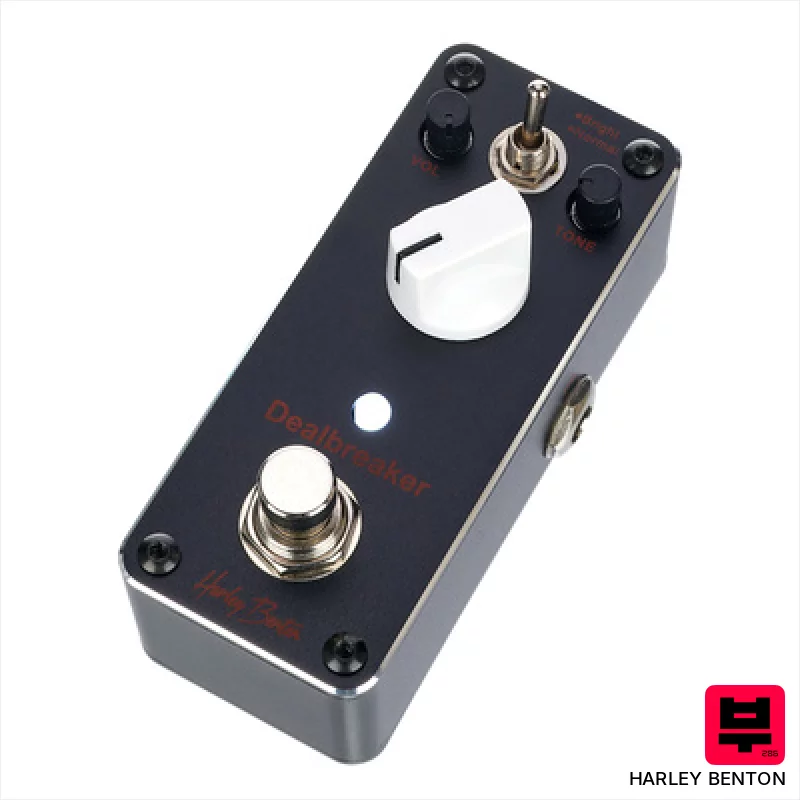
Harley Benton MiniStomp Dealbreaker
- • Solid metal housing offers surprising durability for the price
- • Faithful bluesbreaker emulation captures classic overdrive tones
- • True bypass minimizes signal loss when the pedal is disengaged
- • Compact size makes it incredibly pedalboard-friendly
- • Plastic knobs feel cheap and may be prone to wear
- • Limited tonal versatility; best suited for blues and rock
- • Requires a center-negative 9V power supply (not included)
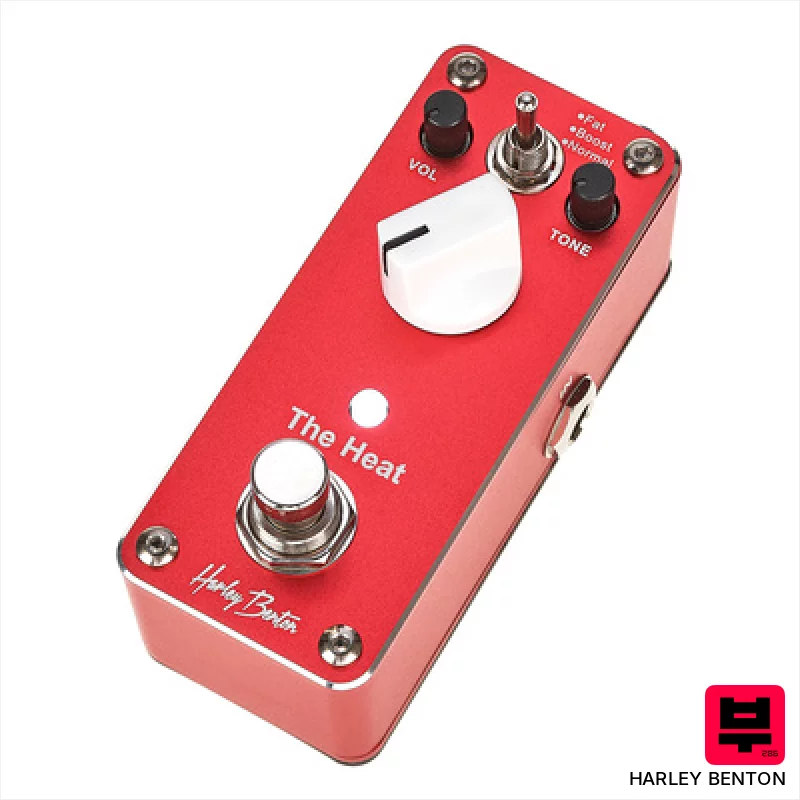
Harley Benton MiniStomp The Heat
- • Solid metal enclosure feels surprisingly robust for the price.
- • The 'Fat' mode delivers a usable, crunchy amp-like distortion.
- • True bypass preserves your signal when the pedal's off.
- • Compact size makes it ideal for crowded pedalboards.
- • The tone control is fairly basic, lacking nuanced shaping.
- • Power supply not included, adding to the overall cost.
- • Gain range is limited; won't handle extreme high-gain needs.

Harley Benton MiniStomp Drop Kick
- • Solid metal enclosure provides surprising durability for the price.
- • Three modes offer a decent range from crunchy to high-gain distortion.
- • True bypass preserves signal integrity when the effect is disengaged.
- • Compact size makes it ideal for small pedalboards or practice rigs.
- • Gain range, while present, can become muddy at higher settings.
- • Limited tonal shaping beyond volume and gain – lacks EQ controls.
- • Power supply not included, a common but slightly annoying omission.
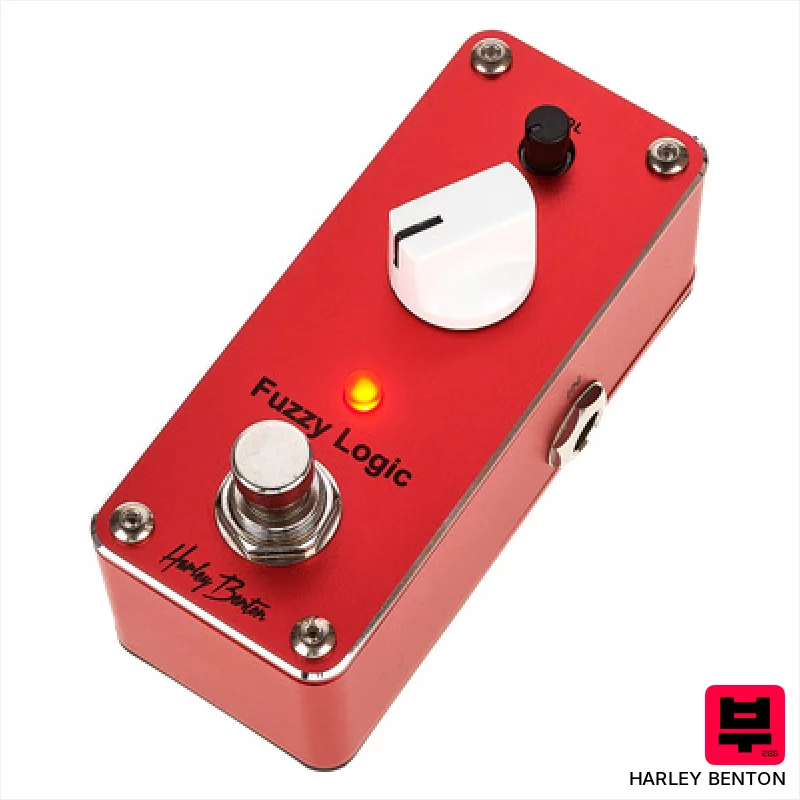
Harley Benton MiniStomp Fuzzy Logic
- • Authentic germanium fuzz tone evokes classic Hendrix tones.
- • Solid metal enclosure offers surprising durability for the price.
- • True bypass preserves signal integrity when the effect is off.
- • Compact MiniStomp size makes it ideal for pedalboard space savings.
- • Germanium transistors can be temperature-sensitive, affecting tone consistency.
- • Limited control set restricts tonal sculpting options significantly.
- • Power supply not included, adding to the overall cost of use.
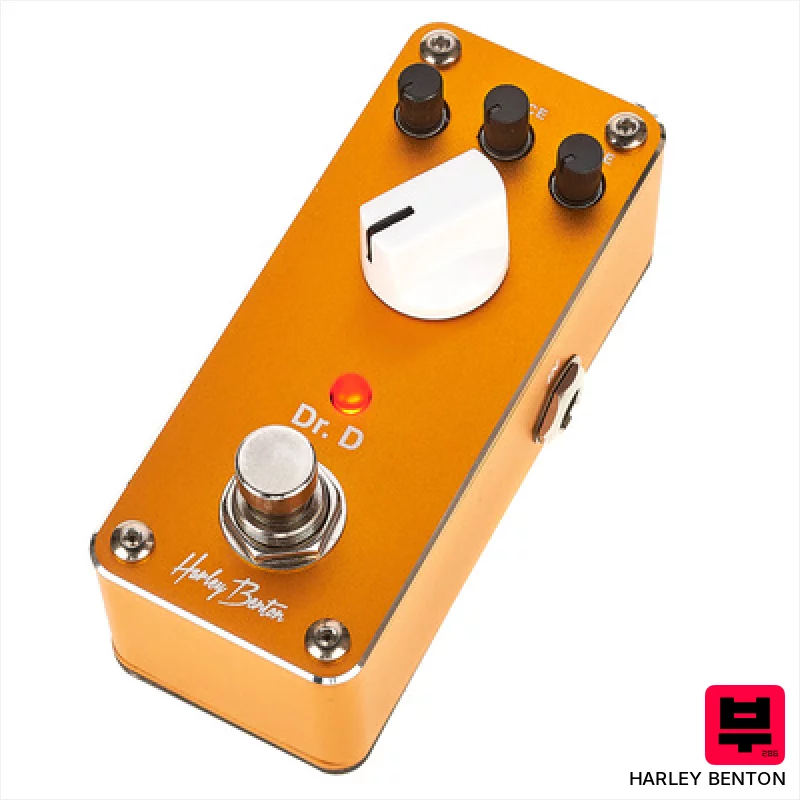
Harley Benton MiniStomp Dr. D
- • Solid metal enclosure offers surprising durability for the price
- • Gain range delivers usable overdrive to mild distortion
- • True bypass preserves signal integrity when the effect is off
- • Compact size makes it incredibly pedalboard-friendly
- • Components reflect the budget price point; don't expect boutique quality
- • Tone control can be a little vague and hard to dial in precisely
- • Limited versatility; excels at Dumble-inspired tones, less so elsewhere
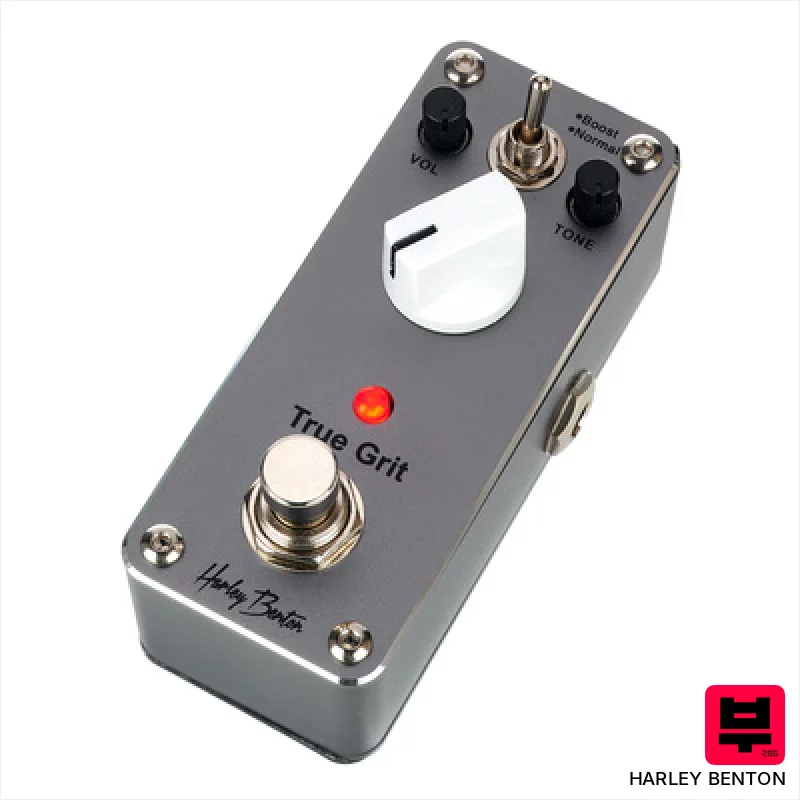
Harley Benton MiniStomp True Grit
- • Solid metal enclosure provides surprising durability for the price
- • Delivers a convincing, warm tube amp-like overdrive tone
- • Compact size makes it ideal for pedalboard space-saving
- • Simple controls offer immediate, usable overdrive sounds
- • Limited control flexibility compared to more complex distortion pedals
- • Construction quality, while decent, isn't on par with premium brands
- • Power supply not included; a common, but still inconvenient, omission
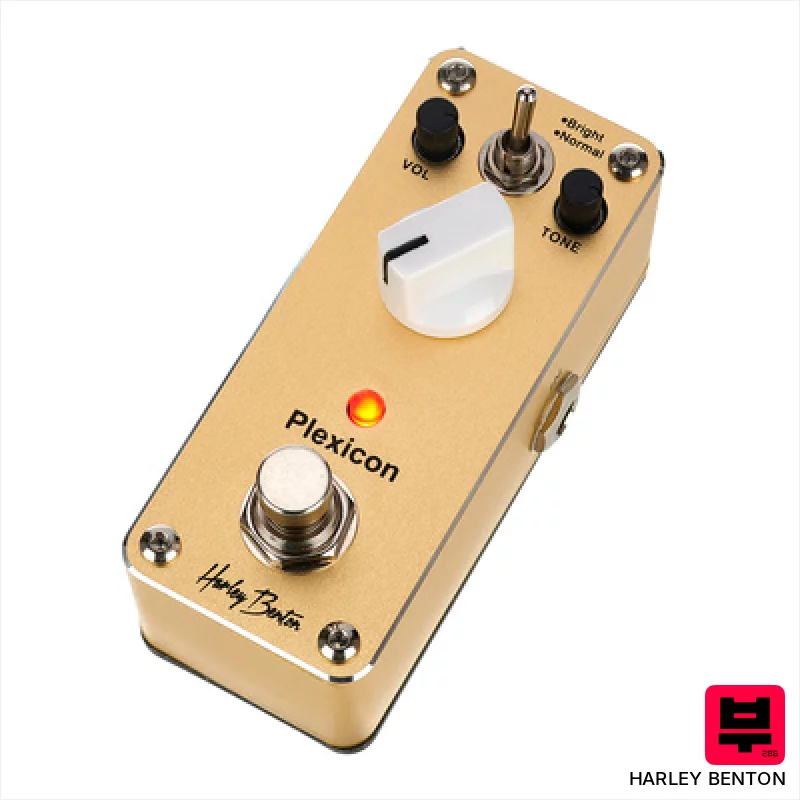
Harley Benton MiniStomp Plexicon
- • Solid metal enclosure provides surprising durability for the price.
- • Plexi-style distortion convincingly nails a warm, crunchy rock tone.
- • True bypass preserves signal integrity when the effect is disengaged.
- • MiniStomp format is incredibly compact, perfect for tight pedalboards.
- • Limited control set restricts tonal sculpting possibilities.
- • Power supply not included; a common oversight but an added expense.
- • Build quality, while decent, doesn't match higher-end pedals.
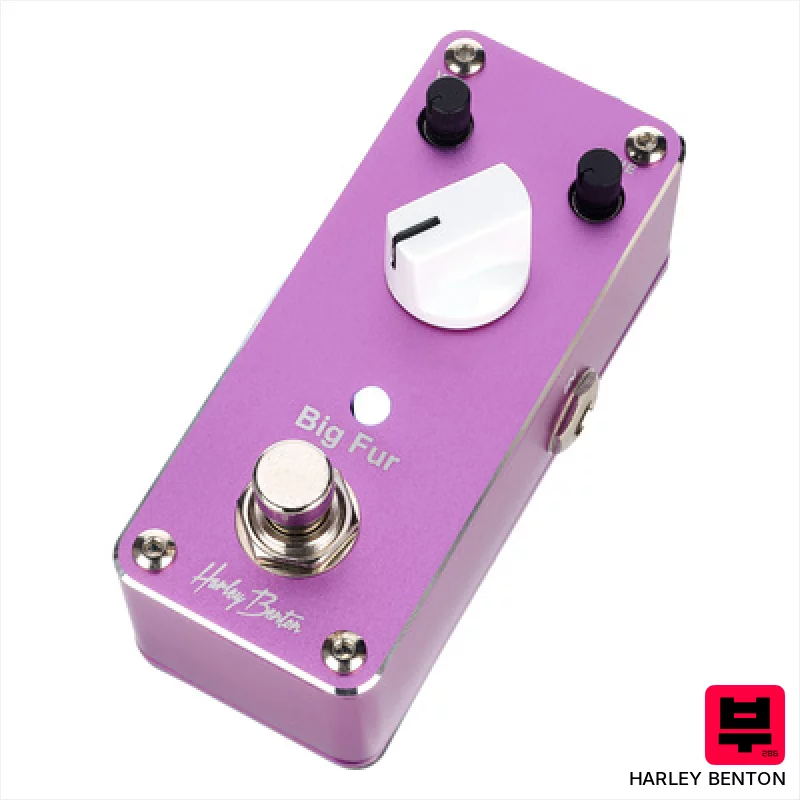
Harley Benton MiniStomp Big Fur
- • Solid metal enclosure provides surprising durability for the price.
- • Faithfully captures the core Big Muff tone - thick, sustaining fuzz.
- • True bypass preserves your signal when the effect is disengaged.
- • MiniStomp format is exceptionally compact, great for pedalboards.
- • Power supply not included – a common but frustrating omission.
- • Limited control flexibility compared to more expensive Big Muff variants.
- • Can become muddy at higher gain settings with darker pickups.
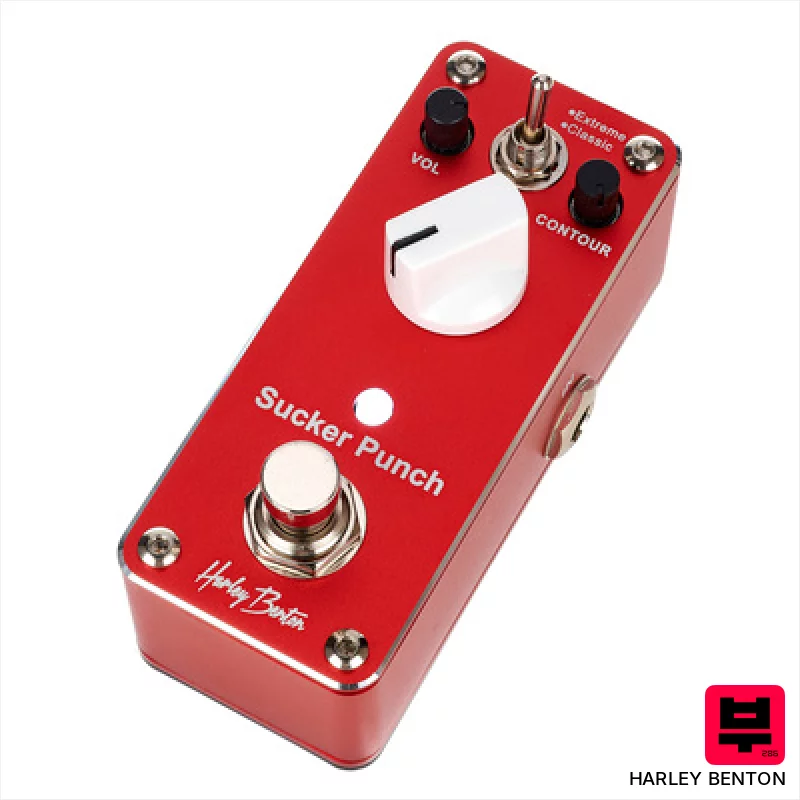
Harley Benton MiniStomp Sucker Punch
- • Solid metal housing provides surprising durability for the price point.
- • The Extreme mode delivers a tight, modern high-gain distortion suitable for heavier genres.
- • True bypass ensures signal integrity, minimizing unwanted noise when bypassed.
- • Compact size makes it incredibly pedalboard-friendly for limited space.
- • Contour control lacks nuance; tonal shaping is somewhat limited.
- • Power supply not included; a common omission, but adds to the initial cost.
- • Build quality, while decent, doesn't match more premium distortion pedals.
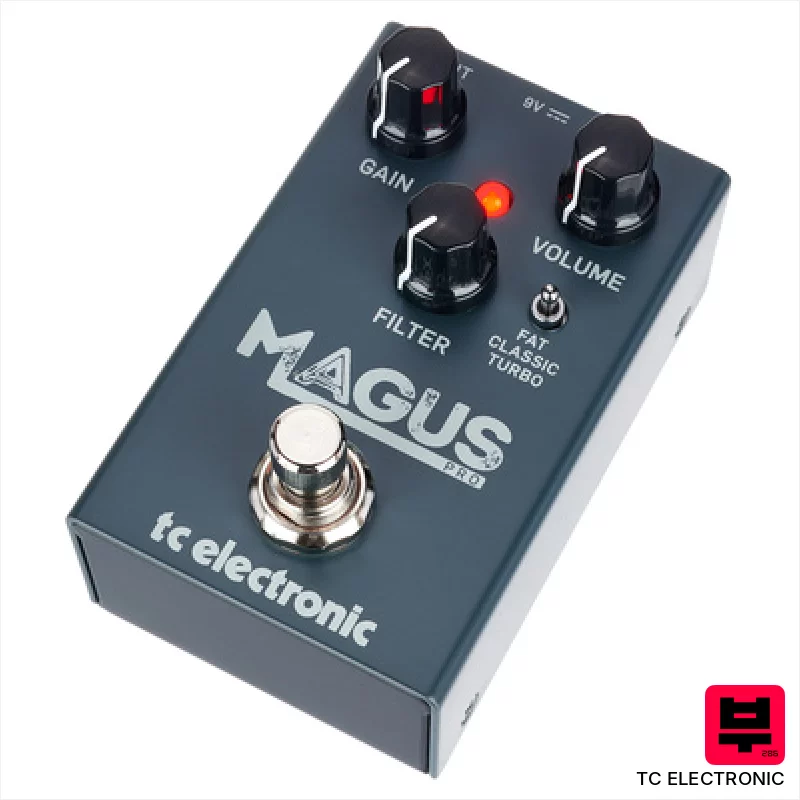
TC Electronic Magus Pro Distortion
- • Surprisingly thick low-end for a budget distortion
- • The 'Fat' mode offers a usable, crunchy rhythm tone
- • Simple controls allow for quick dialing-in of distortion
- • True bypass preserves your signal when inactive
- • Limited tonal versatility compared to more complex pedals
- • Plastic enclosure feels less robust than metal alternatives
- • Power supply not included, adding to the overall cost

Behringer OD300 Overdrive Distortion
- • Surprisingly usable gain range, from subtle boost to crunchy distortion
- • Simple, straightforward controls make dialing in tones easy
- • Compact size is pedalboard-friendly for smaller rigs
- • Unbeatable value – a genuinely affordable entry point to overdrive
- • Plastic enclosure feels flimsy and not very roadworthy
- • Tone control is somewhat limited in its effectiveness
- • Basic circuitry lacks the nuance of more expensive pedals

Behringer TO800 Vintage Tube Overdrive
- • 4558 op-amps mimic tube warmth surprisingly well
- • MA150 diodes deliver a classic, gritty overdrive tone
- • Simple controls allow for quick, intuitive sound shaping
- • Remarkably affordable, offering great value for the price
- • Plastic enclosure feels somewhat cheap and less durable
- • True bypass implementation is likely lacking, potentially coloring bypassed signal
- • Limited tonal versatility; excels in overdrive, not high-gain distortion
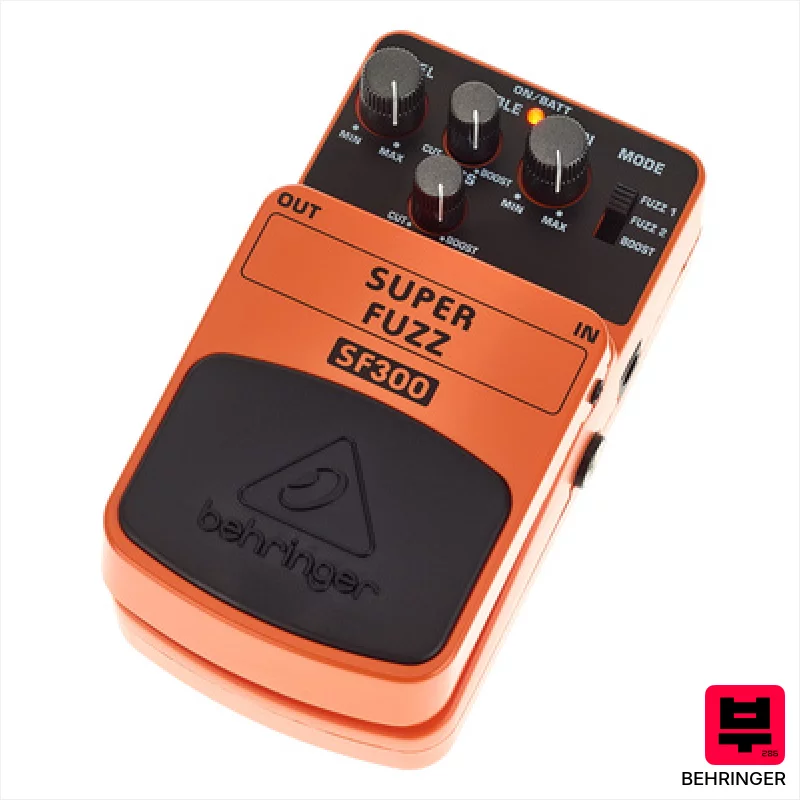
Behringer SF300 Super Fuzz
- • Surprisingly thick fuzz tones, especially in the 'Grunge' mode
- • The 2-band EQ offers decent tonal shaping for a budget pedal
- • Gain Boost setting provides a usable, crunchy overdrive
- • Compact size makes it easy to integrate into crowded pedalboards
- • Plastic enclosure feels flimsy and not very roadworthy
- • Tone can get muddy quickly with excessive gain and poor EQ settings
- • True bypass implementation is questionable; potential for noise issues
Every distortion pedals that matches
551 models exist in this category. The 15 above are covered in detail, and the next 385 are listed here — the longest tail is capped to keep the page loadable.
Distortion Pedals by the numbers
Measured across all 551 models in this category, so «wide», «short» or «expensive» mean something you can check.
How to Choose the Best Distortion Pedals
Playability
How easy is the pedal to dial in a usable tone? Beginners don't want a complex maze of knobs; they want something that sounds good quickly.
Gain Range & Dynamics
Can the pedal handle everything from a subtle crunch to full-on saturated distortion? A wider range gives you more flexibility as you develop your playing.
Noise
Distortion inherently adds noise, but some pedals are just plain noisy. A noisy pedal can bury you in a band mix and make bedroom practice a headache.
Articulation & Clarity
Does the distortion muddy up your playing, or does it retain note definition? Good distortion should still let you hear individual notes, especially when playing fast runs.
Durability & Build Quality
Let's be real, you're likely gigging. A flimsy pedal that dies after a few shows is a waste of money. Solid construction and reliable components are a must.
Buying Guide
Don't chase the 'boutique' hype. A lot of expensive pedals are just marketing. Focus on pedals with a manageable number of controls - gain, tone, and maybe a level knob is plenty. Be prepared for some noise - it's part of the deal with distortion - but don't settle for a pedal that sounds like a jet engine. And remember, your amp and guitar's voicing play a huge role in the final tone; the pedal is just the icing.
How This List Is Built
We don't play these instruments — we're a catalog, not a review desk, and we'd rather say so than pretend otherwise. This page covers 400 of 551 distortion pedals from the Thomann catalogue, which is the largest single source of specification data in this category: 15 in detail, the rest listed with their specifications.
Position is computed, not curated. We parse the manufacturer's own description into actual values — nut width, scale, fret count, fingerboard radius, size, alloy — and rank on them: how many specifications a model has published, how many of them are measurable numbers, and how precisely it meets this page's criterion. A product image adds a little. Price is not a ranking signal: it tells you nothing about whether a neck fits your hand. The same inputs always produce the same order, so nothing here is shuffled to look fresh.
What this list is good for: narrowing a category down to a shortlist by spec and budget. What it isn't: a substitute for hearing an instrument. Before you buy, read hands-on reviews and, where you can, play it. Full methodology.

