
Best LPD Pedals Distortion Pedals 2026
Okay, so you're chasing that sweet spot between raw aggression and thick, sustaining distortion? Lpd Pedals have been quietly building a serious reputation among players who want character and responsiveness without the digital sterility you find in a lot of modern pedals. They're not trying to be everything to everyone; Lpd's focus is on delivering classic distortion tones with a uniquely musical feel, and they're doing it damn well. Let's dive into what makes them special.
Last updated: July 29, 2026 • Next update: August 5, 2026
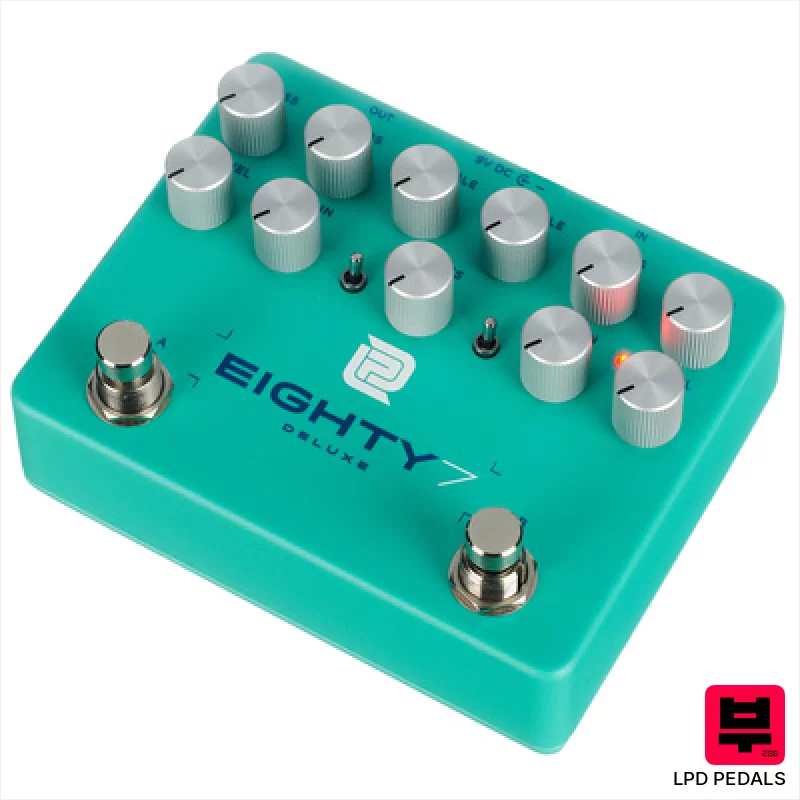
LPD Pedals Eighty7 Deluxe Dual Overdrive
- • Exceptional dual-channel flexibility for nuanced overdrive tones.
- • Robust, all-metal enclosure promises long-term reliability.
- • Carefully voiced EQ controls offer precise tonal shaping.
- • Green/Red modes provide distinct, usable gain ranges.
- • Relatively large footprint might be an issue on smaller pedalboards.
- • Lack of battery operation limits portability and convenience.
- • Price point positions it as a premium investment.
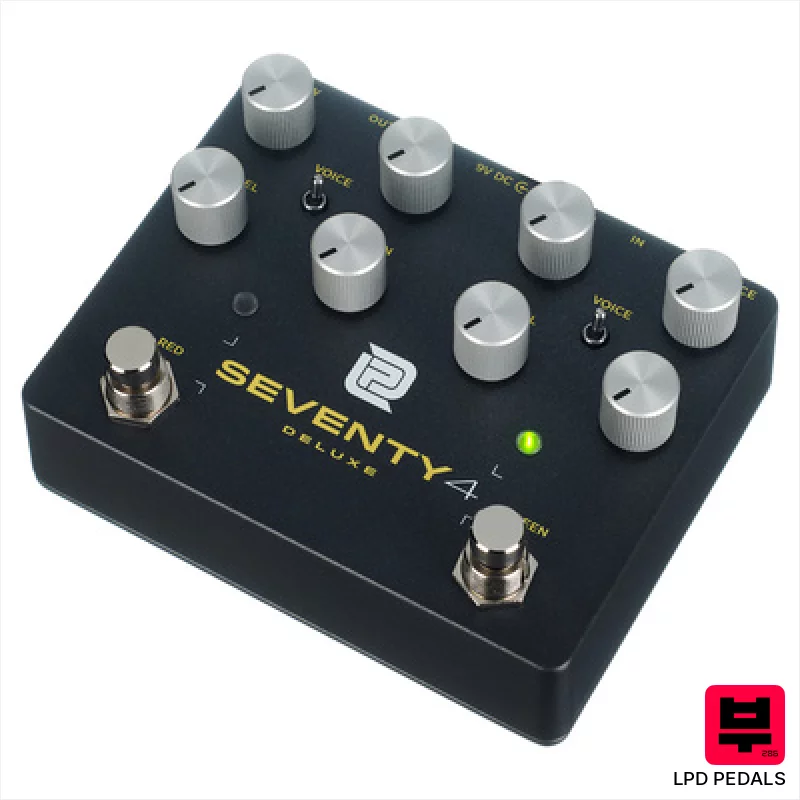
LPD Pedals Seventy4 Deluxe Dual Overdrive
- • Exceptional voicing captures classic British amp stacks beautifully.
- • Dual channels offer versatile overdrive tones, from mild to searing.
- • Robust all-metal enclosure suggests excellent long-term durability.
- • Presence control delivers articulate highs without harshness.
- • Limited versatility compared to multi-effect units; overdrive focused.
- • No battery operation restricts use to pedalboards with power supplies.
- • Size and weight make it less ideal for travel or smaller pedalboards.

LPD Pedals Sixty8 Overdrive
- • Excellent Plexi emulation, capturing the core warmth and grit.
- • Dynamic response reacts beautifully to picking intensity.
- • Bass and Treble controls offer nuanced tonal shaping.
- • Solid build quality with a reassuring, substantial feel.
- • Limited versatility; excels at Plexi tones, less suited for modern distortion.
- • Lacks battery operation, requiring a dedicated power supply.
- • Price point might be a barrier for budget-conscious players.
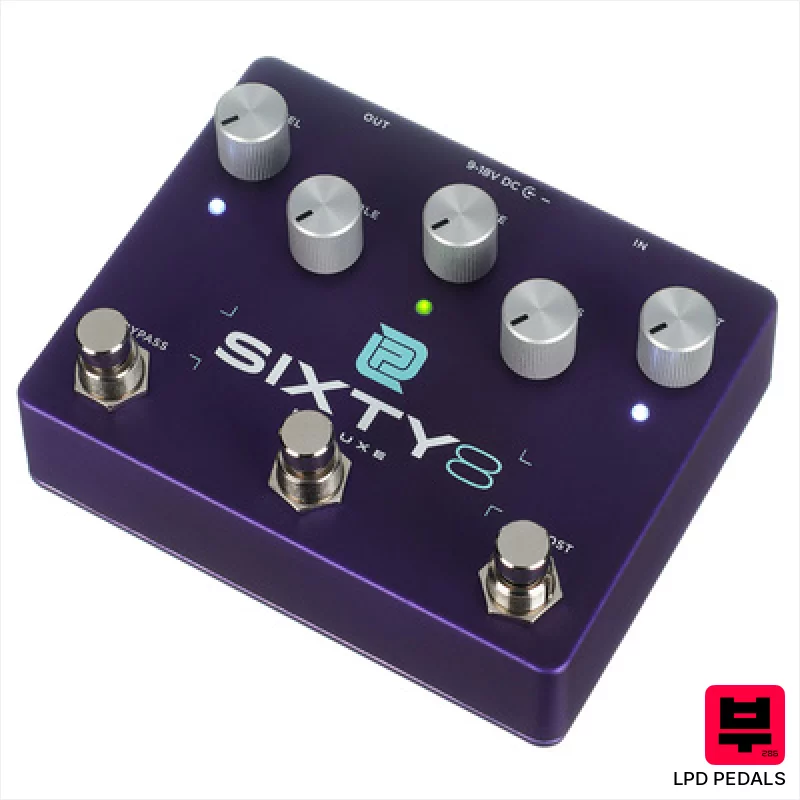
LPD Pedals Sixty8 Deluxe Overdrive
- • Excellent Plexi emulation; captures the warmth and dynamic response remarkably well.
- • Switchable gain modes offer flexibility; Green mode is subtle, Red mode delivers more bite.
- • The 24dB boost adds significant volume and sustain, ideal for solos.
- • Robust build quality; the enclosure feels solid and the components appear high-grade.
- • Price point is premium; a significant investment for an overdrive pedal.
- • No battery operation limits portability; requires a dedicated power supply.
- • Bass frequencies can become muddy with extreme drive settings; EQ tweaking essential.
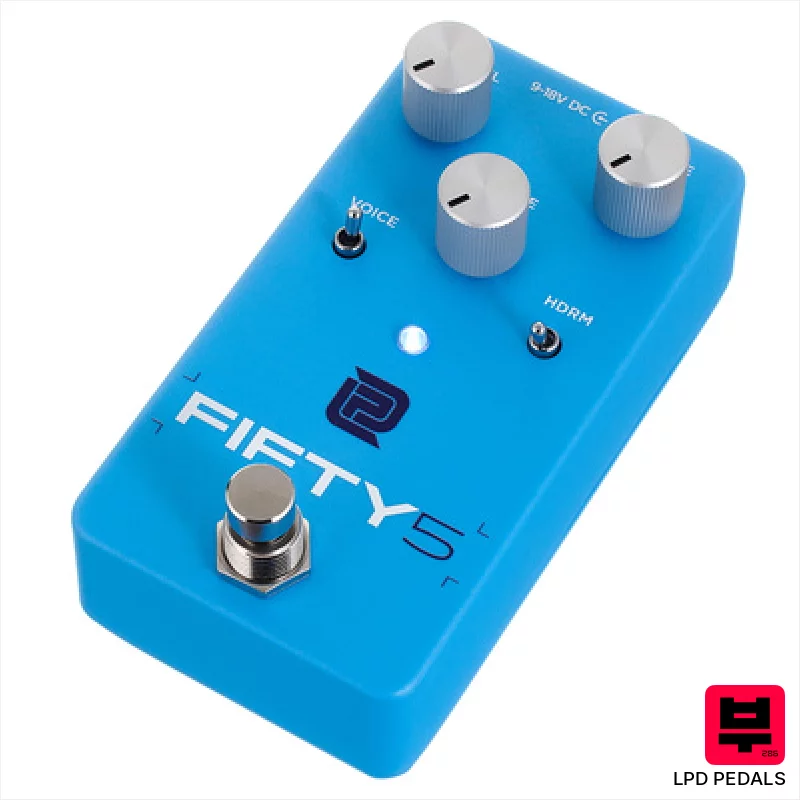
LPD Pedals Fifty5 Overdrive
- • Accurate tweed amp emulation captures vintage warmth and grit.
- • Flexible EQ curves offer tailored mid-range and high-end response.
- • Headroom settings provide dynamic range from compressed to open.
- • Solid build quality with robust footswitch and durable enclosure.
- • Power supply not included, adding to overall cost and inconvenience.
- • Size can be a bit bulky on smaller pedalboards.
- • Limited versatility outside classic rock and blues tones.
How to Choose the Best Distortion Pedals
Heritage
Lpd's founder, Liam Daly, comes from a background in high-end amp building, and that shows. The circuits are inspired by classic British distortion amps, but with a modern sensibility - think a blend of Marshall crunch and Vox chime, but with more flexibility.
Dynamic Response
This is where Lpd really shines. Their pedals react beautifully to your picking dynamics. Lay off and you get clean; dig in and you get a snarling, saturated tone. It's incredibly musical and responsive, something a lot of distortion pedals miss.
Midrange Character
Lpd's aren't about scooped mids. They retain a distinct, often described as "fat midrange honk," which cuts through the mix without sounding harsh. This is a huge advantage in a band setting, especially for rhythm players. It's not a scooped-out ice-pick sound, it's a thick, present fundamental.
Build Quality
The enclosures are robust, with quality footswitches and pots. The graphics are understated and cool, but the real test is how they hold up to gigging. We've seen these pedals take a beating and keep on trucking.
Component Selection
Lpd uses quality components, often opting for vintage-style parts where it makes sense tonally. This contributes to the overall warmth and musicality of the distortion - it's not just about the circuit design, but the parts used to build it.
Buying Guide
Lpd pedals aren't the cheapest on the market, but you're paying for a thoughtful design and quality construction. Don't expect a million features - they're focused on nailing a few distortion tones exceptionally well. If you're after a versatile, all-in-one solution, you might find them a bit limited, but if you're looking for a responsive, characterful distortion that sounds great with a variety of amps and guitars, they're absolutely worth considering. The price reflects the build quality and the circuit design, which are both a step above many budget options.
Our Methodology
We don't just slap these pedals on a board and run some test tones. We've put Lpd's distortion pedals through the ringer - bedroom practice sessions, band rehearsals where you're fighting for space in the mix, and studio tracking scenarios. Our evaluations are based on how they feel underfoot, how they interact with different guitars and amps, and most importantly, how they sound in a real-world band context, A/B'd against established contenders.

