
Best Distortion Pedals for Intermediate 2026
So, you're past the basic overdrive and ready to really dig into some serious distortion? Awesome. But stepping up from a Tubescreamer to something that can genuinely chug along with a modern metal band isn't as simple as grabbing the most expensive pedal on Reverb. It's about finding something that meshes with your playing style and tonal goals - and that's what we're here to help you with.
Last updated: October 8, 2026
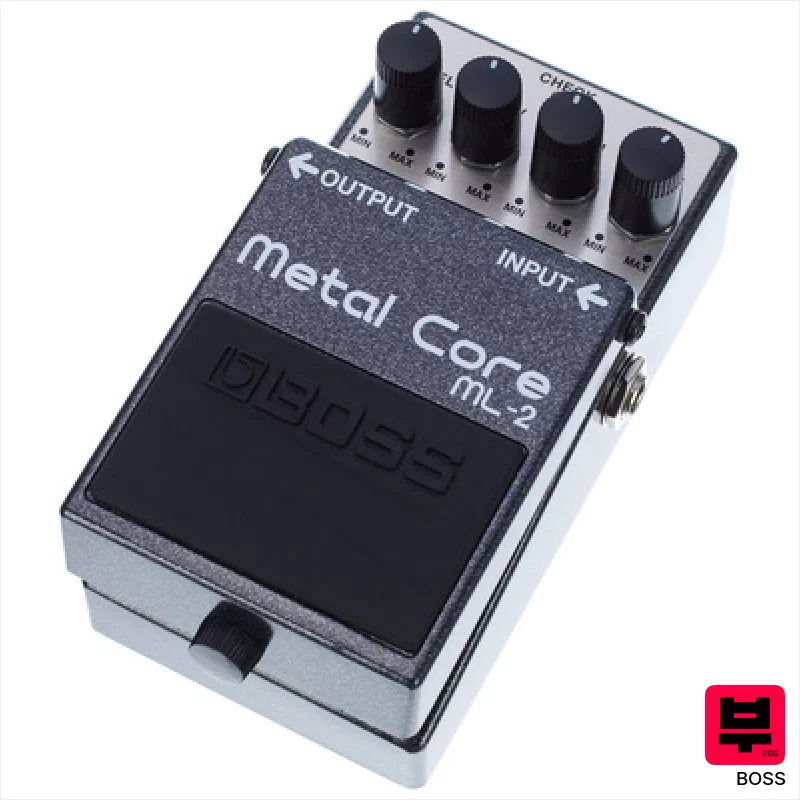
Boss ML-2
- • Aggressive, modern high-gain distortion excels in extreme metal genres
- • Dedicated Low and High controls tailor the frequency response effectively
- • Boss’s robust construction ensures durability for stage and studio use
- • Compact footprint fits easily into pedalboard setups without taking up much space
- • Limited versatility outside of heavily distorted metal tones
- • Can sound overly harsh or fizzy without careful EQ adjustments
- • Lacks a MIDI input for advanced parameter control
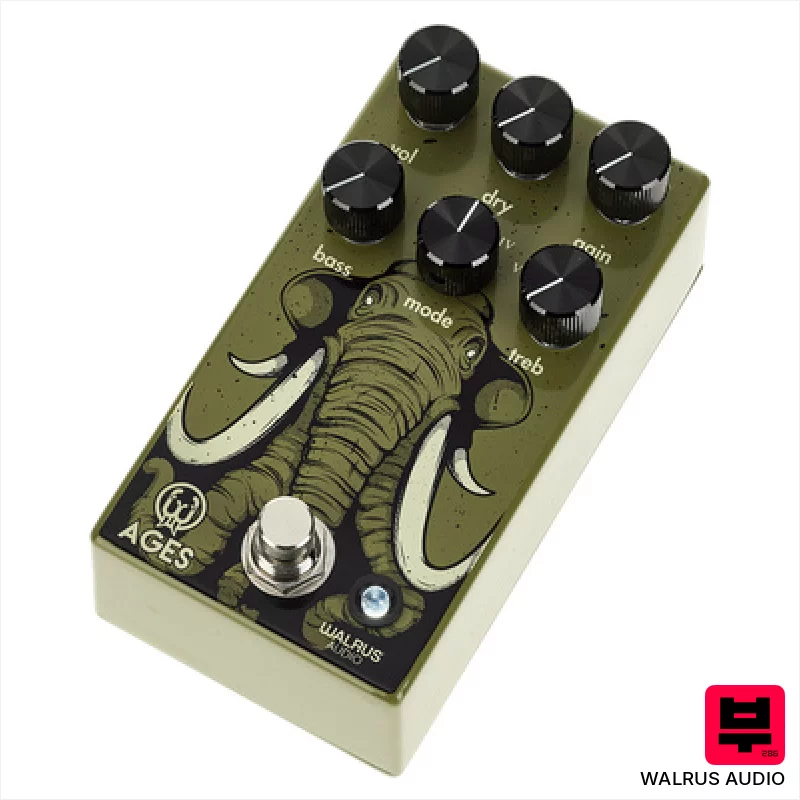
Walrus Audio Ages Overdrive
- • Five distinct modes offer surprising tonal flexibility and versatility.
- • LED and Silicon clipping options genuinely alter the character, avoiding predictable overdrive.
- • Effective bass and treble controls tame harsh frequencies for various pickups.
- • Walrus Audio’s robust construction inspires confidence and longevity.
- • The sheer number of modes can be overwhelming initially, requiring dedicated experimentation.
- • While versatile, it leans towards mid-gain territory, not a full-blown high-gain distortion.
- • The footprint is relatively large, potentially an issue for smaller pedalboards.
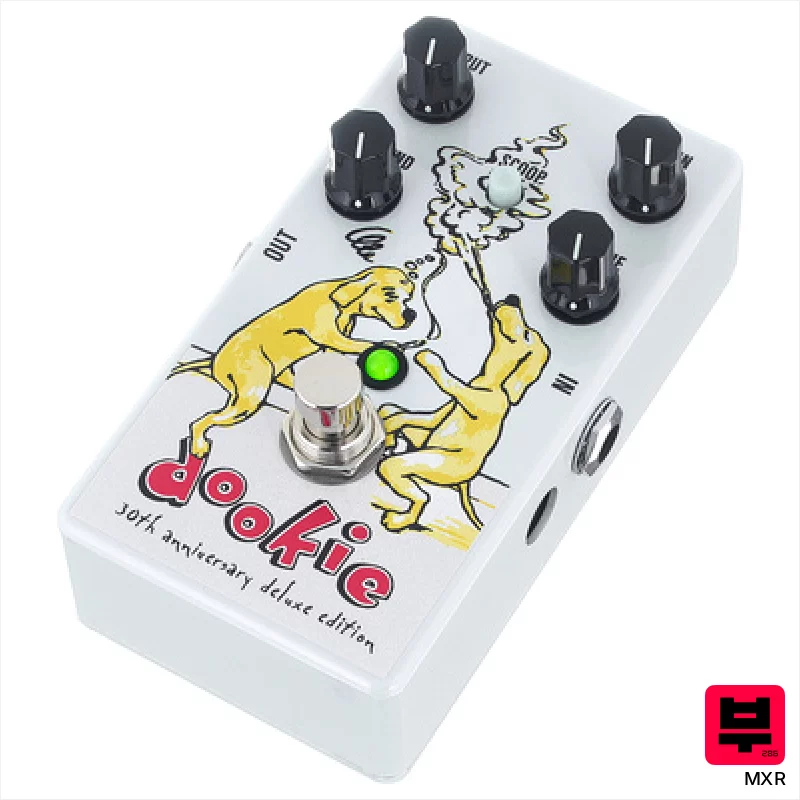
MXR Dookie Drive 30th Ann. LTD
- • Authentic Green Day 'Dookie' era distortion character, surprisingly versatile for a tribute.
- • Robust MXR build quality; feels solid and dependable for gigging.
- • Blend control allows for stacking with other pedals, adding tonal flexibility.
- • The 'Scoop' switch delivers a dialed-in, modern high-gain distortion sound.
- • Limited tonal palette; not ideal for pristine cleans or subtle overdrives.
- • Smaller size can be a challenge for players with larger hands or pedalboards.
- • The 'Scoop' setting can be overly aggressive for some playing styles.
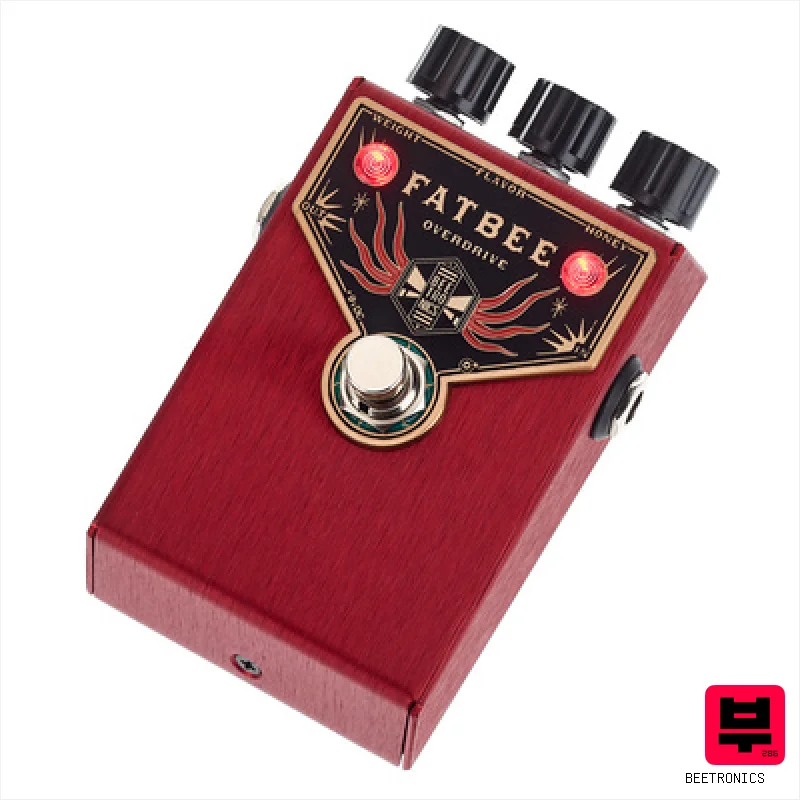
Beetronics Fatbee Overdrive
- • True bypass design keeps signal clean when unused
- • Hand-built in California by skilled workers
- • Tube-like breakup sounds like a real amp
- • Three distinct controls for shaping your tone
- • No input or output jacks listed in specs
- • Low power draw might limit some amps
- • No power adapter included in the box
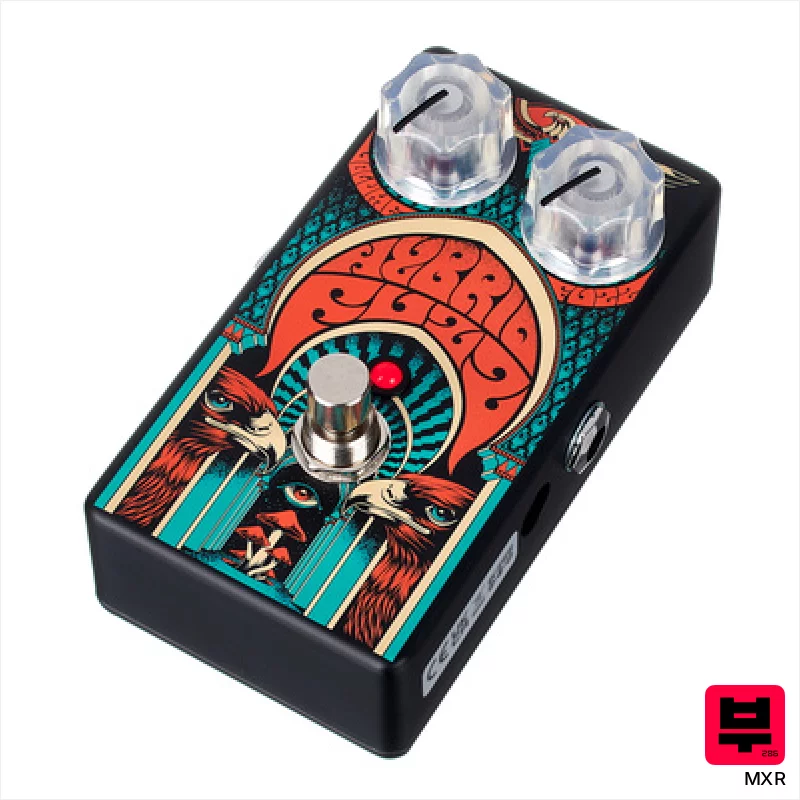
MXR Custom Shop Hybrid Fuzz
- • Silicon/germanium hybrid circuit delivers a uniquely thick, responsive fuzz tone.
- • One Horse Town artwork adds a premium, collector-worthy aesthetic appeal.
- • Dynamic volume response provides nuanced control over fuzz intensity and clarity.
- • Compact size and low power draw make it pedalboard-friendly for most setups.
- • Limited two-knob control can restrict precise tone shaping for some users.
- • Silicon character might be too aggressive for players seeking vintage germanium warmth.
- • The enclosure, while sturdy, is not as robust as some MXR’s heavier-duty models.
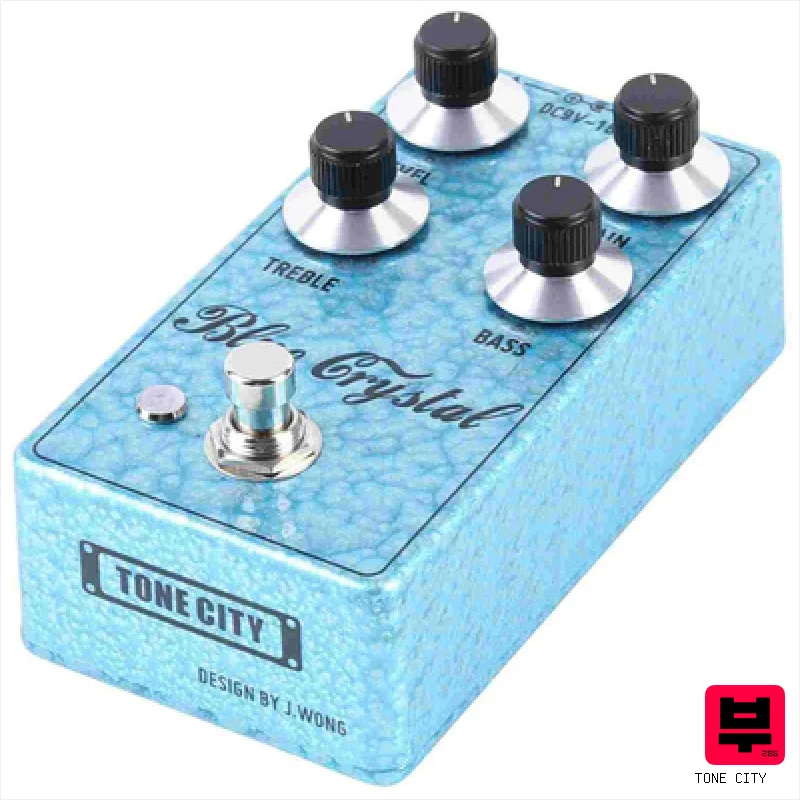
Tone City Blue Crystal Overdrive
- • Handcrafted with gold-plated PCB and WIMA capacitors
- • Metal-film resistors ensure stable low-gain performance
- • True bypass preserves original signal purity
- • Warm vintage-style sound with minimal coloration
- • No battery operation support required
- • Limited to four basic tone controls
- • Metal housing adds 490 grams of weight

Carl Martin Panama
- • Warm, '80s plexi tones convincingly replicated, surprisingly dynamic response
- • Damping control offers unique tonal shaping possibilities beyond typical gain pedals
- • Compact size makes it pedalboard-friendly without sacrificing functionality
- • Buffered bypass preserves signal strength and prevents tone suck
- • Limited versatility; excels at '80s sounds, less useful for modern genres
- • 12V operation necessitates a specific power supply, adding to overall cost
- • Top-mounted jacks can be awkward for some pedalboard setups
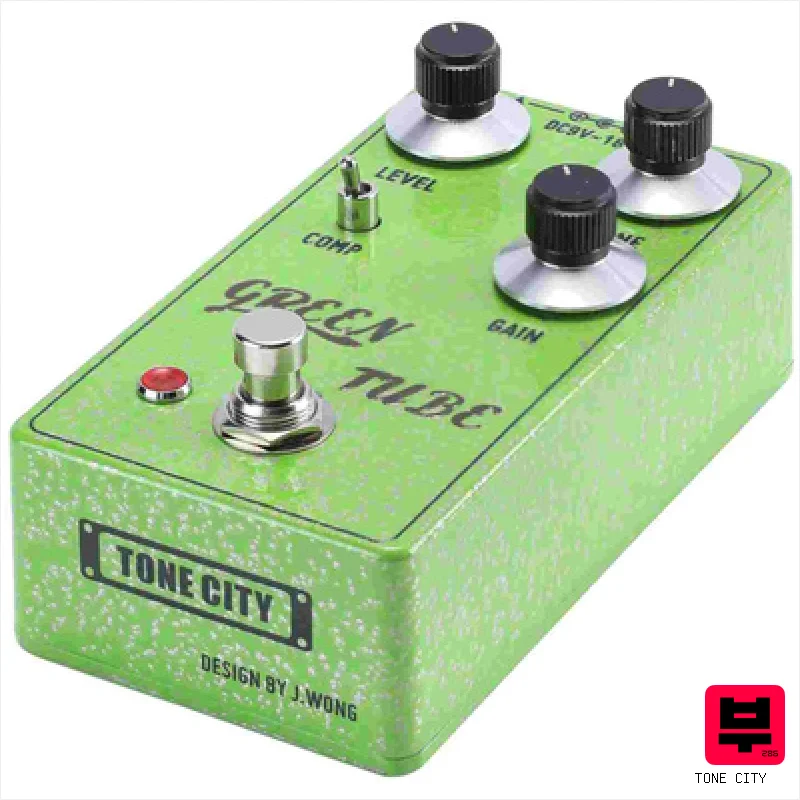
Tone City Green Tube Overdrive
- • Handcrafted metal housing for solid build quality.
- • Uses premium WIMA capacitors and gold-plated PCB.
- • Offers two distinct compression modes via toggle.
- • Inspired by classic TS-style overdrive tones.
- • No battery operation support available.
- • Limited to three main control knobs only.
- • Requires external 9V power adapter for use.

EarthQuaker Devices Gary Fuzz/ Overdrive
- • Unique pulse-width modulation creates a very distinct, aggressive fuzz tone.
- • The overdrive section adds a natural warmth and sustain – surprisingly versatile.
- • Metal enclosure feels extremely robust and will withstand gigging abuse.
- • Flexi-Switch offers multiple routing options, expanding its functionality.
- • The 'OOSH' control can be a bit finicky to dial in precisely.
- • Relatively heavy due to the metal enclosure and internal components.
- • Lacks battery operation, requiring a dedicated power supply.
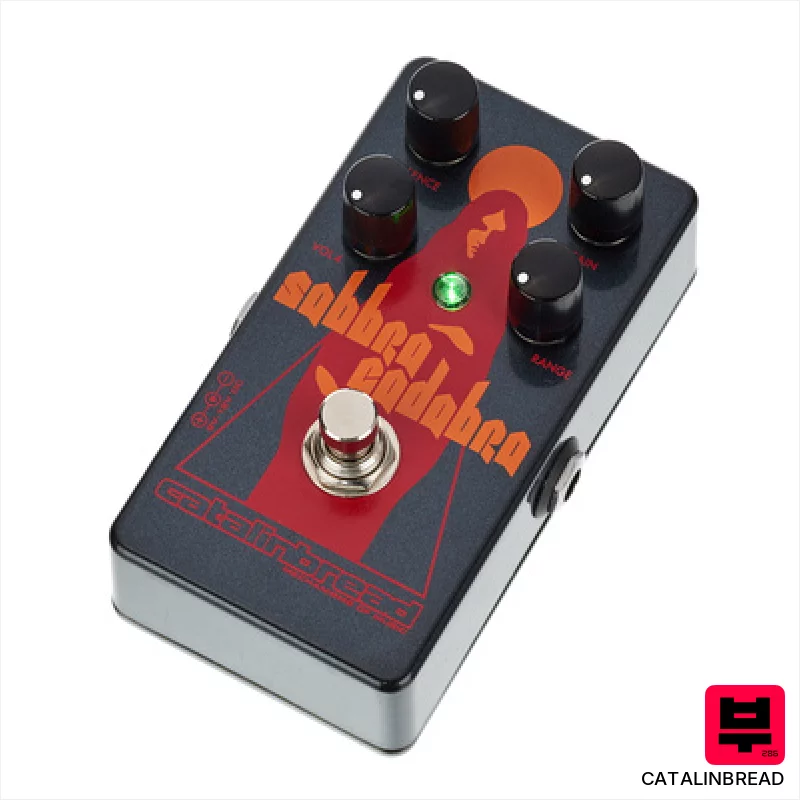
Catalinbread Sabbra Cadabra
- • Unique Rangemaster/Laney preamp blend delivers exceptional harmonic complexity
- • Robust, all-metal enclosure suggests high-quality construction and durability
- • Presence control allows for significant tonal shaping and clarity
- • Excellent for adding grit and sustain without becoming overly muddy or compressed
- • Limited versatility; excels at specific rock/blues tones, less ideal for clean boosts
- • Gain range, while good, isn't suited for extreme high-gain metal applications
- • Relatively compact footprint can be a challenge on crowded pedalboards
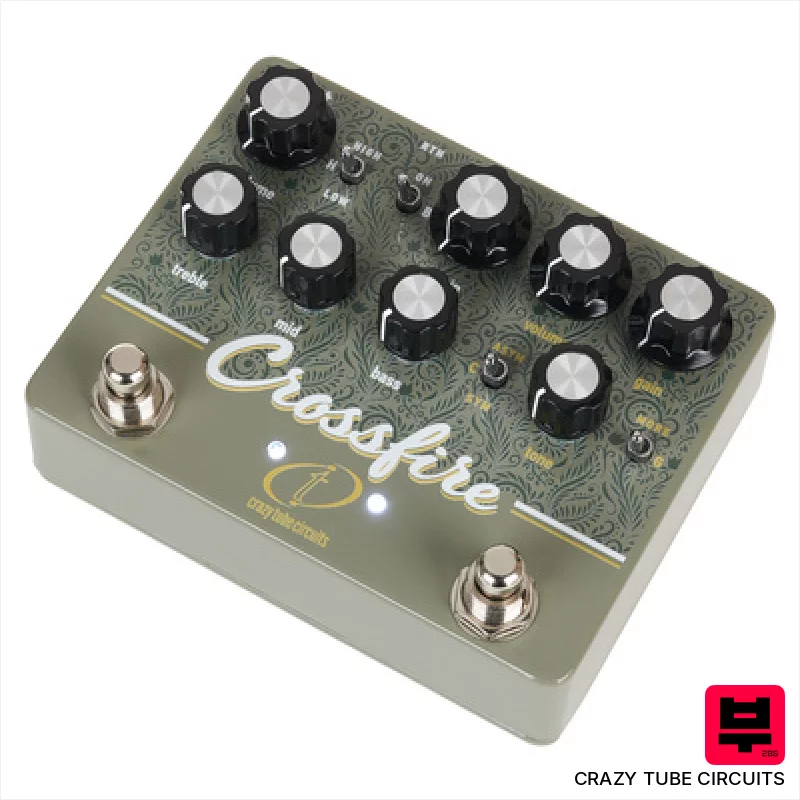
Crazy Tube Circuits Crossfire Overdrive/Pre-Amp
- • Dual-channel design offers clean amp modeling and TS overdrive versatility.
- • Asymmetrical clipping delivers a dynamic, responsive overdrive character.
- • Passive FX loop allows for flexible signal chain configuration and independent use.
- • Solid build quality with robust footswitch and reliable components.
- • Can be complex to dial in due to the dual-channel nature; learning curve exists.
- • The 'clean' US amp model is a simplified representation, lacking nuance.
- • May be too saturated for players seeking a transparent, subtle boost.

Darkglass DFZ Duality Fuzz
- • Exceptional dual-fuzz circuits offer incredible tonal flexibility.
- • Sawtooth wave provides unique, synth-like textures; high-gain is aggressive.
- • True bypass preserves your signal when the pedal's disengaged.
- • Robust Finnish build quality suggests long-term reliability.
- • Lacks battery operation; requires external power supply.
- • Limited control set might restrict fine-tuning for some users.
- • The Duality control can be a bit unpredictable; requires careful adjustment.
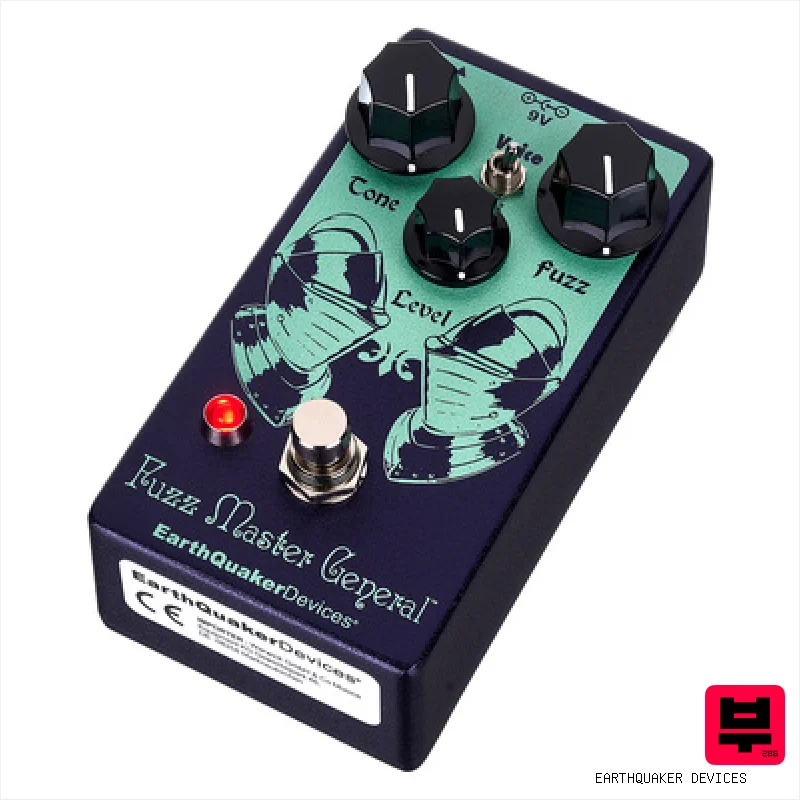
EarthQuaker Devices Fuzz Master General Octave
- • Handmade in USA with solid metal housing
- • Switchable silicon, germanium, or no clipping diodes
- • Built-in octave-up effect for extra range
- • True bypass circuitry with Flexi switch technology
- • No battery option required for operation
- • Power adapter sold separately from unit
- • Limited to 1,600 units globally
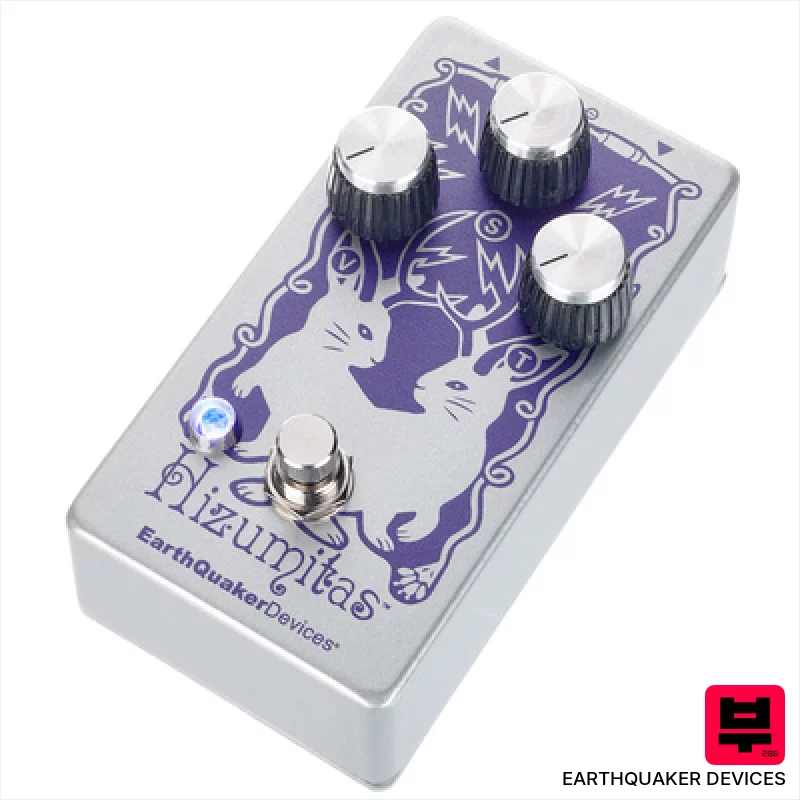
EarthQuaker Devices Hizumitas
- • Exceptional sustain and harmonic richness reminiscent of vintage Elk pedals.
- • Noiseless relay circuit provides clean operation even at high gain.
- • Dynamic response excels with humbuckers and single-coil pickups alike.
- • Unique Tone control offers nuanced shaping beyond simple treble/bass adjustments.
- • High output demands a powerful amplifier or attenuator to manage.
- • Limited tonal versatility; primarily a dedicated fuzz/sustain effect.
- • Relay-based design can introduce a slight click on bypass (though minimized).
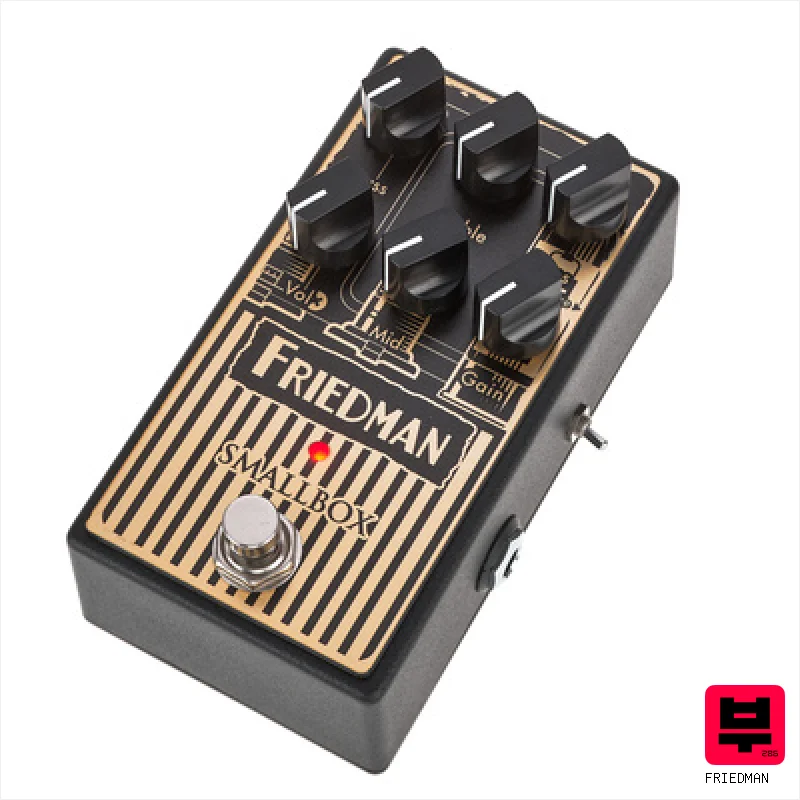
Friedman Small Box Overdrive
- • Delivers Friedman small box amp sound in a tiny pedal.
- • Features true bypass for clean signal when off.
- • Includes dedicated gain structure switch for tone shaping.
- • Compact 64mm width fits easily in small pedalboards.
- • Requires external power supply; no battery operation.
- • Price excludes the necessary power adapter.
- • Heavier at 454g than many modern overdrives.
Every distortion pedals that matches
551 models exist in this category. The 15 above are covered in detail, and the next 385 are listed here — the longest tail is capped to keep the page loadable.
Distortion Pedals by the numbers
Measured across all 551 models in this category, so «wide», «short» or «expensive» mean something you can check.
How to Choose the Best Distortion Pedals
Gain Range & Articulation
It's not just about high-gain mayhem. Can the pedal still retain note definition and clarity when you're digging in? Muddy, indistinct distortion is a nightmare in a band setting.
Dynamic Response
A good distortion pedal reacts to your playing. Light touch should produce a cleaner tone, while digging in should bring out the grit. Lack of dynamics makes everything sound flat and lifeless.
EQ Flexibility
A simple bass and treble knob is fine, but a mid-scoop can be a trap. The ability to shape the frequencies is crucial for cutting through the mix and avoiding unwanted frequencies.
Noise Floor
Distortion inherently adds noise, but a well-designed pedal minimizes it. Excessive hiss and hum are distracting and bury your signal in a band context - especially when recording.
Versatility
Can it cover a range of tones, from crunchy rhythm to searing leads? A pedal that's too specialized might limit your creativity and usefulness in different musical situations.
Buying Guide
For intermediate players, it's about finding that sweet spot - enough features to experiment with, but not so many that you get lost in menus. Don't chase the highest gain rating; focus on a pedal that delivers usable distortion across a variety of pickup voicings and amps. Cheaper pedals often cut corners on noise reduction and component quality, which translates to a lot more noise and a less refined breakup. Spending a little more upfront usually saves headaches later.
How This List Is Built
We don't play these instruments — we're a catalog, not a review desk, and we'd rather say so than pretend otherwise. This page covers 400 of 551 distortion pedals from the Thomann catalogue, which is the largest single source of specification data in this category: 15 in detail, the rest listed with their specifications.
Position is computed, not curated. We parse the manufacturer's own description into actual values — nut width, scale, fret count, fingerboard radius, size, alloy — and rank on them: how many specifications a model has published, how many of them are measurable numbers, and how precisely it meets this page's criterion. A product image adds a little. Price is not a ranking signal: it tells you nothing about whether a neck fits your hand. The same inputs always produce the same order, so nothing here is shuffled to look fresh.
What this list is good for: narrowing a category down to a shortlist by spec and budget. What it isn't: a substitute for hearing an instrument. Before you buy, read hands-on reviews and, where you can, play it. Full methodology.

