
Best Mad Professor Distortion Pedals 2026
Alright, let's talk Mad Professor distortion. They've carved out a seriously unique space in the pedal world - not chasing the latest high-gain craze, but delivering nuanced, musical distortion that's surprisingly versatile. If you're tired of pedals that just scream, and you want something with character, something that actually responds to your playing, Mad Professor is worth a serious look. They're not cheap, but they're built to last and sound incredible.
Last updated: October 8, 2026
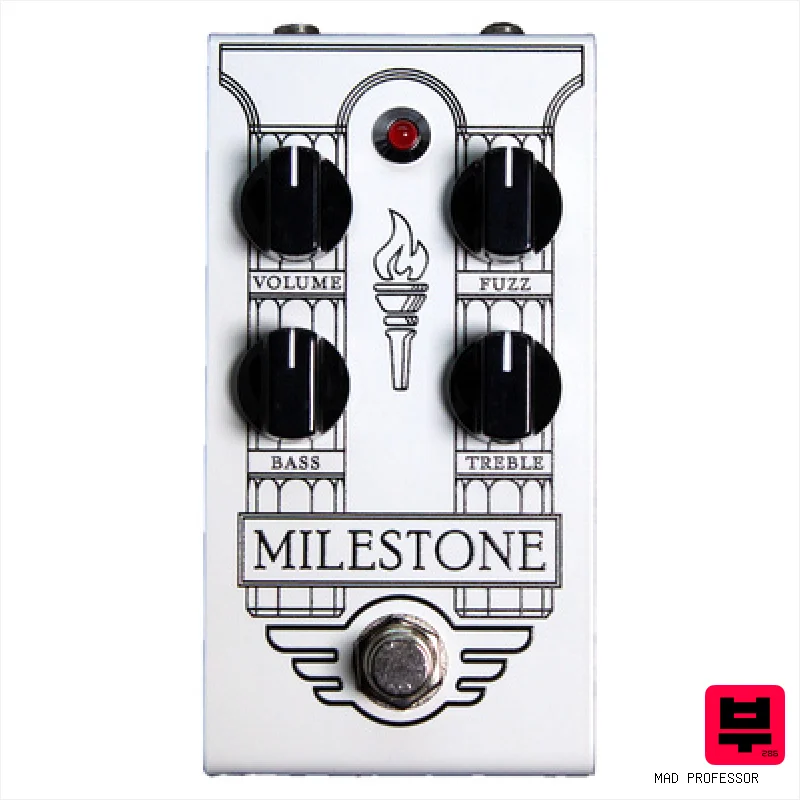
Mad Professor Milestone Fuzz
- • Handwired Germanium circuit for classic vintage fuzz tone
- • Transformer design preserves signal when stacking pedals
- • Touch sensitive dynamics respond to playing intensity
- • True bypass keeps signal clean when footswitch is off
- • No display or push buttons to adjust settings
- • Requires external 9V power source not included
- • Battery operation is completely unsupported
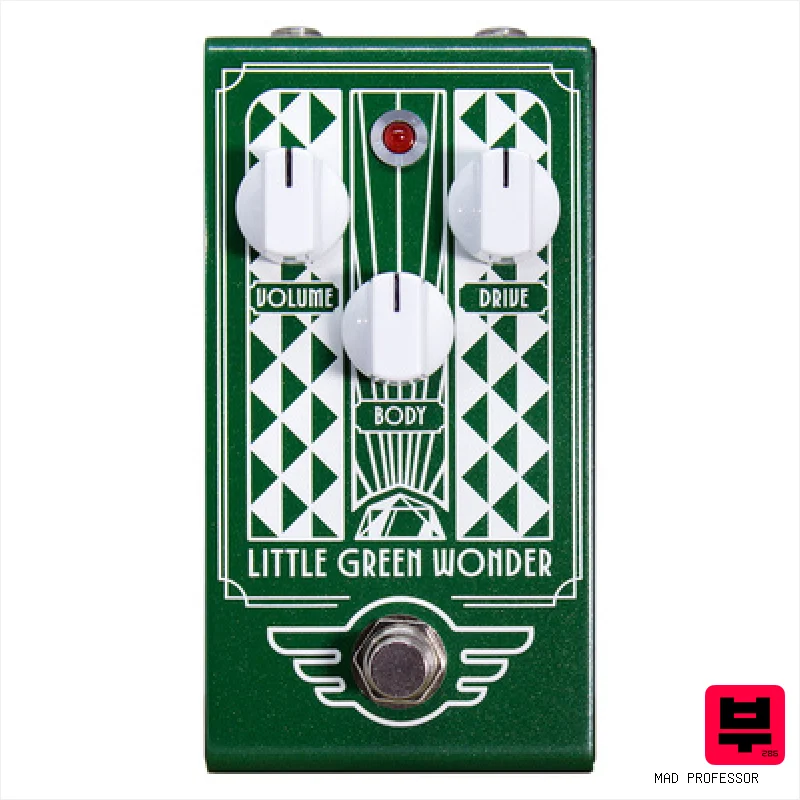
Mad Professor Little Green Wonder OD HW
- • Handwired construction with through-hole components
- • Alpha pots and Switchcraft sockets inside
- • Strong headroom for clean boost use
- • Body control works with single-coil pickups
- • Power adapter is not included in the box
- • No specific distortion tone is described
- • Metal housing might be heavy for travel
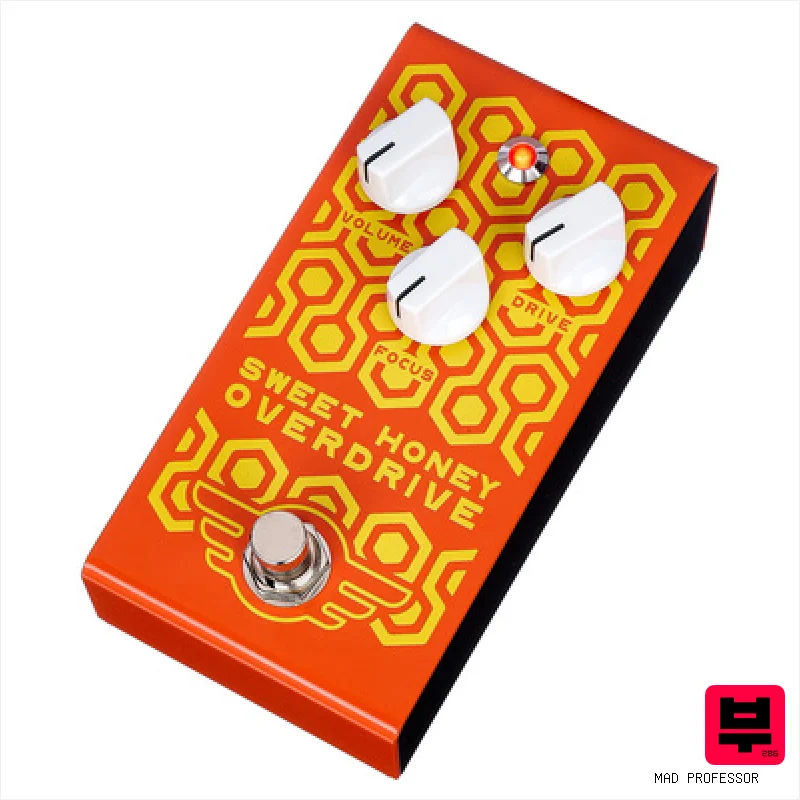
Mad Professor Sweet Honey Overdrive HW
- • Hand-wired with quality through-hole components
- • Alpha potentiometers and Switchcraft sockets used
- • Solid metal casing for durability
- • Adjustable focus control for tone shaping
- • No power adapter included in the box
- • Battery operation is not standard
- • Heavy weight compared to typical pedals
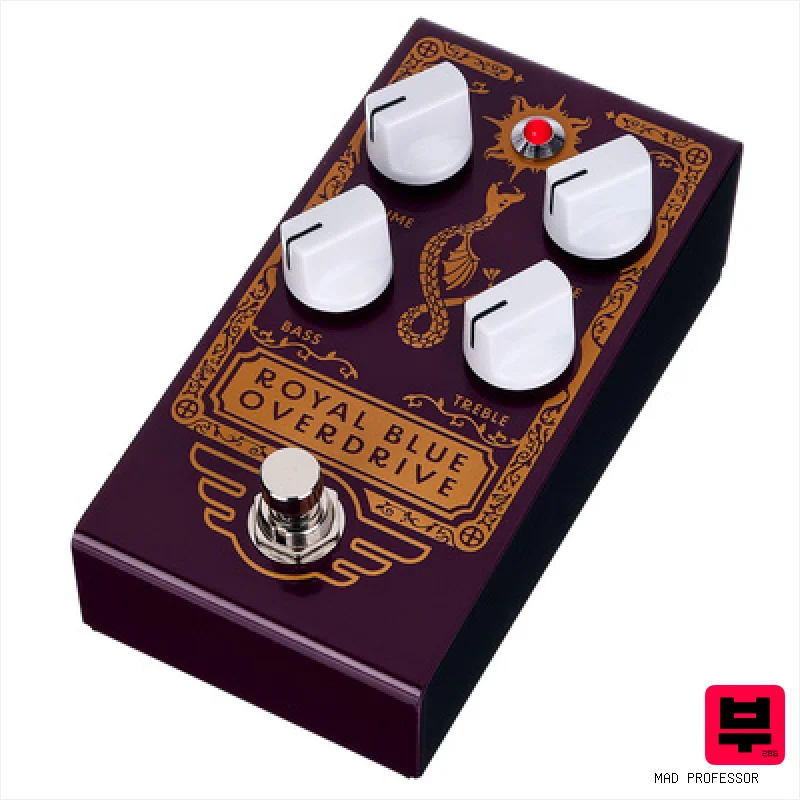
Mad Professor Royal Blue Overdrive HW
- • Hand-wired circuit uses high-quality through-hole parts
- • Metal casing with sturdy top-mounted jacks
- • Alpha pots and Switchcraft sockets for reliability
- • Wide range from mild overdrive to heavy distortion
- • No power adapter included in the box
- • Battery operation explicitly not supported
- • Dimensions make it a larger pedal
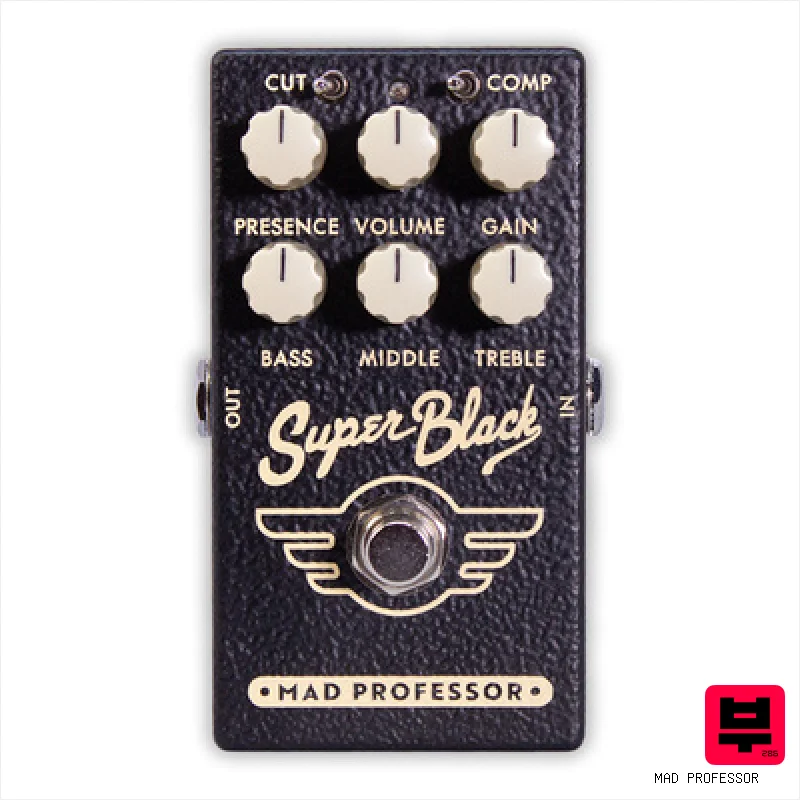
Mad Professor Super Black Mini
- • Delivers full-fledged preamp tones without needing high volumes
- • Provides brilliant, punchy clean sounds with natural amp break-up
- • Emulates the entire signal path of a classic 1960s amplifier
- • Compact size makes it ideal for front-of-amp or direct use
- • Requires an external power supply unit not included in the box
- • Lacks built-in power supply which adds carrying bulk and cost
- • Does not specify exact physical dimensions in the description
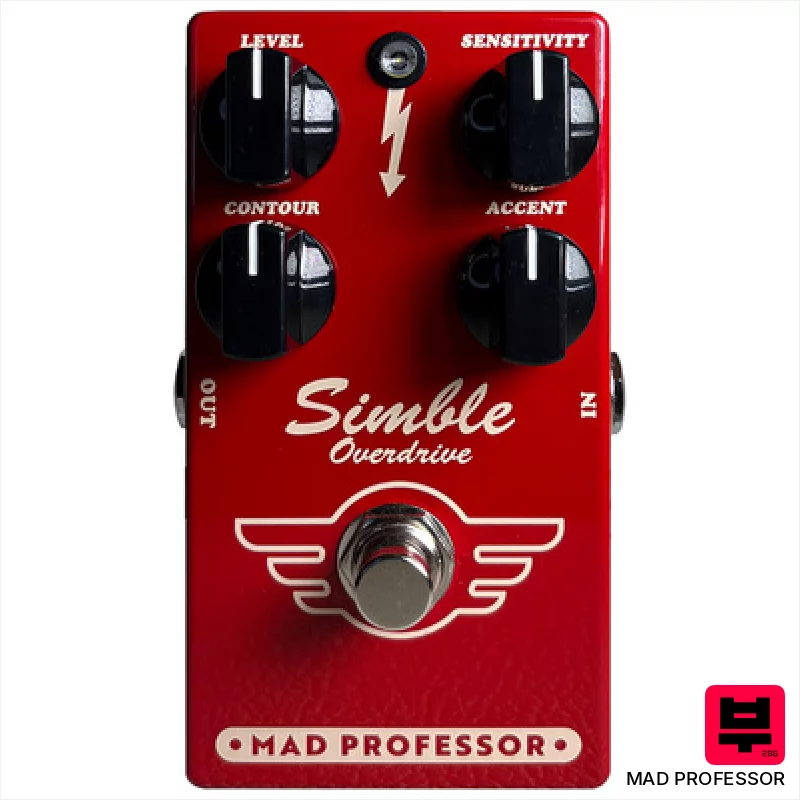
Mad Professor Simble Overdrive Mk2
- • Mk2 offers a noticeably more open and dynamic response than the original.
- • Contour control provides genuinely useful tonal shaping beyond basic overdrive.
- • Accent feature adds a welcome touch of grit and harmonic complexity.
- • Robust enclosure and quality components suggest long-term reliability.
- • Limited versatility; primarily excels as a transparent overdrive, not a high-gain distortion.
- • 9-12V power requirement can be inconvenient and requires a specific adapter.
- • While transparent, it can slightly muddy high-gain amp settings.
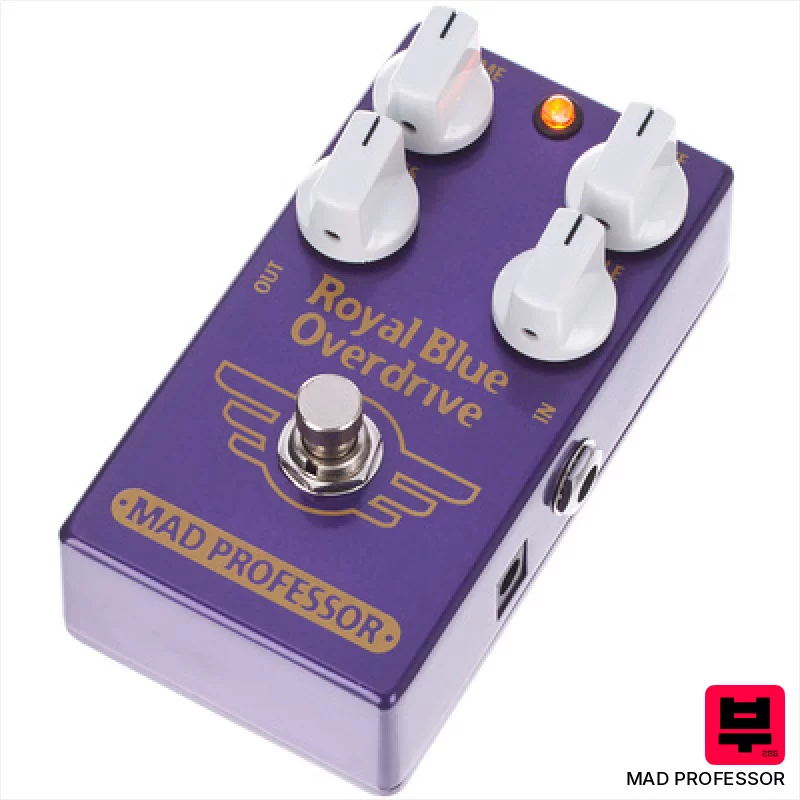
Mad Professor Royal Blue Overdrive
- • Delivers a warm, responsive overdrive, excellent for pushing an amp.
- • Bass and Treble controls offer surprisingly precise tone shaping ability.
- • True bypass preserves your signal integrity when the pedal's disengaged.
- • Mad Professor’s robust enclosure suggests a durable, gig-ready build.
- • Limited versatility; excels at overdrive, less suited for heavier distortion.
- • Power supply not included; an additional expense to consider.
- • Can get a bit muddy with high gain settings and darker pickups.
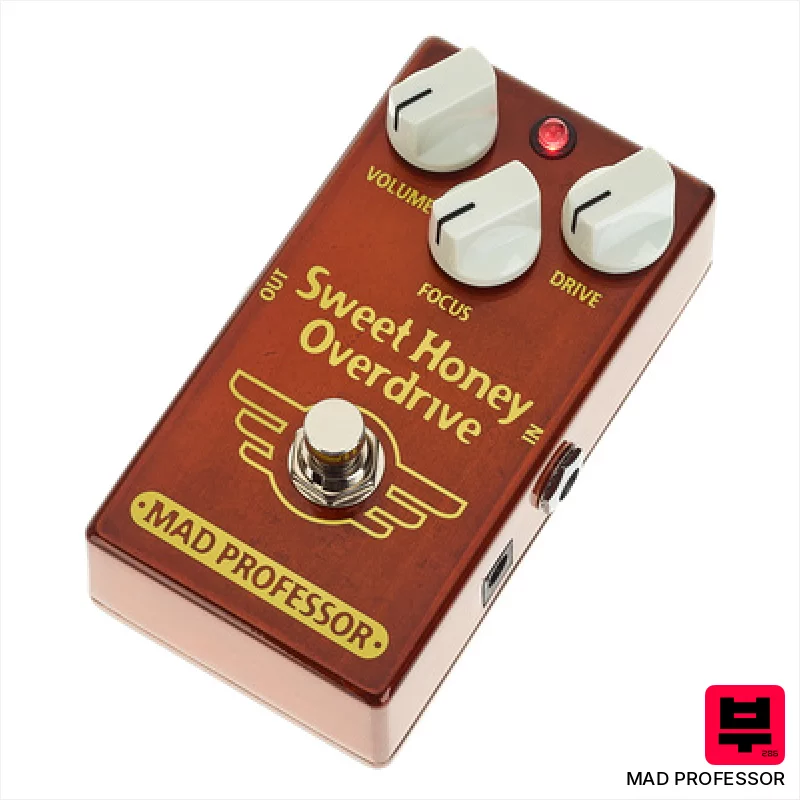
Mad Professor Sweet Honey Overdrive Factory
- • Excellent dynamic response preserves original signal and playing feel.
- • Focus control provides precise treble shaping and distortion emphasis.
- • Versatile enough as a clean boost or stacked with existing drive.
- • Mad Professor build quality ensures reliability and longevity.
- • Low gain nature limits appeal for players seeking high-gain distortion.
- • Premium-priced compared to entry-level overdrive options.
- • Limited control set might feel restrictive for complex tone shaping.
Distortion Pedals by the numbers
Measured across all 551 models in this category, so «wide», «short» or «expensive» mean something you can check.
How to Choose the Best Distortion Pedals
Tone Character
Mad Professor leans into a British-voiced distortion - think Vox AC30 meets a subtle fuzz. It's not ice-pick harsh; it's got that fat midrange honk that cuts through a band without sounding fizzy. It's a distortion that enhances, rather than obliterates, your guitar's natural voicing.
Dynamic Response
This is where Mad Professor really shines. These pedals react incredibly well to your picking dynamics. Clean playing stays clean, a little more aggression brings in a touch of grit, and a full-on attack delivers a screaming lead tone - all without sounding compressed or artificial. That responsiveness is key for expressive playing.
Build Quality
The enclosures are sturdy, the footswitches are reliable, and the components inside are generally high-quality. You're not getting boutique-level craftsmanship, but they're built to withstand the rigors of gigging. I've had Mad Professor pedals for 12 years and they still work flawlessly.
Gain Structure & Headroom
Their gain structure tends to be more moderate than many modern distortions. This isn't about massive, scooped-mid metal tones. It's about adding character and sustain to your existing amp tone - a boost, an overdrive, a distortion that sits in the mix, rather than dominating it.
Unique Circuit Design
Mad Professor isn't just cloning classic circuits. They're tweaking and adapting them, often incorporating subtle modifications that give their pedals a distinct sonic signature. This isn't your run-of-the-mill TS9 clone; it's something different, something with its own identity.
Buying Guide
Don't expect a super-cheap bargain. Mad Professor pedals are mid-range, and you're paying for that nuanced tone and solid build. The Silver Roller is a great starting point for classic overdrive tones, while the Little Screamer is a more aggressive take on the Ibanez Tube Screamer vibe. Listen to demos, but really, the best way to know if it's for you is to try one - that dynamic response is something you have to feel.
How This List Is Built
We don't play these instruments — we're a catalog, not a review desk, and we'd rather say so than pretend otherwise. This page covers 8 of 551 distortion pedals from the Thomann catalogue, which is the largest single source of specification data in this category: 8 in detail, the rest listed with their specifications.
Position is computed, not curated. We parse the manufacturer's own description into actual values — nut width, scale, fret count, fingerboard radius, size, alloy — and rank on them: how many specifications a model has published, how many of them are measurable numbers, and how precisely it meets this page's criterion. A product image adds a little. Price is not a ranking signal: it tells you nothing about whether a neck fits your hand. The same inputs always produce the same order, so nothing here is shuffled to look fresh.
What this list is good for: narrowing a category down to a shortlist by spec and budget. What it isn't: a substitute for hearing an instrument. Before you buy, read hands-on reviews and, where you can, play it. Full methodology.

