
Best Fulltone Distortion Pedals 2026
Alright, let's talk Fulltone distortion. They've been around long enough to earn a reputation - sometimes a controversial one, but always a distinctive one. If you're chasing that vintage, almost ragged edge, that sweet spot where breakup isn't just noise but a characterful response, Fulltone's worth a serious look, but you need to know what you're getting into. Not every model is a slam dunk, but they consistently offer something different than your typical modern distortion.
Last updated: October 8, 2026
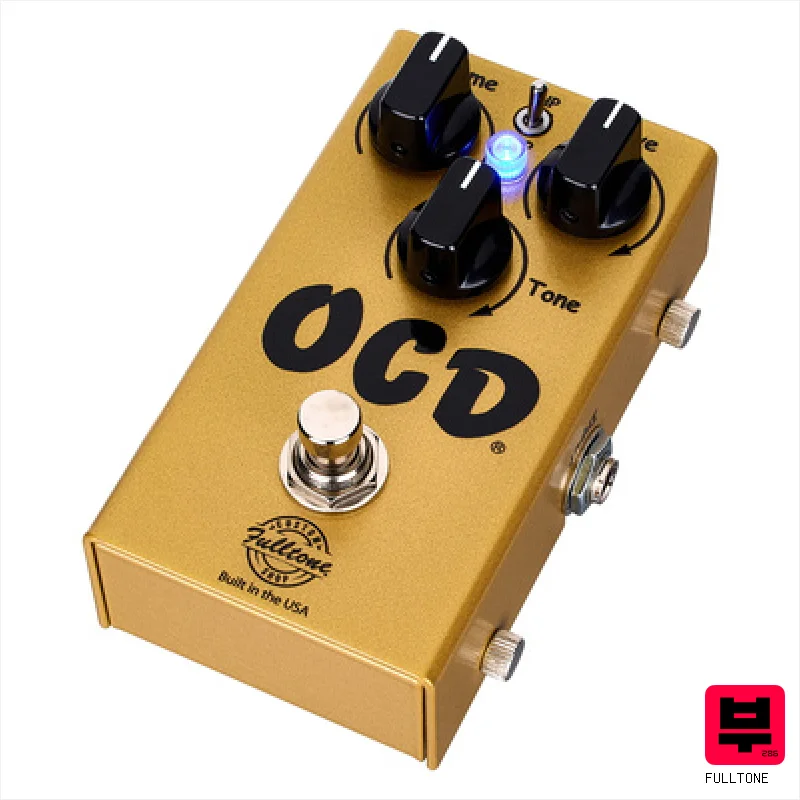
Fulltone OCD Overdrive V2 Gold LTD
- • Replicates cranked tube amp power-amp distortion perfectly
- • Extremely sensitive to guitar volume control settings
- • Features two distinct peak modes for tone shaping
- • Limited edition gold finish with solid USA build
- • No input or output jack specifications listed
- • Power supply adapter is not included in the kit
- • Price is high for a stompbox effect pedal
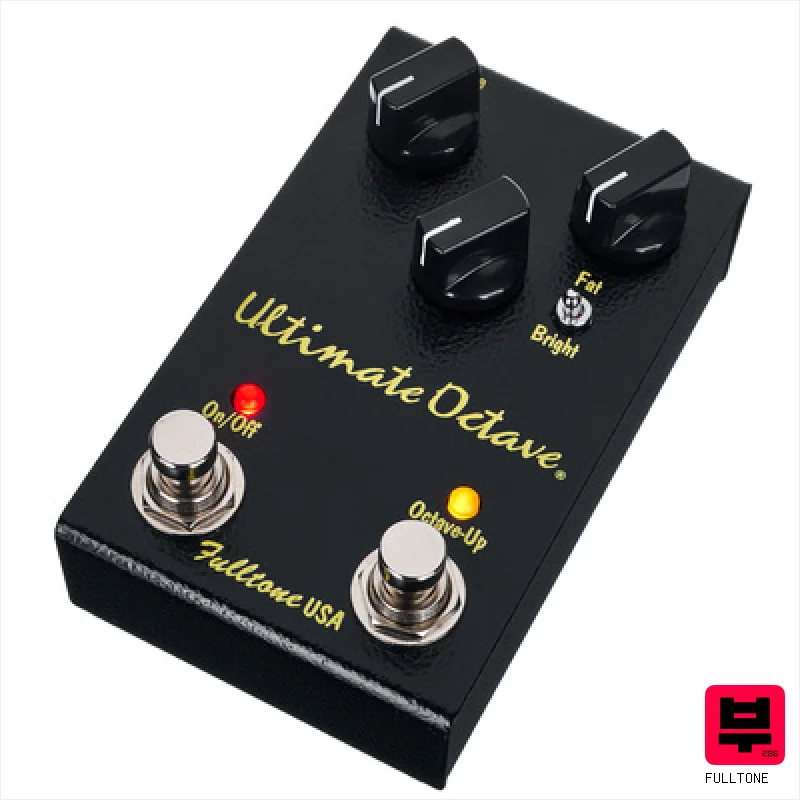
Fulltone Ultimate Octave Fuzz/Octave
- • Delivers massive fuzz with a screeching octave-up mode
- • Retains huge sound while being redesigned and refined
- • Includes a useful bright or fat switch for tone shaping
- • Built with true bypass for clean signal when off
- • Requires external power adapter; no battery operation
- • Heavier at 400 grams than some modern pedals
- • Limited to 9-18V power supply voltage range

Fulltone OCD Overdrive V2
- • Excellent dynamic response to guitar volume knob adjustments
- • HP/LP switch offers significant tonal variation and flexibility
- • Robust construction with quality components, feels solid and reliable
- • Faithful replication of tube amp saturation, especially mid-range harmonics
- • Can be overly aggressive with high gain settings for subtle overdrives
- • Tone control can be a bit vague, lacking precise shaping ability
- • Relatively large footprint compared to other overdrive pedals
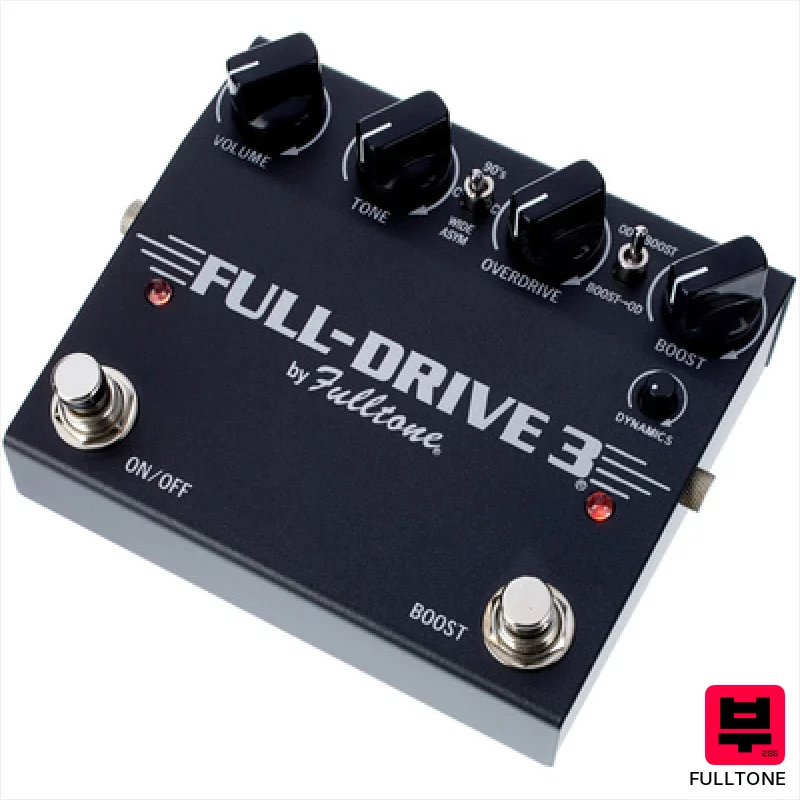
Fulltone Full-Drive 3
- • JFET op-amp delivers a convincing, warm tube-like saturation.
- • Buffered bypass preserves high-end clarity, even with long cable runs.
- • 3-way clipping switch offers a range of tonal colors from mild to aggressive.
- • Robust American-made construction feels solid and durable for gigging.
- • Can be a bit too mid-focused for players seeking a very scooped sound.
- • Limited versatility; primarily excels as an overdrive, not a high-gain distortion.
- • Relatively large footprint might be an issue for smaller pedalboards.

Fulltone 69 MKII Pedal
- • Germanium transistors deliver a warm, responsive, and dynamic fuzz tone.
- • Input level control tames high-output pickups, preventing unwanted compression.
- • Bias trimmer allows for subtle tonal shaping, from cleaner to more saturated fuzz.
- • Fulltone’s robust construction ensures reliability for gigging musicians.
- • Limited tonal versatility; excels in classic fuzz territory, less suited for modern distortion.
- • Can be noisy with high gain settings, requiring careful amp and EQ adjustments.
- • The bias trimmer requires experimentation and may be intimidating for some users.
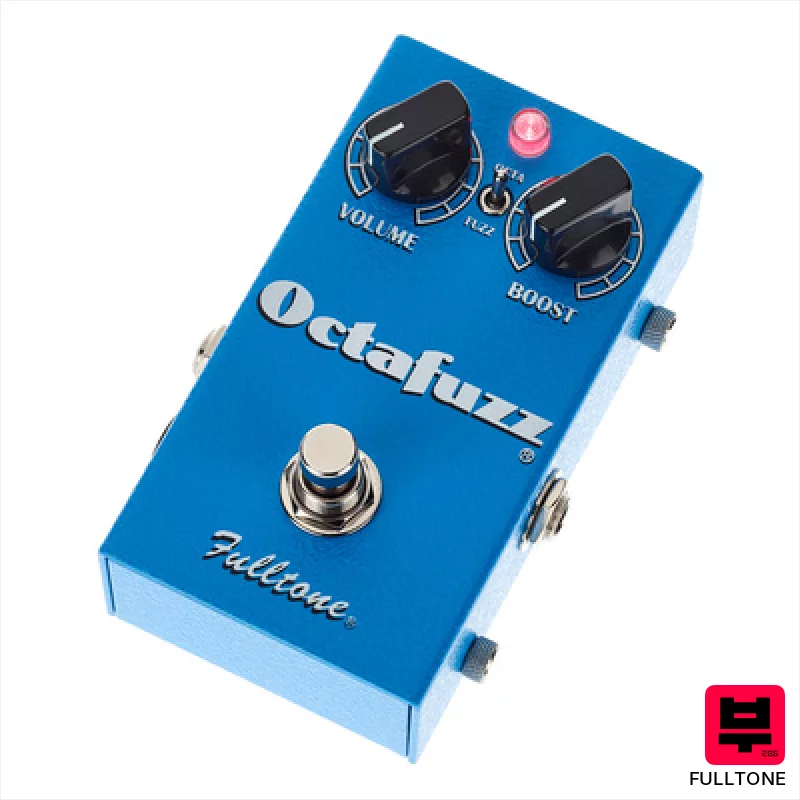
Fulltone Octafuzz OF-2
- • Excellent recreation of the Hendrix Octavia sound and vibe
- • High-quality components contribute to a robust and reliable build
- • Fuzz circuit adds versatility beyond simple octave effects
- • Toggle switch provides flexibility, usable as a fuzz alone.
- • Can be overly saturated and muddy with higher gain settings
- • Limited control over the octave effect's intensity
- • Relatively large footprint, may not fit all pedalboards easily.
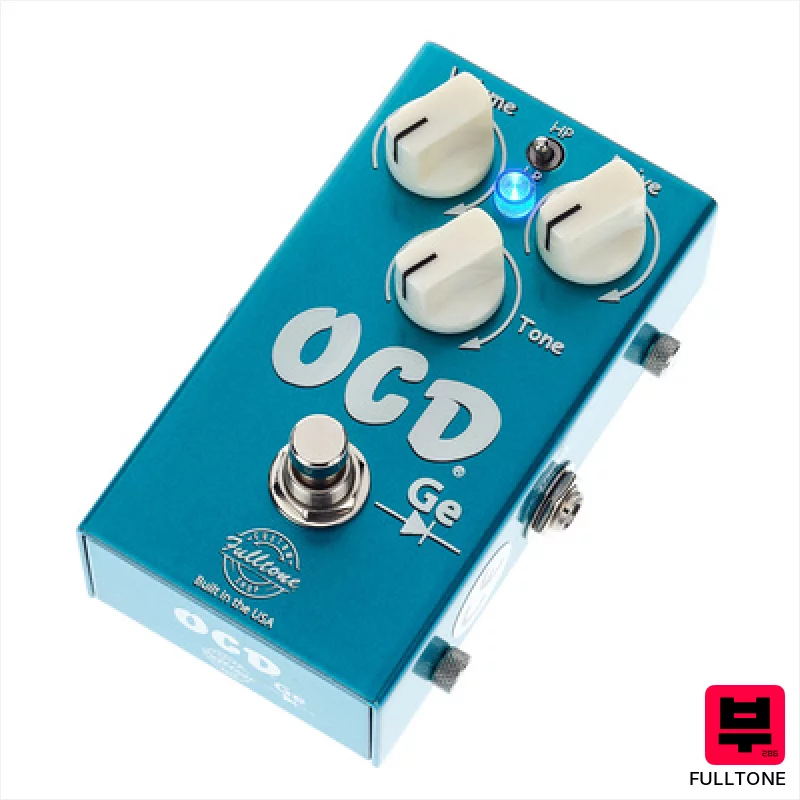
Fulltone Custom Shop OCD-GE Overdrive
- • Fulltone’s HP/LP voicing offers distinct, usable tonal personalities.
- • Robust enclosure and quality components suggest long-term reliability.
- • Excellent dynamic response mirrors a cranked tube amp’s feel.
- • Versatile enough for rock, blues, and even some heavier genres.
- • Can be overly aggressive with high-gain settings for subtle overdrives.
- • The HP/LP switch isn’t always a dramatic difference, sometimes subtle.
- • Relatively large footprint might be an issue on smaller pedalboards.
Distortion Pedals by the numbers
Measured across all 551 models in this category, so «wide», «short» or «expensive» mean something you can check.
How to Choose the Best Distortion Pedals
Tone Character
Fulltone pedals often lean towards a more mid-focused, almost Vox-like character, even when pushed hard. It's not a scooped sound, but that emphasis in the midrange gives them a distinct cut and a certain 'honk' that cuts through a dense mix, especially useful for rhythm players. You'll get sustain, but it's not the endless, glassy sustain of a modern high-gain pedal.
Component Quality
Fulltone's legacy is built on using quality components - often vintage-spec parts - which contributes to their unique sound. This isn't always consistent across models, but when they nail it, you can hear the difference in the responsiveness and the overall warmth of the distortion. It's a subtle thing, but it adds up.
Build Quality & Reliability
Let's be honest, the early Fulltone builds weren't always rock-solid. Pedalboard stability has improved over the years, but you'll occasionally hear stories of footswitch issues. Newer models are generally much better, but it's something to be aware of, especially when buying used.
Dynamic Response & Articulation
These aren't 'wall of noise' pedals. They react to your playing dynamics incredibly well. A lighter touch yields a cleaner tone, while digging in gets you that satisfying grit. This is crucial for expressive playing, especially for lead work where you want to be heard without sounding muddy.
Vintage Inspired Circuitry
Fulltone's designs are almost always inspired by classic overdrives and distortions. They're not chasing the latest digital processing trends. This results in a more organic, less sterile sound, but it also means they might not have all the bells and whistles of some modern pedals.
Buying Guide
Fulltone pedals aren't cheap, and some of the older designs have seen price hikes on the used market. Don't get caught up in the hype - listen to demos and consider your amp and guitar's voicing. Many Fulltone pedals work best with cleaner, more neutral amps. Be wary of early models with known footswitch issues; a good tech can often fix them, but factor in the cost.
How This List Is Built
We don't play these instruments — we're a catalog, not a review desk, and we'd rather say so than pretend otherwise. This page covers 7 of 551 distortion pedals from the Thomann catalogue, which is the largest single source of specification data in this category: 7 in detail, the rest listed with their specifications.
Position is computed, not curated. We parse the manufacturer's own description into actual values — nut width, scale, fret count, fingerboard radius, size, alloy — and rank on them: how many specifications a model has published, how many of them are measurable numbers, and how precisely it meets this page's criterion. A product image adds a little. Price is not a ranking signal: it tells you nothing about whether a neck fits your hand. The same inputs always produce the same order, so nothing here is shuffled to look fresh.
What this list is good for: narrowing a category down to a shortlist by spec and budget. What it isn't: a substitute for hearing an instrument. Before you buy, read hands-on reviews and, where you can, play it. Full methodology.

