
Best J. Rockett Audio Designs Distortion Pedals 2026
Alright, let's talk J Rockett. If you're tired of the same old generic distortion flavors and craving something with genuine character, you need to be looking at these pedals. Brad J Rockett isn't chasing trends; he's recreating classic amp tones and adding his own signature twist, often with a focus on that sweet spot between gritty breakup and searing overdrive. These aren't just distortion pedals; they're tiny amp emulations with a lot of soul.
Last updated: October 7, 2026
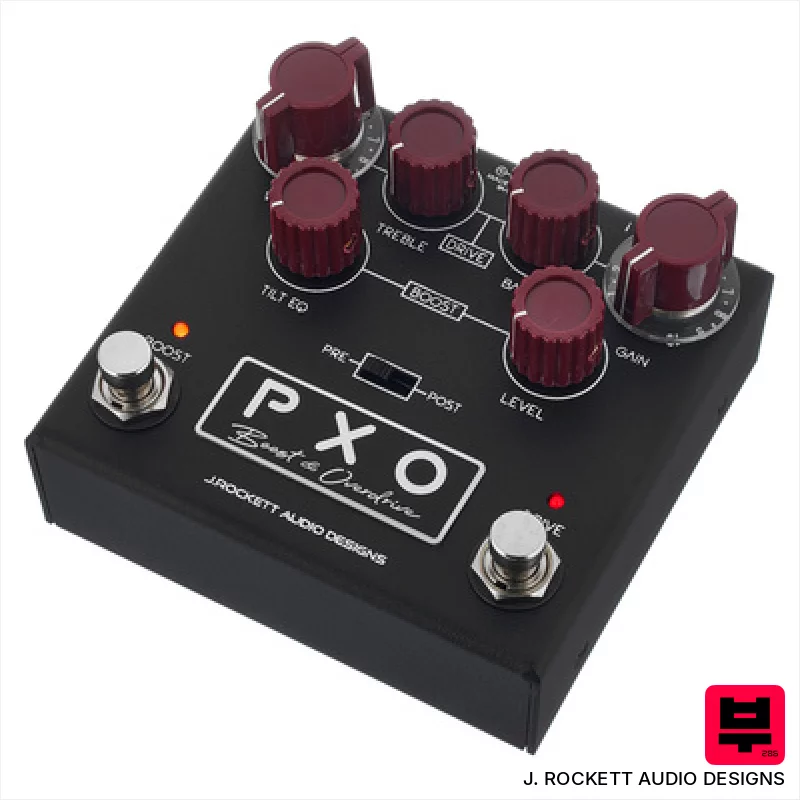
J. Rockett Audio Designs PXO Phil X Signature
- • Phil X's signature tone delivers aggressive, crunchy rhythm and searing leads.
- • The Tilt EQ is surprisingly effective for shaping frequencies on the fly.
- • Handmade construction ensures robust build quality and premium components.
- • Boost control offers clean volume enhancement or a transparent overdrive.
- • The price point places it in a premium-priced category for a single overdrive pedal.
- • Limited tonal flexibility compared to multi-effect units or more complex pedals.
- • The Pre/Post switch’s impact can be subtle, requiring careful gain staging.
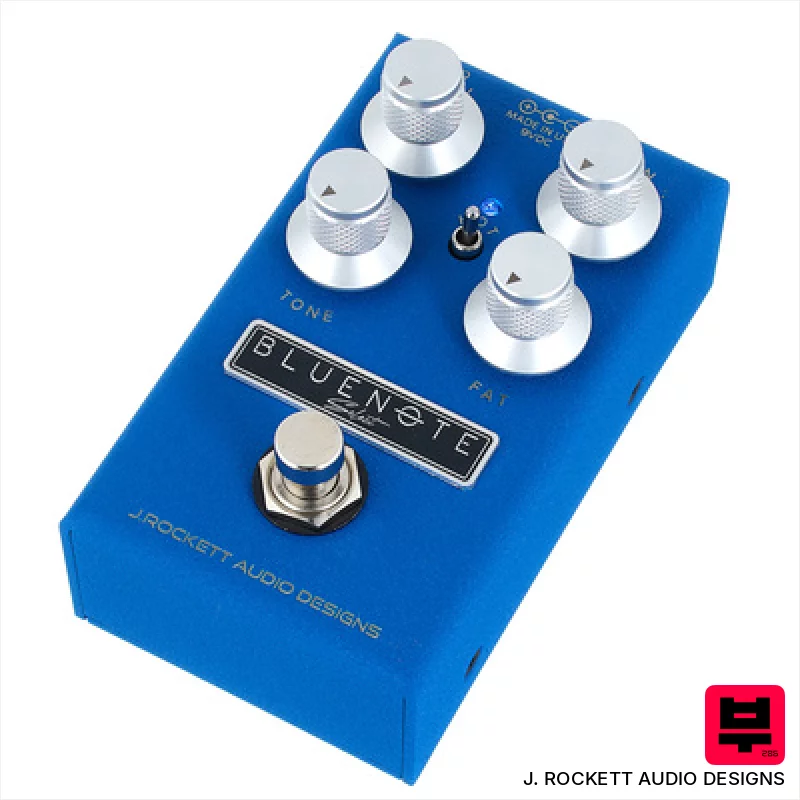
J. Rockett Audio Designs Blue Note Select
- • Handmade quality evident in meticulous construction and component selection.
- • The 'Fat' switch adds surprisingly useful low-end thickness and warmth.
- • Gain control offers a wide range, from subtle grit to moderate overdrive.
- • Custom rotary pot feels incredibly precise and offers smooth, controlled adjustments.
- • Lacks battery operation, requiring a dedicated power supply.
- • Limited versatility; excels as a low-gain overdrive, less suited for high-gain tones.
- • Size (108mm depth) can be a constraint on smaller pedalboards.
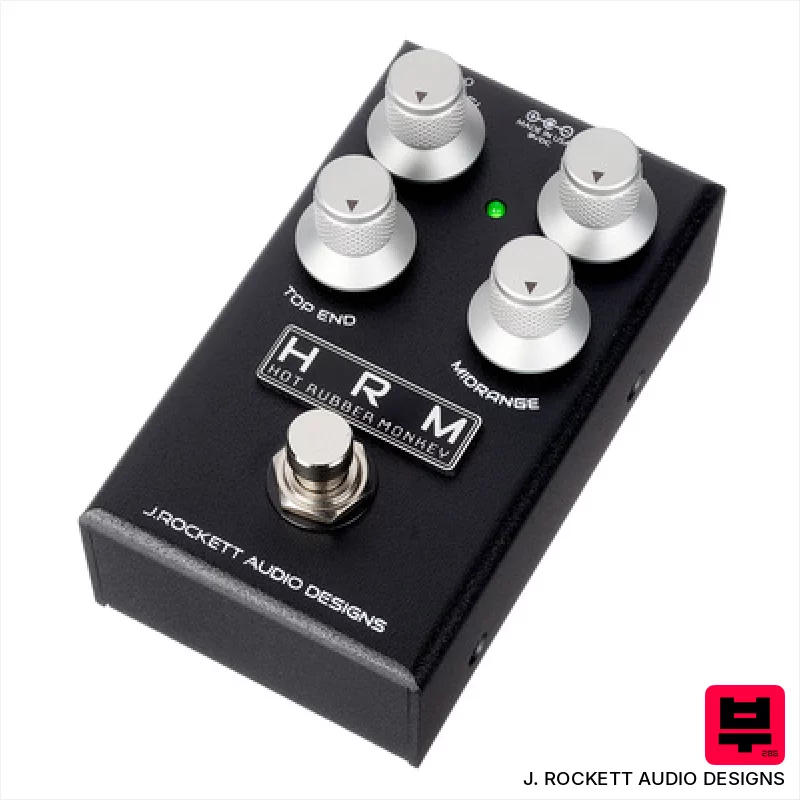
J. Rockett Audio Designs Hot Rubber Monkey V2
- • HRM EQ mod provides exceptional tonal shaping and flexibility.
- • Robust enclosure and high-quality components ensure long-term reliability.
- • Delivers a thick, saturated distortion ideal for rock and heavier genres.
- • The 'Top End' control offers precise high-frequency adjustment, avoiding harshness.
- • Limited versatility; excels in high-gain scenarios, less suited for clean boosts.
- • The overall footprint is relatively large, potentially an issue on crowded pedalboards.
- • Requires a separate power supply, adding to the initial investment.

J. Rockett Audio Designs The Jeff Archer
- • NOS components deliver a genuinely vintage, responsive feel.
- • 18V operation expands headroom and dynamic range significantly.
- • Archer's voicing excels with both single-coil clarity and humbucker grit.
- • Robust build quality; feels like a pedal built to endure gigging.
- • Price point places it in the premium-priced distortion category.
- • Limited control set might restrict dialing in extreme gain tones.
- • Size is larger than many pedals, potentially an issue for smaller boards.
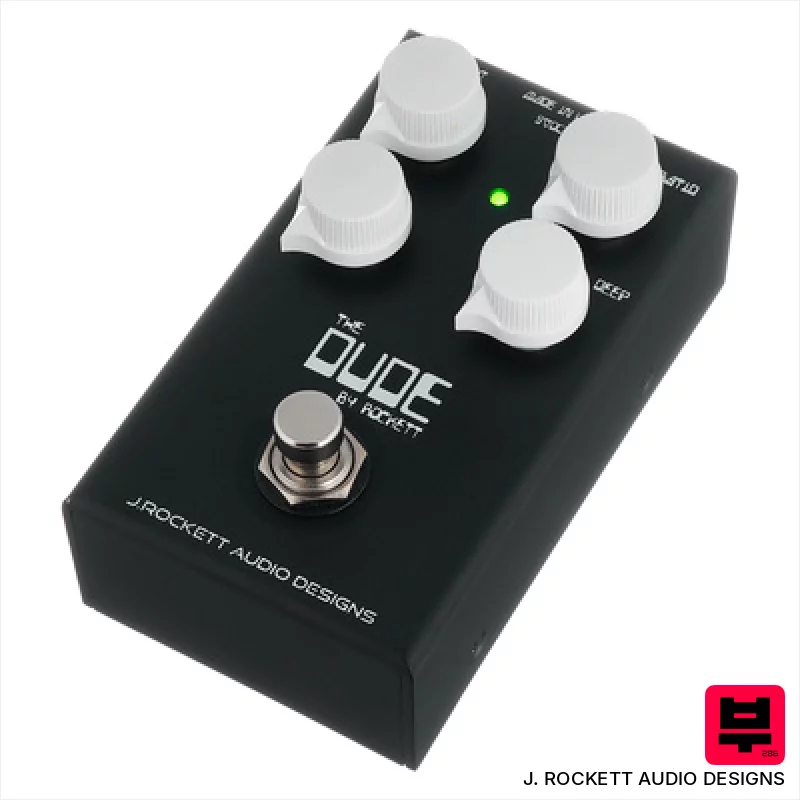
J. Rockett Audio Designs The Dude V2
- • Excellent D-Style amp emulation, capturing the responsiveness and warmth.
- • The 'Ratio' control provides a unique voicing, shaping gain structure effectively.
- • Metal enclosure feels robust, suggesting long-term durability and roadworthiness.
- • The tweaked volume control offers more manageable output levels compared to V1.
- • Limited versatility; excels at D-style tones, less suited for extreme distortion.
- • Lacks battery operation, requiring an external power supply for convenience.
- • The 'Deep' control can become muddy if overused, demanding careful adjustment.
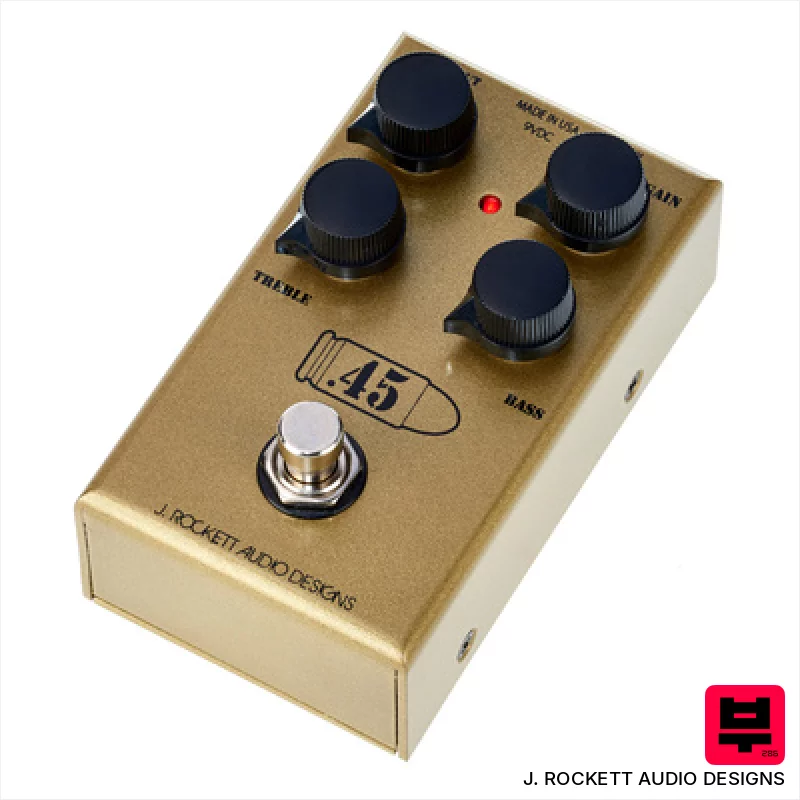
J. Rockett Audio Designs Rockett 45 Caliber
- • Excellent JTM45 emulation; captures that classic British crunch.
- • Robust metal enclosure feels incredibly solid and roadworthy.
- • Well-considered control layout offers a wide range of usable tones.
- • True bypass preserves your signal integrity when the pedal's off.
- • Limited versatility beyond a mid-gain overdrive sound.
- • Size can be a bit bulky for smaller pedalboards.
- • Power supply not included; a common but frustrating omission.
Distortion Pedals by the numbers
Measured across all 548 models in this category, so «wide», «short» or «expensive» mean something you can check.
How to Choose the Best Distortion Pedals
Tone Character
J Rockett's strength is nailing those vintage amp tones - think Marshall clubman, Vox AC30, even some Tweed Fender vibes. It's not just 'distortion,' it's a specific flavor of distortion, often with a warm, responsive character and a nice, thick low-midrange that cuts through without getting muddy. They often have a really pleasing harmonic complexity.
Dynamic Response
These pedals react beautifully to your playing dynamics. Clean playing stays clean, a gentle pick attack brings in a touch of grit, and digging in delivers a full-on saturated roar. It's that responsiveness that makes them feel incredibly alive and connected to your playing.
Build Quality
The enclosures are solid, and the components are generally high-quality. Brad doesn't skimp here. You're paying for the tone, but you're also getting a pedal that'll likely survive the rigors of gigging for years. The footswitches are reliable, and the jacks feel robust.
Gain Staging & Headroom
J Rockett pedals often excel at providing a wide range of gain options, from subtle overdrive to full-blown distortion. They're designed to be stacked with other pedals - a clean boost in front, an EQ in the loop - to really shape your tone and push them into different territories. The headroom is generally ample, allowing for a tight, defined sound even at higher gain settings.
Unique Circuit Designs
Brad's designs often incorporate unique circuit tweaks and component choices that set them apart. You'll find things like germanium diodes for a warmer, more asymmetrical clipping, or custom-wound transformers that impart a specific sonic signature. It's not just another clone; it's a reimagining.
Buying Guide
Don't expect pristine, sterile 'high-gain' tones. J Rockett pedals are about character and responsiveness, and that means they'll have their own quirks. If you're after a super-tight, modern distortion, these might not be your thing. But if you value that vintage amp feel, the ability to dial in subtle overdrive or crushing distortion, and a pedal that actually responds to your playing, they're absolutely worth the investment. They are generally priced in the mid-range, so you're getting a good bang for your buck, but remember that vintage-voiced circuits can sometimes be more sensitive to amp and guitar pairings.
How This List Is Built
We don't play these instruments — we're a catalog, not a review desk, and we'd rather say so than pretend otherwise. This page covers 6 of 548 distortion pedals from the Thomann catalogue, which is the largest single source of specification data in this category: 6 in detail, the rest listed with their specifications.
Position is computed, not curated. We parse the manufacturer's own description into actual values — nut width, scale, fret count, fingerboard radius, size, alloy — and rank on them: how many specifications a model has published, how many of them are measurable numbers, and how precisely it meets this page's criterion. A product image adds a little. Price is not a ranking signal: it tells you nothing about whether a neck fits your hand. The same inputs always produce the same order, so nothing here is shuffled to look fresh.
What this list is good for: narrowing a category down to a shortlist by spec and budget. What it isn't: a substitute for hearing an instrument. Before you buy, read hands-on reviews and, where you can, play it. Full methodology.

