
Best 4-String Basses 2026
Alright, so you're in the market for a 4-string bass. Smart move - it's the workhorse, the foundation. Whether you're laying down walking lines in a jazz trio, anchoring a rock band, or just jamming in your bedroom, a good 4-string is essential. Finding the right one, though, that's where things get interesting, and this guide is gonna help you navigate that.
Last updated: April 11, 2026

Warwick Masterbuilt Streamer StageII 4
- • Afzelia body provides a focused, articulate, and warm tonal foundation.
- • Continuous wenge neck offers exceptional stability and a fast, comfortable playing feel.
- • MEC J/J pickups deliver a balanced, powerful tone suitable for diverse genres.
- • Integrated lithium battery and USB charging offer convenient power and extended playtime.
- • The substantial weight (4.52 kg) may be fatiguing for some players over extended periods.
- • Afzelia’s tonal character might be too focused for players desiring extreme versatility.
- • Premium-priced, representing a significant investment for most bassists.
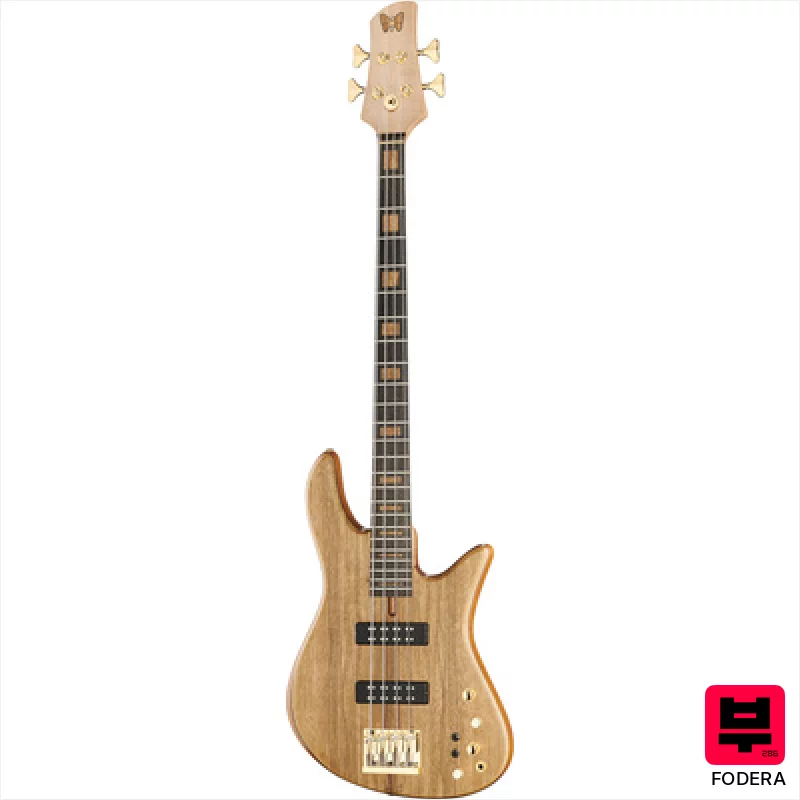
Fodera Emperor Std 4 Black Limba LTD
- • Roasted ash body provides exceptional resonance and sustain, a Fodera signature.
- • Black Limba top adds striking aesthetics and a slightly warmer tonal character.
- • Fodera Dual Coils deliver a powerful, articulate tone with excellent note definition.
- • Bolt-on neck construction offers a snappy, responsive feel favored by many players.
- • The long scale and ebony fingerboard can feel dense and less comfortable for some.
- • Black Limba, while beautiful, can be prone to minor finish checking over time.
- • The premium-priced nature makes it inaccessible to the casual or beginner bassist.
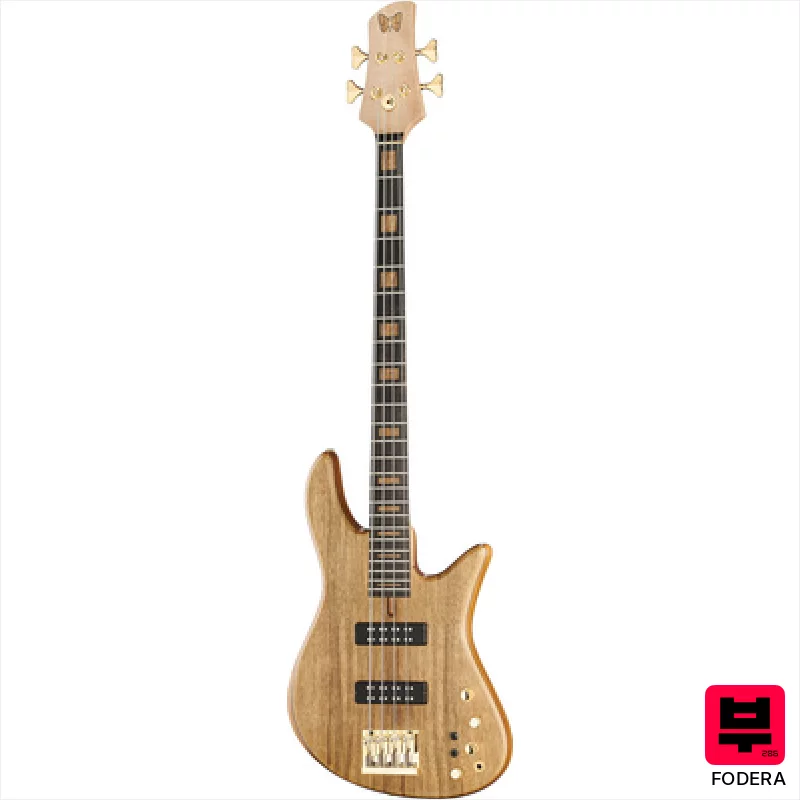
Fodera Emperor Std 4 Black Limba LTD
- • Roasted ash body provides excellent resonance and sustain.
- • Black Limba top adds beautiful aesthetics and a touch of warmth.
- • Fodera Dual Coils deliver a powerful, articulate, and defined tone.
- • Bolt-on neck construction offers a responsive and snappy feel, characteristic of Fodera.
- • Black Limba top can be prone to fingerprints and requires diligent care.
- • Long scale length might feel slightly unwieldy for players with smaller hands.
- • Premium-priced, making it a significant investment for most bassists.
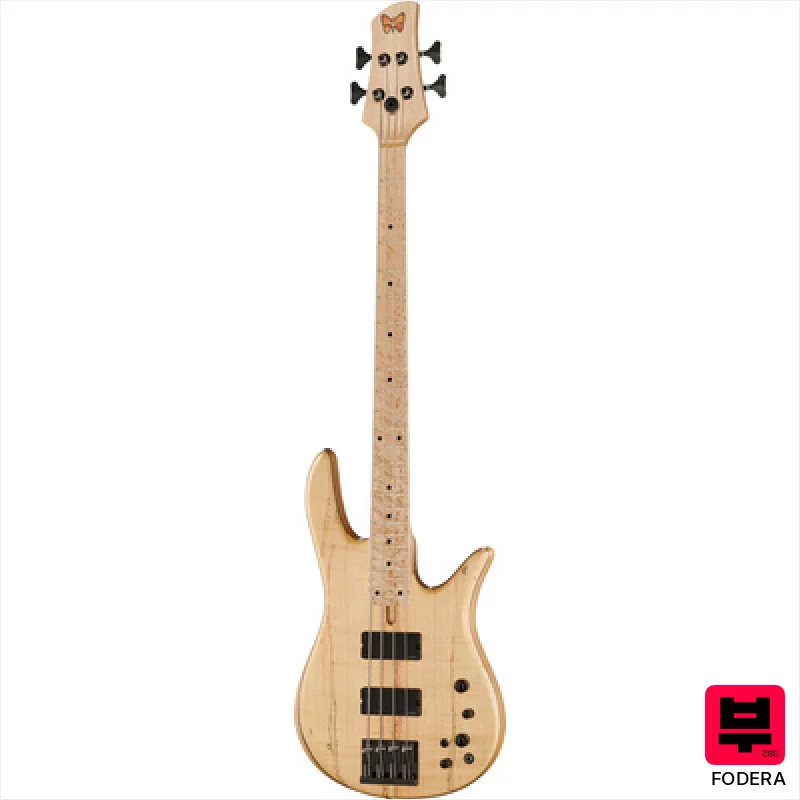
Fodera Monarch STD Special 4 J-Maple
- • Alder body provides a balanced, resonant foundation for a wide tonal palette.
- • Japanese maple top adds striking visual appeal and enhances high-frequency response.
- • EMG 35J pickups deliver a powerful, articulate growl ideal for modern genres.
- • Fodera/Pope electronics offer precise tonal shaping with a clear, defined character.
- • The long scale and maple construction may feel stiff for players preferring a more flexible feel.
- • Birdseye maple fingerboard can be polarizing – some find it visually distracting or slightly rough.
- • Premium-priced, limiting accessibility for players on a tighter budget.
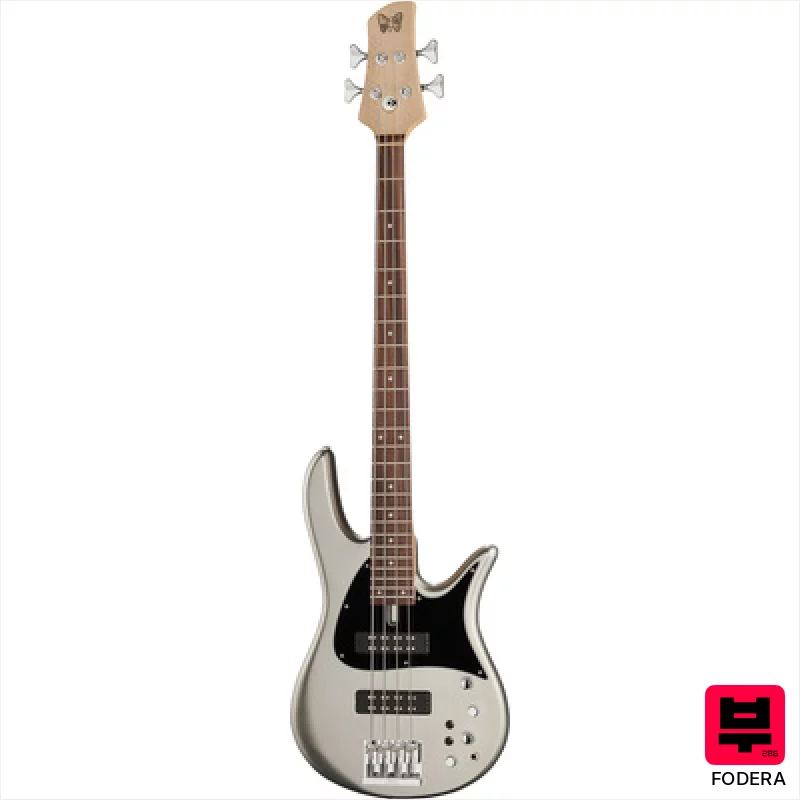
Fodera Monarch Standard 4 Classic IS
- • Alder body delivers a balanced, articulate tone with excellent sustain.
- • Maple neck provides snappy response and comfortable playability.
- • Fodera Dual Coils offer a refined, powerful sound with minimal hum.
- • Pope preamp delivers precise EQ control for a wide range of tonal possibilities.
- • The alder body can feel a little 'scooped' in the mids compared to mahogany.
- • The long scale (34") might be a stretch for players with smaller hands.
- • The IncaSilver Satin finish, while beautiful, is susceptible to fingerprints.

Fodera Monarch STD Special 4 J-Maple
- • Alder/Maple combo delivers exceptional warmth, clarity, and sustain.
- • EMG 35J pickups provide aggressive articulation and a modern, defined tone.
- • Fodera/Pope preamp offers precise EQ shaping for tonal versatility.
- • Birdseye maple fingerboard offers a unique feel and striking aesthetic.
- • The long scale (864mm) might feel unwieldy for players with shorter arms.
- • The natural matte finish, while elegant, is prone to fingerprints and smudges.
- • Premium-priced, making it inaccessible for many players.
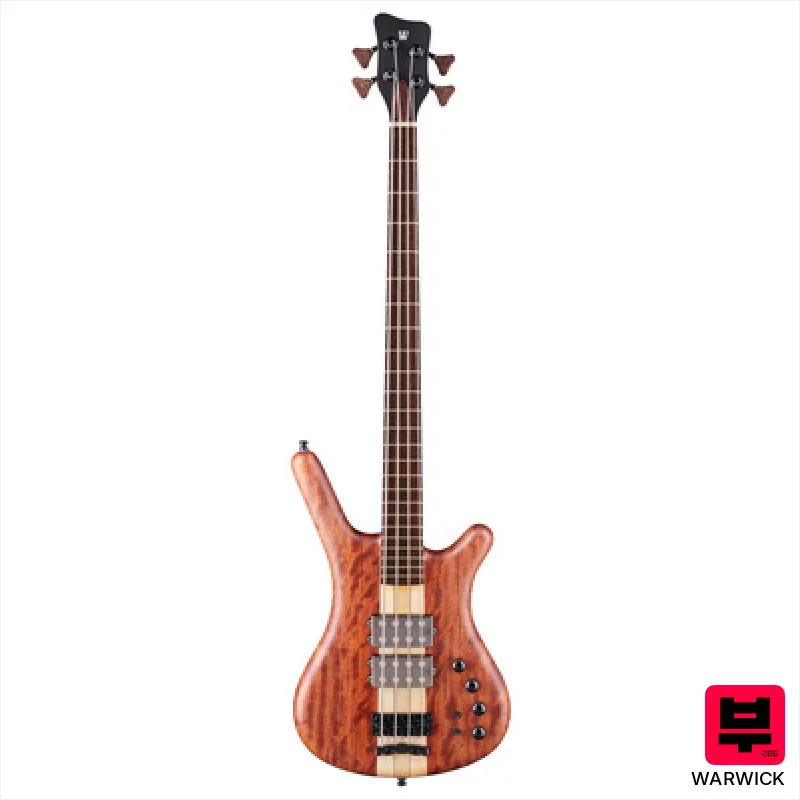
Warwick Masterbuilt Corvette $$ NT 4
- • Bubinga body delivers incredible sustain and a rich, complex tone.
- • Maple/Wenge neck-thru construction enhances resonance and upper-mid clarity.
- • MEC pickups offer a powerful, articulate voice with excellent note definition.
- • Invisible Fret Technology (IFT) provides a supremely smooth and fast playing experience.
- • The weight, typical of Bubinga basses, will be a factor for some players.
- • The 2-band active preamp, while capable, limits tonal sculpting compared to more complex systems.
- • The aesthetic, while undeniably Warwick, might not appeal to players seeking a more understated look.
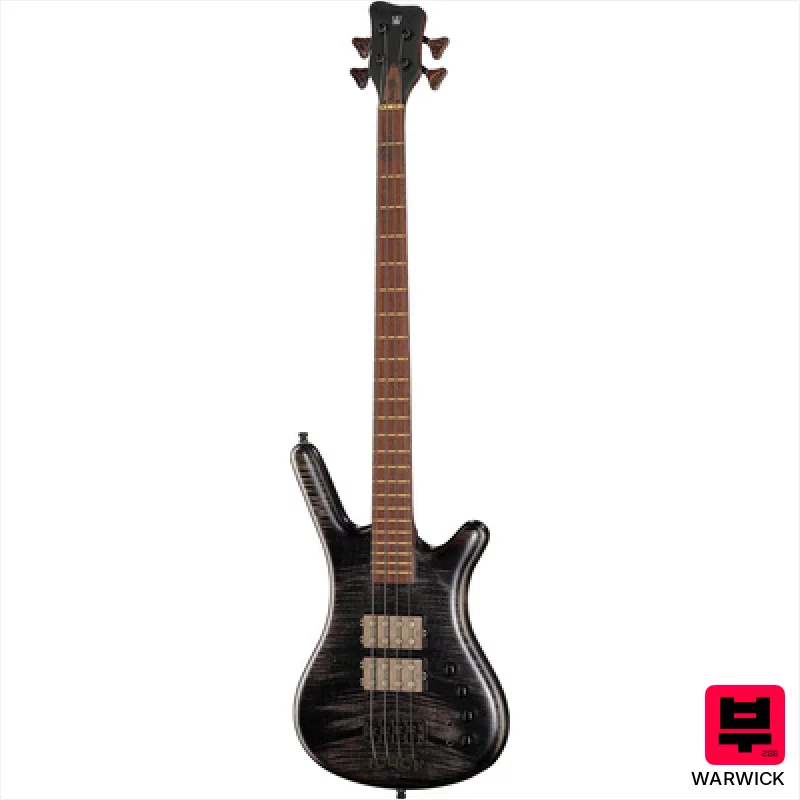
Warwick Masterbuilt Corvette $$ NB 4
- • Swamp ash/flamed maple combo delivers a resonant, articulate, and visually striking tone.
- • MEC humbuckers provide a punchy, aggressive sound ideal for rock and modern genres.
- • Bolt-on wenge neck offers a snappy feel and excellent sustain.
- • Rechargeable lithium battery eliminates the need for traditional 9V, convenient and reliable.
- • The 864mm scale length might feel unwieldy for players accustomed to shorter scales.
- • Masterbuilt pricing places it firmly in the premium-priced category, limiting accessibility.
- • Wenge fretboard can be sensitive to humidity changes, requiring careful maintenance.

Marleaux Consat 4 NT Antique Wood III
- • 600-year-old oak top provides exceptional resonance and character
- • Häussel/Marleaux humbuckers deliver a powerful, articulate tone
- • 3-piece maple neck-thru construction enhances sustain and balance
- • ETS Tuningfork bridge ensures precise intonation and string vibration
- • The antique wood finish might be too delicate for aggressive players
- • Premium-priced, limiting accessibility for many bassists
- • Alder body can contribute to a slightly 'woody' tone that isn’t ideal for all genres
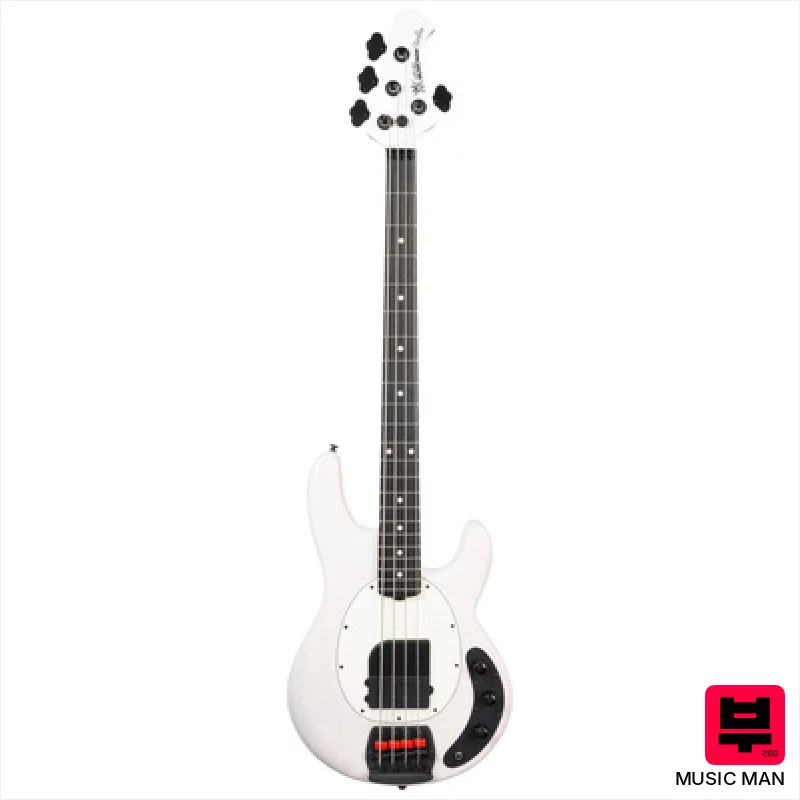
Music Man Tim Commerford StingRay Passiv
- • Ash body delivers tight, articulate low-end response
- • Roasted maple neck provides exceptional stability and smooth playability
- • StingRay Special pickup offers a powerful, focused tone
- • Passiv electronics provide a vintage-inspired, dynamic sound
- • Fight Night White finish might be polarizing for some players
- • Premium-priced, representing a significant investment
- • Limited tonal versatility compared to active electronics basses

Music Man Tim Commerford StingRay Active
- • Ash body delivers a tight, articulate low-end response.
- • Roasted maple neck offers exceptional stability and a smooth playing feel.
- • StingRay Special pickup provides aggressive, focused punch and clarity.
- • Active preamp allows for precise tonal sculpting across the frequency spectrum.
- • The ash body contributes to a relatively heavy instrument.
- • Ebony fingerboard can be unforgiving for players preferring a softer feel.
- • The aggressive pickup and preamp might not suit all musical genres.
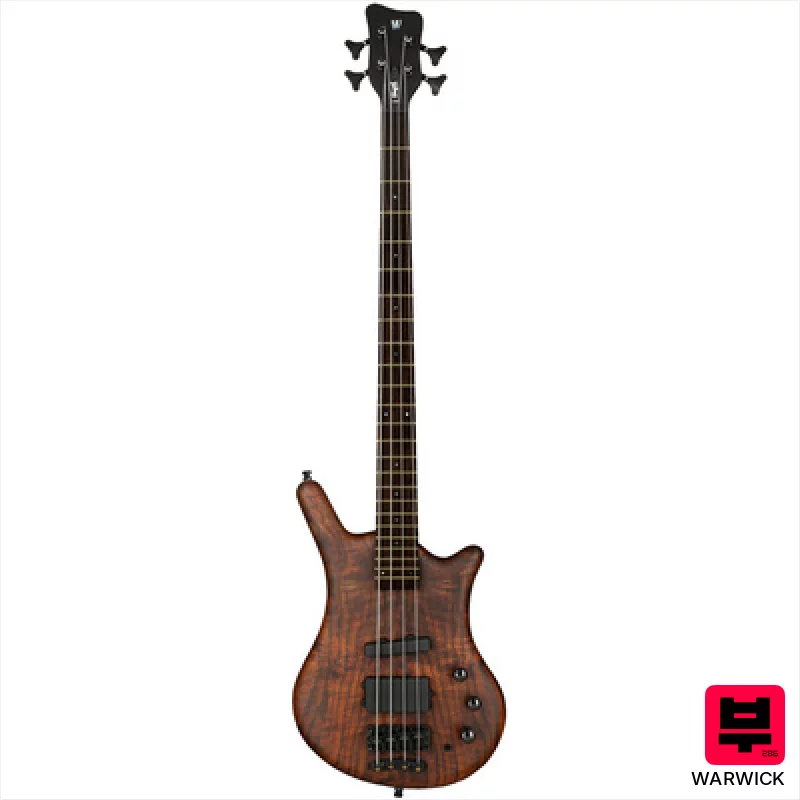
Warwick Teambuilt Thumb BO LTD 4 Nat
- • Walnut body provides rich, warm tonal foundation.
- • Roasted maple neck offers exceptional stability and resonance.
- • Bartolini pickups deliver articulate lows and defined highs.
- • 20” radius fretboard enhances playability and comfort.
- • The substantial walnut body makes for a notably heavy instrument.
- • Limited edition status restricts availability and increases exclusivity.
- • Stacked controls may require some familiarization for immediate use.
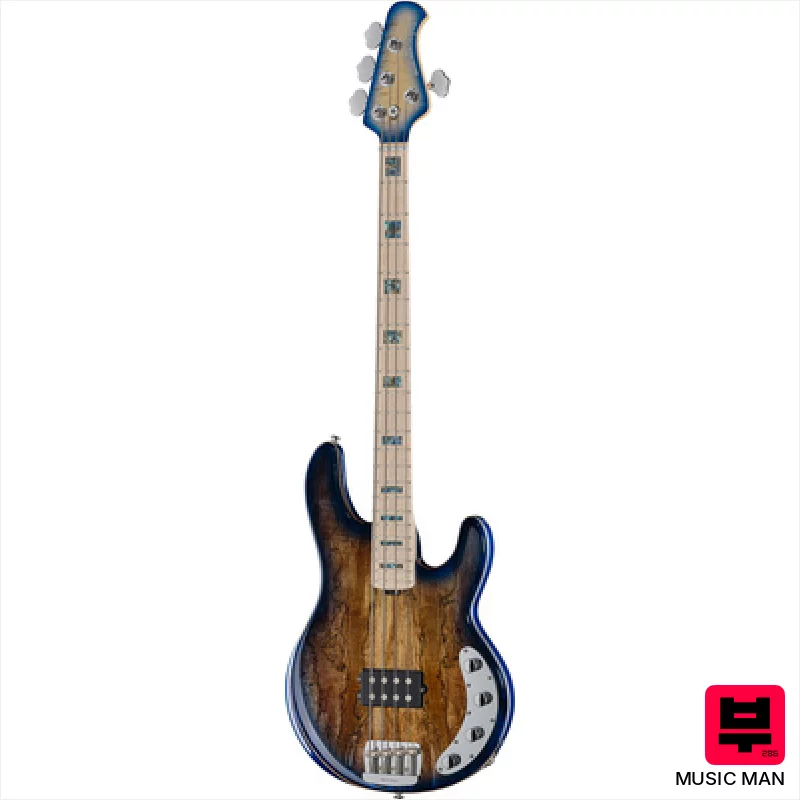
Music Man BFR Stingray 4 H Special PBB
- • Spalted maple top adds stunning visual flair and unique tonal complexity.
- • Active 18V preamp delivers exceptional clarity and aggressive, defined low-end.
- • Bolt-on neck provides a snappy, responsive feel favored by many players.
- • Music Man steel bridge enhances sustain and tuning stability considerably.
- • Spalted maple can exhibit unpredictable grain patterns, potentially affecting playability.
- • Premium-priced, representing a significant investment for many bassists.
- • Rosewood fretboard might not appeal to players preferring ebony’s brighter tone.
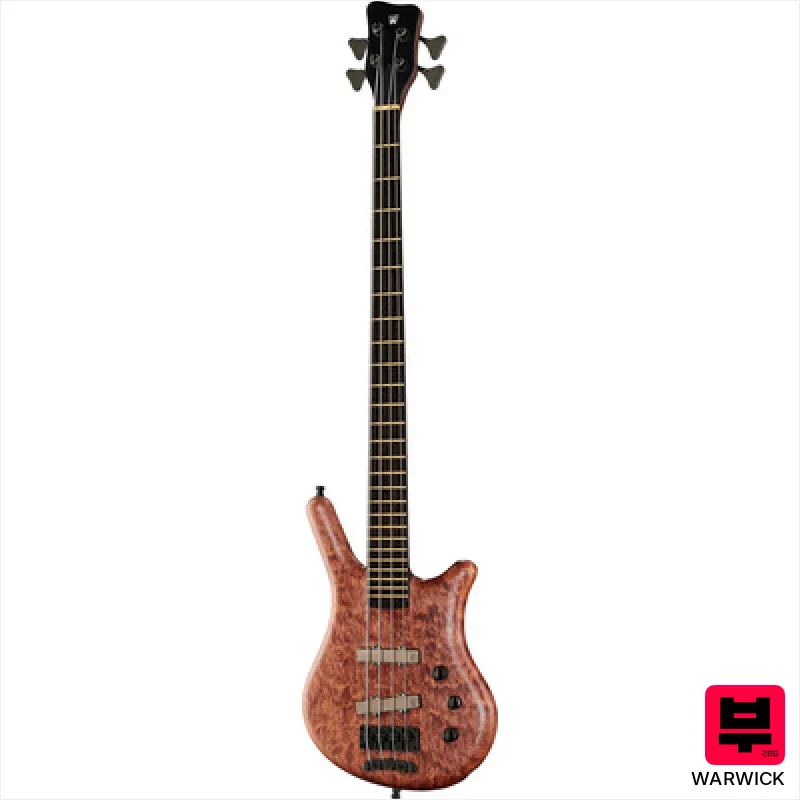
Warwick Masterbuilt Thumb Bass NT 4
- • Bubinga pommelé body delivers exceptional clarity and sustain.
- • Wenge neck provides a comfortable, fast playing experience with excellent stability.
- • MEC J/J pickups offer a versatile, articulate tone suitable for many genres.
- • Masterbuilt quality ensures meticulous craftsmanship and incredible attention to detail.
- • The Bubinga pommelé body makes it quite heavy, potentially tiring for long gigs.
- • The active electronics require charging, adding a maintenance consideration.
- • The high-end price point puts it out of reach for many players.
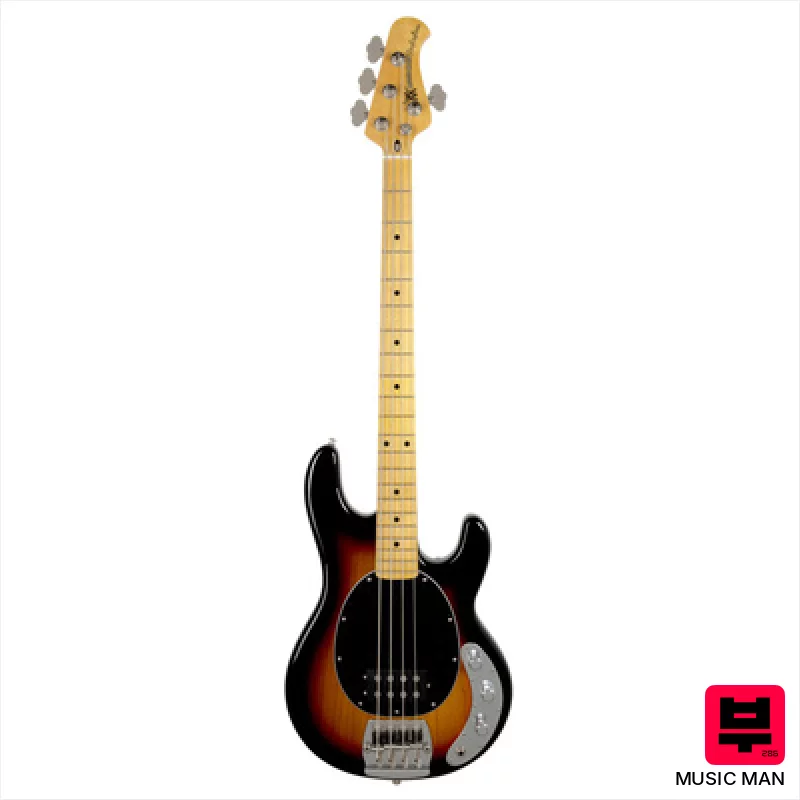
Music Man Retro 70s StingRay Sunburst MC
- • Ash body delivers a resonant, articulate vintage tone.
- • Bolt-on maple neck provides snappy response and comfortable playability.
- • Vintage Alnico 5 humbucker delivers thick, growly, classic StingRay tone.
- • Schaller hardware ensures rock-solid tuning stability and premium feel.
- • The active electronics demand a power source, limiting passive tonal options.
- • The 7.5in radius fingerboard might feel less comfortable for some modern players.
- • High-gloss Sunburst finish can be a fingerprint magnet, requiring diligent care.
How to Choose the Best 4-String Basses
Body Wood
Different woods impart different sonic characteristics. Alder is a classic for a reason - balanced, versatile. Ash tends to have a more scooped midrange and a bit more bite. Mahogany brings warmth and a rounder low-end, sometimes at the expense of clarity. It's not just about 'warmth' or 'brightness' - it's about what frequencies are emphasized and how they interact with your amp and pickups.
Neck Profile
Seriously, this is crucial. A thick, C-shaped neck might feel great to some, but a D-profile or a slimmer neck might be more comfortable for faster playing. Consider your hand size and playing style - a neck that's uncomfortable will kill your technique, no matter how good the bass sounds.
Pickup Voicing
P-style pickups offer that classic, punchy, growly tone - fantastic for rock and Motown. Split-coil pickups deliver a fatter, more rounded sound with a bit more low-end thump. Single-coil pickups can be brighter and more articulate, but can also be noisier. The voicing dictates how the bass cuts through the mix - a crucial factor in a band setting.
Hardware Quality
Cheap hardware will let you down. Floating bridges can be unstable, tuners can slip, and poorly made pots can crackle and fail. Solid hardware doesn't guarantee amazing tone, but it guarantees reliability - especially when you're lugging your bass around to gigs.
Scale Length
The standard 34" scale is a good all-rounder, but shorter scales (30.5" or 32") offer a slinkier feel and slightly looser string tension, which some players prefer. Longer scales (35" or 36") increase string tension, giving you a tighter feel and potentially more clarity, but can be harder on the fingers.
Buying Guide
Don't chase the hype. A bass that sounds amazing in a YouTube demo might sound muddy and indistinct plugged into your rig. Play before you buy, if possible. Budget basses often skimp on hardware and wood selection - you'll hear the difference. Paying a bit more for a solid neck joint and decent pickups is always a good investment. Ultimately, the best bass is the one that feels right in your hands and inspires you to play.
How This List Is Built
We don't play these instruments — we're a catalog, not a review desk, and we'd rather say so than pretend otherwise. This page ranks 15 4-string basses from the Thomann catalogue, which is the largest single source of specification data in this category.
Position is computed, not curated. Four signals, in order of weight: how completely the manufacturer documents the instrument (number of published specifications), where it sits in the price range, how specific the model designation is — which filters out generic accessories — and whether a product image exists. The same inputs always produce the same order, so nothing here is shuffled to look fresh.
What this list is good for: narrowing a category down to a shortlist by spec and budget. What it isn't: a substitute for hearing an instrument. Before you buy, read hands-on reviews and, where you can, play it. Full methodology.

