
Best Distortion Pedals Under $50 2026
Alright, so you're chasing that overdrive grit without draining your bank account? It's a totally valid goal. Finding distortion pedals under $50 is tough, but not impossible. We've sifted through the bargain bins to find pedals that actually deliver usable tones - not just noise - for gigging, recording, or just shredding in your bedroom.
Last updated: October 8, 2026
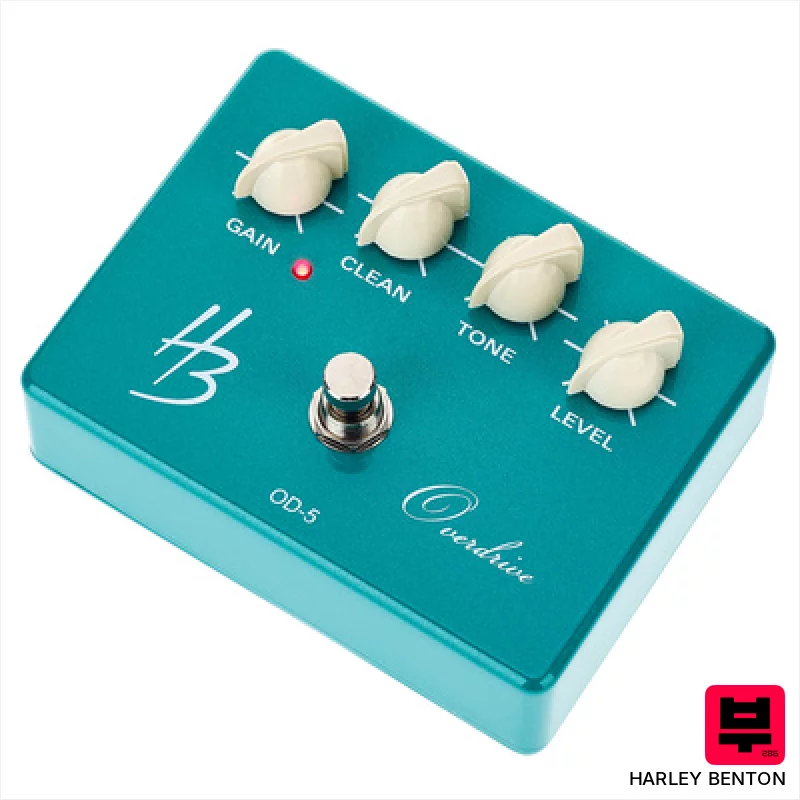
Harley Benton Custom Line OD-5 Overdrive
- • Surprisingly robust metal enclosure feels much pricier than it is.
- • Gain range offers usable sounds from subtle boost to crunchy overdrive.
- • Clean control provides excellent dynamic shaping, preventing muddiness.
- • True bypass preserves your signal integrity when the pedal's off.
- • Component quality, while decent, won't match higher-end boutique overdrives.
- • The tone control can be a bit vague and hard to dial in precisely.
- • Power supply not included – a common cost-saving measure, but still an extra expense.
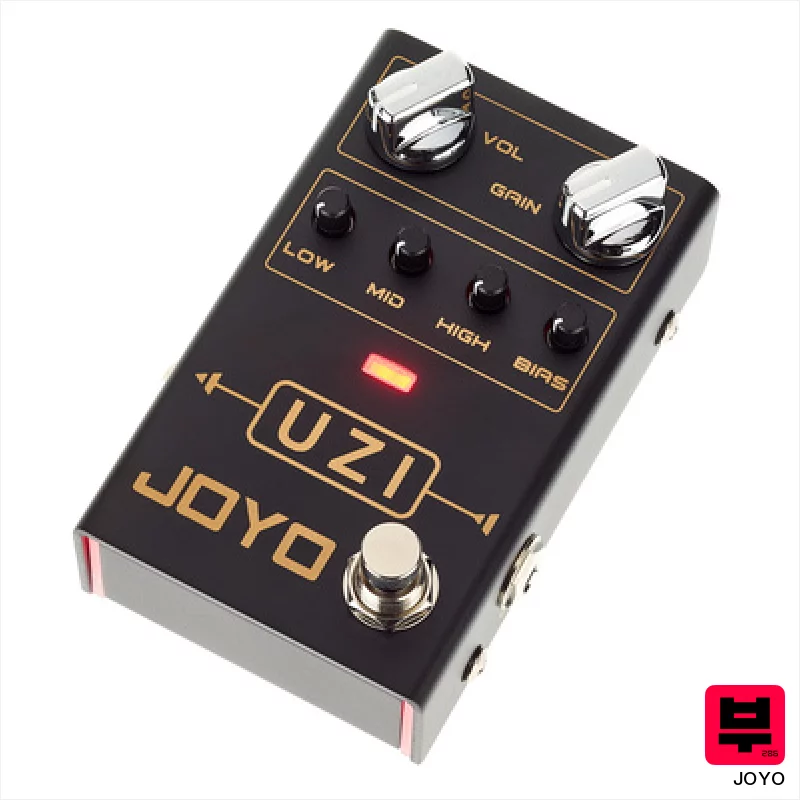
Joyo R-03 Uzi Distortion
- • Surprisingly thick, saturated distortion for its size and price point.
- • Bias control offers unique tonal shaping, from tight to looser sounds.
- • Compact footprint makes it ideal for pedalboards with limited space.
- • LED lighting, while a gimmick, adds a subtle visual flair to performance.
- • Plastic enclosure feels somewhat flimsy; not built for heavy gigging.
- • Limited tonal versatility; excels in high-gain distortion, less so elsewhere.
- • True bypass is absent; a small amount of signal coloration even when off.
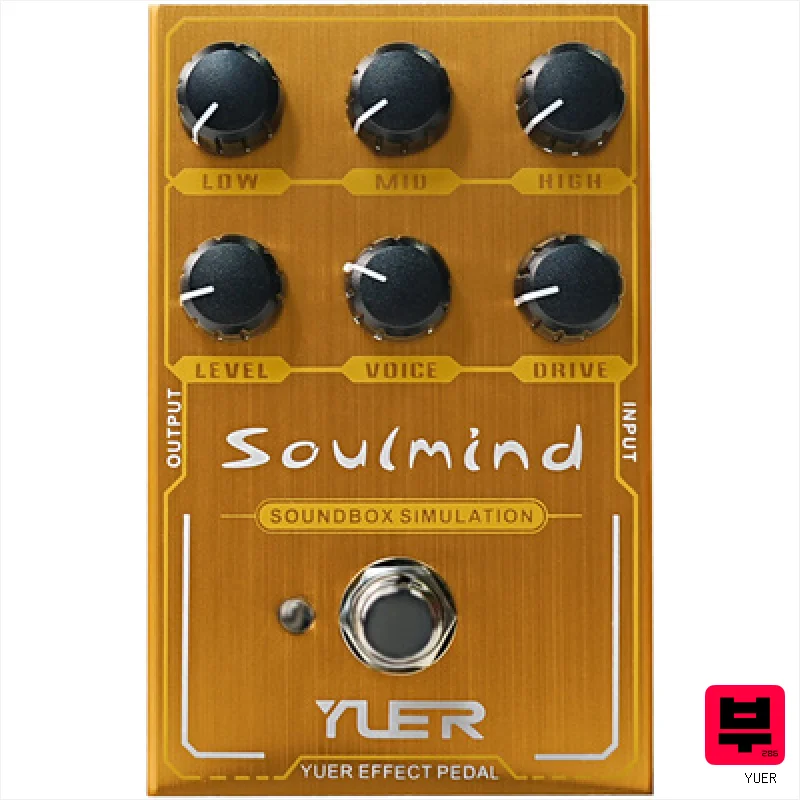
Yuer YF-34 Soulmind Overdrive/Amp
- • Aluminum housing keeps the pedal sturdy and durable.
- • No battery operation support limits flexibility.
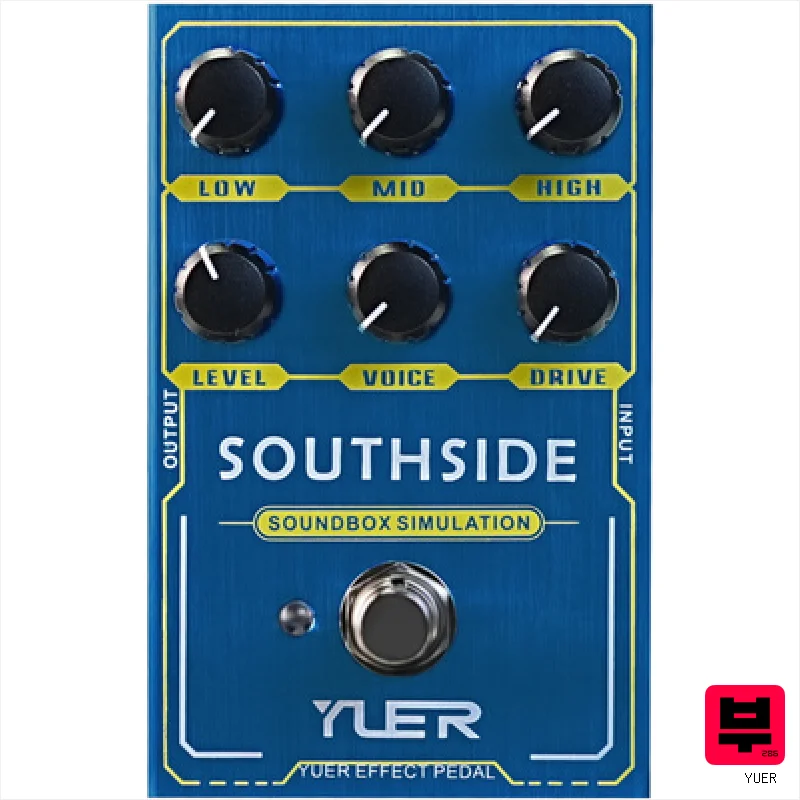
Yuer YF-32 Southside Overdrive/Amp
- • Delivers focused rock tone similar to legendary California amps
- • Features true bypass for pristine signal clarity
- • Includes dedicated voice and drive control knobs
- • Built with durable aluminum housing for stability
- • No battery operation capability required
- • Limited to basic three-band EQ settings
- • Requires external 9V power supply to function
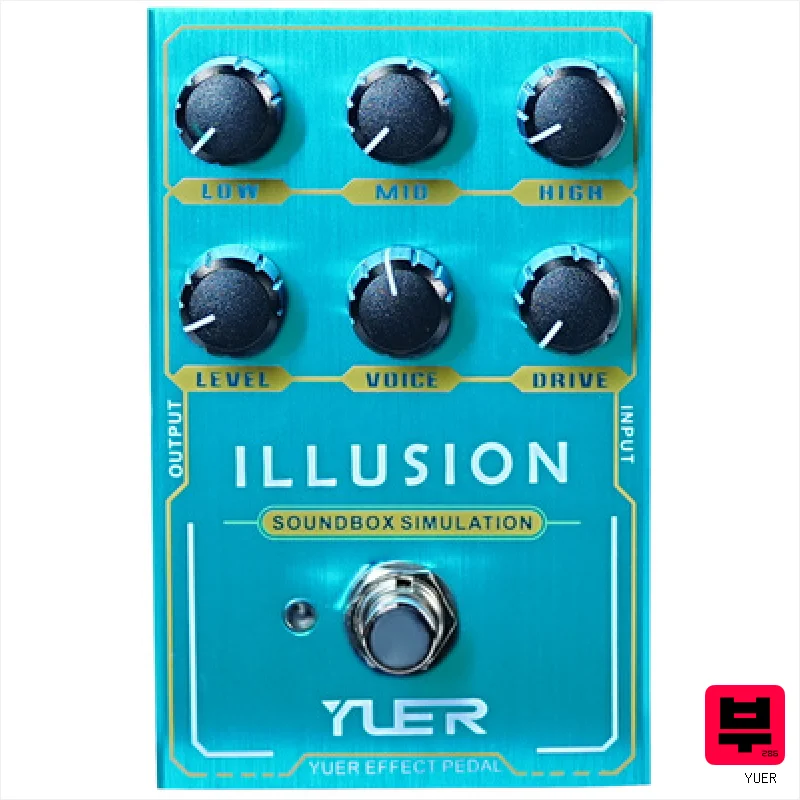
Yuer YF-33 Illusion Overdrive/Amp
- • Classic British Class A amplifier sound
- • Natural-sounding overdrive character
- • True bypass circuit design
- • Durable aluminum housing
- • No battery operation support
- • Requires external power supply
- • Only 6.3mm mono jack inputs
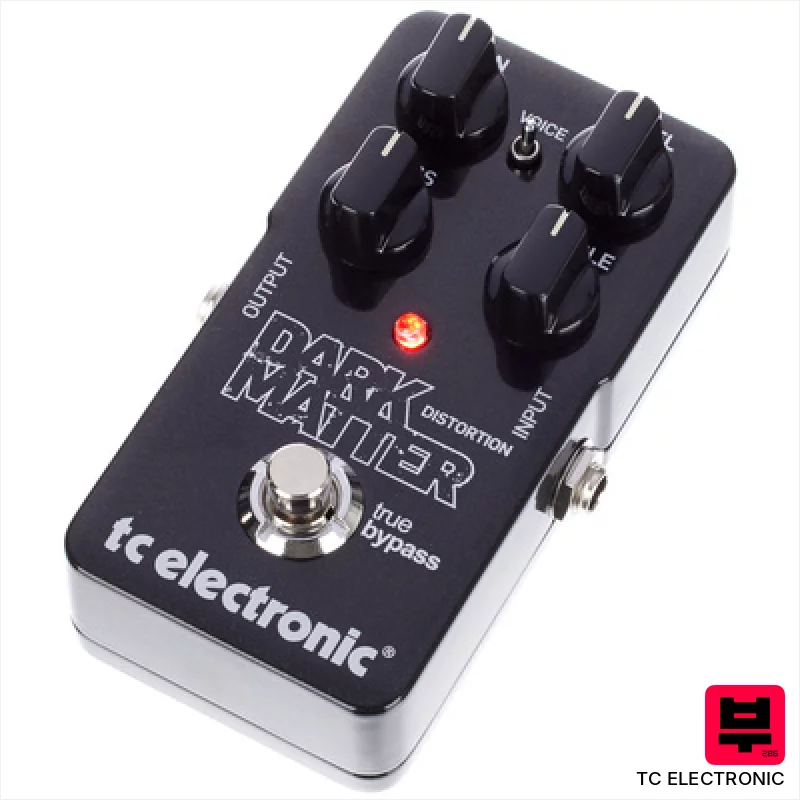
tc electronic Dark Matter Distortion
- • Surprisingly thick low-end for a budget pedal
- • Voice switch offers distinct, usable character shifts
- • Compact size makes it pedalboard-friendly
- • Simple controls allow for quick, intuitive dialing-in
- • Plastic enclosure feels somewhat cheap and less robust
- • Limited tonal flexibility compared to more complex distortions
- • Gain range might be insufficient for extreme high-gain applications
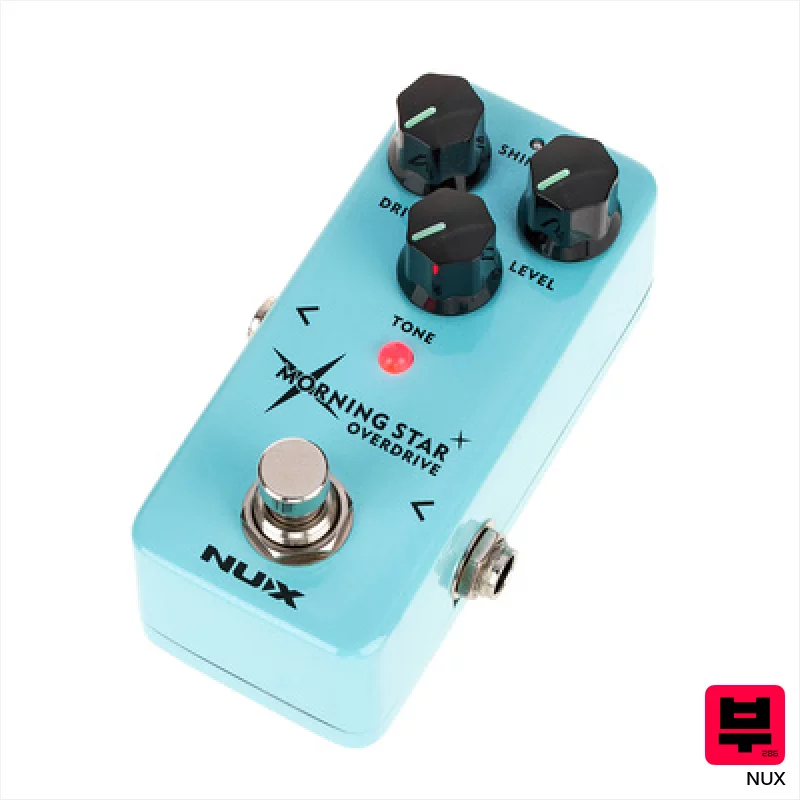
Nux Morning Star OD
- • Warm, blues-inspired overdrive with a pleasant, natural feel
- • The 'Shine' circuit genuinely adds clarity and sparkle to the tone
- • Compact size makes it incredibly pedalboard-friendly for travel
- • Surprisingly robust build for its price point; feels solid in hand
- • Limited tonal flexibility; excels at blues but struggles with heavier genres
- • True bypass implementation would improve signal integrity
- • Power supply not included; a common but frustrating omission
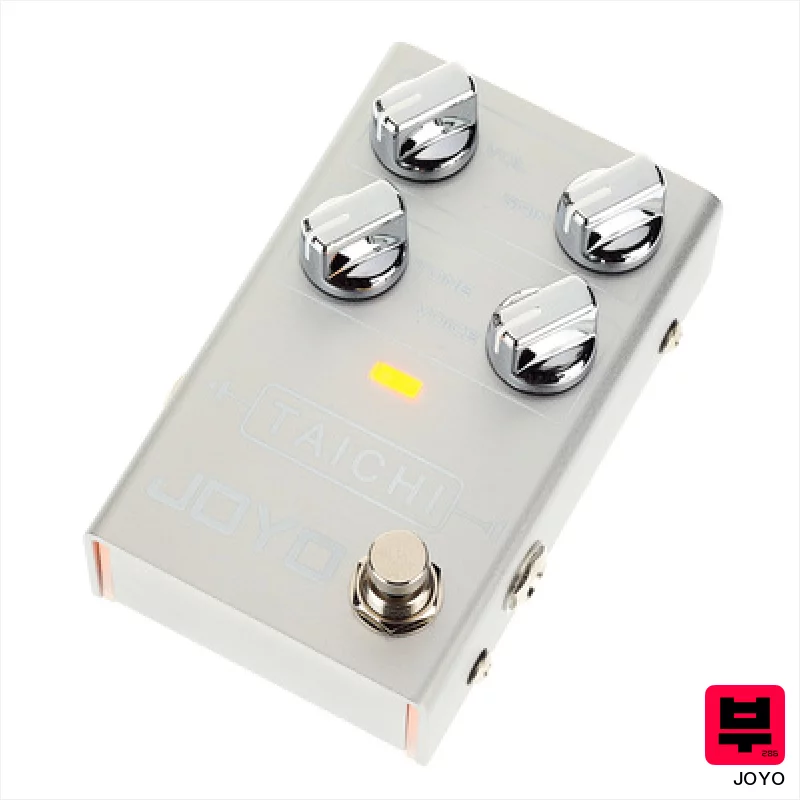
Joyo R-02 Taichi Overdrive
- • Smooth tube-like saturation at lower gain settings
- • Voice control adds subtle character shifts, surprisingly useful
- • Compact size makes it pedalboard-friendly
- • Remarkably affordable, offering good value for the money
- • Plastic enclosure feels somewhat cheap and less robust
- • Tone control can be a little muddy in certain positions
- • Limited versatility compared to more complex overdrive pedals

Joyo JF-23 Argos Overdrive
- • Attack knob provides surprisingly nuanced overdrive character.
- • Noise gate effectively tames higher gain settings.
- • Compact size makes it pedalboard-friendly for most setups.
- • Excellent value; performance punches well above its price point.
- • Plastic enclosure feels a little cheap and less durable.
- • Tone control can be a bit muddy at lower frequencies.
- • Limited control flexibility compared to more complex overdrives.

Joyo JF-26 Tiny Huge Fuzz
- • Delivers surprisingly thick, gated fuzz tones reminiscent of early Klone circuits.
- • Compact size makes it incredibly pedalboard-friendly for its sound.
- • Simple controls allow for quick dialing-in of usable fuzz sounds.
- • Remarkably affordable, offering a lot of fuzz character for the price.
- • Build quality feels a little plasticky; not as robust as higher-end options.
- • Tone control can be a bit muddy when pushed too far, limiting clarity.
- • Limited versatility; excels at one specific fuzz style, not a general-purpose fuzz.
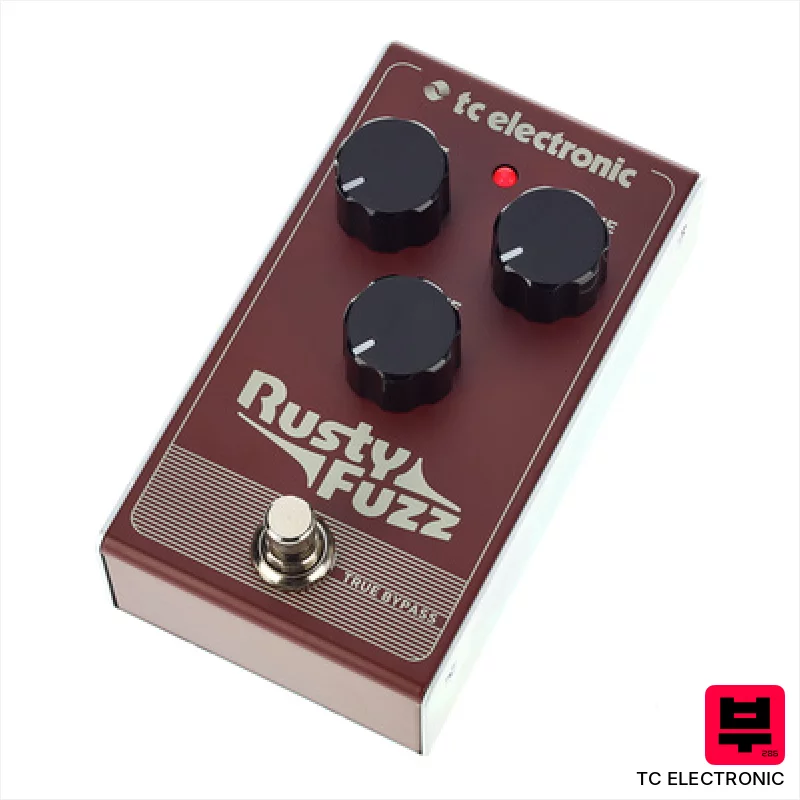
tc electronic Rusty Fuzz
- • Aggressively vintage fuzz tone, surprisingly dynamic response
- • Compact size makes it incredibly pedalboard-friendly
- • Simple controls offer immediate, usable fuzz sounds
- • Excellent value for a boutique-style fuzz circuit
- • Tone knob can be a bit muddy at lower settings
- • True bypass isn't always ideal for preserving signal integrity
- • Limited versatility; primarily a dedicated fuzz pedal

Joyo JF-21 Splinter
- • Surprisingly thick and saturated distortion for its size and price.
- • Filter control offers a unique tonal shaping ability, cutting harsh highs.
- • Compact footprint makes it ideal for crowded pedalboards or small rigs.
- • Simple controls allow for quick dialing-in of usable sounds.
- • Plastic enclosure feels somewhat flimsy and not as robust as metal alternatives.
- • Limited tonal versatility; excels at fuzz/distortion, less suited for clean boost.
- • Power adapter connection is a less common barrel size, potentially requiring an adapter.

Joyo JF-22 Oxford Sound OD
- • Simulates Orange amp vibe surprisingly well for the price.
- • Voice control offers a usable range from clean boost to crunchy overdrive.
- • Compact size makes it pedalboard-friendly for smaller setups.
- • Drive control provides a decent amount of gain for rock tones.
- • Plastic enclosure feels a bit flimsy; not built to withstand heavy gigging.
- • Midrange can be a little scooped, requiring EQ adjustments.
- • Power supply not included; a common, but frustrating, budget-pedal omission.

tc electronic Cinders Overdrive
- • Surprisingly warm low-end for an overdrive this size
- • Simple controls make dialing in usable tones effortless
- • True bypass preserves your signal when disengaged
- • Compact size makes it ideal for crowded pedalboards
- • Limited tonal flexibility compared to multi-mode drives
- • Plastic enclosure feels a bit fragile for gigging
- • 9V battery power can drain quickly with heavy use

tc electronic Zeus Overdrive
- • Dynamic overdrive delivers a responsive, touch-sensitive feel.
- • FAT switch adds significant harmonic richness and sustain.
- • Compact size makes it pedalboard-friendly for most setups.
- • Affordable price point provides excellent value for the sound.
- • Limited control flexibility compared to more complex overdrive pedals.
- • Lack of battery operation restricts portability.
- • Plastic enclosure feels less robust than metal alternatives.
Every distortion pedals that matches
55 models match this page. The 15 above are covered in detail; the rest are listed here with their published specifications.
Distortion Pedals by the numbers
Measured across all 55 models in this category, so «wide», «short» or «expensive» mean something you can check.
How to Choose the Best Distortion Pedals
Gain Range
Cheap pedals often have a narrow gain range, either too fizzy or too muddy. We're looking for something that can at least cover light overdrive to a usable distortion, even if it doesn't nail full-on doom metal.
Tone Shaping
EQ controls are your friend. A basic 2 or 3-band EQ can make a huge difference in taming harshness or adding some low-end thump, especially when you're relying on less-than-stellar components.
Noise Floor
Let's be real, noise is a constant battle with budget gear. We're judging based on how much hiss and hum you'll have to deal with, and whether it's manageable with a noise gate or careful gain staging.
Build Quality
Plastic enclosures and flimsy pots are a given at this price point, but we're looking for something that won't fall apart after a few gigs. Stomping on pedals is part of the job, after all.
Articulation & Dynamics
Can the pedal respond to your picking dynamics? Does it choke out when you dig in, or is it just a wall of mush? This is where cheap distortion often falls short, but we're searching for pedals that retain some sensitivity.
Buying Guide
At this price, you're making compromises. Expect some noise, potentially limited gain range, and a build that won't last forever. Don't expect pristine, transparent overdrive - these are distortion pedals, meant to color your tone. Look for EQ controls to dial in a usable sound, and be prepared to experiment with your amp's settings to compensate for the pedal's limitations. A good preamp section on your amp will help a lot.
How This List Is Built
We don't play these instruments — we're a catalog, not a review desk, and we'd rather say so than pretend otherwise. This page covers 55 distortion pedals from the Thomann catalogue, which is the largest single source of specification data in this category: 15 in detail, the rest listed with their specifications.
Position is computed, not curated. We parse the manufacturer's own description into actual values — nut width, scale, fret count, fingerboard radius, size, alloy — and rank on them: how many specifications a model has published, how many of them are measurable numbers, and how precisely it meets this page's criterion. A product image adds a little. Price is not a ranking signal: it tells you nothing about whether a neck fits your hand. The same inputs always produce the same order, so nothing here is shuffled to look fresh.
What this list is good for: narrowing a category down to a shortlist by spec and budget. What it isn't: a substitute for hearing an instrument. Before you buy, read hands-on reviews and, where you can, play it. Full methodology.

