
Best Mooer Distortion Pedals 2026
Alright, let's talk Mooer distortion. They've carved out a pretty unique niche - affordable modeling pedals that, surprisingly, often nail the vibe of classic high-end amps and pedals. They aren't going to replace your vintage Marshall stack, obviously, but they offer a lot of bang for the buck, especially for gigging musicians on a budget or players looking for a versatile backup. If you're tired of spending a fortune for decent distortion, Mooer's worth a serious look.
Last updated: October 8, 2026
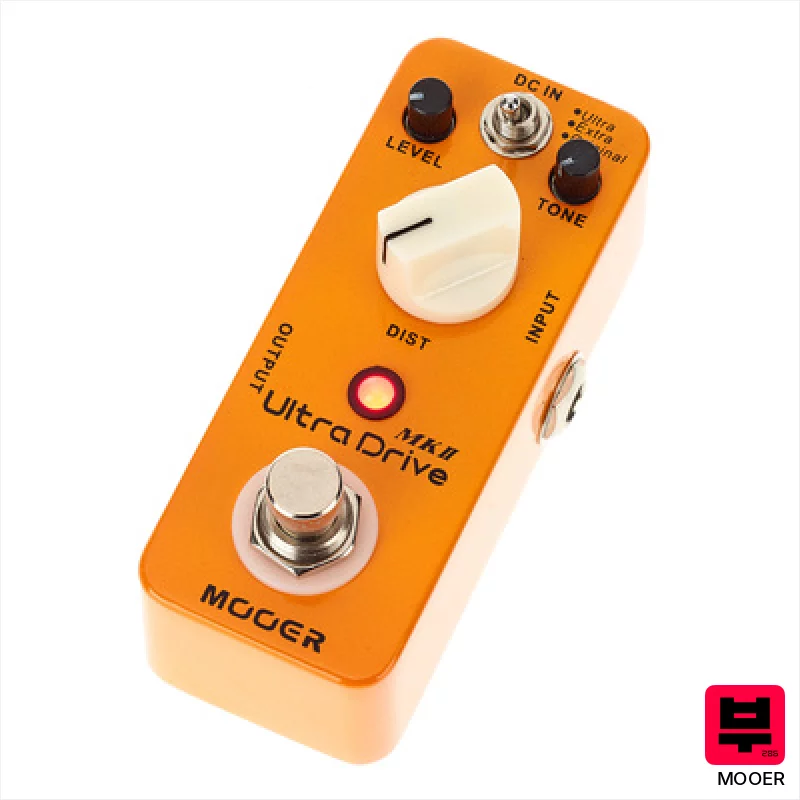
Mooer Ultra Drive Mk II
- • Three distinct modes offer surprising tonal flexibility.
- • Metal enclosure feels sturdier than many in this price range.
- • Compact size makes it pedalboard-friendly for most setups.
- • Surprisingly good cleans when used as a boost with level adjustment.
- • The 'Ultra' mode can get a bit muddy with high gain settings.
- • Plastic knobs feel a bit cheap considering the overall design.
- • No battery operation limits portability.
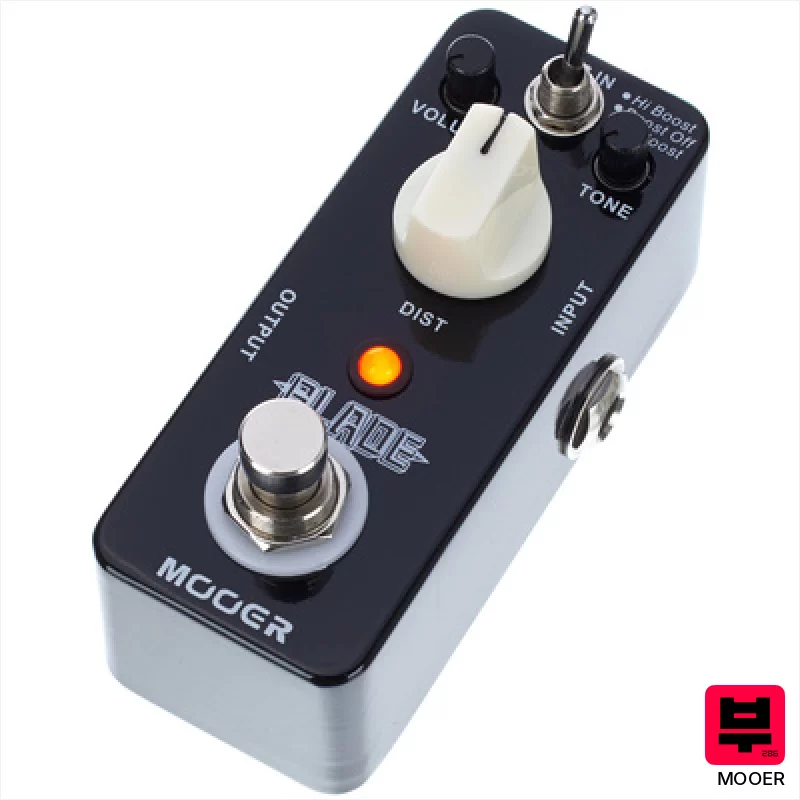
Mooer Blade
- • Delivers surprisingly aggressive high-gain distortion for its size.
- • The Hi-Boost offers a useful, focused mid-range push.
- • True bypass preserves your signal when the effect is off.
- • Compact size makes it incredibly pedalboard-friendly for travel.
- • Plastic enclosure feels somewhat cheap compared to metal alternatives.
- • Limited control range; dialing in subtle distortion is difficult.
- • Lo Boost is underwhelming, lacking significant tonal shaping.

Mooer Blues Crab
- • Delivers a surprisingly authentic, warm blues overdrive tone.
- • Metal enclosure provides a robust, gig-ready build quality.
- • Genuine bypass ensures signal integrity when the effect is off.
- • Compact size makes it easy to integrate into tight pedalboard setups.
- • Limited control options restrict tonal sculpting flexibility.
- • Budget-friendly components may impact long-term durability.
- • Can sound a bit muddy with high-gain settings and darker pickups.

Mooer Solo
- • Surprisingly tight low-end for a budget distortion
- • Three modes offer decent tonal variation, covering a range of rock tones
- • Compact size makes it pedalboard-friendly for smaller setups
- • Solid build quality for the price point; feels more robust than expected
- • Gain range tops out relatively early; lacks extreme high-gain character
- • Tone control can be a bit muddy in the mid frequencies
- • True bypass implementation isn't the cleanest; noticeable signal change

Mooer Blues Mood
- • Warm, bluesy overdrive tones with surprising clarity
- • Compact metal housing feels robust for its size
- • Bright/Fat modes offer noticeable tonal flexibility
- • True bypass preserves your signal integrity
- • Plastic knobs feel a bit cheap for extended use
- • Limited control set – lacks mid-frequency adjustment
- • Power adapter not included; adds to the overall cost
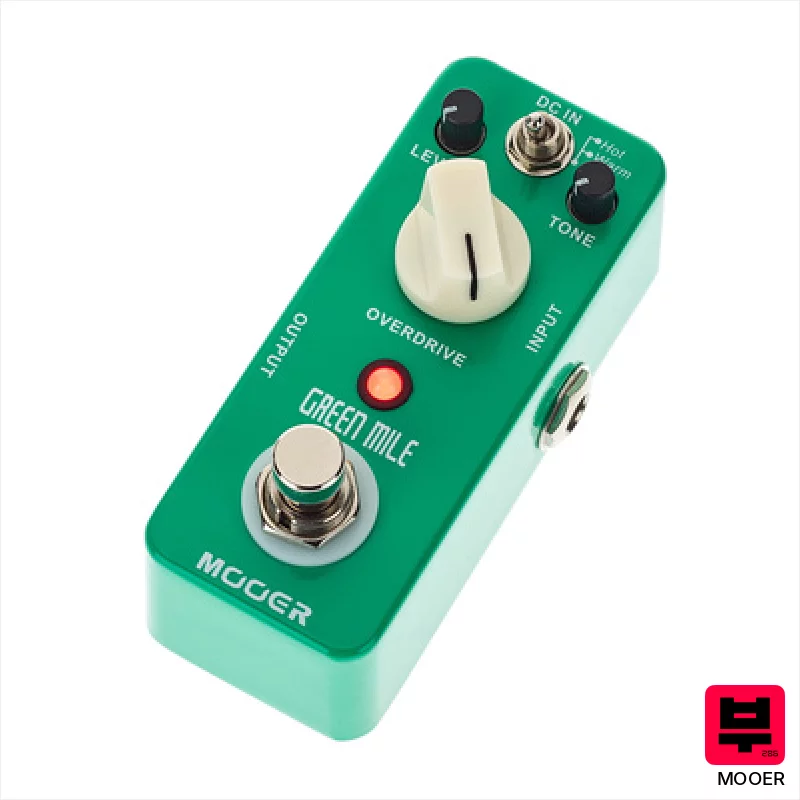
Mooer Green Mile
- • Simulates a Marshall Plexi surprisingly well for the price.
- • Warm toggle offers a useful tonal variation, smoothing harsh highs.
- • True bypass preserves your signal when the effect is off.
- • Compact size makes it ideal for crowded pedalboards.
- • Plastic enclosure feels a bit cheap compared to metal alternatives.
- • Limited control range; not a hugely versatile distortion.
- • Can get muddy with high gain and complex EQ settings.

Mooer Hustle Drive
- • Surprisingly warm distortion for a budget-friendly digital model.
- • High/Low peak toggle offers useful tonal shaping flexibility.
- • Compact size makes it pedalboard-friendly for smaller setups.
- • True bypass preserves your signal when the effect is disengaged.
- • Plastic enclosure feels a bit cheap compared to metal alternatives.
- • Limited control range; not ideal for highly nuanced distortion tones.
- • Relies on Mooer’s modeling, which some purists might find sterile.
Distortion Pedals by the numbers
Measured across all 551 models in this category, so «wide», «short» or «expensive» mean something you can check.
How to Choose the Best Distortion Pedals
Tone Modeling
Mooer's strength lies in their modeling. They've managed to capture a lot of the core character of classic amps and pedals - that Plexi sag, the raw aggression of a Rat - though it's never a perfect clone. Expect a general vibe, not a surgical recreation.
Dynamic Response
This is where Mooer can sometimes fall short. They can feel a little compressed compared to the real deal, especially when you're digging into aggressive playing. The responsiveness isn't always as nuanced as a tube amp's.
Build Quality
The enclosures are generally solid, but the footswitches can feel a little plasticky. These aren't pedals you're gonna be kicking around on stage, but for reasonable use, they should hold up. The jacks are usually fine, but check them for wiggle.
Versatility
Mooer pedals offer a surprising amount of tonal flexibility. Most have multiple gain stages, EQ controls, and often some unique features like cabinet sims. This makes them useful for a wide range of genres, from blues to metal.
Value
Let's be honest, price is a huge factor. You're getting a lot of sounds for the money. While they won't replace a high-end pedal, they're a solid option for players who need a lot of distortion on a tight budget.
Buying Guide
Look, Mooer pedals aren't magic. You're trading some nuance and dynamic range for affordability and versatility. Don't expect the same headroom or articulation as a boutique overdrive. However, if you need a reliable distortion pedal for gigging, recording, or just jamming at home, and you're not looking to drop a grand, Mooer is a solid choice. Prioritize models that offer EQ controls - those will give you the most flexibility to dial in your sound.
How This List Is Built
We don't play these instruments — we're a catalog, not a review desk, and we'd rather say so than pretend otherwise. This page covers 7 of 551 distortion pedals from the Thomann catalogue, which is the largest single source of specification data in this category: 7 in detail, the rest listed with their specifications.
Position is computed, not curated. We parse the manufacturer's own description into actual values — nut width, scale, fret count, fingerboard radius, size, alloy — and rank on them: how many specifications a model has published, how many of them are measurable numbers, and how precisely it meets this page's criterion. A product image adds a little. Price is not a ranking signal: it tells you nothing about whether a neck fits your hand. The same inputs always produce the same order, so nothing here is shuffled to look fresh.
What this list is good for: narrowing a category down to a shortlist by spec and budget. What it isn't: a substitute for hearing an instrument. Before you buy, read hands-on reviews and, where you can, play it. Full methodology.

