
Best Z.Vex Distortion Pedals 2026
Premium Z.Vex distortion pedals - legendary tone and craftsmanship
Last updated: October 8, 2026
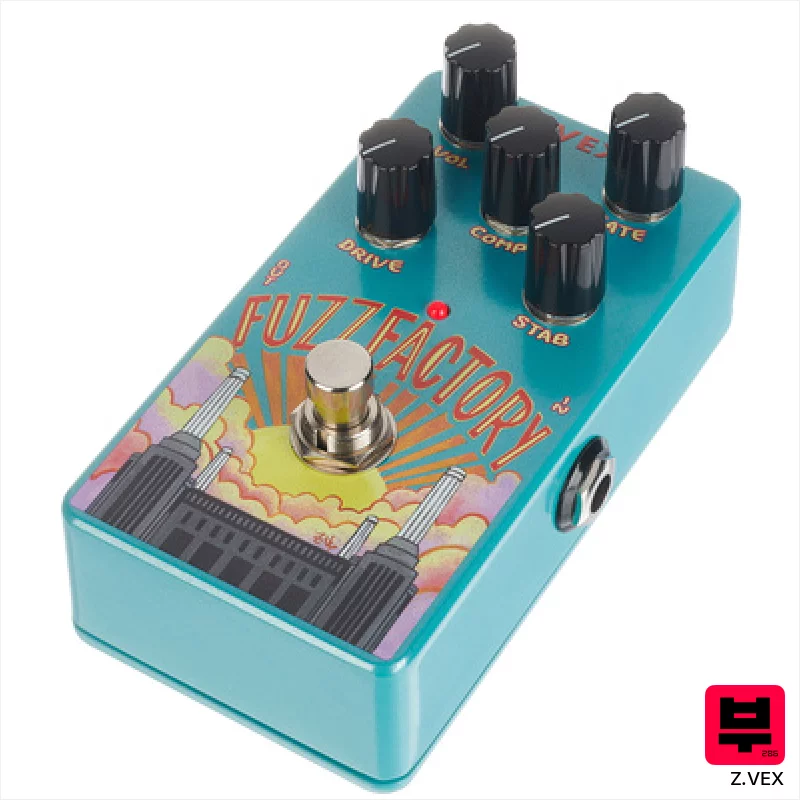
Z.Vex Fuzz Factory Vertical
- • Unpredictable, chaotic fuzz tones are uniquely its strength.
- • The 'Rod' control offers truly bizarre, sputtery textures.
- • Compact size makes it pedalboard-friendly for most setups.
- • Solid build quality; Z.Vex pedals are known for durability.
- • Steep learning curve; dialing in usable tones can be challenging.
- • Limited versatility; not a general-purpose distortion pedal.
- • Can be very noisy, especially at higher gain settings.
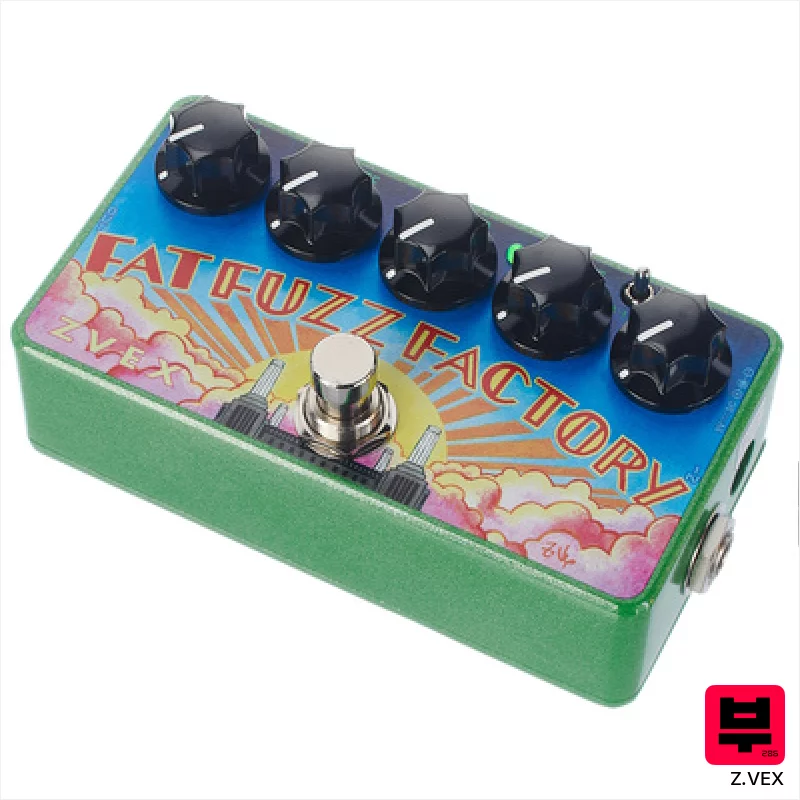
Z.Vex Fat Fuzz Factory Vexter
- • Unique, chaotic fuzz tones impossible to replicate with other pedals.
- • The 'Stap' control offers incredible tonal shaping and experimentation.
- • Robust enclosure and quality components suggest a long lifespan.
- • SupSwitch provides three distinct modes, expanding sonic possibilities.
- • Steep learning curve; dialing in usable tones can be challenging.
- • Limited versatility; excels at fuzz, less effective as a general distortion.
- • Battery operation is possible but impractical due to high power draw.
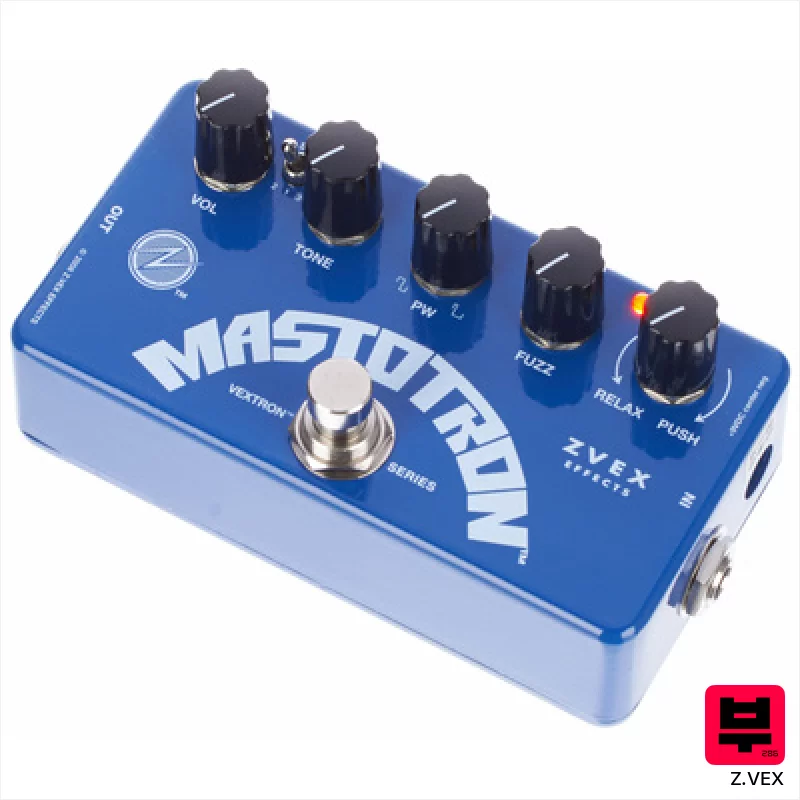
Z.Vex Mastotron
- • Silicon circuitry delivers a unique, gated fuzz character.
- • Stepless input impedance adjustment accommodates any pickup type easily.
- • 3-way bass cutoff provides surprising tonal shaping flexibility.
- • PW control adds a pulsing, almost synth-like dimension to the fuzz.
- • Silicon transistors can be noisy, especially at high gain settings.
- • Limited tonal versatility; excels at fuzz, less adaptable to other distortion types.
- • Power supply not included adds to the overall cost and setup.
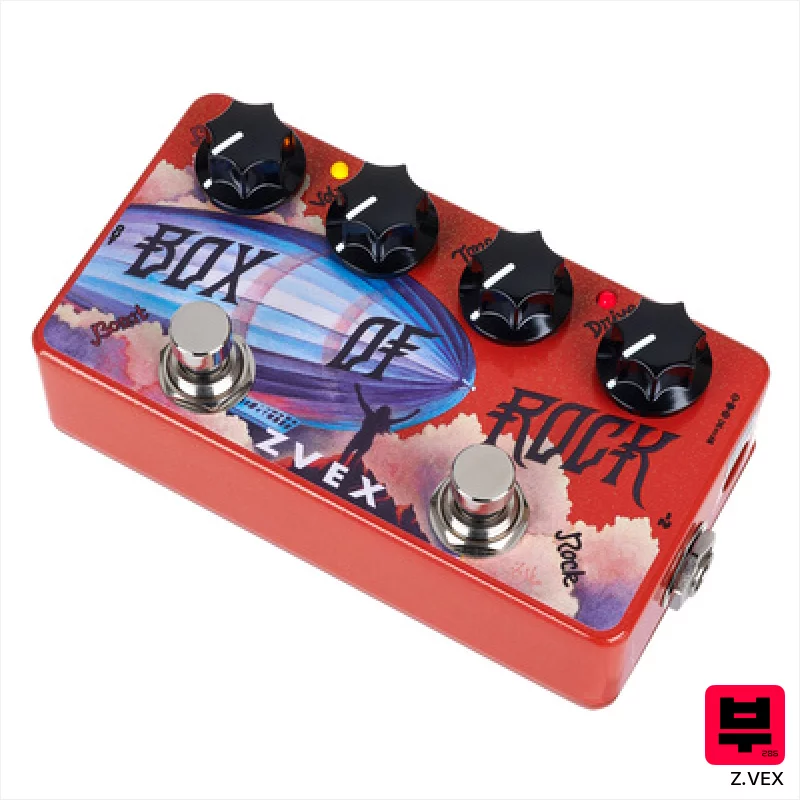
Z.Vex Box of Rock Vexter
- • Unique, asymmetrical distortion character unlike typical Marshall emulations
- • Boost channel adds significant headroom and volume for stacking
- • Robust enclosure and Z.Vex’s signature quirky aesthetic
- • Surprisingly versatile; works well with a range of amp types
- • Can be noisy, especially with high gain settings and sensitive amps
- • Controls lack fine-grained adjustments for precise tone shaping
- • The 'indistortron' description is a bit misleading – not a fuzz
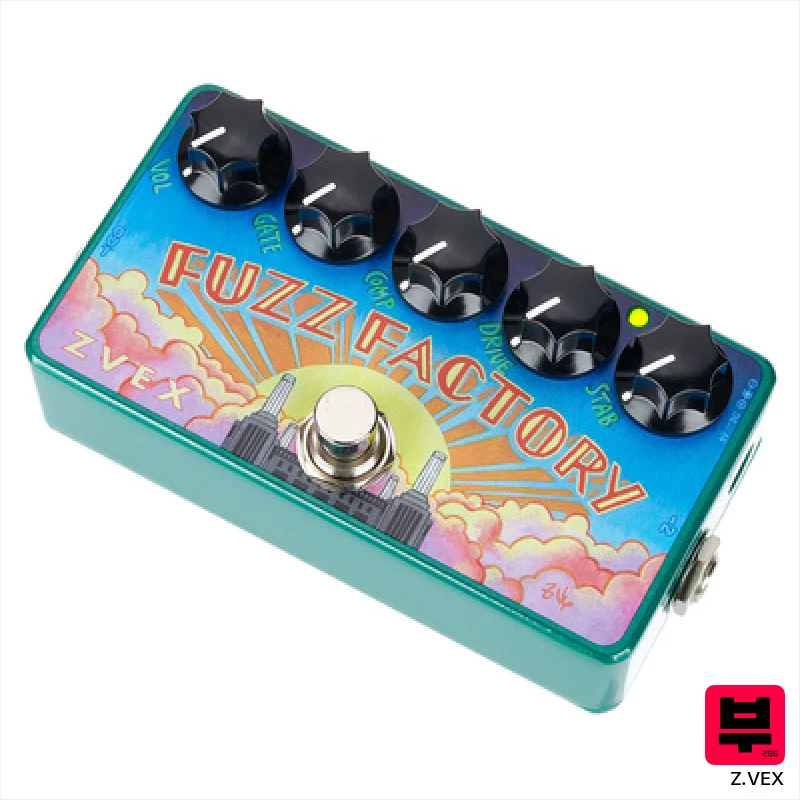
Z.Vex Fuzz Factory Vexter
- • Unpredictable, chaotic fuzz tones offer unique sonic textures.
- • Hand-built in the USA with durable enclosure and quality components.
- • Gate control provides tight, defined low-end response for modern sounds.
- • Stab control offers a surprisingly focused, almost octave-like fuzz.
- • Steep learning curve; dialing in usable tones can be challenging.
- • Limited versatility; not ideal for clean or pristine tones.
- • Power supply not included, adding to the overall cost.
Distortion Pedals by the numbers
Measured across all 551 models in this category, so «wide», «short» or «expensive» mean something you can check.
How This List Is Built
We don't play these instruments — we're a catalog, not a review desk, and we'd rather say so than pretend otherwise. This page covers 5 of 551 distortion pedals from the Thomann catalogue, which is the largest single source of specification data in this category: 5 in detail, the rest listed with their specifications.
Position is computed, not curated. We parse the manufacturer's own description into actual values — nut width, scale, fret count, fingerboard radius, size, alloy — and rank on them: how many specifications a model has published, how many of them are measurable numbers, and how precisely it meets this page's criterion. A product image adds a little. Price is not a ranking signal: it tells you nothing about whether a neck fits your hand. The same inputs always produce the same order, so nothing here is shuffled to look fresh.
What this list is good for: narrowing a category down to a shortlist by spec and budget. What it isn't: a substitute for hearing an instrument. Before you buy, read hands-on reviews and, where you can, play it. Full methodology.
How to Choose the Best Distortion Pedals
Budget Planning
- • Under $200: Entry-level
- • $200-$500: Intermediate
- • $500-$1000: Advanced
- • $1000+: Professional
Quality Check
- • Sound clarity & tone
- • Build materials & finish
- • Hardware durability
- • Overall craftsmanship
Key Features
- • Your musical style
- • Skill level match
- • Intended use case
- • Brand reputation

