
Best Active Stage Monitors for Musicians 2026
Alright, let's talk stage monitors. You're not just looking for a speaker; you need a reliable wedge that lets you hear yourself and the band without getting lost in the PA wash. Too many players grab whatever's cheapest, then spend the gig fighting muddy lows and a brittle high end. This list focuses on active monitors that'll give you clarity, headroom, and a sound that actually helps you play better - no BS.
Last updated: July 22, 2026 • Next update: July 29, 2026
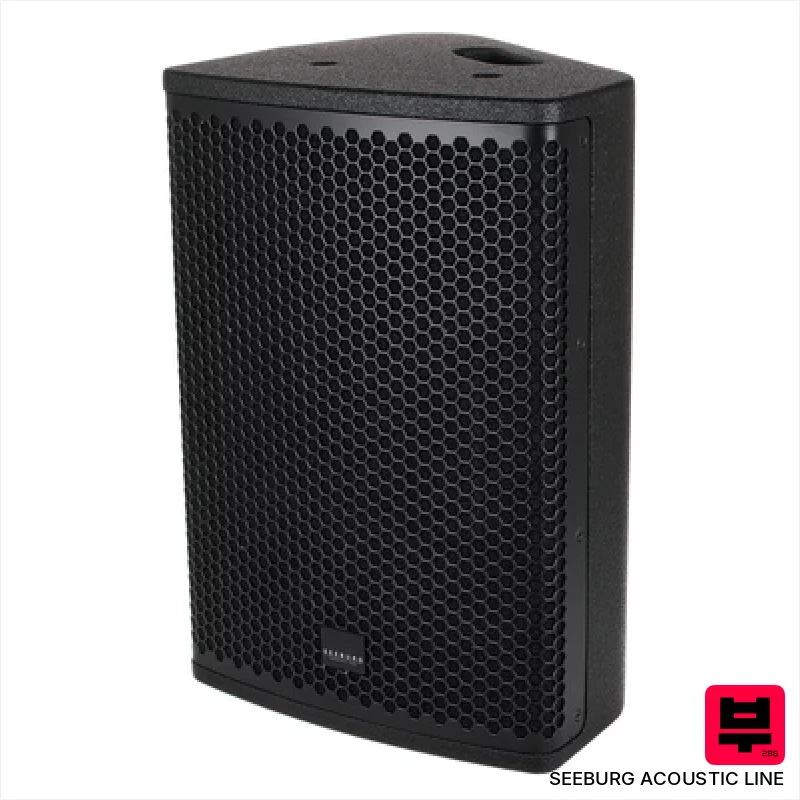
Seeburg Acoustic Line X4 dp
- • Baltic birch construction ensures exceptional durability and resonance.
- • Coaxial design provides surprisingly wide and consistent coverage.
- • Neodymium drivers deliver powerful output with reduced weight compared to ferrite.
- • Rotatable horn allows for flexible aiming and controlled directivity.
- • The weight, while reasonable for its power, can still be a challenge for solo rig setups.
- • The polyurea coating, while protective, might feel slightly less premium than a full wood finish.
- • The limited connection options might require external DSP for complex routing needs.
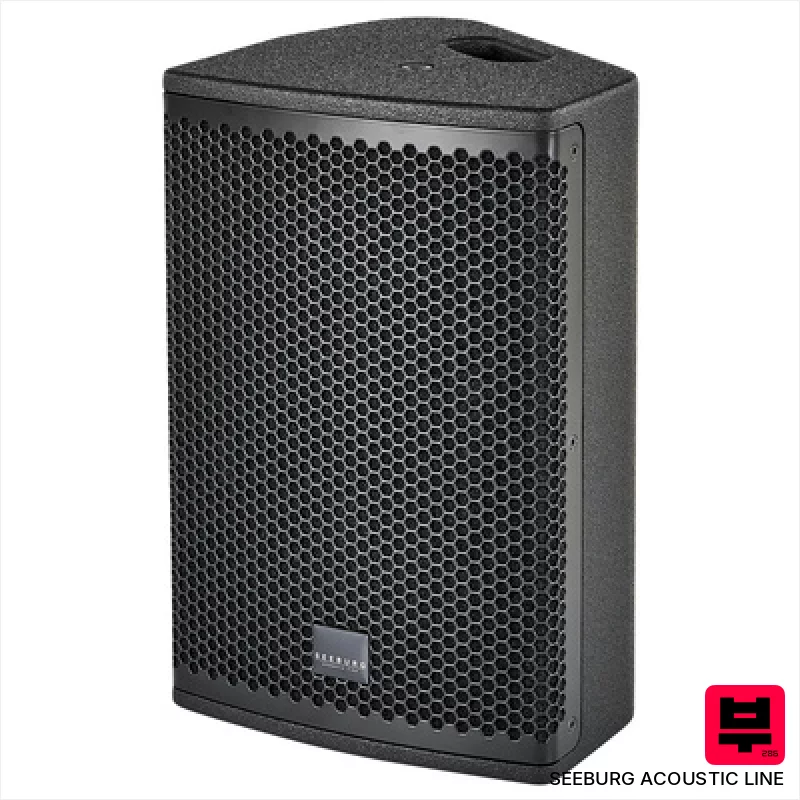
Seeburg Acoustic Line X2 dp
- • Baltic birch construction ensures exceptional durability and resonance.
- • Coaxial design delivers remarkably consistent coverage and imaging.
- • Neodymium drivers offer impressive power and efficiency for their size.
- • Rotatable horn provides flexible vertical coverage for various stage setups.
- • 8kg is relatively heavy for a monitor, limiting portability for solo performers.
- • The polyurea coating, while durable, might feel less premium than a lacquered finish.
- • Limited EQ controls on board require external processing for detailed shaping.
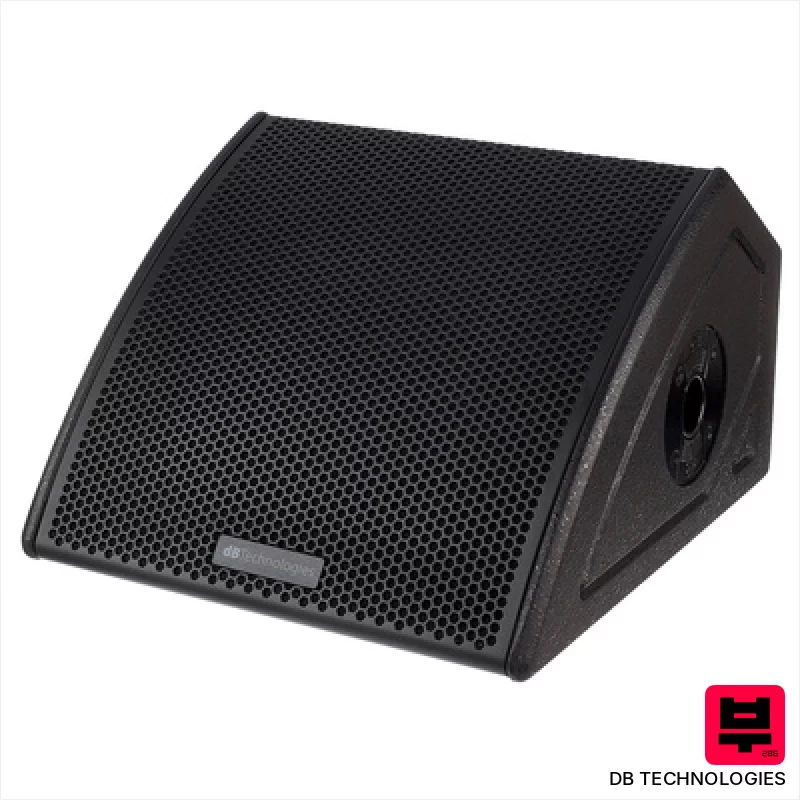
dB Technologies FMX 10
- • Excellent coaxial design delivers surprisingly wide, consistent coverage.
- • Class D amplification provides ample clean power without excessive heat.
- • Robust polypropylene woofer cone handles serious volume with minimal distortion.
- • Integrated handle and stand mount simplify transport and setup significantly.
- • Limited EQ controls restrict fine-tuning for specific acoustic environments.
- • While portable, its weight can be a challenge for solo performers.
- • Coaxial design might exhibit slight phase anomalies at extreme angles.

dB Technologies FMX 12
- • Coaxial design provides excellent point-source imaging and coverage.
- • Class D amplification delivers surprising power for its size and weight.
- • Robust polypropylene woofer cone handles high SPLs without distortion.
- • Integrated handle and flange mount simplify transport and setup on stage.
- • Limited EQ controls restrict fine-tuning for different acoustic environments.
- • Plastic enclosure feels less premium than aluminum alternatives.
- • While powerful, it lacks the headroom of higher-end stage monitors.
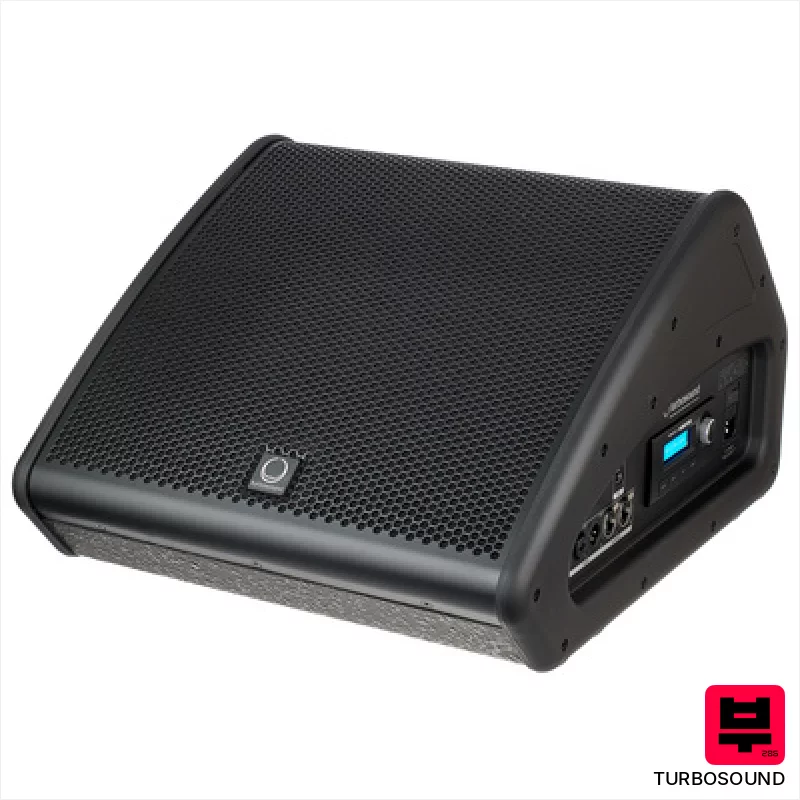
Turbosound TFX122M-AN
- • Titanium dome tweeter delivers crisp, articulate high frequencies.
- • 12 in woofer provides surprisingly deep, controlled low-end response.
- • Robust enclosure construction suggests durability for gigging.
- • Rotatable horn offers flexible stage monitoring coverage.
- • Weight (16.9 kg) makes transport a challenge for solo performers.
- • Combo XLR/1/4in connection limits simultaneous mic/line input options.
- • Limited EQ controls necessitate external processing for complex sound shaping.
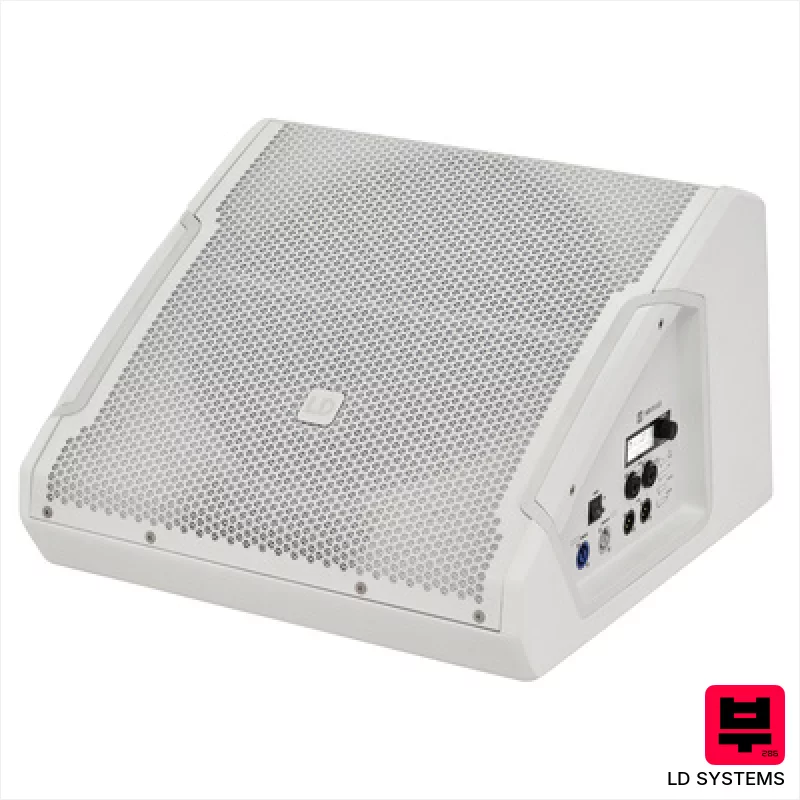
LD Systems MON 15 A G3 W
- • Birch multiplex housing offers exceptional resonance and durability.
- • DynX DSP provides precise EQ control and excellent feedback suppression.
- • Coaxial design delivers remarkably consistent coverage and imaging.
- • Powerful Class-D amp ensures clean, headroom-rich performance at high volumes.
- • The white finish might show scuffs and marks easily on stage.
- • While versatile, the EQ presets may not suit all mixing preferences.
- • The substantial weight makes transportation and setup a two-person job.
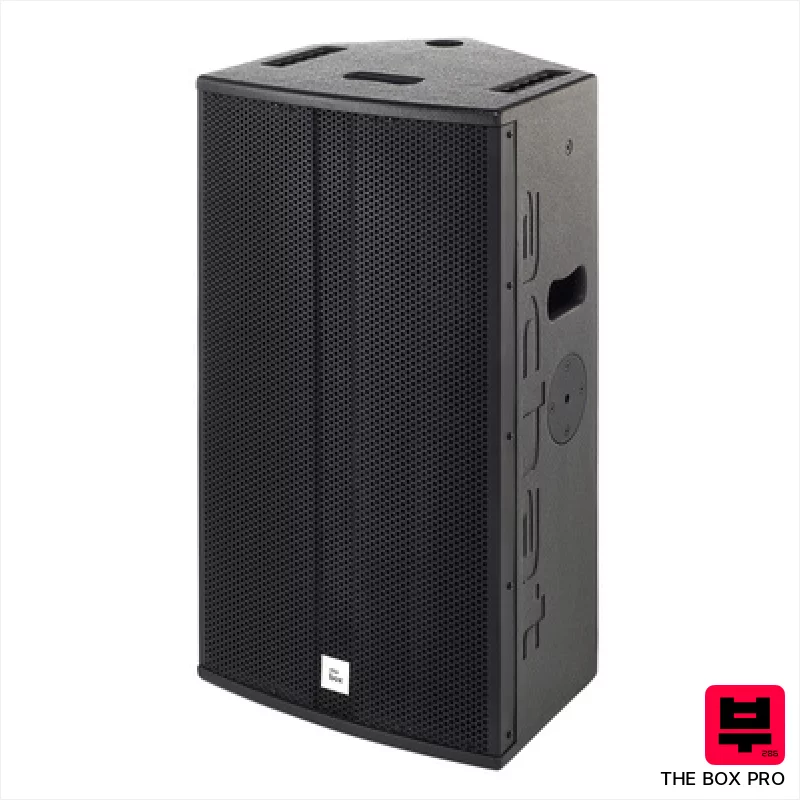
the box pro Achat 115 MA MKII
- • Robust 15’ woofer delivers surprisingly tight, controlled low-end.
- • High-output compression driver offers clear, articulate high frequencies.
- • Integrated presets provide useful tonal shaping for various applications.
- • Aeroquip rail and mounting lugs enhance versatility for stage setups.
- • Weight (38.7 kg) makes transport a two-person job, especially for smaller gigs.
- • EQ is basic; more advanced users might desire more comprehensive control.
- • 60° x 40° coverage may be narrow for wider stages, requiring careful placement.

DAS Audio EVENT-M210A-230
- • Birch plywood enclosure offers excellent resonance damping and durability.
- • The 60°x20°/30° dispersion is surprisingly well-controlled for a stage monitor.
- • Class-D amplification delivers ample power without excessive heat or weight.
- • EASY-DSP provides convenient, accessible EQ adjustments for quick optimization.
- • The vertical dispersion, while controllable, might be limiting for some applications.
- • At 23.5kg, these are a bit hefty for frequent single-person transport.
- • Limited input options – only two inputs restricts flexibility in complex setups.
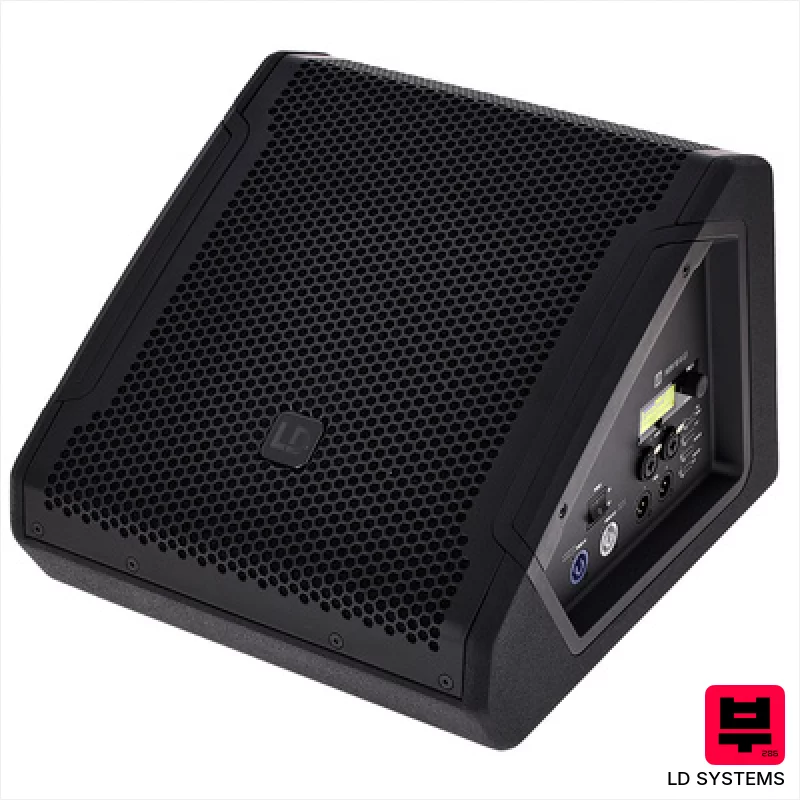
LD Systems MON 10 A G3
- • Birch multiplex housing provides excellent resonance and durability.
- • DynX DSP offers surprisingly effective feedback suppression for its class.
- • Coaxial design delivers consistent coverage and imaging on stage.
- • Integrated EQ and presets simplify sound shaping for various vocal/instrument needs.
- • 10” woofer may lack serious low-end thump for very bass-heavy genres.
- • While versatile, limited XLR outputs restrict complex routing options.
- • Relatively heavy for transport – a challenge for solo performers or frequent travel.

dB Technologies FMX 15
- • Coaxial design offers surprisingly wide, consistent coverage.
- • Class D amplification delivers impressive headroom without excessive heat.
- • Robust construction; feels solid and built to handle gigging.
- • Integrated handle and flange mount simplify transport and setup.
- • Limited EQ options restrict fine-tuning for diverse sound sources.
- • Weight makes it less ideal for solo performers or frequent travel.
- • While loud, the low-end lacks the deep extension of larger systems.

LD Systems MON 12 A G3 W
- • Birch multiplex housing delivers excellent resonance and durability.
- • DynX DSP provides remarkable clarity and controlled feedback rejection.
- • Coaxial driver design offers surprisingly wide, consistent coverage.
- • Powerful Class-D amp handles demanding gigs with ease.
- • White finish might not suit all stage aesthetics or preferences.
- • Weight (17.4kg) makes transportation a bit cumbersome for solo performers.
- • Limited EQ flexibility compared to full-featured mixing consoles.
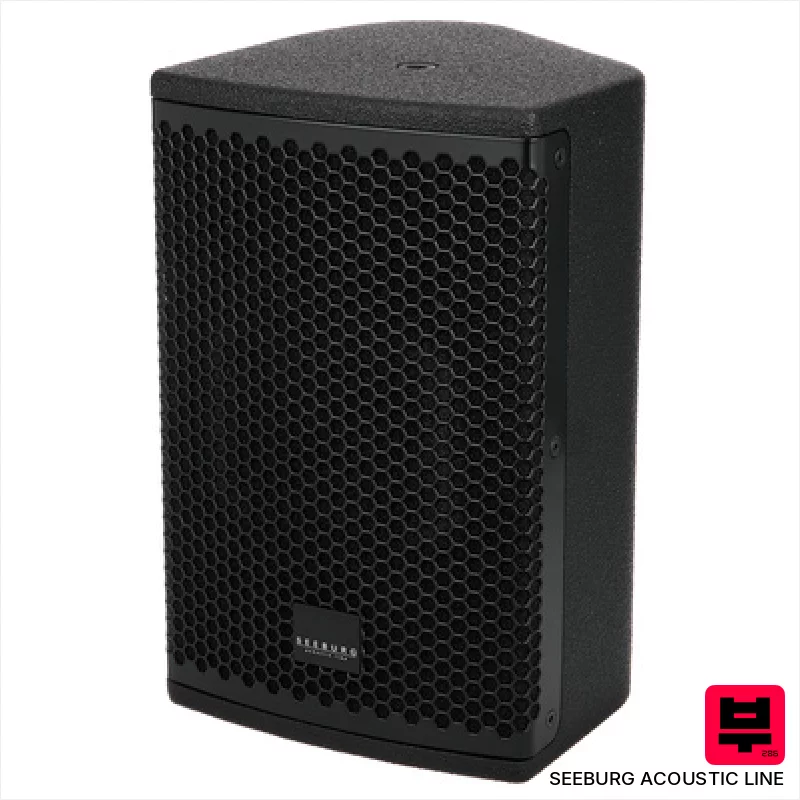
Seeburg Acoustic Line X1 dp
- • Baltic birch construction ensures exceptional durability and resonance.
- • Coaxial design provides remarkably consistent coverage and imaging.
- • Neodymium drivers deliver efficient power and tight, controlled bass response.
- • Rotatable horn offers versatile coverage options for various stage setups.
- • 5.5kg is surprisingly heavy for a speaker of this size; portability limited.
- • Polyurea coating, while durable, might feel slightly less premium than a full wood finish.
- • Lacks internal DSP; reliant on external processing for complex sound shaping.

IMG Stageline Flat-M200
- • Compact design allows for easy transport and setup on smaller stages.
- • Neodymium drivers provide a surprising amount of power for the size.
- • Multiplex wooden enclosure offers reasonable rigidity and dampens unwanted resonance.
- • Versatile input options (XLR/6.3mm) handle mics and line-level signals well.
- • The 4in drivers lack low-end extension; not ideal for bass-heavy music.
- • While lightweight, the plastic corner protectors feel a bit flimsy.
- • The tone controls are basic; more advanced EQ would be beneficial.

IMG Stageline Flat-M100
- • Compact size and light weight for easy transport and setup
- • Neodymium magnets offer efficient power and reduced weight
- • Solid multi-plex housing provides surprising rigidity and durability
- • XLR link output allows for expandable monitoring systems
- • 4-inch woofers limit low-frequency extension for larger venues
- • Tone controls are basic, offering limited shaping capabilities
- • Plastic protective grille feels somewhat flimsy given the price point
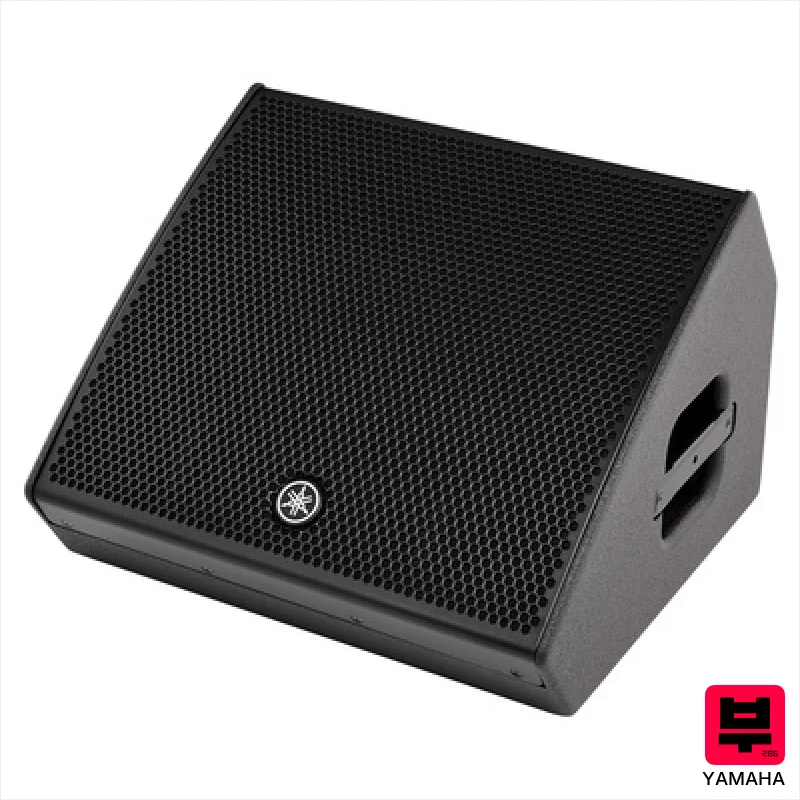
Yamaha DHR12M
- • Robust plywood enclosure provides excellent resonance control and durability for stage use.
- • Coaxial design delivers remarkably consistent coverage and a focused sound image.
- • Class-D amplification offers impressive power and efficiency without excessive heat.
- • Built-in DSP and mixer simplify setup and offer convenient routing options.
- • The weight (16.5kg) makes transport a challenge, especially for solo performers.
- • Limited EQ control beyond the presets restricts fine-tuning for specific acoustic environments.
- • RCA inputs feel a bit dated compared to more modern connectivity options.
How to Choose the Best Active Stage Monitors
Tonal Balance
It's not about "flat" response, it's about a balance that works for live performance. We're looking for a clarity in the mids that allows vocals and guitars to cut through, without harshness or a scooped low end that makes everything sound thin. That fat midrange honk is often essential.
Headroom & Power
Stage volume demands serious power. You need headroom to handle dynamic peaks without distortion or compression sucking the life out of your sound. Clipping onstage is a recipe for disaster - nobody wants to hear a fizzy mess.
Coverage Pattern (HxV)
A wider horizontal coverage is crucial for stage monitoring, especially in bands with multiple musicians. A narrow pattern can create dead spots and bleed into other performers' monitors, leading to a feedback nightmare.
Feedback Rejection
Let's be honest, feedback is inevitable. Good monitors have built-in features or design elements that minimize feedback sensitivity, giving you more latitude to push the volume without sonic chaos.
Build Quality & Portability
Gigs aren't always easy. A monitor that can withstand the rigors of transport and frequent handling is essential. Weight is a factor too - lugging heavy wedges around gets old fast.
Buying Guide
Don't chase the cheapest option; corners always get cut somewhere - usually in speaker components or amplifier power. Pay attention to the driver materials; a woofer made from paper fiber won't handle the same abuse as one made from Kevlar. Also, consider the throw distance - smaller stages benefit from more directional monitors, while larger stages need wider patterns to ensure everyone gets adequate coverage. Spend a little more for a monitor that'll last and sound decent for years.
Our Methodology
We're not relying on spec sheets here. We've spent years gigging, tracking, and comparing monitors in real-world scenarios - loud clubs, tight rehearsal spaces, and everything in between. Our evaluations are based on how they sound with various instruments (drums, vocals, guitars, keys) and how they perform under pressure when the volume gets cranked.

