
Best Active Stage Monitors for Vocalists 2026
So, you're a vocalist tired of wrestling with a muddy monitor mix or getting lost in the wall of guitars? Getting a decent wedge is absolutely critical - a bad monitor can ruin a gig faster than a blown amp. Forget the generic 'best speakers' lists; this is about what actually works for singers, whether you're belting out soul anthems or whispering folk ballads. We're focusing on active stage monitors specifically, because the power amp built-in is a huge convenience for gigging.
Last updated: July 22, 2026 • Next update: July 29, 2026
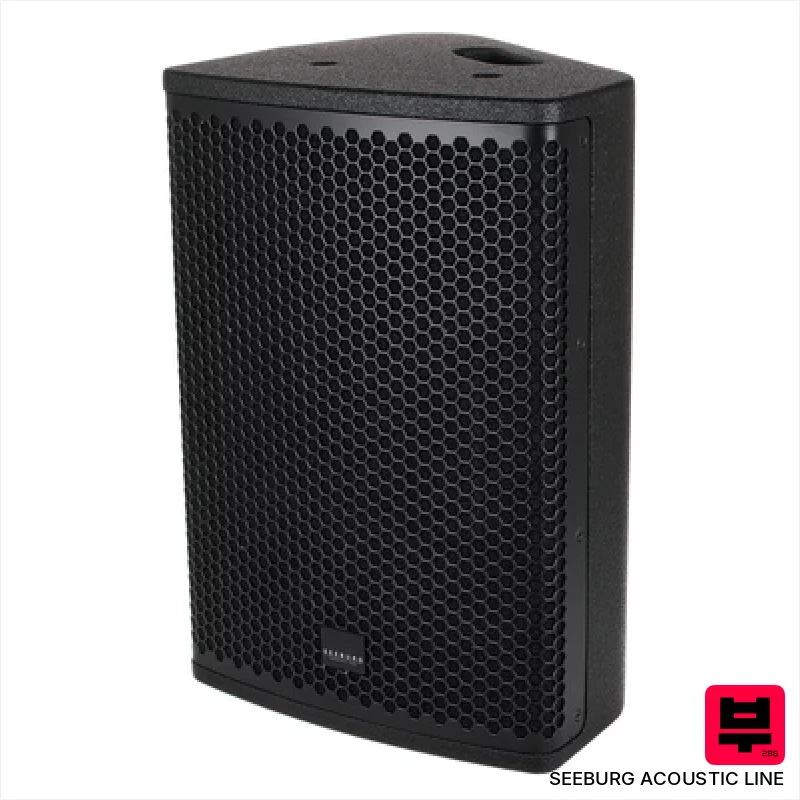
Seeburg Acoustic Line X4 dp
- • Baltic birch construction ensures exceptional durability and resonance.
- • Coaxial design provides surprisingly wide and consistent coverage.
- • Neodymium drivers deliver powerful output with reduced weight compared to ferrite.
- • Rotatable horn allows for flexible aiming and controlled directivity.
- • The weight, while reasonable for its power, can still be a challenge for solo rig setups.
- • The polyurea coating, while protective, might feel slightly less premium than a full wood finish.
- • The limited connection options might require external DSP for complex routing needs.
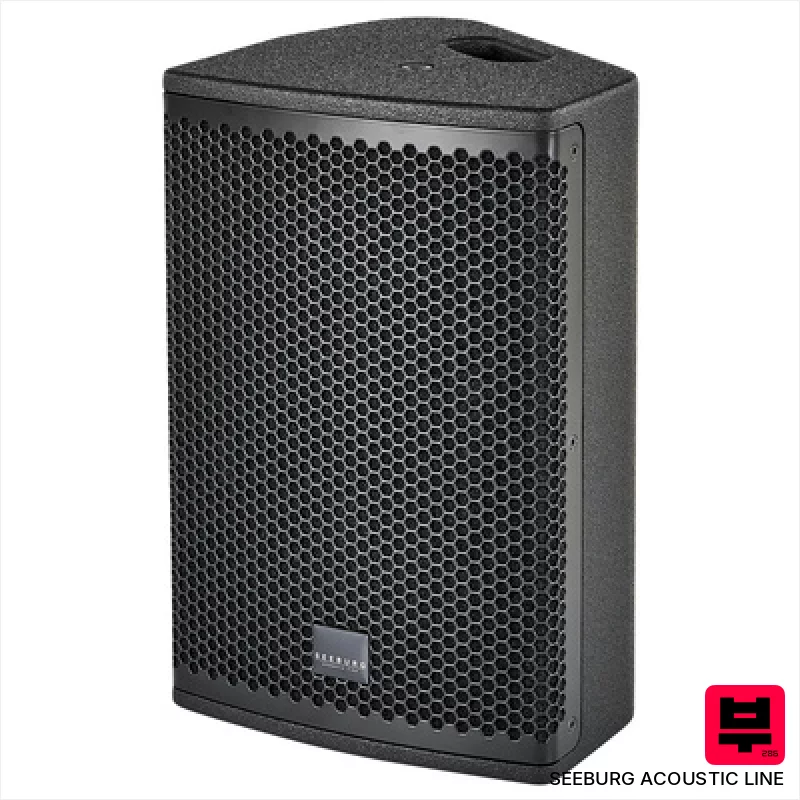
Seeburg Acoustic Line X2 dp
- • Baltic birch construction ensures exceptional durability and resonance.
- • Coaxial design delivers remarkably consistent coverage and imaging.
- • Neodymium drivers offer impressive power and efficiency for their size.
- • Rotatable horn provides flexible vertical coverage for various stage setups.
- • 8kg is relatively heavy for a monitor, limiting portability for solo performers.
- • The polyurea coating, while durable, might feel less premium than a lacquered finish.
- • Limited EQ controls on board require external processing for detailed shaping.
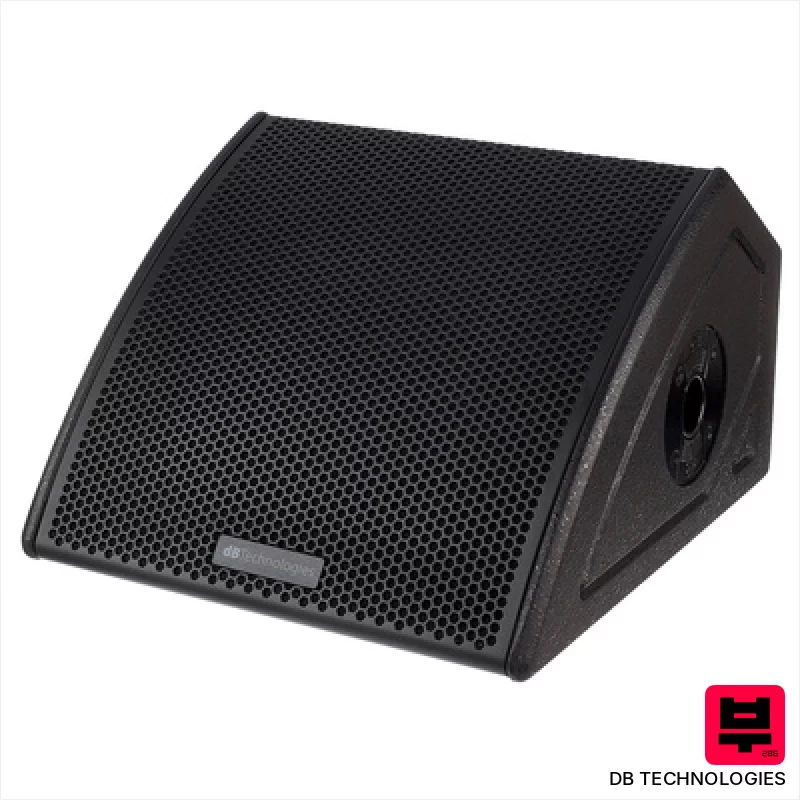
dB Technologies FMX 10
- • Excellent coaxial design delivers surprisingly wide, consistent coverage.
- • Class D amplification provides ample clean power without excessive heat.
- • Robust polypropylene woofer cone handles serious volume with minimal distortion.
- • Integrated handle and stand mount simplify transport and setup significantly.
- • Limited EQ controls restrict fine-tuning for specific acoustic environments.
- • While portable, its weight can be a challenge for solo performers.
- • Coaxial design might exhibit slight phase anomalies at extreme angles.
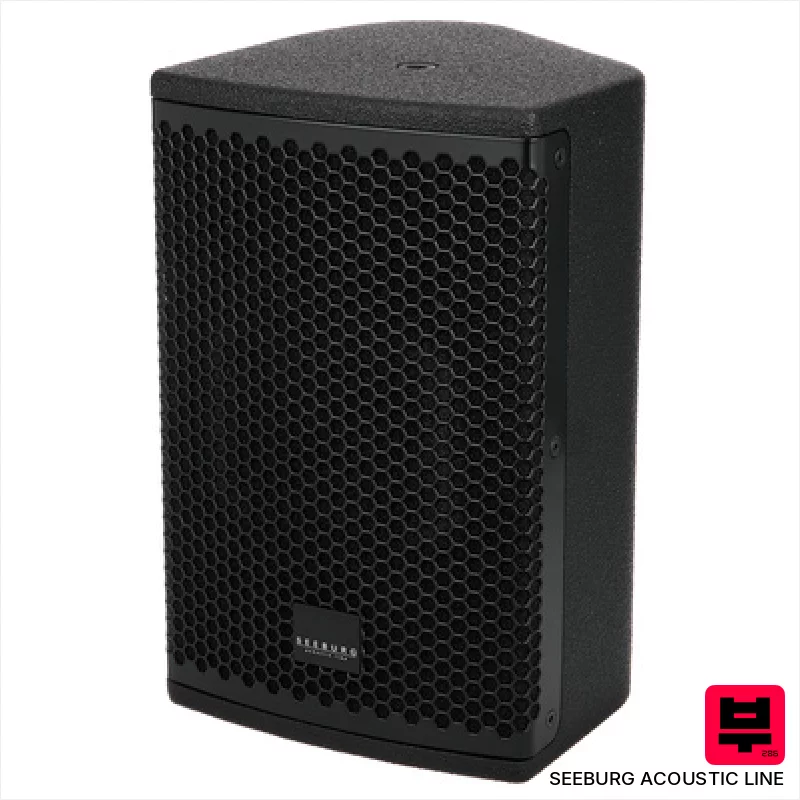
Seeburg Acoustic Line X1 dp
- • Baltic birch construction ensures exceptional durability and resonance.
- • Coaxial design provides remarkably consistent coverage and imaging.
- • Neodymium drivers deliver efficient power and tight, controlled bass response.
- • Rotatable horn offers versatile coverage options for various stage setups.
- • 5.5kg is surprisingly heavy for a speaker of this size; portability limited.
- • Polyurea coating, while durable, might feel slightly less premium than a full wood finish.
- • Lacks internal DSP; reliant on external processing for complex sound shaping.

dB Technologies FMX 15
- • Coaxial design offers surprisingly wide, consistent coverage.
- • Class D amplification delivers impressive headroom without excessive heat.
- • Robust construction; feels solid and built to handle gigging.
- • Integrated handle and flange mount simplify transport and setup.
- • Limited EQ options restrict fine-tuning for diverse sound sources.
- • Weight makes it less ideal for solo performers or frequent travel.
- • While loud, the low-end lacks the deep extension of larger systems.
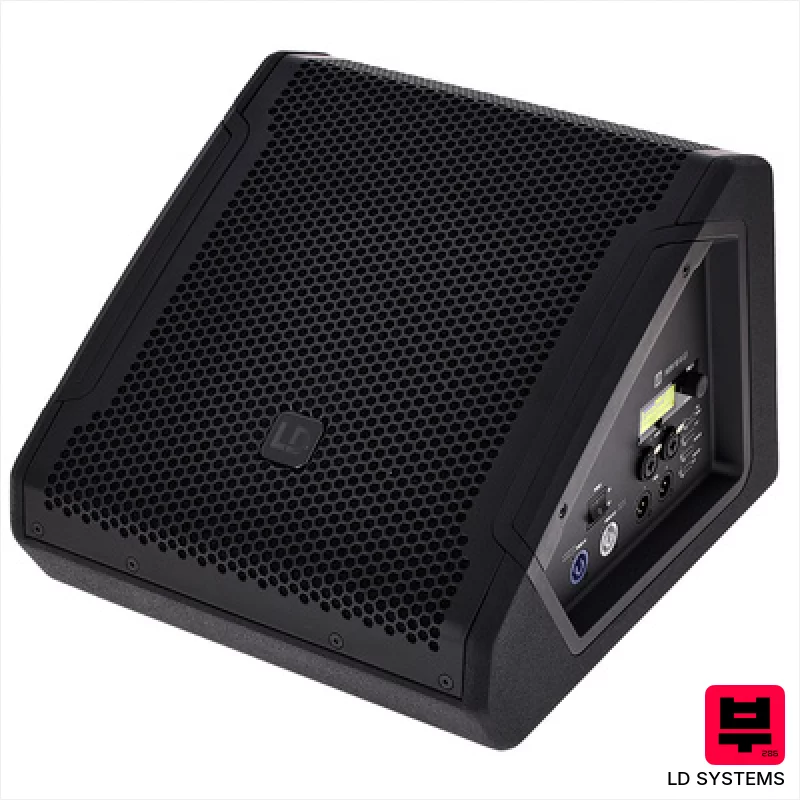
LD Systems MON 10 A G3
- • Birch multiplex housing provides excellent resonance and durability.
- • DynX DSP offers surprisingly effective feedback suppression for its class.
- • Coaxial design delivers consistent coverage and imaging on stage.
- • Integrated EQ and presets simplify sound shaping for various vocal/instrument needs.
- • 10” woofer may lack serious low-end thump for very bass-heavy genres.
- • While versatile, limited XLR outputs restrict complex routing options.
- • Relatively heavy for transport – a challenge for solo performers or frequent travel.

DAS Audio EVENT-M210A-230
- • Birch plywood enclosure offers excellent resonance damping and durability.
- • The 60°x20°/30° dispersion is surprisingly well-controlled for a stage monitor.
- • Class-D amplification delivers ample power without excessive heat or weight.
- • EASY-DSP provides convenient, accessible EQ adjustments for quick optimization.
- • The vertical dispersion, while controllable, might be limiting for some applications.
- • At 23.5kg, these are a bit hefty for frequent single-person transport.
- • Limited input options – only two inputs restricts flexibility in complex setups.
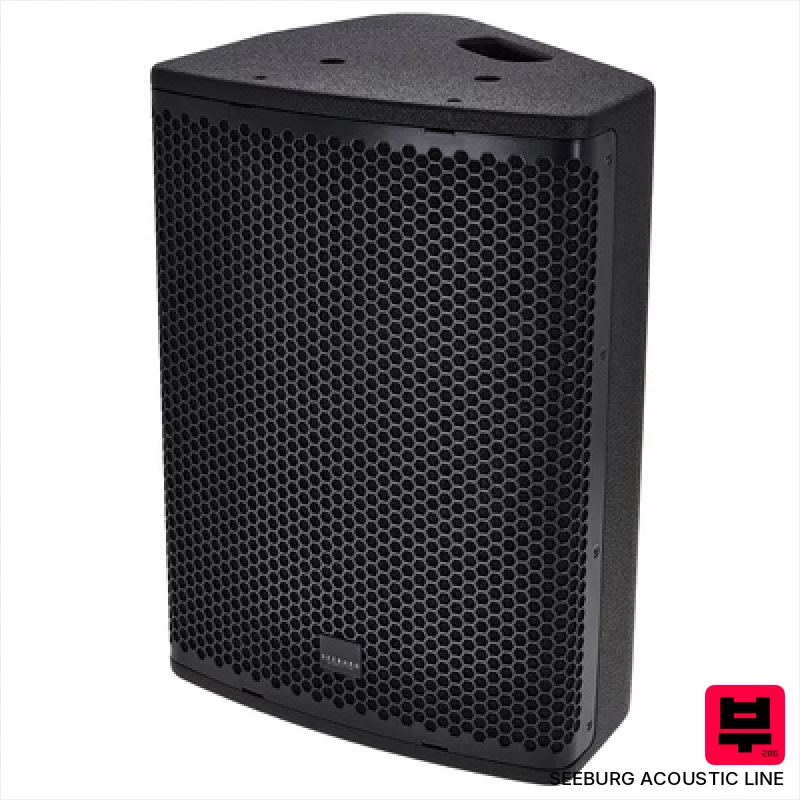
Seeburg Acoustic Line X6 dp
- • Baltic birch construction ensures exceptional durability and resonance.
- • Coaxial design provides remarkably consistent coverage and imaging.
- • Neodymium drivers deliver impressive power with reduced weight compared to ferrite.
- • Rotatable horn offers flexibility for various stage configurations and aiming.
- • The 15.5kg weight makes transport and setup a two-person job.
- • Premium-priced, placing it beyond the reach of budget-conscious users.
- • Limited EQ controls onboard necessitate external processing for complex sound shaping.
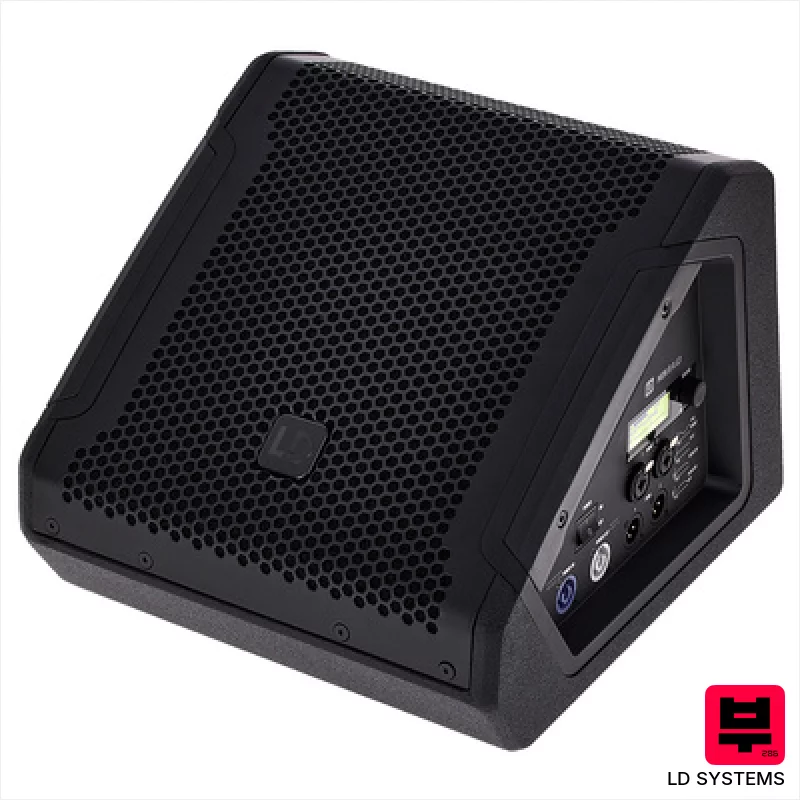
LD Systems MON 8 A G3
- • Birch multiplex housing provides excellent resonance and robust durability for stage use.
- • DynX DSP offers surprisingly clean and flexible EQ adjustments for various vocal/instrumental needs.
- • Coaxial driver design delivers a surprisingly wide and consistent sound dispersion.
- • Ample 300W RMS power handles most small to medium-sized stage monitoring scenarios comfortably.
- • 13.2 kg weight makes it less ideal for frequent transport by a single person.
- • Limited connectivity beyond standard stage monitor I/O – lacks dedicated effects sends.
- • While versatile, the built-in EQ presets might feel restrictive for experienced sound engineers.
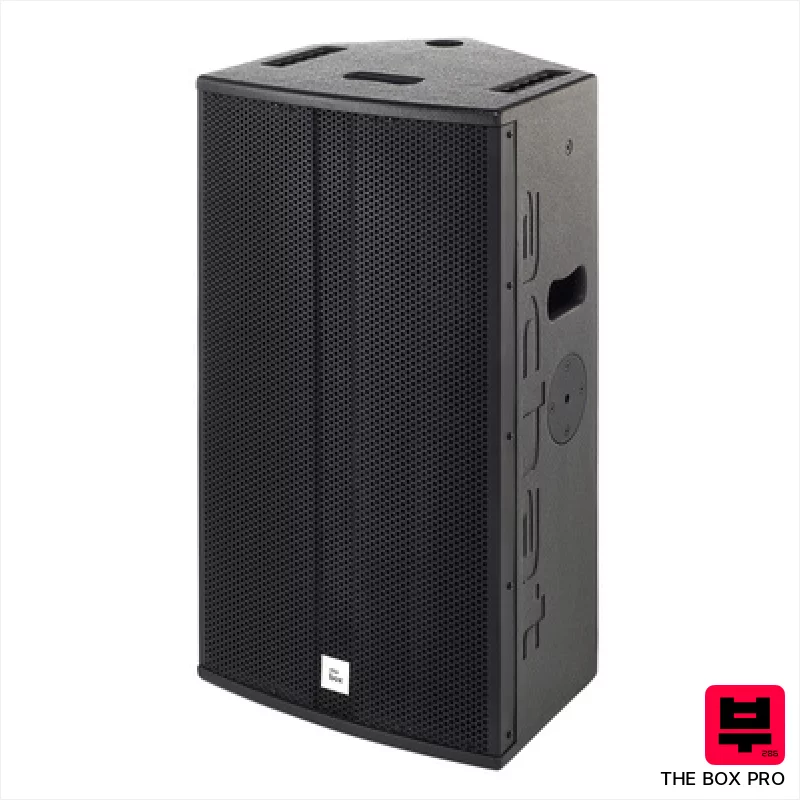
the box pro Achat 115 MA MKII
- • Robust 15’ woofer delivers surprisingly tight, controlled low-end.
- • High-output compression driver offers clear, articulate high frequencies.
- • Integrated presets provide useful tonal shaping for various applications.
- • Aeroquip rail and mounting lugs enhance versatility for stage setups.
- • Weight (38.7 kg) makes transport a two-person job, especially for smaller gigs.
- • EQ is basic; more advanced users might desire more comprehensive control.
- • 60° x 40° coverage may be narrow for wider stages, requiring careful placement.
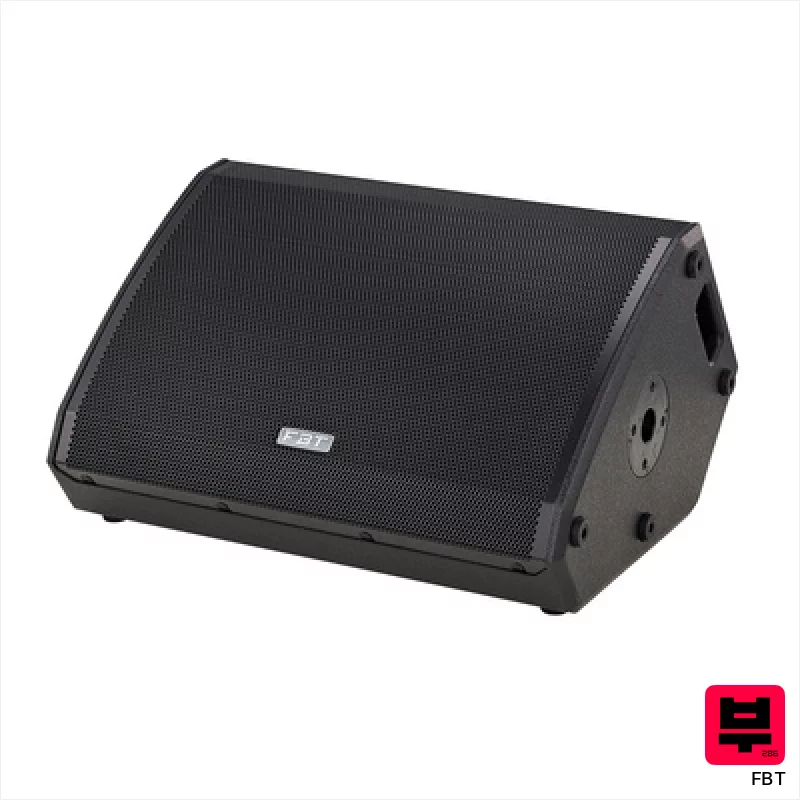
FBT Ventis 115MA
- • 15mm birch plywood construction provides excellent resonance and durability
- • Coaxial design delivers surprisingly wide, consistent coverage for stage monitoring
- • Class H HF amplifier provides clean, crisp highs even at high volumes
- • DSP presets offer quick customization for various performance scenarios
- • Weight (21.3 kg) makes transport and setup a two-person job
- • RCA inputs feel like an afterthought on a professional monitor
- • Limited EQ control beyond the presets may require external processing for fine-tuning
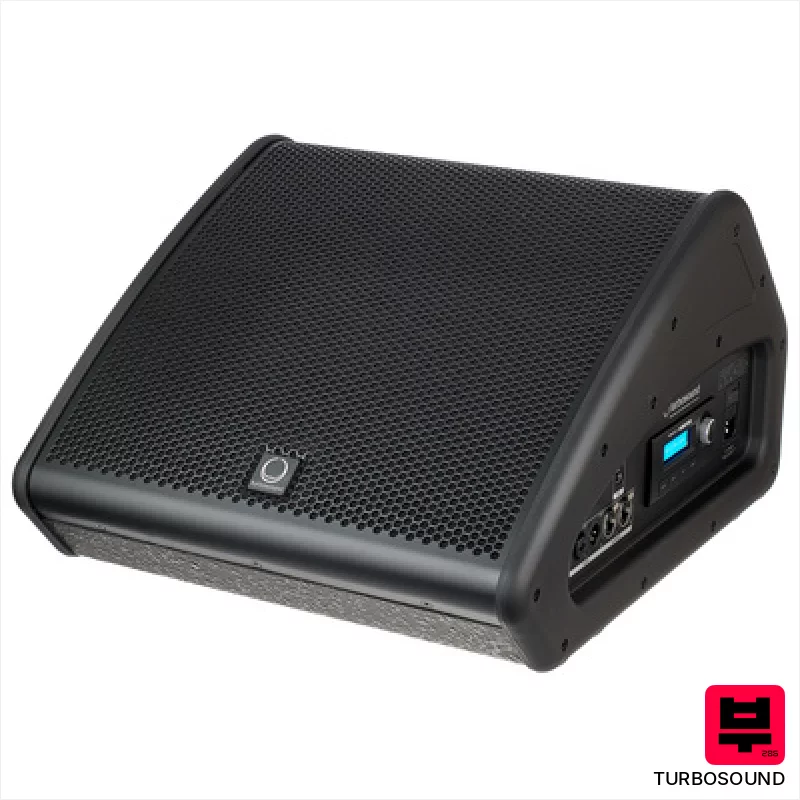
Turbosound TFX122M-AN
- • Titanium dome tweeter delivers crisp, articulate high frequencies.
- • 12 in woofer provides surprisingly deep, controlled low-end response.
- • Robust enclosure construction suggests durability for gigging.
- • Rotatable horn offers flexible stage monitoring coverage.
- • Weight (16.9 kg) makes transport a challenge for solo performers.
- • Combo XLR/1/4in connection limits simultaneous mic/line input options.
- • Limited EQ controls necessitate external processing for complex sound shaping.

dB Technologies FMX 12
- • Coaxial design provides excellent point-source imaging and coverage.
- • Class D amplification delivers surprising power for its size and weight.
- • Robust polypropylene woofer cone handles high SPLs without distortion.
- • Integrated handle and flange mount simplify transport and setup on stage.
- • Limited EQ controls restrict fine-tuning for different acoustic environments.
- • Plastic enclosure feels less premium than aluminum alternatives.
- • While powerful, it lacks the headroom of higher-end stage monitors.
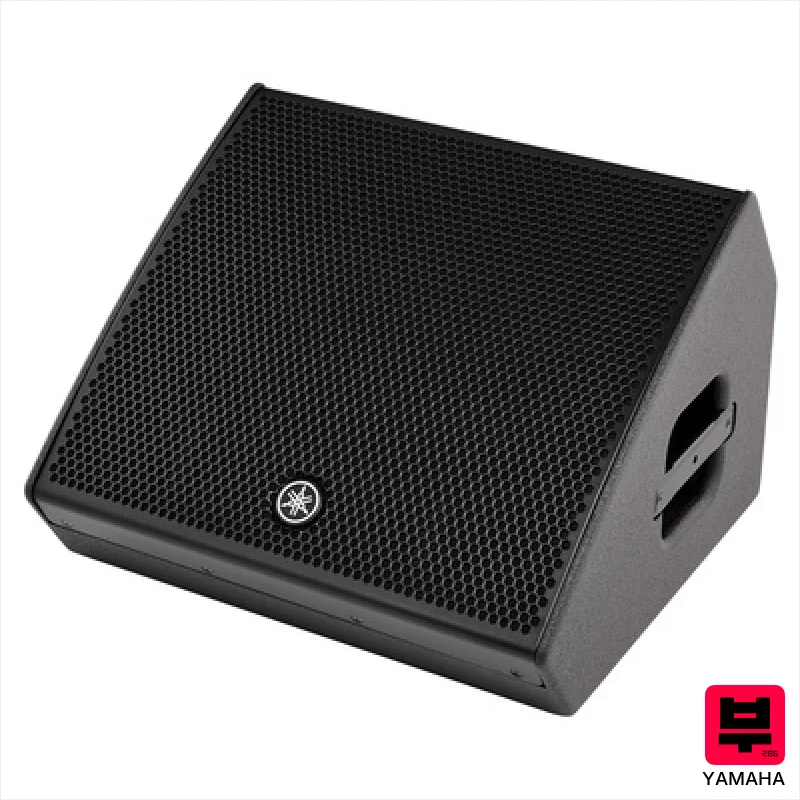
Yamaha DHR12M
- • Robust plywood enclosure provides excellent resonance control and durability for stage use.
- • Coaxial design delivers remarkably consistent coverage and a focused sound image.
- • Class-D amplification offers impressive power and efficiency without excessive heat.
- • Built-in DSP and mixer simplify setup and offer convenient routing options.
- • The weight (16.5kg) makes transport a challenge, especially for solo performers.
- • Limited EQ control beyond the presets restricts fine-tuning for specific acoustic environments.
- • RCA inputs feel a bit dated compared to more modern connectivity options.

LD Systems MON 12 A G3 W
- • Birch multiplex housing delivers excellent resonance and durability.
- • DynX DSP provides remarkable clarity and controlled feedback rejection.
- • Coaxial driver design offers surprisingly wide, consistent coverage.
- • Powerful Class-D amp handles demanding gigs with ease.
- • White finish might not suit all stage aesthetics or preferences.
- • Weight (17.4kg) makes transportation a bit cumbersome for solo performers.
- • Limited EQ flexibility compared to full-featured mixing consoles.
How to Choose the Best Active Stage Monitors
Vocal Clarity & Detail
It's not about 'bright' - it's about articulation. You need to hear every nuance of your vocals, consonants and all, without it sounding harsh or ice-picky. That means a balanced frequency response that avoids exaggerated highs or muddy lows, especially when a drummer's hammering the kit.
Headroom & Power
Vocals need to cut through. A monitor that clips easily under pressure won't do. We're looking for speakers that can handle a dynamic vocal performance without compression artifacts or a sudden loss of fidelity when the band kicks into overdrive.
Pattern Control (Directivity)
A wide dispersion pattern is great for a solo acoustic gig, but in a band setting, you need a more focused pattern to minimize bleed from other instruments. Think about how much of the drum kit you don't want to hear in your wedge.
Low-End Response (Without Mud)
A little low-end thump can add warmth and presence to vocals, but too much turns it into a muddy mess. It's a balancing act - you want definition, not boominess that masks the vocals.
Feedback Resistance
Let's be honest, feedback is inevitable. Monitors with good phase response and a controlled directivity pattern are less prone to feedback, saving you a lot of headache and ear pain.
Buying Guide
Don't fall for the 'more wattage equals better sound' trap. A smaller, well-designed monitor with good headroom is often better than a larger, poorly engineered one. Budget-friendly options often cut corners on driver quality, leading to a harsh high-end or a lack of definition. Spending a bit more on a reputable brand known for vocal-focused monitors is almost always worth it - your ears will thank you. And seriously, consider pattern control - it's a game-changer.
Our Methodology
We're not just looking at spec sheets here. We've spent countless hours A/B testing these monitors in rehearsal rooms, small clubs, and even a few larger venues. Our evaluation focuses on how they handle vocal dynamics, clarity in a loud band mix, and overall fatigue - because a monitor that sounds good for one song but kills your ears after three isn't worth a damn.

