
Best LD Systems Active Stage Monitors 2026
Alright, so you're hunting for stage monitors. Don't go chasing the hype - you need something that'll give you a solid, reliable wedge without breaking the bank or sounding like a tin can. LD Systems might not be the first name that pops into your head, but they've been quietly building a reputation for delivering serious bang for your buck in the pro audio world, especially for working bands and rental houses. Let's break down their active stage monitors and see if they're the right fit for your gig.
Last updated: September 7, 2026
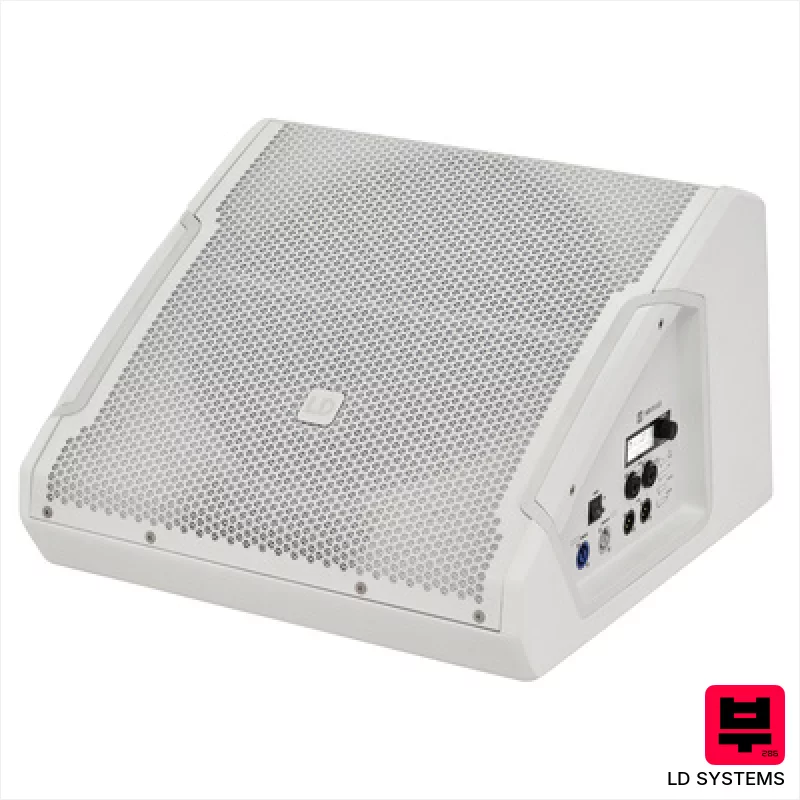
LD Systems MON 15 A G3 W
- • Birch multiplex housing offers exceptional resonance and durability.
- • DynX DSP provides precise EQ control and excellent feedback suppression.
- • Coaxial design delivers remarkably consistent coverage and imaging.
- • Powerful Class-D amp ensures clean, headroom-rich performance at high volumes.
- • The white finish might show scuffs and marks easily on stage.
- • While versatile, the EQ presets may not suit all mixing preferences.
- • The substantial weight makes transportation and setup a two-person job.
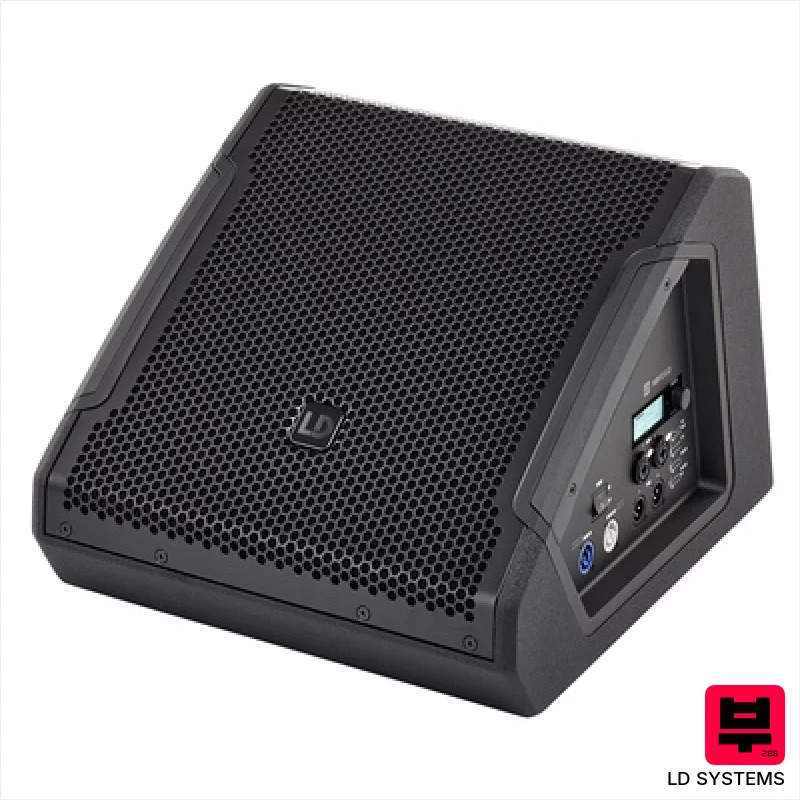
LD Systems MON 12 A G3
- • Birch multiplex housing provides excellent resonance and durability.
- • DynX DSP offers impressive sound shaping and feedback control.
- • Coaxial driver design delivers surprisingly coherent and focused sound.
- • Robust Class-D amplifier provides ample clean power for stage monitoring.
- • The weight makes transport a bit cumbersome for solo performers.
- • EQ presets might be limiting for users needing very specific tonal adjustments.
- • RCA inputs feel a bit dated compared to solely XLR options.
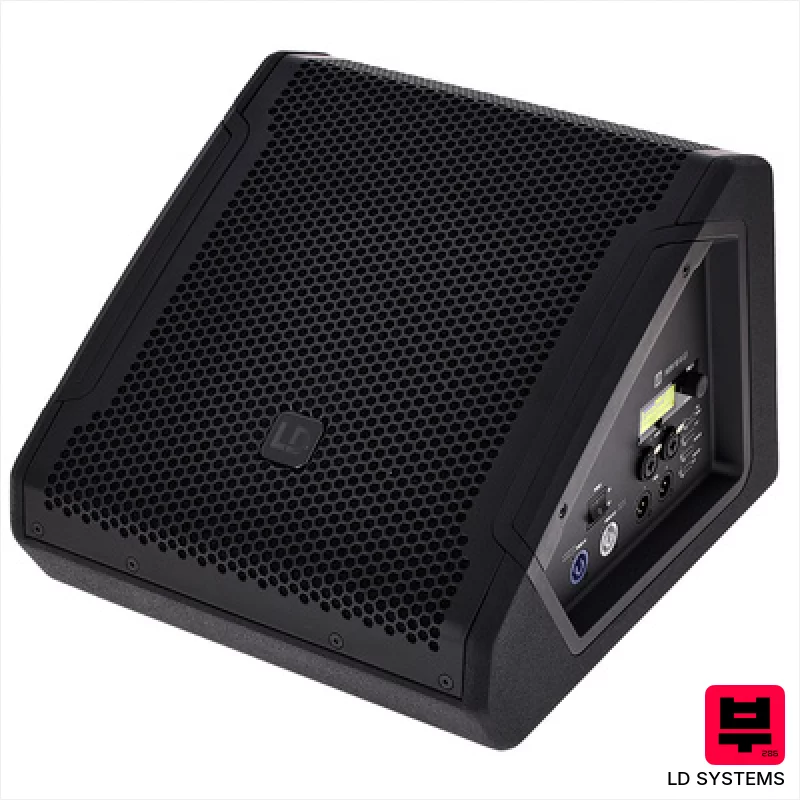
LD Systems MON 10 A G3
- • Birch multiplex housing provides excellent resonance and durability.
- • DynX DSP offers surprisingly effective feedback suppression for its class.
- • Coaxial design delivers consistent coverage and imaging on stage.
- • Integrated EQ and presets simplify sound shaping for various vocal/instrument needs.
- • 10” woofer may lack serious low-end thump for very bass-heavy genres.
- • While versatile, limited XLR outputs restrict complex routing options.
- • Relatively heavy for transport – a challenge for solo performers or frequent travel.
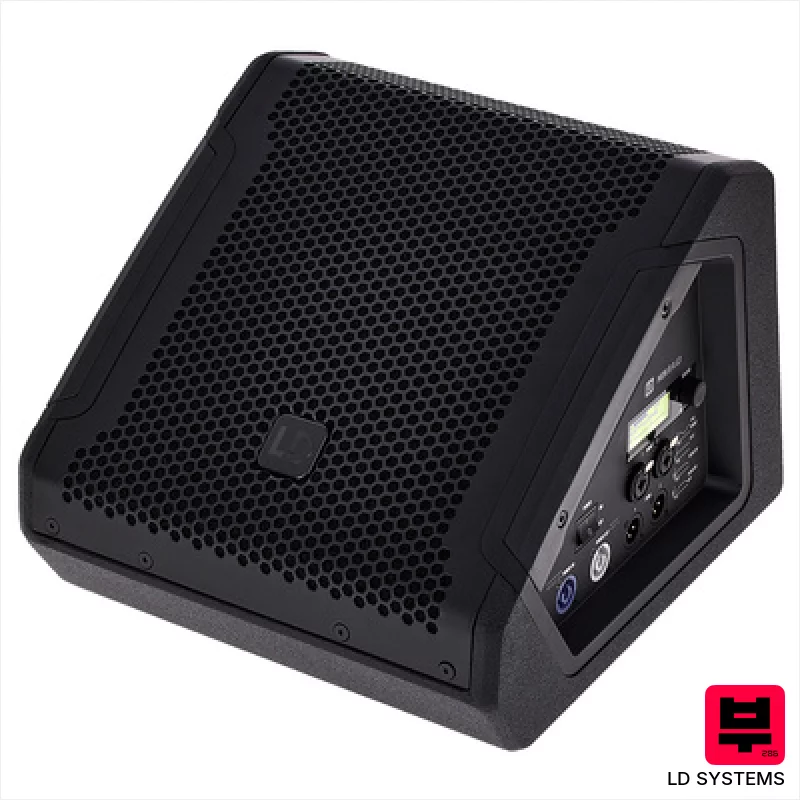
LD Systems MON 8 A G3
- • Birch multiplex housing provides excellent resonance and robust durability for stage use.
- • DynX DSP offers surprisingly clean and flexible EQ adjustments for various vocal/instrumental needs.
- • Coaxial driver design delivers a surprisingly wide and consistent sound dispersion.
- • Ample 300W RMS power handles most small to medium-sized stage monitoring scenarios comfortably.
- • 13.2 kg weight makes it less ideal for frequent transport by a single person.
- • Limited connectivity beyond standard stage monitor I/O – lacks dedicated effects sends.
- • While versatile, the built-in EQ presets might feel restrictive for experienced sound engineers.
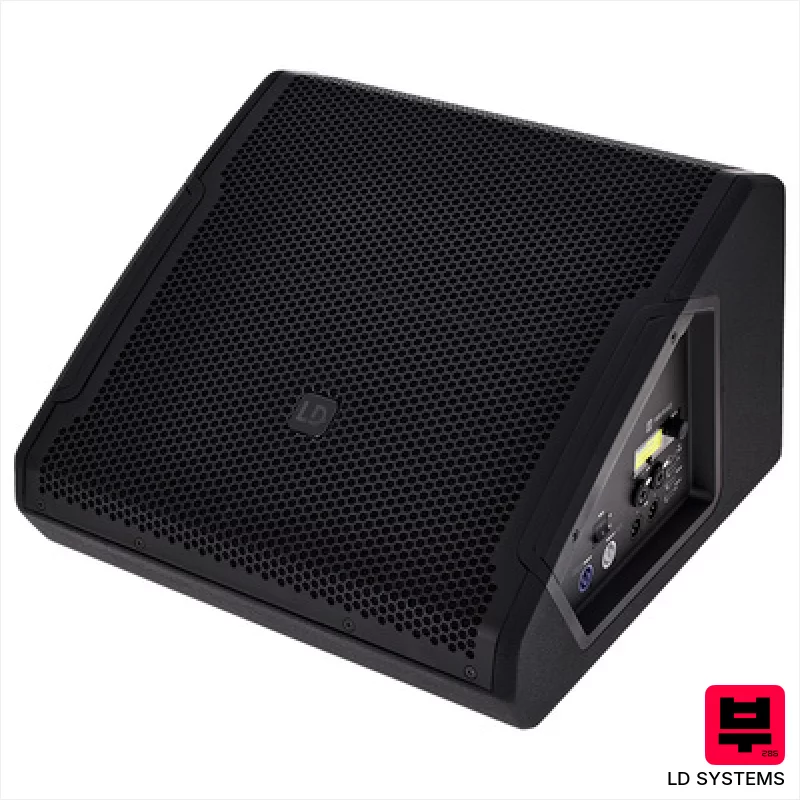
LD Systems MON 15 A G3
- • Birch multiplex enclosure provides excellent resonance and durability.
- • DynX DSP offers genuinely useful presets for various monitoring scenarios.
- • Coaxial design delivers surprisingly accurate imaging for a stage monitor.
- • Robust Class-D amplifier ensures clean power and efficient operation.
- • Weight (23.2 kg) makes transport a challenge for solo performers.
- • EQ, while present, lacks the precision of higher-end studio monitors.
- • Limited versatility beyond stage monitoring; not ideal for front-of-house duties.
Active Stage Monitors by the numbers
Measured across all 61 models in this category, so «wide», «short» or «expensive» mean something you can check.
How to Choose the Best Active Stage Monitors
Build Quality
LD Systems generally nails the sweet spot. The enclosures are typically roadworthy ABS plastic - not super premium, but durable enough for regular gigging. You won't find fancy birch ply here, but they'll survive a few bumps and bruises. The grilles are solid, which is a plus.
Tone Characteristics
LD's monitors tend to have a surprisingly balanced sound. They're not overly hyped in any particular frequency range - no ice-picky highs or muddy lows. You get a fairly neutral response, which means you can dial in your tone with your amp and effects. The midrange is where they really shine - that fat midrange honk that cuts through a loud mix without being harsh.
Headroom & Power
LD Systems often packs a decent punch for the price. They don't necessarily have massive headroom, but they handle dynamic playing well without distorting prematurely. This is crucial for gigs where you need to nail those quiet passages and then really lay into the loud parts without the monitor imploding.
Coverage & Throw
The horn designs on many of their monitors offer a surprisingly wide and even coverage pattern. This minimizes dead spots on stage and helps everyone hear themselves clearly. The throw is decent - enough to project your sound without needing to be right on top of the monitor.
Value Proposition
This is where LD Systems truly excels. You get a lot of what you need - reliable performance, good sound, and decent build quality - without the premium price tag of some of the bigger brands. It's a great option for bands on a budget or rental companies needing to outfit multiple stages.
Buying Guide
Look, you're not buying boutique gear here. The corners that get cut are usually in the enclosure material and the complexity of the internal components. Don't expect audiophile-grade clarity - these are workhorses, designed to handle the demands of a gigging musician. Paying a little extra for a larger model or one with a more powerful amp will buy you headroom and better overall clarity, especially in louder environments. If you're primarily recording, there are better options, but for live sound, LD Systems delivers.
How This List Is Built
We don't play these instruments — we're a catalog, not a review desk, and we'd rather say so than pretend otherwise. This page covers 5 of 61 active stage monitors from the Thomann catalogue, which is the largest single source of specification data in this category: 5 in detail, the rest listed with their specifications.
Position is computed, not curated. We parse the manufacturer's own description into actual values — nut width, scale, fret count, fingerboard radius, size, alloy — and rank on them: how many specifications a model has published, how many of them are measurable numbers, and how precisely it meets this page's criterion. A product image adds a little. Price is not a ranking signal: it tells you nothing about whether a neck fits your hand. The same inputs always produce the same order, so nothing here is shuffled to look fresh.
What this list is good for: narrowing a category down to a shortlist by spec and budget. What it isn't: a substitute for hearing an instrument. Before you buy, read hands-on reviews and, where you can, play it. Full methodology.

