
Best Active Stage Monitors for Live Performance 2026
Alright, so you're tired of fighting your band's mains for clarity onstage? You're not alone. Getting a good wedge - an active stage monitor - is crucial for hearing yourself and the band, especially when you're dealing with a loud drummer and a bassist who likes to really thump. This isn't about flashy features; it's about a monitor that lets you hear what you're doing and cut through the chaos without feeding back - a real workhorse for gigging musicians.
Last updated: July 22, 2026 • Next update: July 29, 2026
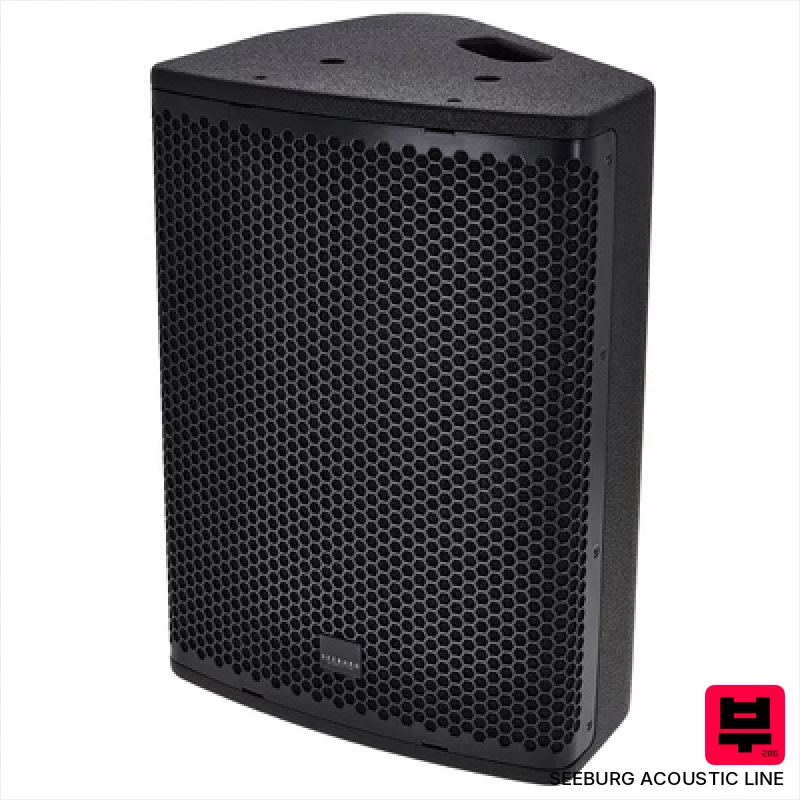
Seeburg Acoustic Line X6 dp
- • Baltic birch construction ensures exceptional durability and resonance.
- • Coaxial design provides remarkably consistent coverage and imaging.
- • Neodymium drivers deliver impressive power with reduced weight compared to ferrite.
- • Rotatable horn offers flexibility for various stage configurations and aiming.
- • The 15.5kg weight makes transport and setup a two-person job.
- • Premium-priced, placing it beyond the reach of budget-conscious users.
- • Limited EQ controls onboard necessitate external processing for complex sound shaping.
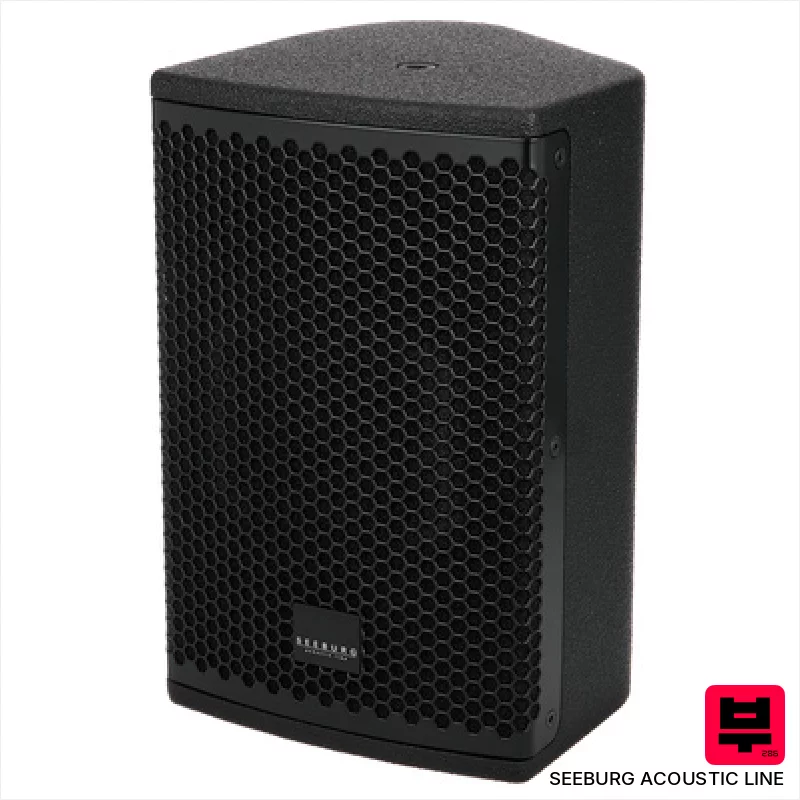
Seeburg Acoustic Line X1 dp
- • Baltic birch construction ensures exceptional durability and resonance.
- • Coaxial design provides remarkably consistent coverage and imaging.
- • Neodymium drivers deliver efficient power and tight, controlled bass response.
- • Rotatable horn offers versatile coverage options for various stage setups.
- • 5.5kg is surprisingly heavy for a speaker of this size; portability limited.
- • Polyurea coating, while durable, might feel slightly less premium than a full wood finish.
- • Lacks internal DSP; reliant on external processing for complex sound shaping.

IMG Stageline Flat-M100
- • Compact size and light weight for easy transport and setup
- • Neodymium magnets offer efficient power and reduced weight
- • Solid multi-plex housing provides surprising rigidity and durability
- • XLR link output allows for expandable monitoring systems
- • 4-inch woofers limit low-frequency extension for larger venues
- • Tone controls are basic, offering limited shaping capabilities
- • Plastic protective grille feels somewhat flimsy given the price point
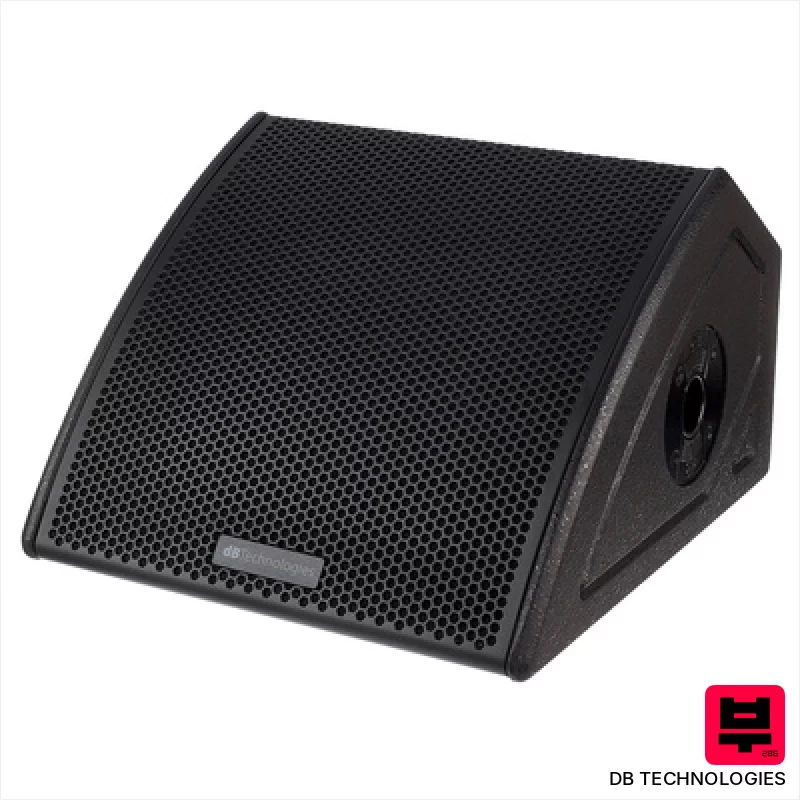
dB Technologies FMX 10
- • Excellent coaxial design delivers surprisingly wide, consistent coverage.
- • Class D amplification provides ample clean power without excessive heat.
- • Robust polypropylene woofer cone handles serious volume with minimal distortion.
- • Integrated handle and stand mount simplify transport and setup significantly.
- • Limited EQ controls restrict fine-tuning for specific acoustic environments.
- • While portable, its weight can be a challenge for solo performers.
- • Coaxial design might exhibit slight phase anomalies at extreme angles.

IMG Stageline Flat-M200
- • Compact design allows for easy transport and setup on smaller stages.
- • Neodymium drivers provide a surprising amount of power for the size.
- • Multiplex wooden enclosure offers reasonable rigidity and dampens unwanted resonance.
- • Versatile input options (XLR/6.3mm) handle mics and line-level signals well.
- • The 4in drivers lack low-end extension; not ideal for bass-heavy music.
- • While lightweight, the plastic corner protectors feel a bit flimsy.
- • The tone controls are basic; more advanced EQ would be beneficial.
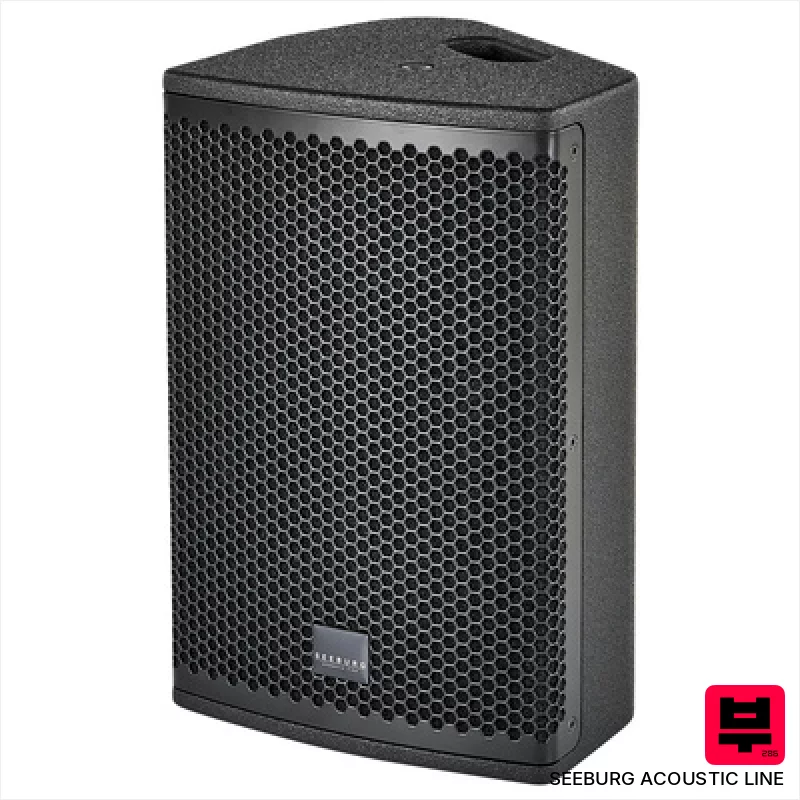
Seeburg Acoustic Line X2 dp
- • Baltic birch construction ensures exceptional durability and resonance.
- • Coaxial design delivers remarkably consistent coverage and imaging.
- • Neodymium drivers offer impressive power and efficiency for their size.
- • Rotatable horn provides flexible vertical coverage for various stage setups.
- • 8kg is relatively heavy for a monitor, limiting portability for solo performers.
- • The polyurea coating, while durable, might feel less premium than a lacquered finish.
- • Limited EQ controls on board require external processing for detailed shaping.

dB Technologies FMX 15
- • Coaxial design offers surprisingly wide, consistent coverage.
- • Class D amplification delivers impressive headroom without excessive heat.
- • Robust construction; feels solid and built to handle gigging.
- • Integrated handle and flange mount simplify transport and setup.
- • Limited EQ options restrict fine-tuning for diverse sound sources.
- • Weight makes it less ideal for solo performers or frequent travel.
- • While loud, the low-end lacks the deep extension of larger systems.
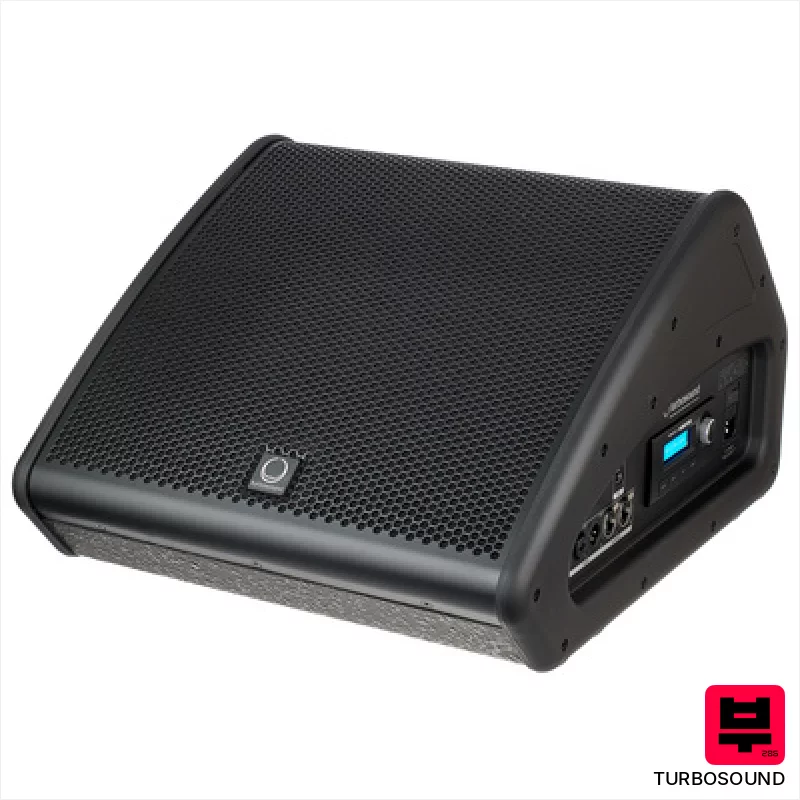
Turbosound TFX122M-AN
- • Titanium dome tweeter delivers crisp, articulate high frequencies.
- • 12 in woofer provides surprisingly deep, controlled low-end response.
- • Robust enclosure construction suggests durability for gigging.
- • Rotatable horn offers flexible stage monitoring coverage.
- • Weight (16.9 kg) makes transport a challenge for solo performers.
- • Combo XLR/1/4in connection limits simultaneous mic/line input options.
- • Limited EQ controls necessitate external processing for complex sound shaping.

DAS Audio Action-M512A
- • The bi-amp Class-D design delivers impressive power and headroom for its size.
- • Integrated DSP offers flexible voicing options, simplifying monitor mixing on the fly.
- • Robust 12” woofer provides a surprisingly full and punchy low-end response.
- • The 1” compression driver offers clear highs without excessive harshness or fatigue.
- • At nearly 20kg, it's a hefty monitor, limiting portability for solo acts.
- • 80° x 50° dispersion might be restrictive for wider stage setups requiring more coverage.
- • While versatile, the DSP presets may not suit all mixing engineer preferences.
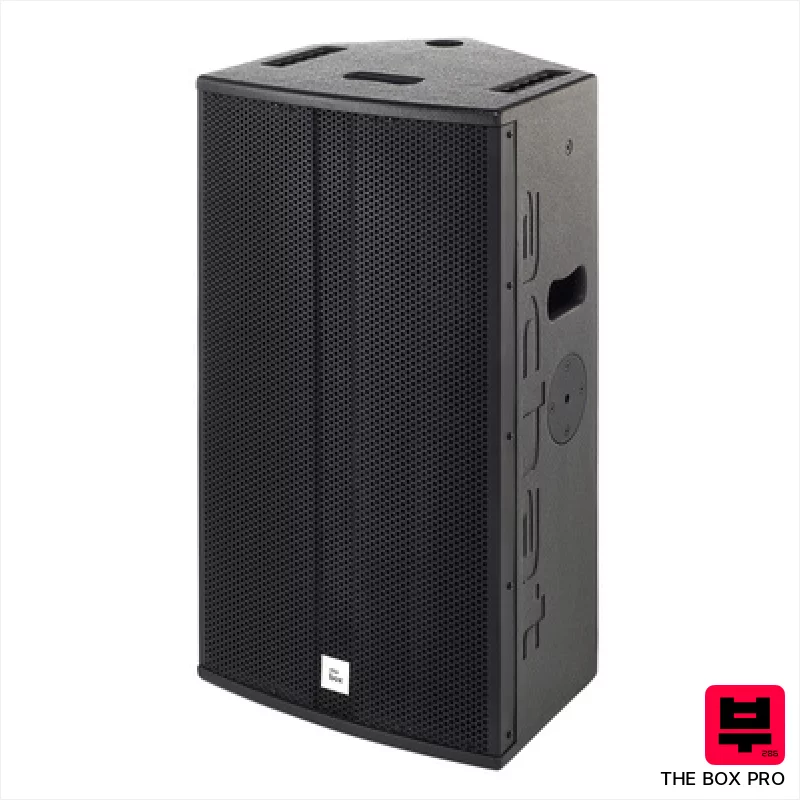
the box pro Achat 115 MA MKII
- • Robust 15’ woofer delivers surprisingly tight, controlled low-end.
- • High-output compression driver offers clear, articulate high frequencies.
- • Integrated presets provide useful tonal shaping for various applications.
- • Aeroquip rail and mounting lugs enhance versatility for stage setups.
- • Weight (38.7 kg) makes transport a two-person job, especially for smaller gigs.
- • EQ is basic; more advanced users might desire more comprehensive control.
- • 60° x 40° coverage may be narrow for wider stages, requiring careful placement.
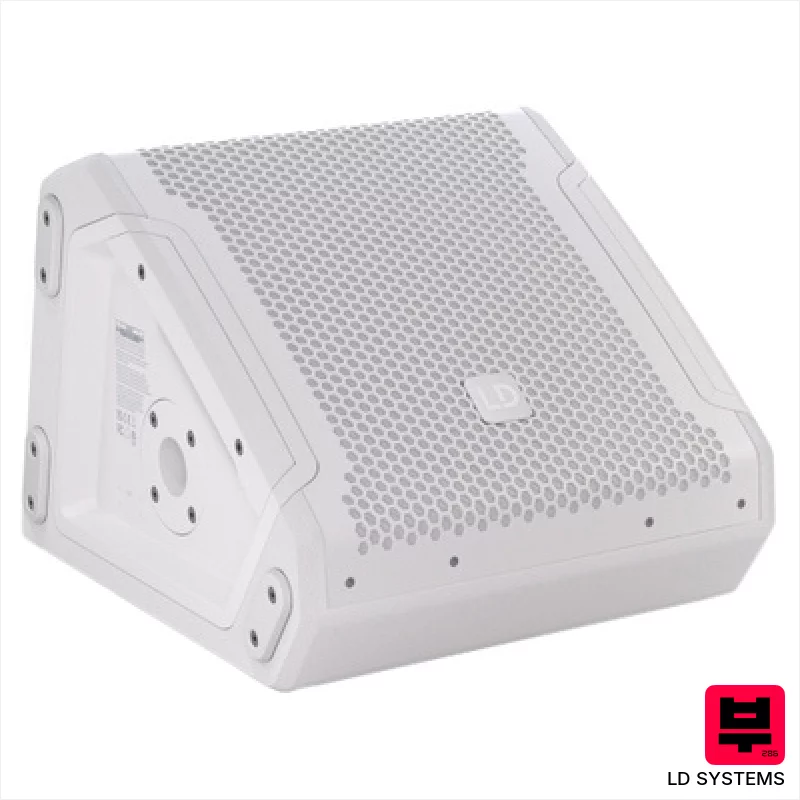
LD Systems MON 8 A G3 W
- • Birch plywood enclosure delivers a surprisingly robust and resonant build.
- • DynX DSP provides genuinely useful presets and a workable notch filter.
- • Coaxial design offers surprisingly consistent coverage and imaging.
- • The Class-D amp delivers ample power without excessive heat or weight.
- • White finish can be impractical for stage use and shows smudges easily.
- • EQ presets are a bit limiting for truly custom sound shaping needs.
- • While portable, the weight makes it less ideal for solo performers or frequent travel.
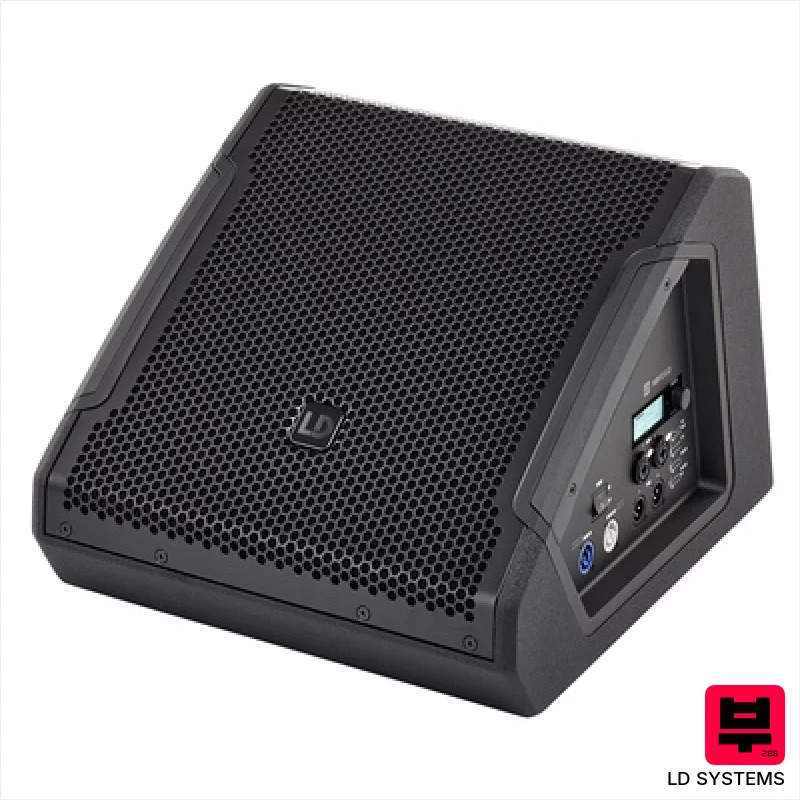
LD Systems MON 12 A G3
- • Birch multiplex housing provides excellent resonance and durability.
- • DynX DSP offers impressive sound shaping and feedback control.
- • Coaxial driver design delivers surprisingly coherent and focused sound.
- • Robust Class-D amplifier provides ample clean power for stage monitoring.
- • The weight makes transport a bit cumbersome for solo performers.
- • EQ presets might be limiting for users needing very specific tonal adjustments.
- • RCA inputs feel a bit dated compared to solely XLR options.

IMG Stageline Flat-M8
- • Compact size belies surprising power output for stage use.
- • Multiplex cabinet feels robust; metal grille offers good protection.
- • Coaxial tweeter provides surprisingly coherent off-axis coverage.
- • 3-way EQ offers basic but useful tonal shaping on stage.
- • Limited headroom at higher SPLs; not ideal for huge venues.
- • Unbalanced RCA inputs restrict professional connection options.
- • Lack of effects processing or pattern switching limits versatility.
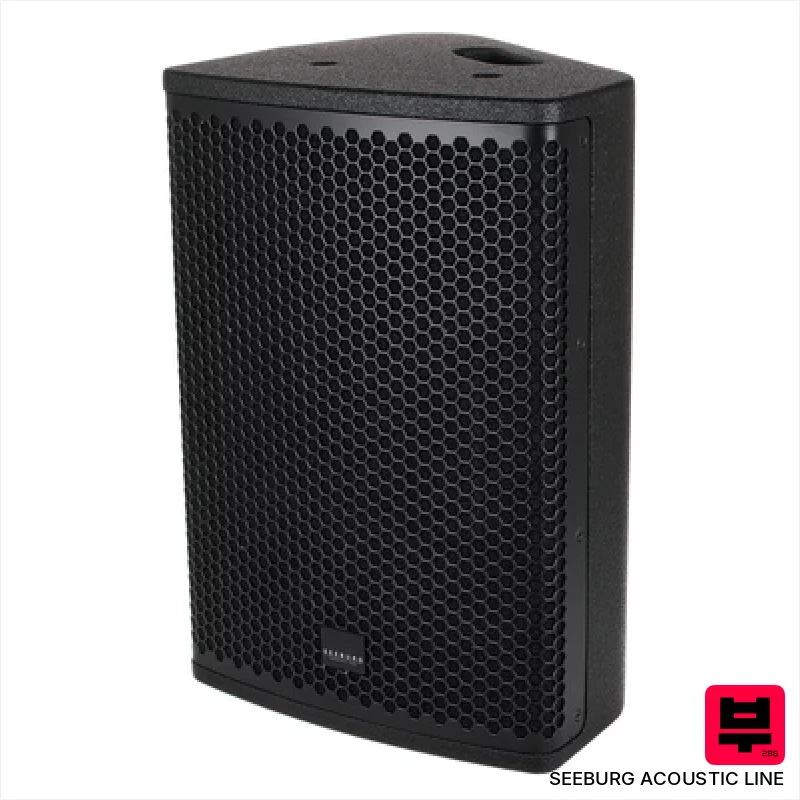
Seeburg Acoustic Line X4 dp
- • Baltic birch construction ensures exceptional durability and resonance.
- • Coaxial design provides surprisingly wide and consistent coverage.
- • Neodymium drivers deliver powerful output with reduced weight compared to ferrite.
- • Rotatable horn allows for flexible aiming and controlled directivity.
- • The weight, while reasonable for its power, can still be a challenge for solo rig setups.
- • The polyurea coating, while protective, might feel slightly less premium than a full wood finish.
- • The limited connection options might require external DSP for complex routing needs.

dB Technologies FMX 12
- • Coaxial design provides excellent point-source imaging and coverage.
- • Class D amplification delivers surprising power for its size and weight.
- • Robust polypropylene woofer cone handles high SPLs without distortion.
- • Integrated handle and flange mount simplify transport and setup on stage.
- • Limited EQ controls restrict fine-tuning for different acoustic environments.
- • Plastic enclosure feels less premium than aluminum alternatives.
- • While powerful, it lacks the headroom of higher-end stage monitors.
How to Choose the Best Active Stage Monitors
Clarity & Frequency Response
It's not about being 'bright'; it's about articulation. Can you hear the attack of your snare? The subtle harmonics of your keyboard? A muddy low-midrange will bury your signal; a harsh high-end will fatigue you quickly. We're looking for a balanced response that doesn't color the sound, but provides detail.
Headroom & Power
How does it handle a sudden dynamic shift? A monitor that clips and distorts under pressure is useless. You need enough clean headroom to handle those big moments without turning into a feedback nightmare. This is especially important with loud bands and genres like rock or metal.
Feedback Rejection
Let's face it, stage monitors are feedback magnets. Built-in processing that intelligently reduces feedback without sucking the life out of your tone is a huge plus. It's a delicate balance - too much processing and everything sounds sterile; too little and you're fighting a losing battle.
Coverage & Throw
A wider horizontal and vertical coverage angle means more people can hear the monitor clearly without having to be directly in front of it. 'Throw' refers to how far the sound projects - a monitor with good throw reduces the need to crank the volume, minimizing feedback and stage noise.
Build Quality & Portability
You're going to be lugging this thing around. Solid construction, decent weight, and a robust handle are essential for gigging. A flimsy plastic enclosure won't survive many gigs - and a monitor that weighs a ton will kill your back.
Buying Guide
Don't fall for the hype. Cheap active monitors often cut corners on components, leading to muddy low-end and harsh highs. Paying a bit more for a reputable brand with a solid track record is almost always worth it. Consider your band's volume and genre - a keyboard player in a jazz trio needs different specs than a guitarist in a metal band. And don't underestimate the importance of a good EQ section to dial in your personal sound.
Our Methodology
We're not just looking at specs here. We've spent countless hours putting these monitors through their paces - live rehearsals, small club gigs, even tracking sessions. It's about how they feel under your hands, how they respond to dynamics, and whether they actually let you hear your guitar's nuances or just turn everything into a muddy mess. A/B comparisons against industry standards are essential, too.

