AudioFu Chart · October 2026
Best the box Active Stage Monitors 2026
The top pick is the box MA5 ($174). the box MA150 leads the high end. Ranked by the AudioFu Index from 6 models, prices checked every night.
Last updated: October 19, 2026
Top 6
Full detail for the 6 highest AudioFu Index scores. Every other model is listed below.
-
- Size5"
- Weight2.8 kg
The box MA5 is a surprisingly capable little monitor – or full-range speaker – for the price. It's ideal for singer-songwriters, small acoustic ensembles, or anyone needing a portable, self-contained sound source. The built-in mixer is a real convenience, and the power-to-weight ratio is excellent.
Pros
- Neodymium driver delivers surprisingly punchy lows for its size
- Integrated mixer simplifies setup for solo performers or small bands
- Lightweight design (2.8kg) makes transport and stage setup easy
Cons
- EQ is basic 3-band; lacks precision for critical mixing
- RCA input limits connectivity to older CD players or devices
64AudioFu
IndexStableno change since Aug 17Aug 17$174 now$174€155 at Thomann · in stockCheck price ↗ -
- Size8"
- Weight7.5 kg
The MA8/2 CL is a surprisingly capable little monitor for the budget-conscious. It's ideal for solo performers, smaller bands, or as a secondary stage monitor. Don't expect it to move a stadium, but it'll handle smaller gigs and rehearsals with decent clarity.
Pros
- Surprisingly robust cabinet for the price point, feels well-constructed.
- The 8in woofer delivers a respectable low-end presence.
- XLR/TRS combo jack offers flexible connectivity options.
Cons
- 70W is limited; struggles in larger venues or loud band situations.
- High-frequency response can be a touch harsh without EQ adjustments.
54AudioFu
IndexStableno change since Aug 17Aug 17$168 now$168€149 at Thomann · in stockCheck price ↗ -
- Size10"
- Weight15 kg
The box MA100 is a surprisingly capable little monitor for the money. It's a solid choice for smaller gigs, drum amps, or as a secondary monitor – it’ll handle a decent level without being a powerhouse. Perfect for solo artists, duos, or smaller bands needing budget-friendly stage monitoring.
Pros
- Surprisingly robust cabinet for the price point, feels solid.
- The 3in cone tweeter delivers a decent high-end sparkle.
- Link socket enables easy stereo monitoring expansion.
Cons
- 100W RMS feels limiting for larger venues or louder bands.
- Rubber feet could be improved for better stability on stage.
54AudioFu
IndexStableno change since Aug 17Aug 17$179 now$179€159 at Thomann · in stockCheck price ↗ -
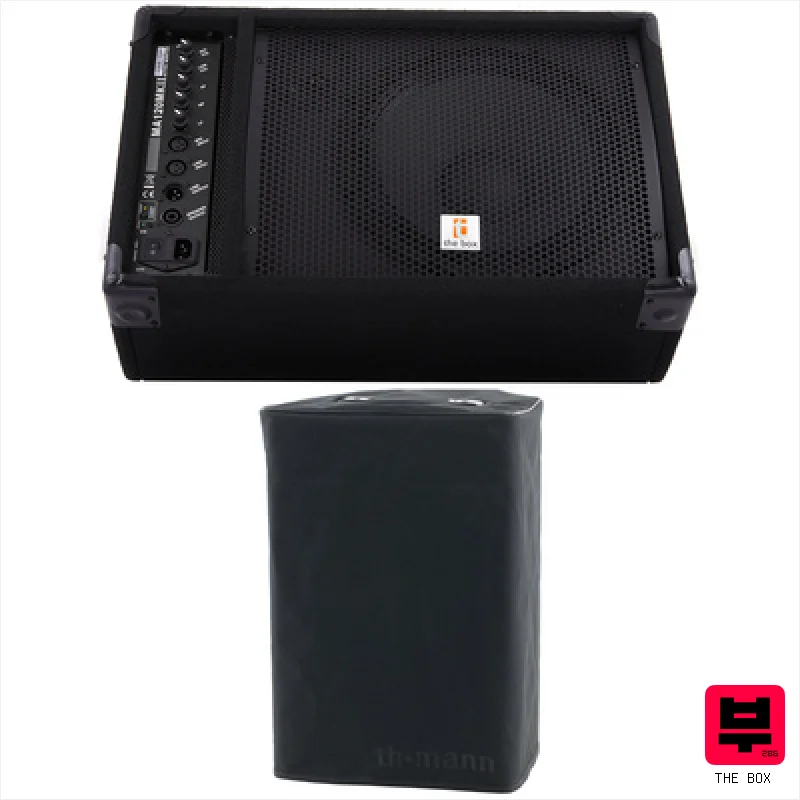
- Size12"
- Weight16.52 kg
The MA120 MKII is a solid, budget-friendly option for smaller stages or rehearsal spaces. It delivers a clean, powerful sound with good clarity, making it ideal for solo artists, duos, or bands needing reliable stage monitoring. Don't expect earth-shattering bass, but for the price, it's a real workhorse.
Pros
- Surprisingly robust plywood cabinet for the price point
- Clear, defined highs without harshness; good for vocal monitoring
- Versatile EQ allows for shaping the sound to different environments
Cons
- Limited low-end extension compared to larger PA speakers
- The 3-band EQ is basic; lacks more precise control
54AudioFu
IndexStableno change since Aug 17Aug 17$179 now$179€159 at Thomann · in stockCheck price ↗ -
- Size15"
- Weight25 kg
The MA150 is a workhorse monitor – simple, powerful, and surprisingly capable for the price. It's ideal for smaller bands, DJs needing a reliable stage monitor, or anyone needing a beefy floor wedge for drum or keyboard reinforcement. Don't expect audiophile clarity, but it’ll get the job done loud and clear.
Pros
- Robust 15-inch woofer delivers surprising low-end punch.
- Integrated 3-band EQ offers basic, useful tonal shaping.
- Link socket facilitates stereo monitoring with a second unit.
Cons
- Cone tweeter might lack detail compared to dome tweeters.
- Limited connectivity; lacks XLR inputs for professional sources.
54AudioFu
IndexStableno change since Aug 17Aug 17$235 now$235€209 at Thomann · in stockCheck price ↗ -
- Size6"
- Weight5.8 kg
This the box Singer Start Set is a solid entry point for solo performers, singer-songwriters, or small acoustic duos. The integrated mixer and Bluetooth player simplify setup, and the wooden enclosure adds a touch of class. It’s a budget-friendly solution for basic amplification and monitoring, but don't expect high-end studio quality.
Pros
- Wooden cabinet provides surprising resonance and reduces unwanted vibrations.
- Built-in effects processor offers usable presets for quick vocal enhancement.
- Combo XLR/6.3mm inputs simplify connectivity for various microphone and line sources.
Cons
- 70W RMS power is limiting; struggles with larger venues or louder bands.
- EQ is basic (2-band channel, 3-band main); lacks precision for critical mixing.
32AudioFu
IndexStableno change since Aug 17Aug 17$235 now$235€209 at Thomann · in stockCheck price ↗
Active Stage Monitors by the numbers
Measured across all 60 models we track, not a sample.
Median $201 — half of all active stage monitors here cost less.
median of 53 models · 5"–15"
median of 60 models · 2.5 kg–23.2 kg
How to choose the best active stage monitors
Power & Headroom
The Box punches way above its weight class. These aren't just loud; they have serious headroom. You can push them hard without that nasty, brittle breakup you get with some cheaper active monitors - crucial when you're battling a loud band.
Midrange Clarity
This is where The Box really shines. They don't just deliver volume; they give you a focused, articulate midrange - that fat midrange honk that lets your vocals and guitars cut through the mix without sounding harsh. It's a surprisingly musical response.
Low-End Response
Don't expect earth-shattering sub-bass, but The Box delivers a surprisingly solid low-end thump for their size. It's controlled and defined, which is more useful than just pure rumble. Bass players will appreciate the clarity.
Build Quality & Durability
These monitors are built to take a beating. The enclosure is robust, the drivers feel solid, and they've clearly been designed for the rigors of gigging. They don't feel flimsy like some of the cheaper plastic-cased options out there.
Feedback Rejection
The waveguide design and internal processing on The Box monitors are remarkably effective at rejecting feedback. This is a huge time-saver on stage, especially in tricky venues.
Buying guide
Alright, let's talk stage monitors. You're battling a drummer, a loud bass player, and feedback demons - you need a wedge that'll let you hear yourself without sounding like you're trapped in a metal box. The Box active stage monitors have been quietly crushing it for years, especially in Europe, and they're finally getting the recognition they deserve here. If you need reliable, powerful, and surprisingly musical monitors, keep reading.
The Box monitors aren't the cheapest option, but you're paying for reliability and a genuinely good sound. The smaller models (like the 10P or 12P) are perfect for smaller stages or solo performers, while the larger models (15P) are better suited for bigger bands and louder environments. Don't be fooled by the understated aesthetic - these are workhorses.
The trade-off is they aren't the most glamorous looking, but that's a small price to pay for performance.
How the AudioFu Index works
Five measured signals and nothing else — no stars from strangers, no “tested by experts” we didn’t do. The weights are fixed and public. We don’t play these instruments; we measure the market around them.
This chart covers 8 active stage monitors from the Thomann catalogue (of 60 in the category). Before you buy, read hands-on reviews and, where you can, play it. Full methodology.
AudioFu earns a commission when you buy through our Thomann links. It never changes the order — the index does.
- Demand40%
How many of this exact model are for sale on Reverb right now — what musicians actually buy and resell.
- Lineup20%
How many finishes Thomann stocks — makers expand the models that sell.
- Price15%
Where the price has moved since we started tracking in August.
- Specs15%
How completely the maker documents it.
- Maker10%
How deep the brand’s range is in this category.
Questions
Are The Box monitors really as durable as people say?
Absolutely. We've seen them take some serious abuse on tour and they keep ticking. The enclosure is solid, and the components feel well-built.
How do they compare to Yamaha HS series monitors?
The HS series are great for studio work, but The Box monitors are designed for live sound. They have more power, better headroom, and a more forgiving frequency response for stage use. The HS series can sound a little too clinical live.
Do I need to EQ these monitors much?
Generally, no. The Box monitors have a fairly neutral and balanced sound out of the box. However, like any monitor, some minor tweaking might be necessary to suit the room and your specific sound.
What's the difference between the P and the X models?
The 'X' models are a newer generation with a slightly more powerful amplifier and a few tweaks to the waveguide design for improved pattern control. The 'P' models are still excellent and often represent better value.
Can I use these for recording?
While primarily designed for stage use, The Box monitors can be used for nearfield monitoring, especially if you're on a budget. Just be aware that their frequency response isn't as perfectly flat as dedicated studio monitors.