
Best Active Stage Monitors for Stage Monitoring 2026
Alright, so you're tired of fighting your band's PA for clarity on stage? Stage monitors are a brutal necessity, and slapping any old speaker on the floor just won't cut it. We're talking about hearing your own instrument clearly, cutting through the wall of sound, and not feeling like you're playing in a muddy swamp. This guide focuses on active stage monitors - the powered kind - because let's be honest, lugging around a separate head for monitor duty is a pain nobody needs anymore.
Last updated: July 22, 2026 • Next update: July 29, 2026
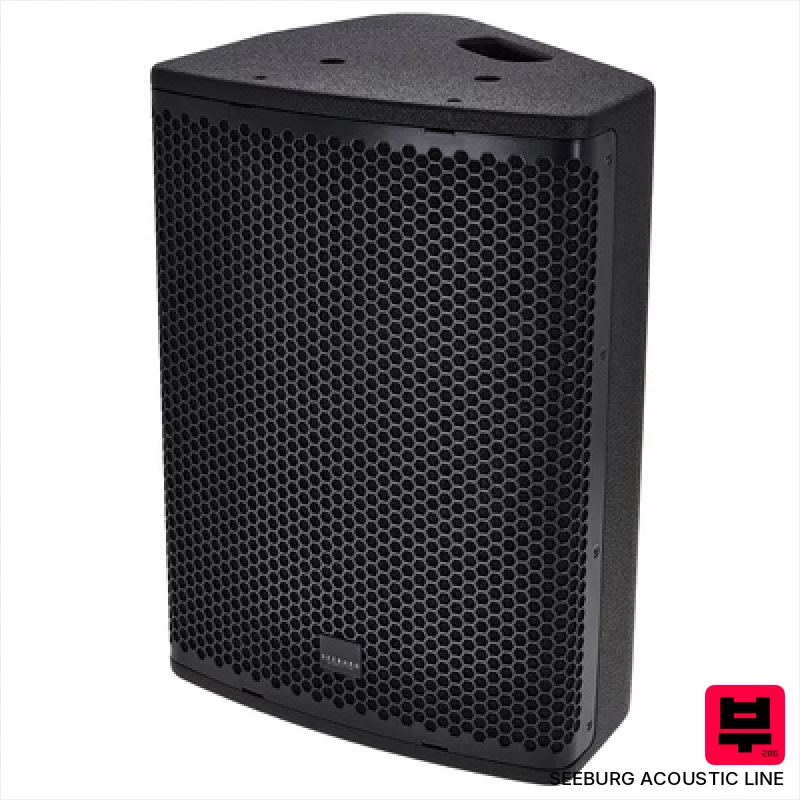
Seeburg Acoustic Line X6 dp
- • Baltic birch construction ensures exceptional durability and resonance.
- • Coaxial design provides remarkably consistent coverage and imaging.
- • Neodymium drivers deliver impressive power with reduced weight compared to ferrite.
- • Rotatable horn offers flexibility for various stage configurations and aiming.
- • The 15.5kg weight makes transport and setup a two-person job.
- • Premium-priced, placing it beyond the reach of budget-conscious users.
- • Limited EQ controls onboard necessitate external processing for complex sound shaping.
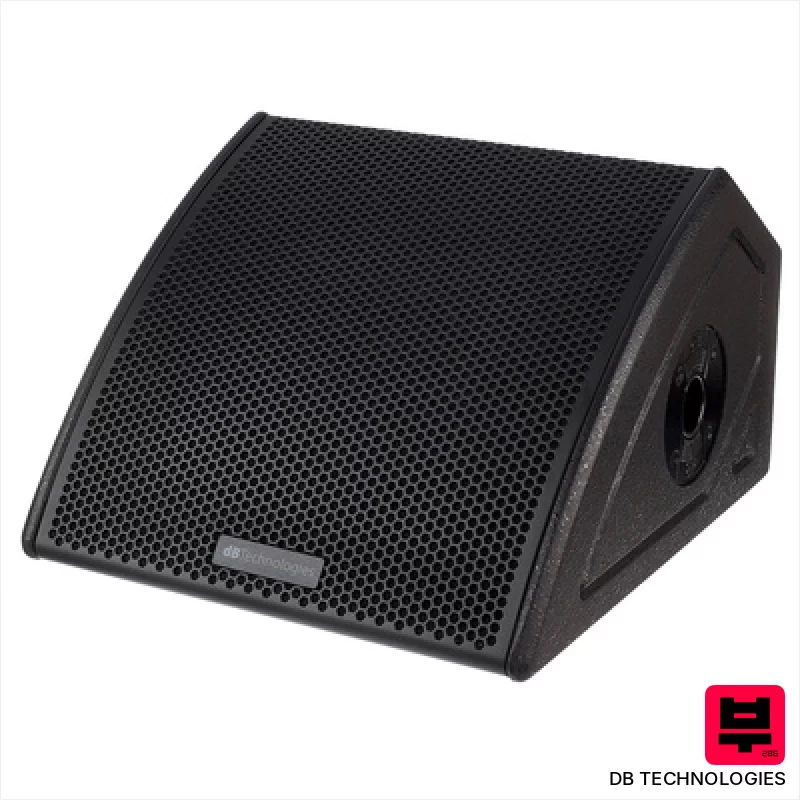
dB Technologies FMX 10
- • Excellent coaxial design delivers surprisingly wide, consistent coverage.
- • Class D amplification provides ample clean power without excessive heat.
- • Robust polypropylene woofer cone handles serious volume with minimal distortion.
- • Integrated handle and stand mount simplify transport and setup significantly.
- • Limited EQ controls restrict fine-tuning for specific acoustic environments.
- • While portable, its weight can be a challenge for solo performers.
- • Coaxial design might exhibit slight phase anomalies at extreme angles.
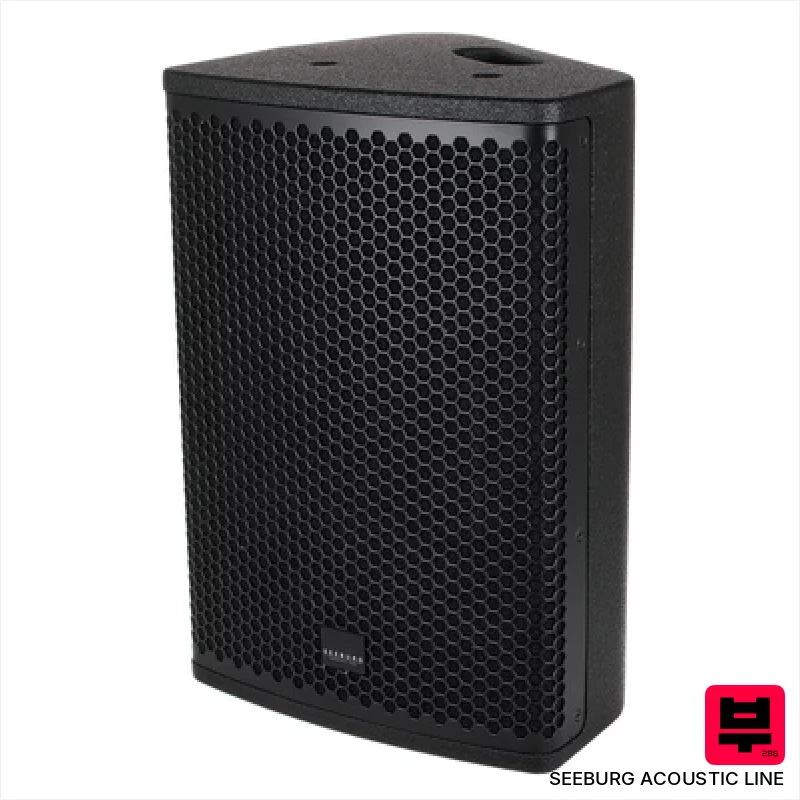
Seeburg Acoustic Line X4 dp
- • Baltic birch construction ensures exceptional durability and resonance.
- • Coaxial design provides surprisingly wide and consistent coverage.
- • Neodymium drivers deliver powerful output with reduced weight compared to ferrite.
- • Rotatable horn allows for flexible aiming and controlled directivity.
- • The weight, while reasonable for its power, can still be a challenge for solo rig setups.
- • The polyurea coating, while protective, might feel slightly less premium than a full wood finish.
- • The limited connection options might require external DSP for complex routing needs.
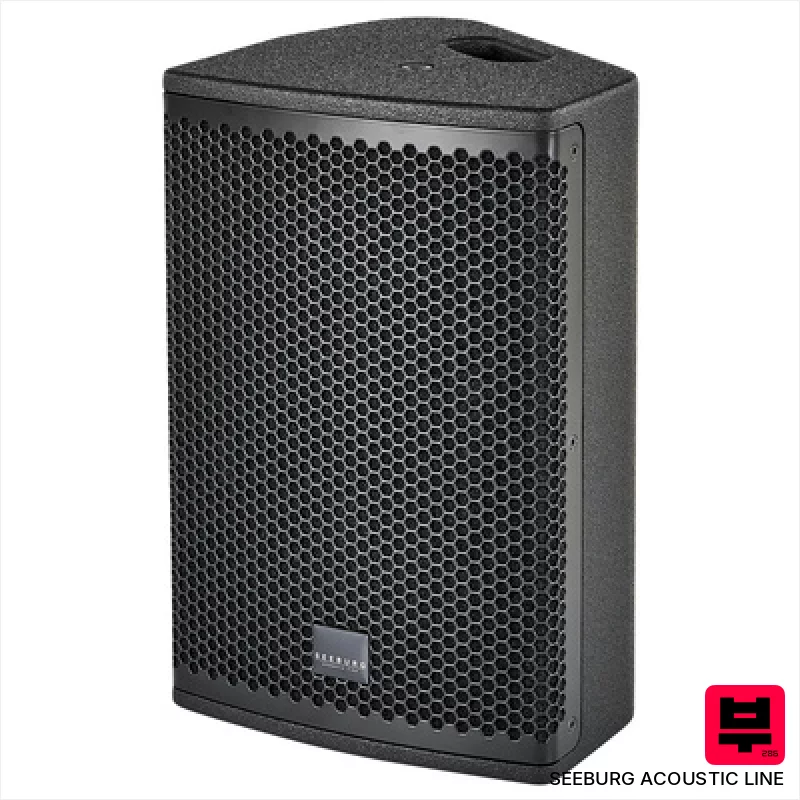
Seeburg Acoustic Line X2 dp
- • Baltic birch construction ensures exceptional durability and resonance.
- • Coaxial design delivers remarkably consistent coverage and imaging.
- • Neodymium drivers offer impressive power and efficiency for their size.
- • Rotatable horn provides flexible vertical coverage for various stage setups.
- • 8kg is relatively heavy for a monitor, limiting portability for solo performers.
- • The polyurea coating, while durable, might feel less premium than a lacquered finish.
- • Limited EQ controls on board require external processing for detailed shaping.

IMG Stageline Flat-M8
- • Compact size belies surprising power output for stage use.
- • Multiplex cabinet feels robust; metal grille offers good protection.
- • Coaxial tweeter provides surprisingly coherent off-axis coverage.
- • 3-way EQ offers basic but useful tonal shaping on stage.
- • Limited headroom at higher SPLs; not ideal for huge venues.
- • Unbalanced RCA inputs restrict professional connection options.
- • Lack of effects processing or pattern switching limits versatility.

DAS Audio EVENT-M210A-230
- • Birch plywood enclosure offers excellent resonance damping and durability.
- • The 60°x20°/30° dispersion is surprisingly well-controlled for a stage monitor.
- • Class-D amplification delivers ample power without excessive heat or weight.
- • EASY-DSP provides convenient, accessible EQ adjustments for quick optimization.
- • The vertical dispersion, while controllable, might be limiting for some applications.
- • At 23.5kg, these are a bit hefty for frequent single-person transport.
- • Limited input options – only two inputs restricts flexibility in complex setups.
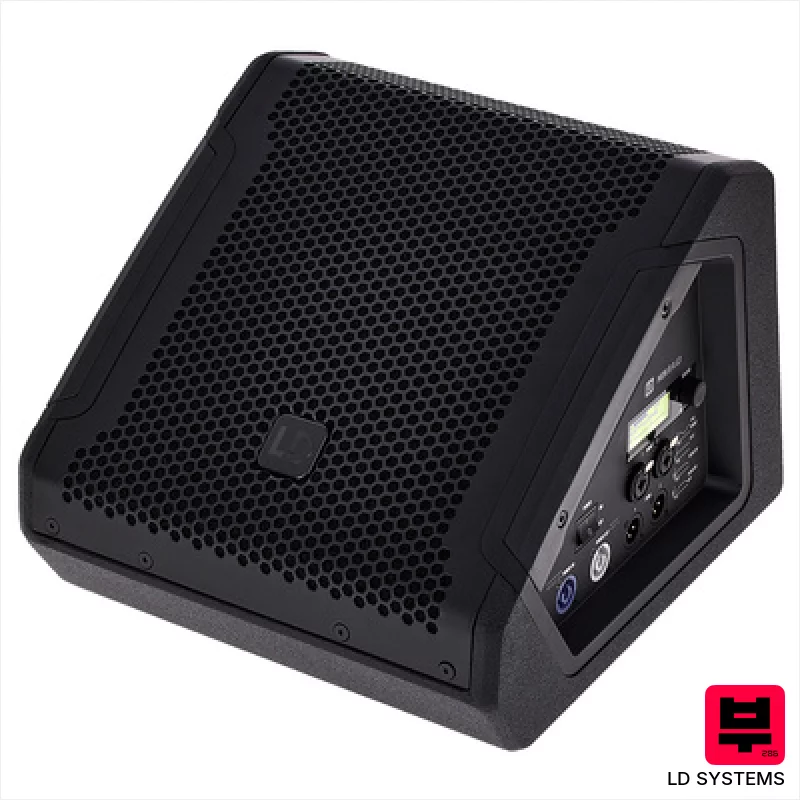
LD Systems MON 8 A G3
- • Birch multiplex housing provides excellent resonance and robust durability for stage use.
- • DynX DSP offers surprisingly clean and flexible EQ adjustments for various vocal/instrumental needs.
- • Coaxial driver design delivers a surprisingly wide and consistent sound dispersion.
- • Ample 300W RMS power handles most small to medium-sized stage monitoring scenarios comfortably.
- • 13.2 kg weight makes it less ideal for frequent transport by a single person.
- • Limited connectivity beyond standard stage monitor I/O – lacks dedicated effects sends.
- • While versatile, the built-in EQ presets might feel restrictive for experienced sound engineers.

RCF NX 915-SMA
- • Robust plywood cabinet provides excellent durability for stage use.
- • The compression driver delivers clear highs without harshness or fatigue.
- • Powerful Class-D amp provides ample headroom for demanding applications.
- • The integrated limiter protects components from overload and distortion.
- • Weight (20kg) makes transport and setup a two-person job.
- • Coverage pattern, while adequate, might be restrictive for very wide stages.
- • Limited EQ controls compared to some competitors; requires external processing for fine-tuning.

LD Systems MON 12 A G3 W
- • Birch multiplex housing delivers excellent resonance and durability.
- • DynX DSP provides remarkable clarity and controlled feedback rejection.
- • Coaxial driver design offers surprisingly wide, consistent coverage.
- • Powerful Class-D amp handles demanding gigs with ease.
- • White finish might not suit all stage aesthetics or preferences.
- • Weight (17.4kg) makes transportation a bit cumbersome for solo performers.
- • Limited EQ flexibility compared to full-featured mixing consoles.
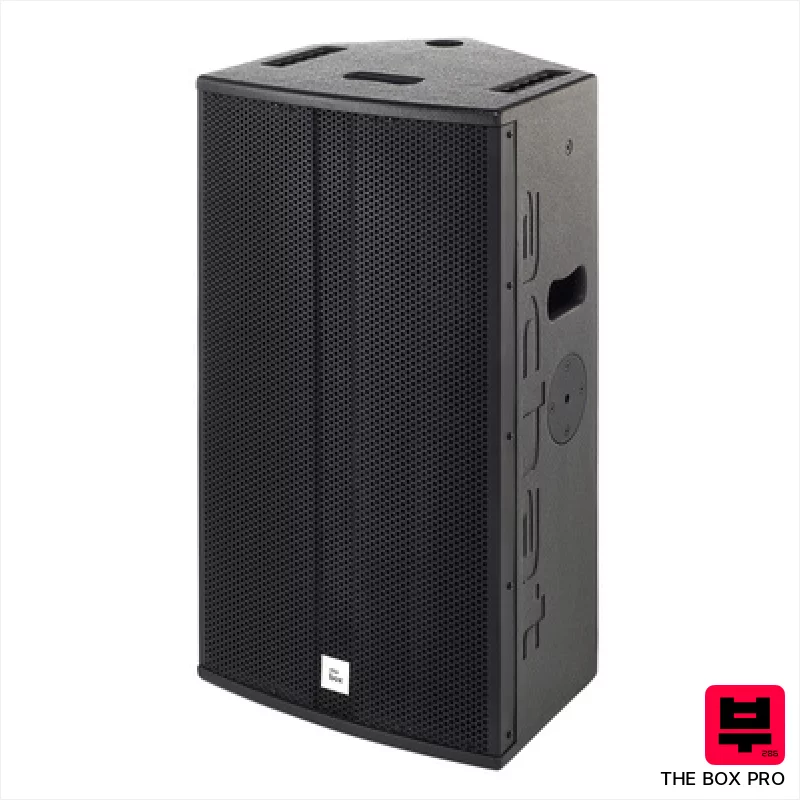
the box pro Achat 115 MA MKII
- • Robust 15’ woofer delivers surprisingly tight, controlled low-end.
- • High-output compression driver offers clear, articulate high frequencies.
- • Integrated presets provide useful tonal shaping for various applications.
- • Aeroquip rail and mounting lugs enhance versatility for stage setups.
- • Weight (38.7 kg) makes transport a two-person job, especially for smaller gigs.
- • EQ is basic; more advanced users might desire more comprehensive control.
- • 60° x 40° coverage may be narrow for wider stages, requiring careful placement.
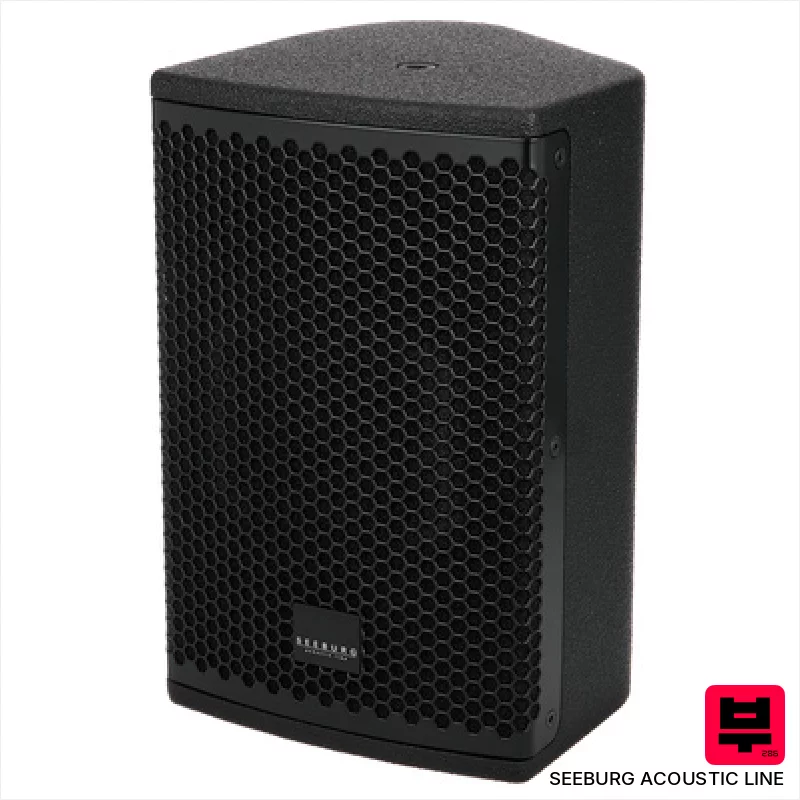
Seeburg Acoustic Line X1 dp
- • Baltic birch construction ensures exceptional durability and resonance.
- • Coaxial design provides remarkably consistent coverage and imaging.
- • Neodymium drivers deliver efficient power and tight, controlled bass response.
- • Rotatable horn offers versatile coverage options for various stage setups.
- • 5.5kg is surprisingly heavy for a speaker of this size; portability limited.
- • Polyurea coating, while durable, might feel slightly less premium than a full wood finish.
- • Lacks internal DSP; reliant on external processing for complex sound shaping.
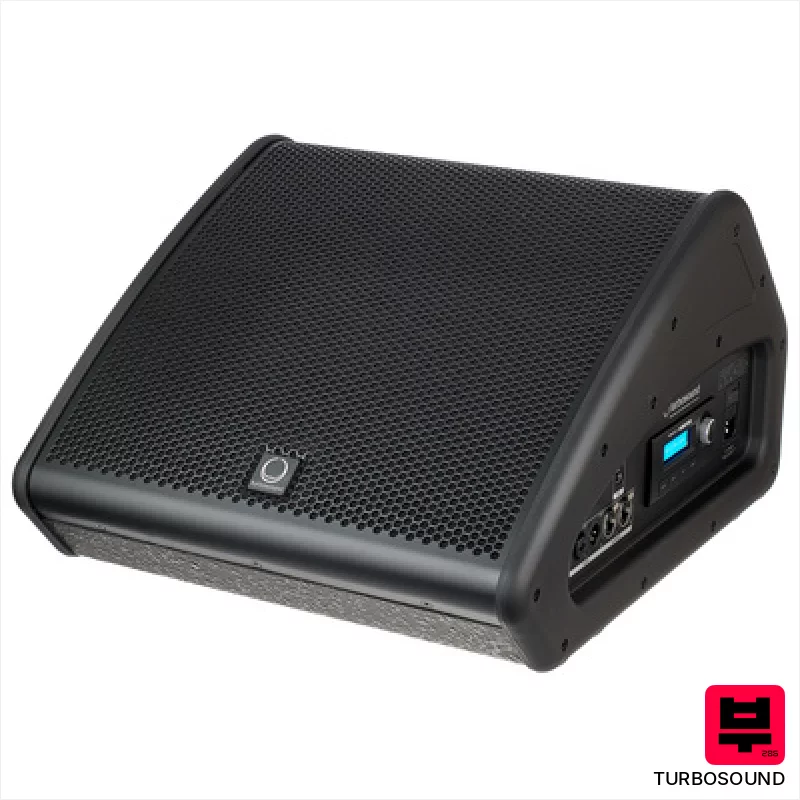
Turbosound TFX122M-AN
- • Titanium dome tweeter delivers crisp, articulate high frequencies.
- • 12 in woofer provides surprisingly deep, controlled low-end response.
- • Robust enclosure construction suggests durability for gigging.
- • Rotatable horn offers flexible stage monitoring coverage.
- • Weight (16.9 kg) makes transport a challenge for solo performers.
- • Combo XLR/1/4in connection limits simultaneous mic/line input options.
- • Limited EQ controls necessitate external processing for complex sound shaping.
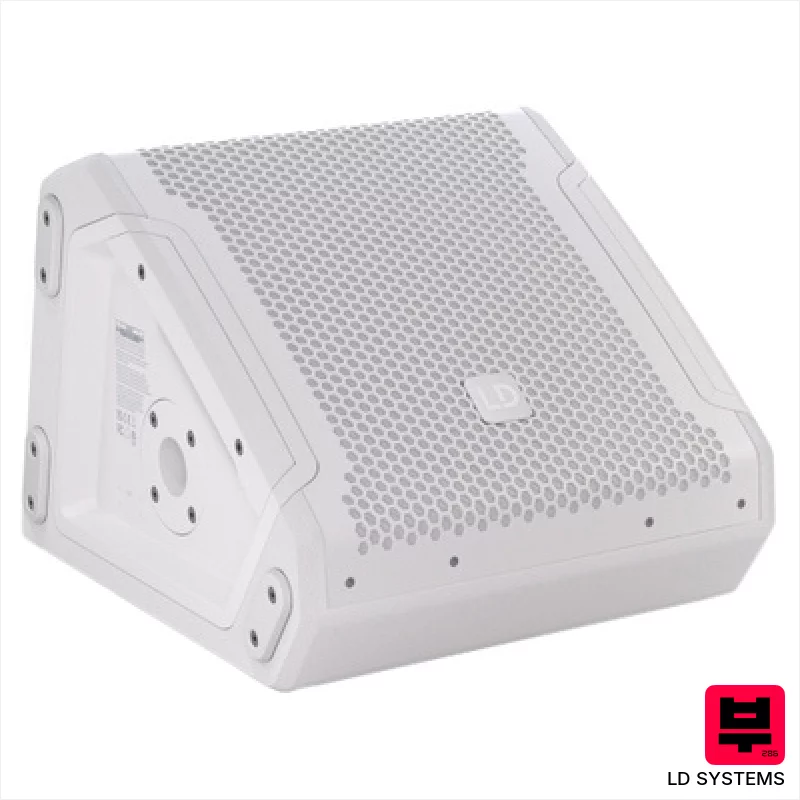
LD Systems MON 8 A G3 W
- • Birch plywood enclosure delivers a surprisingly robust and resonant build.
- • DynX DSP provides genuinely useful presets and a workable notch filter.
- • Coaxial design offers surprisingly consistent coverage and imaging.
- • The Class-D amp delivers ample power without excessive heat or weight.
- • White finish can be impractical for stage use and shows smudges easily.
- • EQ presets are a bit limiting for truly custom sound shaping needs.
- • While portable, the weight makes it less ideal for solo performers or frequent travel.

IMG Stageline Flat-M200
- • Compact design allows for easy transport and setup on smaller stages.
- • Neodymium drivers provide a surprising amount of power for the size.
- • Multiplex wooden enclosure offers reasonable rigidity and dampens unwanted resonance.
- • Versatile input options (XLR/6.3mm) handle mics and line-level signals well.
- • The 4in drivers lack low-end extension; not ideal for bass-heavy music.
- • While lightweight, the plastic corner protectors feel a bit flimsy.
- • The tone controls are basic; more advanced EQ would be beneficial.
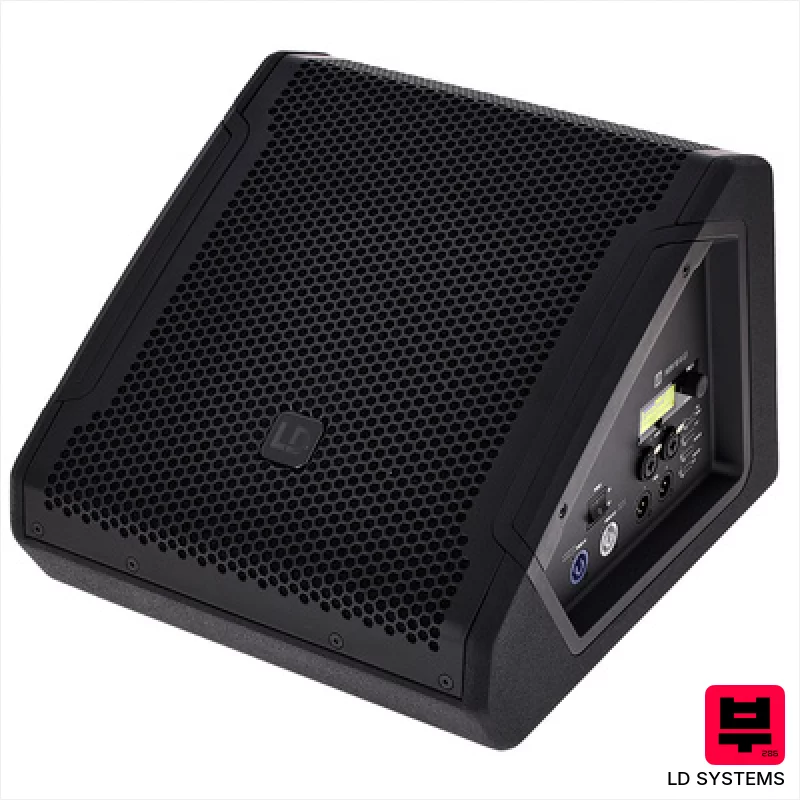
LD Systems MON 10 A G3
- • Birch multiplex housing provides excellent resonance and durability.
- • DynX DSP offers surprisingly effective feedback suppression for its class.
- • Coaxial design delivers consistent coverage and imaging on stage.
- • Integrated EQ and presets simplify sound shaping for various vocal/instrument needs.
- • 10” woofer may lack serious low-end thump for very bass-heavy genres.
- • While versatile, limited XLR outputs restrict complex routing options.
- • Relatively heavy for transport – a challenge for solo performers or frequent travel.
How to Choose the Best Active Stage Monitors
Coverage Pattern
A wide, even coverage pattern is king. You want that sound radiating consistently across the stage, not a hot spot right in front of you. Think about the angles; a 75x45 degree pattern is a solid starting point for most bands.
Low-End Response
Stage monitoring demands a low-end you feel, but it can't be muddy or overwhelming. We're looking for a defined low-end thump that lets you hear the kick drum and bass without clashing with the rest of the band - a real challenge for smaller monitors.
High-Frequency Clarity
Harsh highs are a monitor killer. You want a bright, sparkly clean, not an ice-picky top end that fatigues you after a set. The ability to hear subtle nuances in your playing is paramount; you need to hear every note, not just the loudest ones.
Headroom & Power
Stage monitoring isn't about pristine studio quality; it's about surviving a loud band. Headroom is key - you need those extra decibels to handle unexpected volume spikes without compression and distortion. Don't skimp on wattage; underpowered monitors will just sound stressed and thin.
Portability & Durability
Gigs aren't always glamorous. You're gonna be moving these around, stacking them, and generally subjecting them to abuse. A lightweight design and a robust build are essential for long-term reliability - plastic cabinets can crack, and flimsy handles will break.
Buying Guide
Don't fall for the "more is better" trap. A smaller, well-designed monitor with good coverage will outperform a larger, poorly engineered one. Watch out for monitors that promise a ton of power but lack decent drivers; you'll just get distortion. Spend your money on quality drivers and a well-designed waveguide - that's what really makes a difference on stage. And seriously, consider a wedge; floor monitors are a recipe for back pain.
Our Methodology
We don't just look at specs; we put these monitors through the wringer. That means plugging them into various PA systems, playing them loud with real bands in rehearsal spaces, and A/B-ing them against industry standards. We're listening for how they handle dynamics, how they reproduce low-end thump without getting boomy, and whether they can deliver intelligible vocals and crisp guitar articulation - all crucial for stage monitoring.

