
Best Guitar Effects 2026
So, you're chasing that elusive tone? Effects pedals are the gateway, but wading through the noise can be brutal. It's not just about buying the latest shiny thing; it's about understanding how an effect interacts with your guitar, amp, and playing style. Let's cut through the hype and figure out what you really need to dial in that sound in your head.
Last updated: April 11, 2026
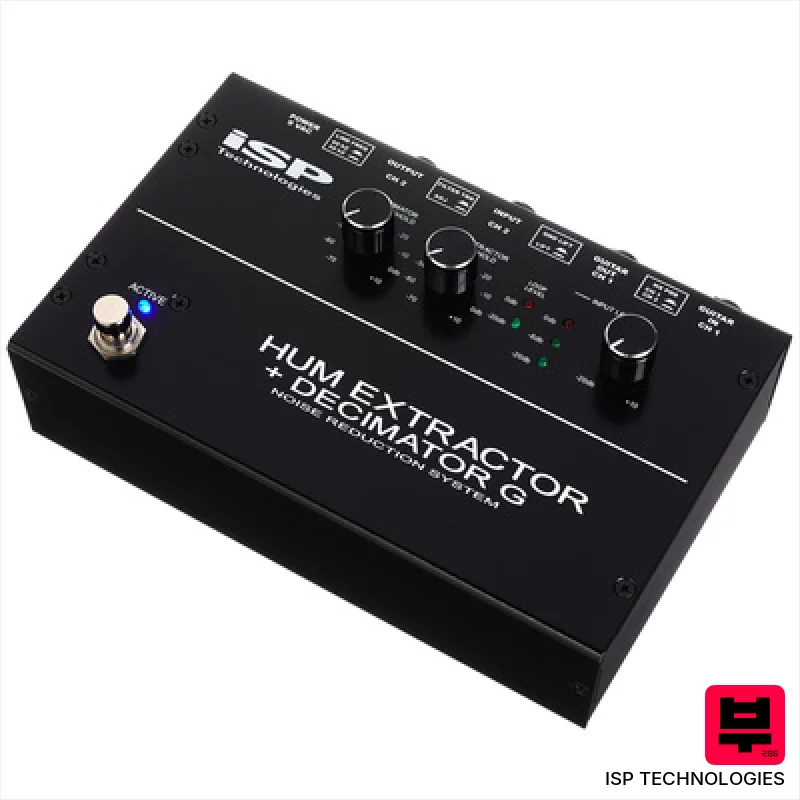
ISP Technologies EXTRACTOR + DECIMATOR G Pedal
- • Exceptional noise reduction, up to 80dB, truly cleans up hum and hiss.
- • Dual-channel design allows for processing two signals simultaneously.
- • Robust, all-metal enclosure feels incredibly solid and durable.
- • Filter Tracker intelligently adapts to varying line frequencies.
- • Price point places it in a premium-priced category for a noise reduction pedal.
- • The interface, while effective, can feel slightly less intuitive than some modern pedals.
- • Form factor is relatively large, taking up significant pedalboard space.
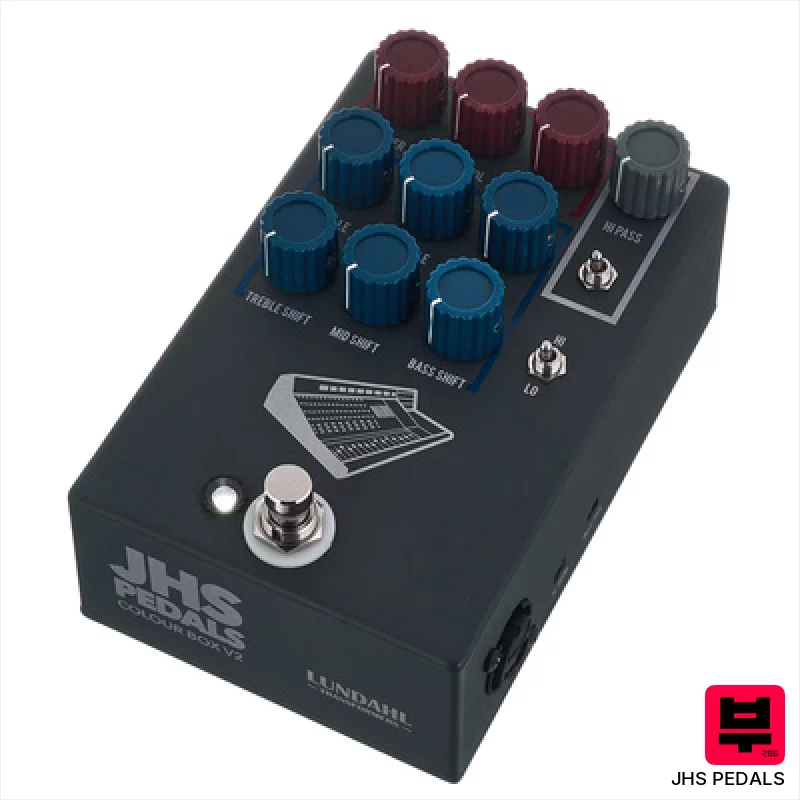
JHS Pedals Colour Box V2 10 Preamp / EQ
- • Neve-inspired preamp delivers a remarkably warm, vintage console tone.
- • Extensive EQ section allows for surgical shaping of frequencies.
- • Versatile input options (XLR/TRS, 48V phantom power) expand instrument use.
- • Robust metal housing and 10-year anniversary edition signifies build quality.
- • High price point places it outside a beginner’s budget.
- • Gain structure can be tricky to dial in without experience.
- • Size and weight make it less ideal for ultra-portable rigs.
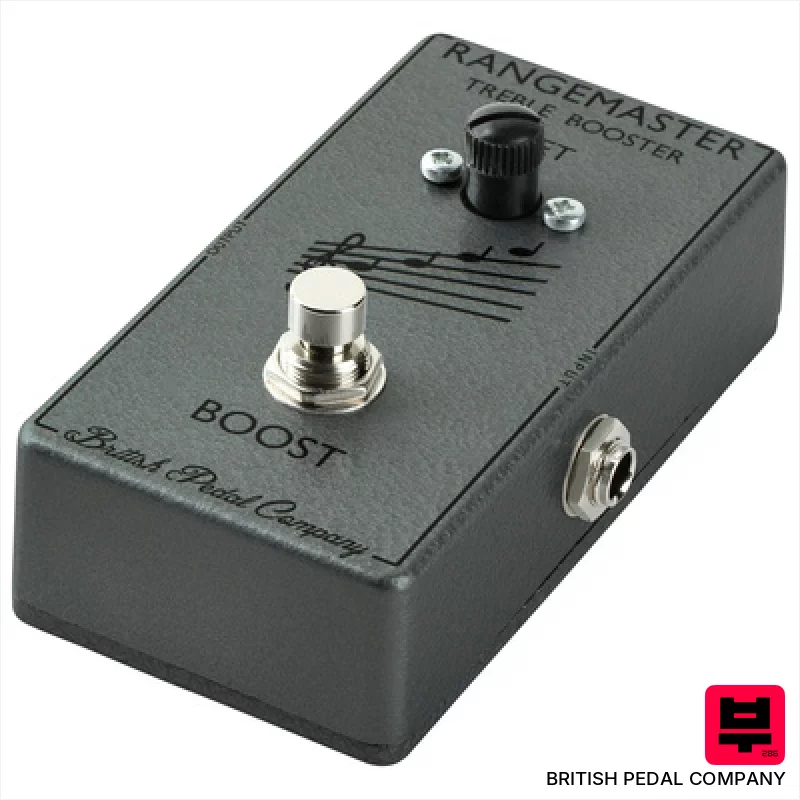
British Pedal Company Compact Series NOS Rangemaster
- • NOS Mullard OC44 delivers authentic, creamy vintage boost.
- • Welwyn pots offer smooth, consistent taper and feel.
- • Silver Hammerite finish provides a robust, vintage aesthetic.
- • True bypass preserves signal integrity when disengaged.
- • Limited control options; it's a treble booster, not a full EQ.
- • The compact size might feel cramped for some players’ pedalboards.
- • The vintage components can be susceptible to temperature changes.
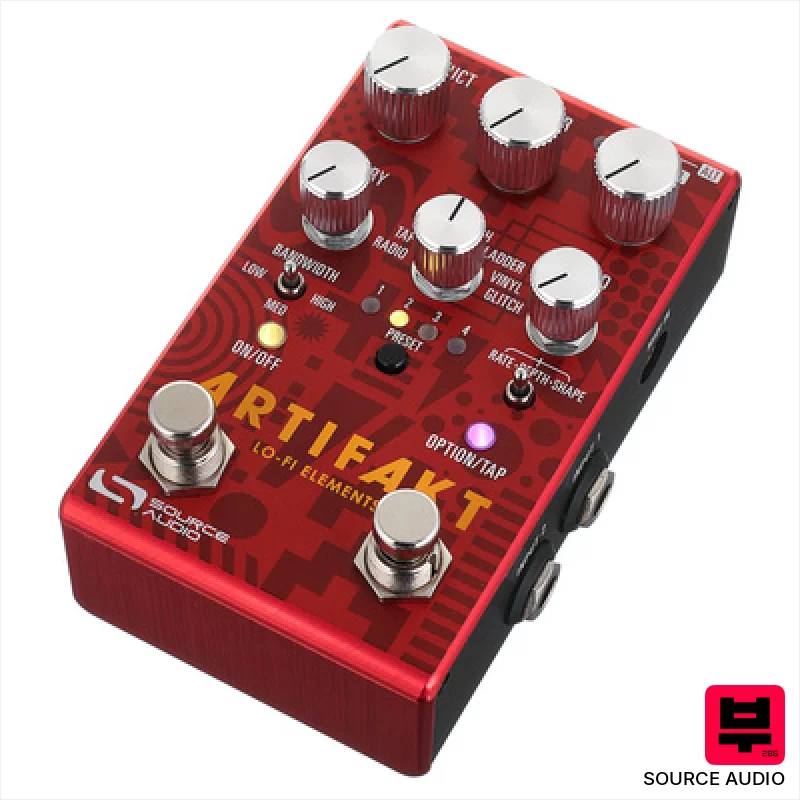
Source Audio SA 280 Artifakt Lo-fi Elements
- • Unique engine variety offers diverse, characterful lo-fi tones.
- • Neuro 3.0 software provides deep editing and preset management.
- • Flexible routing allows creative signal chains and complex textures.
- • Solid build quality with robust footswitches and durable enclosure.
- • Steep learning curve due to the complexity of the multiple engines.
- • Can be overwhelming for players seeking simple, one-knob solutions.
- • Lo-fi aesthetic might not appeal to players wanting pristine, clean sounds.
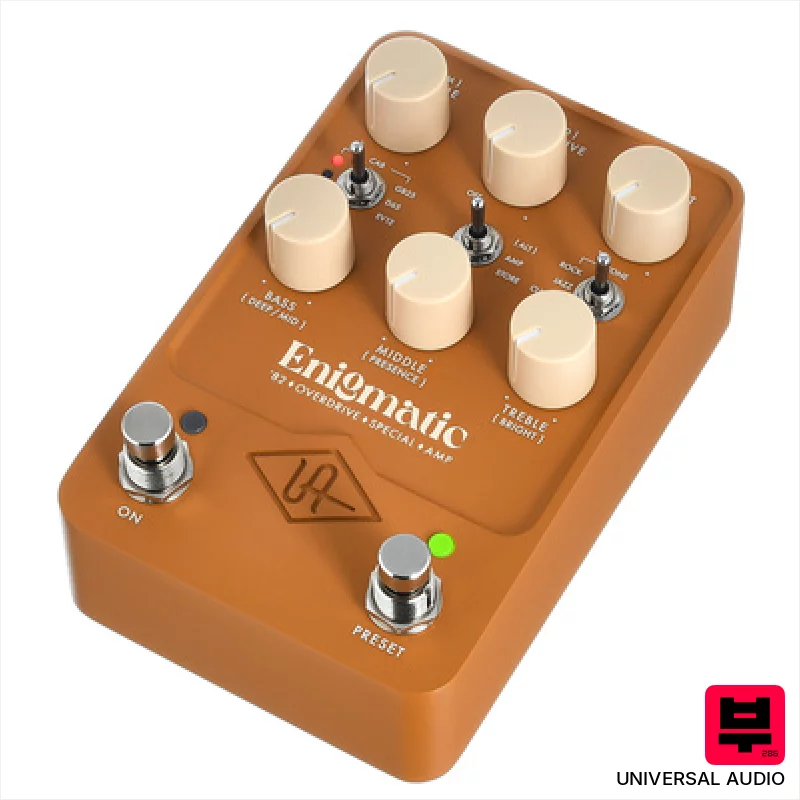
Universal Audio UAFX Enigmatic '82 Overdrive
- • Authentic '82 Marshall overdrive tones, remarkably detailed and nuanced.
- • Excellent stereo speaker and mic emulations create immersive, realistic soundscapes.
- • UAFX app unlocks significant customization for amp voicing and speaker choices.
- • Compact footprint and robust build quality make it gig-ready and portable.
- • Power supply not included, a common but frustrating omission for this price.
- • Limited control over individual mic/speaker parameters beyond preset selections.
- • While versatile, shines brightest emulating classic British amp tones.
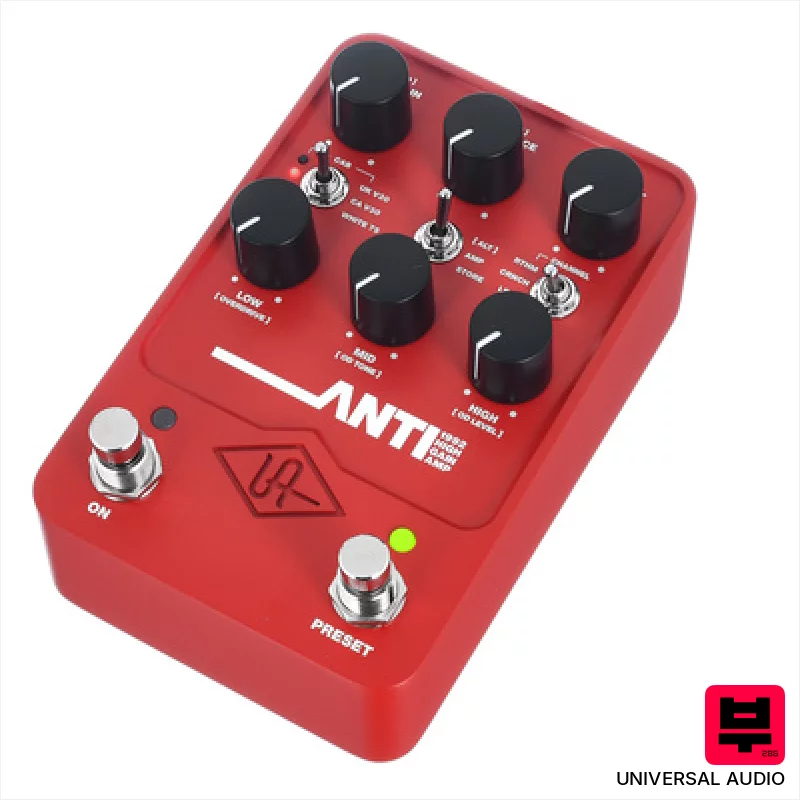
Universal Audio UAFX ANTI 1992 High Gain Amp
- • Excellent mic/speaker emulations capture a surprisingly authentic high-gain tone.
- • Noise gate is genuinely effective, taming aggressive gain stages.
- • Integrated boosts add versatility for lead work and dynamic swells.
- • UAFX app offers deep customization beyond the physical controls.
- • Limited EQ controls necessitate external shaping for tonal refinement.
- • The 'scooped' sound is signature but restricts clean versatility.
- • Relies on external power supply, adding to the overall setup clutter.
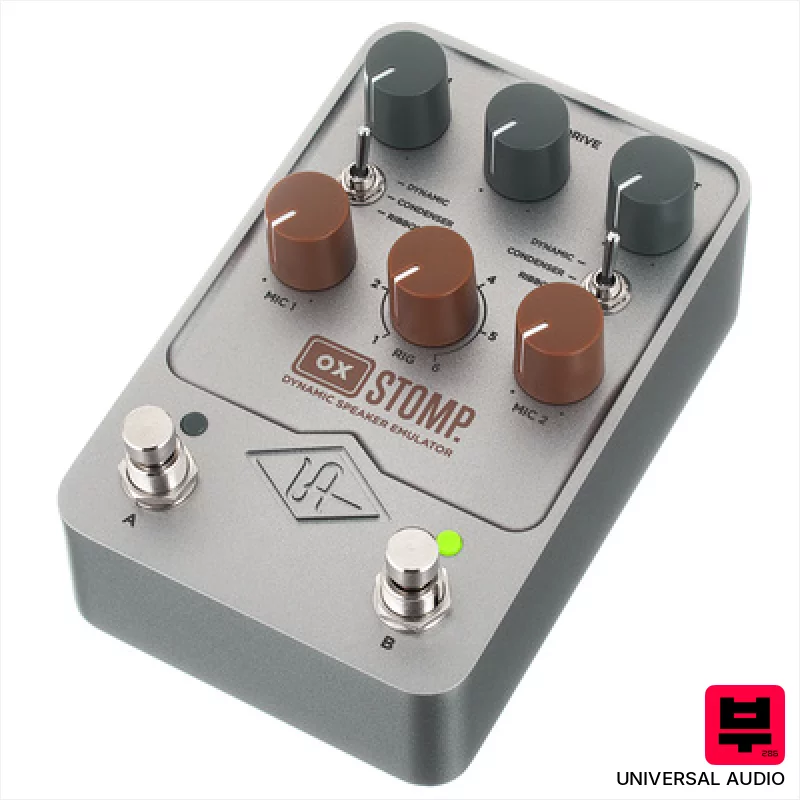
Universal Audio UAFX OX Stomp Dynamic Speaker
- • Exceptional speaker modeling captures nuanced amp/cab interactions.
- • Dynamic response authentically recreates speaker breakup and cone cry.
- • Comprehensive effects suite expands tonal possibilities significantly.
- • UAFX app unlocks deep customization and silent switching.
- • Relatively large footprint limits pedalboard space efficiency.
- • Requires UAFX app for full functionality; can feel restrictive.
- • Lack of MIDI connectivity limits integration with complex setups.

Universal Audio UAFX Lion 68 Super Lead Amp
- • Exceptional Super Lead emulations capture the aggressive, saturated Marshall tone.
- • Dynamic Speaker Modeling convincingly replicates various speaker/cab combinations.
- • Multiple cabinet and microphone options provide impressive tonal flexibility.
- • Live mode responsiveness mimics the feel of a real tube amp under playing conditions.
- • Limited control over individual amp gain stages compared to a physical amp.
- • Stereo operation requires a more complex setup and potentially more gear.
- • While versatile, it's primarily geared towards rock and high-gain styles.
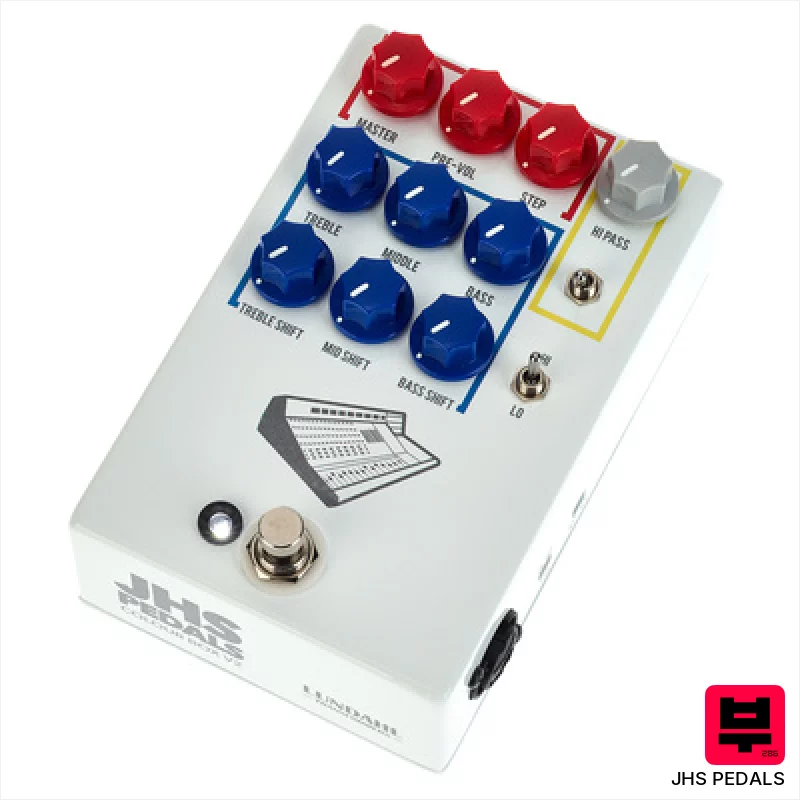
JHS Pedals Colour Box V2 Preamp / EQ
- • Neve-inspired preamp delivers warm, creamy vintage console tone
- • Flexible EQ section offers precise shaping of frequency response
- • Phantom power support expands mic input versatility significantly
- • Buffered bypass maintains signal integrity, avoids tone suck
- • Size is substantial, not ideal for very compact pedalboards
- • High gain mode can be overly aggressive for subtle coloration
- • Price places it at the higher end of preamp/EQ pedal options

Digitech 70th Anniv. Trio+ Band Creator
- • Unique backing track generation adapts to your playing dynamically.
- • Integrated looper offers serious practice and performance flexibility.
- • FX loop allows for external pedal integration, expanding tonal possibilities.
- • Genre variety provides diverse backing tracks, from rock to funk.
- • Relying on foot-switching for style changes can be cumbersome in live settings.
- • Genre-based backing tracks may lack the nuance of truly custom arrangements.
- • Limited control over individual backing track elements – drums, bass, etc.
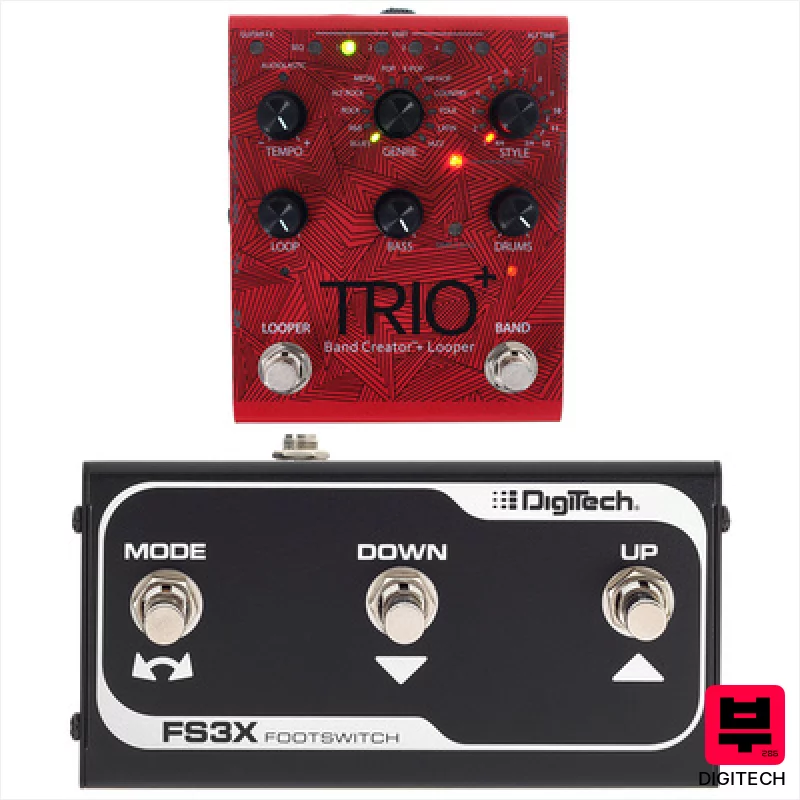
Digitech 70th Anniv. Trio+ Band Bundle
- • Trio+ offers surprisingly realistic backing tracks across 12 genres.
- • Integrated looper is genuinely useful for practice and songwriting.
- • FX loop allows for external pedals, expanding tonal possibilities.
- • Compact footprint makes it ideal for smaller practice spaces or gigging.
- • Genre selection, while broad, can feel somewhat limited for modern styles.
- • Footswitch dependency for section changes feels a bit clunky in performance.
- • The built-in effects are decent, but won’t replace dedicated pedals.

Meris Enzo Multi-Voice Synthesizer
- • Exceptional polyphonic voice architecture delivers rich, evolving synth textures
- • Custom filter offers unique tonal shaping beyond standard synth sounds
- • Flexible MIDI implementation unlocks deep preset editing and automation
- • Buffered bypass preserves signal integrity and avoids tone suck
- • Learning curve is steep; mastering the complex routing takes dedication
- • Limited physical controls necessitate heavy reliance on expression pedals/MIDI
- • Can be resource-intensive, potentially muddying mixes at high gain settings

Boss RC-500 Loop Station Bundle
- • Exceptional 32-bit processing delivers pristine, noise-free loop quality.
- • Flexible XLR input with phantom power expands recording possibilities significantly.
- • Intuitive controls and plentiful memory slots streamline workflow for live use.
- • Versatile rhythm section offers varied grooves for backing tracks and creative layering.
- • Menu diving can be complex for quickly accessing advanced features.
- • Footprint is relatively large, potentially challenging for smaller pedalboards.
- • The built-in drum sounds, while decent, aren't a substitute for a dedicated drum machine.

Fortin Zuul Plus Blackout Noise Gate
- • Excellent noise suppression, transparent operation even with aggressive settings.
- • The 'Key Through' socket is a genuinely useful addition for complex setups.
- • Solid, compact build quality; feels robust for its size and price point.
- • Precise Hold & Release controls allow for incredibly nuanced gating.
- • Lacks a true 'soft' gating mode; can be abrupt with very short release times.
- • Power supply not included; a common frustration with boutique pedals.
- • Relatively small footprint might be a challenge in very cramped pedalboards.
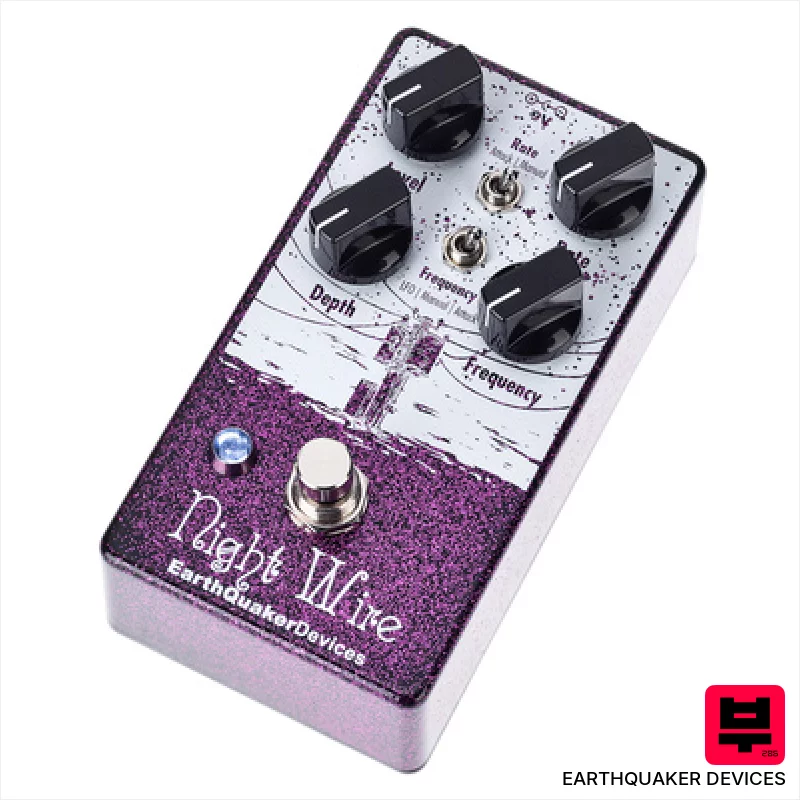
EarthQuaker Devices Night Wire V2 Harmonic Tremolo
- • Unique harmonic filtering creates swirling, hypnotic textures.
- • Improved circuit significantly reduces noise compared to V1.
- • Versatile filter and tremolo modes offer wide sonic palette.
- • Robust metal enclosure feels incredibly solid and durable.
- • Price point places it in the premium-priced effects category.
- • Limited control over LFO waveform shape restricts advanced modulation.
- • Can be overwhelming for beginners due to its complexity.
How to Choose the Best Guitar Effects
Gain Staging
This isn't just about distortion level. It's about how the pedal reacts to your input signal, how it compresses or expands your dynamics, and how it interacts with your amp's preamp. A pedal that clips nicely into a clean amp is different from one meant to be stacked with other distortion. It's about the feel.
Frequency Response
A subtle but crucial detail. Does the pedal muddy the low-end, thin out the mids, or add a pleasing warmth? Some fuzzes, for example, can completely swamp a Fender amp if the frequency balance isn't dialed in right. Listen for that fat midrange honk, or the clarity to cut through a dense mix.
Noise & Signal Integrity
Cheap components can introduce hiss, hum, or a loss of high-end sparkle. A pedal might sound amazing on its own, but become a liability in a band setting if it's noisy. Good headroom is vital, especially with overdrive and distortion - you want to push your amp without the pedal adding its own unwanted character.
Articulation & Dynamics
Does the pedal preserve the nuances of your playing? A good delay lets you hear individual notes clearly, even when slathered in repeats. A responsive wah pedal tracks your hand movements precisely. A flanger that's too aggressive can smear everything into a blurry mess.
Build Quality & Reliability
Gigging isn't kind to gear. A flimsy enclosure or cheap footswitch is a recipe for disaster. While boutique pedals can be beautiful, consider the practicalities of a pedal that's going to withstand years of travel and abuse.
Buying Guide
Don't chase trends - chase tones. Budget pedals often cut corners on components, leading to increased noise and a compressed dynamic range. Spending a little more usually gets you better signal integrity and more nuanced response, but even expensive pedals can be disappointing if they don't suit your gear. Demo before you buy if possible, and don't be afraid to experiment - the 'best' pedal is the one that helps you achieve your sound.
How This List Is Built
We don't play these instruments — we're a catalog, not a review desk, and we'd rather say so than pretend otherwise. This page ranks 15 guitar effects from the Thomann catalogue, which is the largest single source of specification data in this category.
Position is computed, not curated. Four signals, in order of weight: how completely the manufacturer documents the instrument (number of published specifications), where it sits in the price range, how specific the model designation is — which filters out generic accessories — and whether a product image exists. The same inputs always produce the same order, so nothing here is shuffled to look fresh.
What this list is good for: narrowing a category down to a shortlist by spec and budget. What it isn't: a substitute for hearing an instrument. Before you buy, read hands-on reviews and, where you can, play it. Full methodology.

