
Best Guitar Effects Under $300 2026
Alright, let's talk about getting killer guitar tones without draining your bank account. $300 isn't chump change, but it's a surprisingly sweet spot for effects - you can actually get some seriously usable stuff. Forget those dime-a-dozen impulse buys; we're focusing on pedals that'll actually inspire you to play and hold up to the rigors of a gig. This is about bang-for-your-buck, plain and simple.
Last updated: April 11, 2026

Digitech 70th Anniv. Trio+ Band Creator
- • Unique backing track generation adapts to your playing dynamically.
- • Integrated looper offers serious practice and performance flexibility.
- • FX loop allows for external pedal integration, expanding tonal possibilities.
- • Genre variety provides diverse backing tracks, from rock to funk.
- • Relying on foot-switching for style changes can be cumbersome in live settings.
- • Genre-based backing tracks may lack the nuance of truly custom arrangements.
- • Limited control over individual backing track elements – drums, bass, etc.
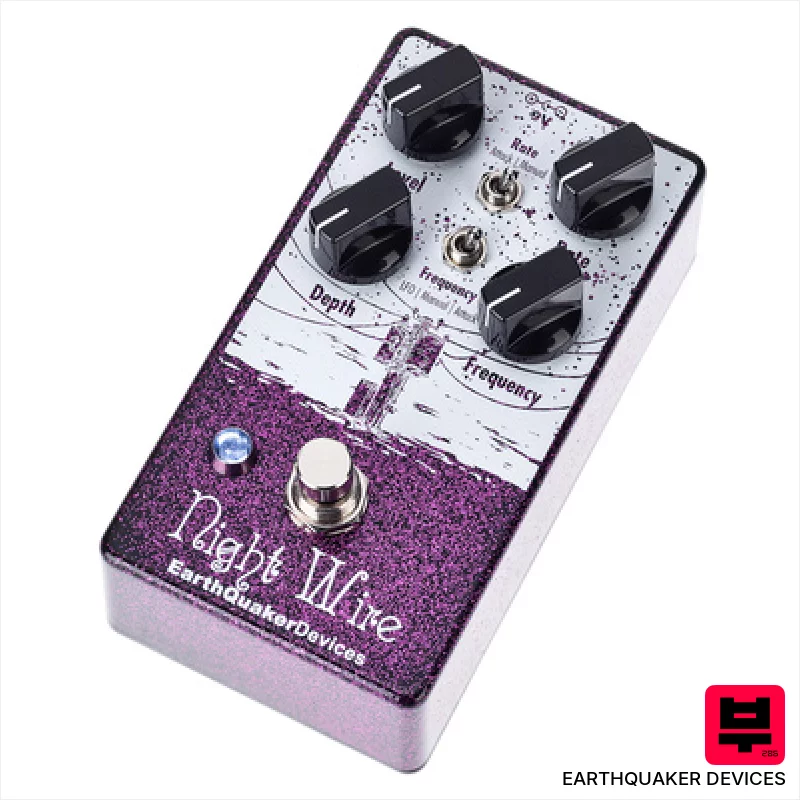
EarthQuaker Devices Night Wire V2 Harmonic Tremolo
- • Unique harmonic filtering creates swirling, hypnotic textures.
- • Improved circuit significantly reduces noise compared to V1.
- • Versatile filter and tremolo modes offer wide sonic palette.
- • Robust metal enclosure feels incredibly solid and durable.
- • Price point places it in the premium-priced effects category.
- • Limited control over LFO waveform shape restricts advanced modulation.
- • Can be overwhelming for beginners due to its complexity.

British Pedal Company Vintage Series Treble Booster
- • OC75 transistor delivers a genuinely warm, vintage mid-boost characteristic.
- • 11-step frequency selector offers surprisingly nuanced tonal shaping options.
- • Folded metal housing provides exceptional durability and a classic aesthetic.
- • True bypass ensures signal integrity when the effect is disengaged.
- • Limited versatility; shines primarily with already-driven amplifiers.
- • Relatively heavy for a compact pedal due to the metal enclosure.
- • Battery power can be inconvenient for stage use; power adapter is recommended.
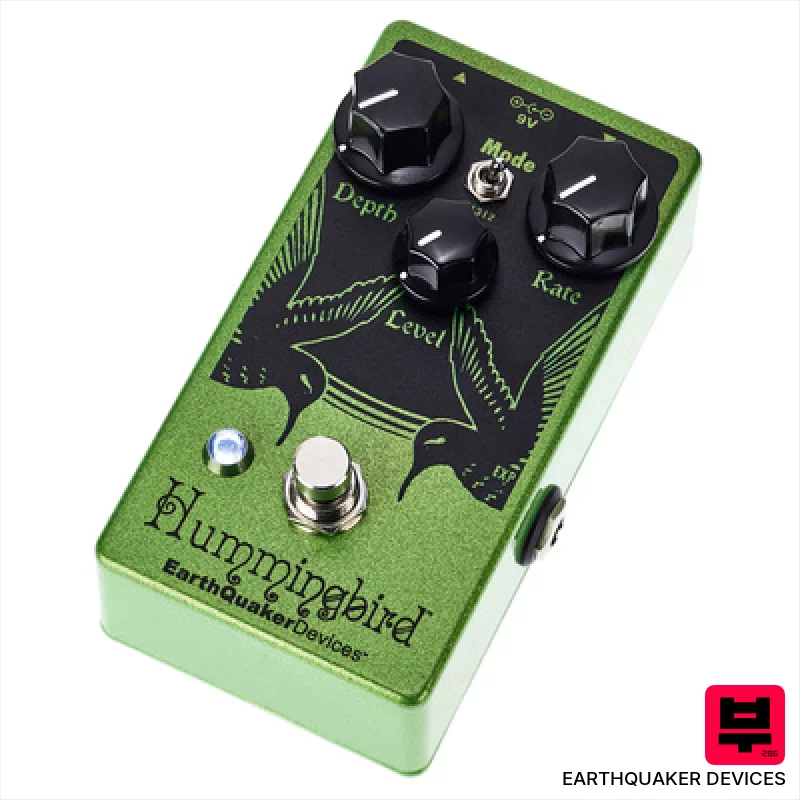
EarthQuaker Devices Hummingbird V4 Rep Percussions
- • Sawtooth waveform delivers uniquely choppy, percussive tremolo textures.
- • Relay-based bypass ensures silent switching, critical for live performance.
- • JFET clean boost adds subtle volume and warmth when tremolo is off.
- • Robust metal housing feels solid and durable, built to withstand gigging.
- • No battery operation limits portability and convenience.
- • Limited to three modes may not satisfy players needing extreme versatility.
- • The 'Slow' mode can feel a bit sluggish for some applications.

Catalinbread Naga Viper Treble Booster MKII
- • Improved transistor delivers a hotter, more aggressive upper-midrange bite.
- • Damping control allows for nuanced treble shaping and smoother response.
- • True bypass preserves your signal integrity when the effect is disengaged.
- • Robust enclosure and quality components suggest a pedal built to withstand gigging.
- • Limited versatility; excels at treble boosts, less suited for broader tonal shaping.
- • 9-18V power requirement can be a limiting factor for some users.
- • Can be overly aggressive for guitars with already bright pickups.
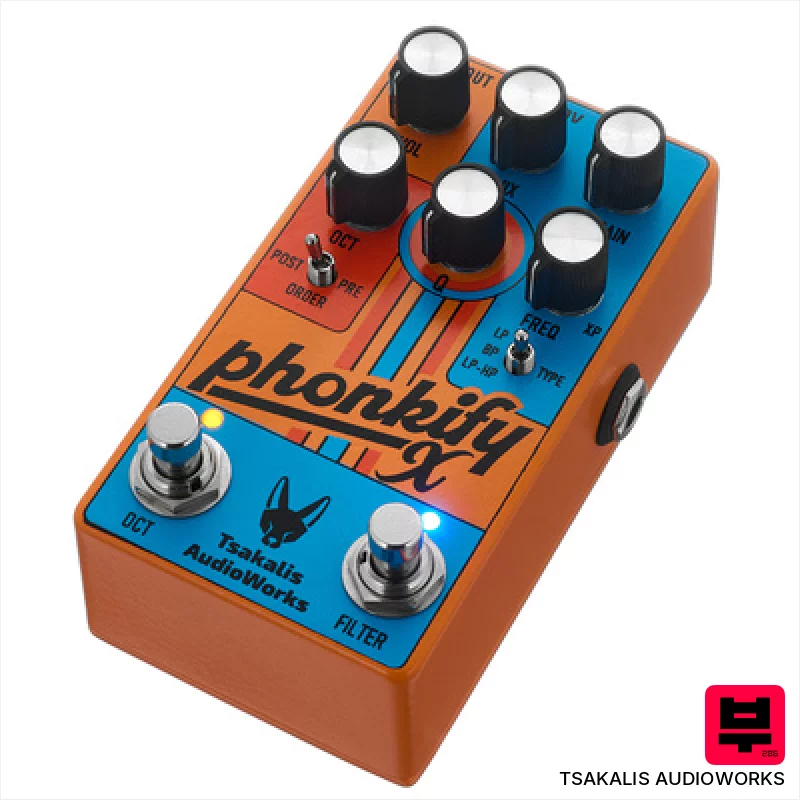
Tsakalis AudioWorks Phonkify X Env. Filt & Octaver
- • Unique filter blend offers unexpected, textural soundscapes.
- • Internal voltage doubling delivers surprisingly clean octave tones.
- • Handmade Greek construction suggests meticulous attention to detail.
- • Compact size makes it pedalboard-friendly despite feature set.
- • Lacks battery operation, necessitating a power supply.
- • Limited filter modes might restrict versatility for some users.
- • Build quality, while good, may not match premium, all-metal enclosures.
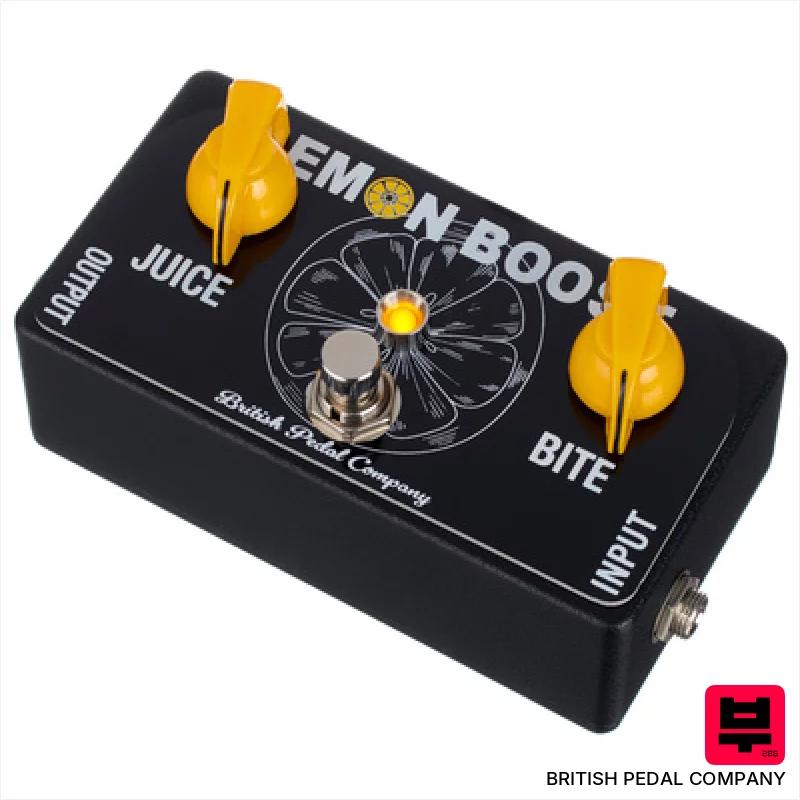
British Pedal Company Special Edition Lemon Boost
- • JFET replication captures AC30's famed 'brilliant' input drive.
- • 6-position 'Bite' switch offers surprisingly nuanced tonal shaping.
- • Metal enclosure feels robust and well-built for pedalboard use.
- • True bypass preserves signal integrity when the effect is disengaged.
- • Limited versatility; primarily designed for a specific AC30-inspired tone.
- • Power supply options are basic; no option for external voltage control.
- • Relatively compact size might be challenging for some pedalboard layouts.

EarthQuaker Devices Organizer V2 Organ Emulator
- • Full polyphony delivers authentic organ textures, not just cheesy simulations
- • Analog dry signal path preserves your guitar's natural character
- • Solid metal enclosure feels robust and inspires confidence onstage
- • Noiseless relay bypass ensures silent switching, a pro touch
- • 65mA power draw is relatively high; consider a quality power supply
- • Limited tonal sculpting beyond the core organ parameters
- • Size (117 x 64 x 57 mm) can be a factor on smaller pedalboards
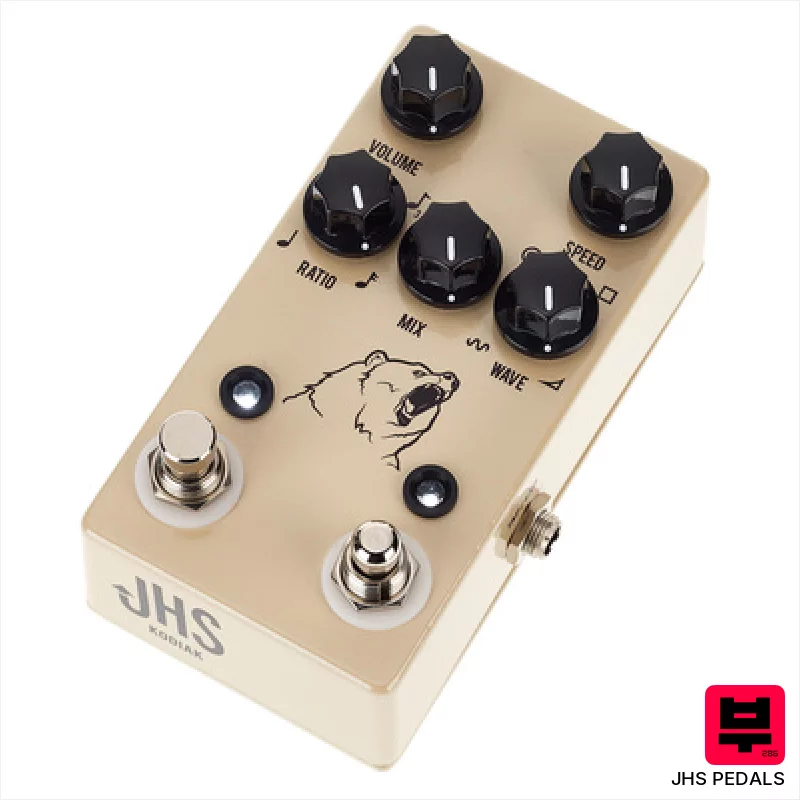
JHS Pedals Kodiak - Tremolo w/ Tap Temp
- • Excellent recreation of vintage Vox and Fender blackface tremolo sounds
- • Tap tempo functionality is precise and genuinely usable live
- • Metal enclosure feels robust and will withstand gigging abuse
- • Mix control allows for subtle shimmer or intense chopped textures
- • Limited waveform options compared to some higher-end tremolos
- • The metal enclosure adds noticeable weight, not ideal for pedalboards
- • Power supply not included, a common but still frustrating omission

Darkglass Element Cabsim/Headph. Amp
- • Excellent Darkglass amp modeling, surprisingly authentic speaker simulations
- • Bluetooth connectivity adds serious convenience for practice
- • Dual headphone outputs facilitate easy player interaction
- • Compact size and robust build for reliable gigging and home use
- • Limited EQ control compared to full Darkglass amp offerings
- • Aux input is 3.5mm, which feels a bit dated for a modern pedal
- • Impulse response loading can be a bit cumbersome for beginners
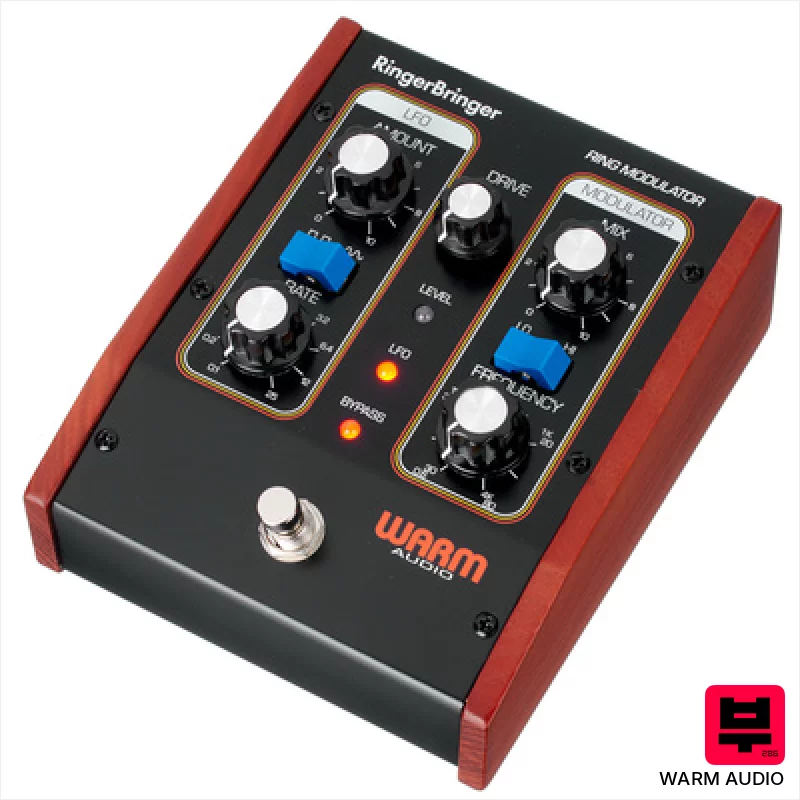
Warm Audio RingerBringer Ring Modulator
- • Excellent recreation of the classic EMS Vocoder/Ring Modulator sound.
- • CV inputs offer deep modulation possibilities for experimental sound design.
- • Robust metal enclosure and solid footswitch inspire confidence in build quality.
- • Multiple waveforms and frequency ranges provide surprising sonic versatility.
- • The sheer number of controls can be overwhelming for beginners.
- • The hefty weight makes it less ideal for pedalboard travel.
- • Ring modulation inherently produces harsh tones; not universally appealing.
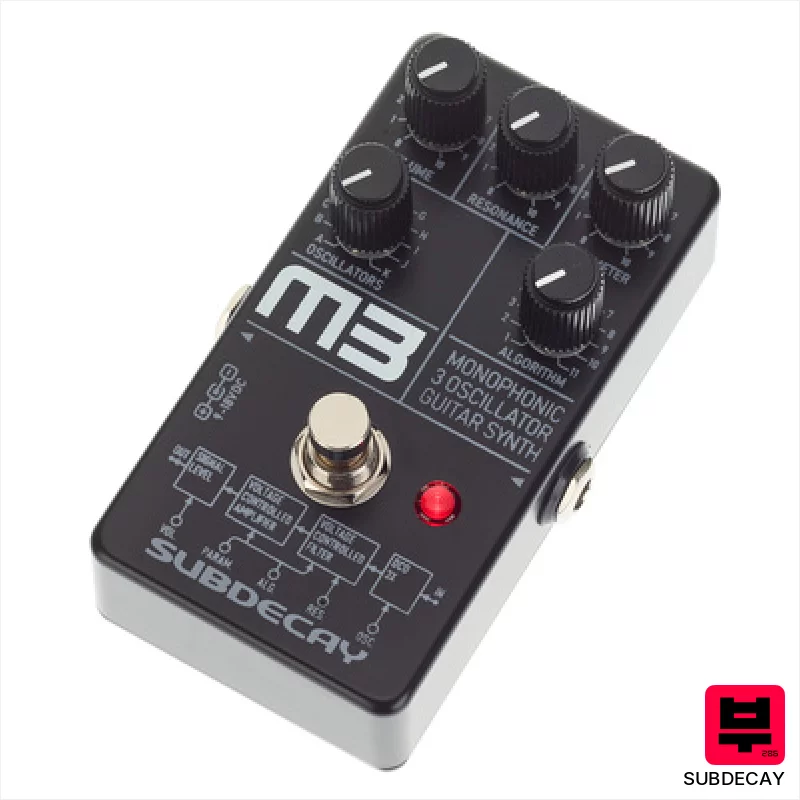
Subdecay M3 Mono Guitar Synthesizer
- • Analog filter delivers a warm, characterful, and responsive synth tone.
- • Three oscillators provide considerable sonic flexibility for evolving sounds.
- • Compact size makes it pedalboard-friendly, despite the feature set.
- • Made in USA, suggesting quality components and robust construction.
- • Mono operation limits its appeal for players needing polyphonic textures.
- • Requires a separate power supply, adding to the overall cost and setup.
- • Limited preset recall hinders quick switching between complex patches.
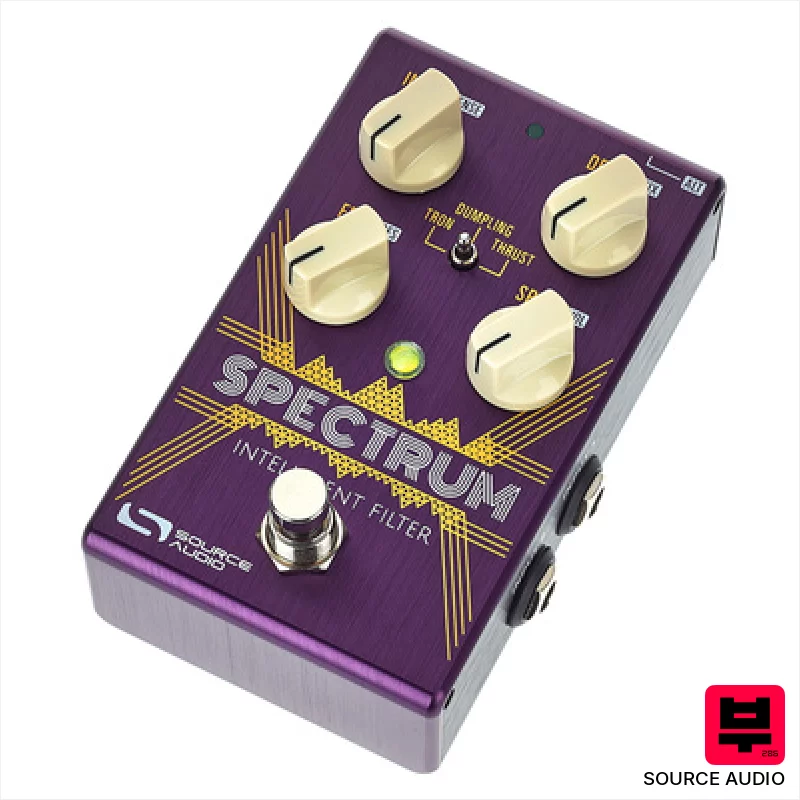
Source Audio Spectrum Intelligent Filter
- • Brushed aluminum housing feels incredibly robust and professional.
- • Neuro Editor software unlocks truly limitless sound design potential.
- • Dual filter architecture creates complex, evolving textures.
- • Extensive modulation options – LFOs and envelope followers – are remarkably flexible.
- • The sheer number of options can be overwhelming for beginners.
- • Requires Source Audio Neuro Hub for full MIDI functionality, adding to the cost.
- • Stereo operation is a must to truly appreciate the filter’s capabilities.

British Pedal Company Vintage Series Rangemaster
- • Authentic OC44 germanium transistor delivers classic, warm boost.
- • Hammerite finish provides a genuinely vintage aesthetic and robust protection.
- • True bypass preserves signal integrity when the effect is disengaged.
- • Compact size and lightweight design make it pedalboard-friendly.
- • Limited tonal versatility; excels as a treble booster, less so as a general-purpose overdrive.
- • Germanium transistors can be prone to microphonics at higher boost settings.
- • Silver Hammerite finish can be a fingerprint magnet and show wear.

Rodenberg SL-OD Deluxe OD/Dist/Boost
- • Steve Lukather's signature sound captured authentically across three distinct modes.
- • The 'Fat' switch adds significant low-end warmth to both overdrive and boost.
- • True bypass ensures signal integrity when the pedal isn't engaged.
- • Solid metal enclosure suggests robust build quality capable of gigging.
- • The single footswitch can feel limiting for complex stacking or program changes.
- • Power supply not included; requires a specific barrel connector, adding to the cost.
- • The layout, while functional, might feel a little cramped for players with larger hands.
How to Choose the Best Guitar Effects
Tone Quality
This isn't about subjective 'goodness.' We're looking for character, responsiveness to your playing dynamics, and how well it sits in a mix. Does that fuzz have a usable breakup, or is it just a muddy mess? Does that reverb add space without washing everything out?
Build Quality
Gigging isn't kind to pedals. We're assessing enclosure durability, footswitch reliability, and the overall impression of longevity. A flaky footswitch during a crucial solo is a major buzzkill.
Versatility
Can this pedal cover a range of tones, or is it hyper-specific? A versatile delay can do double duty for subtle ambience and psychedelic textures, saving you space and money.
Noise Performance
Cheap components often lead to unwanted hiss and hum. We're evaluating the signal-to-noise ratio - how much clean signal you're getting versus unwanted noise, especially when stacking multiple pedals.
Ease of Use
Intuitively laid-out controls are a huge plus. You don't want to be fumbling with tiny knobs in a dimly lit club trying to dial in that killer overdrive tone.
Buying Guide
At this price point, you're making trade-offs. Expect some compromises - maybe slightly cheaper potentiometers, a less robust enclosure, or a smaller sweet spot with certain effects. Don't chase 'clone' pedals; they often cut serious corners on components. Prioritize pedals with a clear, well-defined purpose - a killer distortion is more valuable than a mediocre multi-effect unit. And seriously, power supplies matter; a noisy power supply will ruin even the best pedal.
How This List Is Built
We don't play these instruments — we're a catalog, not a review desk, and we'd rather say so than pretend otherwise. This page ranks 15 guitar effects from the Thomann catalogue, which is the largest single source of specification data in this category.
Position is computed, not curated. Four signals, in order of weight: how completely the manufacturer documents the instrument (number of published specifications), where it sits in the price range, how specific the model designation is — which filters out generic accessories — and whether a product image exists. The same inputs always produce the same order, so nothing here is shuffled to look fresh.
What this list is good for: narrowing a category down to a shortlist by spec and budget. What it isn't: a substitute for hearing an instrument. Before you buy, read hands-on reviews and, where you can, play it. Full methodology.

