
Best Guitar Effects Under $50 2026
Look, we've all been there - you're itching to add some flavor to your tone, but your budget's tighter than a Les Paul's neck pocket. Spending hundreds on a boutique fuzz isn't gonna happen this week. This list isn't about miracles; it's about finding genuinely usable, gig-worthy effects pedals that won't break the bank - we're talking under $50, folks. Let's get you some dirt, delay, and modulation without emptying your wallet.
Last updated: April 11, 2026

Joyo JF-323 Wooden Sound Ac. Sim
- • Wooden enclosure subtly warms the tone, adding character.
- • Compact size makes it incredibly pedalboard-friendly.
- • Simple controls allow for quick, intuitive adjustments.
- • Affordable price point opens acoustic simulation to more players.
- • True bypass is standard, but the footswitch feels a bit plasticky.
- • Lacks battery operation, requiring a power adapter.
- • Limited tonal shaping compared to higher-end acoustic sims.
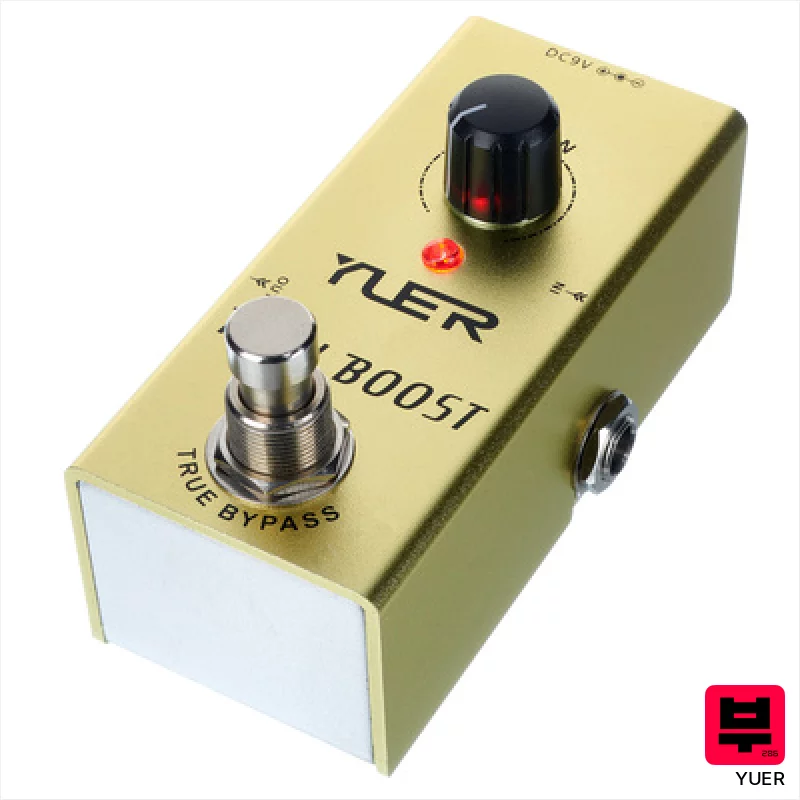
Yuer RF-10 Series Roll Boost
- • Compact aluminum housing feels surprisingly robust for the price.
- • Class-A circuit delivers a warm, responsive boost characteristic.
- • 35dB of gain offers a significant push without excessive fuzz.
- • True bypass preserves your signal when the effect is disengaged.
- • Lack of battery operation limits portability and convenience.
- • Hollow DC jack feels a little flimsy and could be prone to wear.
- • Limited controls restrict versatility – just a single gain knob.
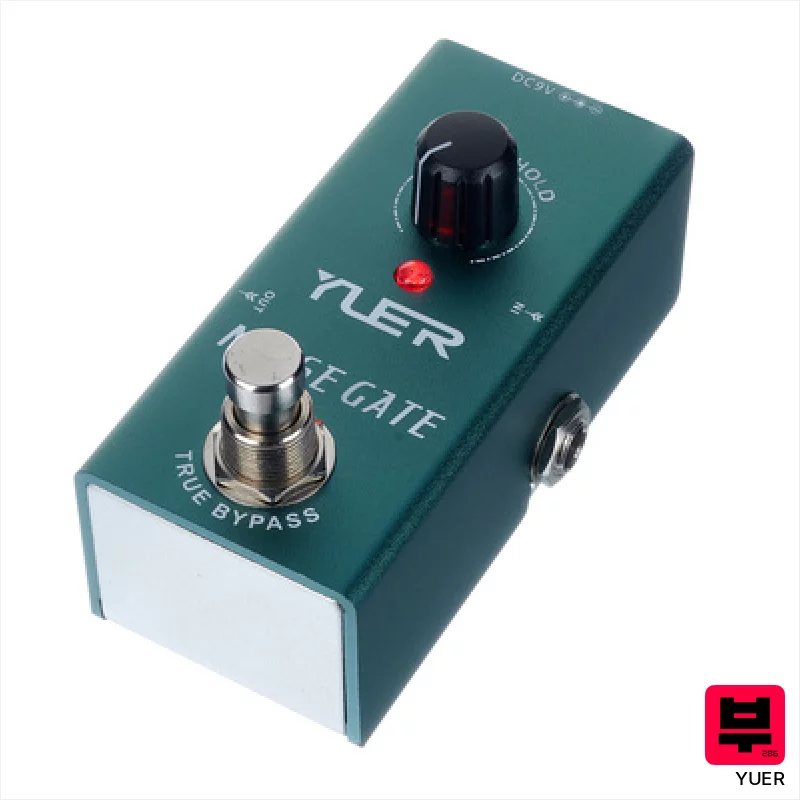
Yuer RF-10 Series Noise Gate
- • Compact aluminum housing feels surprisingly robust for the price point.
- • True bypass ensures your signal remains clean when the gate is disengaged.
- • Simple threshold control offers straightforward noise reduction without complexity.
- • Small footprint makes it ideal for pedalboards with limited space.
- • Lacks advanced features like attack/release time adjustment, limiting versatility.
- • Requires a separate 9V power supply, adding to the overall cost of operation.
- • The aluminum housing, while sturdy, can feel a little thin in certain areas.
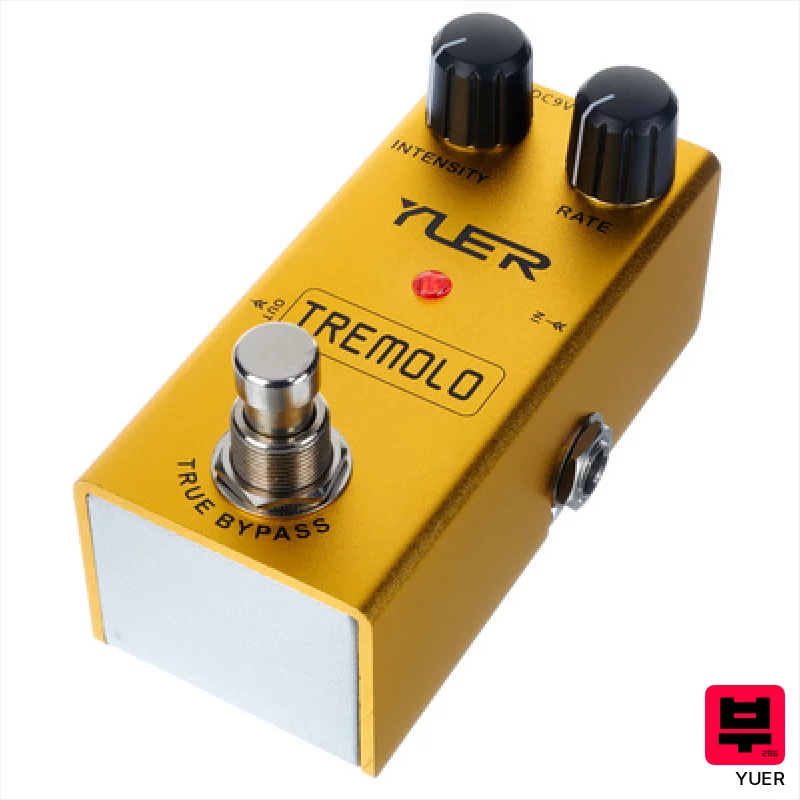
Yuer RF-10 Series Tremolo
- • Compact aluminum housing feels surprisingly robust for the price point.
- • Simple controls allow for quick dialing-in of classic tremolo sounds.
- • True bypass preserves your signal integrity when the effect is off.
- • The 9-18V DC power input allows for a wider range of power supply options.
- • Lack of battery operation limits portability and convenience.
- • The hollow DC plug feels a bit cheap and prone to loosening.
- • Limited control range may not satisfy players seeking extreme tremolo textures.
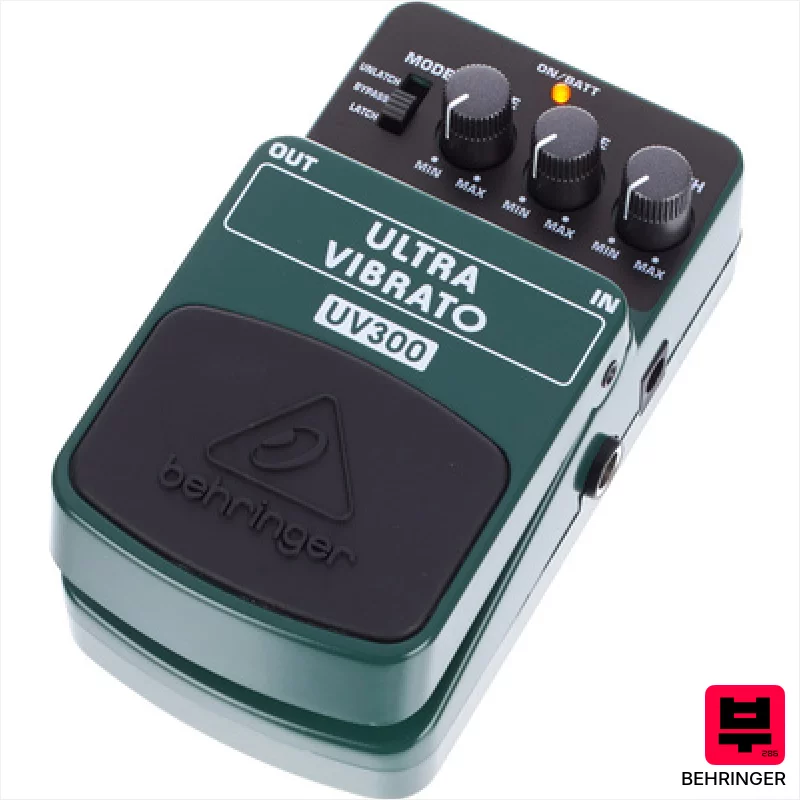
Behringer UV300 Ultra Vibrato
- • Authentic 60s/70s vibrato tones at an unbelievable price.
- • Rise control adds a unique, swelling character to the effect.
- • True bypass preserves signal integrity when the effect is off.
- • Compact size makes it pedalboard-friendly for most setups.
- • Plastic enclosure feels less robust than higher-end stompboxes.
- • Limited control range might frustrate players seeking extreme settings.
- • Power adapter not included, adding to the overall cost.
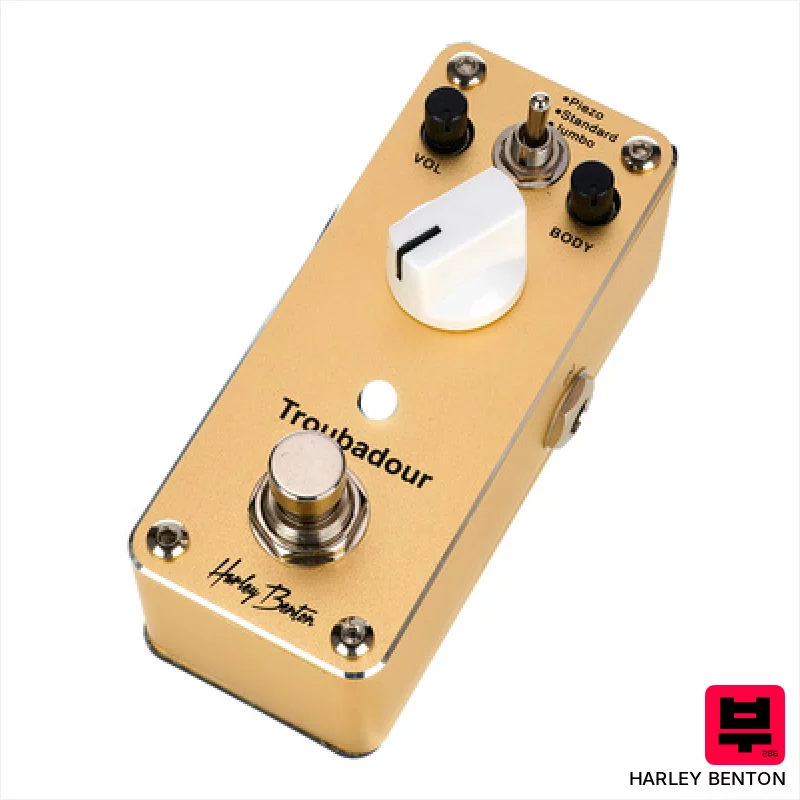
Harley Benton MiniStomp Troubadour
- • Solid metal housing provides surprising durability for the price.
- • Three acoustic guitar simulations offer decent tonal variety.
- • True bypass minimizes unwanted noise and signal degradation.
- • Compact size makes it incredibly pedalboard-friendly.
- • Simulations lack the nuance of a real acoustic guitar's complexity.
- • Limited control set restricts detailed tonal shaping possibilities.
- • Requires a separate 9V power supply, adding to overall cost.
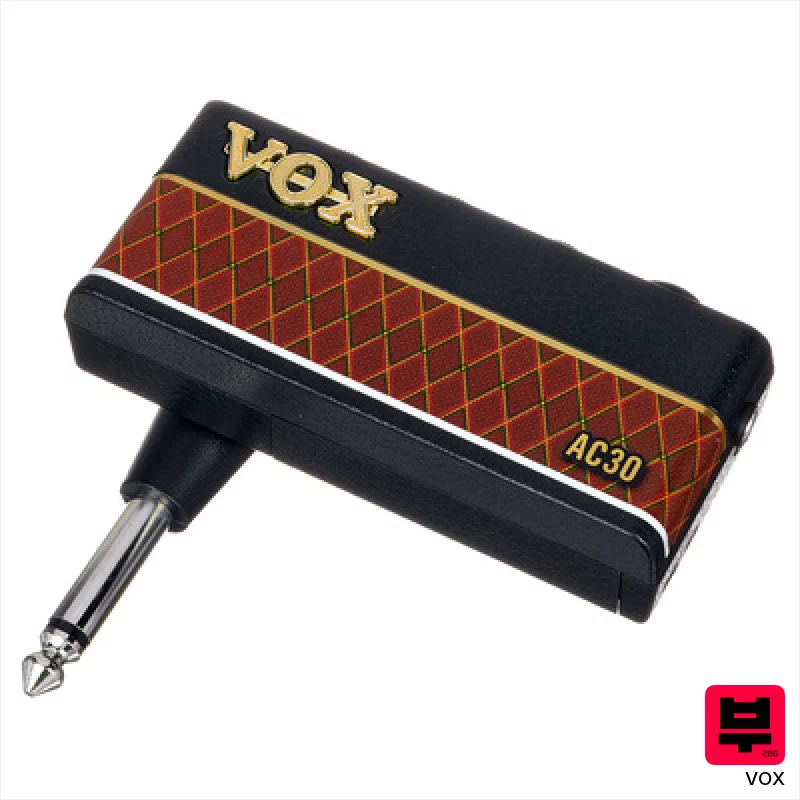
Vox AmPlug 3 AC30
- • Faithfully captures AC30's chime and grit; surprisingly responsive to playing dynamics
- • Dual channels offer distinct voicing options for versatility
- • Compact size makes it exceptionally portable for practice and travel
- • Built-in effects are usable, adding subtle texture to the core tone
- • Battery life is finite, requiring frequent replacements or recharges
- • Limited EQ control restricts tonal shaping beyond the channel selection
- • Plastic enclosure feels somewhat fragile, not ideal for heavy gigging
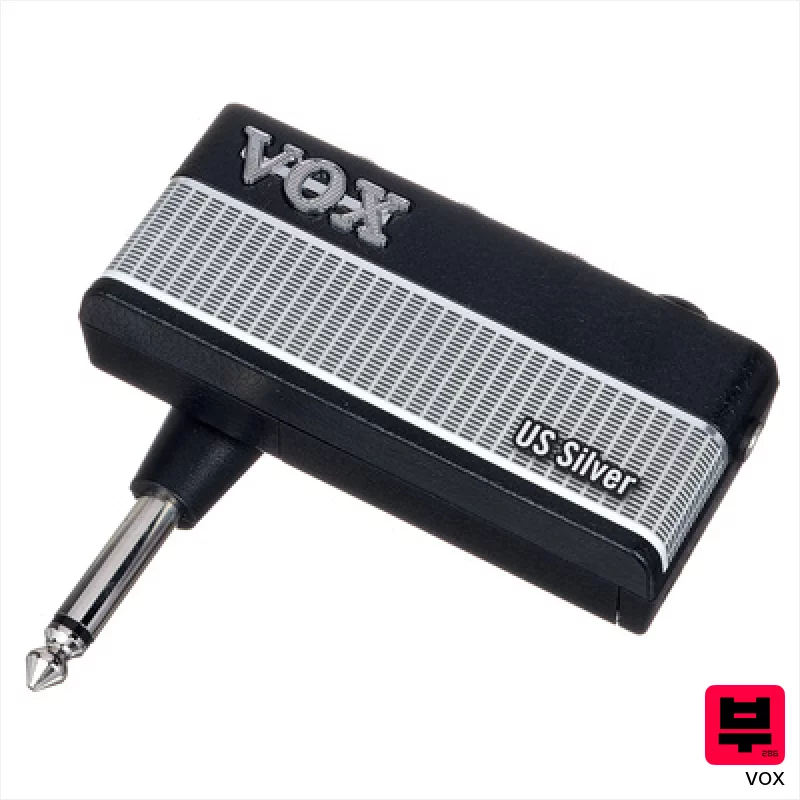
Vox AmPlug 3 US Silver
- • US-style Vox tone convincingly replicated, warm cleans to creamy drive.
- • Compact and lightweight – easily portable for practice and travel.
- • Built-in effects offer usable, if basic, sonic textures.
- • Simple controls allow quick tweaking of tone and effects.
- • Plastic housing feels a little cheap; not built to withstand heavy abuse.
- • Battery life, while decent, isn't exceptional for extended practice sessions.
- • Limited EQ control restricts tonal shaping possibilities.
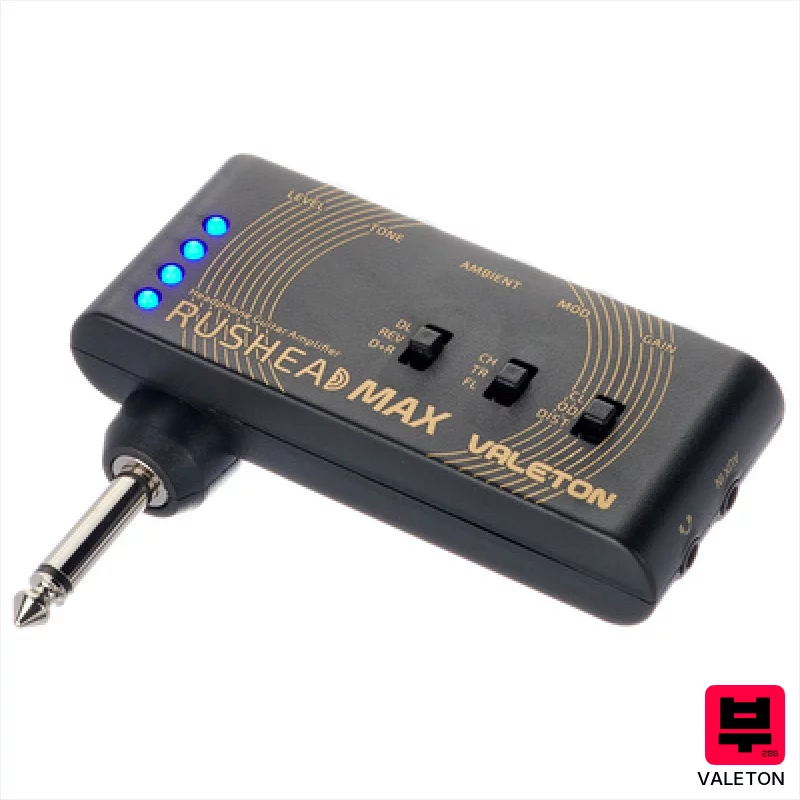
Valeton RushHead Max
- • Surprisingly warm, saturated drive for its size and price.
- • Modulation effects are usable, not just novelty sounds.
- • Compact form factor allows for ultimate portability – gig bag friendly.
- • Integrated battery offers true wireless practice and casual jamming.
- • Build quality feels plasticky; likely won't withstand serious abuse.
- • Tone shaping is limited; lacks nuanced EQ control.
- • Headphone output volume isn't loud enough for some headphones.
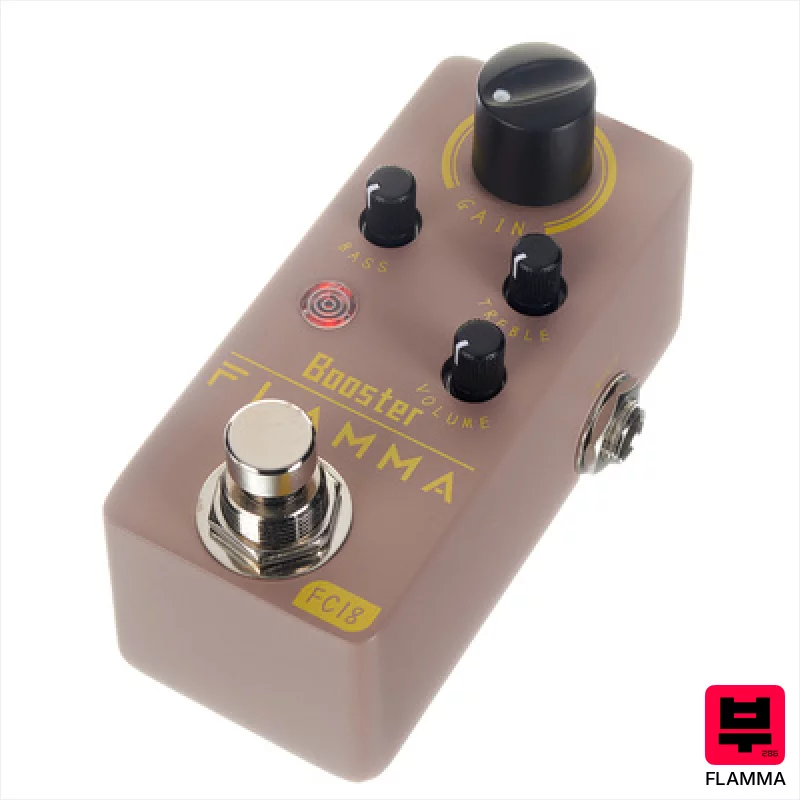
Flamma FC18 Clean Boost
- • Surprisingly clean boost without added muddiness, a rarity at this price.
- • Bass control adds useful low-end warmth for bass guitar use.
- • Robust metal enclosure feels significantly more durable than expected.
- • Simple layout makes it immediately usable, no complex tweaking needed.
- • Lack of battery operation limits portability; requires a separate power supply.
- • Treble control can become shrill quickly if overdriven, needs a gentle touch.
- • Limited tonal shaping beyond basic boost and EQ adjustments.
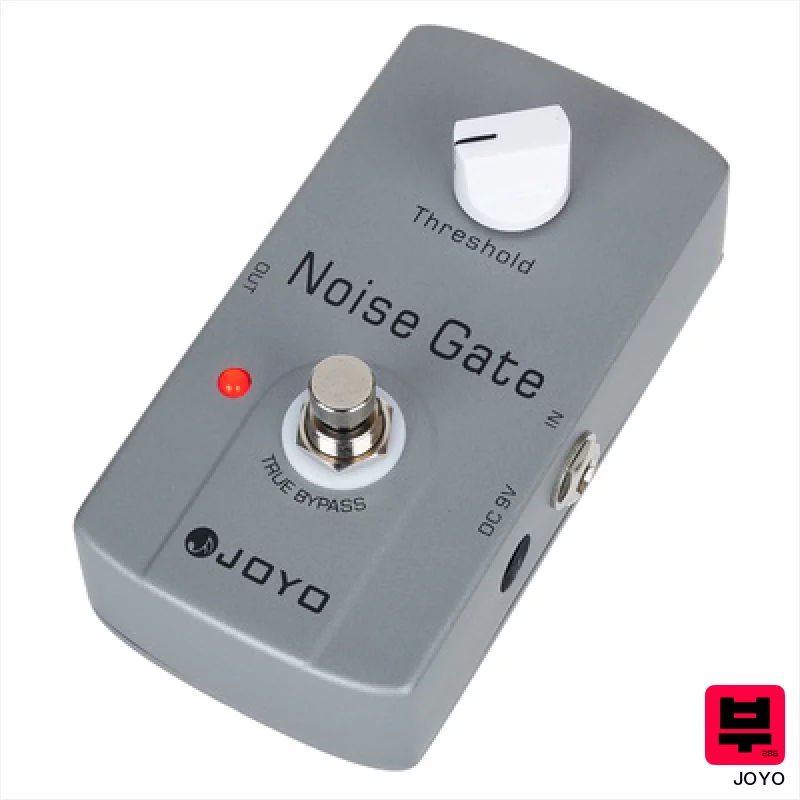
Joyo JF-31 Noise Gate
- • Surprisingly effective noise reduction for its price point.
- • Compact size makes it ideal for crowded pedalboards.
- • True bypass preserves signal integrity when inactive.
- • Simple threshold control is easy to dial in quickly.
- • Plastic enclosure feels a bit flimsy; not gig-ready without protection.
- • Limited features; lacks advanced shaping options found in pricier gates.
- • Power jack is a common, but sometimes unreliable, barrel connector.
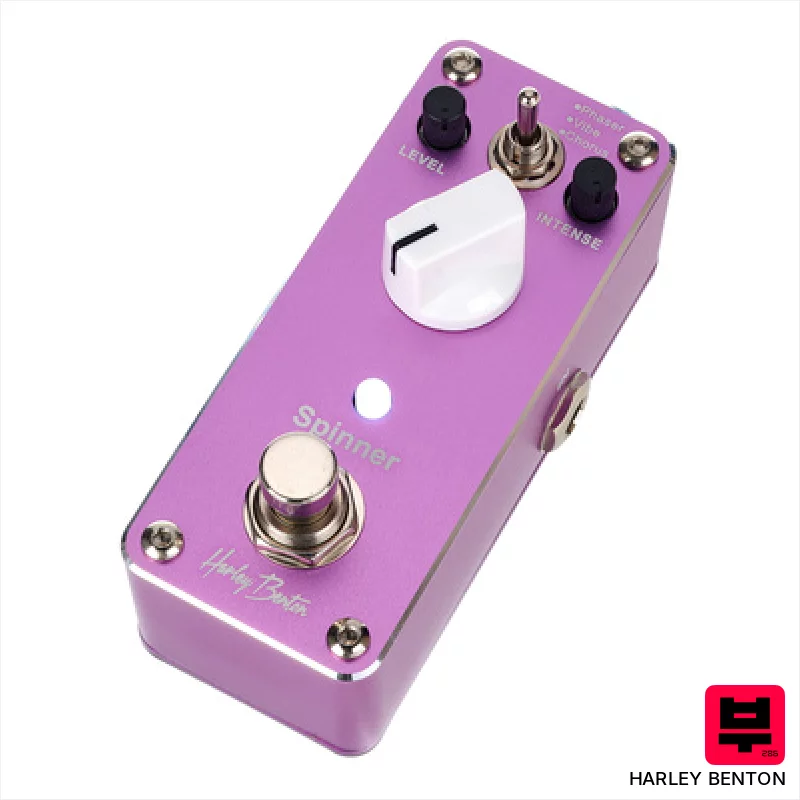
Harley Benton MiniStomp Spinner
- • Surprisingly convincing rotary speaker emulation for the price point.
- • Solid metal enclosure feels robust and protects the internal components.
- • True bypass preserves signal integrity when the effect is disengaged.
- • Compact size makes it incredibly pedalboard-friendly, great for small rigs.
- • Control range is limited; extreme settings can sound artificial.
- • Power supply not included, a common but frustrating omission at this price.
- • Plastic knobs feel a bit cheap and lack precise adjustment.
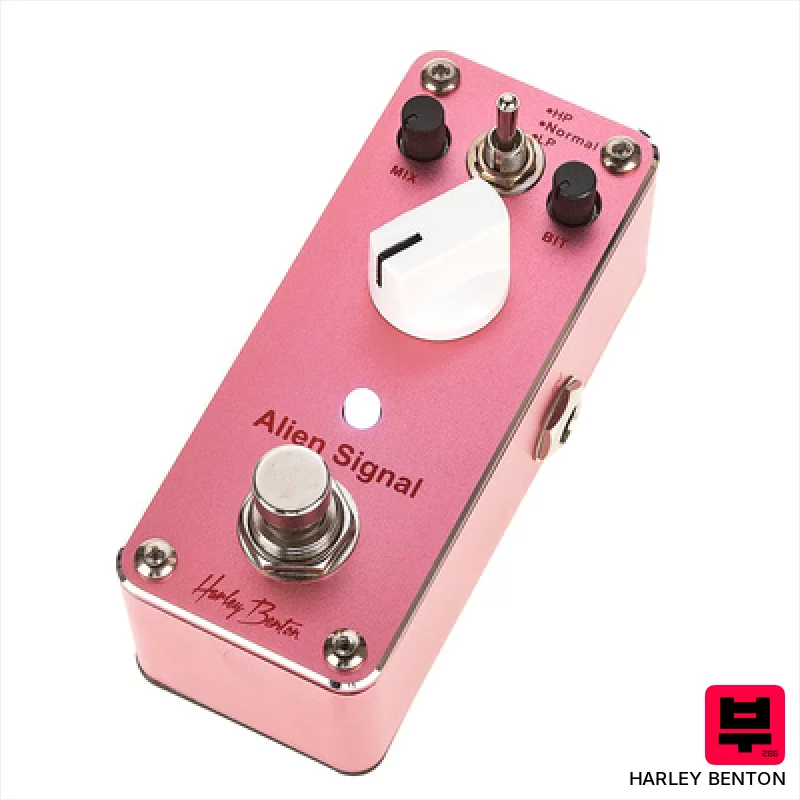
Harley Benton MiniStomp Alien Signal
- • Solid metal enclosure provides surprising durability for the price.
- • Bit reduction offers genuinely usable textures, from subtle grit to chaos.
- • True bypass minimizes unwanted noise and signal coloration when disengaged.
- • Compact size makes it ideal for cramped pedalboards or experimenting.
- • The 'bright' switch is a subtle, sometimes unnecessary, EQ adjustment.
- • Limited control range can restrict experimentation for advanced users.
- • Power supply not included; standard negative-center is a potential sourcing issue.
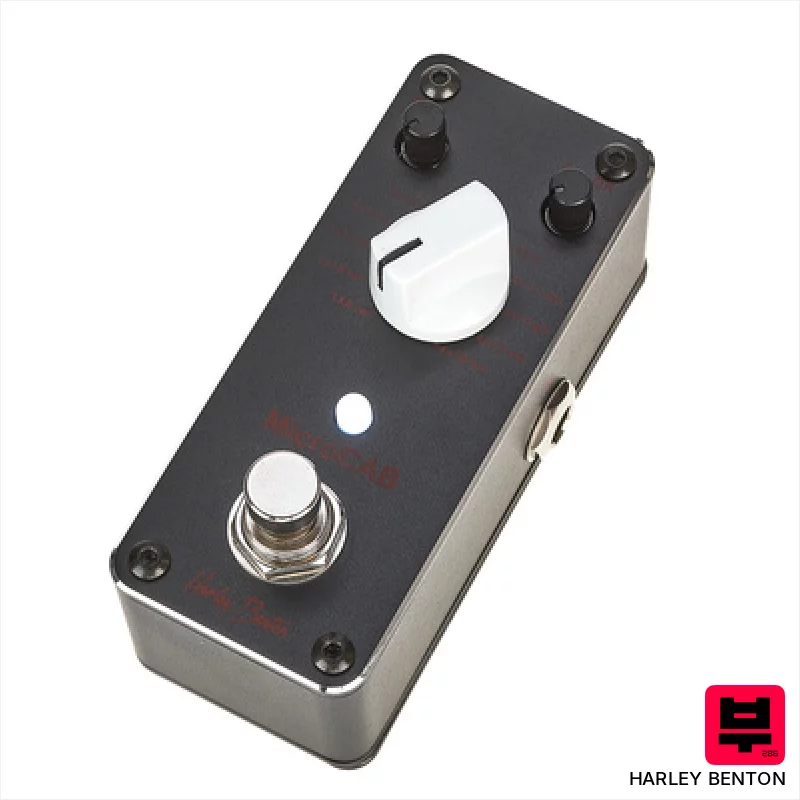
Harley Benton MiniStomp MicroCAB
- • Solid metal enclosure offers surprising durability for the price.
- • Eleven cabinet simulations provide a decent range of tonal options.
- • True bypass preserves your signal integrity when the effect is off.
- • Compact size makes it ideal for pedalboard space constraints.
- • 'InColourin' tone control is vague and lacks precise shaping ability.
- • 20mA current draw might be a concern for battery-powered setups.
- • Cabinet simulations, while varied, lack the nuance of higher-end IR loaders.

tc electronic BonaFide Buffer
- • Excellent buffering for long cable runs, minimizes signal loss
- • Very high signal-to-noise ratio, keeps your tone clean
- • Compact size minimizes pedalboard real estate usage
- • Automatic power failure bypass is a genuinely useful safety feature
- • No battery operation adds a power supply dependency
- • Limited functionality – it’s *just* a buffer
- • Ultra-compact size can make knob adjustments slightly fiddly
How to Choose the Best Guitar Effects
Tone
This is the obvious one. We're not chasing 'amazing' tone, but we're looking for something usable - a decent fuzz breakup, a warm reverb, a usable chorus - that doesn't sound sterile or like a toy. It's about character, even on a budget.
Build Quality
$50 pedals often use cheaper components and thinner enclosures. We're evaluating how well they'll survive being kicked around a gig or crammed into a pedalboard. Expect some compromises here - stompboxes aren't gonna be tank-like.
Noise
Budget pedals can be noisy. We're listening for hiss, hum, and unwanted artifacts, especially when stacking multiple effects. Noise isn't always avoidable at this price, but excessive noise is a dealbreaker.
Versatility
Can this pedal do more than one thing reasonably well? A multi-mode chorus, for example, offers more value than a single-setting one. We're looking for pedals that offer some flexibility to suit different playing styles.
Controls & Articulation
Even cheap pedals can have thoughtful controls. We're looking for knobs that have a good range of movement and that give you a sense of control over the effect - a fuzz that lets you dial back the mids, for example, is more useful than one that's just pure, unadulterated fuzz.
Buying Guide
At this price point, you're making trade-offs. Expect some plastic parts, maybe a slightly noisy signal, and a less refined sound. Don't expect vintage-accurate reproductions; these are budget interpretations. If you absolutely need pristine, studio-grade sound, save up for something better. But for gigging, bedroom practice, or just experimenting, these pedals can be surprisingly rewarding.
How This List Is Built
We don't play these instruments — we're a catalog, not a review desk, and we'd rather say so than pretend otherwise. This page ranks 15 guitar effects from the Thomann catalogue, which is the largest single source of specification data in this category.
Position is computed, not curated. Four signals, in order of weight: how completely the manufacturer documents the instrument (number of published specifications), where it sits in the price range, how specific the model designation is — which filters out generic accessories — and whether a product image exists. The same inputs always produce the same order, so nothing here is shuffled to look fresh.
What this list is good for: narrowing a category down to a shortlist by spec and budget. What it isn't: a substitute for hearing an instrument. Before you buy, read hands-on reviews and, where you can, play it. Full methodology.

