
Best Guitar Effects Under $200 2026
Alright, let's talk effects. You want that killer sound without emptying your wallet? It's totally doable, but you gotta be smart about it. We're focusing on pedals under $200 - enough to get some serious character, but you'll still hear some compromises compared to the boutique stuff. This isn't about chasing 'amazing,' it's about finding the best bang for your buck.
Last updated: April 11, 2026

Thorn The Freaq - Double Stage Boost
- • Unique dual-stage design offers flexible tonal shaping possibilities.
- • Damping control effectively tames harshness, preserves low-end clarity.
- • The Class A/B switch adds a distinct warmth and saturation character.
- • Solid, compact enclosure feels robust for gigging and travel.
- • Limited frequency range might not suit all tonal preferences.
- • No power supply included; adds to the initial investment.
- • Gain range, while useful, isn't huge for extreme distortion needs.
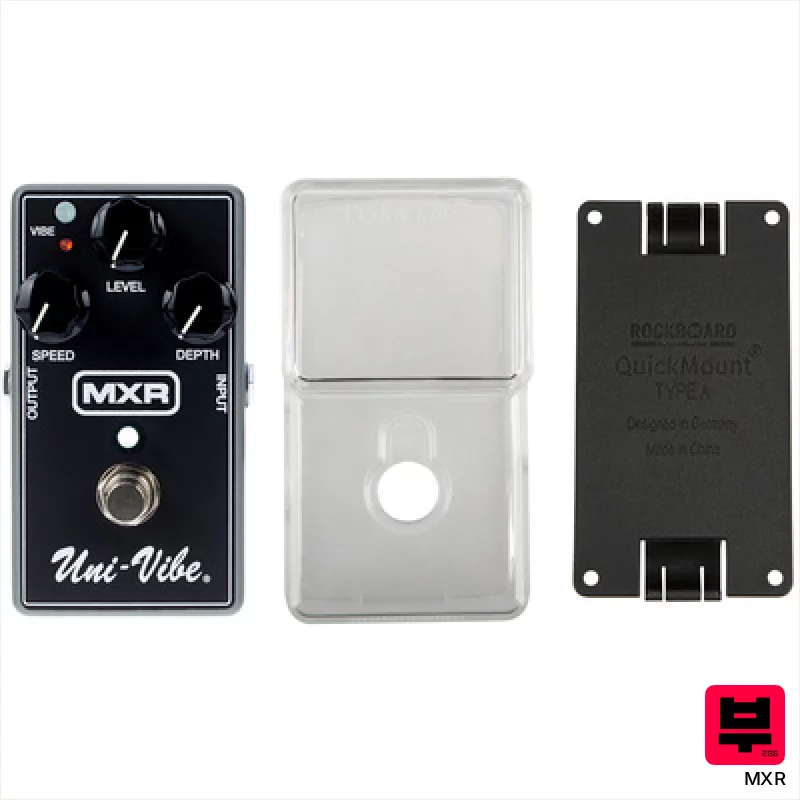
MXR M68 Uni-Vibe Bundle PS A1 RB
- • Faithful recreation of the classic Uni-Vibe swirl effect
- • Rockboard PedalSafe cover provides excellent protection during transport
- • True bypass preserves your signal integrity when the effect is off
- • Compact size makes it pedalboard-friendly, despite the feature set
- • Limited control over the waveform shape compared to some modern modulation
- • Battery operation can be inconvenient for extended gigs; adapter recommended
- • Uni-Vibe sound isn't a universal fit; may clash with certain genres
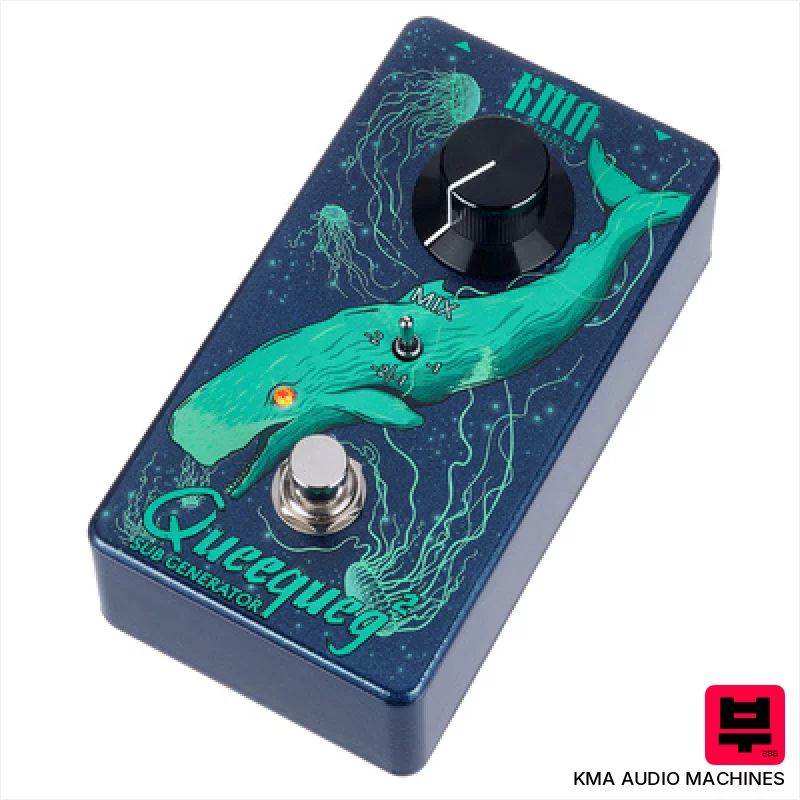
KMA Audio Machines Queequeg 2 Sub Oct. Generator
- • Excellent tracking for a sub-octave, maintains note clarity even with fast playing.
- • Analog circuitry delivers a warm, musical sub-bass response – not sterile or digital.
- • Flexible mix control allows subtle thickening or complete sub-octave dominance.
- • Compact footprint and robust German build quality ensure durability on the road.
- • Lacks battery operation, requiring a dedicated power supply, limiting portability.
- • Limited modes offer less sonic versatility compared to more complex sub-generators.
- • The all-analog design means no MIDI control or advanced parameter tweaking.

Digitech Pitch Shifter Whammy Ricochet
- • Compact design delivers classic Whammy tones in a small footprint
- • 7 selectable intervals offer diverse pitch-shifting possibilities
- • True bypass preserves signal integrity when effect is disengaged
- • Chords mode allows polyphonic pitch manipulation for richer sounds
- • Lack of expression pedal input limits nuanced pitch control
- • Battery operation absent, requiring a power adapter for use
- • Limited control over shift/return time compared to higher-end units
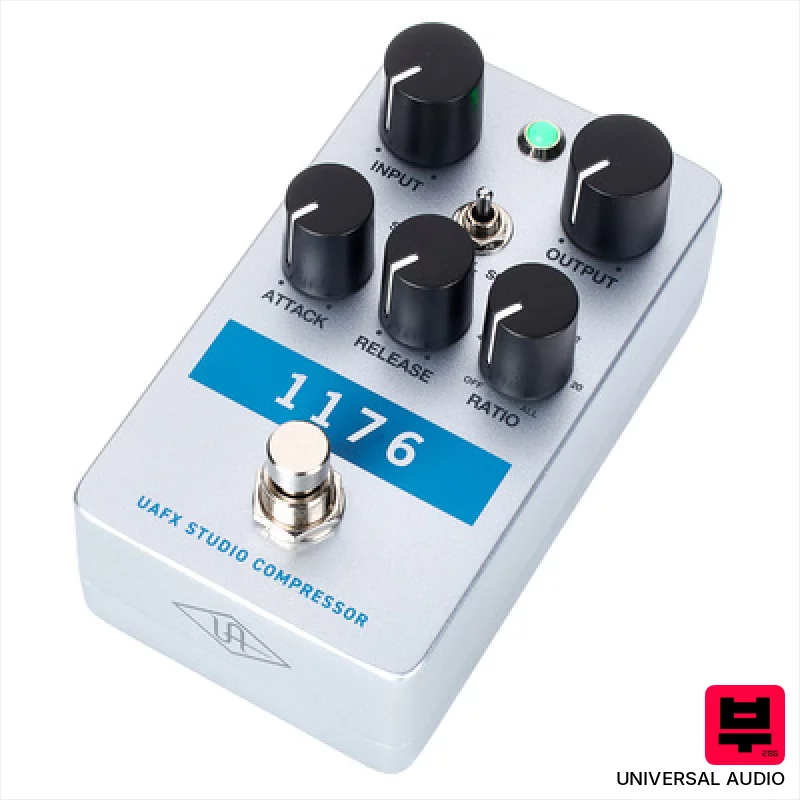
Universal Audio UAFX 1176 Studio Compressor
- • Authentic 1176 sound, captures the classic aggressive compression.
- • Multiple compression modes offer tonal flexibility for varied applications.
- • True bypass preserves your signal integrity when the effect is off.
- • Compact size makes it pedalboard-friendly without sacrificing functionality.
- • Requires a separate power supply, adding to the overall investment.
- • Limited control over the attack and release times compared to rack units.
- • Parallel compression mode isn't as versatile as dedicated parallel processors.
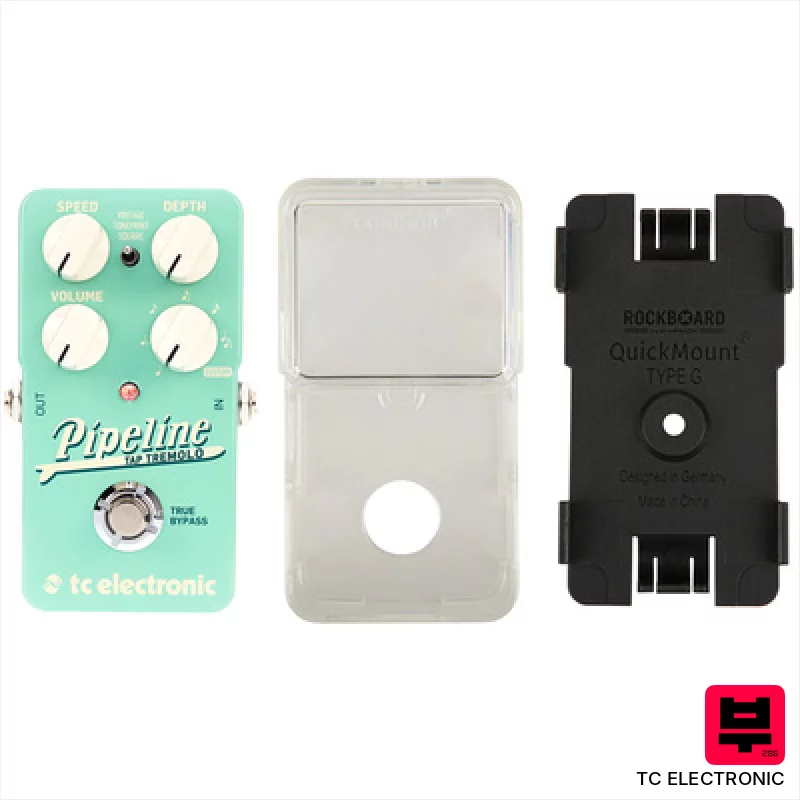
tc electronic Pipeline Trem. Bundle PS G RB
- • TonePrint technology offers a vast palette of tremolo sounds beyond basic settings
- • Vintage mode nails classic tube amp tremolo character convincingly
- • Compact size and Rockboard PedalSafe cradle make pedalboard integration easy
- • Tap Tempo is accurate and responsive, a real boon for live performance
- • Power supply not included; a common frustration for budget-conscious players
- • Limited control over waveform shaping compared to higher-end tremolo units
- • Plastic enclosure feels less robust than some competitors' metal options
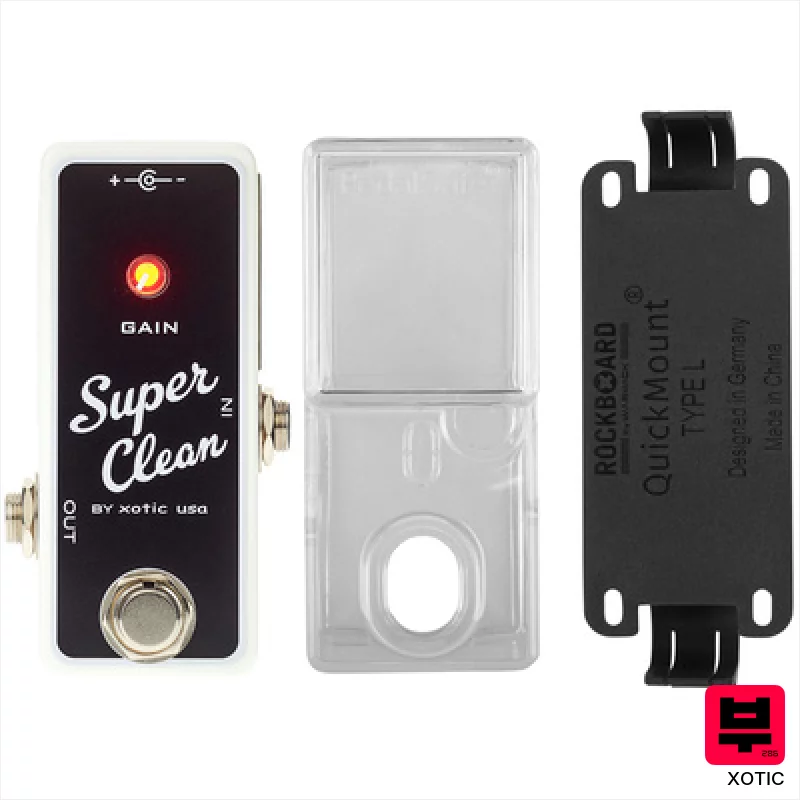
Xotic Super Buffer Bundle PS L RB
- • JRC4558 chip delivers exceptionally clean, transparent buffering.
- • Rockboard PedalSafe L provides practical, reliable pedalboard protection.
- • Flexible EQ DIP switches allow subtle tonal shaping and customization.
- • Compact size minimizes footprint on crowded pedalboards.
- • The metal housing, while robust, adds a noticeable weight.
- • Limited tonal flexibility beyond clean boost and buffering.
- • Power supply jack is a non-standard size, potentially needing an adapter.
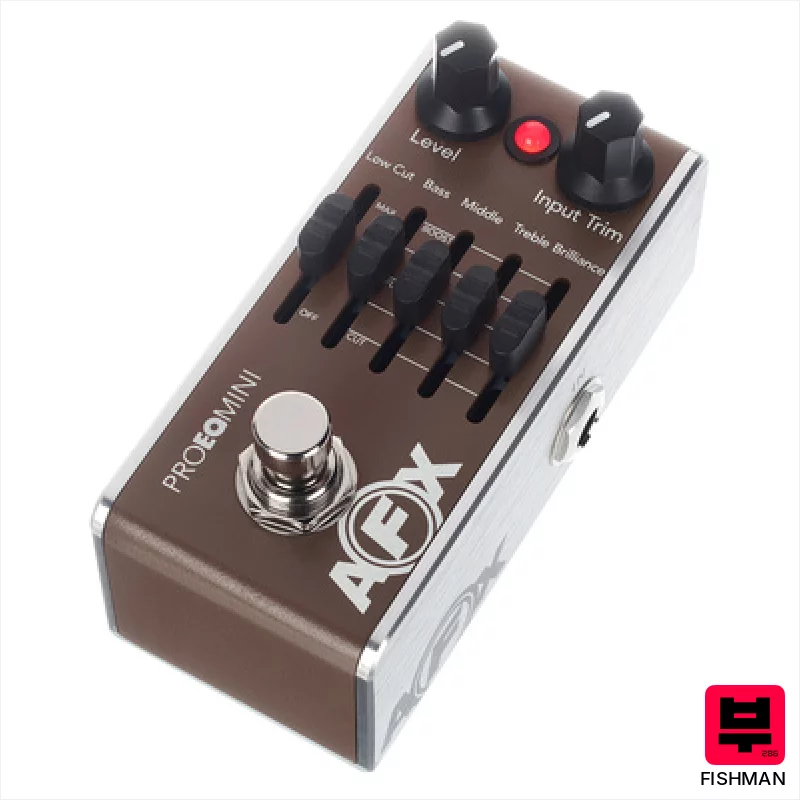
Fishman AFX Pro EQ Mini Ac. Pre & EQ
- • Excellent Fishman Platinum Series preamp voicing, warm and natural
- • Compact size ideal for stage or travel; very portable
- • Effective low-pass filter tames harsh high frequencies
- • True/buffered bypass preserves signal integrity when engaged
- • No battery operation severely limits its portability
- • Limited EQ control compared to larger Fishman units
- • Small size may make knobs slightly fiddly for some users

EarthQuaker Devices Easy Listening Amp Simulator
- • Warm, saturated tone emulates a vintage tube amp nicely
- • Compact size makes it ideal for pedalboard travel
- • Versatile enough for clean tones to light overdrive
- • Solid metal enclosure feels robust and well-built
- • Lacks true bypass, which can subtly color bypassed signal
- • Limited control set restricts extensive tone shaping
- • No battery operation adds a power supply dependency

tc electronic Quintessence Bundle PS G RB
- • PolySense technology offers exceptionally responsive, nuanced harmony tracking.
- • TonePrint editor unlocks a vast library of user-created and artist-designed sounds.
- • Pressure-sensitive footswitch adds expressive control over harmony transitions.
- • Compact footprint makes it ideal for pedalboards with limited space.
- • Harmony effects can sometimes introduce subtle latency, noticeable with fast playing.
- • Limited control over individual voice characteristics within the harmony.
- • The initial learning curve for TonePrint customization can be a bit steep.

tc electronic Sub'N'Up Octa. Bundle PS G RB
- • Polyphonic tracking is surprisingly robust for an octaver.
- • TonePrint functionality unlocks a wide range of unique sounds.
- • Rockboard cover provides excellent protection and pedalboard integration.
- • Sub 2 octave offers a deep, usable sub-bass response.
- • Power supply not included – a common but frustrating omission.
- • TonePrint editor can be a bit overwhelming for beginners.
- • The 'classic' monophonic mode can sound a little thin at times.

Fishman AFX Acoustiverb Mini Reverb
- • Excellent spring reverb tone, surprisingly lush for its size.
- • Parallel mixing preserves acoustic guitar's natural dynamics.
- • Compact footprint ideal for pedalboard space constraints.
- • True bypass ensures signal integrity when effect is off.
- • Limited reverb types; lacks more complex algorithmic options.
- • Power supply not included; a common, but frustrating, omission.
- • Tone control can be a bit muddy when overused.

Surfy Industries SurfyTrem Deluxe Tremolo
- • Stereo operation expands sonic possibilities for wider, immersive tremolo effects.
- • Brownface/Blackface settings authentically recreate vintage Fender amp tremolo characteristics.
- • Volume control maintains signal strength, preventing unwanted level drops during tremolo engagement.
- • Compact size and battery power option offer portability and ease of setup.
- • Limited control range compared to more complex, modern tremolo pedals.
- • 30mA power draw can drain batteries relatively quickly; adapter recommended for extended use.
- • Construction feels somewhat plasticky; not as robust as higher-end, all-metal stompboxes.
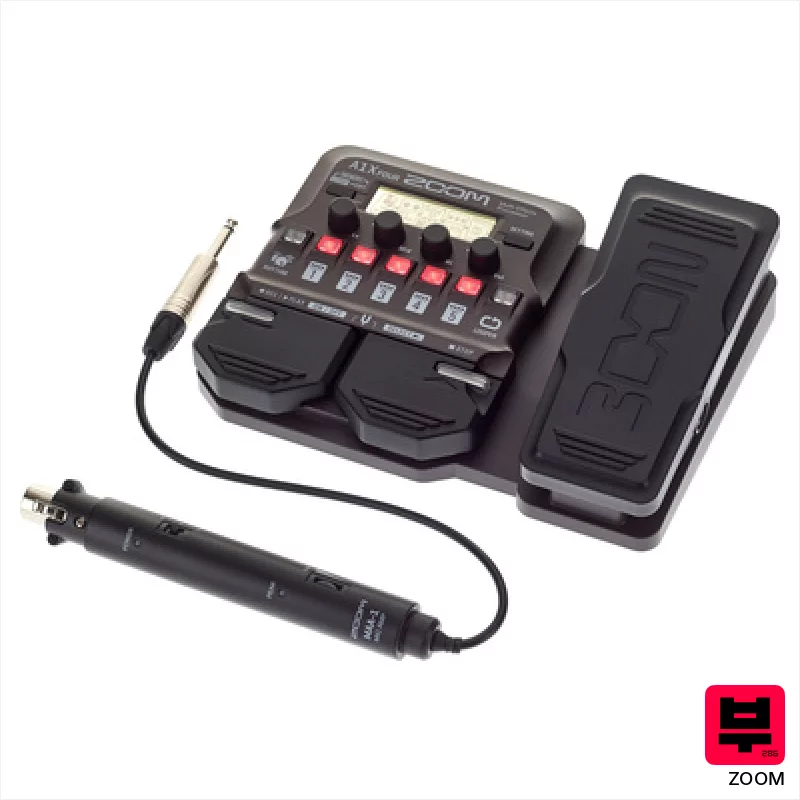
Zoom A1X Four Acoustic FX Pedal
- • Excellent acoustic modelling emulates various guitars, surprisingly convincing.
- • Anti-feedback filter is genuinely effective, a huge help live.
- • Looper is a solid addition for practice and performance layering.
- • Zoom’s Guitar Lab software expands possibilities far beyond the pedal itself.
- • Plastic enclosure feels a bit cheap, lacks premium robustness.
- • Effect routing can be slightly clunky, takes time to master.
- • Limited control over individual effect parameters on the pedal face.
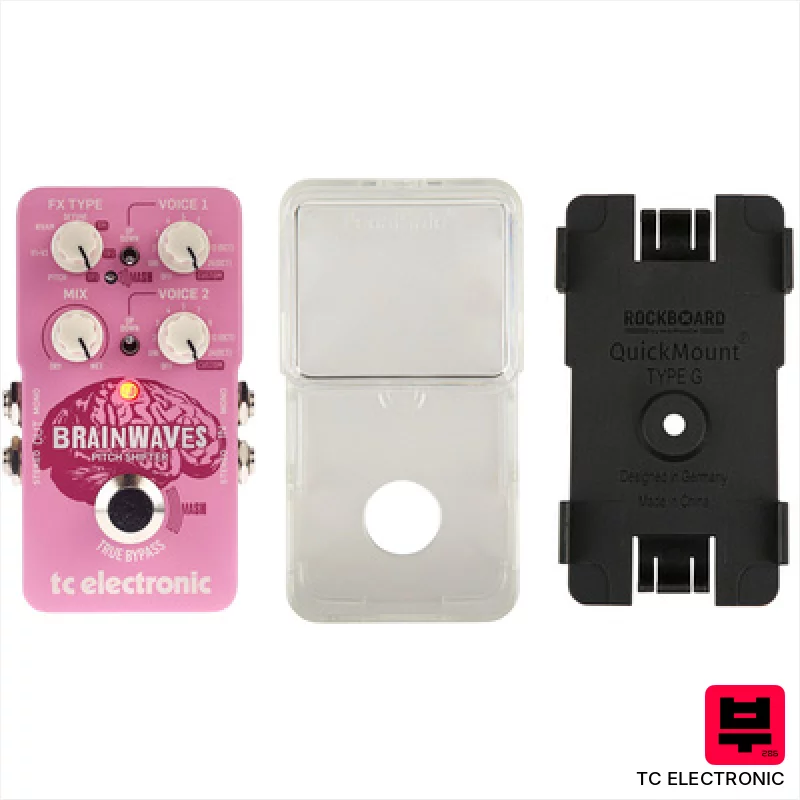
tc electronic Brainwaves Bundle PS G RB
- • Polyphonic operation avoids the muddy, single-note pitch shifting of older designs.
- • Tone Print technology offers a surprising range of usable voices beyond basic pitch shifting.
- • Rockboard PedalSafe provides practical protection against accidental kicks and spills on stage.
- • Compact size makes it pedalboard-friendly, especially for those space-constrained setups.
- • Requires an external power supply – not included, adding to the overall cost.
- • Limited control depth compared to dedicated pitch shifter multi-effects units.
- • The 'whammy' voices can sound a bit artificial and cheesy for subtle applications.
How to Choose the Best Guitar Effects
Tone
Obvious, right? But we're talking about the kind of tone. Does that overdrive have a usable breakup, or is it just fizzy distortion? Does that reverb actually sound natural, or like a digital wash? We're listening for nuances, not just blanket 'goodness'.
Build Quality
At this price point, you're going to see some plastic enclosures and maybe less-than-premium footswitches. But a pedal that falls apart mid-gig isn't a value, no matter how good it sounds. We're looking for something that can take a beating.
Versatility
Can this pedal do more than one thing well? A multi-mode overdrive, a reverb with different decay times, a delay with tap tempo - these are the things that give you more mileage out of your money.
Noise
Budget pedals can be noisy. A lot of noise. We're paying attention to hiss, hum, and overall signal-to-noise ratio. Sometimes, a little noise is acceptable, but it shouldn't drown out your signal.
Ease of Use
A pedal with a million knobs isn't always better. Sometimes, simplicity is key, especially when you're trying to dial in a sound quickly on stage. We're looking for pedals that are intuitive and easy to tweak.
Buying Guide
Don't expect studio-grade fidelity. You're getting a good sound for the price, but there will be trade-offs. Often, that means simpler controls, less headroom, or a slightly less refined sound. Look for pedals with multiple modes - they often offer more sonic options. And be realistic - a $150 fuzz isn't going to replace a $500 one, but it can get you surprisingly close.
How This List Is Built
We don't play these instruments — we're a catalog, not a review desk, and we'd rather say so than pretend otherwise. This page ranks 15 guitar effects from the Thomann catalogue, which is the largest single source of specification data in this category.
Position is computed, not curated. Four signals, in order of weight: how completely the manufacturer documents the instrument (number of published specifications), where it sits in the price range, how specific the model designation is — which filters out generic accessories — and whether a product image exists. The same inputs always produce the same order, so nothing here is shuffled to look fresh.
What this list is good for: narrowing a category down to a shortlist by spec and budget. What it isn't: a substitute for hearing an instrument. Before you buy, read hands-on reviews and, where you can, play it. Full methodology.

