
Best Boss Guitar Effects 2026
Let's be honest, you've seen a Boss pedal or two. They're ubiquitous, right? But dismissing them as 'budget pedals' is a huge mistake. Boss has a serious heritage in stompboxes, and while they've chased trends, their core designs consistently deliver a certain reliability and a distinct, recognizable flavor that's proven its worth on countless stages and in countless recordings. We're diving into the best of what Boss offers, separating the legends from the also-rans.
Last updated: April 11, 2026

Boss RC-500 Loop Station Bundle
- • Exceptional 32-bit processing delivers pristine, noise-free loop quality.
- • Flexible XLR input with phantom power expands recording possibilities significantly.
- • Intuitive controls and plentiful memory slots streamline workflow for live use.
- • Versatile rhythm section offers varied grooves for backing tracks and creative layering.
- • Menu diving can be complex for quickly accessing advanced features.
- • Footprint is relatively large, potentially challenging for smaller pedalboards.
- • The built-in drum sounds, while decent, aren't a substitute for a dedicated drum machine.
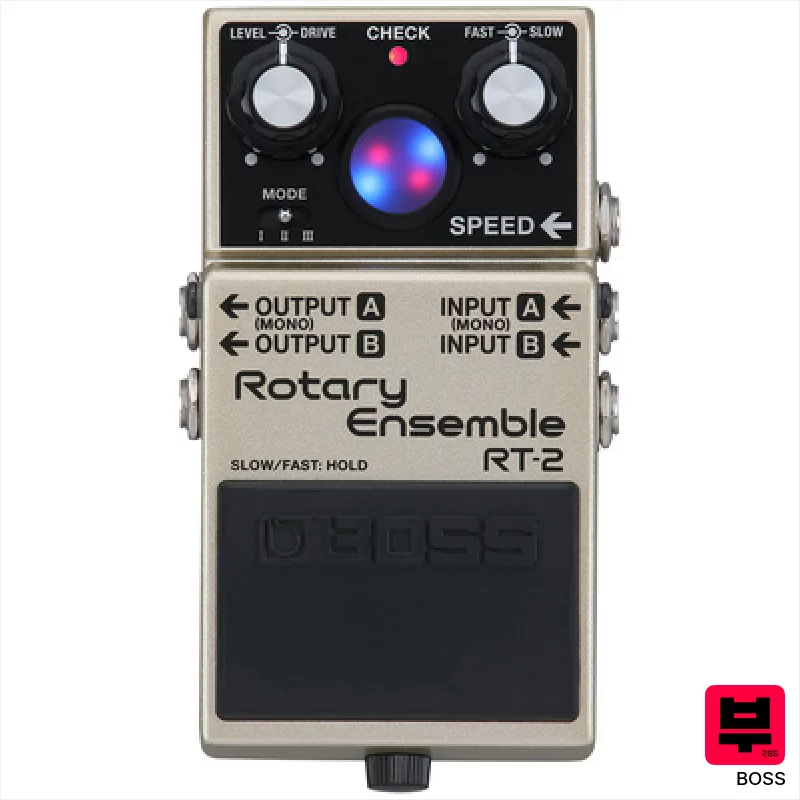
Boss RT-2 Rotary Ensemble
- • Excellent recreation of classic Leslie speaker tones, surprisingly nuanced for the price.
- • The 'Drive' knob adds a crucial, authentic tube amp-like saturation.
- • Virtual rotor display is genuinely useful for visual feedback and syncing.
- • External expression pedal input vastly expands real-time control possibilities.
- • Stereo imaging isn't as wide or immersive as a true Leslie setup.
- • Rise/Fall time adjustments can feel a bit limited for extreme effects.
- • The pedal’s size is relatively large, impacting pedalboard space planning.

Boss NS-1X Noise Suppressor
- • Effective noise reduction, particularly for high-gain amps and pickups
- • MDP technology provides a surprisingly natural suppression, avoids harsh artifacts
- • Send/Return loop allows seamless integration with drive pedals
- • Compact size and robust Boss build quality ensure pedalboard longevity
- • Threshold adjustments can be finicky, requiring precise tweaking
- • Limited control over tonal shaping beyond noise reduction
- • The 'Mute' mode can sound abrupt, lacking subtlety

Boss AC-3 Acoustic Simulator
- • Four distinct acoustic simulations offer tonal flexibility.
- • Boss’s renowned compact and durable construction ensures roadworthiness.
- • Built-in reverb adds depth without needing external effects.
- • Piezo mode convincingly emulates amplified piezo pickups.
- • Limited control over EQ beyond the 'Body' knob can be restrictive.
- • Simulation isn't a true substitute for a high-quality acoustic and mic.
- • Reverb quality is serviceable, but not studio-grade.
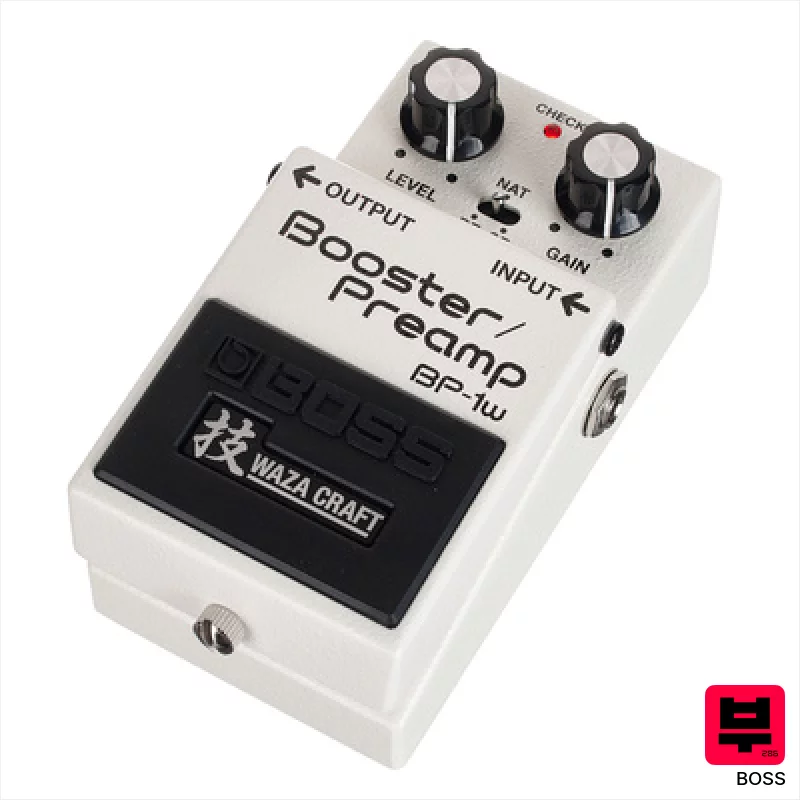
Boss BP-1W Booster/Preamp
- • Waza Craft build quality ensures exceptional durability and reliability.
- • NAT mode provides a transparent, clean boost ideal for subtle volume enhancement.
- • CE mode adds a usable, warm chorus effect for added texture.
- • RE mode offers a simplified, rhythmic echo for creative soundscapes.
- • Limited control over the 'RE' Space Echo mode's parameters.
- • The chorus effect is somewhat basic compared to dedicated chorus pedals.
- • The enclosure, while robust, is relatively heavy for its size.

Boss SY-1 Synthesizer
- • Excellent polyphony for complex layered sounds.
- • Boss’s renowned build quality ensures pedal longevity.
- • Comprehensive sound library covers a wide sonic palette.
- • Guitar/Bass switch optimizes response for both instruments.
- • Latency, while minimized, can still be noticeable with extreme settings.
- • Sound design limitations prevent truly unique, custom patches.
- • Relatively complex menu system demands time to master.

Boss MO-2 Multi Overtone
- • MDP technology delivers surprisingly natural overtone generation.
- • Compact size makes it pedalboard-friendly for most setups.
- • Boss’s robust construction ensures long-term reliability in gigging environments.
- • Detune control offers a wide range of harmonic textures, from subtle to wild.
- • Limited to mono input/output restricts stereo image manipulation.
- • DSP chip, while efficient, can introduce slight latency at higher settings.
- • The three modes, while versatile, might feel restrictive for some users.
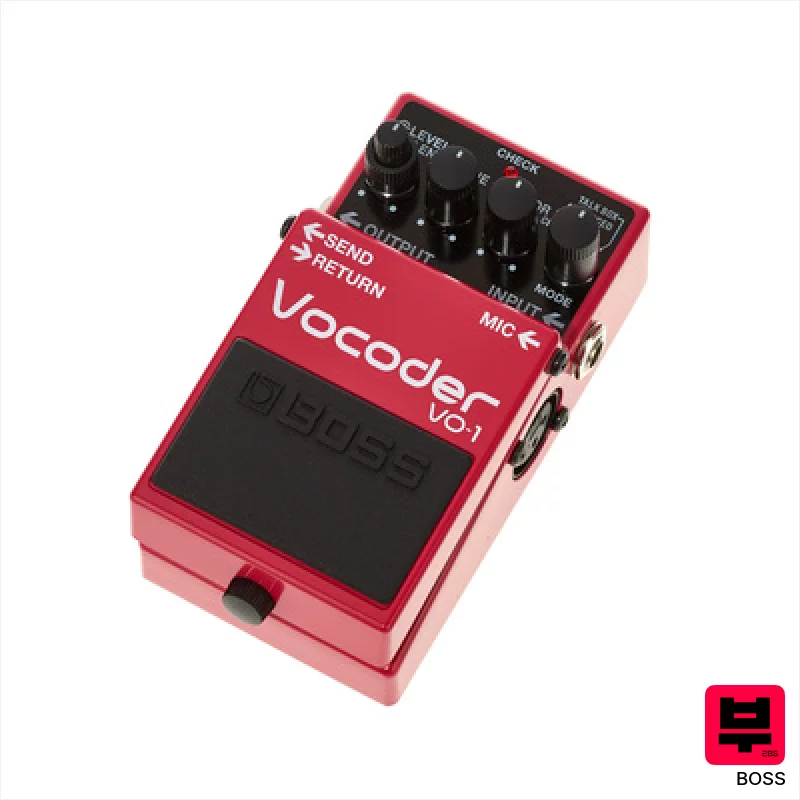
Boss VO-1 Vocoder
- • Intuitive mode selection offers immediate sonic exploration.
- • Effects loop allows seamless integration with existing pedalboard chains.
- • Compact size makes it pedalboard-friendly for most setups.
- • Talk-Box mode provides a surprisingly usable and fun vocal effect.
- • Vocoder clarity can be muddy without careful EQ adjustments.
- • Limited control over carrier and modulator frequencies restricts advanced customization.
- • Power supply not included adds to the initial investment.

Boss SL-2 Slicer
- • Compact size makes it pedalboard-friendly, a real space saver.
- • BOSS Tone Studio app unlocks a massive library of patterns.
- • Versatile stereo outputs add depth and creative possibilities.
- • Tap tempo and MIDI sync offer precise rhythmic control.
- • Limited control over individual slice parameters; it's more about presets.
- • The 'Attack' control can be subtle and difficult to dial in precisely.
- • While versatile, it's most effective for electronic/rhythmic textures, not subtle effects.

Boss NS-2
- • Effective noise reduction without significant tone alteration
- • Boss’s robust build quality ensures years of reliable use
- • Compact footprint fits easily into pedalboard setups
- • Simple controls allow for quick and intuitive adjustment
- • Decay control can be tricky to dial in precisely
- • Can occasionally introduce a slight 'pumping' effect at extreme settings
- • Limited versatility compared to more complex noise reduction solutions

Boss VB-2W Vibrato
- • Waza Craft series delivers authentic vintage Boss vibrato tones.
- • Custom mode offers unique, modern vibrato textures not found elsewhere.
- • Solid build quality typical of Boss – feels robust and reliable.
- • Expression pedal input provides dynamic, real-time vibrato control.
- • Limited control range compared to more complex modulation pedals.
- • Analog circuit means some noise floor will be present, especially at higher rates.
- • Size, while compact, can still be a tight fit on crowded pedalboards.

Boss OC-5
- • OC-2 Vintage mode nails a warm, classic octave sound.
- • Poly mode offers a wider, more modern octave range.
- • Boss build quality ensures years of reliable gigging.
- • Compact size fits easily into pedalboard setups.
- • Range control can be finicky to dial in precisely.
- • Mono output limits stereo octave effects possibilities.
- • Limited tonal shaping beyond octave shifting.

Boss CE-2w
- • Versatile rate and depth controls offer subtle shimmer to swirling textures
- • Stereo operation requires a stereo signal chain for full benefit
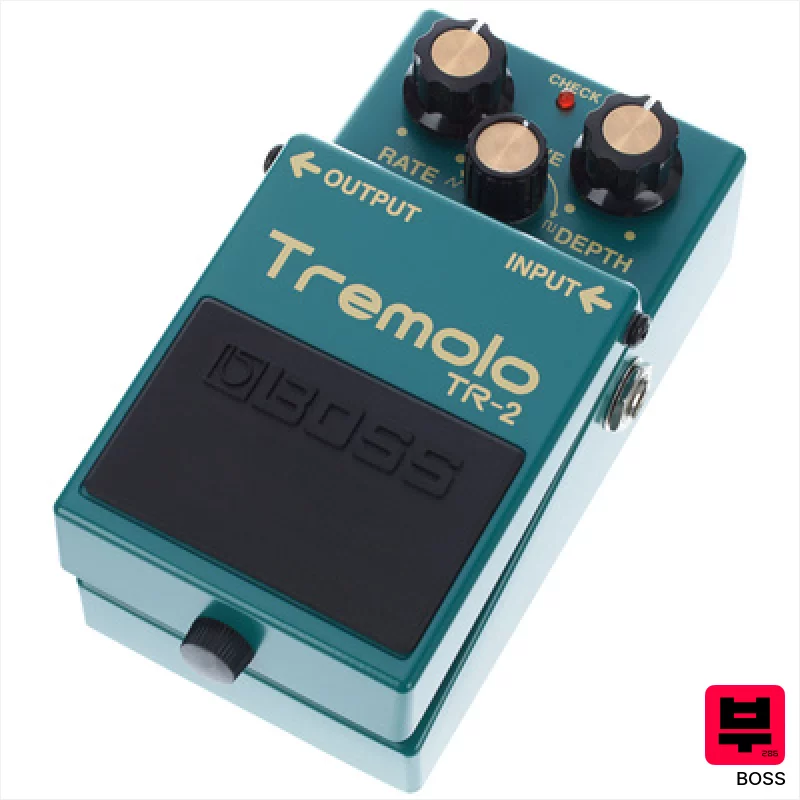
Boss TR-2
- • Compact size ideal for pedalboards with limited space
- • Boss reliability ensures years of dependable performance
- • Simple controls offer immediate, usable tremolo sounds
- • Wave shape selection adds subtle tonal variation to the effect
- • Limited control options compared to more advanced tremolo pedals
- • 20mA power draw might be a consideration for battery-powered setups
- • Plastic enclosure feels less premium than some higher-end alternatives
How to Choose the Best Guitar Effects
Heritage & Reliability
Boss pedals are built to take a beating. Seriously, I've seen them step on, kicked, and generally abused for years and they just keep ticking. This isn't about 'premium' materials, it's about smart design and consistent construction.
Signature Tone
That Boss 'sound' - often described as a focused, mid-forward character - is instantly recognizable. It's not always the warmest or most lush tone, but it cuts through a mix like butter, especially in rock and blues settings. Think articulate distortion and clear, defined modulation.
Dynamic Response
Many Boss pedals react incredibly well to playing dynamics. A light touch yields clean tones, while digging in brings out the grit and sustain. This responsiveness is critical for expressive playing and avoids that 'flat' compressed feel.
Ease of Use
Boss pedals are generally straightforward. The controls are intuitive, and the sounds are relatively easy to dial in, making them great for quick changes on stage or when you just want to get playing without tweaking for an hour.
Value Proposition
You're not paying for boutique aesthetics or exotic components. You're paying for a reliable, consistent, and usable effect that will likely outlast your amp. This makes them an exceptional value, especially for working musicians.
Buying Guide
Don't expect a Boss pedal to sound like a $300 boutique overdrive. They're a different beast - focused, reliable, and often a bit more aggressive. The older compact pedals are often more sought-after for their specific tone characteristics, but the newer, digital models offer versatility at a lower price point. Watch out for early digital models - some can sound a bit harsh or brittle - but the newer ones are surprisingly good. The build quality is generally solid, but the enclosures can be prone to scratches if you're rough on your gear.
How This List Is Built
We don't play these instruments — we're a catalog, not a review desk, and we'd rather say so than pretend otherwise. This page ranks 14 guitar effects from the Thomann catalogue, which is the largest single source of specification data in this category.
Position is computed, not curated. Four signals, in order of weight: how completely the manufacturer documents the instrument (number of published specifications), where it sits in the price range, how specific the model designation is — which filters out generic accessories — and whether a product image exists. The same inputs always produce the same order, so nothing here is shuffled to look fresh.
What this list is good for: narrowing a category down to a shortlist by spec and budget. What it isn't: a substitute for hearing an instrument. Before you buy, read hands-on reviews and, where you can, play it. Full methodology.

