
Best Behringer Guitar Effects 2026
Look, we've all been there - staring at a pedalboard and wondering if you can actually get decent sounds without mortgaging the house. Behringer's made a name for themselves by offering surprisingly usable effects at prices that laugh in the face of industry standards. They're not perfect, but they're often good enough, and sometimes even great, especially if you're starting out or need a backup for a crucial pedal. Let's break down what Behringer's bringing to the table in the guitar effects world.
Last updated: April 11, 2026

Behringer B-Tron III Envelope Filter
- • Optical circuit delivers a surprisingly organic, vocal-like wah tone
- • Three filter types offer a wider range of expressive possibilities
- • Sensitivity control is genuinely useful for adapting to different pickup outputs
- • True bypass preserves your signal when the effect is off.
- • Plastic enclosure feels somewhat flimsy compared to higher-end units
- • Limited control range on the 'Peak' knob restricts fine-tuning
- • Power supply not included feels a bit cheap for the price.
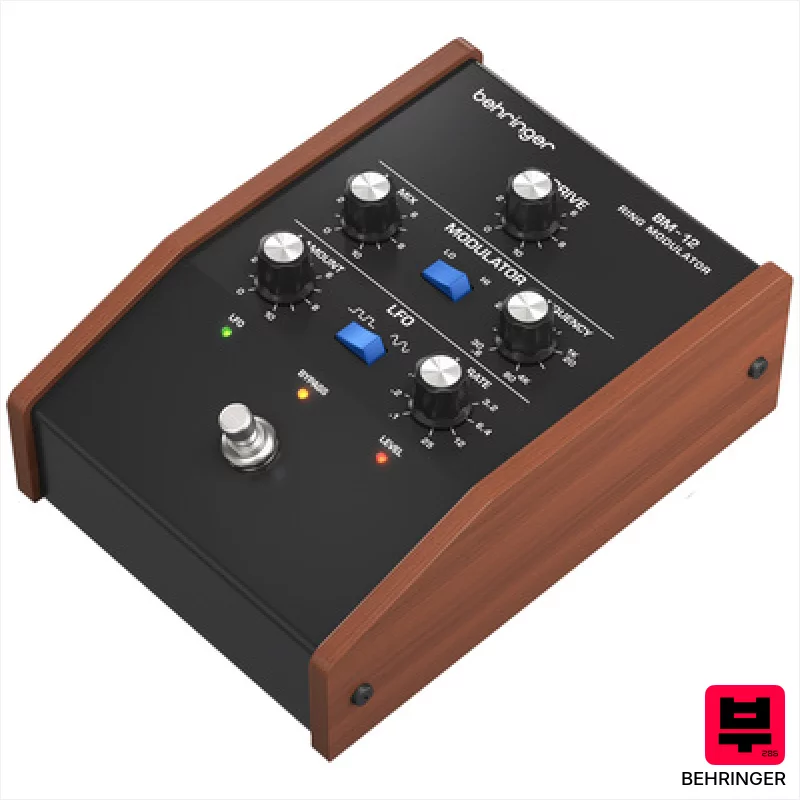
Behringer BM-12 Ring Modulator
- • Faithful recreation of the Moog MF-102’s distinct ring modulation tone.
- • LFO modulation offers surprising depth and textural possibilities.
- • Mix control allows for subtle coloration or extreme, saturated sounds.
- • Expression pedal input unlocks dynamic, performance-driven manipulation.
- • Plastic enclosure feels noticeably less robust than vintage counterparts.
- • Limited modulation shapes restrict complex sound design options.
- • Ring modulation inherently isn't universally appealing; a niche effect.
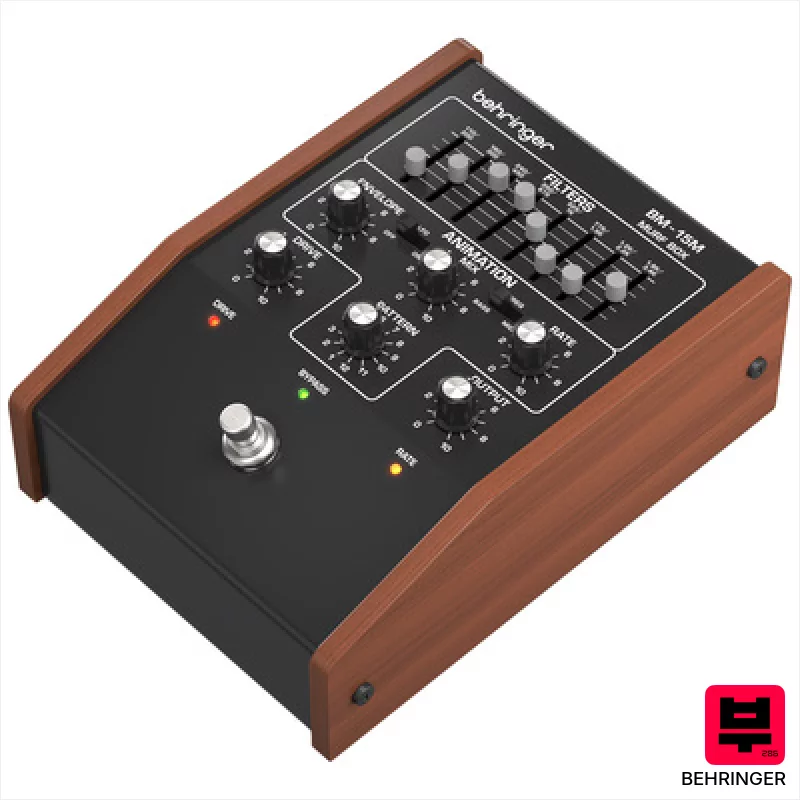
Behringer BM-15M Murf Box
- • Authentic Moog MF-105 recreation captures classic filter character
- • Eight selectable rhythmic patterns offer immediate sonic variety
- • USB/MIDI control expands creative possibilities and patch recall
- • Expression pedal input enables dynamic, performance-driven modulation
- • Plastic enclosure feels less robust than higher-end filter pedals
- • Limited control depth compared to more complex, modern filters
- • Drive circuit can become muddy at higher resonance settings

Behringer Octave Divider
- • Faithful recreation of a classic, instantly recognizable octave sound.
- • The 'Ringer' function adds unique, harmonically rich textures.
- • Bass Only switch genuinely extends low-end for bass guitar use.
- • Remarkably affordable, making octave effects accessible to all.
- • Plastic enclosure feels budget-oriented; lacks robust roadworthiness.
- • Tracking can still be problematic with fast, complex monophonic lines.
- • Tone control is limited; lacks nuance for shaping the octave sound.
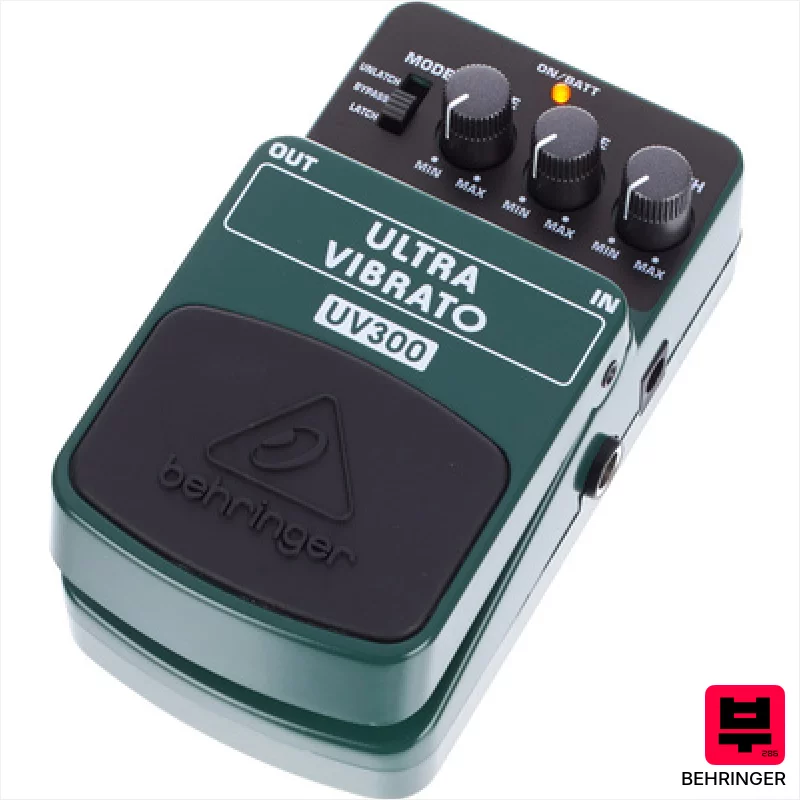
Behringer UV300 Ultra Vibrato
- • Authentic 60s/70s vibrato tones at an unbelievable price.
- • Rise control adds a unique, swelling character to the effect.
- • True bypass preserves signal integrity when the effect is off.
- • Compact size makes it pedalboard-friendly for most setups.
- • Plastic enclosure feels less robust than higher-end stompboxes.
- • Limited control range might frustrate players seeking extreme settings.
- • Power adapter not included, adding to the overall cost.
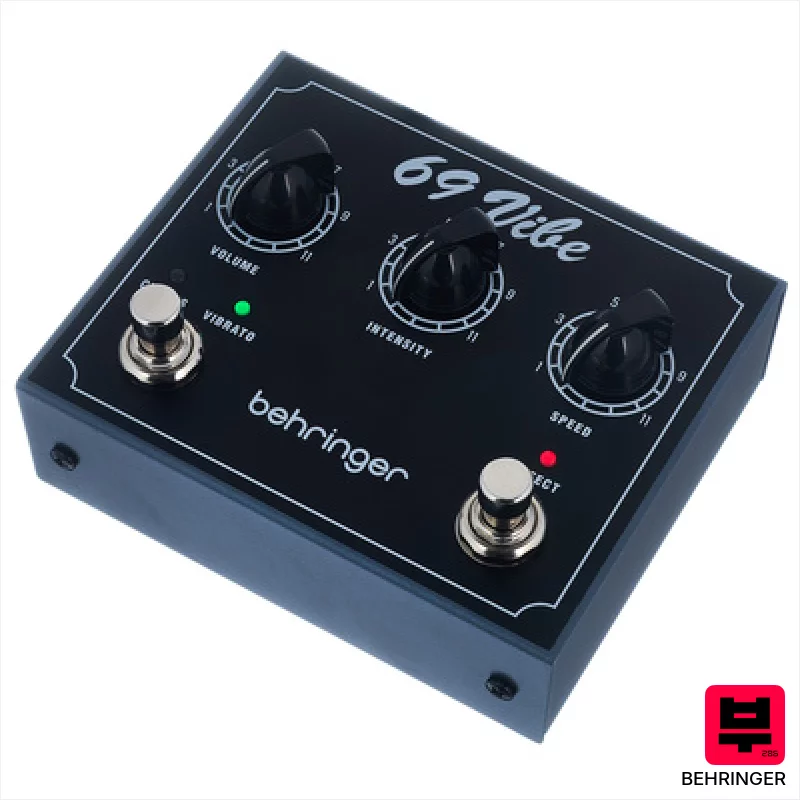
Behringer 69 Vibe
- • Faithfully emulates the Shin-Ei Uni-Vibe's swirling, hypnotic modulation.
- • Fully analog circuitry delivers a warm, organic vibrato effect.
- • Foot-controlled speed and mode selection adds expressive performance possibilities.
- • True bypass preserves your guitar's natural tone when the effect is off.
- • Plastic enclosure feels somewhat flimsy compared to higher-end pedals.
- • Limited control range; subtle settings can be challenging to dial in.
- • Power supply (adapter) not included, adding to the overall cost.
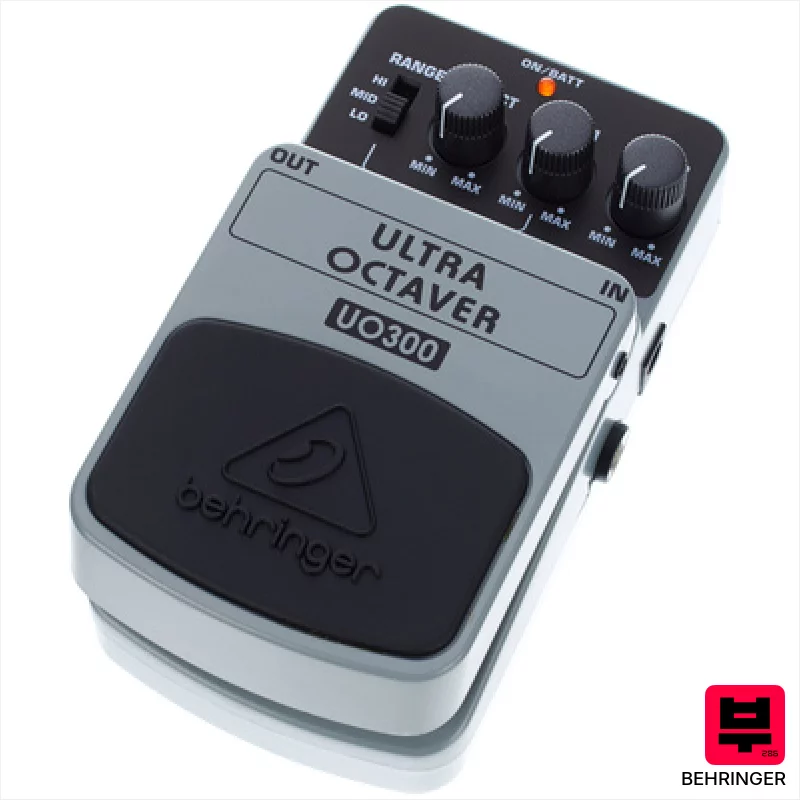
Behringer UO300
- • Surprisingly deep and musical sub-octave tones for the price.
- • Simple, direct controls offer immediate, usable octave effects.
- • Compact size makes it pedalboard-friendly for budget-conscious players.
- • Solid, if basic, construction for a pedal in this price range.
- • Plastic housing feels noticeably cheap and less durable than metal alternatives.
- • Limited control over tone – EQ shaping is non-existent.
- • True bypass implementation is questionable; slight hum present even bypassed.
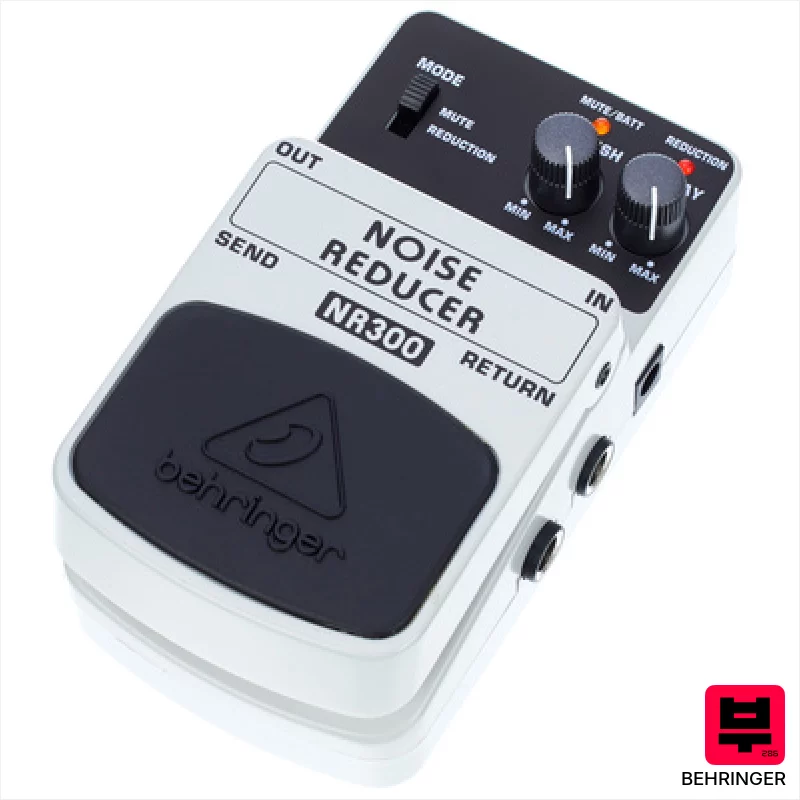
Behringer NR300 Noise Reducer
- • Remarkably effective noise reduction for humbucker-heavy rigs
- • Simple, intuitive controls for quick threshold and decay adjustments
- • Send/return loop allows noise reduction of external effects
- • Incredibly affordable entry point to noise reduction solutions
- • Plastic housing feels somewhat flimsy, lacks premium robustness
- • Limited tonal shaping beyond noise reduction; not a multi-effect
- • Decay control can be a bit too sensitive, requiring fine-tuning
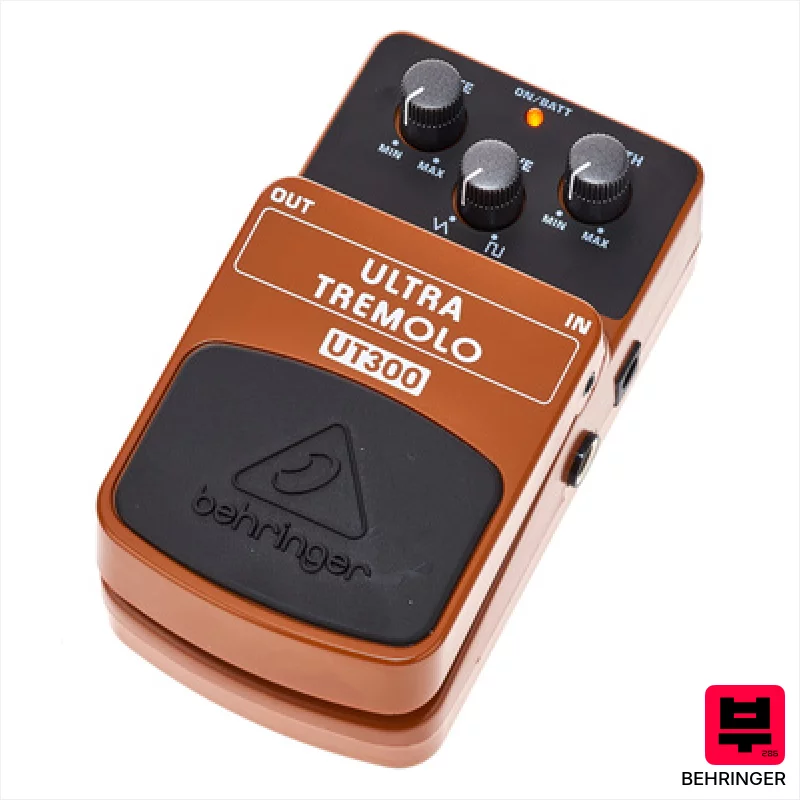
Behringer UT300
- • Surprisingly usable tremolo tones for the price point
- • Simple layout makes dialing in basic trem effects easy
- • Battery operation offers convenient portability for practice
- • Compact size fits comfortably on most pedalboards.
- • Plastic enclosure feels noticeably cheap and less durable
- • Limited control range restricts nuanced tremolo sculpting
- • Basic bypass isn't true bypass, potential for signal coloration.
How to Choose the Best Guitar Effects
Price
It's the obvious one. Behringer's aggressive pricing model is their biggest draw, often undercutting competitors by a significant margin. This opens up possibilities for building a more extensive pedalboard on a budget.
Tone Character
While not always aiming for pristine accuracy, Behringer's pedals often have a distinct character. Some lean into a vintage vibe, while others offer a more modern, aggressive tone - it's rarely a straight clone, which can be a good thing.
Build Quality
This is the area where corners are most often cut. Expect plastic enclosures, often feeling a bit flimsy, and pots that can sometimes be noisy or have a shorter lifespan than more expensive options. However, for the price, they often hold up surprisingly well.
Feature Set
Behringer often packs a lot of features into their pedals, sometimes bordering on feature creep. While this can be a boon for experimentation, it can also lead to a less intuitive user experience and a compromise in overall clarity of design.
Noise Floor
Many Behringer pedals can be a bit noisier than their more expensive counterparts, especially when cranked. This isn't always a dealbreaker, but it's something to be aware of, particularly if you're recording clean tones or using high-gain amps.
Buying Guide
Honestly, don't expect boutique-level build quality. These are budget pedals, and that means compromises. However, if you're on a tight budget, need a reliable backup, or just want to experiment with a wide range of sounds, Behringer is a solid option. Prioritize the pedals that address your biggest tonal needs first - a decent overdrive or delay is more valuable than a fancy, but ultimately unnecessary, modulation effect.
How This List Is Built
We don't play these instruments — we're a catalog, not a review desk, and we'd rather say so than pretend otherwise. This page ranks 9 guitar effects from the Thomann catalogue, which is the largest single source of specification data in this category.
Position is computed, not curated. Four signals, in order of weight: how completely the manufacturer documents the instrument (number of published specifications), where it sits in the price range, how specific the model designation is — which filters out generic accessories — and whether a product image exists. The same inputs always produce the same order, so nothing here is shuffled to look fresh.
What this list is good for: narrowing a category down to a shortlist by spec and budget. What it isn't: a substitute for hearing an instrument. Before you buy, read hands-on reviews and, where you can, play it. Full methodology.

