
Best Yamaha 4/4 Size Classical Guitars 2026
Alright, so you're looking for a solid Yamaha 4/4 classical guitar? Smart move. Yamaha's been quietly crushing the classical game for decades, offering incredible value and consistency. They're not flashy, but they work, and for a lot of players-from students to seasoned pros-that's more important than exotic woods and boutique aesthetics.
Last updated: October 9, 2026
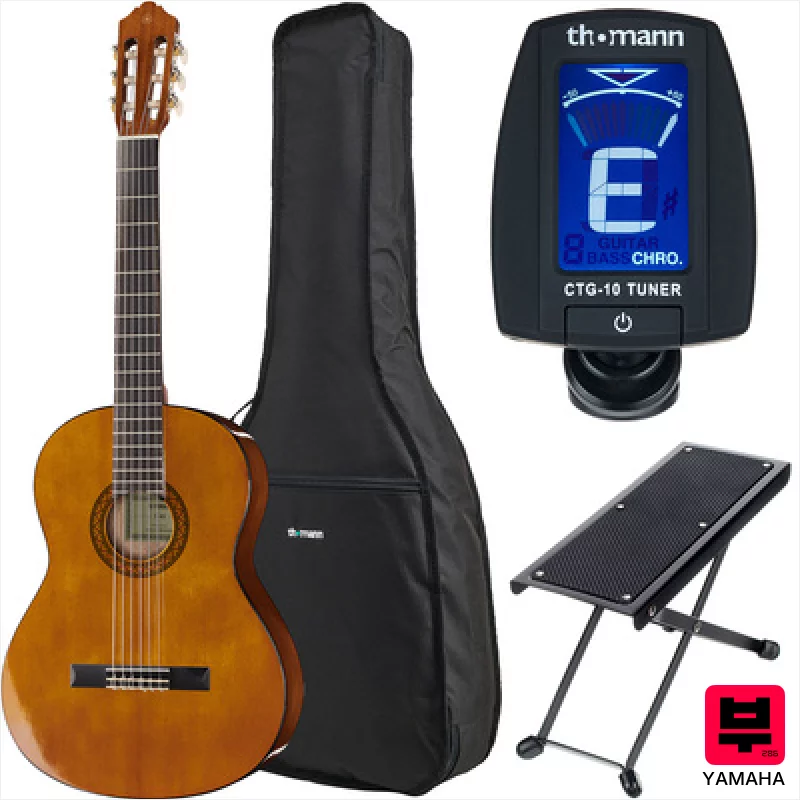
Yamaha C40 Bundle
- • Spruce top provides a bright, clear tone suitable for various playing styles.
- • Meranti back and sides offer warmth and balance, preventing a overly bright sound.
- • Rosewood fretboard and bridge contribute to a rich, resonant sustain.
- • Gig bag and footrest included offer excellent value and beginner-friendly setup.
- • Meranti back and sides are a budget material, limiting high-end tonal complexity.
- • Nato neck, while stable, lacks the premium feel of mahogany or Spanish cedar.
- • High-gloss finish can be prone to fingerprints and may feel less 'open' acoustically.
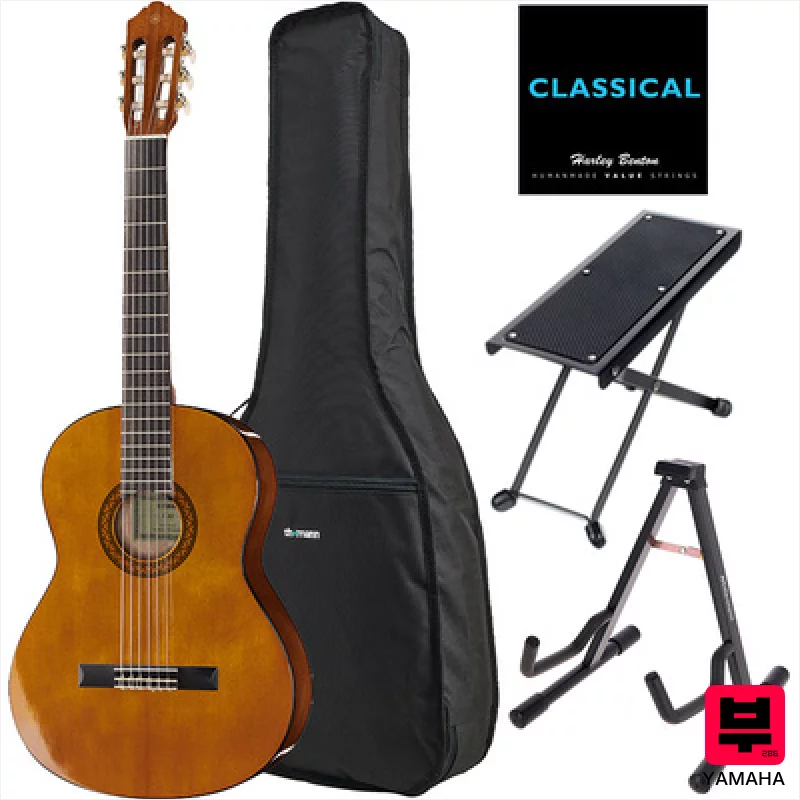
Yamaha C40 Bundle
- • Spruce top delivers a surprisingly resonant and clear tone for the price.
- • Meranti back and sides offer a warm, balanced response, avoiding harshness.
- • Nato neck provides good stability and a comfortable, familiar feel.
- • Gig bag and stand included offer excellent value and convenience for beginners.
- • Meranti back/sides lack the tonal complexity of more premium woods like rosewood or mahogany.
- • Rosewood fingerboard may exhibit some fret buzz, common in guitars at this price point.
- • High-gloss finish, while attractive, can feel a bit plasticky and less refined.

Yamaha CG-TA NT Transacoustic
- • Solid Engelmann spruce top provides a warm, responsive voice.
- • System70 Transacoustic technology offers convenient, built-in reverb/chorus.
- • Ovankol back and sides add depth and sustain to the tone.
- • Nato neck provides stability and a comfortable playing experience.
- • The Nato neck, while stable, lacks the premium feel of mahogany.
- • The SRT Piezo pickup system is adequate but not a high-end solution.
- • The natural finish may show fingerprints and require more care.
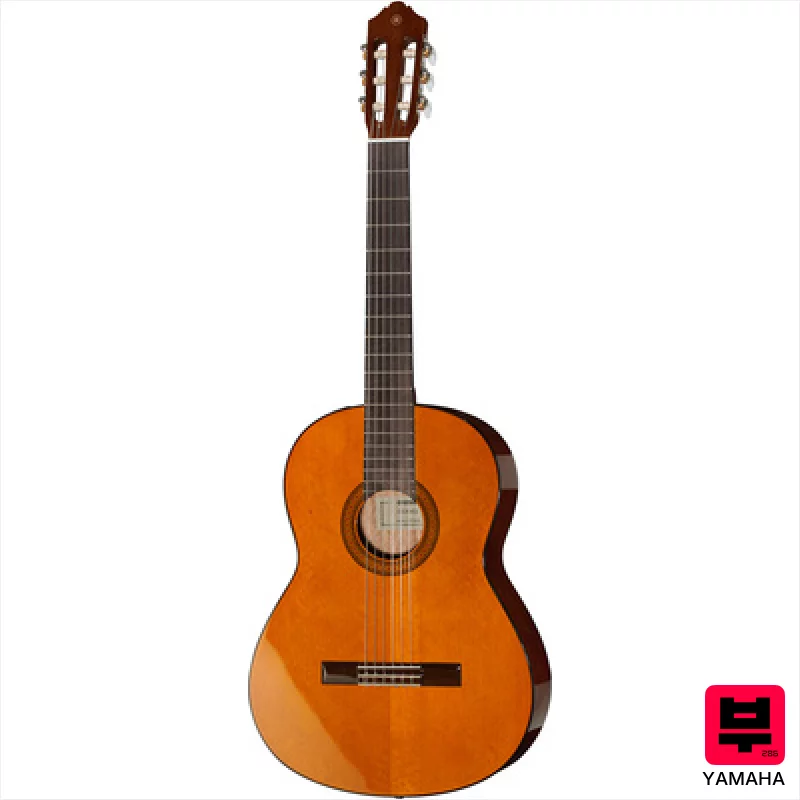
Yamaha CGX 102
- • Spruce top delivers a bright, responsive tone suitable for various styles
- • inSystem 68N pickup provides surprisingly natural amplified sound
- • Nato back and sides offer good projection and structural stability
- • Rosewood fretboard enhances sustain and provides a comfortable playing feel
- • Nato back and sides lack the tonal complexity of more premium woods like mahogany
- • The finish, while functional, is a basic gloss and may not appeal to all
- • Limited upper fret access can be a challenge for advanced players

Yamaha C40 BL Bundle 1
- • Spruce top provides a bright, clear fundamental tone.
- • Meranti back and sides offer a warm, balanced response.
- • Nato neck provides stability and comfortable playability.
- • Gig bag offers excellent protection and convenient transport.
- • Meranti back/sides limit the tonal complexity compared to rosewood.
- • The black finish can be prone to fingerprints and smudges.
- • 19 frets restrict higher register access for advanced players.
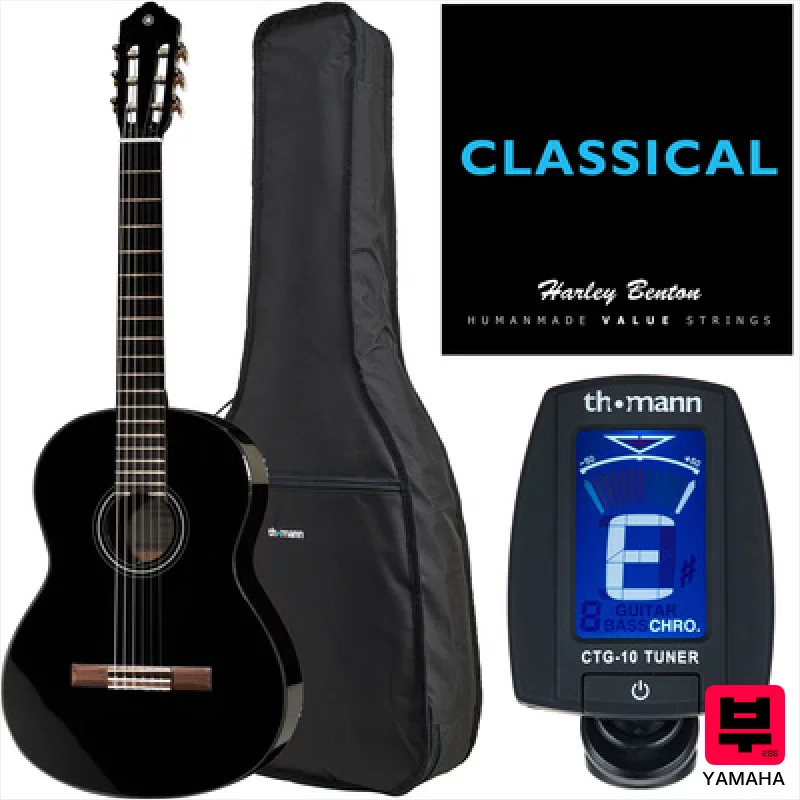
Yamaha C40 BL Bundle 2
- • Spruce top offers a surprisingly bright and responsive tone for the price.
- • Meranti back and sides provide warmth and sustain, balancing the spruce.
- • Nato neck offers good stability and a comfortable, consistent feel.
- • Bundle includes gig bag, tuner, and strings – great value for beginners.
- • Meranti isn't a premium tonewood, limiting the guitar's long-term tonal complexity.
- • Rosewood fretboard, while standard, might feel a bit dry and require occasional oiling.
- • The included gig bag is basic; a more robust case would be preferable for serious players.

Yamaha C40 BL
- • Spruce top provides a bright, clear, and responsive fundamental tone.
- • Meranti back and sides offer warmth and balance, preventing excessive brightness.
- • Nato neck delivers stability and a comfortable, consistent feel for beginners.
- • Rosewood fretboard contributes to a smooth playing experience and pleasant upper register.
- • Meranti back and sides, while balanced, lack the tonal complexity of rosewood or maple.
- • The black finish, while aesthetically pleasing, can be prone to fingerprints and smudging.
- • Limited upper fret accessibility due to the neck profile and body size.
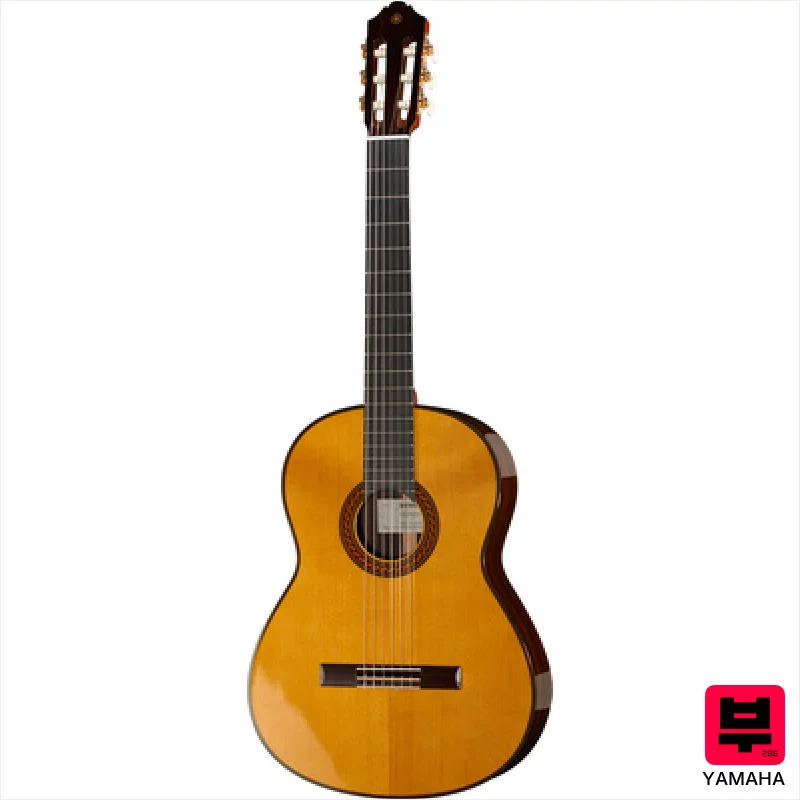
Yamaha CG192S
- • Solid spruce top delivers a surprisingly responsive and bright tone.
- • Rosewood back and sides add warmth and sustain, nicely balanced.
- • Ebony fretboard offers a smooth, fast playing experience for intricate passages.
- • Gold machine heads provide reliable tuning stability and a touch of elegance.
- • The mahogany neck, while stable, can feel a little less premium compared to some higher-end models.
- • The natural finish can be prone to scratches and requires careful handling.
- • While versatile, it's primarily suited for classical and fingerstyle playing; lacks electric guitar features.
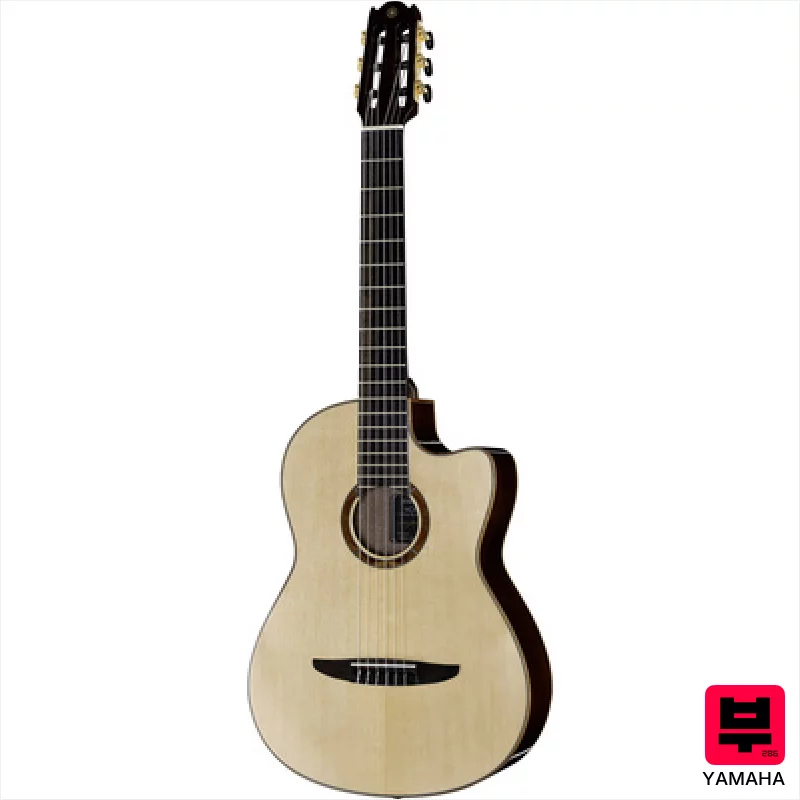
Yamaha NCX5 NAT
- • Solid European spruce top delivers a focused, mature tone with excellent projection.
- • Walnut back and sides add warmth and sustain, complementing the spruce's clarity.
- • Atmosfeel pickup system provides surprisingly natural amplified sound, usable for stage work.
- • Ebony fingerboard offers a smooth, responsive playing experience with clear note definition.
- • Solid wood construction contributes to a slightly heavier feel compared to laminate models.
- • While versatile, the pickup system isn't a substitute for a high-end acoustic mic.
- • The natural finish, while beautiful, can be prone to scratches and requires careful handling.
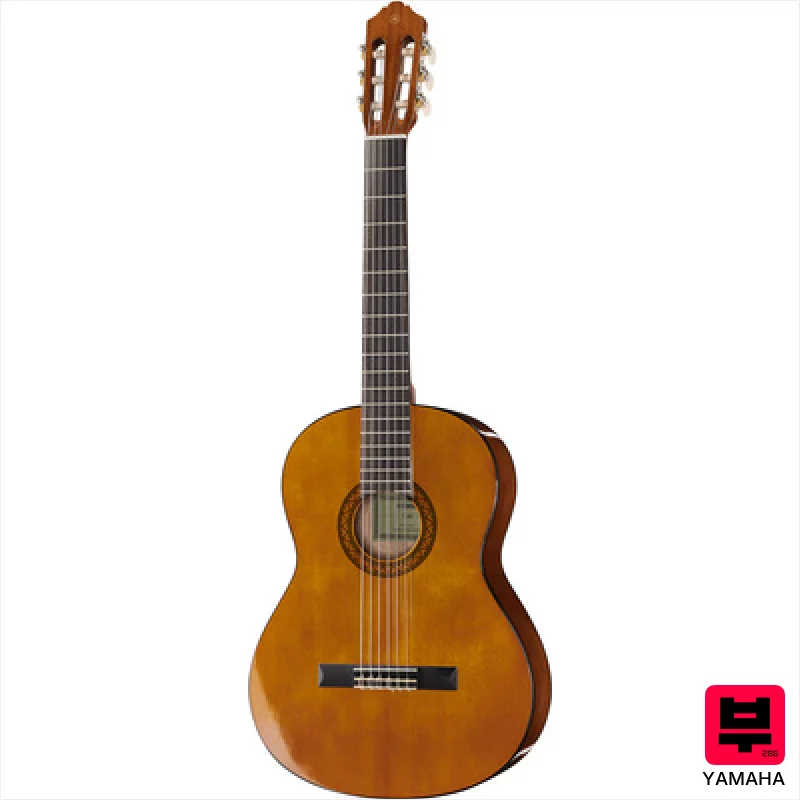
Yamaha C40
- • Spruce top provides clear, balanced projection ideal for beginners.
- • Meranti back and sides offer warmth and good tonal response.
- • Nato neck is stable and comfortable for extended playing sessions.
- • Rosewood fingerboard provides a smooth, familiar playing experience.
- • Meranti back/sides lack the complexity of more premium tonewoods.
- • High-gloss finish can feel a bit thick and impede resonance slightly.
- • Basic hardware limits upgrade potential and long-term durability.
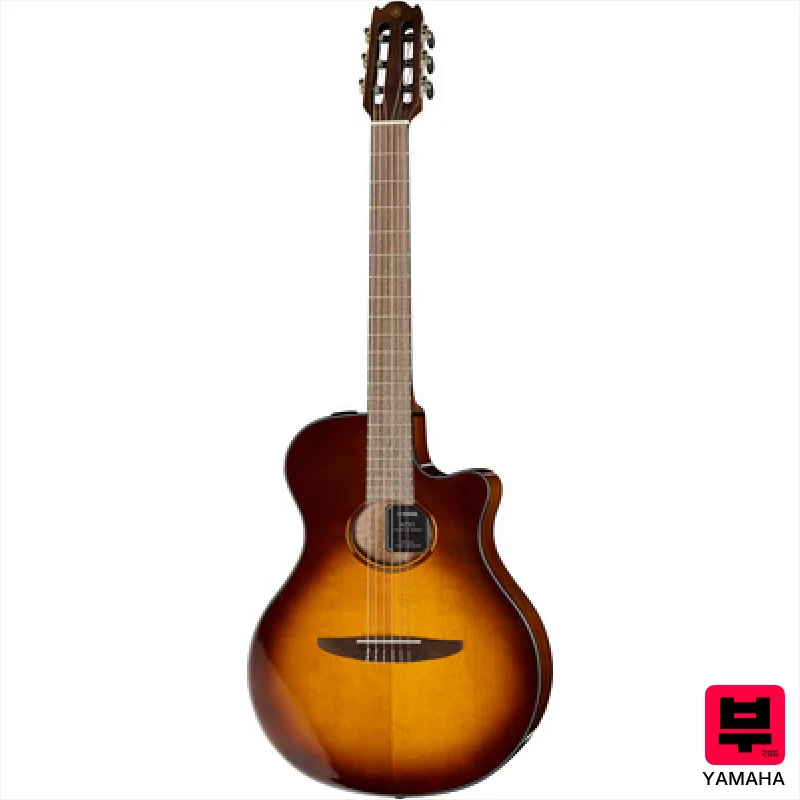
Yamaha NTX1BS Brown Sunburst
- • Solid Sitka spruce top delivers a bright, responsive, and articulate tone.
- • Nato back and sides provide warmth and sustain, balancing the spruce.
- • Undersaddle pickup system allows for amplified performance with reasonable clarity.
- • Walnut fretboard offers a smooth playing experience and a pleasing aesthetic.
- • Nato construction, while stable, lacks the tonal complexity of more premium tonewoods.
- • Undersaddle pickups can sometimes sound a bit thin and lack the nuance of a soundhole pickup.
- • The Brown Sunburst finish, while attractive, might not appeal to all players.

Yamaha NTX1BL Black
- • Solid Sitka spruce top delivers a surprisingly resonant and balanced tone.
- • Nato back and sides offer excellent projection and sustain for the price.
- • Cutaway provides easy access to higher frets, expanding playing range.
- • RM1388NB-B06 tuners offer reliable tuning stability and a premium feel.
- • Nato back/sides, while good, lack the tonal complexity of rosewood or mahogany.
- • Urea nut can sometimes feel a bit plasticky compared to bone or Tusq.
- • The undersaddle pickup, while functional, won't rival dedicated soundhole pickups.
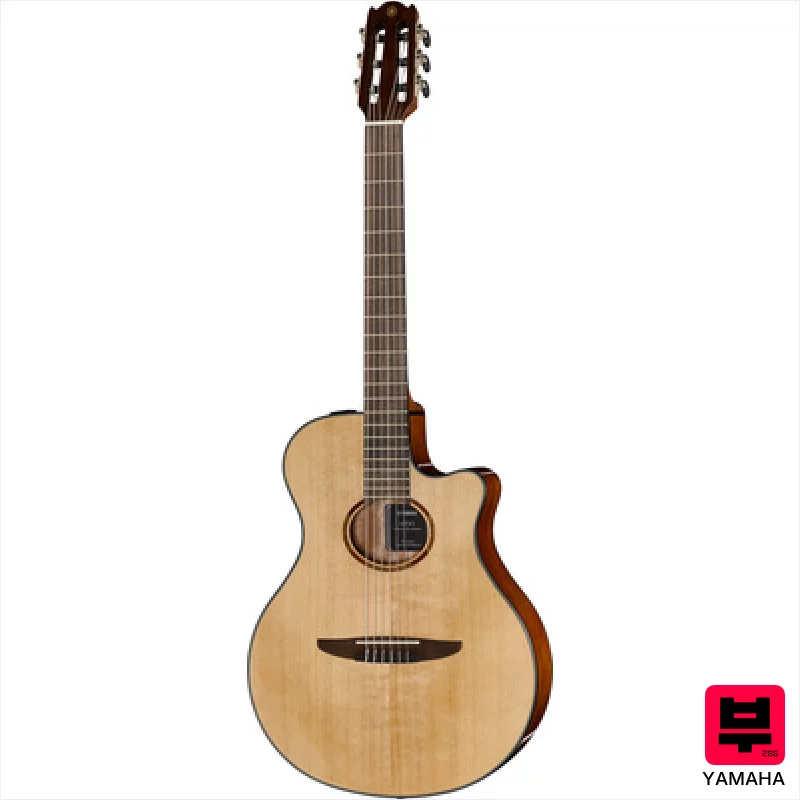
Yamaha NTX1NT NAT
- • Solid Sitka spruce top delivers a surprisingly rich, responsive tone.
- • Nato back and sides offer excellent projection and sustain for the price.
- • Ebony/Walnut bridge provides stable intonation and a warm acoustic response.
- • RM1388NB-B06 tuners ensure reliable tuning stability and smooth action.
- • Nato construction, while good, lacks the premium resonance of rosewood.
- • Urea nut is a cost-saving measure; potential for future wear.
- • Cutaway compromises some upper bout resonance and aesthetic appeal.
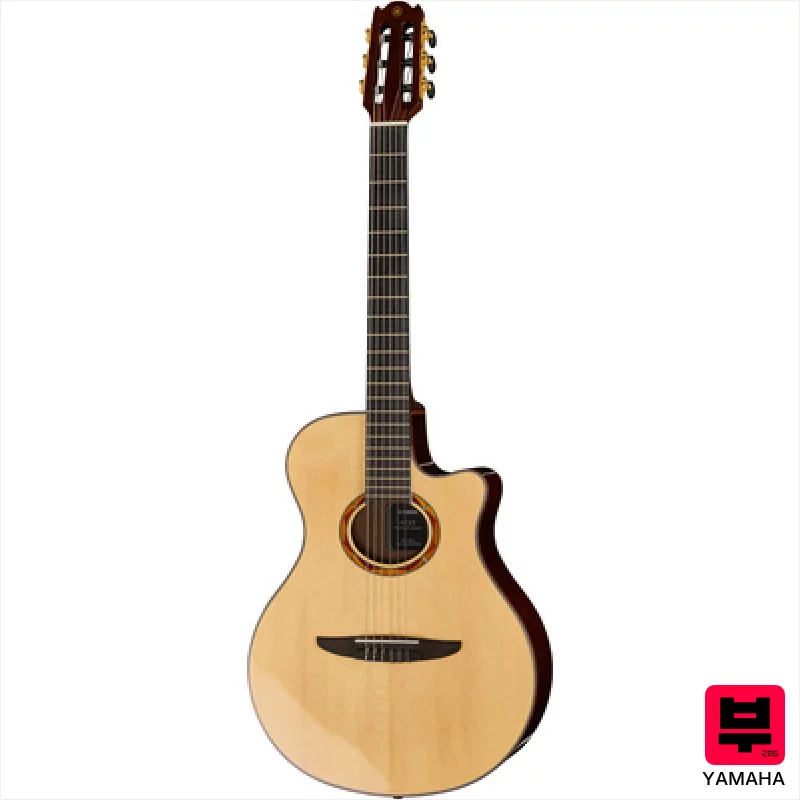
Yamaha NTX3NT
- • Solid Sitka top provides clear, articulate projection and warmth
- • Walnut back and sides add complexity and sustain to the tone
- • Atmosfeel pickup system delivers surprisingly natural amplified sound for stage
- • Ebony fretboard offers smooth playability and excellent note definition
- • Walnut back and sides can darken the tone, less 'sparkly' than some spruce/rosewood combinations
- • Cutaway compromises some upper-body resonance and structural integrity
- • The Urea nut, while functional, isn't as premium as bone or Tusq
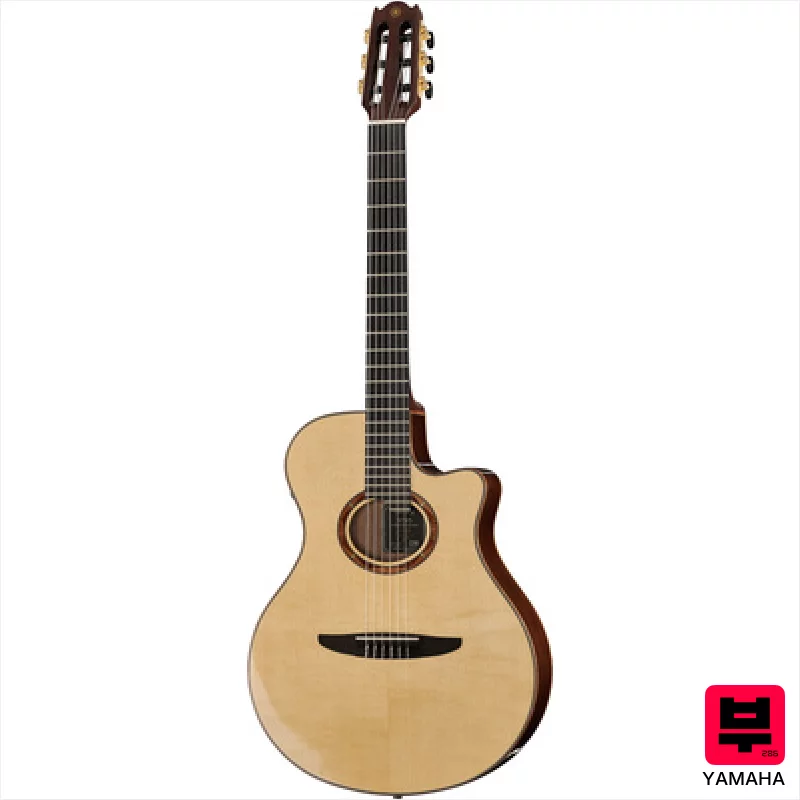
Yamaha NTX5NT NAT
- • Solid European spruce top delivers a bright, responsive, and articulate tone.
- • Walnut back and sides add warmth and sustain, balancing the spruce’s brightness.
- • The Atmosfeel pickup system provides a surprisingly natural amplified sound, blending piezo and mic.
- • Ebony fretboard offers a smooth, fast playing experience with excellent note definition.
- • The shorter scale length (650mm) might feel cramped for players accustomed to longer scales.
- • Solid walnut construction contributes to a slightly heavier feel compared to laminate alternatives.
- • The Atmosfeel system, while good, may not satisfy the demands of the most discerning stage performers.
Every 4/4 size classical guitars that matches
32 models match this page. The 15 above are covered in detail; the rest are listed here with their published specifications.
| # | Model | Specifications | Price |
|---|---|---|---|
| 16 | Yamaha NCX1C NAT | Nut width 52 mm (2.05") · Scale 650 mm (25.59") | $557 |
| 17 | Yamaha NCX1FM NAT | Nut width 52 mm (2.05") · Scale 650 mm (25.59") | $636 |
| 18 | Yamaha NCX1 NAT | Nut width 52 mm (2.05") · Scale 650 mm (25.59") | $502 |
| 19 | Yamaha NCX3C NAT | Nut width 52 mm (2.05") · Scale 650 mm (25.59") | $1,117 |
| 20 | Yamaha NCX3 NAT | Nut width 52 mm (2.05") · Scale 650 mm (25.59") | $1,117 |
| 21 | Yamaha CG142S BL | Scale 650 mm (25.59") · Frets 19 frets | $435 |
| 22 | Yamaha CX40 II | Nut width 52 mm (2.05") · Scale 650 mm (25.59") | $167 |
| 23 | Yamaha CG102 NT Bundle | Nut width 52 mm (2.05") · Scale 650 mm (25.59") | $285 |
| 24 | Yamaha CG102 NT | Nut width 52 mm (2.05") · Scale 650 mm (25.59") | $267 |
| 25 | Yamaha CG192C | Scale 650 mm (25.59") · Frets 19 frets | $715 |
| 26 | Yamaha CG142C | Scale 650 mm (25.59") · Frets 19 frets | $390 |
| 27 | Yamaha CG122MC | Scale 650 mm (25.59") · Frets 19 frets | $331 |
| 28 | Yamaha C40M Bundle | Scale 650 mm (25.59") | $169 |
| 29 | Yamaha C40M | Scale 650 mm (25.59") | $144 |
| 30 | Yamaha C70 | Scale 650 mm (25.59") | $227 |
| 31 | Yamaha CGX 122 MC | not published | $365 |
| 32 | Yamaha CGX 122 MS | not published | $390 |
4/4 Size Classical Guitars by the numbers
Measured across all 467 models in this category, so «wide», «short» or «expensive» mean something you can check.
How to Choose the Best 4/4 Size Classical Guitars
Consistency
Yamaha's factory processes are tight. You know what you're getting - a playable, well-intonated instrument, every time. This is huge for students or anyone who doesn't want to spend hours wrestling with setup issues.
Tone Profile
Generally, Yamahas offer a balanced tone, leaning slightly towards a warmer, more fundamental-rich sound. They don't have that ice-picky high-end some other brands chase; it's a more mature, controlled articulation that cuts through a mix without being harsh.
Neck Profile
Yamaha's neck profiles are generally comfortable and consistent, often erring on the side of a slightly flatter feel. This caters to a wide range of playing styles and hand sizes, though some might prefer a more traditional, rounded profile.
Build Quality & Longevity
Yamaha doesn't skimp on the basics. Solid tops (usually spruce or cedar) are standard on their better models, and the bracing patterns are well-engineered for even response and sustain. They're built to last, which is a big deal for a student instrument.
Value for Money
This is the big one. You're getting a lot of guitar for the price. Where they save money is often in the woods - less figured tops, simpler binding - but the core playability and tone are there, and that's what matters most.
Buying Guide
Don't expect stratospheric sustain or a mind-blowing, shimmering high-end. Yamaha's strength is reliability and a balanced voice. If you're a beginner, the CG120 or CG130 are fantastic starting points. Stepping up to the CG200 series gets you a solid top and improved projection. Be mindful of the action - sometimes they ship a little high, easily remedied with a simple setup.
How This List Is Built
We don't play these instruments — we're a catalog, not a review desk, and we'd rather say so than pretend otherwise. This page covers 32 of 467 4/4 size classical guitars from the Thomann catalogue, which is the largest single source of specification data in this category: 15 in detail, the rest listed with their specifications.
Position is computed, not curated. We parse the manufacturer's own description into actual values — nut width, scale, fret count, fingerboard radius, size, alloy — and rank on them: how many specifications a model has published, how many of them are measurable numbers, and how precisely it meets this page's criterion. A product image adds a little. Price is not a ranking signal: it tells you nothing about whether a neck fits your hand. The same inputs always produce the same order, so nothing here is shuffled to look fresh.
What this list is good for: narrowing a category down to a shortlist by spec and budget. What it isn't: a substitute for hearing an instrument. Before you buy, read hands-on reviews and, where you can, play it. Full methodology.

