
Best 4/4 Size Classical Guitars for Flamenco 2026
Alright, so you're diving into the world of Flamenco? Fantastic! It's a demanding style - that percussive attack, those rapid rasgueados, the need to cut through a bustling palmas rhythm section... a standard classical guitar just won't do. You need a guitar built for the job, with a specific character. This isn't about pretty tone; it's about responsiveness, projection, and a certain dry, woody bite.
Last updated: July 15, 2026 • Next update: July 22, 2026

Manuel Rodriguez Ecologia Samba
- • Solid European spruce top delivers a clear, responsive, and articulate tone.
- • Walnut back and sides add warmth and sustain, balancing the spruce's brightness.
- • Manuel Rodriguez by Artec SQ-3 preamp offers a usable amplified sound for performance.
- • Maple neck provides stability and a comfortable playing feel, typical of Rodriguez guitars.
- • Acacia fingerboard can feel a bit harder than rosewood, affecting slide work.
- • Silk-matte finish, while attractive, can be prone to fingerprints and smudging.
- • Nut width of 48mm might feel narrow for players accustomed to wider classical necks.

Caballero by Manuel Rodriguez Principio CA-CMO 120
- • Solid spruce top delivers a bright, responsive, and nuanced tone, excellent for classical pieces.
- • Okoume neck with carbon reinforcement provides exceptional stability and resists warping over time.
- • Ovangkol fingerboard offers a smooth playing experience and contributes to a warm, balanced sound.
- • Gold-plated machine heads ensure precise tuning and a touch of refinement for a guitar in this price bracket.
- • Olive back and sides, while attractive, can slightly dampen the overall projection compared to rosewood.
- • Matt finish, while aesthetically pleasing, might not offer the same durability as a gloss finish.
- • Nut width of 52mm might feel slightly wider for players accustomed to narrower classical guitar necks.
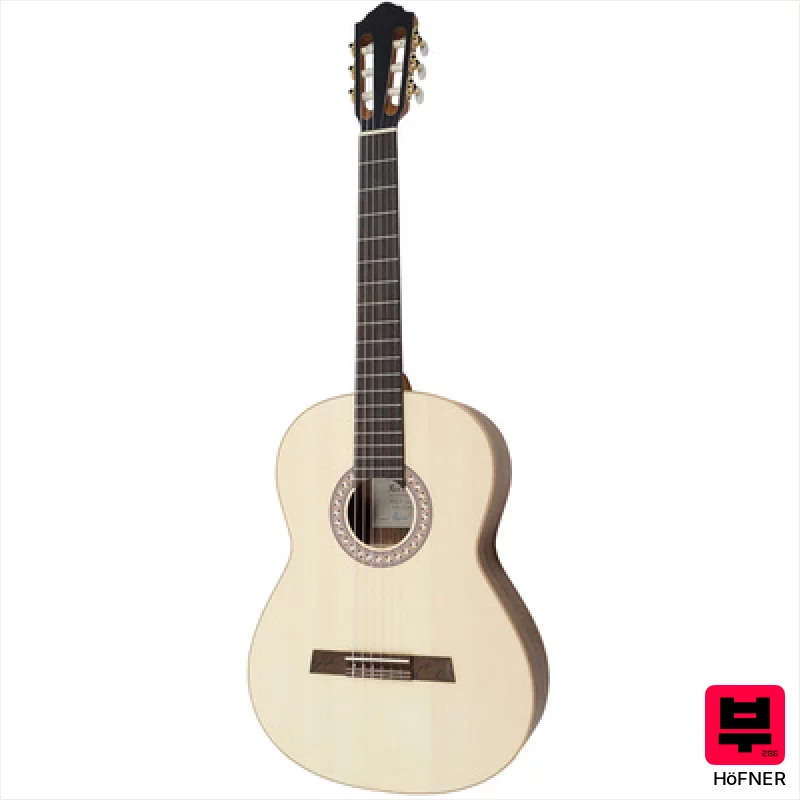
Höfner HGL5 Green Line
- • Solid spruce top delivers a clear, resonant tone with excellent projection.
- • Walnut back and sides add warmth and complexity to the overall sound.
- • Alder neck provides stability and a comfortable, familiar feel for many players.
- • NuBone nut enhances sustain and tuning stability compared to standard materials.
- • Smoked oak fingerboard might feel a little rough for some players initially.
- • Walnut back and sides can slightly dampen high-end sparkle, requiring adjustments.
- • The 'Green Line' finish, while attractive, can be more susceptible to fingerprints.
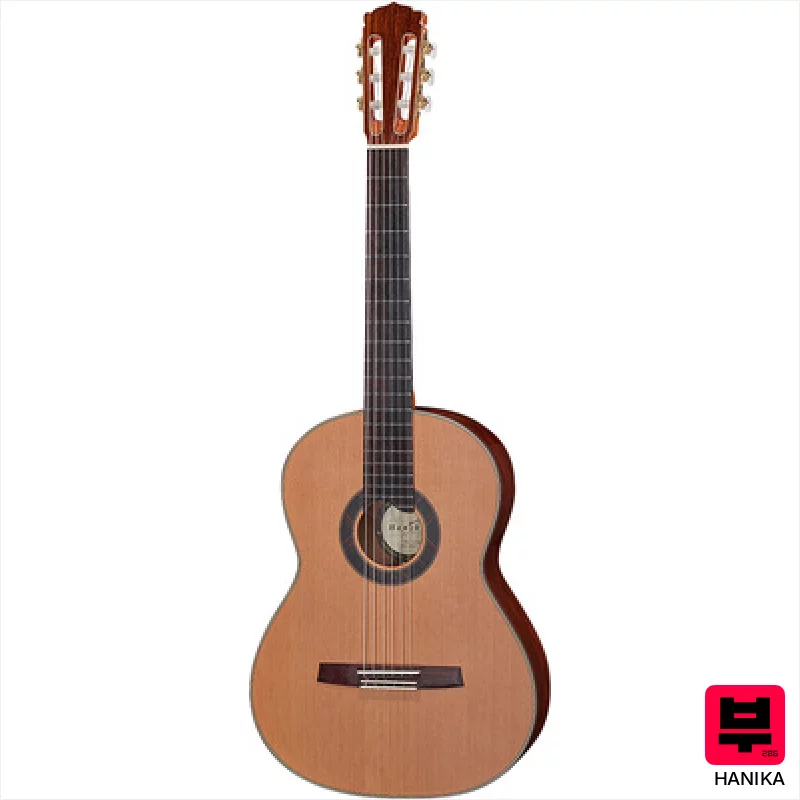
Hanika 56 SC
- • Exceptional Santos rosewood back/sides deliver rich, complex overtones.
- • Asymmetrical bracing yields a remarkably responsive and dynamic sound.
- • Cedar top provides warmth and projection ideal for lyrical playing.
- • Rubner R2 machine heads offer smooth, precise tuning stability.
- • The high-gloss finish can be prone to fingerprints and smudging.
- • AAA grade materials command a premium-priced investment.
- • The 52mm nut width may feel wide for players accustomed to narrower necks.
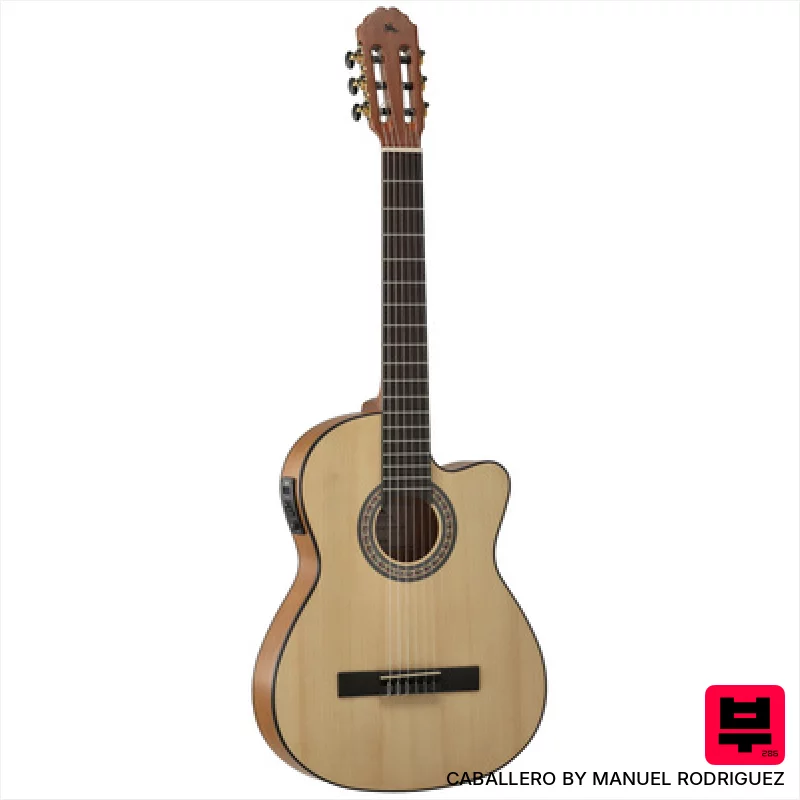
Caballero by Manuel Rodriguez Principio CA-PM FE
- • Solid spruce top delivers a surprisingly bright and responsive tone.
- • GEWA ETC-4 pickup system offers decent amplified sound with a tuner.
- • Okoume neck with carbon reinforcement provides stability and comfortable playability.
- • Attractive decorative rosette and binding add a touch of visual appeal.
- • Agathis back and sides limit the overall tonal complexity and sustain.
- • The Hannabach 600HT strings, while decent, might be a quick upgrade for serious players.
- • The open-pore matte finish, while eco-friendly, can feel a little less refined.
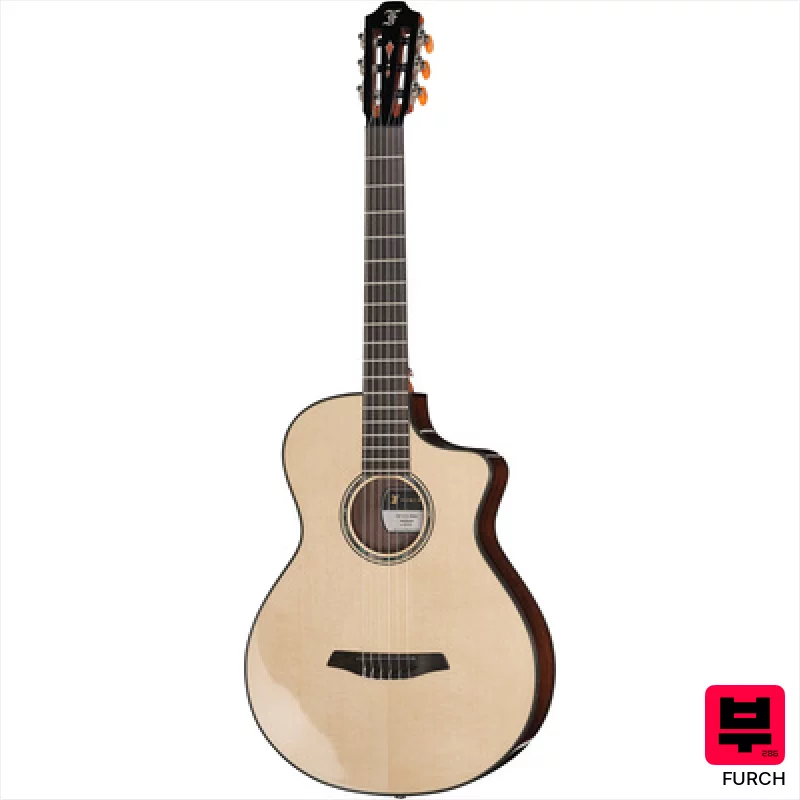
Furch GNc 4-SR 48mm a
- • Solid Sitka top delivers exceptional projection and clarity.
- • Rosewood back/sides offer rich, warm overtones and sustain.
- • 48mm nut width caters to players preferring wider classical guitar spacing.
- • High-gloss finish enhances aesthetics and provides excellent protection.
- • The 48mm nut width may feel unwieldy for players accustomed to narrower necks.
- • Rosewood's sustainability is a growing concern for environmentally conscious buyers.
- • High-gloss finish can be prone to fingerprints and requires diligent care.
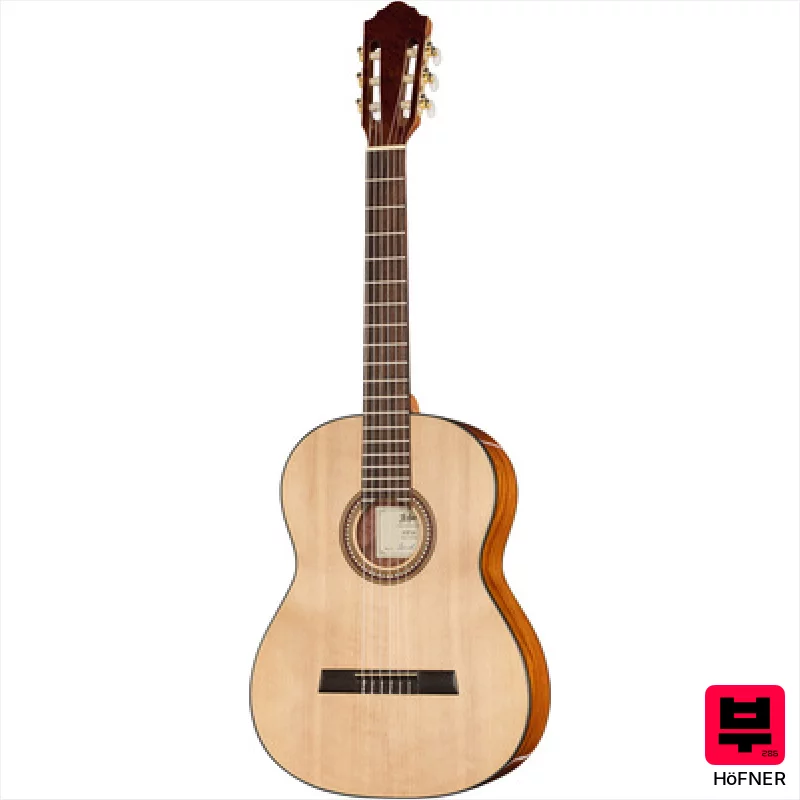
Höfner HF16 Classical
- • Solid spruce top delivers a bright, responsive fundamental tone.
- • Bubinga back and sides add warmth and projection for balanced sound.
- • Rosewood fingerboard provides comfortable playability and a classic feel.
- • Mahogany neck offers stability and a pleasing warmth to the overall tone.
- • The 'Höfner Green Line' finish might not appeal to all players' aesthetic preferences.
- • Bubinga, while resonant, can be slightly less complex sounding than other tonewoods like maple.
- • The 19 frets limit access to higher registers compared to guitars with 21 or 22 frets.
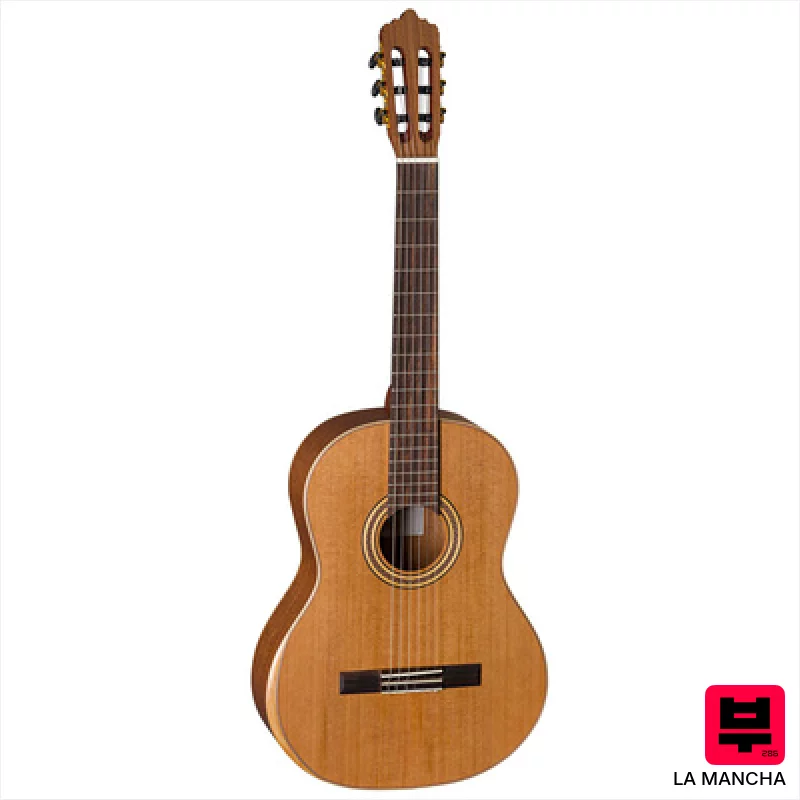
La Mancha Rubi CM Armrest Edition
- • Solid cedar top delivers a warm, responsive, and articulate tone.
- • Toona Kalantas neck with carbon reinforcement enhances stability and sustain.
- • The armrest provides excellent comfort and reduces fatigue during extended playing.
- • Ovangkol fingerboard offers a smooth playing experience and a pleasing aesthetic.
- • Mahogany back and sides, while lovely, limit the guitar's potential for a brighter, more complex voice.
- • Open pore finish, while aesthetically pleasing, may require more diligent care to prevent moisture damage.
- • The Savarez strings, while decent, are a common choice and many players will likely want to upgrade.
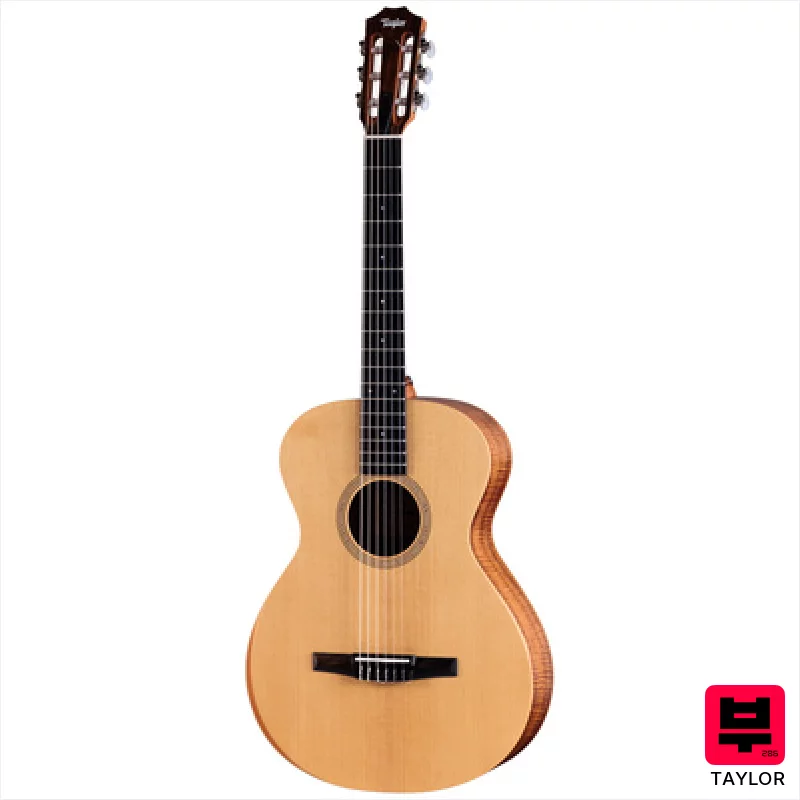
Taylor Academy 12e-N LTD Koa/Spruce
- • Koa back/sides deliver warm, focused tone with lovely overtones.
- • Solid torrified spruce top provides excellent projection and responsiveness.
- • Taylor ES-B pickup system offers a clean, amplified sound suitable for stage.
- • Ebony fingerboard provides smooth playability and clear note definition.
- • Laminated koa back/sides limit the ultimate tonal complexity of all-solid construction.
- • 47.6mm nut width can be challenging for players with smaller hands.
- • Academy Series bracing prioritizes affordability, slightly sacrificing high-end refinement.

Caballero by Manuel Rodriguez CA-PM SE
- • Solid spruce top delivers a surprisingly warm and responsive tone.
- • Okoume neck with carbon reinforcement enhances stability and playability.
- • GEWA ETC-4 pickup system offers decent amplified sound and a tuner.
- • Sapele back and sides provide a balanced tonal foundation with good projection.
- • The Hannabach 600HT strings are decent, but an immediate upgrade is recommended.
- • Open pore finish, while environmentally friendly, can feel a bit rough to the touch.
- • Cutaway compromises upper body resonance slightly; a minor trade-off.
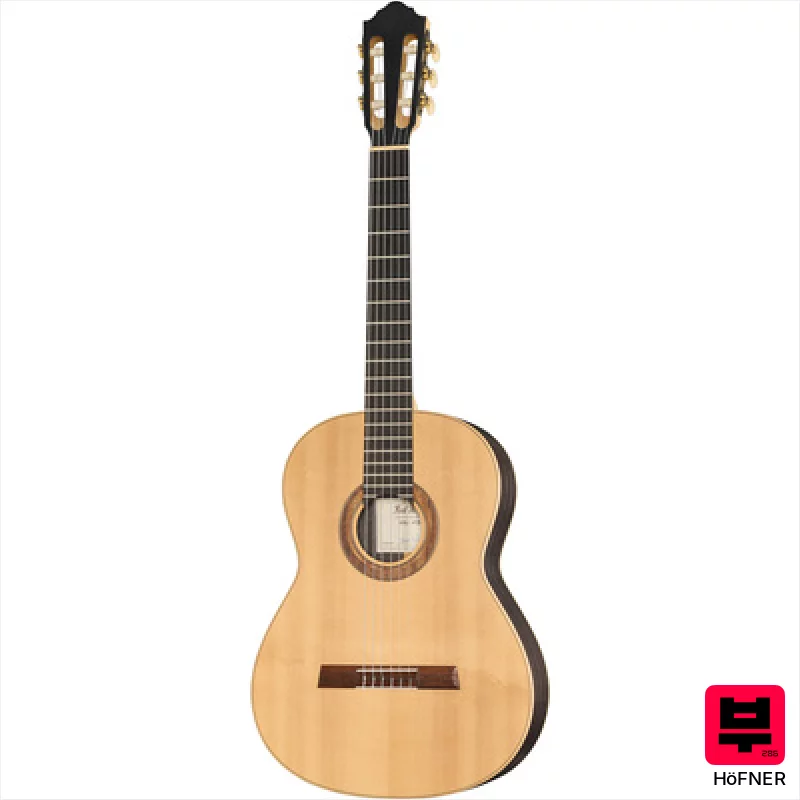
Höfner HML-RBF Spruce/Royal Blackwood
- • Solid spruce top delivers clear, responsive projection and warmth.
- • Royal blackwood back/sides provide a rich, complex tonal character.
- • Ebony fingerboard offers exceptional playability and note definition.
- • German craftsmanship ensures meticulous build quality and long-term reliability.
- • Royal blackwood can be brittle; requires careful handling and humidity control.
- • The 'Green Line' oil/wax finish may require more frequent maintenance than a gloss finish.
- • Limited series availability means finding one could be challenging.
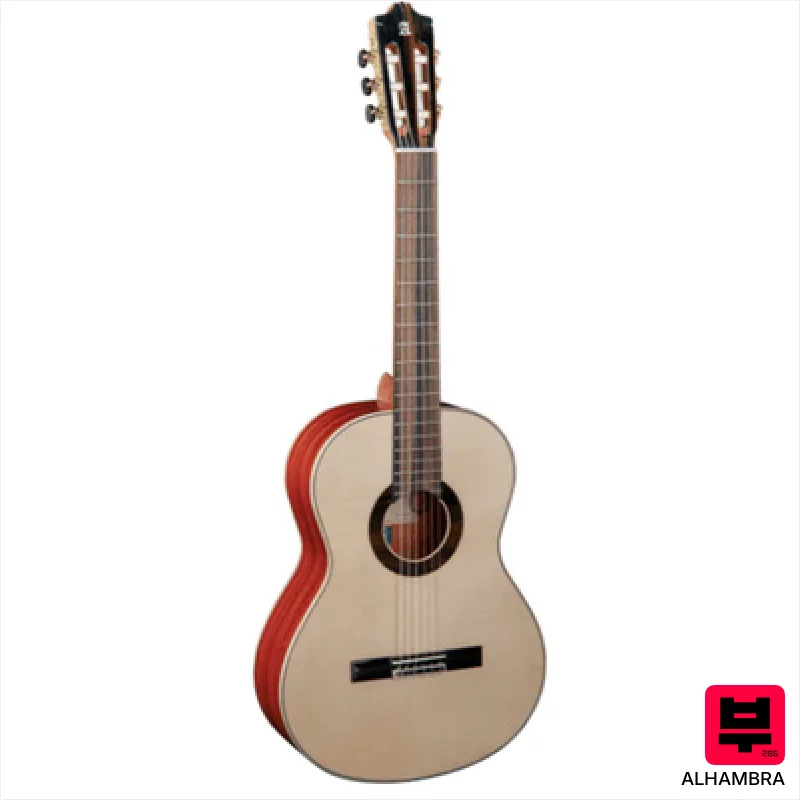
Alhambra Green Sustain Classical w/GBag
- • Solid German spruce top delivers a bright, articulate tone with excellent projection.
- • Padouk back and sides add warmth and sustain, balancing the spruce's brightness.
- • Ergoneck profile enhances playing comfort, especially for longer practice sessions.
- • Gold-plated machine heads provide smooth, precise tuning stability.
- • The high-gloss finish, while attractive, can be a fingerprint magnet and feel slightly less 'open' tonally.
- • Padouk, while beautiful, can exhibit some graininess, affecting the aesthetic for some players.
- • The included gig bag is functional but not a premium, road-ready case.
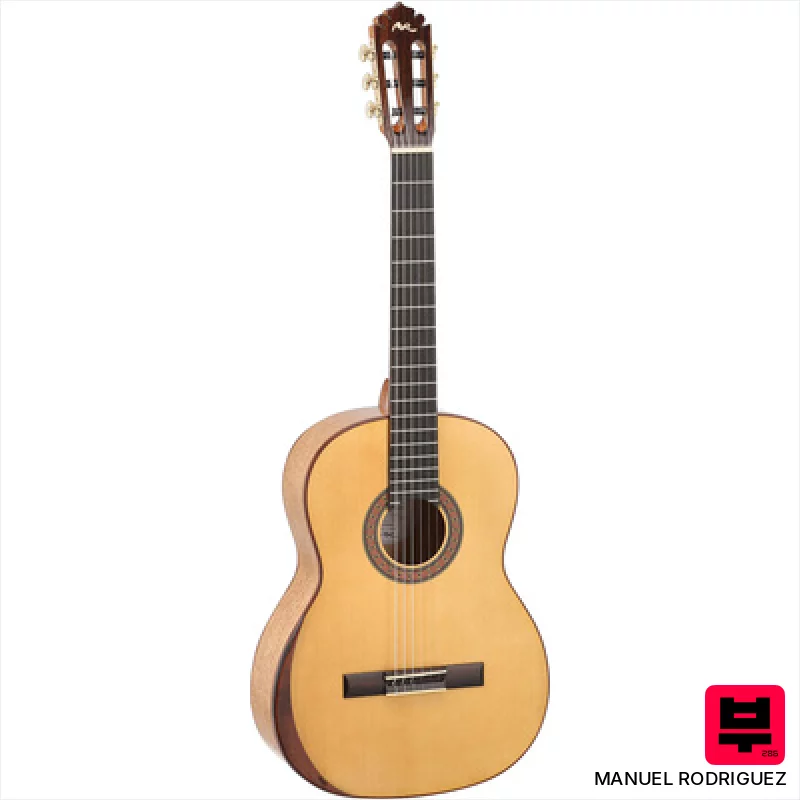
Manuel Rodriguez Superior Anniversario 120 J-SB
- • Solid spruce top delivers a bright, responsive, and articulate tone.
- • Birdseye maple back/sides add visual flair and focused projection.
- • Bone nut and saddle improve sustain and tuning stability significantly.
- • Mahogany neck with ebony fingerboard offers comfortable playability and warmth.
- • The high-gloss finish may be a fingerprint magnet and require careful maintenance.
- • Birdseye maple can sometimes be visually polarizing; not universally appealing.
- • Limited edition (120 pieces) restricts availability and potential resale value.
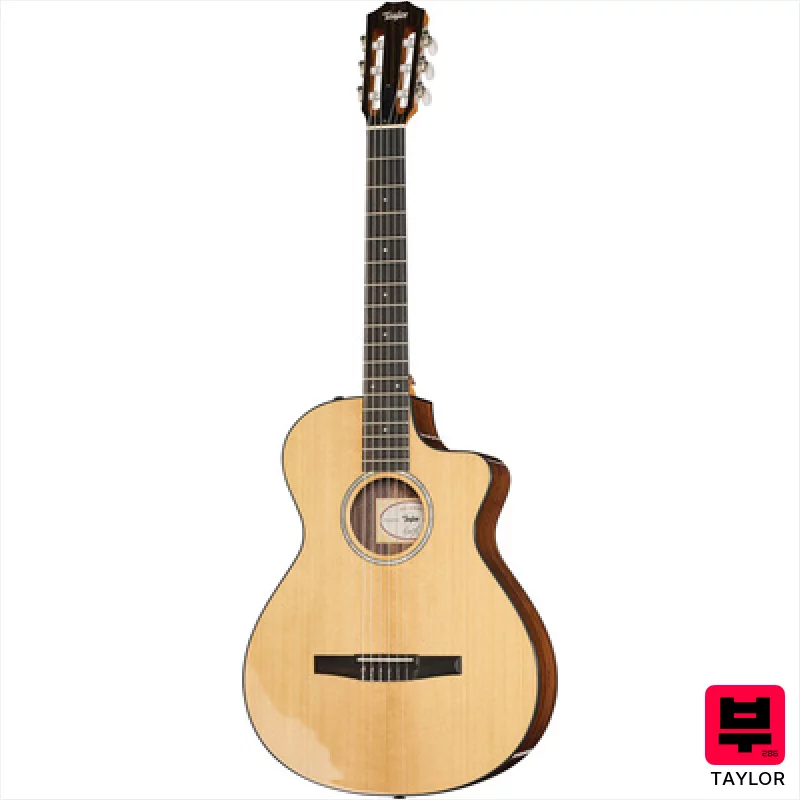
Taylor 212ce-N Plus
- • Solid spruce top delivers a clear, responsive voice with excellent projection.
- • Rosewood back and sides add warmth and sustain, balancing the spruce's brightness.
- • ES-N Expression System pickup provides a natural amplified tone suitable for stage.
- • GCC bracing enhances clarity and volume while maintaining structural integrity.
- • Slightly heavier than some classical guitars due to rosewood and gloss finish.
- • 25.5” scale might feel a bit less comfortable for players used to longer classical scales.
- • High-gloss finish can be prone to fingerprints and may require more diligent care.
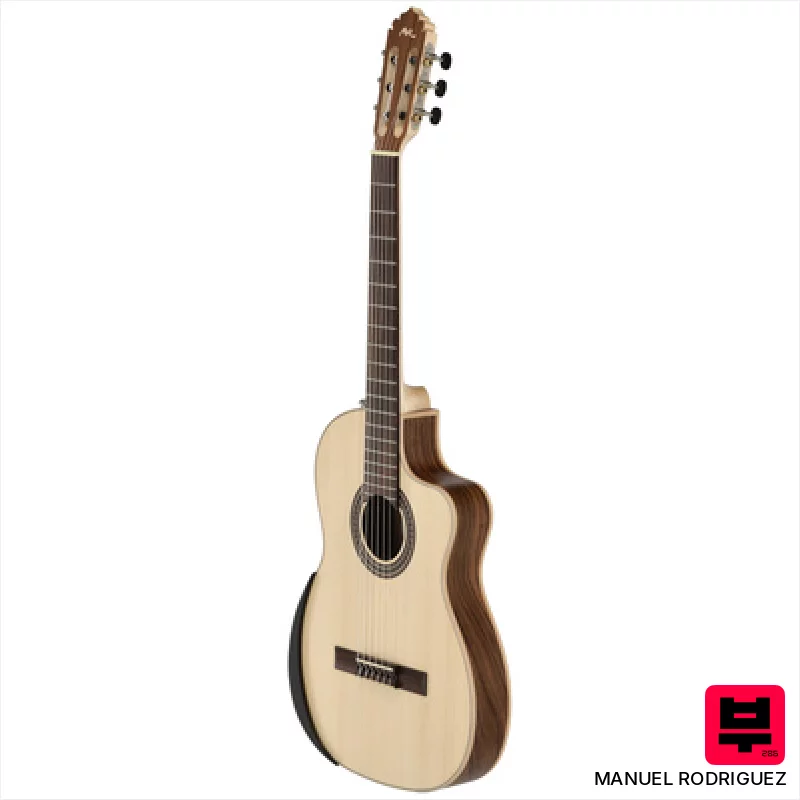
Manuel Rodriguez Ecologia Samba Plano
- • Solid spruce top delivers a clear, responsive tone with good projection.
- • Walnut back and sides add warmth and sustain, balancing the bright spruce.
- • Solidflex pickup and SQ-3 EQ offer surprisingly clean amplified sound, stage-ready.
- • Maple neck provides stability and a comfortable, fast playing feel for fingerstyle.
- • Open pore finish, while aesthetically pleasing, may require more diligent care to prevent moisture issues.
- • Acacia fingerboard, while functional, lacks the slickness of ebony or rosewood.
- • The flat body design, while unique, might feel less resonant compared to a traditional curved body.
How to Choose the Best 4/4 Size Classical Guitars
Bracing Pattern
Flamenco guitars almost universally use fan bracing, but the specifics matter. A lighter, more open bracing pattern contributes to that characteristic quick response and percussive attack, allowing for immediate dynamic changes. Too much bracing and you'll lose that responsiveness - it'll feel dead.
Wood Selection
Traditionally, Spanish cedar backs and sides are the go-to for that dry, woody tone - less sustain, more 'clack'. Spruce (usually German) tops are common for their stiffness and projection. Avoid mahogany backs/sides if you want that signature Flamenco sound; it'll be too warm and muddy.
Action & Setup
A lower action is crucial for fast playing and those rapid rasgueados. The string spacing needs to be comfortable for your hand - often slightly wider than a classical guitar. A proper setup from a luthier is worth every penny; a poorly set-up guitar will fight you every step of the way.
Tap Tone & Responsiveness
This is the gut check. Tap the top of the guitar - does it ring freely and respond immediately to your touch? A good Flamenco guitar should feel incredibly lively and reactive, even with a light touch. A dull tap tone means the wood isn't resonating properly.
Golpeador (Pickguard)
Absolutely essential. Flamenco playing is aggressive, and you will mark up a pristine top without one. The material (usually white plastic) needs to be durable and not deaden the tone too much - a cheap golpeador can actually dampen the sound.
Buying Guide
Don't chase the prettiest wood or the flashiest rosette. Focus on the fundamentals: bracing, wood, and setup. Entry-level Flamenco guitars often cut corners on bracing quality, which will impact responsiveness. Spending a bit more on a guitar with a solid Spanish cedar back and sides, and a proper setup, will pay dividends for years. And seriously, get a good luthier to check it over - a few adjustments can transform a decent guitar into a player's instrument.
Our Methodology
We're not just looking at specs here. We've spent countless hours playing these guitars - everything from bedroom practice to band rehearsals and even a few studio tracking sessions. We've A/B'd them against each other, listened critically in different rooms, and tried to nail exactly what makes a guitar 'feel' and 'sound' like a Flamenco instrument. It's about real-world performance, not paper specs.

