
Best Wireless Systems for Guitar and Bass Under $50 2026
Alright, so you need wireless for your guitar or bass but your budget's tighter than a Les Paul's neck profile? It's a common situation. Forget those 'pro' systems costing a grand - we're diving into the under-$50 world, which means making some serious compromises. Let's be realistic: you're not getting pristine studio clarity, but you can get something that'll free you from a cable at a rehearsal or a low-key gig.
Last updated: April 11, 2026
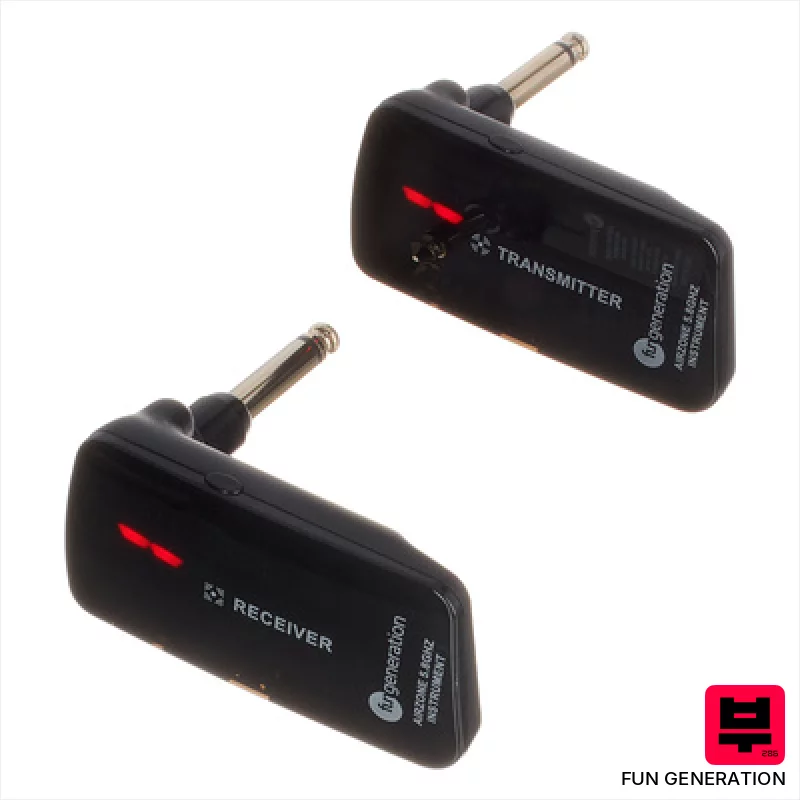
Fun Generation AirZone 5.8Ghz Instrument
- • Ultra-compact design makes it ideal for gig bags and travel.
- • 5.8GHz band offers decent immunity to common Wi-Fi interference.
- • Plug-and-play simplicity eliminates setup headaches for beginners.
- • Battery life is surprisingly good for a system at this price point.
- • Sound quality is noticeably thin; lacks warmth and detail.
- • Active pickups will likely introduce significant noise and instability.
- • Limited frequency range restricts tonal flexibility and high-end clarity.
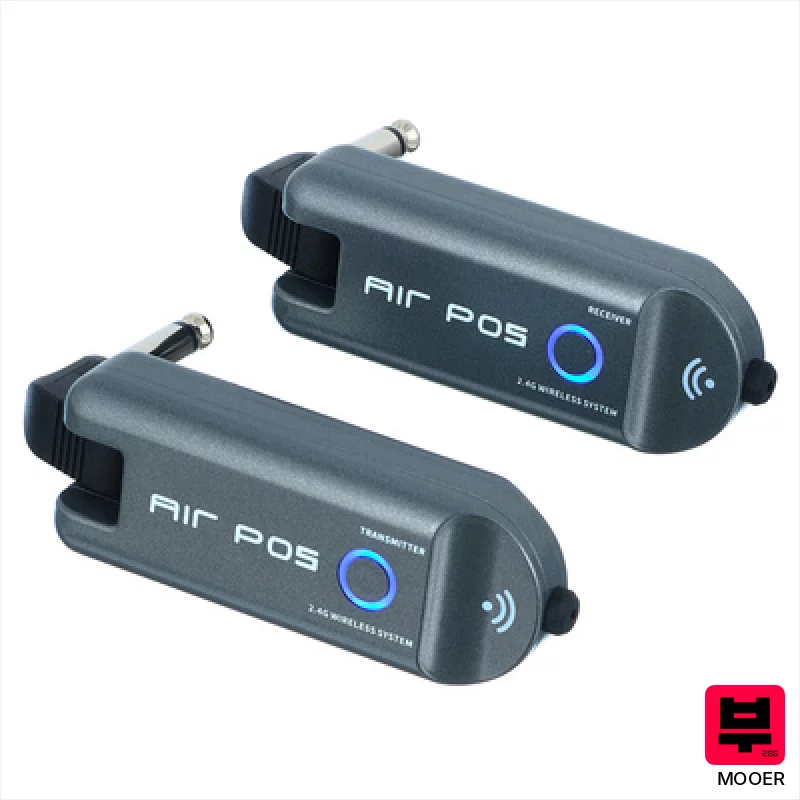
Mooer Air P05 Wireless System
- • Extremely affordable entry into wireless guitar/bass freedom.
- • Compact size makes it incredibly portable and gig-friendly.
- • Low latency is genuinely impressive for the price point.
- • Simple channel switching avoids complex setup procedures.
- • Incompatibility with active electronics severely limits its use.
- • Limited range; 20m is optimistic without line of sight.
- • Build quality feels plasticky; not designed for heavy abuse.
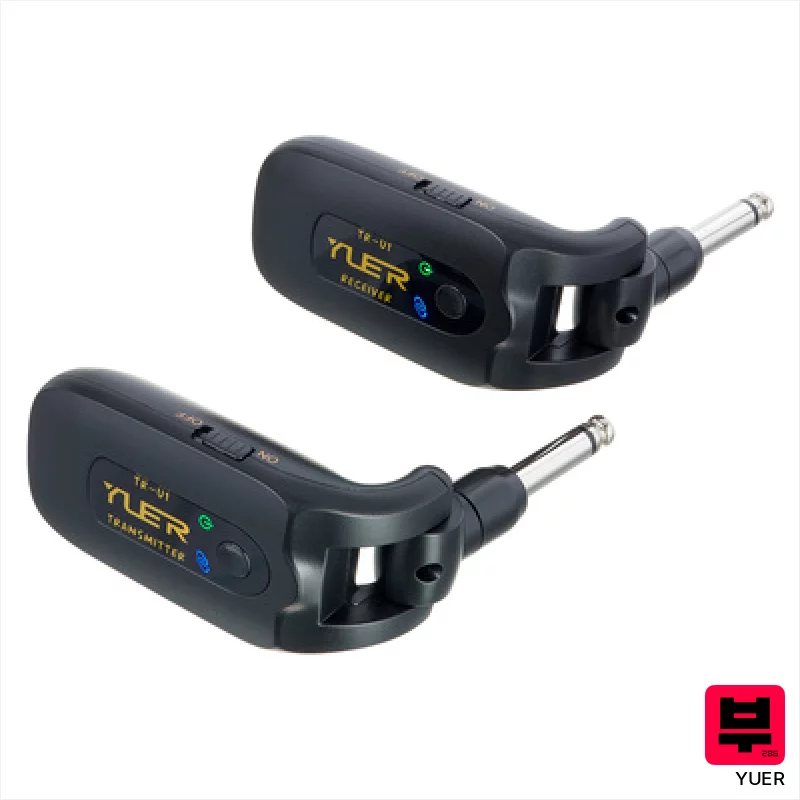
Yuer TR-U1 Wireless System
- • Lightweight ABS housing makes it comfortable for extended playing sessions.
- • 2.4GHz band offers decent immunity to common RF interference sources.
- • Swiveling jack plug provides flexibility for various instrument setups.
- • Integrated rechargeable battery eliminates need for external power sources.
- • Plastic construction feels budget-oriented; longevity a potential concern.
- • 30m range is optimistic; expect reduced performance with obstacles.
- • 24-bit/48kHz A/D conversion is adequate, but lacks high-end clarity.
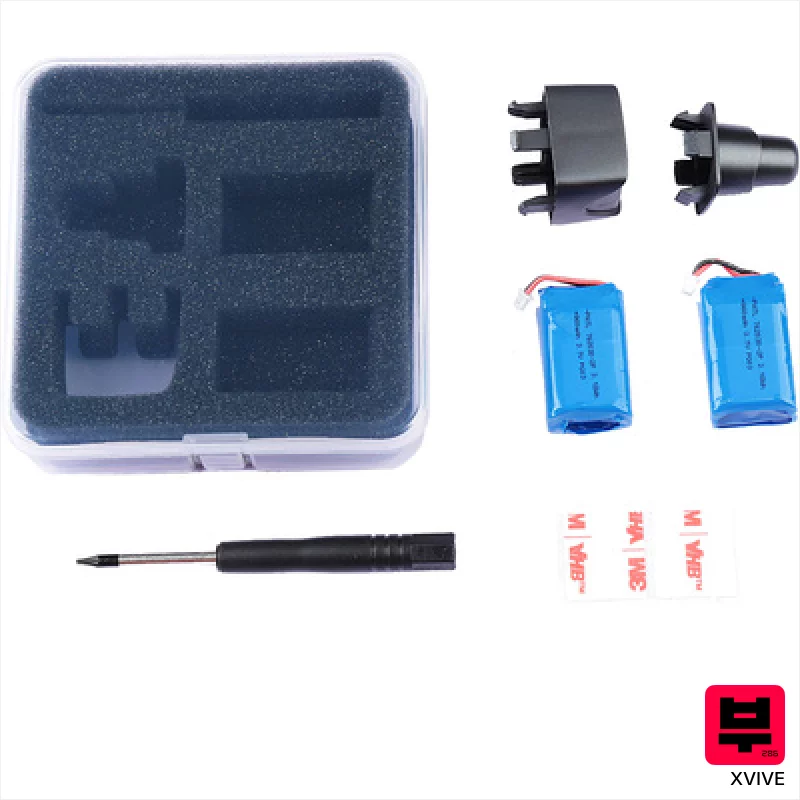
XVive U3C Battery Kit (BU3C)
- • Lithium Polymer batteries offer extended runtime compared to NiMH.
- • Includes essential tools like a screwdriver for easy DIY replacement.
- • Antenna caps enhance signal stability and reduce interference.
- • Pre-tested batteries ensure consistent performance and safety within the XVive system.
- • Battery capacity is lower than some higher-end wireless systems.
- • DIY nature requires some basic technical aptitude and comfort.
- • Limited to XVive U2 system; not compatible with other brands.
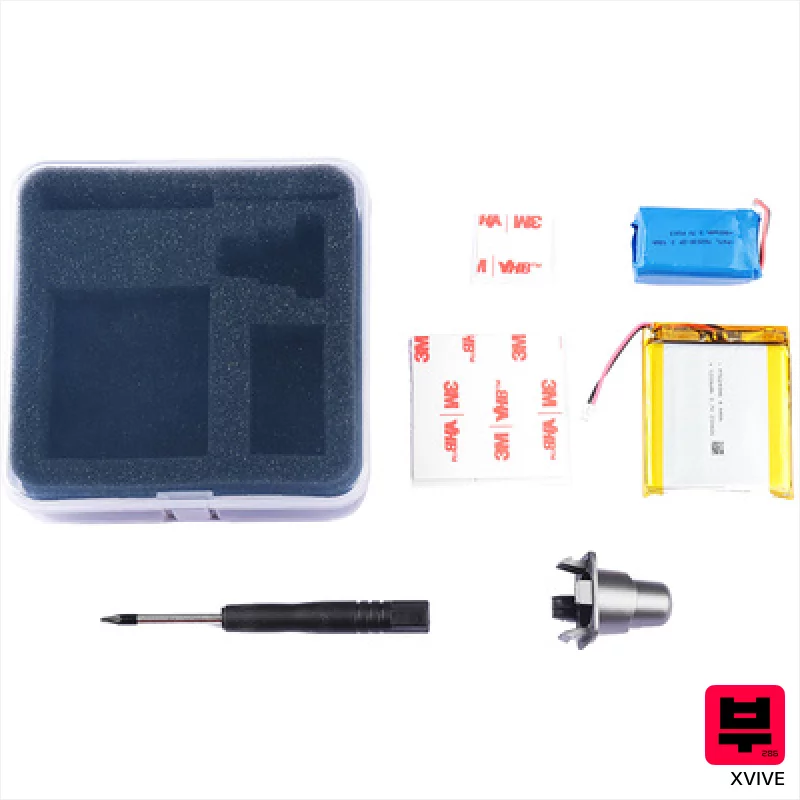
XVive U4 Battery Kit (BU4)
- • Lithium Polymer batteries offer notably better energy density.
- • 860mAh/1200mAh capacities extend XVive U4 runtime significantly.
- • Included screwdriver simplifies DIY battery replacement process.
- • Antenna cap adds a touch of refinement and protection to the U4 units.
- • DIY nature requires basic comfort with small electronics repair.
- • Battery capacity is still limited compared to some higher-end wireless systems.
- • Lithium Polymer batteries require careful handling and charging.
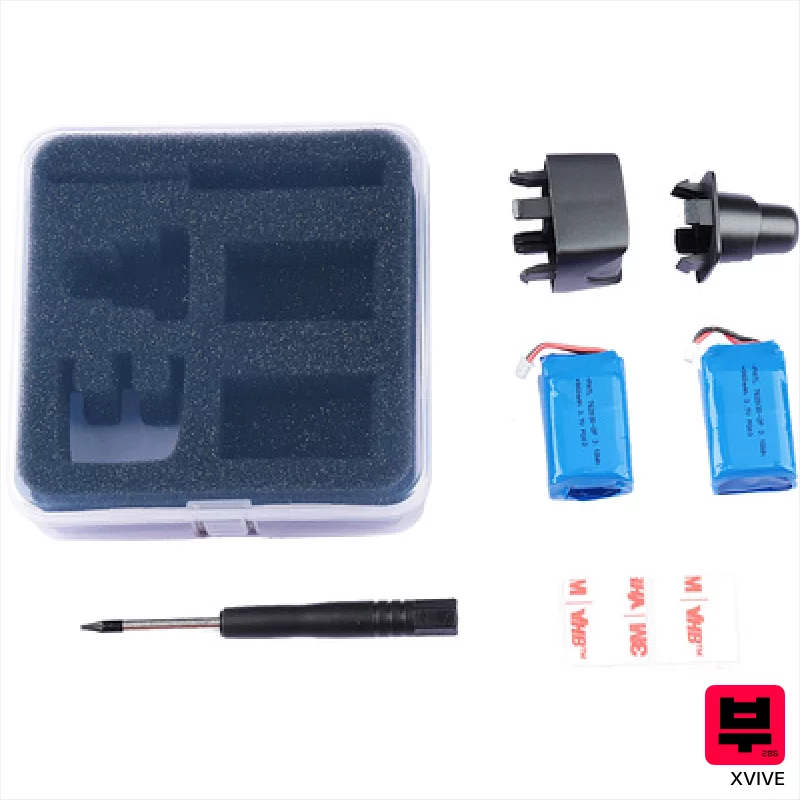
XVive U3 Battery Kit (BU3)
- • Lithium polymer batteries offer improved energy density and lifespan.
- • Includes essential tools like screwdriver for easy DIY replacement.
- • Antenna caps protect sensitive U3 transmitter/receiver antennas.
- • Double-sided adhesive ensures secure and proper battery placement.
- • DIY nature requires some comfort with basic electronics handling.
- • Limited to XVive U3 system; not a universal battery solution.
- • Battery capacity, while improved, is still relatively modest for extended gigs.
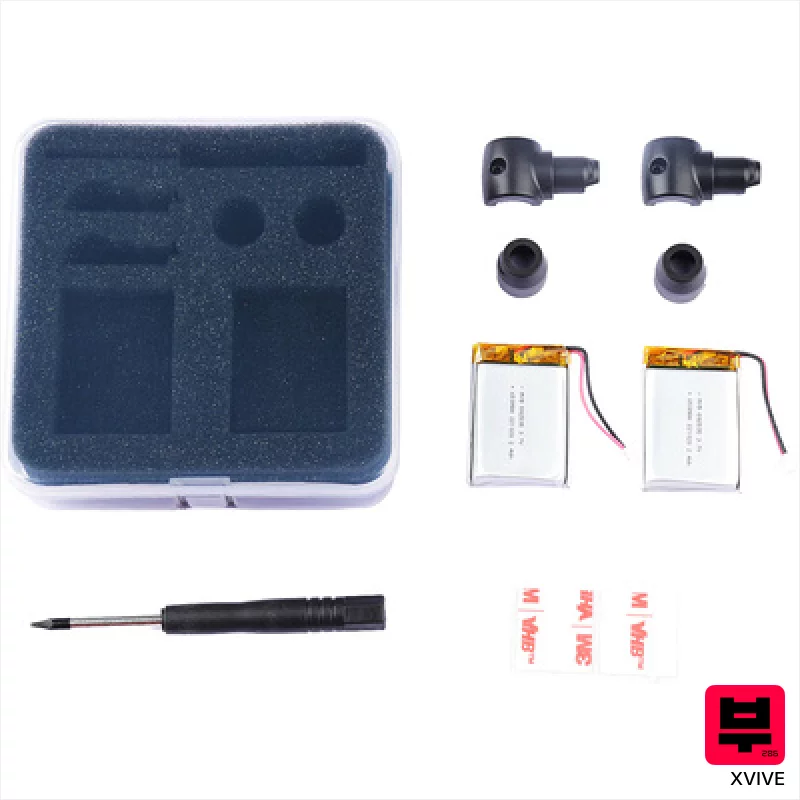
XVive U2C Battery Kit (BU2)
- • Lithium Polymer batteries offer consistent voltage and power.
- • Includes essential tools for straightforward battery replacement.
- • Pre-matched battery pairs ensure balanced transmitter/receiver performance.
- • Compact size minimizes impact on U2’s form factor and ergonomics.
- • DIY nature requires some technical comfort and careful handling.
- • 650mAh capacity is modest; expect shorter playtime than larger packs.
- • Limited to XVive U2 system; not compatible with other wireless brands.
How to Choose the Best Wireless Systems for Guitar and Bass
Frequency Range
Expect limited bandwidth. You're unlikely to get a full, rich tone, so look for systems that at least cover the core frequencies for your instrument - enough for decent articulation. Don't expect sparkling highs or a deep, resonant low-end.
Range
This is where things get dicey. Real-world range is always less than advertised. Walls, interference, and even other electronics can kill your signal. Budget systems often struggle beyond 30 feet - plan accordingly.
Latency
Noticeable latency (delay) is a deal-breaker for most players. It'll mess with your timing and feel. The cheaper the system, the more likely you are to experience some lag - it's a trade-off.
Interference Rejection
Cheap systems are magnets for interference. Be prepared to deal with dropouts and static, especially in crowded environments with other wireless devices. Finding a clear frequency can be a constant battle.
Build Quality
Let's be honest, these are plastic. Don't expect them to survive a drop or a particularly enthusiastic stage dive. They're fine for rehearsal or easy gigs, but handle them with care.
Buying Guide
At this price point, you're prioritizing convenience over perfection. Expect some compromises on tone, range, and reliability. Prioritize latency as much as possible - even a few milliseconds can be noticeable. If you're playing in a band, scan for a clear frequency before the show; don't assume it'll just work. A little extra cable management is better than a silent guitar mid-song.
How This List Is Built
We don't play these instruments — we're a catalog, not a review desk, and we'd rather say so than pretend otherwise. This page ranks 7 wireless systems for guitar and bass from the Thomann catalogue, which is the largest single source of specification data in this category.
Position is computed, not curated. Four signals, in order of weight: how completely the manufacturer documents the instrument (number of published specifications), where it sits in the price range, how specific the model designation is — which filters out generic accessories — and whether a product image exists. The same inputs always produce the same order, so nothing here is shuffled to look fresh.
What this list is good for: narrowing a category down to a shortlist by spec and budget. What it isn't: a substitute for hearing an instrument. Before you buy, read hands-on reviews and, where you can, play it. Full methodology.

