
Best Wireless Systems for Guitar and Bass for Jazz 2026
So, you're a jazz player looking to ditch the cable clutter? Smart move - freedom to move is key when you're working a smoky club or laying down a nuanced bass line. But not all wireless systems are created equal, especially when you're chasing that warm, woody tone and subtle dynamic range that defines jazz. Let's cut through the hype and find a wireless setup that actually enhances your playing, not compromises it.
Last updated: July 8, 2026 • Next update: July 15, 2026
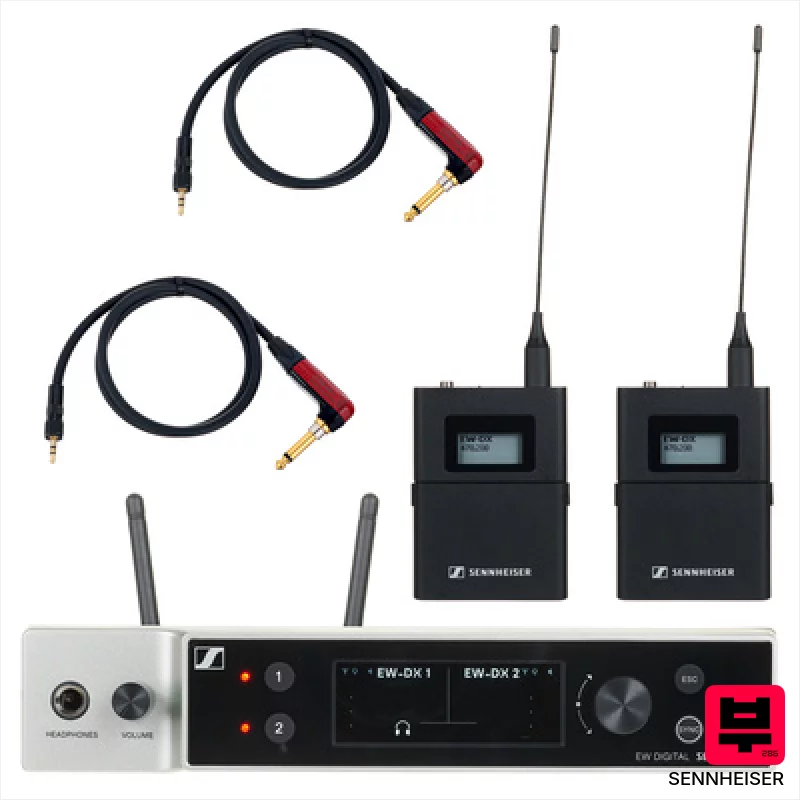
Sennheiser EW-DX 2 Dante CI Set Q1-9
- • Rock-solid Dante integration simplifies complex live sound workflows.
- • AES 256 encryption provides excellent security for sensitive performances.
- • Robust metal receiver chassis feels built to withstand demanding touring conditions.
- • Pocket transmitters are surprisingly compact and comfortable for extended use.
- • The AA battery requirement for the transmitters can be a logistical hassle.
- • The frequency range (470.2-550 MHz) limits operation in some regions.
- • Premium-priced, making it a significant investment for smaller gigs.

Sennheiser EW-DX 2 Dante CI Set U1/5
- • Rock-solid Dante integration simplifies complex live sound setups.
- • Excellent AES 256 encryption ensures secure wireless transmission.
- • Pocket transmitters are remarkably compact and comfortable to wear.
- • Receiver's build quality feels robust and professional for stage use.
- • The AA battery requirement can be inconvenient for long gigs.
- • Dual-channel design limits simultaneous instrument usage.
- • Premium-priced, making it a significant investment for smaller operations.

Sennheiser EW-DX 4 Dante CI S2-10 Set
- • Rock-solid Dante connectivity simplifies complex live sound setups.
- • Excellent frequency response offers clear, natural instrument tone.
- • Robust metal construction ensures durability for demanding touring.
- • AES 256 encryption provides secure, interference-free transmission.
- • The receiver's weight (2kg) can be cumbersome for mobile setups.
- • Limited channel count (4) might restrict flexibility for large ensembles.
- • Rechargeable battery pack (BA 70) sold separately adds to overall cost.
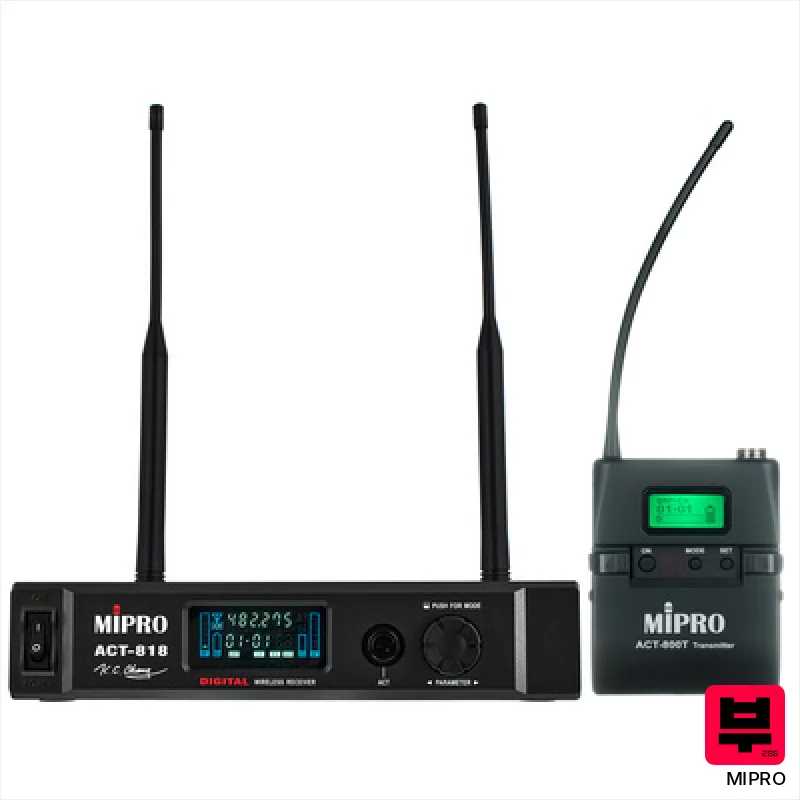
Mipro ACT-800 Bodypack Set 5UA
- • Excellent dynamic range (115 dBA) minimizes noise and feedback.
- • ACT automatic channel targeting simplifies setup in crowded RF environments.
- • Robust UHF frequency range (482-554 MHz) offers reliable signal transmission.
- • AES/EBU output provides a high-quality digital connection option.
- • The bodypack may feel bulky and heavy for extended wear, especially for smaller individuals.
- • Premium-priced, representing a significant investment for budget-conscious users.
- • Limited frequency band compared to wider spectrum systems, potentially restricting channel availability.
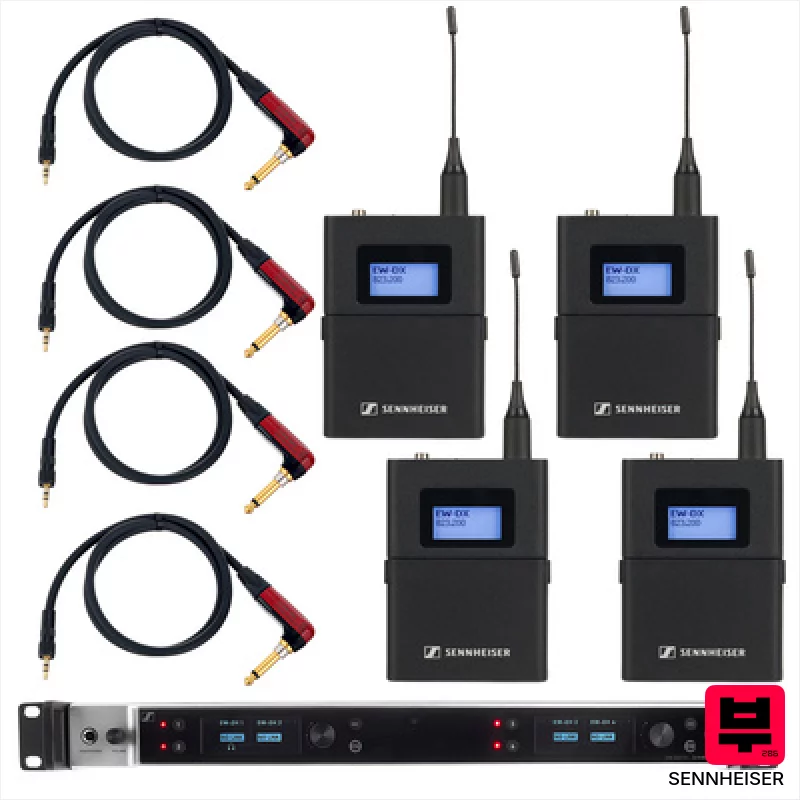
Sennheiser EW-DX 4 Dante CI Set U1/5
- • Dante connectivity simplifies integration into networked audio workflows seamlessly.
- • AES 256 encryption provides robust security for sensitive live performances.
- • Pocket transmitters are exceptionally compact and comfortable for performers.
- • Four channels offer flexibility for multiple instruments or vocalists.
- • The receiver's weight (approx. 2kg) can be cumbersome for mobile setups.
- • Premium-priced, making it a significant investment for smaller operations.
- • Requires AA batteries or the BA 70 pack, adding to ongoing operational costs.
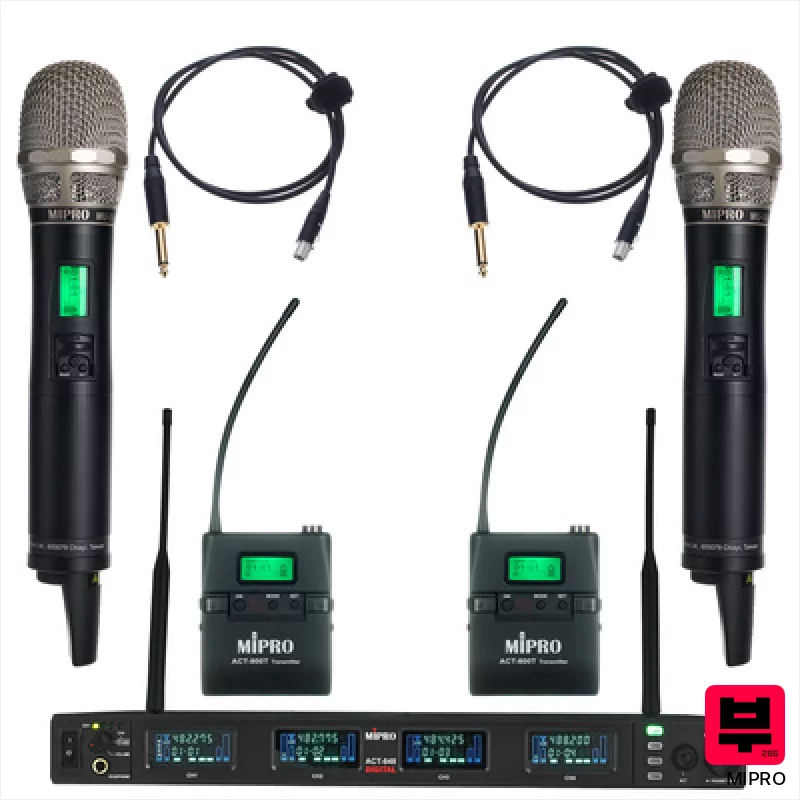
Mipro ACT-800 2xMU59 2xGuitar 5UA
- • Exceptional 72MHz bandwidth provides incredible channel flexibility.
- • ACT automatic channel targeting simplifies setup in crowded RF environments.
- • AES/EBU digital output caters to high-end recording setups.
- • Robust build quality with rack ears ensures stage durability.
- • Premium-priced system represents a significant investment for smaller operations.
- • The receiver's size (420mm wide) can be restrictive in tight spaces.
- • Limited flexibility for non-Mipro microphone integration.
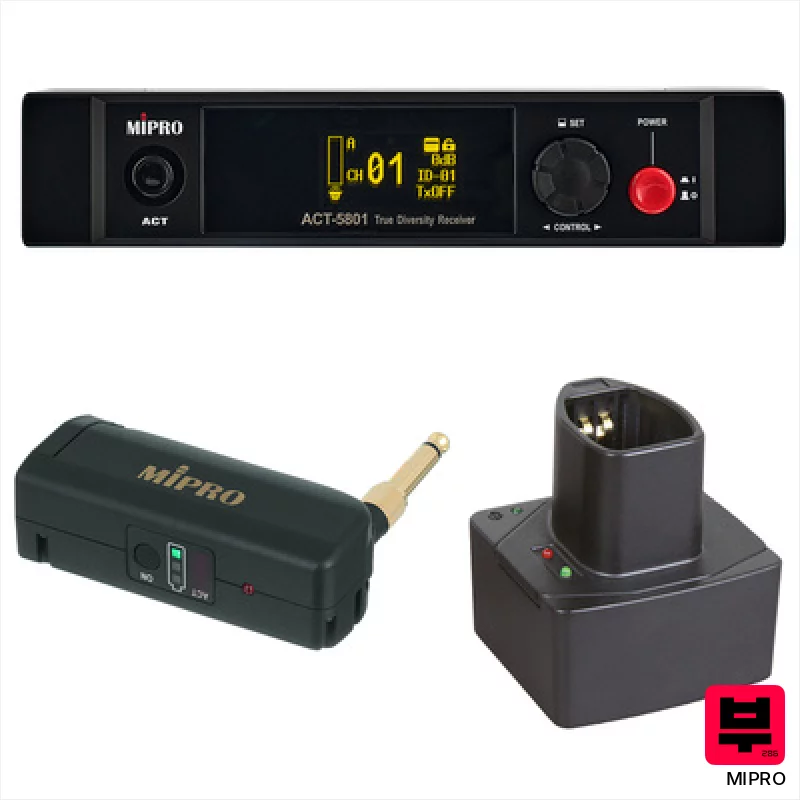
Mipro ACT-5800 Instrument Set
- • Digital transmission minimizes interference common in crowded RF spaces.
- • Compact transmitter design is comfortable for extended playing.
- • True diversity receiver offers reliable signal reception, even with obstacles.
- • Rechargeable battery system offers convenience and reduces disposable waste.
- • Plastic housing feels less robust than metal alternatives for gigging pros.
- • Limited frequency band necessitates channel scanning in some environments.
- • 5.8GHz band can be susceptible to interference from other devices.
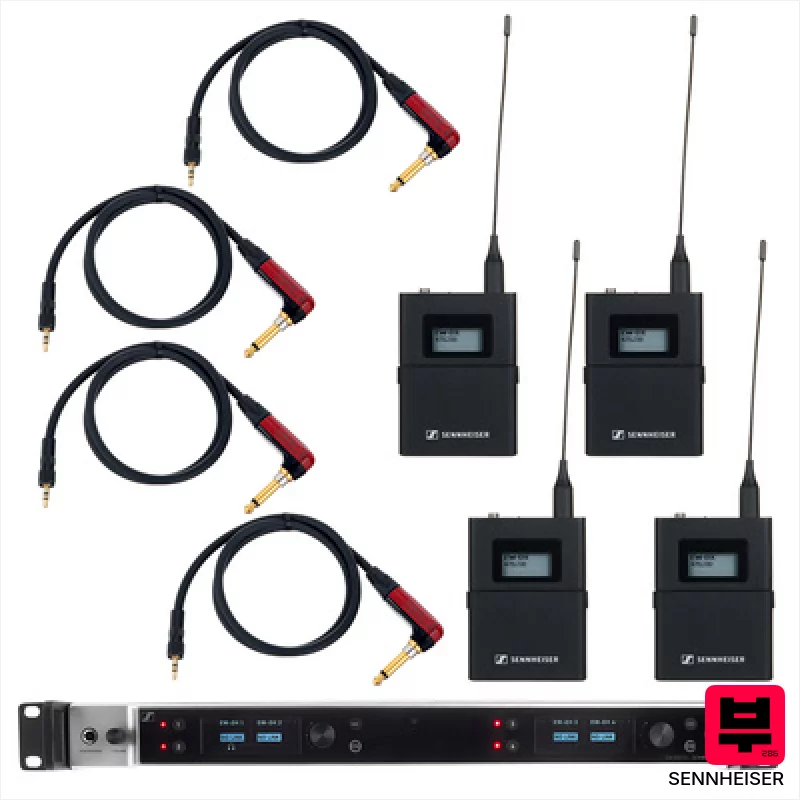
Sennheiser EW-DX 4 Dante CI Set Q1-9
- • Rock-solid Dante integration simplifies complex live sound workflows.
- • Robust metal receiver chassis inspires confidence in gigging environments.
- • Pocket transmitters are surprisingly compact and comfortable for extended use.
- • AES 256 encryption provides a crucial layer of security for sensitive performances.
- • The receiver's weight (4.6kg) demands a sturdy rack setup.
- • AA battery operation in the transmitters can be inconvenient on long runs.
- • The bundled instrument cables are fairly short, limiting stage flexibility.
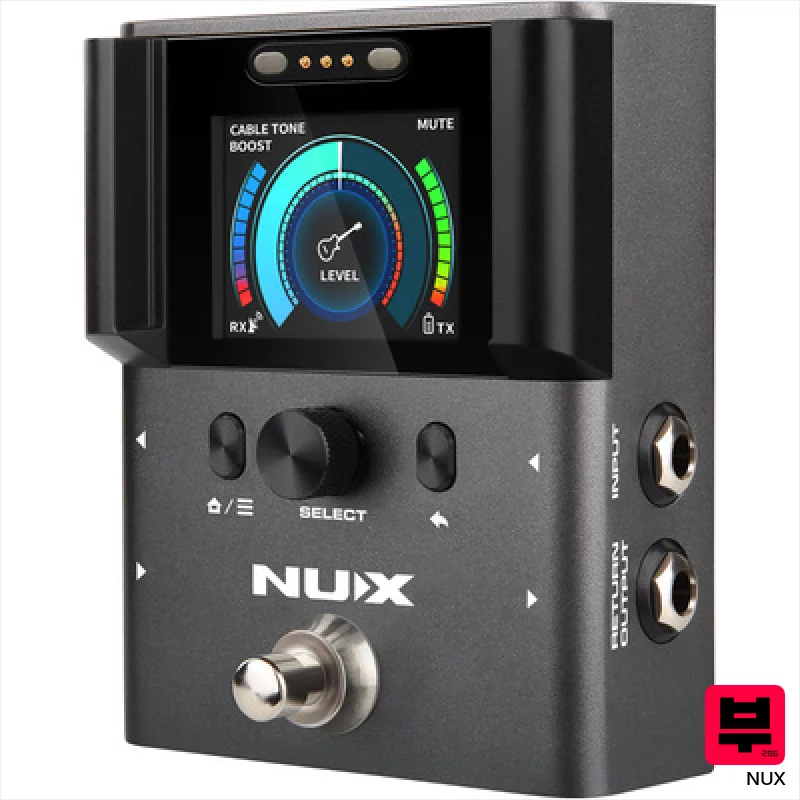
Nux B-8 Wireless-System Git/Bass
- • Compact design minimizes stage clutter; excellent for pedalboard integration.
- • Built-in tuner is genuinely useful for quick onstage adjustments.
- • Balanced XLR DI output simplifies recording and live sound reinforcement.
- • Wireless pairing is incredibly fast and reliable; very user-friendly.
- • 2.4 GHz band is susceptible to interference in crowded RF environments.
- • Transmitter's plastic construction feels less robust than higher-end units.
- • Limited channel options restrict use in densely populated wireless setups.

Blackstar Airwire i58
- • Compact transmitter design minimizes playing obstruction.
- • 5.8 GHz frequency reduces interference compared to 2.4 GHz.
- • Low latency (<6ms) ensures real-time performance for stage use.
- • Nine-hour battery life provides ample performance time for most gigs.
- • Limited channel selection compared to more professional wireless systems.
- • 35m range is adequate, but not ideal for large outdoor venues.
- • Plastic construction feels less robust than metal-bodied wireless systems.

Mipro ACT-5800 MT-58 Pedal Set
- • 5.8GHz offers clean signal, less interference than 2.4GHz.
- • Programmable parameters provide extensive customization options.
- • Multiple outputs cater to complex pedalboard routing needs.
- • Violet finish adds a touch of visual flair, distinct on stage.
- • Violet color might not appeal to all performers’ aesthetic.
- • The menu system could be more intuitive for less tech-savvy users.
- • Receiver size is a bit bulky compared to some competitors.
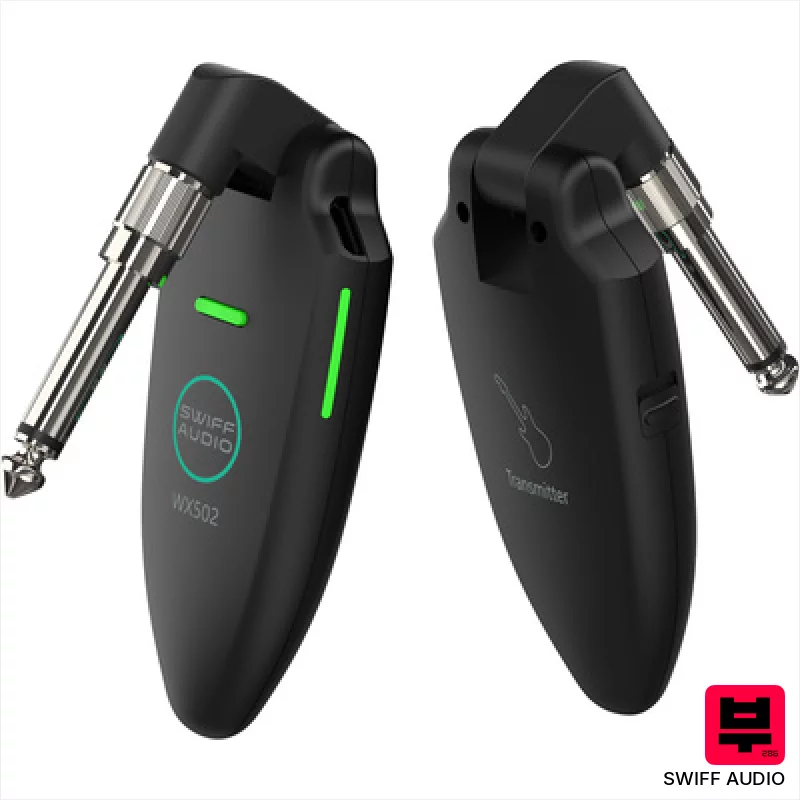
Swiff Audio WX502 Wireless System
- • Lightweight design minimizes stage fatigue during longer gigs.
- • 5.8 GHz band offers decent immunity to common RF interference.
- • USB-C charging provides modern convenience and faster battery replenishment.
- • Affordable price point makes wireless accessible for budget-conscious players.
- • Dynamic range of 102dB may limit performance in very loud, high-gain environments.
- • Limited channel options restrict use in crowded wireless frequency spaces.
- • Plastic construction feels less robust compared to higher-end metal wireless systems.
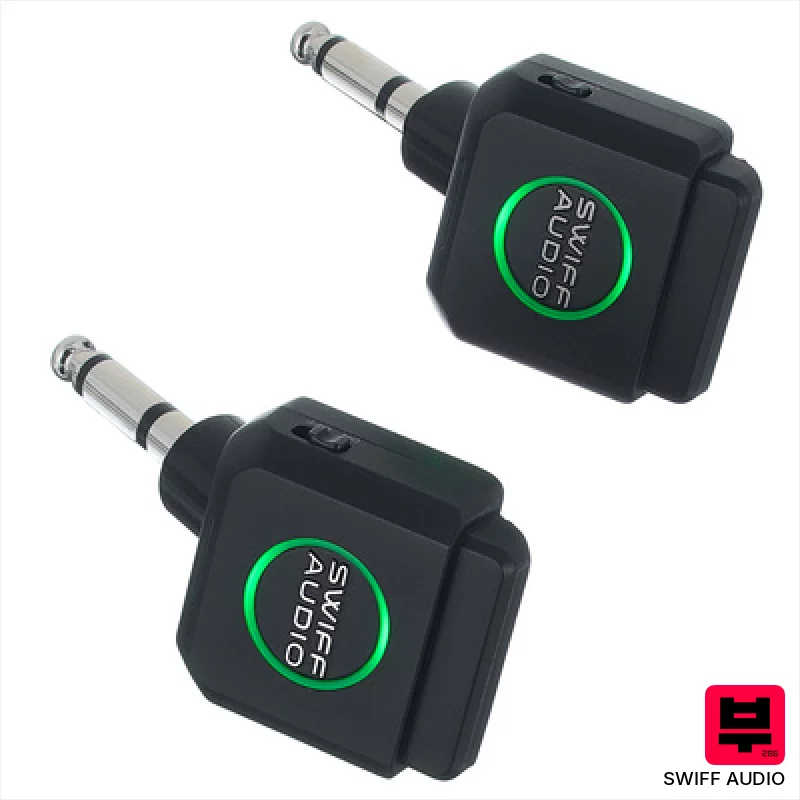
Swiff Audio WX503 Wireless System
- • Solid 5.8GHz transmission avoids common interference issues.
- • Compact charging case provides convenient power on the go.
- • Low latency (<5ms) ensures tight, responsive performance.
- • Decent dynamic range (102dB) handles louder stages effectively.
- • 500g weight might feel cumbersome for extended gigs.
- • Limited channel options restrict use in crowded RF environments.
- • 20-20kHz frequency response is adequate, but lacks high-end sparkle.
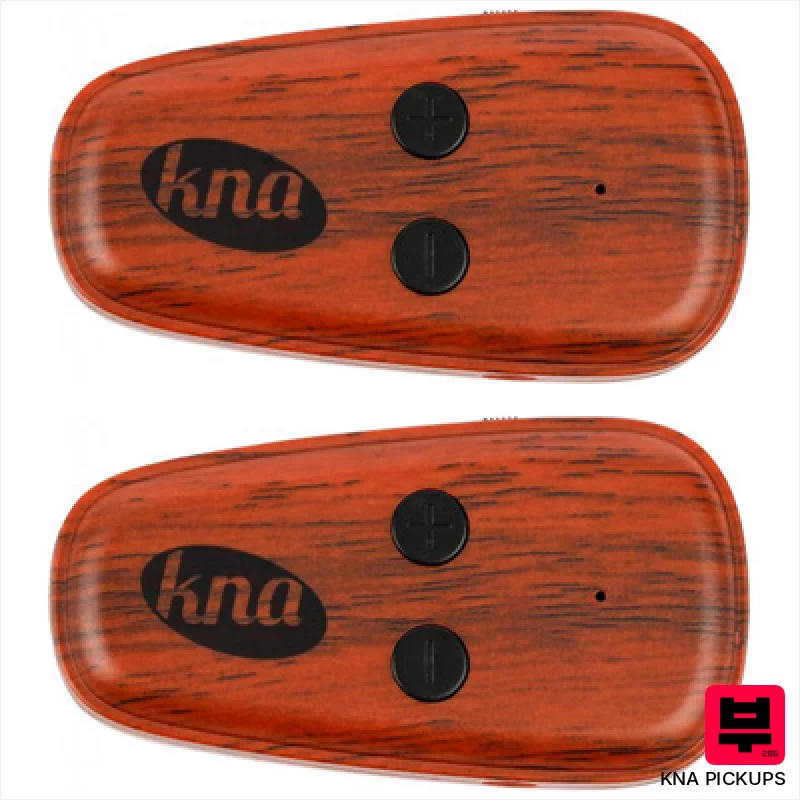
KNA Pickups U-WI Universal Wireless System
- • Compact receiver easily mounts to headstock without significant weight imbalance.
- • USB-C charging is convenient and widely compatible for quick top-ups.
- • 40 UHF channels offer decent flexibility to avoid interference in most venues.
- • Optimized for KNA pickups delivers a clean, clear signal with minimal noise.
- • 50-meter range is optimistic; expect reduced performance with obstacles.
- • Limited channel availability compared to higher-end, multi-block systems.
- • Receiver’s plastic construction feels less robust than metal alternatives.
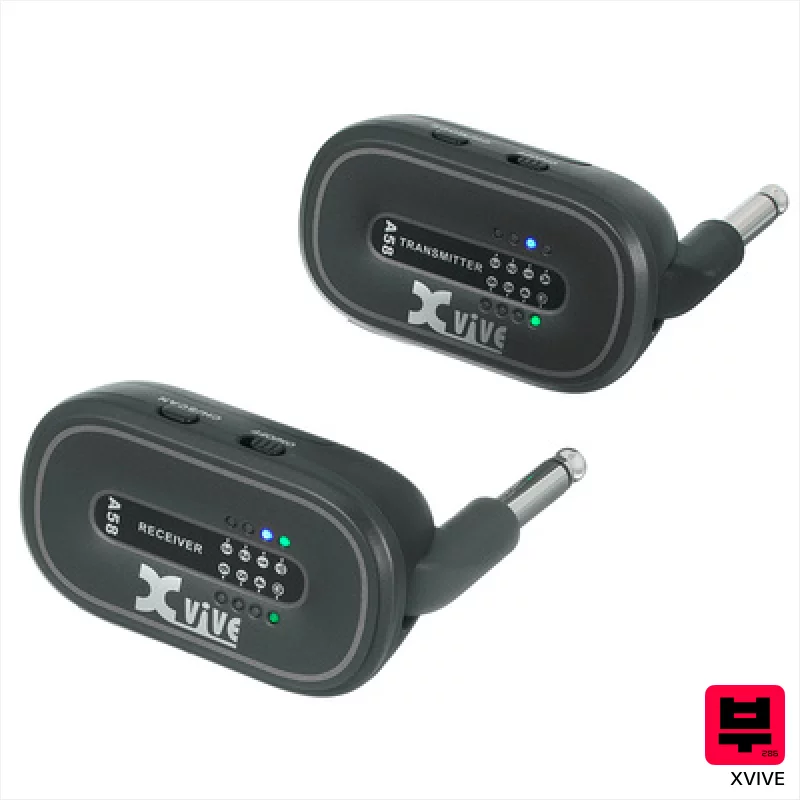
XVive A 58 Guitar Wireless System
- • 5.8GHz band minimizes interference, crucial for crowded RF environments.
- • Robust ABS construction feels solid; survives gigging without worry.
- • 24-bit/48kHz conversion provides clean, detailed audio reproduction.
- • Switchable channels offer flexibility for multiple performers nearby.
- • 30m range is realistic, but line-of-sight is *essential* for consistent signal.
- • ABS, while durable, lacks the premium feel of metal-bodied units.
- • Battery life, while decent, could be longer for extended performances.
How to Choose the Best Wireless Systems for Guitar and Bass
Tonal Transparency
Jazz demands accuracy. We're looking for systems that introduce minimal coloration, preserving your instrument's natural voice - that's a warm low-end thump on bass, or a clear, articulate high-end on a hollowbody. Anything that adds harshness or muddiness is a no-go.
Frequency Response & Dynamic Range
Jazz isn't about shredding; it's about nuance. A wide, flat frequency response is vital to capture the subtleties of your playing, and a high dynamic range prevents clipping when you dig in with a walking bassline or a soaring guitar solo.
Latency
Lag between your pick attack and the sound coming out of the PA is a deal-breaker. Even a few milliseconds can mess with your timing and feel, especially in a genre that's all about pocket and interplay. We're aiming for sub-3ms latency.
Reliability & Interference Rejection
Jazz gigs often happen in crowded RF environments - think multiple bands, stage lights, and other wireless gear. A robust system with good interference rejection is essential to avoid dropouts and frustrating silence.
Versatility & Channel Count
While a single guitar or bass setup is common, having multiple channels or the ability to add more later is a plus, especially if you're playing in a quartet or larger ensemble with multiple wireless instruments.
Buying Guide
Don't be fooled by flashy features. A lot of cheaper systems sacrifice tonal accuracy or reliability to hit a lower price point. Paying a bit more for a system with a truly transparent sound and a wider frequency response is worth it. Watch out for systems with narrow bandwidths - they can choke the high-end and make your tone lifeless. Also, consider the range - a short range is useless if you need to wander the stage.
Our Methodology
We don't just look at spec sheets here. We've spent countless hours playing these systems - on stage, in studios, and in rehearsal rooms. We A/B compared them against wired setups, focusing on how they affect tone, responsiveness, and overall feel. It's about what you hear and feel, not just the numbers on a page.

