
Best Wireless Microphones with Headset Microphone 2026
Alright, so you're looking at wireless headset mics. Smart move - freedom from tangled cables is a game-changer for stage presence, vocal coaching, or even just tracking vocals at home without tripping over cords. But not all wireless headset mics are created equal; you want something that sounds decent, reliable, and doesn't fall apart mid-gig. Let's break down what you need to know to pick the right one.
Last updated: April 11, 2026
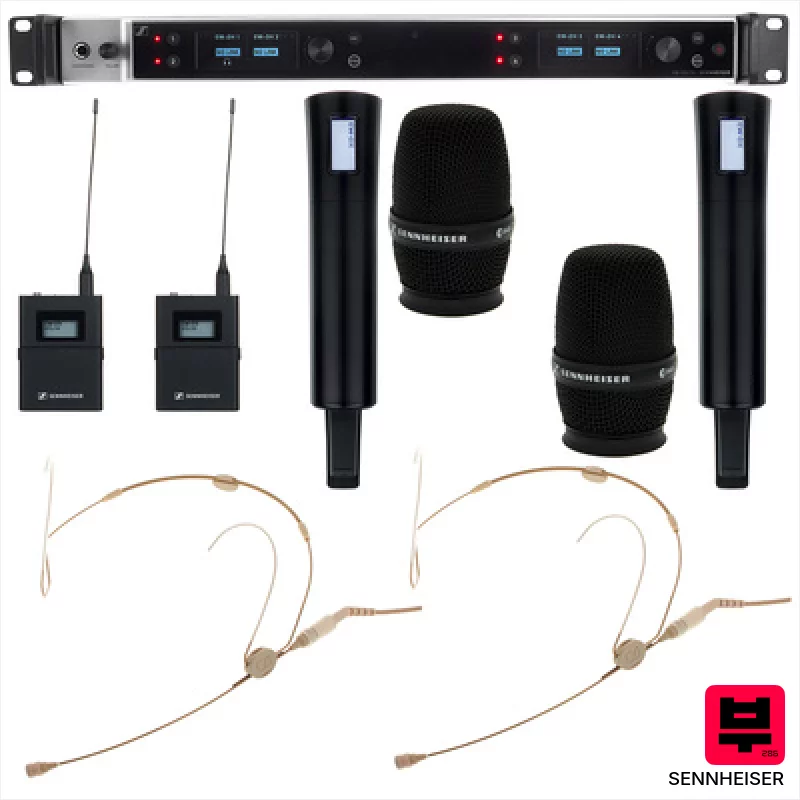
Sennheiser EW-DX 2x HSP2 2x 945 Q1-9 Set
- • Digital transmission ensures rock-solid reliability even in crowded RF environments.
- • The Dante connectivity offers seamless integration into networked audio systems.
- • HSP 2 microphones deliver exceptional clarity and natural vocal reproduction.
- • Robust metal construction and Sennheiser's legendary build quality guarantee longevity.
- • The significant weight of the receiver unit can be a factor for portable setups.
- • High-end price point makes it an investment for professional applications only.
- • Limited frequency band necessitates careful coordination in some regions.
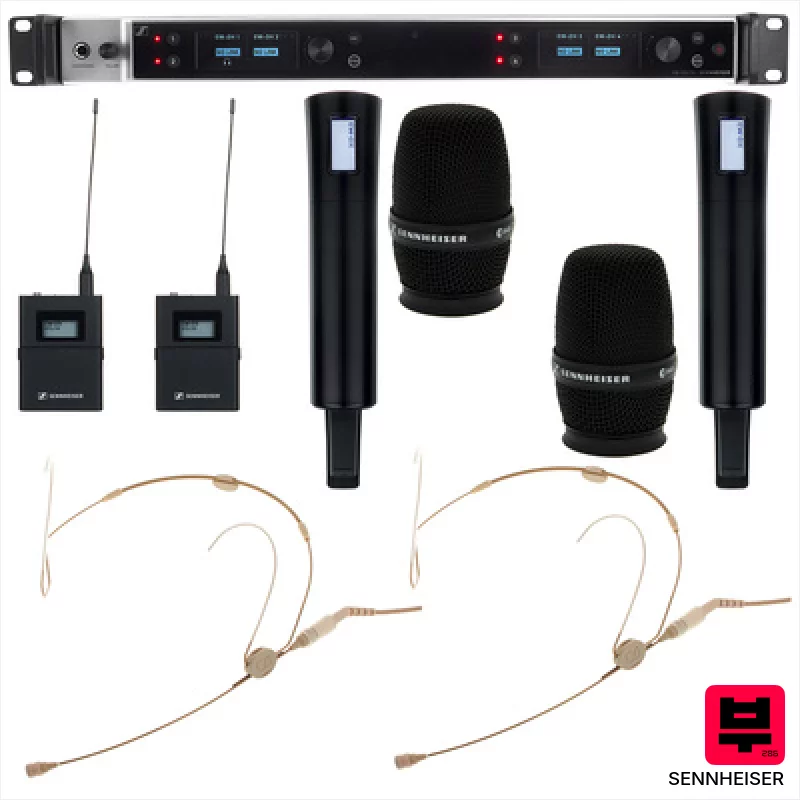
Sennheiser EW-DX 2x HSP2 2x 945 R1-9 Set
- • Exceptional Dante integration simplifies complex audio routing.
- • HSP 2 mics offer clear, natural vocal reproduction with excellent feedback rejection.
- • Robust build quality; receiver feels solid and durable for stage use.
- • Digital encryption ensures secure and interference-free wireless transmission.
- • Significant investment; this is a premium-priced professional solution.
- • HSP 2's omnidirectional pickup can be problematic in noisy environments.
- • Pocket transmitters rely on AA batteries, impacting potential runtime.
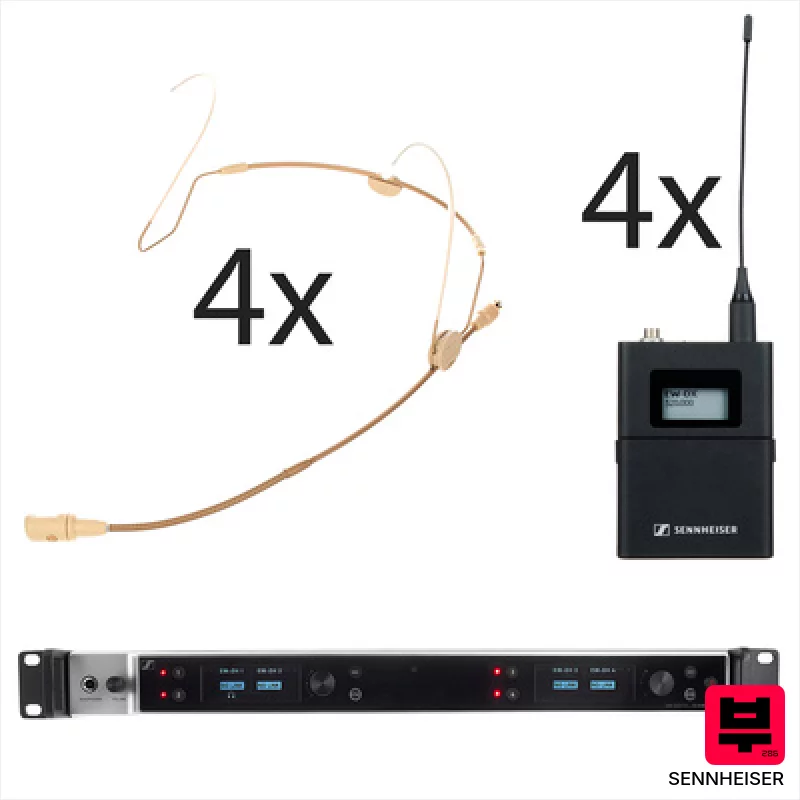
Sennheiser EW-DX 4x HSP 4 Lemo R1-9 Set
- • Dante connectivity offers seamless integration into networked audio workflows.
- • HSP 4 microphones provide exceptional clarity and detail for vocal performances.
- • AES 256 encryption guarantees secure and interference-free transmission.
- • Robust receiver construction and included rack kit ensure reliable stage deployment.
- • The substantial receiver weight (2kg) can be cumbersome for portable setups.
- • Lemo connectors, while professional, require specialized tools for maintenance.
- • High-end price point limits accessibility for budget-conscious users.
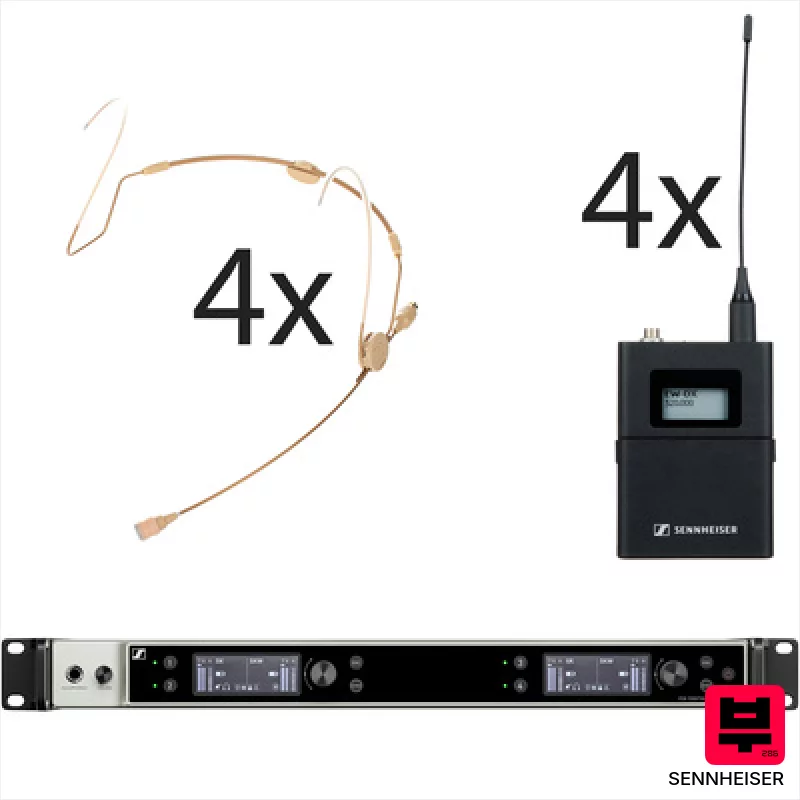
Sennheiser EW-DX 4x HSP 2 Lemo R1-9 Set
- • The Dante connectivity offers seamless integration with modern digital workflows.
- • HSP 2-3 mics deliver clear, natural vocal capture with excellent detail.
- • Robust build quality; the receiver feels substantial and road-ready.
- • Lemo connectors ensure a secure, reliable connection for the microphones.
- • The substantial weight of the receiver can be a challenge for mobile setups.
- • The omnidirectional mics pick up significant room ambience, requiring careful monitoring.
- • Premium-priced; represents a significant investment for smaller operations.
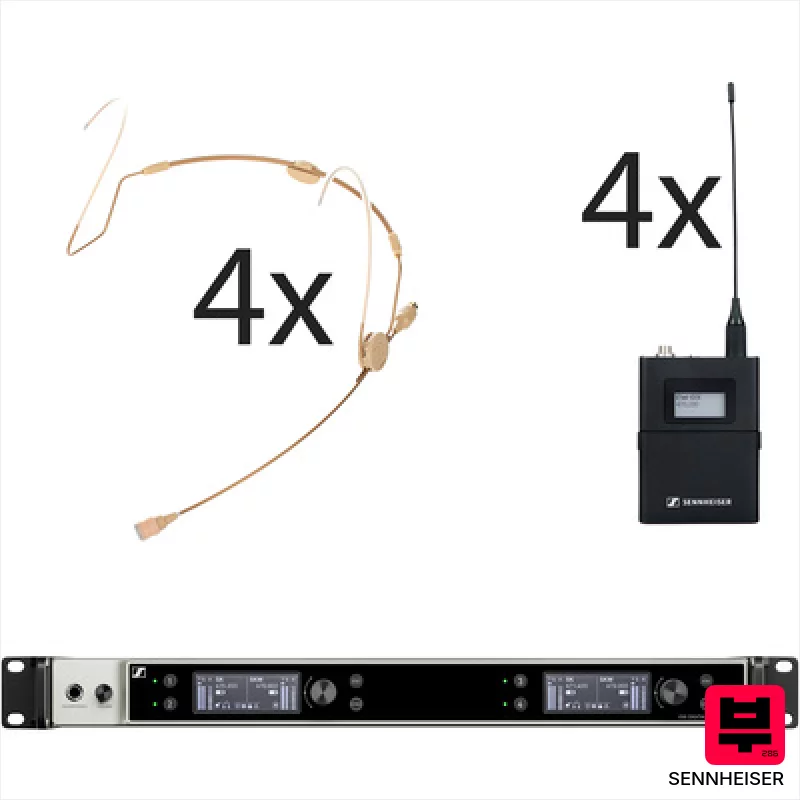
Sennheiser EW-DX 4x HSP 2 Lemo Q1-9 Set
- • Robust Dante connectivity provides seamless integration with modern digital workflows.
- • HSP 2-3 mics offer excellent omnidirectional pickup, capturing natural vocal tone.
- • Lemo connectors ensure reliable signal transfer and secure connection to transmitters.
- • The EW-DX series' AES 256 encryption provides professional-grade security.
- • The receiver's weight (approx. 4.6 kg) can be cumbersome for portable setups.
- • High-end price point makes it inaccessible for budget-conscious users.
- • The beige color of the HSP 2-3 microphones might not suit all aesthetic preferences.
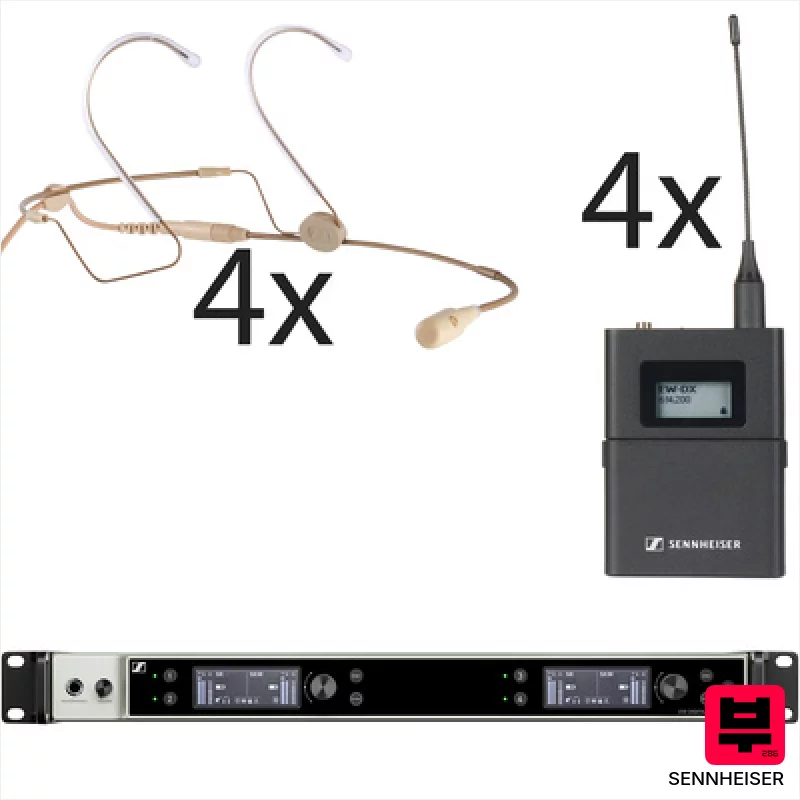
Sennheiser EW-DX HSP4 4 Dante Set S2-10
- • Dante connectivity offers seamless integration into networked audio systems.
- • HSP 4's cardioid capsule rejects stage noise effectively for clear vocals.
- • AES 256 encryption ensures secure and private wireless transmission.
- • SK transmitters' AA battery power provides reliable operation and flexibility.
- • The receiver's weight (approx. 2kg) can be cumbersome for portable setups.
- • HSP 4's beige color is a stylistic choice that won't appeal to all users.
- • Transmitter power is relatively low, limiting range in challenging environments.

Sennheiser EW-DX HSP4 4 Dante Set Q1-9
- • Rock-solid Dante integration simplifies complex audio routing workflows.
- • HSP 4's cardioid pickup isolates vocals exceptionally well, minimizing stage bleed.
- • Robust EW-DX receiver provides reliable signal stability in demanding environments.
- • SK transmitters are compact and lightweight, ensuring performer comfort.
- • The receiver's weight (4.6 kg) can be cumbersome for mobile setups.
- • The beige color is a niche aesthetic; not universally appealing.
- • Premium-priced, making it a significant investment for smaller operations.
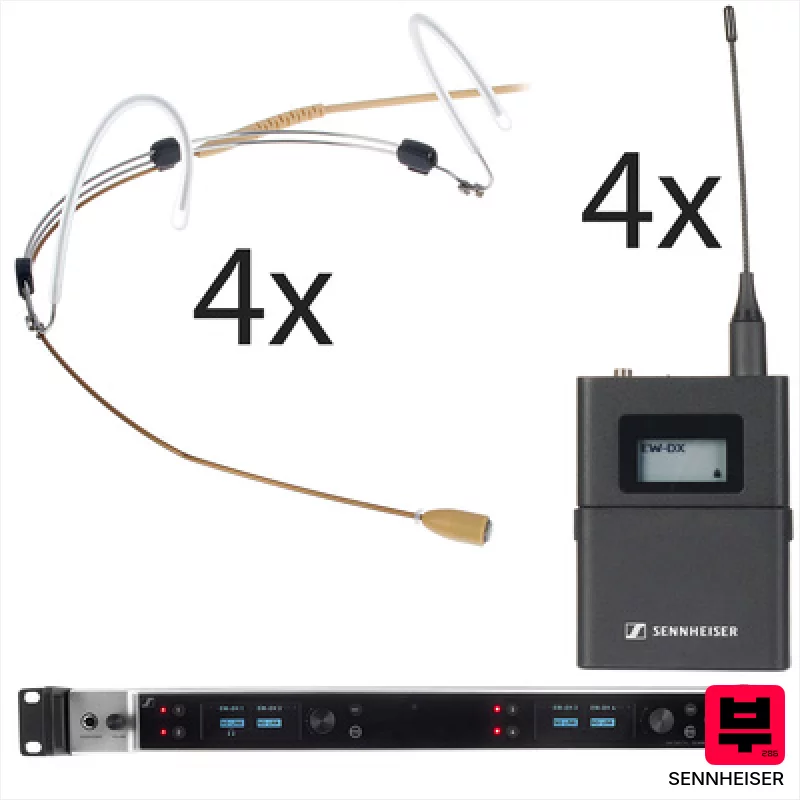
Sennheiser EW-DX HSPE 4 Dante Set R1-9
- • Rock-solid build quality with robust metal receiver chassis.
- • Dante connectivity offers seamless integration into networked audio systems.
- • HSP Essential mics deliver clear, natural vocal reproduction.
- • Excellent AES 256 encryption ensures secure wireless transmission.
- • The receiver's 2kg weight can be cumbersome for mobile setups.
- • AA battery reliance adds ongoing operational expense and potential downtime.
- • Limited frequency band might require coordination in congested RF environments.
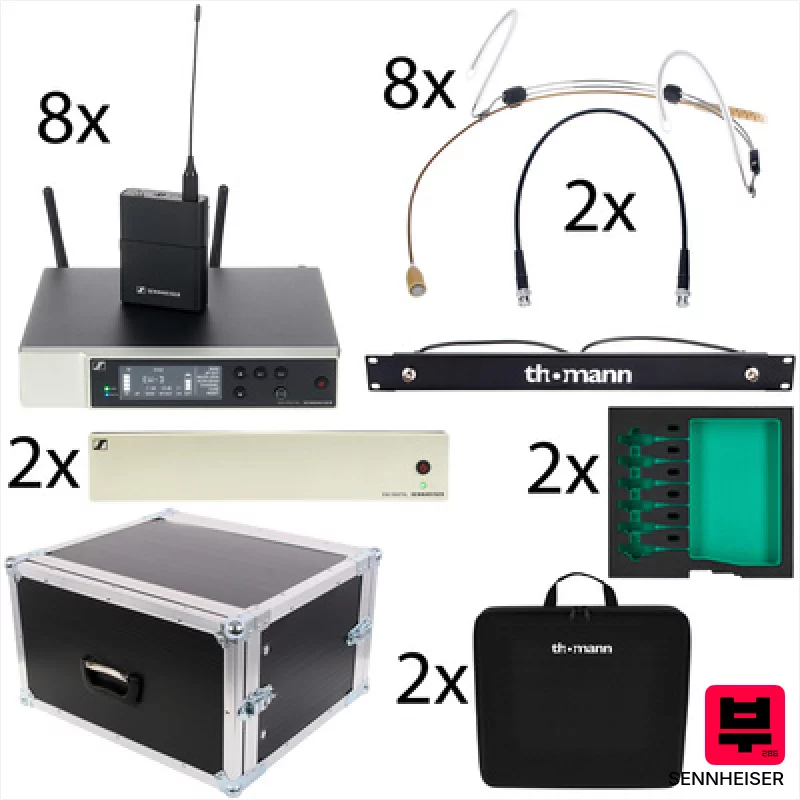
Sennheiser EW-D 8-CH Theatre Set Q1-6
- • Rock-solid build quality; feels like it'll survive a tour bus.
- • Active antenna splitter provides excellent signal coverage in complex venues.
- • Digital transmission ensures pristine, interference-free audio clarity.
- • Smart Assist App simplifies complex system configuration and monitoring.
- • Premium-priced, a significant investment for smaller operations.
- • The antenna splitter adds complexity to setup and cabling.
- • Limited frequency band compared to some competing systems; check local regulations.
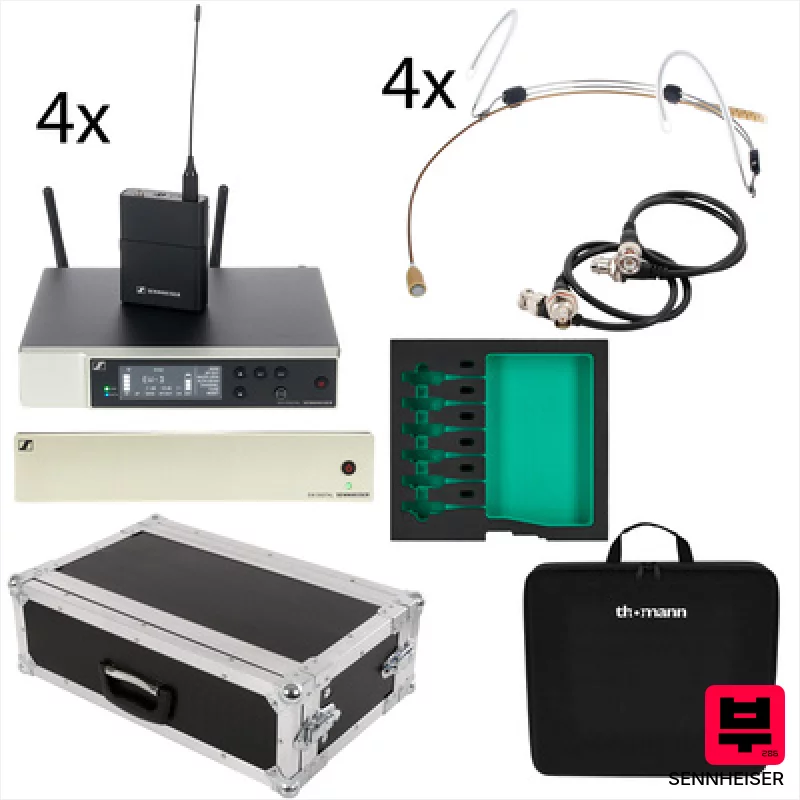
Sennheiser EW-D 4-CH Theatre Set Q1-6
- • Rock-solid build quality; feels like it’ll survive a tour bus.
- • Excellent dynamic range minimizes noise and feedback in challenging venues.
- • Smart Assist App simplifies complex system management and setup.
- • Active antenna splitter expands coverage and provides reliable signal distribution.
- • Premium-priced, making it a significant investment for smaller operations.
- • Frequency range (Q1-6) is relatively narrow; potential for interference in congested areas.
- • AA battery dependency can be inconvenient compared to rechargeable options.

Sennheiser EW-DX 2x HSP 4 Lemo R1-9 Set
- • Exceptional Dante integration simplifies complex audio routing.
- • HSP 4's lightweight design minimizes stage fatigue during long performances.
- • Robust build quality inspires confidence in demanding environments.
- • Lemo connectors offer secure, reliable connections, minimizing dropouts.
- • Premium-priced, representing a significant investment for smaller operations.
- • HSP 4’s cardioid pattern lacks versatility for some performance styles.
- • Receiver size can be bulky, limiting rack space in tight setups.
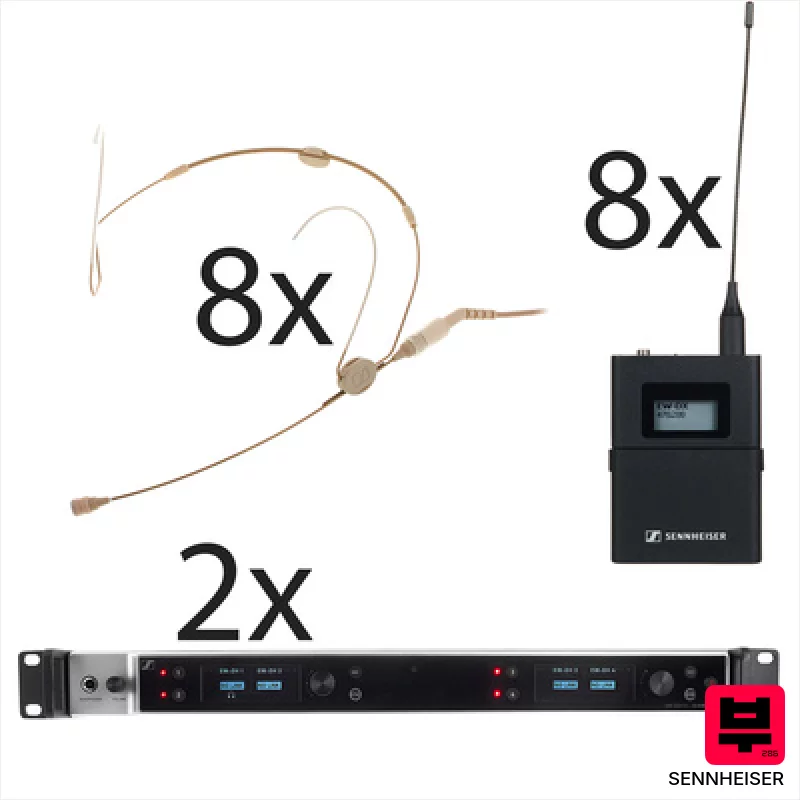
Sennheiser EW-DX 8x HSP EW Q1-9 Set
- • Rock-solid build quality; the receiver feels incredibly robust and well-engineered.
- • Dante connectivity offers seamless integration into modern networked audio systems.
- • HSP 2 mics deliver surprisingly clear and natural vocal reproduction for headset mics.
- • AES 256 encryption ensures secure and private transmission – critical for sensitive environments.
- • The receiver's weight (4.6kg) makes rack mounting a necessity, not an option.
- • The beige color is a very specific aesthetic choice and may not suit all users.
- • The high-end price point puts it out of reach for many smaller productions or individuals.
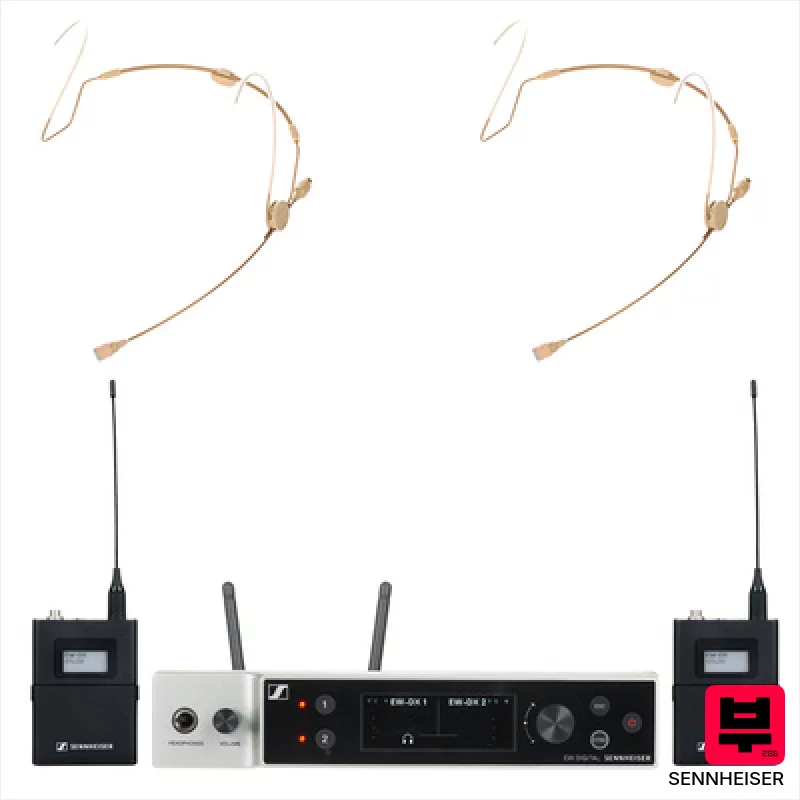
Sennheiser EW-DX 2x HSP 2 Lemo Q1-9 Set
- • Rock-solid build quality; feels like it'll withstand serious stage abuse.
- • Excellent Dante integration simplifies complex audio routing setups.
- • HSP 2's omnidirectional pickup captures natural vocal nuances.
- • Lemo connectors ensure reliable, secure connections for critical performance.
- • The receiver is hefty; rack mounting is almost a necessity.
- • Beige color is a stylistic choice that won't appeal to everyone.
- • HSP 2's omni pattern can pick up unwanted stage noise if not managed.
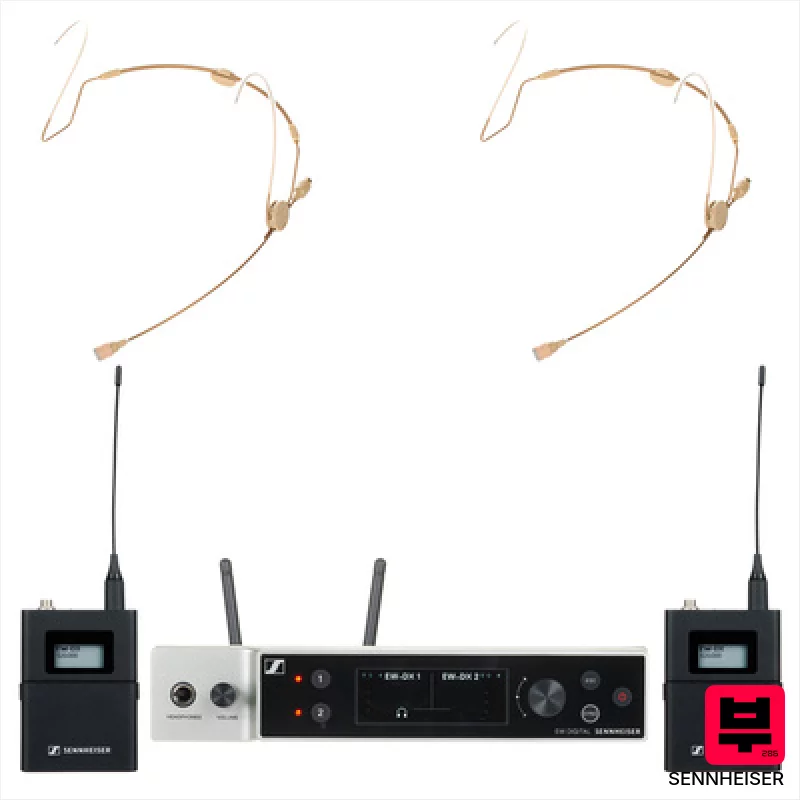
Sennheiser EW-DX 2x HSP 2 Lemo R1-9 Set
- • Rock-solid build quality; the receiver feels exceptionally durable.
- • HSP 2's omni pickup captures natural sound, excellent for vocals.
- • Dante connectivity offers seamless integration with modern digital workflows.
- • Lemo connectors ensure a reliable, professional-grade connection.
- • The receiver's size and weight can be cumbersome for mobile setups.
- • HSP 2's omnidirectional nature picks up more room noise, requiring careful monitoring.
- • Price point places it firmly in the high-end professional category.
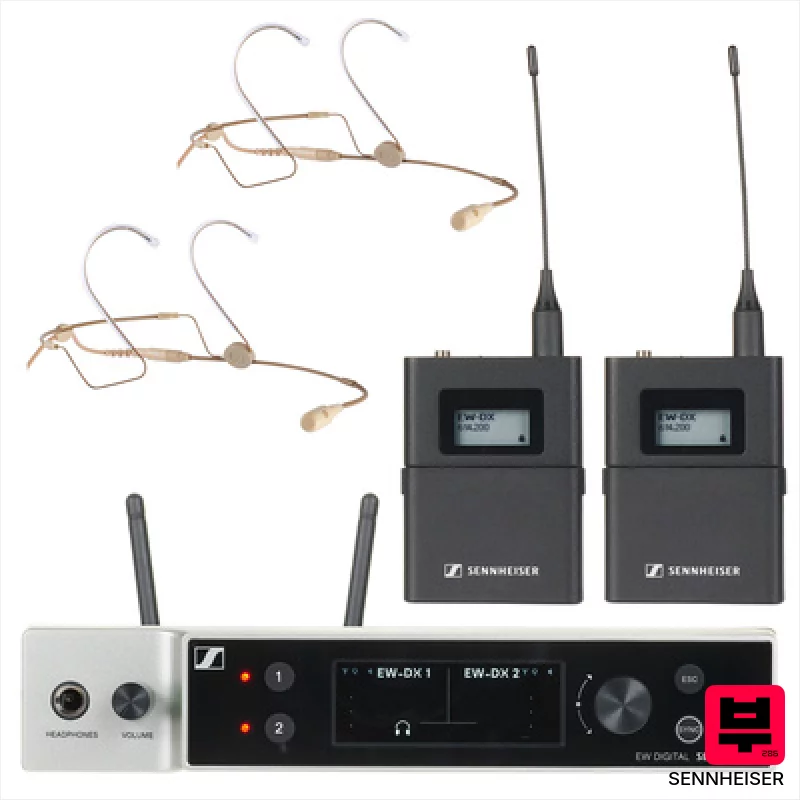
Sennheiser EW-DX HSP4 2 Dante Set S2-10
- • Rock-solid Dante connectivity simplifies complex audio routing.
- • HSP 4's cardioid capsule delivers excellent vocal isolation.
- • EW-DX series offers robust build quality and road-worthiness.
- • SK transmitters provide reliable performance with low latency.
- • Premium-priced, making it a significant investment for smaller operations.
- • Beige color might not appeal to all aesthetic preferences.
- • HSP 4’s neckband design isn't ideal for performers needing extreme head movement.
How to Choose the Best Wireless Microphones with Headset Microphone
Frequency Band
UHF is generally better for avoiding interference, especially in crowded RF environments like bars or festivals. 2.4GHz is cleaner but can be affected by Wi-Fi. Don't underestimate the importance of having a clear frequency - a muddy signal is no good.
Microphone Capsule Quality
Cheap mics often sound thin and brittle, lacking body and warmth. Look for capsules that offer a natural, articulate response - you want to hear the nuances in your voice, not a hyped-up, artificial sound. A good capsule can really cut through the mix.
Dynamic Range & Noise Floor
A low noise floor is essential for clean recordings and performances. A wider dynamic range means you can handle louder vocals without clipping, and quieter passages without being swallowed by noise. Headroom is crucial when you're pushing your gear.
Build Quality & Comfort
A headset mic is useless if it's uncomfortable or falls off. Pay attention to the headband padding, boom flexibility, and overall construction. A flimsy build screams 'stage failure waiting to happen' - and nobody wants that.
Range & Battery Life
Realistically assess your needs. Do you need 100ft of range, or just enough to move around the stage? Battery life is another biggie; a mid-set battery change is a major buzzkill. Consider rechargeable options to save money and reduce waste.
Buying Guide
Wireless headset systems often involve compromises. Cheaper systems will cut corners on the capsule, the RF components, and the build quality. Don't expect pristine studio-grade sound from a $100 system - it's fine for practice, but for gigs, invest a bit more. Look for systems with true diversity antennas to minimize dropouts, and always, always check for frequency availability in your area before relying on a wireless system.
How This List Is Built
We don't play these instruments — we're a catalog, not a review desk, and we'd rather say so than pretend otherwise. This page ranks 15 wireless microphones with headset microphone from the Thomann catalogue, which is the largest single source of specification data in this category.
Position is computed, not curated. Four signals, in order of weight: how completely the manufacturer documents the instrument (number of published specifications), where it sits in the price range, how specific the model designation is — which filters out generic accessories — and whether a product image exists. The same inputs always produce the same order, so nothing here is shuffled to look fresh.
What this list is good for: narrowing a category down to a shortlist by spec and budget. What it isn't: a substitute for hearing an instrument. Before you buy, read hands-on reviews and, where you can, play it. Full methodology.

