
Best Wireless Systems for Guitar and Bass 2026
So, you're ditching the cable clutter? Smart move. Wireless guitar and bass systems have come a long way, but they're not all created equal. A bad system can introduce noise, latency that'll throw off your timing, and a thin, lifeless tone that makes your favorite Les Paul sound like a cheap pawn shop special. Let's break down what you need to know to get a system that actually delivers.
Last updated: April 11, 2026
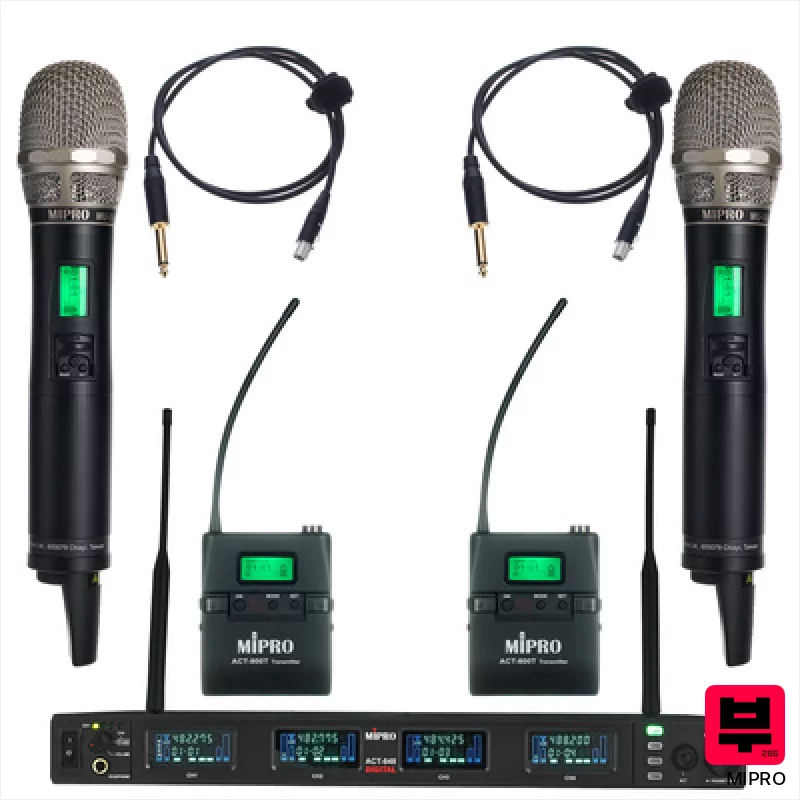
Mipro ACT-800 2xMU59 2xGuitar 5UA
- • Exceptional 72MHz bandwidth provides incredible channel flexibility.
- • ACT automatic channel targeting simplifies setup in crowded RF environments.
- • AES/EBU digital output caters to high-end recording setups.
- • Robust build quality with rack ears ensures stage durability.
- • Premium-priced system represents a significant investment for smaller operations.
- • The receiver's size (420mm wide) can be restrictive in tight spaces.
- • Limited flexibility for non-Mipro microphone integration.

Sennheiser EW-DX 4 Dante CI S2-10 Set
- • Rock-solid Dante connectivity simplifies complex live sound setups.
- • Excellent frequency response offers clear, natural instrument tone.
- • Robust metal construction ensures durability for demanding touring.
- • AES 256 encryption provides secure, interference-free transmission.
- • The receiver's weight (2kg) can be cumbersome for mobile setups.
- • Limited channel count (4) might restrict flexibility for large ensembles.
- • Rechargeable battery pack (BA 70) sold separately adds to overall cost.
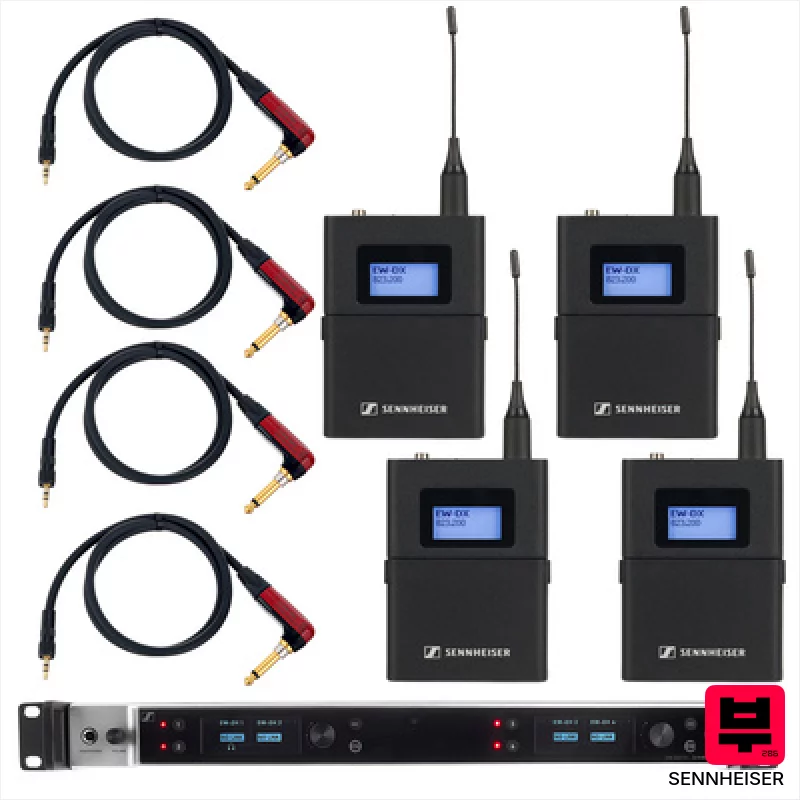
Sennheiser EW-DX 4 Dante CI Set U1/5
- • Dante connectivity simplifies integration into networked audio workflows seamlessly.
- • AES 256 encryption provides robust security for sensitive live performances.
- • Pocket transmitters are exceptionally compact and comfortable for performers.
- • Four channels offer flexibility for multiple instruments or vocalists.
- • The receiver's weight (approx. 2kg) can be cumbersome for mobile setups.
- • Premium-priced, making it a significant investment for smaller operations.
- • Requires AA batteries or the BA 70 pack, adding to ongoing operational costs.
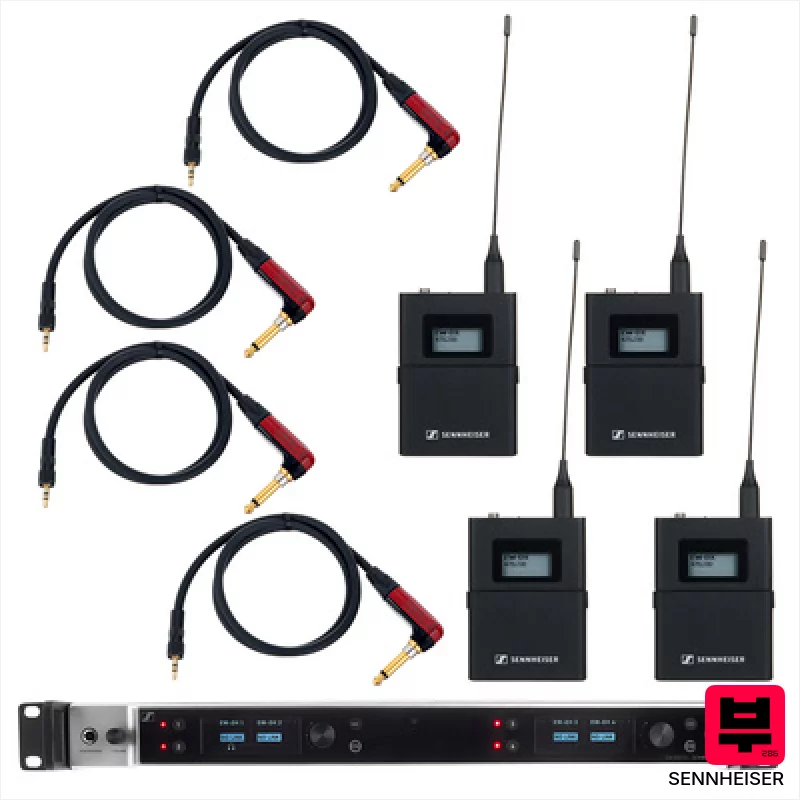
Sennheiser EW-DX 4 Dante CI Set Q1-9
- • Rock-solid Dante integration simplifies complex live sound workflows.
- • Robust metal receiver chassis inspires confidence in gigging environments.
- • Pocket transmitters are surprisingly compact and comfortable for extended use.
- • AES 256 encryption provides a crucial layer of security for sensitive performances.
- • The receiver's weight (4.6kg) demands a sturdy rack setup.
- • AA battery operation in the transmitters can be inconvenient on long runs.
- • The bundled instrument cables are fairly short, limiting stage flexibility.

Mipro ACT-800 Bodypack Twin Set 5UA
- • Excellent dynamic range (115 dBA) minimizes unwanted noise and feedback
- • ACT automatic channel targeting simplifies setup and avoids interference
- • Robust build quality with rack ears suggests professional-grade durability
- • AES/EBU digital output caters to high-end recording setups
- • The 72 MHz bandwidth, while broad, can still be limiting in congested RF environments
- • Twin bodypack systems can be bulky and require careful cable management onstage
- • Premium-priced, making it a significant investment for smaller operations

the t.bone free solo PT 660 MHz/8 CH Rack
- • Rack-mount convenience simplifies stage setup and transport significantly
- • Antenna splitter delivers robust signal for multiple performers
- • Infrared sync eliminates tedious frequency matching headaches
- • Pilot tone ensures clean signal, rejecting unwanted noise effectively
- • 660 MHz band can be susceptible to interference in crowded RF environments
- • Limited frequency steps (25 KHz) restrict channel availability in dense areas
- • AA battery power necessitates frequent changes or investment in rechargeables
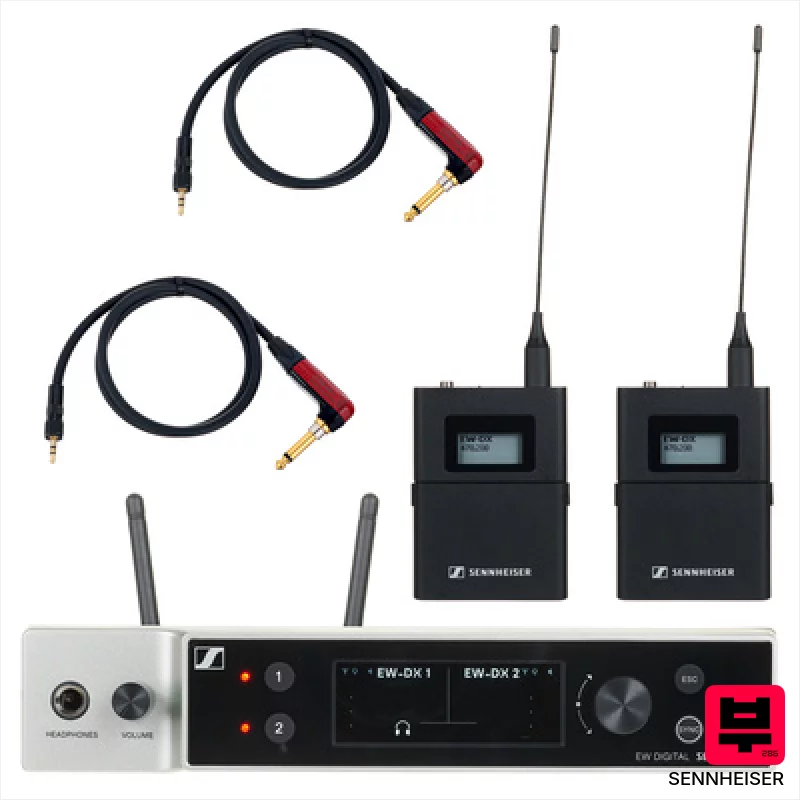
Sennheiser EW-DX 2 Dante CI Set Q1-9
- • Rock-solid Dante integration simplifies complex live sound workflows.
- • AES 256 encryption provides excellent security for sensitive performances.
- • Robust metal receiver chassis feels built to withstand demanding touring conditions.
- • Pocket transmitters are surprisingly compact and comfortable for extended use.
- • The AA battery requirement for the transmitters can be a logistical hassle.
- • The frequency range (470.2-550 MHz) limits operation in some regions.
- • Premium-priced, making it a significant investment for smaller gigs.

Sennheiser EW-DX 2 Dante CI Set U1/5
- • Rock-solid Dante integration simplifies complex live sound setups.
- • Excellent AES 256 encryption ensures secure wireless transmission.
- • Pocket transmitters are remarkably compact and comfortable to wear.
- • Receiver's build quality feels robust and professional for stage use.
- • The AA battery requirement can be inconvenient for long gigs.
- • Dual-channel design limits simultaneous instrument usage.
- • Premium-priced, making it a significant investment for smaller operations.
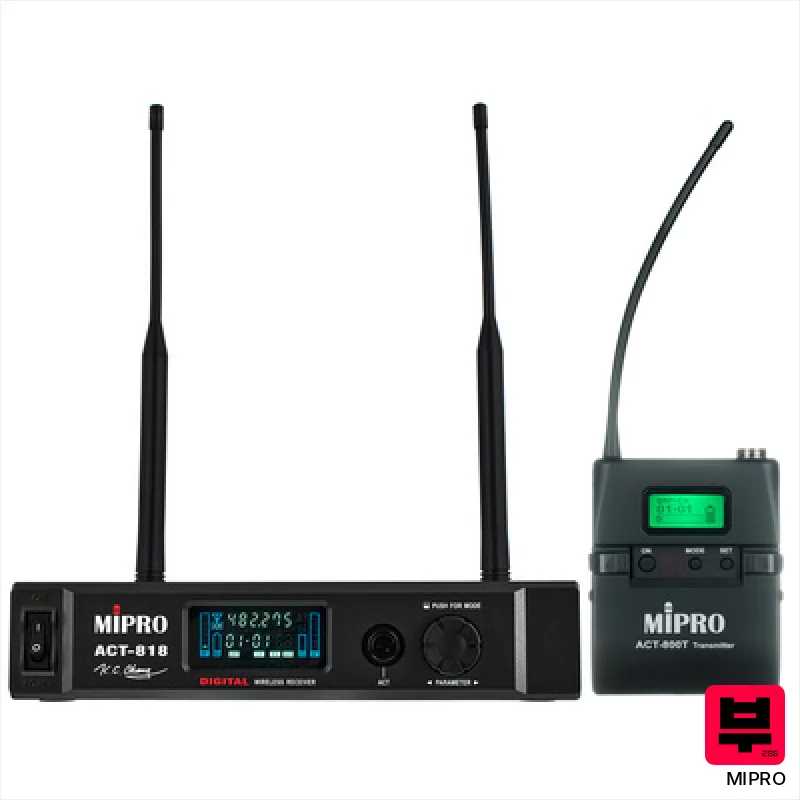
Mipro ACT-800 Bodypack Set 5UA
- • Excellent dynamic range (115 dBA) minimizes noise and feedback.
- • ACT automatic channel targeting simplifies setup in crowded RF environments.
- • Robust UHF frequency range (482-554 MHz) offers reliable signal transmission.
- • AES/EBU output provides a high-quality digital connection option.
- • The bodypack may feel bulky and heavy for extended wear, especially for smaller individuals.
- • Premium-priced, representing a significant investment for budget-conscious users.
- • Limited frequency band compared to wider spectrum systems, potentially restricting channel availability.
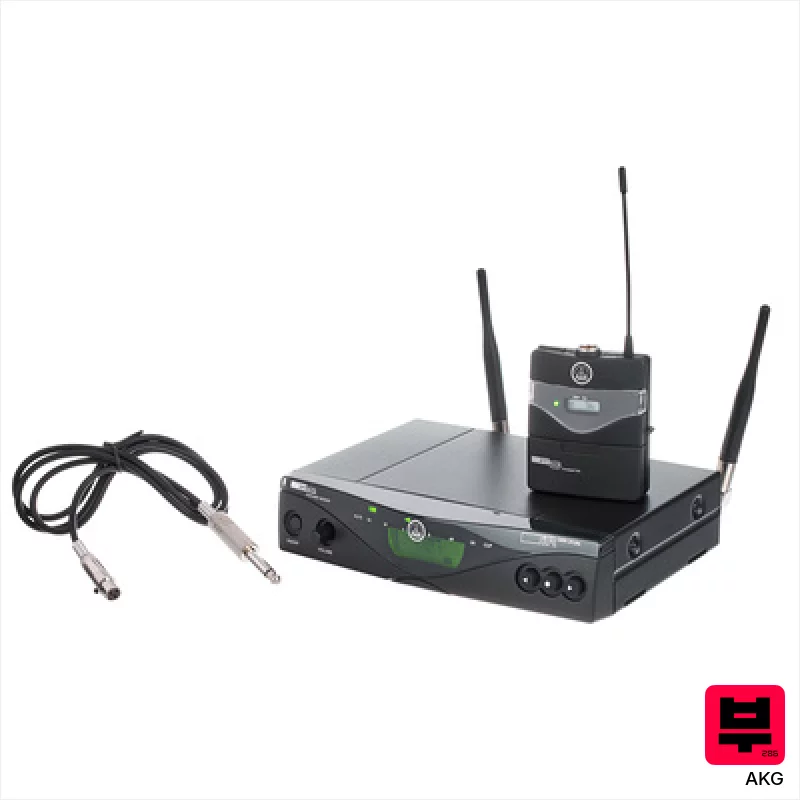
AKG WMS 470 Instrument Set Band 10
- • Robust metal receiver casing provides excellent road durability.
- • Infrared frequency transmission simplifies setup and avoids interference.
- • Pocket transmitter’s noiseless on/mute/off switch is a practical touch.
- • Rack-mountable receiver saves space in a live sound setup.
- • AA battery power is less convenient than rechargeable options.
- • Band 10 frequency range may be restricted in some locations.
- • Limited channel count compared to more expensive wireless systems.

the t.bone free solo PT 520 MHz/8 CH Rack
- • Rackmount design saves space, ideal for stage or studio setups
- • Infrared sync simplifies transmitter settings, a genuine time-saver
- • PT520 transmitters offer flexibility with headsets, lavs, or line signals
- • 25 KHz channel steps minimize interference in crowded RF environments
- • 518-536 MHz band can be congested in some areas, limiting range
- • Reliance on AA batteries adds ongoing operational expense and potential failure point
- • Limited frequency band compared to wider spectrum systems reduces channel availability

Mipro ACT-5800 MT-58 Pedal Set
- • 5.8GHz offers clean signal, less interference than 2.4GHz.
- • Programmable parameters provide extensive customization options.
- • Multiple outputs cater to complex pedalboard routing needs.
- • Violet finish adds a touch of visual flair, distinct on stage.
- • Violet color might not appeal to all performers’ aesthetic.
- • The menu system could be more intuitive for less tech-savvy users.
- • Receiver size is a bit bulky compared to some competitors.
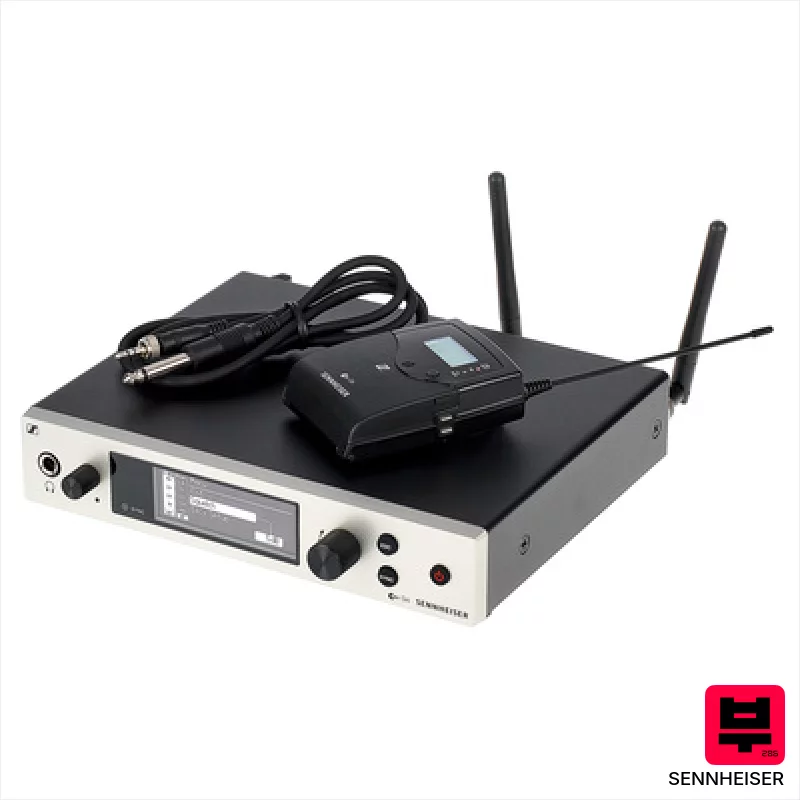
Sennheiser ew 500 G4 Ci1 AW+ Band
- • Rock-solid Sennheiser build quality inspires confidence on stage.
- • The HDX compander delivers impressively clean audio even with gain.
- • Excellent frequency agility avoids interference in crowded RF environments.
- • Integrated EQ provides basic tonal shaping without external pedals.
- • The receiver's 9.5 in height can be cumbersome on smaller rigs.
- • Limited frequency range compared to some competing systems.
- • The Ci1 cable input isn't ideal for direct DI applications.
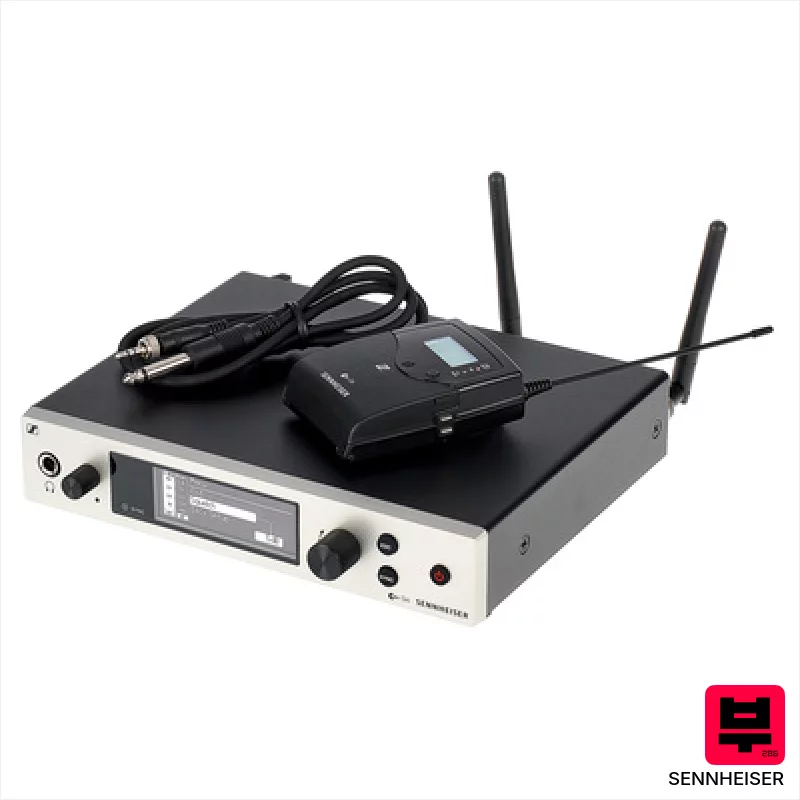
Sennheiser ew 500 G4 Ci1 GBW Band
- • Rock-solid GBW band frequency allocation minimizes interference, crucial for live gigs.
- • SKM 500 G4 transmitter boasts excellent build quality and comfortable ergonomics.
- • The HDX compander provides clean, transparent audio even at high gain.
- • Wireless System Manager (WSM) simplifies frequency coordination for multi-mic setups.
- • The Ci1 cable is a basic offering; a higher-end cable would be preferable.
- • While versatile, the system's frequency range is limited compared to broader UHF options.
- • The receiver’s size, while manageable, isn’t as compact as some newer models.
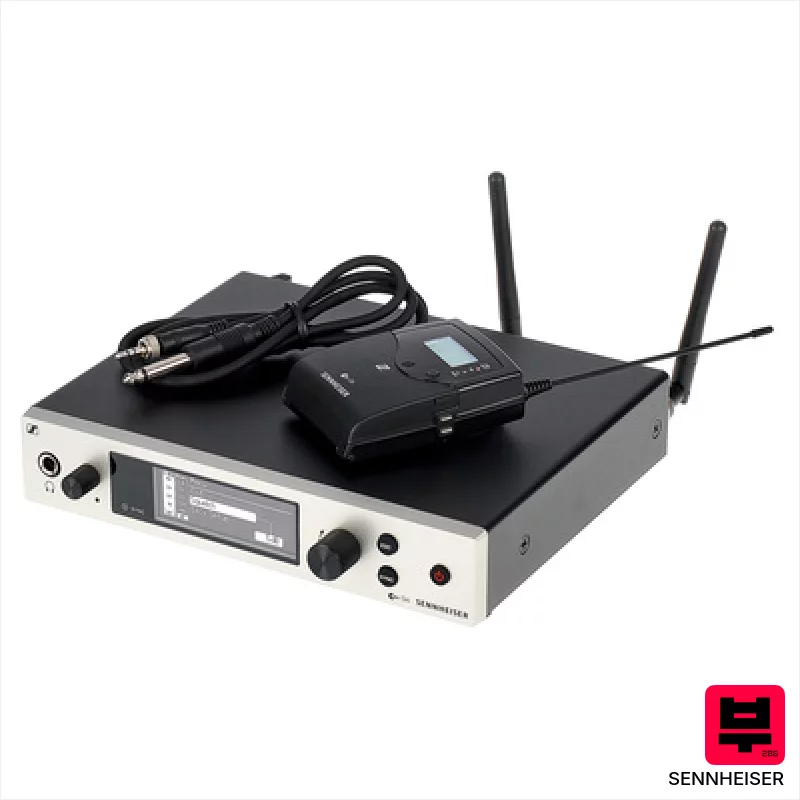
Sennheiser ew 500 G4 Ci1 GW Band
- • Rock-solid build quality; feels premium despite the price.
- • Excellent frequency management via the WSM software.
- • The HDX compander delivers clean, powerful guitar/bass signal.
- • Wide 88 MHz bandwidth provides ample channel options for crowded RF environments.
- • The receiver’s 9.5 in depth can be a bit unwieldy on stage.
- • Limited frequency band compared to some higher-end systems.
- • The Ci1 cable interface might be restrictive for some users’ setups.
How to Choose the Best Wireless Systems for Guitar and Bass
Frequency Band
2.4GHz systems are common, but prone to interference from Wi-Fi and other devices. UHF systems offer more channels and are generally more reliable, though licensing can be a factor in some areas. Think about your gigging environment - a crowded bar versus a quiet club will influence your choice.
Latency
This is HUGE. Any noticeable delay between when you pick and when the sound comes out will mess with your playing. Look for systems with latency under 5ms - anything more and you'll feel it. This is especially critical for fast playing and tight ensemble work.
Dynamic Range & Noise Floor
A system's dynamic range dictates how quiet you can play while still being heard. A low noise floor means less hiss and hum. A weak system will compress your signal and kill your articulation, making your playing sound flat and lifeless. You want a system that handles your dynamics without choking your tone.
Build Quality & Durability
Gigs are rough. Dropped transmitters, stomped-on receivers - it happens. A flimsy plastic housing isn't going to cut it. Look for rugged construction and reliable components if you're planning on using it regularly.
Tone & Articulation
Some wireless systems color the sound, sucking out the low-end thump or adding a harsh high-end. The best systems are transparent, allowing your guitar or bass's natural voicing to shine through. Listen for a system that preserves your instrument's character and doesn't introduce unwanted artifacts.
Buying Guide
Don't chase the cheapest option. Wireless systems are a convenience, but a poorly chosen one is more trouble than it's worth. Budget systems often compromise on frequency band, dynamic range, and build quality - and you'll pay for that in frustration. Spend a little more for a reliable UHF system with low latency and a transparent sound - it's an investment in your performance.
How This List Is Built
We don't play these instruments — we're a catalog, not a review desk, and we'd rather say so than pretend otherwise. This page ranks 15 wireless systems for guitar and bass from the Thomann catalogue, which is the largest single source of specification data in this category.
Position is computed, not curated. Four signals, in order of weight: how completely the manufacturer documents the instrument (number of published specifications), where it sits in the price range, how specific the model designation is — which filters out generic accessories — and whether a product image exists. The same inputs always produce the same order, so nothing here is shuffled to look fresh.
What this list is good for: narrowing a category down to a shortlist by spec and budget. What it isn't: a substitute for hearing an instrument. Before you buy, read hands-on reviews and, where you can, play it. Full methodology.

