
Best AKG Wireless Systems for Guitar and Bass 2026
So, you're ditching the cable spaghetti? Smart move. AKG's been in the wireless game for decades, and while they might not always be the first name that pops into your head for guitar/bass wireless, they offer a surprisingly solid, often overlooked option, especially if you need something reliable for stage or studio. Let's break down which AKG systems are worth the investment and which ones you might want to skip.
Last updated: April 11, 2026
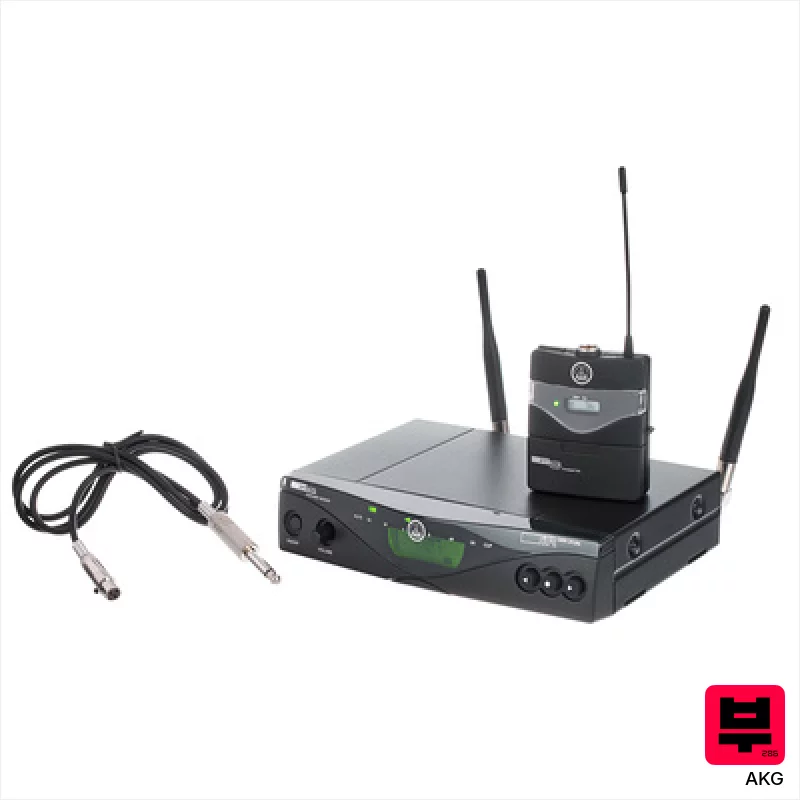
AKG WMS 470 Instrument Set Band 10
- • Robust metal receiver casing provides excellent road durability.
- • Infrared frequency transmission simplifies setup and avoids interference.
- • Pocket transmitter’s noiseless on/mute/off switch is a practical touch.
- • Rack-mountable receiver saves space in a live sound setup.
- • AA battery power is less convenient than rechargeable options.
- • Band 10 frequency range may be restricted in some locations.
- • Limited channel count compared to more expensive wireless systems.
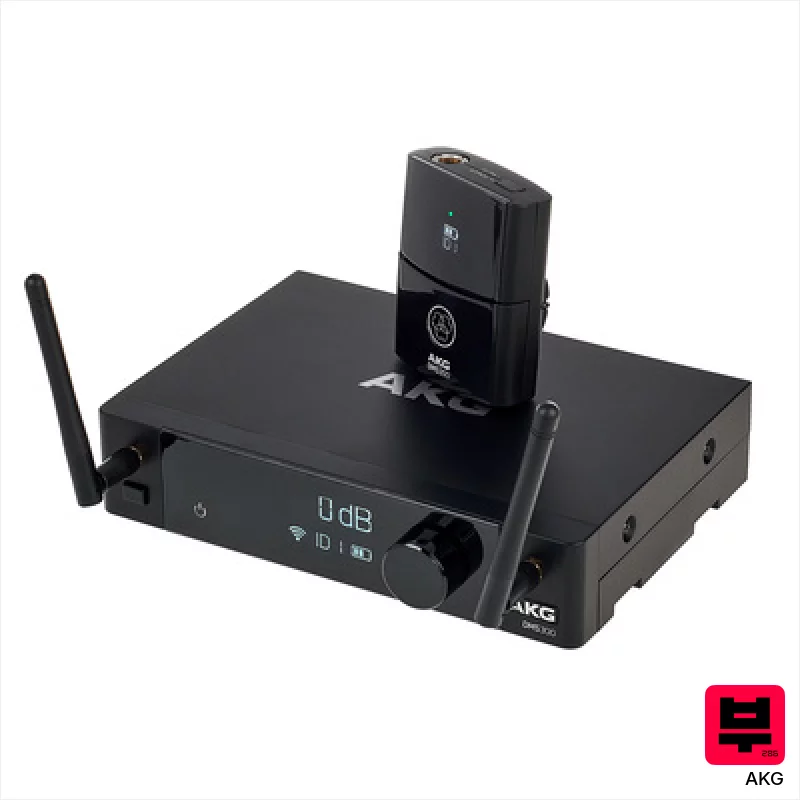
AKG DMS300 Instrumental Set
- • Uncompressed 24-bit/48kHz audio delivers surprisingly clean, detailed sound.
- • Automatic frequency adjustment simplifies setup, avoiding common wireless headaches.
- • AES 256-bit encryption offers a welcome layer of security for sensitive performances.
- • Compact receiver design makes it easy to transport and integrate into any rig.
- • 30m range is adequate but can be limiting in larger venues or with obstructions.
- • Mini XLR connector limits compatibility with standard mic cables and preamps.
- • While plug-and-play, the menu system could benefit from more intuitive controls.

AKG WMS 420 Instrument Set Band D
- • Robust build quality, typical of AKG's instrument series.
- • Antenna diversity significantly reduces dropouts on stage.
- • TQG connector ensures a secure, reliable connection to instruments.
- • Low-battery warning prevents mid-performance silence.
- • Limited frequency band (Band D) restricts channel availability in congested areas.
- • 10mW transmission power is adequate, but not ideal for large venues.
- • AA battery power is less convenient than rechargeable options.
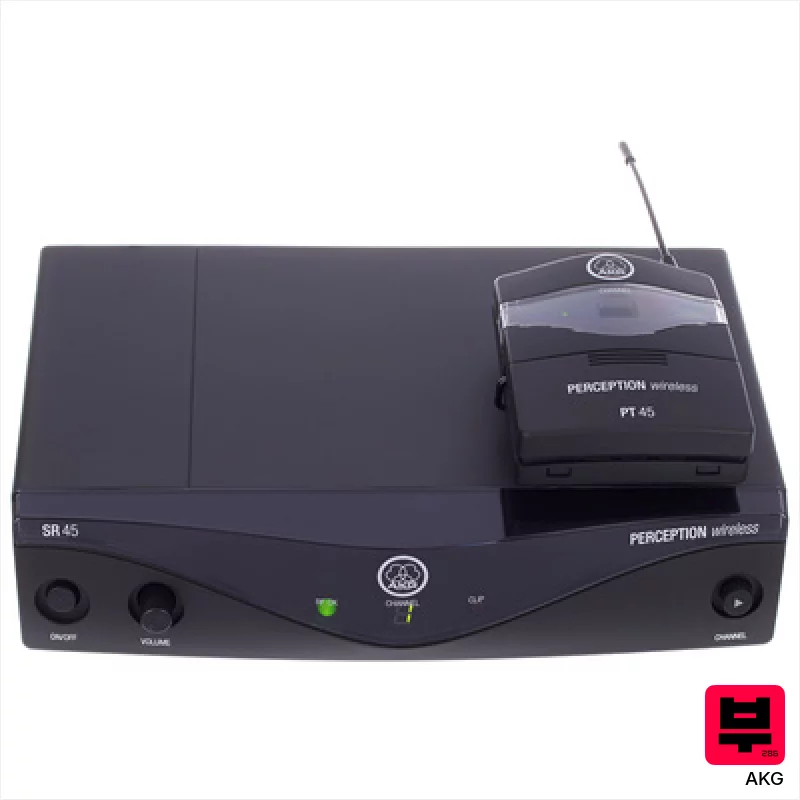
AKG PW45 Instrumental Set Band M
- • Compact pocket transmitter offers excellent portability for stage use
- • UHF frequency range minimizes interference common in crowded RF environments
- • Simple, intuitive controls make setup and operation remarkably straightforward
- • Diversity receiver provides robust signal stability and reduced dropouts
- • Limited frequency selection may require coordination in densely populated wireless environments
- • AA battery power necessitates frequent replacements or investment in rechargeables
- • Receiver’s build quality feels somewhat plasticky compared to higher-end systems

AKG WMS 40 Mini Dual Instrument
- • Compact bodypack design simplifies stage setup and transport
- • HDAP technology delivers surprisingly clean and detailed audio reproduction
- • Simple, intuitive controls minimize learning curve for quick operation
- • License-free operation in Europe removes bureaucratic hurdles and costs
- • Non-diversity receiver can be susceptible to interference in crowded RF environments
- • Limited frequency range restricts channel selection in dense wireless scenarios
- • AA battery reliance can be inconvenient compared to rechargeable options

AKG WMS 40 Mini Instrument ISM2
- • Compact bodypack design minimizes stage clutter and discomfort
- • HDAP technology delivers surprisingly clear and detailed instrument tone
- • ISM2 frequency band avoids licensing hassles across Europe
- • Included guitar cable offers immediate, plug-and-play functionality
- • Non-diversity receiver can be susceptible to interference in crowded RF environments
- • Single AA battery operation limits runtime compared to rechargeable packs
- • Limited channel selection restricts use in complex multi-wireless setups

AKG WMS 40 Mini Instrument ISM1
- • Compact bodypack offers excellent portability for stage or studio
- • HDAP technology delivers surprisingly clean and detailed audio reproduction
- • License-free ISM band operation simplifies setup and eliminates regulatory hurdles
- • Included guitar cable provides immediate usability out of the box
- • Non-diversity receiver can be susceptible to interference in crowded RF environments
- • Single AA battery operation limits runtime compared to rechargeable packs
- • Limited frequency band restricts channel availability in high-density wireless scenarios

AKG PW45 Instrumental Set ISM
- • Compact bodypack design minimizes stage interference
- • ISM band operation simplifies licensing and setup
- • Diversity receiver improves signal stability and reduces dropouts
- • Adjustable output volume provides flexible gain staging
- • Limited frequency options restrict channel selection in crowded RF environments
- • AA battery operation can be inconvenient for extended gigs
- • Budget build quality noticeable in the plastic housing and controls
How to Choose the Best Wireless Systems for Guitar and Bass
Frequency Response & Clarity
AKG tends to have a flatter frequency response than some other brands, which can be a blessing and a curse. It means you're getting a more transparent representation of your instrument - less colored, more direct. This is great for players who want their amp and pickups to shine, but less ideal if you're looking for built-in tone shaping.
Dynamic Range & Headroom
Live stages are brutal; you need headroom. AKG systems generally deliver decent dynamic range, but older models can sometimes feel a little compressed at higher volumes, losing some of the subtle nuances in your playing. Newer systems have improved significantly.
Build Quality & Durability
AKG gear historically has a reputation for being rock-solid, built to withstand the rigors of touring. The receivers and transmitters feel substantial, and the components are generally well-protected. However, budget models do sometimes use cheaper plastics that can feel a bit flimsy.
Latency
This is critical for any wireless system. AKG has made strides in reducing latency, but older systems can exhibit a noticeable delay, which messes with your timing and feel. Lower latency is essential for recording or anything requiring tight interaction with other musicians.
Interference & Channel Stability
Wireless is inherently prone to interference. AKG systems use a variety of frequency-hopping technologies to mitigate this, but crowded venues and RF-heavy environments can still be problematic. Having a good receiver antenna and knowing how to scan for clear channels is vital.
Buying Guide
Don't chase the latest, shiniest model unless you need the features. AKG's older systems (like the WMS40 Pro) can still be fantastic workhorses for rehearsals and smaller gigs, offering great value. Pay close attention to the frequency band - 2.4GHz is convenient but prone to interference from Wi-Fi; UHF offers more channels but requires licensing in some areas. And always, always test the system thoroughly before a gig - don't wait until you're onstage to discover it's cutting out.
How This List Is Built
We don't play these instruments — we're a catalog, not a review desk, and we'd rather say so than pretend otherwise. This page ranks 8 wireless systems for guitar and bass from the Thomann catalogue, which is the largest single source of specification data in this category.
Position is computed, not curated. Four signals, in order of weight: how completely the manufacturer documents the instrument (number of published specifications), where it sits in the price range, how specific the model designation is — which filters out generic accessories — and whether a product image exists. The same inputs always produce the same order, so nothing here is shuffled to look fresh.
What this list is good for: narrowing a category down to a shortlist by spec and budget. What it isn't: a substitute for hearing an instrument. Before you buy, read hands-on reviews and, where you can, play it. Full methodology.

