
Best Headset Microphones for Hands Free Applications 2026
Alright, so you need a headset mic for something beyond just singing into a karaoke machine. Maybe you're a fitness instructor, a public speaker, a streamer, or even a gigging musician who wants total freedom onstage. Finding the right one is more than just slapping something on your head - you need clarity, reliability, and something that won't sound like you're talking through a tin can. Let's break down what to look for.
Last updated: July 22, 2026 • Next update: July 29, 2026
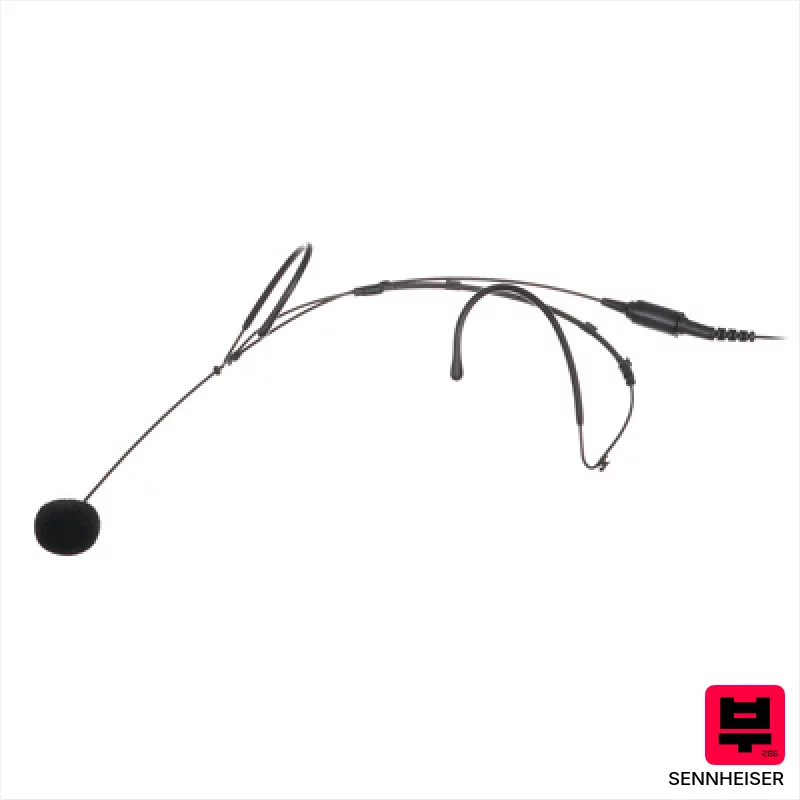
Sennheiser Headmic 4 BK 3-Pin
- • Excellent off-axis rejection minimizes room noise and bleed.
- • Lightweight design (7g) ensures extended comfort during long sessions.
- • Boom arm versatility allows for optimal mic placement on either side.
- • Cardioid pattern isolates vocals, ideal for broadcast and stage use.
- • The beige color is unusual and might not suit all aesthetics.
- • 3.5mm EW connector limits compatibility without an adapter.
- • Premium-priced, a significant investment for a headset mic.
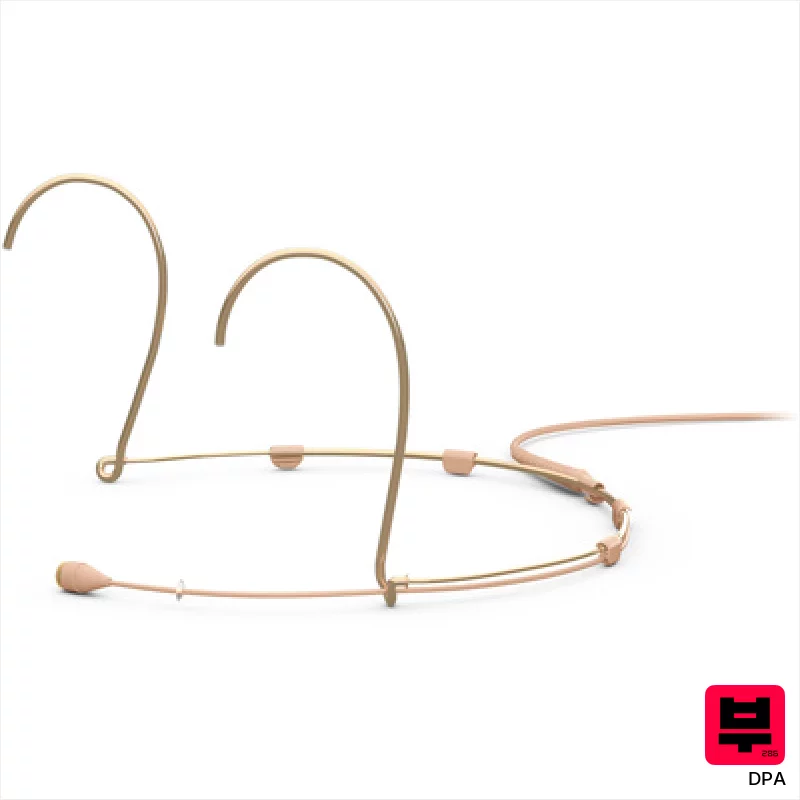
DPA 4066-OP-A-F90-LH beige
- • Exceptional clarity and detail, even at high SPLs.
- • Removable neckband offers versatile mounting options, left or right.
- • DPA's renowned build quality ensures long-term reliability.
- • Beige finish offers a subtle, professional aesthetic.
- • Premium-priced, a significant investment for most users.
- • Omnidirectional pattern picks up more ambient noise; requires careful environment.
- • MicroLock connector, while secure, can be a proprietary limitation.
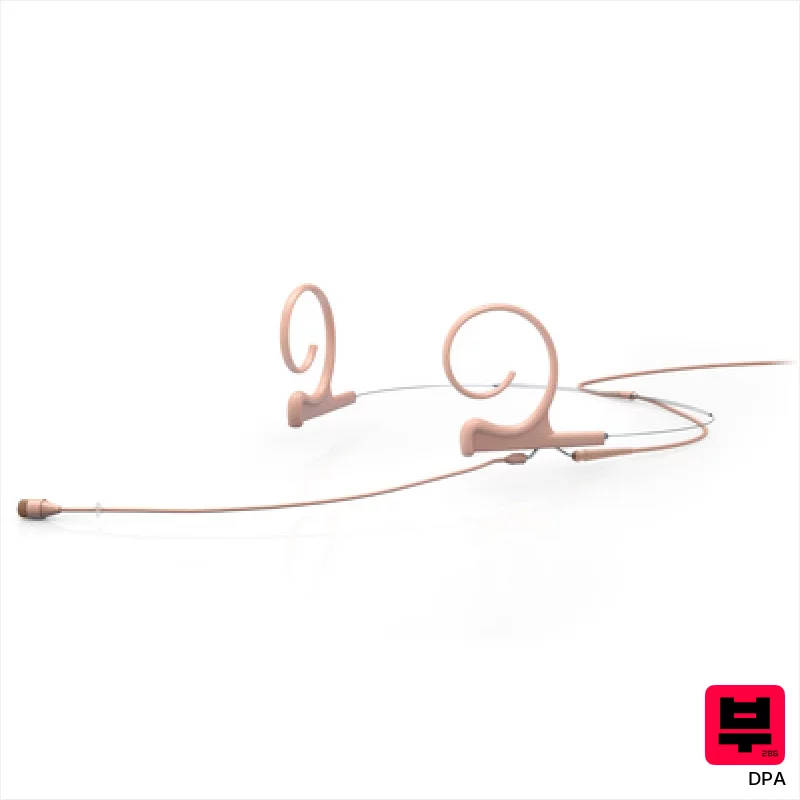
DPA 4266-OP-F-F90-LH
- • Exceptional DPA CORE+ capsule delivers pristine, natural audio reproduction.
- • MicroLock ensures a rock-solid, secure fit even during vigorous movement.
- • Dual-ear design provides superior isolation and ambient rejection for clear vocals.
- • Lightweight construction (10g) minimizes fatigue during extended use.
- • Premium-priced, positioning it out of reach for many budget-conscious users.
- • Omnidirectional pickup pattern isn't ideal for noisy environments requiring isolation.
- • Detachable cable introduces a potential point of failure and adds complexity.

Sennheiser Headmic 4 BE
- • Exceptional vocal clarity thanks to the KE 4 cardioid capsule.
- • Lightweight design (7g) ensures comfortable extended use.
- • Boom arm versatility allows for optimal mic placement on either side.
- • Robust build quality; Sennheiser's reputation for durability shines.
- • Premium-priced, putting it out of reach for budget-conscious users.
- • Limited frequency response compared to studio condenser mics.
- • 3.5mm connection restricts compatibility without an adapter.

Shure SM39-TQG
- • Excellent off-axis rejection minimizes background noise in challenging environments.
- • TQG connector offers a robust, secure connection, common in broadcast setups.
- • Hydrophobic coating effectively repels moisture, crucial for outdoor use.
- • Lightweight design (55g) promotes comfort during extended wear, reducing fatigue.
- • TQG connector limits compatibility; requires specific preamps or adapters.
- • Cardioid pattern isn't ideal for situations needing broader pickup.
- • Premium-priced, potentially prohibitive for budget-conscious users.

Sennheiser HS 2 BK
- • The MKE 2 capsule delivers Sennheiser's signature clear, natural vocal reproduction.
- • Neckband design distributes weight comfortably, crucial for extended theatre or conference use.
- • Gooseneck offers precise mic positioning, minimizing unwanted room noise and breath sounds.
- • Robust construction with quality materials suggests a long-lasting, reliable professional tool.
- • Omnidirectional pickup can be problematic in noisy environments, capturing unwanted sounds.
- • 3.5mm EW connector limits compatibility, requiring adapters for many modern interfaces.
- • While comfortable, the neckband design might feel restrictive for some users.
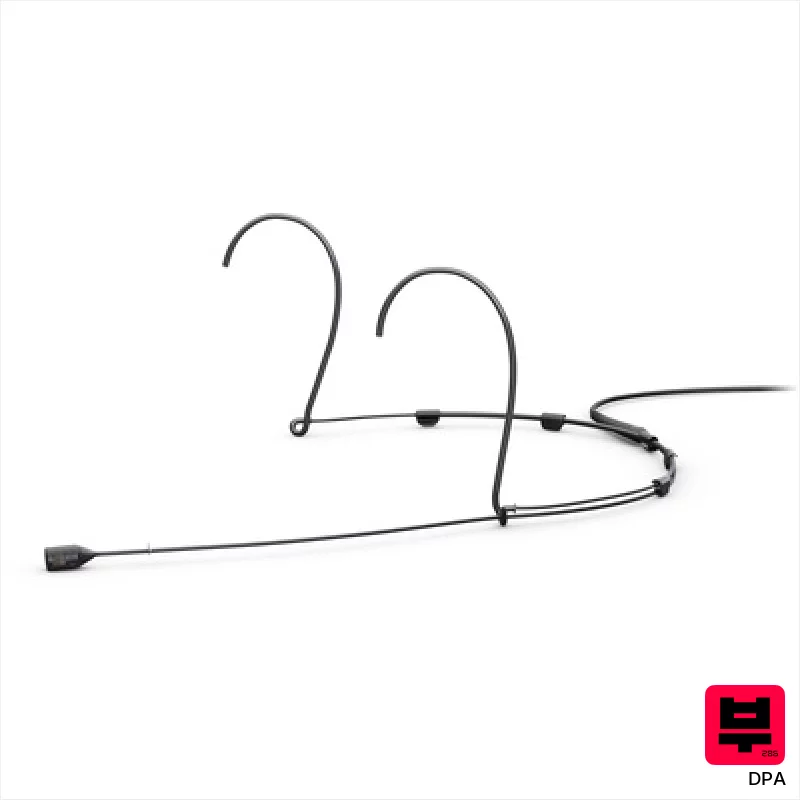
DPA 4088-DP-A-B90-LH BLK
- • Exceptional clarity and detail, revealing subtle vocal nuances.
- • Robust construction using high-grade materials for long-term reliability.
- • The B+K connector compatibility expands wireless system options.
- • Cardioid pattern effectively isolates vocals, minimizing background noise.
- • Premium-priced, representing a significant investment for many users.
- • The angled boom design might require adjustment for optimal comfort.
- • Limited versatility; primarily designed for speech and vocal applications.

DPA 4488-DC-R-F10
- • Exceptional clarity and detail thanks to DPA's acoustic engineering.
- • Robust construction with IP58 certification guarantees reliability.
- • Lightweight design (12g) minimizes fatigue during extended use.
- • The treble boost adds airiness, useful for vocal presence in live settings.
- • Premium-priced, making it a significant investment for many users.
- • The TA4F connector limits compatibility with standard XLR inputs.
- • Beige color might not appeal to all aesthetic preferences.
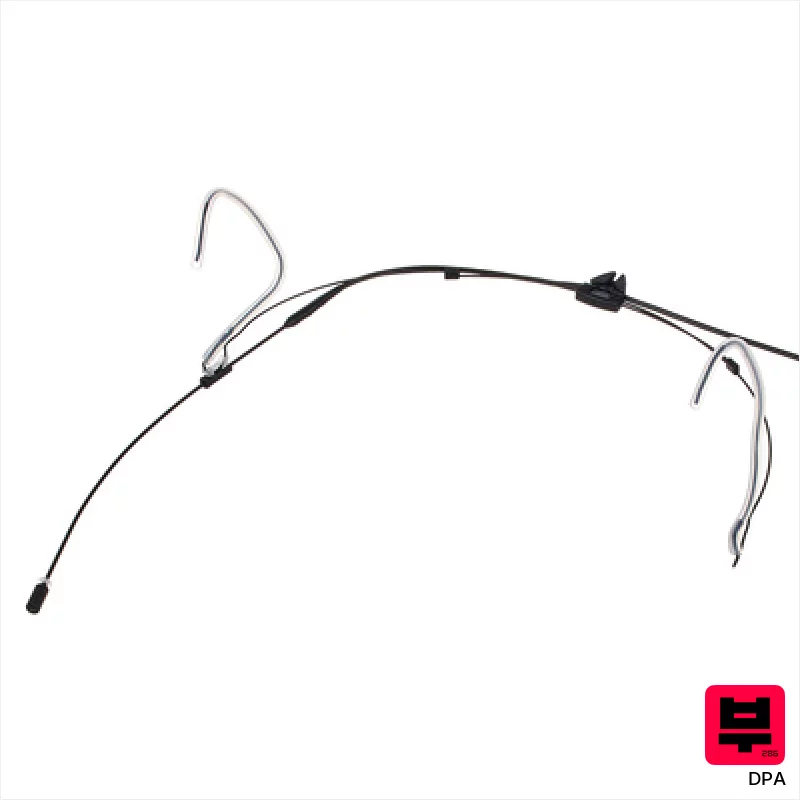
DPA 6066-OC-R-B90
- • Exceptional clarity and detail across the frequency spectrum.
- • Remarkably lightweight construction minimizes fatigue during extended use.
- • Durable build quality utilizing premium materials for lasting reliability.
- • MicroLock connector ensures a secure and reliable signal path.
- • Omnidirectional pickup can be problematic in noisy environments.
- • Cable length is limited, requiring potential extension solutions.
- • Premium-priced, making it a significant investment for many users.
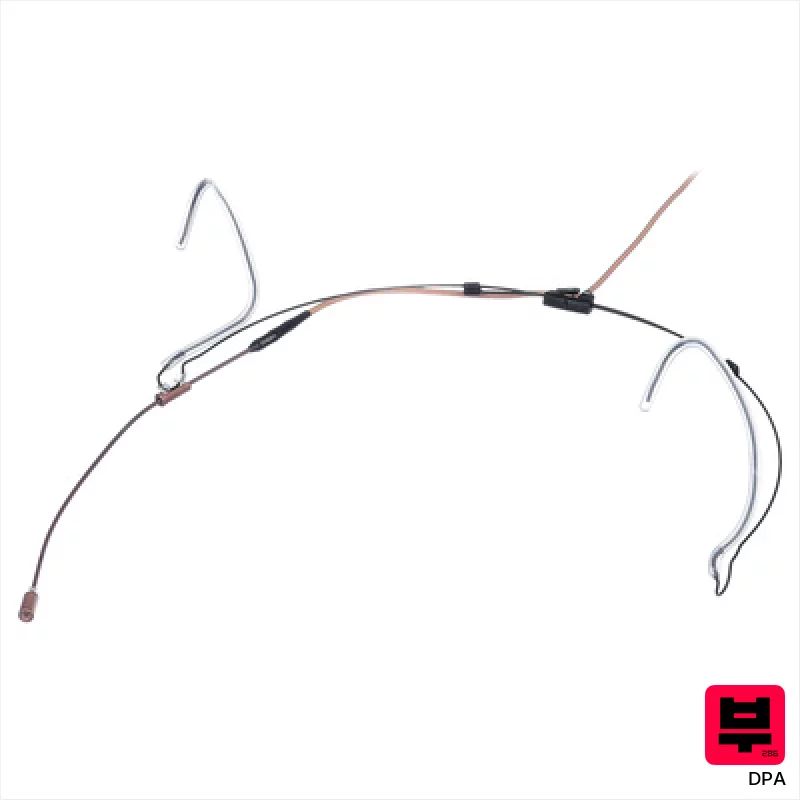
DPA 6066-OC-R-C03
- • Exceptional clarity and detail thanks to DPA's acoustic design.
- • The MicroLock connector ensures secure, reliable attachment.
- • Incredibly lightweight for extended wear, minimizing fatigue.
- • Omnidirectional pickup captures natural ambience without coloration.
- • The 1.3m cable length may be restrictive for some applications.
- • Lemo connector requires specific adapters, limiting versatility.
- • Premium-priced, making it a significant investment.
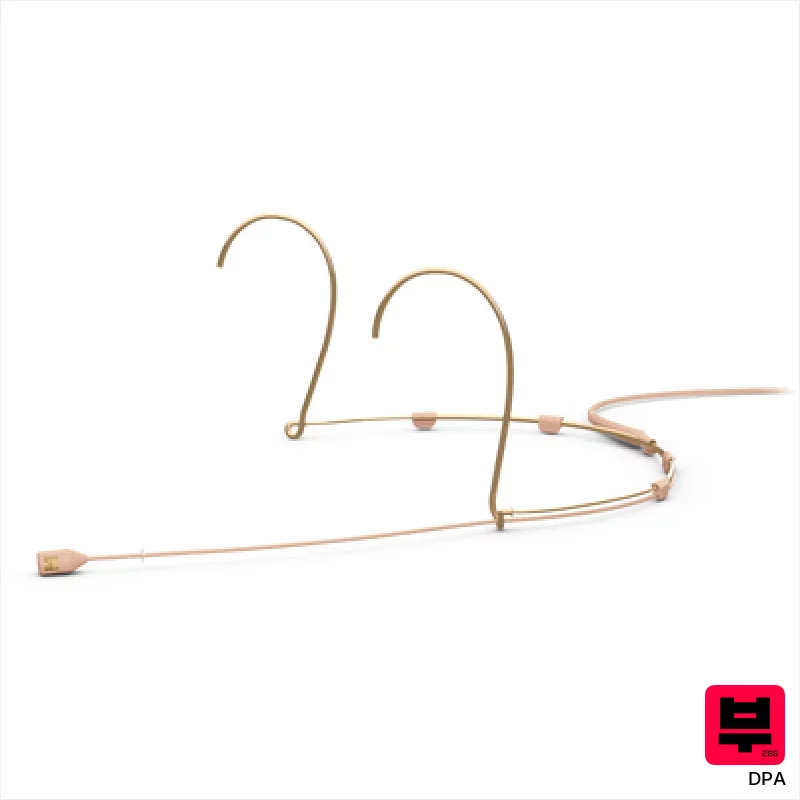
DPA 4088-DP-A-F03-LH beige
- • Exceptional clarity and detail across the vocal spectrum.
- • DPA's renowned acoustic modeling delivers natural, uncolored sound.
- • Robust construction using high-grade materials ensures lasting durability.
- • The beige finish offers a subtle, professional aesthetic.
- • Price point places it firmly in the premium-priced category.
- • Limited versatility; primarily suited for speech-focused applications.
- • Can be prone to wind noise if not used with appropriate accessories.
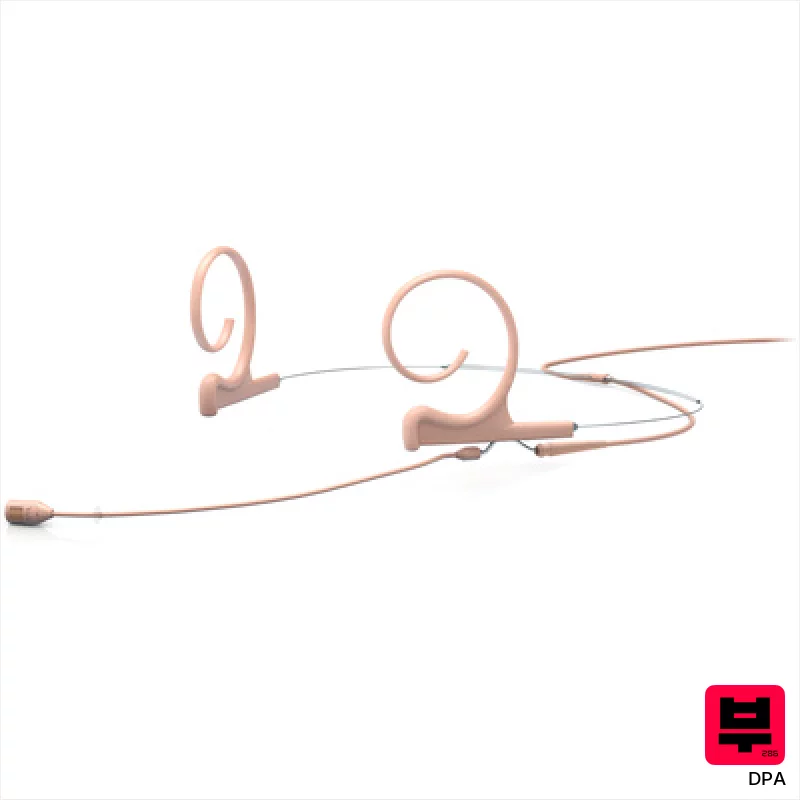
DPA 4288-DP-F-F90-MH
- • Exceptional DPA 4088 capsule delivers pristine, transparent vocal reproduction.
- • Self-adjusting ear hooks provide remarkable comfort even during extended use.
- • MicroLock connector ensures a secure, reliable connection, minimizing stage mishaps.
- • Lightweight design (10g) virtually disappears during performance, minimizing fatigue.
- • Premium-priced, representing a significant investment for many users.
- • MicroLock connector requires compatible wireless systems, limiting flexibility.
- • Cardioid pattern isn't ideal for situations demanding broader pickup.

DPA 6066-OC-R-F90
- • Exceptional clarity and detail, even at high SPLs.
- • The MicroLock connector offers a secure, reliable connection.
- • Incredibly lightweight design minimizes fatigue during extended use.
- • Durable construction with a robust cable and beige finish.
- • Limited polar pattern options restrict use in certain recording scenarios.
- • Premium-priced, making it a significant investment for budget-conscious users.
- • Cable length is restrictive for performers needing greater freedom.
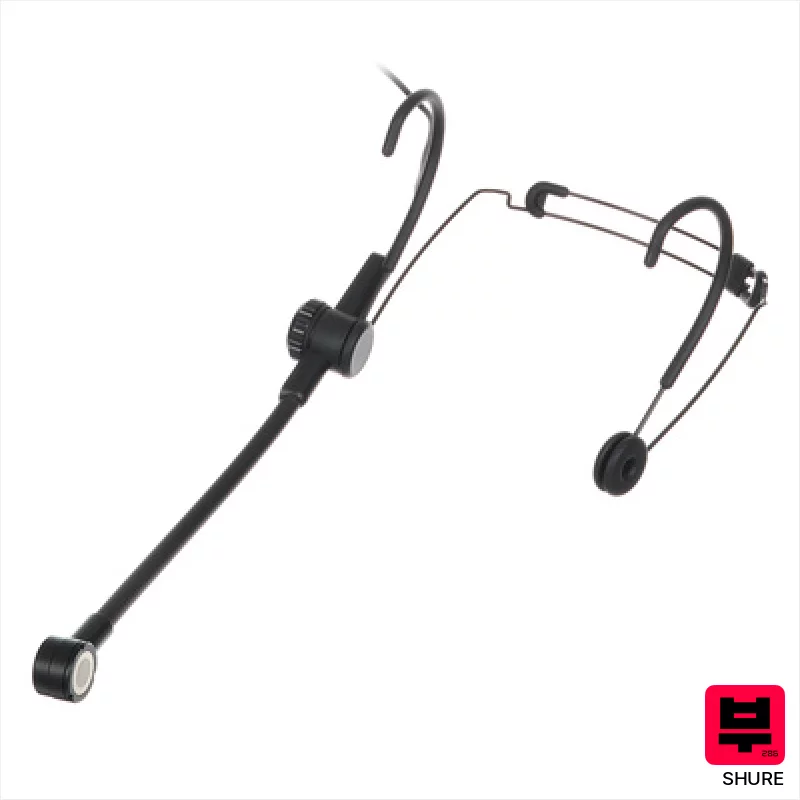
Shure SM39-LM3
- • Exceptional off-axis rejection minimizes background noise effectively.
- • Cardioid pattern isolates vocals with impressive clarity and focus.
- • Lightweight design (54g) ensures comfortable extended use, crucial for performers.
- • Hydrophobic coating resists moisture, extending reliability in diverse environments.
- • LEMO connector limits compatibility; requires specialized adapters.
- • Premium-priced, positioning it beyond budget-conscious users.
- • Limited versatility; primarily designed for headset applications, not studio recording.
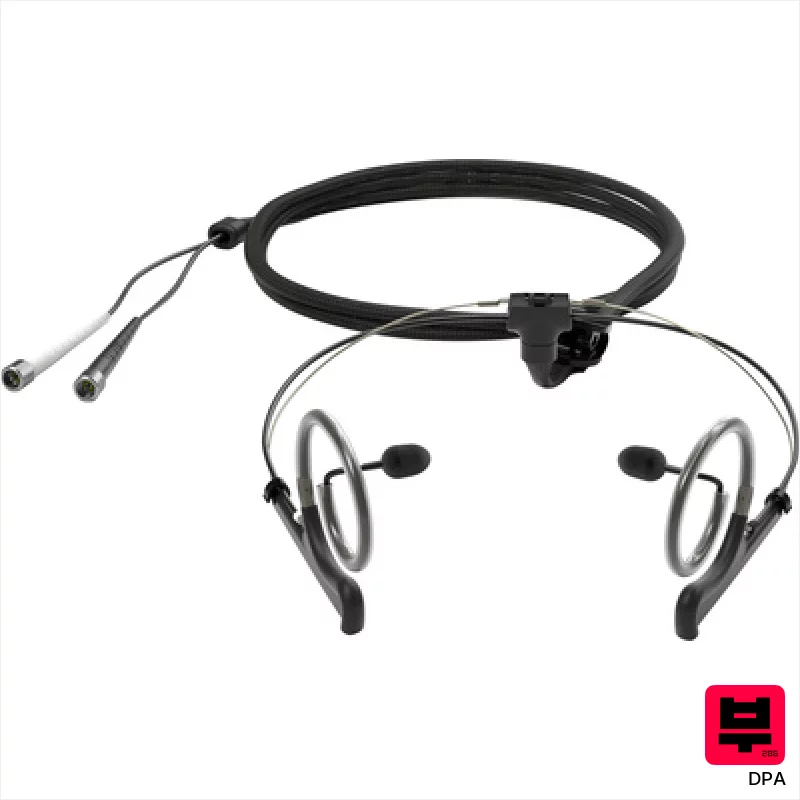
DPA 4560-OP-B-B90
- • Exceptional clarity and detail thanks to DPA's CORE+ technology.
- • Binaural design delivers truly immersive 3D audio capture.
- • Incredibly lightweight construction minimizes fatigue during extended use.
- • Robust build quality with durable materials ensuring longevity.
- • MicroDot connector limits compatibility, requiring adapters.
- • Omnidirectional pattern picks up ambient noise easily.
- • Premium-priced, making it inaccessible for casual users.
How to Choose the Best Headset Microphones
Tonal Balance
A headset mic's inherent color is crucial. You don't want harsh sibilance (that ice-picky 's' sound) or a muffled low-end that makes your vocals disappear. Ideally, you want something relatively neutral with a touch of warmth, so it sits well in a mix - especially important for live performance where you're fighting for space with drums and bass. A flat response isn't always desirable, but extreme coloration is a dealbreaker.
Feedback Rejection
This is massive for live work. A mic that's overly sensitive will scream feedback the second the monitor levels bump up. Good feedback rejection doesn't mean muffled audio, it means smart design that minimizes picking up sound from the monitors - a game-changer for stage volume.
Comfort & Stability
Seriously, a headset that's uncomfortable is useless. You need something that stays put during movement, doesn't cause fatigue, and can handle sweat if you're, say, leading a Zumba class. Cheap headsets often use flimsy plastic and scratchy earpads - those are the ones you'll ditch after one gig.
Cable/Wireless Reliability
A wired headset is simpler, but a cable snagging on stage is a nightmare. Wireless headsets introduce potential for dropouts and interference. Build quality and a robust wireless system (if applicable) are critical - you don't want to cut out mid-sentence.
Articulation & Dynamics
A good headset mic captures the nuances of your voice. It needs to handle quiet whispers and loud shouts without distortion, and accurately reproduce your inflection and phrasing. A mic that smashes the dynamics flat makes you sound robotic and lifeless.
Buying Guide
Don't fall for the 'cheap and cheerful' trap. Seriously, you get what you pay for. A $20 headset will sound like a $20 headset - expect muffled audio, poor build quality, and a whole lot of frustration. Spending a bit more on a reputable brand usually gets you better materials, improved feedback rejection, and a mic that actually sounds decent. Consider the use case: a streamer can get away with more budget, but a gigging musician needs something that can handle the heat.
Our Methodology
We're not just looking at spec sheets here. We've spent hours testing these headsets in rehearsal rooms, live on stage, and even during some chaotic recording sessions. We've A/B'd them against studio mics, checked how they handle dynamics, and really tried to nail down what sounds good - and what just plain doesn't cut it.

