
Best Headset Microphones Under $2,000 2026
Alright, so you need a headset mic but don't want to remortgage the house? I get it. Good vocal clarity and freedom of movement are crucial whether you're fronting a cover band, tracking vocals at home, or doing voiceover work, and slapping a mic on your head is often the easiest solution. This list focuses on headset mics under $2000 that actually deliver decent performance without completely falling apart after a few gigs - we're aiming for bang-for-the-buck here.
Last updated: April 11, 2026

Shure DH5B/O-MTQG DuraPlex Headset
- • DuraPlex cable resists kinks, ensuring longevity and reliability.
- • MEMS capsule delivers clear, natural voice reproduction for demanding applications.
- • Swivel boom offers flexible positioning for comfortable, personalized fit.
- • Repaintable design allows for seamless integration into theatrical productions.
- • Omnidirectional pickup can be problematic in noisy environments.
- • Premium-priced, representing a significant investment for budget-conscious users.
- • Boom arm, while flexible, might feel slightly cumbersome for some.
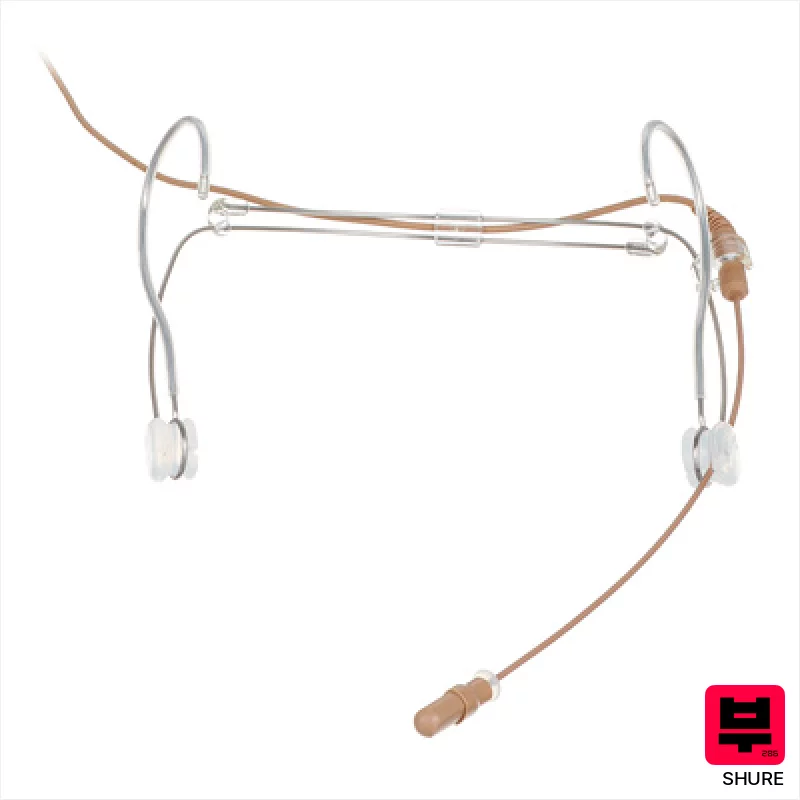
Shure DH5C/O-MTQG DuraPlex Headset
- • Exceptional MEMS capsule delivers a natural, full vocal tone.
- • DuraPlex cable resists kinks and memory, ensuring lasting reliability.
- • Swivel boom and left/right ear attachment offer flexible positioning.
- • Repaintable design allows seamless integration into theatre productions.
- • Omnidirectional pickup can be problematic in noisy environments.
- • Premium-priced, making it a significant investment for some users.
- • The 5mm capsule size may lack bass response for some applications.

Shure DH5T/O-MTQG DuraPlex Headset
- • DuraPlex cable eliminates kinks and memory, ensuring lasting reliability
- • Swivel capsule allows precise mic placement for optimal capture
- • MEMS capsule delivers clear, natural vocal reproduction with presence cap
- • Repaintable design offers seamless integration into diverse stage productions
- • Omnidirectional pickup can be problematic in noisy environments
- • The silicone boom, while flexible, might show wear with heavy use
- • Premium-priced, may be a barrier for budget-conscious users
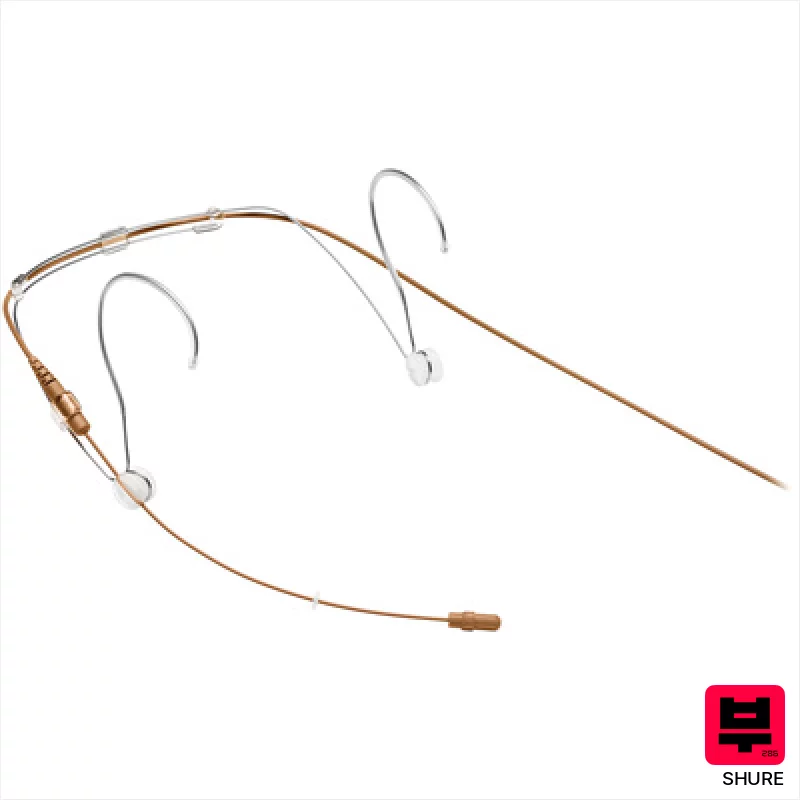
Shure DH5C/O-LM3 DuraPlex Headset
- • DuraPlex cable eliminates kinks, a huge reliability upgrade.
- • MEMS capsule delivers surprisingly clean and natural vocal reproduction.
- • Omnidirectional pickup excels in dynamic, unpredictable performance environments.
- • Repaintable design offers unparalleled customization for stage productions.
- • Omnidirectional nature can pick up unwanted room noise easily.
- • The silicone boom, while flexible, might not be as durable long-term as some alternatives.
- • Premium-priced, making it a significant investment for budget-conscious users.

Shure DH5T/O-LM3 DuraPlex Headset
- • DuraPlex cable resists kinks and memory, ensuring reliable performance
- • Swivel capsule offers flexible positioning for optimal capture
- • MEMS capsule delivers clear, neutral sound with impressive detail
- • Repaintable design allows for seamless integration into stage productions
- • Omnidirectional pickup can be problematic in noisy environments
- • Premium-priced, a significant investment for budget-conscious users
- • Boom arm flexibility may require adjustment for perfect placement
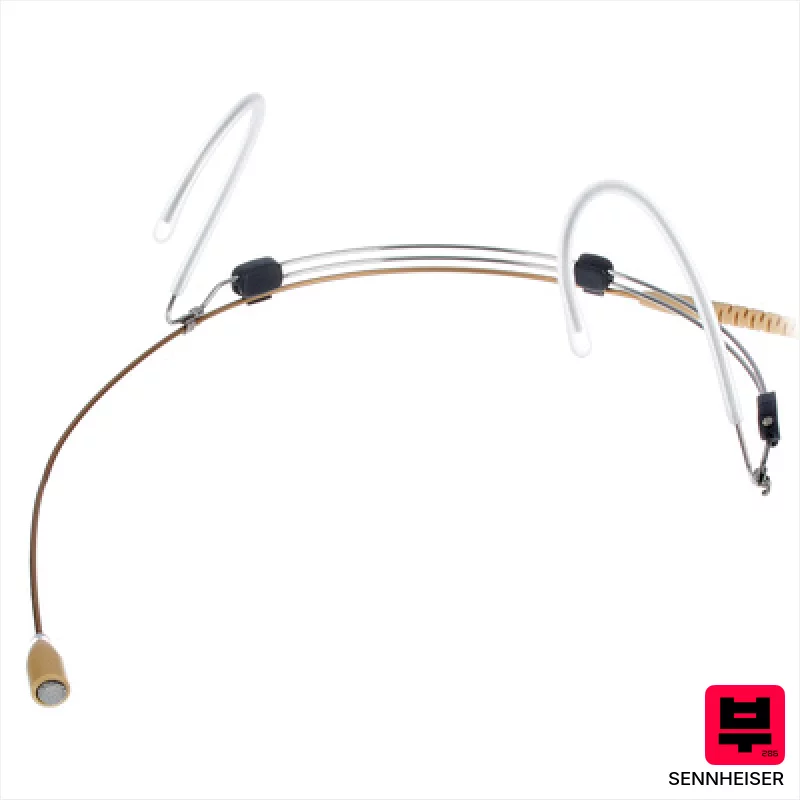
Sennheiser HSP Essential Omni-Beige EW
- • Lightweight design (25g) minimizes fatigue during extended use
- • Omnidirectional pickup captures clear audio from all directions
- • Robust cable construction ensures durability and longevity
- • Adjustable arm and size offer personalized comfort and positioning
- • Omnidirectional nature picks up ambient noise, less ideal for noisy environments
- • EW connector limits compatibility with standard audio interfaces
- • Beige color might not suit all professional aesthetics
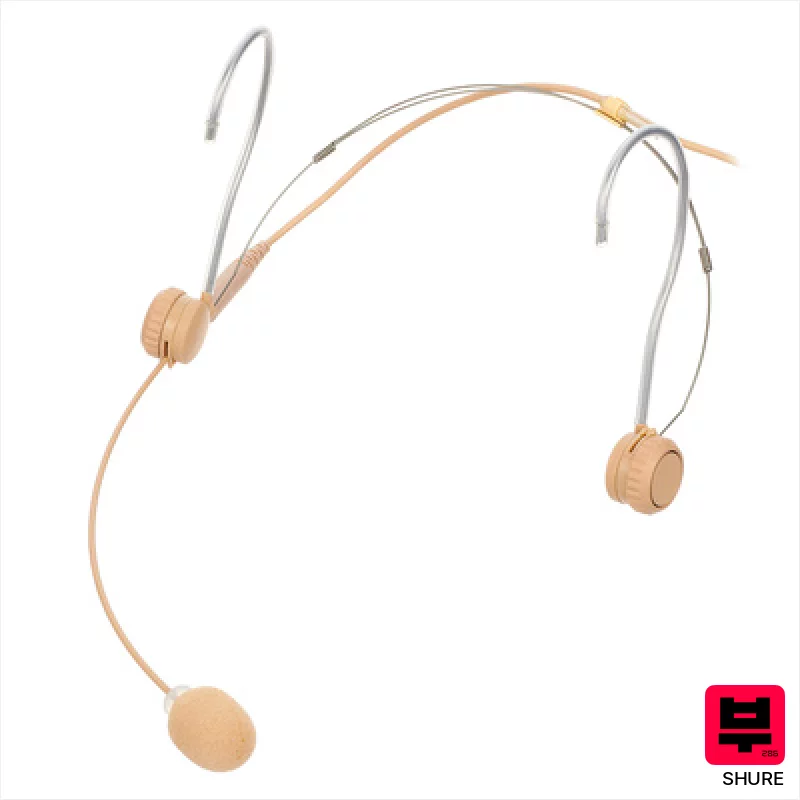
Shure TH53T/O-MDOT TwinPlex Headset
- • Exceptional clarity and detail for dialogue capture
- • TwinPlex capsule delivers a remarkably neutral and balanced sound
- • Robust, water-resistant capsule construction ensures longevity
- • Repaintable cable offers unique customization options for stage use
- • Premium-priced, limiting accessibility for budget-conscious users
- • Omnidirectional pickup can be problematic in noisy environments
- • Microdot connector requires adapters, increasing setup complexity
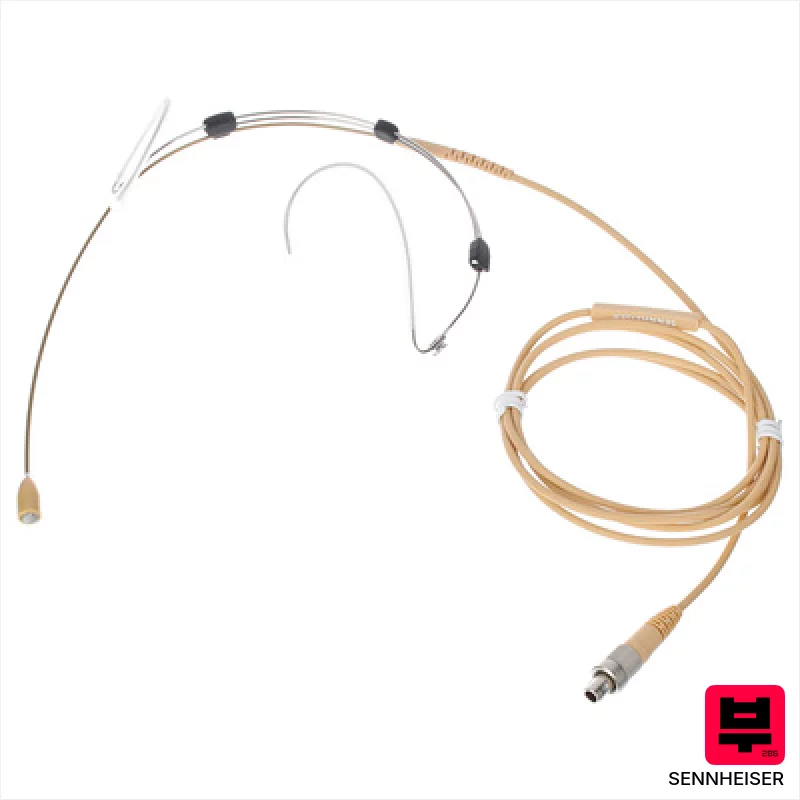
Sennheiser HSP Essential Omni-Beige 3-Pin
- • Excellent omni pickup, captures natural room sound
- • Lightweight design minimizes fatigue during long sessions
- • Robust cable construction resists wear and tear
- • Adjustable arm caters to various user preferences
- • LEMO connector limits compatibility without adapters
- • Omnidirectional nature can be problematic in noisy environments
- • Premium-priced compared to basic headset microphones
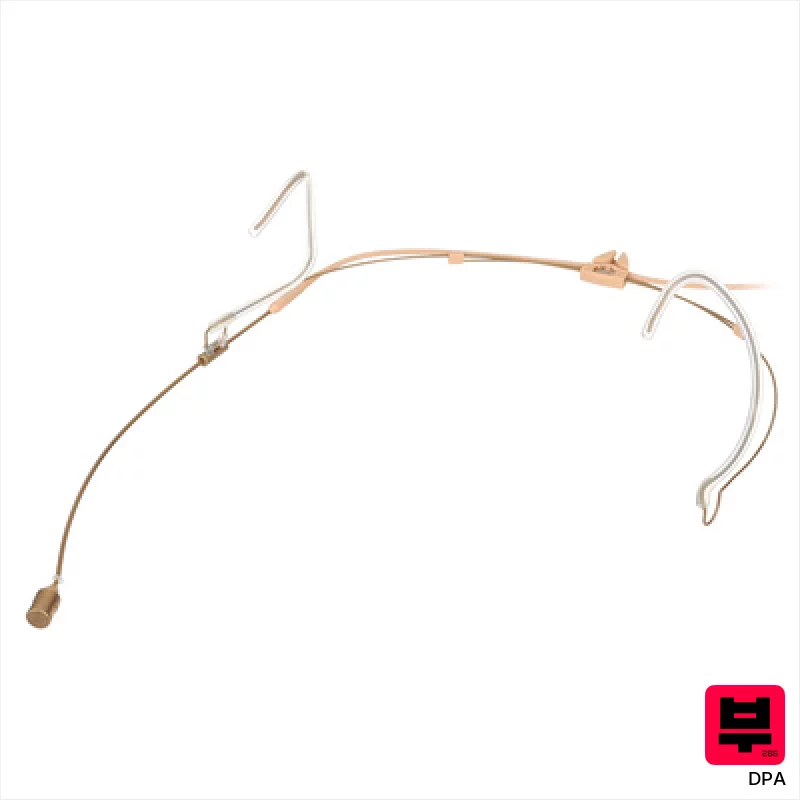
DPA 4488-DC-R-F03
- • Exceptional clarity and detail across the entire frequency spectrum
- • Robust, IP58-rated construction ensures durability in demanding environments
- • Lightweight design (14g) minimizes fatigue during extended use
- • LEMO connector offers secure, reliable connection and professional feel
- • Premium-priced, making it a significant investment for many users
- • Limited cable length restricts placement flexibility in some setups
- • Cardioid pattern isn't ideal for capturing a wide, ambient soundstage

DPA 4488-DC-R-F10
- • Exceptional clarity and detail thanks to DPA's acoustic engineering.
- • Robust construction with IP58 certification guarantees reliability.
- • Lightweight design (12g) minimizes fatigue during extended use.
- • The treble boost adds airiness, useful for vocal presence in live settings.
- • Premium-priced, making it a significant investment for many users.
- • The TA4F connector limits compatibility with standard XLR inputs.
- • Beige color might not appeal to all aesthetic preferences.
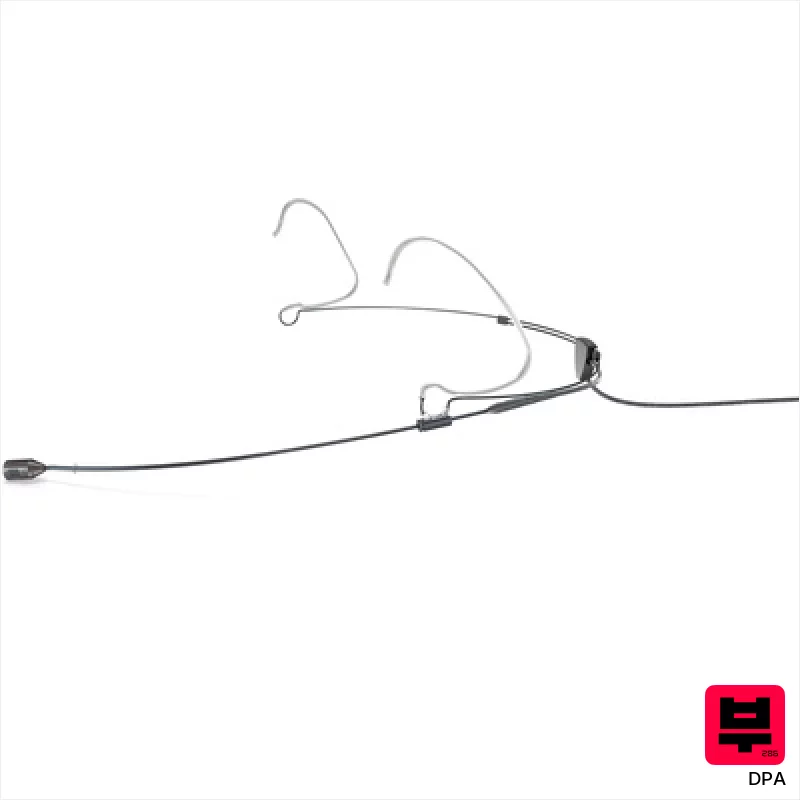
DPA 4488-DP-R-B90
- • Exceptional clarity and detail, even at high SPLs
- • Robust build quality with durable materials and a comfortable fit
- • MicroLock connector ensures secure, reliable connection
- • Cardioid pattern minimizes background noise effectively
- • Premium-priced, a significant investment for many users
- • MicroLock connector requires compatible adapters or preamps
- • Limited versatility; primarily designed for vocal performance
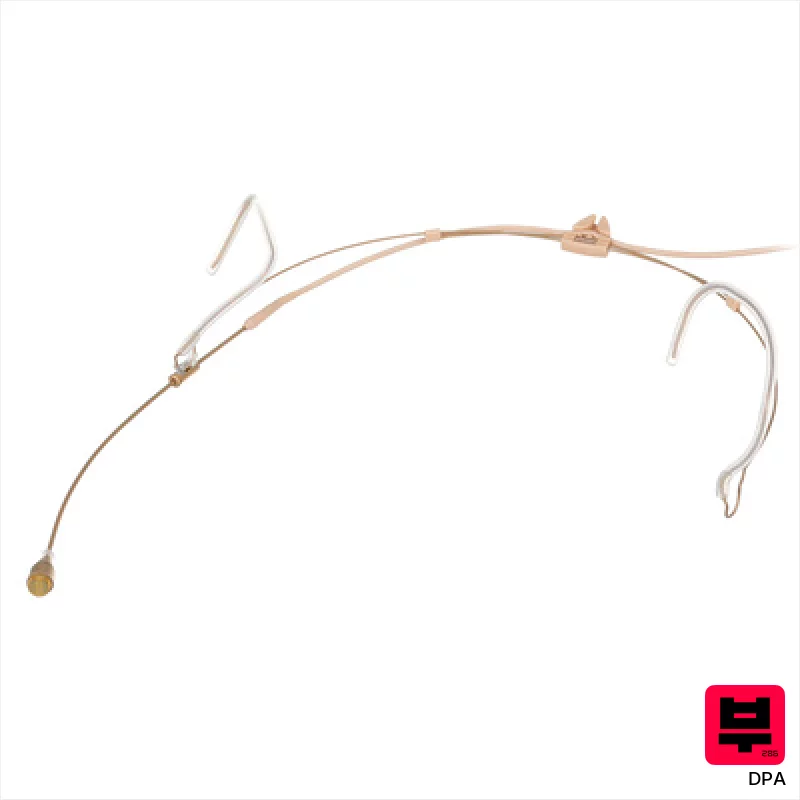
DPA 4466-OC-R-F10
- • Exceptional clarity and detail, even at high SPLs
- • DPA’s renowned build quality ensures long-term reliability
- • The omni pattern captures natural ambience beautifully
- • Lightweight design (12g) minimizes fatigue during extended use
- • Premium-priced, a significant investment for most users
- • TA4F connector limits compatibility without an adapter
- • Omnidirectional pickup can be problematic in noisy environments
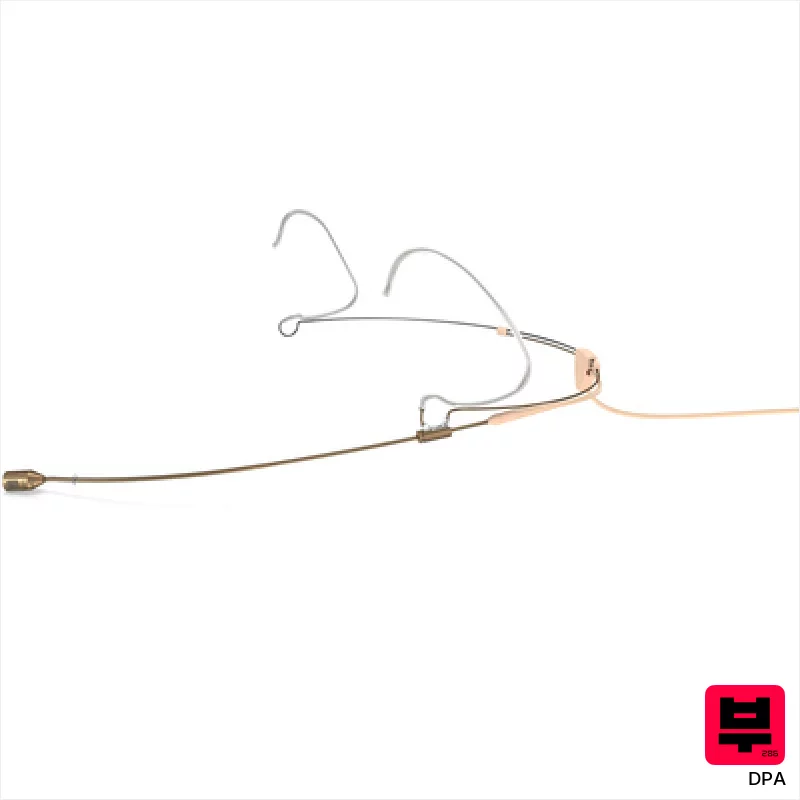
DPA 4488-DP-R-F90
- • Exceptional clarity and detail, even at high SPLs
- • Lightweight design (12g) ensures comfortable extended use
- • DPA’s renowned acoustic quality delivers a natural, uncolored sound
- • MicroLock connector offers robust and secure cable connection
- • MicroLock connector requires specific adapters for wider compatibility
- • Beige color might not suit all aesthetic preferences or stage setups
- • Premium-priced, limiting accessibility for budget-conscious users
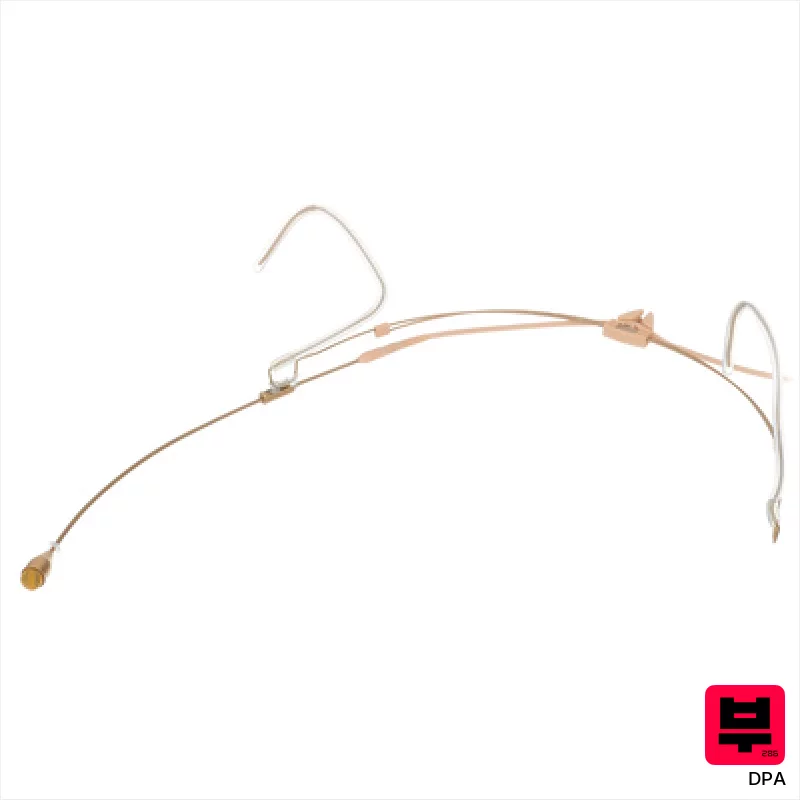
DPA 4466-OC-R-F03
- • Exceptional clarity and detail for vocal reproduction.
- • DPA’s renowned build quality ensures long-term reliability.
- • The omnidirectional pickup captures natural room ambience effectively.
- • Lightweight design (12g) minimizes fatigue during extended use.
- • Omnidirectional nature can be problematic in noisy environments.
- • Premium-priced, making it a significant investment.
- • Lemo connector requires adapters for many wireless systems.
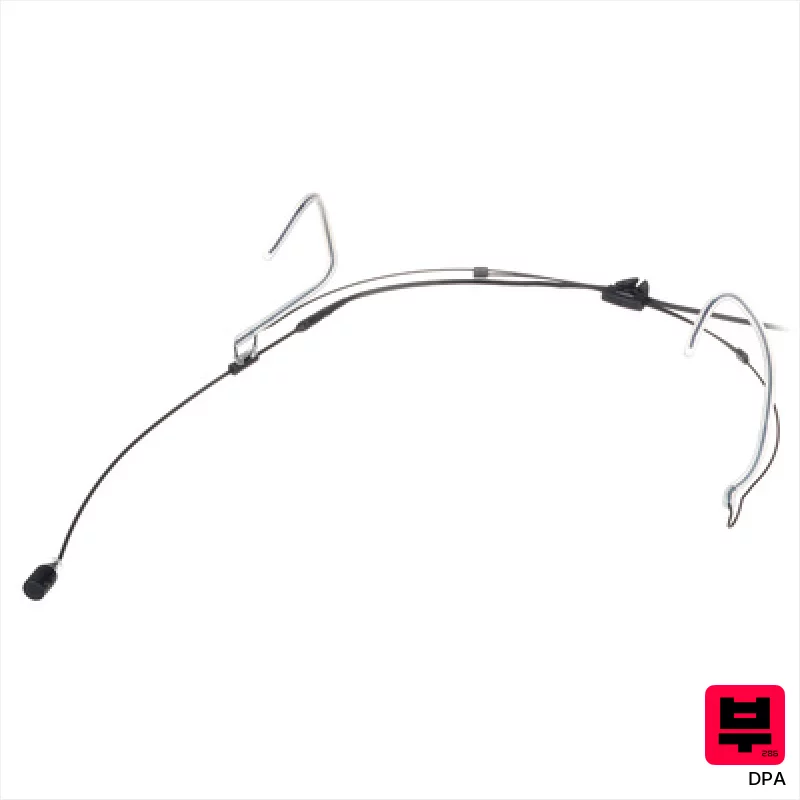
DPA 4488-DC-R-B00
- • Exceptional clarity and detail, even at high SPLs
- • DPA’s renowned build quality ensures lasting durability
- • Lightweight design (12g) minimizes fatigue during extended use
- • IP58 certification provides robust protection against moisture
- • B+K Micro-Dot connector requires separate adapters for many systems
- • Premium-priced, limiting accessibility for budget-conscious users
- • Cardioid pattern offers limited coverage for wider stage environments
How to Choose the Best Headset Microphones
Sound Quality
This isn't just about 'good' or 'bad'. We're looking for a balanced frequency response, clear articulation, and a natural vocal presence - no harsh peaks or muddy low-end. Does it cut through the mix without sounding brittle? That's the target.
Comfort & Stability
A mic that's painful to wear or constantly slips off is useless. We assessed weight distribution, headband padding, and how well the mic stays in place during movement - stage dives are unlikely, but energetic performances definitely happen.
Build Quality & Durability
Gigs are rough. Cables get pulled, mics get bumped. We looked at the materials used, the robustness of the construction, and the likelihood of this mic surviving the rigors of regular use. Cheap plastic is a red flag.
Cable & Connectivity
A flaky connection can ruin a performance. We examined the cable quality, connector types (XLR, mini-jack, etc.), and the overall reliability of the audio signal transmission. A replaceable cable is a huge plus.
Noise Floor & Sensitivity
A noisy mic will bury your vocals in the mix. We assessed the self-noise of each mic and its sensitivity to subtle vocal dynamics - a mic that can capture quiet nuances is a big win.
Buying Guide
At this budget, you're making trade-offs. Don't expect the pristine, studio-grade clarity of a $3000 mic. You'll likely see some compromises in build quality or cable robustness. Prioritize comfort and a balanced sound - a mic that sounds decent and doesn't hurt to wear will always be better than a mic that sounds amazing but feels like a medieval torture device. Pay attention to the capsule type; condenser capsules offer more detail but are more sensitive to noise.
How This List Is Built
We don't play these instruments — we're a catalog, not a review desk, and we'd rather say so than pretend otherwise. This page ranks 15 headset microphones from the Thomann catalogue, which is the largest single source of specification data in this category.
Position is computed, not curated. Four signals, in order of weight: how completely the manufacturer documents the instrument (number of published specifications), where it sits in the price range, how specific the model designation is — which filters out generic accessories — and whether a product image exists. The same inputs always produce the same order, so nothing here is shuffled to look fresh.
What this list is good for: narrowing a category down to a shortlist by spec and budget. What it isn't: a substitute for hearing an instrument. Before you buy, read hands-on reviews and, where you can, play it. Full methodology.

