AudioFu Chart · October 2026
Best AKG Headset Microphones 2026
The top pick is AKG C520 Headset Vocal Condenser Microphone ($209). AKG COBT Mini Earmic gives you the most for the money at $54. Ranked by the AudioFu Index from 6 models, prices checked every night.
Last updated: October 21, 2026
Top 6
Full detail for the 6 highest AudioFu Index scores. Every other model is listed below.
-
The AKG C 520 L is a solid choice for vocalists and presenters needing a reliable, hands-free mic. Its cardioid pattern and condenser capsule deliver clear audio, and the lightweight build makes it comfortable for long performances. It's a workhorse headset mic for live sound reinforcement.
Pros
- Excellent off-axis rejection minimizes room noise effectively.
- Lightweight design minimizes fatigue during extended use.
- TQG connector offers robust reliability and secure connection.
Cons
- Limited flexibility; primarily designed for stage performance, not studio recording.
- 200 Ohm impedance requires a preamp with sufficient gain.
54AudioFu
IndexStableno change since Aug 17Aug 17$209 now$209€186 at Thomann · in stockCheck price ↗ -
The AKG C 544 L is a solid, reliable headset mic for broadcast, esports, and public speaking. It's incredibly comfortable for long periods, and the cardioid pickup pattern keeps the focus on the speaker. While not a studio mic, it's a great solution when you need clear, hands-free voice capture in a noisy environment.
Pros
- Lightweight design minimizes fatigue during extended use.
- Cardioid pattern effectively rejects off-axis noise.
- Mini-XLR connector ensures robust and secure wireless connectivity.
Cons
- 200 Ohm impedance requires a preamp or wireless system with sufficient gain.
- Limited frequency response compared to studio condenser microphones.
44AudioFu
IndexStableno change since Aug 17Aug 17$138 now$138€123 at Thomann · in stockCheck price ↗ -
The AKG C 555 L is a solid, budget-friendly option for performers needing a reliable, comfortable headset mic. Its clarity is surprisingly good for the price, making it great for singers, public speakers, or anyone needing hands-free vocal capture. Just be aware it's not a studio-grade mic – more for stage and performance.
Pros
- Clear, crisp condenser sound captures vocals well
- TQG connector ensures robust, reliable signal transfer
- Lightweight design minimizes neck fatigue during extended use
Cons
- Cardioid pattern limits flexibility for multi-mic recording setups
- Plastic construction feels less premium than higher-end headsets
38AudioFu
IndexStableno change since Aug 17Aug 17$114 now$114€102 at Thomann · in stockCheck price ↗ -
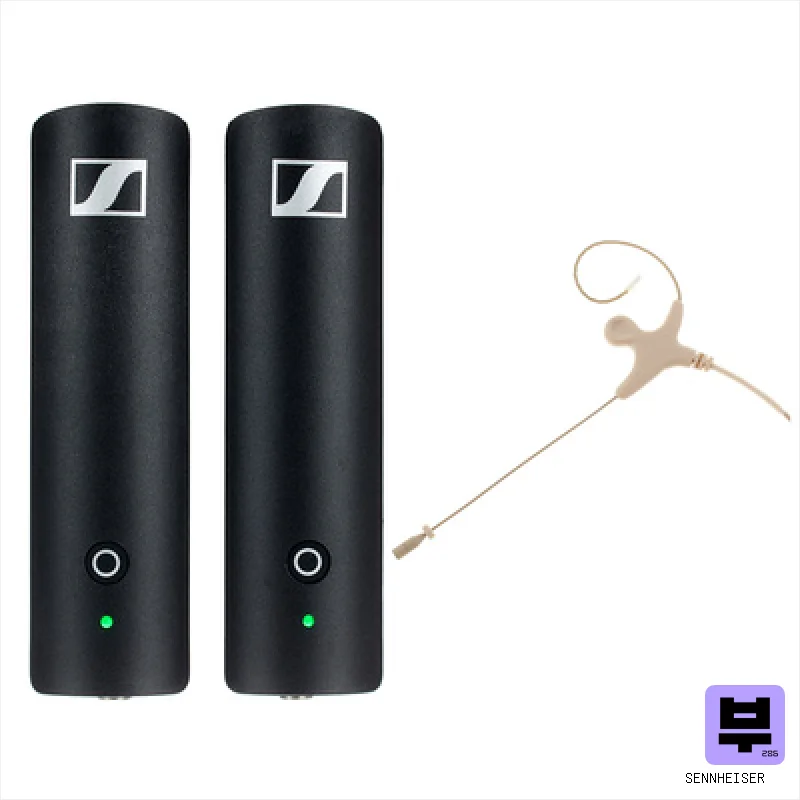
The Audio Pro COBT Mini Earmic is a surprisingly competent little mic, perfect for presenters, vloggers, or anyone needing a discreet, lightweight headset solution for use with an AKG bodypack. Its small size and lightweight design make it comfortable for extended use, and the sound is clean enough for spoken word, though it won't replace a dedicated studio mic.
Pros
- Excellent value for its intended purpose
- Surprisingly robust construction for its size and price
- Clear, articulate sound for spoken word and vocals
Cons
- Limited frequency response compared to studio-grade mics
- Mini XLR connector restricts compatibility without an adapter
-
The CKBT2 Mini is a surprisingly capable headset mic for the price. It's ideal for presenters, performers needing discreet audio, or anyone using an AKG bodypack. The sound is clean and the lightweight build makes it comfortable for hours.
Pros
- Lightweight design minimizes fatigue during extended use
- Condenser capsule delivers clear, detailed vocal reproduction
- Movable earhook offers a customizable and comfortable fit
Cons
- Beige color may not appeal to all users or stage aesthetics
- Limited frequency response compared to higher-end studio mics
-
The AKG HC 644 MD is a solid, purpose-built headset mic for fitness instructors and presenters who need clear voice reproduction and minimal feedback. It's surprisingly light and comfortable, and the treble boost really helps your voice cut through, making it a great choice for those who need to be heard. Don't expect miracles – it's designed for a specific job, and it does it well.
Pros
- Lightweight design minimizes fatigue during extended training sessions
- Cardioid pattern effectively rejects background noise and feedback
- Treble boost enhances speech clarity for excellent vocal intelligibility
Cons
- Limited versatility outside of fitness/presentation applications
- 5 kOhm impedance may require a preamp for optimal gain
31AudioFu
IndexStableno change since Aug 17Aug 17$201 now$201€179 at Thomann · in stockCheck price ↗
Headset Microphones by the numbers
Measured across all 128 models we track, not a sample.
median of 8 models · 0.02 kg–0.1 kg
How to choose the best headset microphones
Heritage & Reliability
AKG's been doing this a long time, and their headset mics have a reputation for taking a beating. You're getting a pedigree of solid construction and proven designs - less time worrying about gear failure on stage.
Tone Characteristics
Forget that brittle, ice-picky top end you sometimes get with cheaper headsets. AKG's generally offer a more natural, balanced response, with a slight emphasis on clarity and presence. It's not a warm, vintage mic, but it's articulate without being harsh.
Articulation & Dynamics
These mics excel at reproducing the nuances of vocals. You'll hear the breathiness, the subtle shifts in tone, and the impact of dynamic changes - crucial for conveying emotion and personality.
Build Quality & Durability
The materials used - the boom arm, the capsule housing - are generally a step above what you find in the lower price brackets. This translates to longevity and a more comfortable feel, especially during long gigs.
Feedback Rejection
A good headset mic is about more than just tone; it's about surviving a loud stage. AKG headsets, especially the higher-end models, have surprisingly good off-axis rejection, helping to minimize feedback in challenging live sound situations.
Buying guide
Alright, so you're looking at AKG headset mics? Smart move. They've been a workhorse in live sound and broadcast for decades, and for good reason. We're not talking about the budget stuff here - AKG's legacy is built on delivering reliable, intelligible vocals even in chaotic environments, and that's what we're focusing on.
Don't be fooled by the 'AKG' badge alone. Some of their lower-end headset models cut corners on the capsule itself, resulting in a less detailed sound. For serious use, invest in a model with a branded capsule - it'll make a difference.
Also, pay attention to the cable - a cheap, flimsy cable will introduce noise and increase the risk of failure.
How the AudioFu Index works
Five measured signals and nothing else — no stars from strangers, no “tested by experts” we didn’t do. The weights are fixed and public. We don’t play these instruments; we measure the market around them.
This chart covers 7 headset microphones from the Thomann catalogue (of 128 in the category). Before you buy, read hands-on reviews and, where you can, play it. Full methodology.
AudioFu earns a commission when you buy through our Thomann links. It never changes the order — the index does.
- Demand40%
How many of this exact model are for sale on Reverb right now — what musicians actually buy and resell.
- Lineup20%
How many finishes Thomann stocks — makers expand the models that sell.
- Price15%
Where the price has moved since we started tracking in August.
- Specs15%
How completely the maker documents it.
- Maker10%
How deep the brand’s range is in this category.
Questions
Are AKG headset mics good for recording vocals?
They can be, but it's not their primary strength. They're designed for live performance, so the sound is generally more focused on clarity and intelligibility than warmth. You can get usable recordings, especially for spoken word or podcasting, but don't expect a studio-quality vocal tone.
What's the difference between an AKG CS and a CL headset mic?
Generally, the CL series represents a more modern and refined design, often with improved feedback rejection and a slightly more detailed sound. The CS series is the older, workhorse design - still reliable, but a bit less refined.
Can I use any XLR cable with an AKG headset mic?
Technically, yes. But a balanced XLR cable is essential to minimize noise and interference. Don't skimp on the cable - it's the last link in the chain.
How do I properly position the mic for optimal sound?
Experiment! Generally, the mic should be close to your mouth, but not directly in front of it. A slight angle can help reduce plosives (those 'p' and 'b' sounds that can distort the signal).
Are AKG headset mics comfortable to wear for long periods?
It depends on the model and your head size. The boom arm and earpiece need to be adjusted properly for a secure and comfortable fit. Cheaper models can feel flimsy and uncomfortable after an hour or so.