
Best Headset Microphones for Broadcasting 2026
So, you're streaming, podcasting, or doing voiceovers and need a headset mic? It's not just about grabbing the cheapest thing on Amazon - a bad mic can ruin your vibe and bury your voice in the mix. We've been there, wrestling with feedback and muddy audio, and trust me, a decent headset mic is a huge step up. Let's break down what to look for so you don't end up sounding like you're broadcasting from a tin can.
Last updated: July 22, 2026 • Next update: July 29, 2026

Sennheiser HS 2 BK
- • The MKE 2 capsule delivers Sennheiser's signature clear, natural vocal reproduction.
- • Neckband design distributes weight comfortably, crucial for extended theatre or conference use.
- • Gooseneck offers precise mic positioning, minimizing unwanted room noise and breath sounds.
- • Robust construction with quality materials suggests a long-lasting, reliable professional tool.
- • Omnidirectional pickup can be problematic in noisy environments, capturing unwanted sounds.
- • 3.5mm EW connector limits compatibility, requiring adapters for many modern interfaces.
- • While comfortable, the neckband design might feel restrictive for some users.
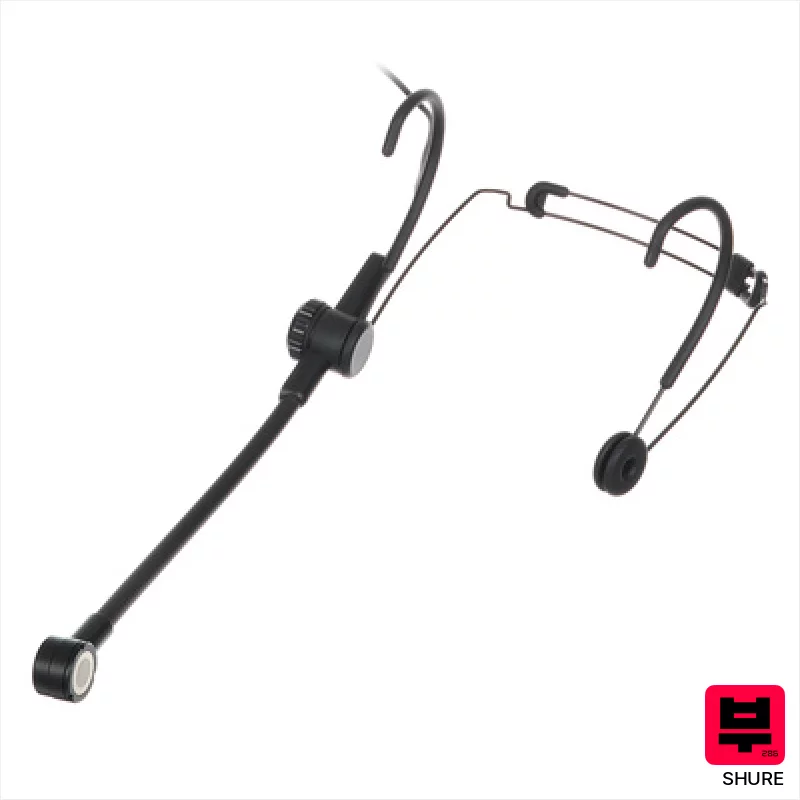
Shure SM39-LM3
- • Exceptional off-axis rejection minimizes background noise effectively.
- • Cardioid pattern isolates vocals with impressive clarity and focus.
- • Lightweight design (54g) ensures comfortable extended use, crucial for performers.
- • Hydrophobic coating resists moisture, extending reliability in diverse environments.
- • LEMO connector limits compatibility; requires specialized adapters.
- • Premium-priced, positioning it beyond budget-conscious users.
- • Limited versatility; primarily designed for headset applications, not studio recording.
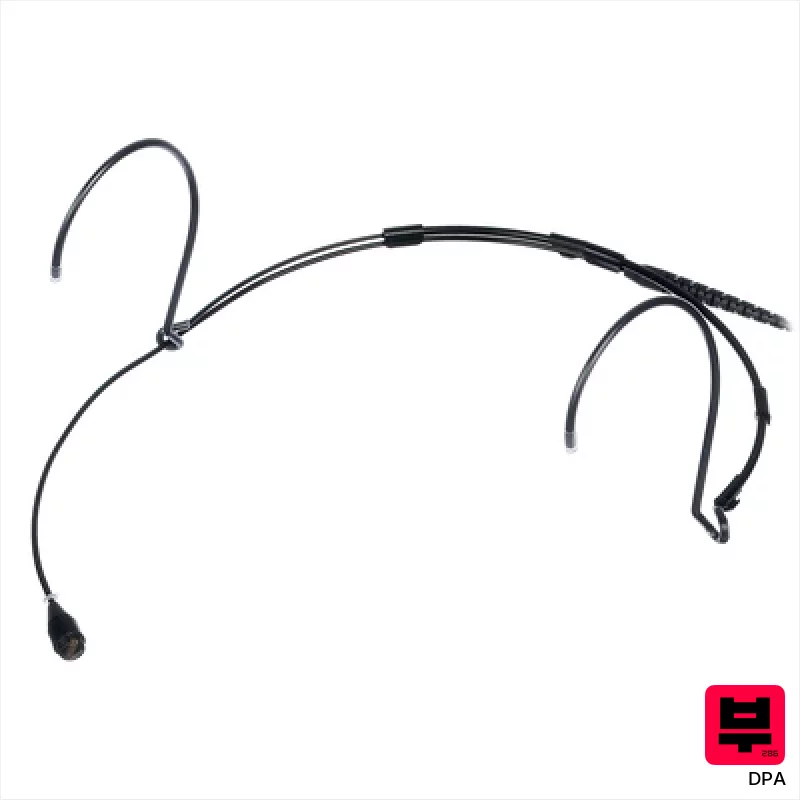
DPA 4066-OP-A-B90-LH
- • Exceptional clarity and detail, even at high SPLs.
- • DPA's signature natural sound; vocals sound remarkably present.
- • Removable neckband offers adjustable comfort and versatility.
- • MicroLock connector ensures secure, reliable signal transmission.
- • Premium-priced, a significant investment for most users.
- • Omnidirectional pattern picks up more ambient noise, requires careful environment.
- • Limited suitability for musical instrument recording beyond spoken word.
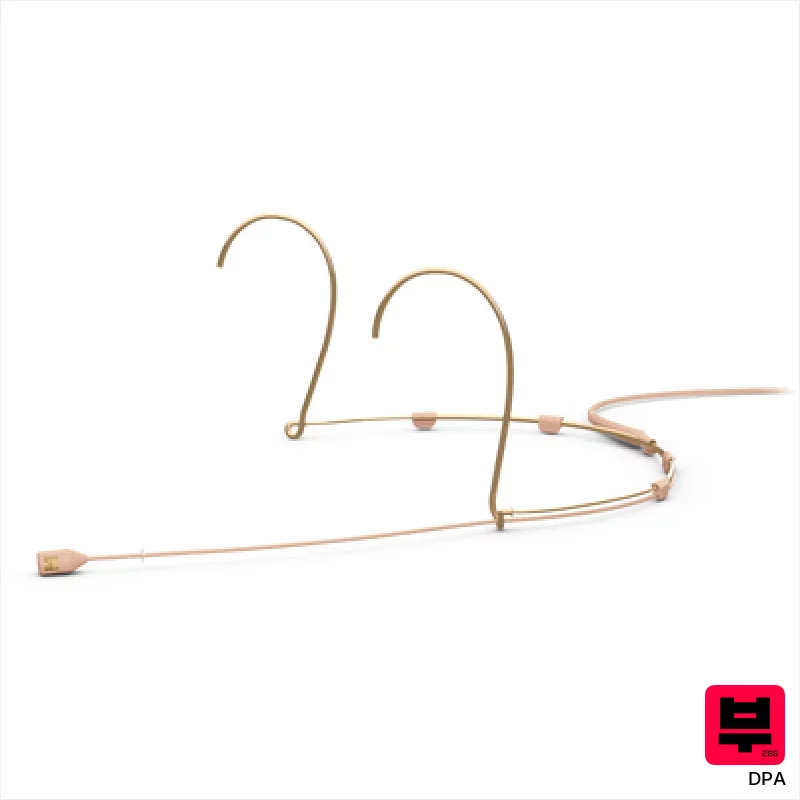
DPA 4088-DP-A-F03-LH beige
- • Exceptional clarity and detail across the vocal spectrum.
- • DPA's renowned acoustic modeling delivers natural, uncolored sound.
- • Robust construction using high-grade materials ensures lasting durability.
- • The beige finish offers a subtle, professional aesthetic.
- • Price point places it firmly in the premium-priced category.
- • Limited versatility; primarily suited for speech-focused applications.
- • Can be prone to wind noise if not used with appropriate accessories.

Sennheiser Headmic 4 BE
- • Exceptional vocal clarity thanks to the KE 4 cardioid capsule.
- • Lightweight design (7g) ensures comfortable extended use.
- • Boom arm versatility allows for optimal mic placement on either side.
- • Robust build quality; Sennheiser's reputation for durability shines.
- • Premium-priced, putting it out of reach for budget-conscious users.
- • Limited frequency response compared to studio condenser mics.
- • 3.5mm connection restricts compatibility without an adapter.
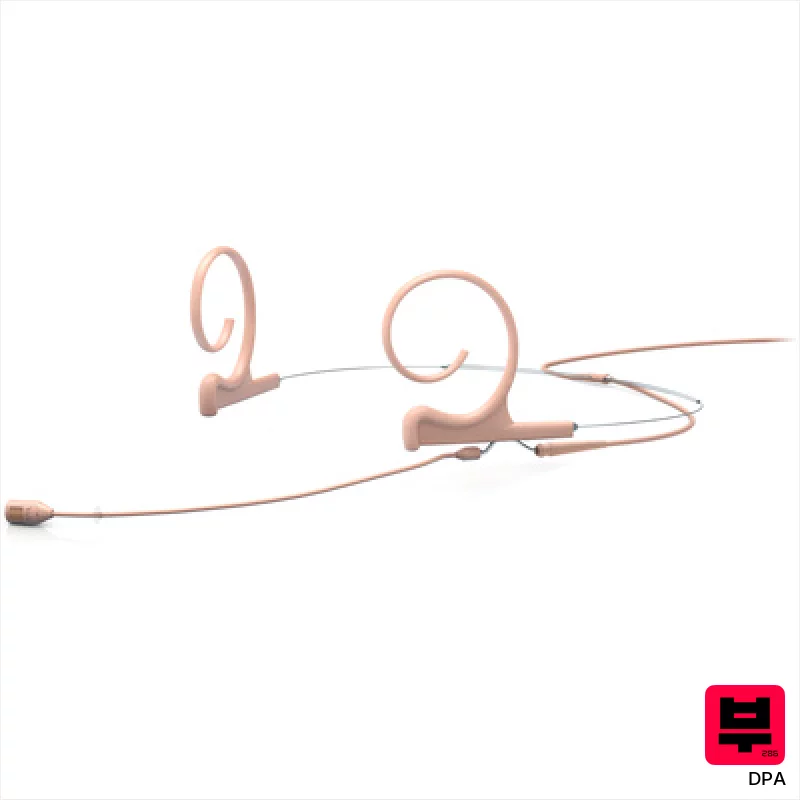
DPA 4288-DP-F-F90-MH
- • Exceptional DPA 4088 capsule delivers pristine, transparent vocal reproduction.
- • Self-adjusting ear hooks provide remarkable comfort even during extended use.
- • MicroLock connector ensures a secure, reliable connection, minimizing stage mishaps.
- • Lightweight design (10g) virtually disappears during performance, minimizing fatigue.
- • Premium-priced, representing a significant investment for many users.
- • MicroLock connector requires compatible wireless systems, limiting flexibility.
- • Cardioid pattern isn't ideal for situations demanding broader pickup.
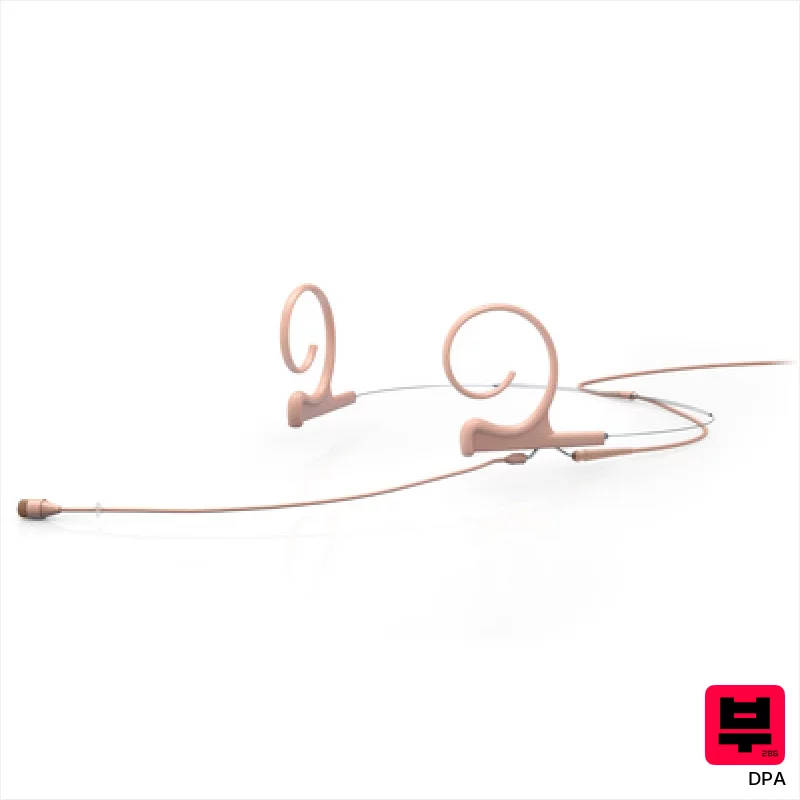
DPA 4266-OP-F-F90-LH
- • Exceptional DPA CORE+ capsule delivers pristine, natural audio reproduction.
- • MicroLock ensures a rock-solid, secure fit even during vigorous movement.
- • Dual-ear design provides superior isolation and ambient rejection for clear vocals.
- • Lightweight construction (10g) minimizes fatigue during extended use.
- • Premium-priced, positioning it out of reach for many budget-conscious users.
- • Omnidirectional pickup pattern isn't ideal for noisy environments requiring isolation.
- • Detachable cable introduces a potential point of failure and adds complexity.
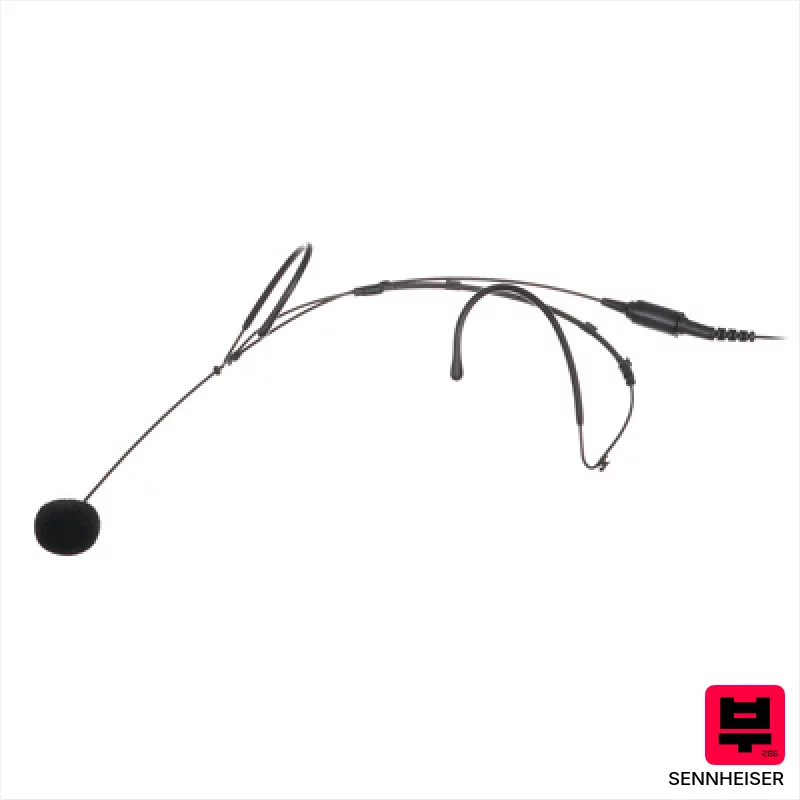
Sennheiser Headmic 4 BK 3-Pin
- • Excellent off-axis rejection minimizes room noise and bleed.
- • Lightweight design (7g) ensures extended comfort during long sessions.
- • Boom arm versatility allows for optimal mic placement on either side.
- • Cardioid pattern isolates vocals, ideal for broadcast and stage use.
- • The beige color is unusual and might not suit all aesthetics.
- • 3.5mm EW connector limits compatibility without an adapter.
- • Premium-priced, a significant investment for a headset mic.
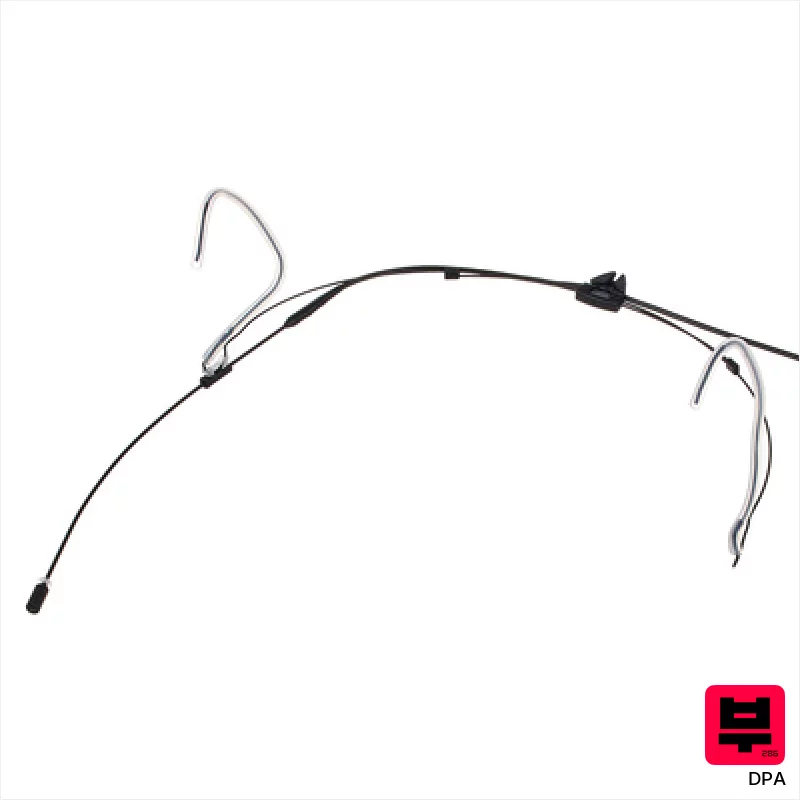
DPA 6066-OC-R-B90
- • Exceptional clarity and detail across the frequency spectrum.
- • Remarkably lightweight construction minimizes fatigue during extended use.
- • Durable build quality utilizing premium materials for lasting reliability.
- • MicroLock connector ensures a secure and reliable signal path.
- • Omnidirectional pickup can be problematic in noisy environments.
- • Cable length is limited, requiring potential extension solutions.
- • Premium-priced, making it a significant investment for many users.

DPA 6066-OC-R-F90
- • Exceptional clarity and detail, even at high SPLs.
- • The MicroLock connector offers a secure, reliable connection.
- • Incredibly lightweight design minimizes fatigue during extended use.
- • Durable construction with a robust cable and beige finish.
- • Limited polar pattern options restrict use in certain recording scenarios.
- • Premium-priced, making it a significant investment for budget-conscious users.
- • Cable length is restrictive for performers needing greater freedom.

Shure SM39-TQG
- • Excellent off-axis rejection minimizes background noise in challenging environments.
- • TQG connector offers a robust, secure connection, common in broadcast setups.
- • Hydrophobic coating effectively repels moisture, crucial for outdoor use.
- • Lightweight design (55g) promotes comfort during extended wear, reducing fatigue.
- • TQG connector limits compatibility; requires specific preamps or adapters.
- • Cardioid pattern isn't ideal for situations needing broader pickup.
- • Premium-priced, potentially prohibitive for budget-conscious users.
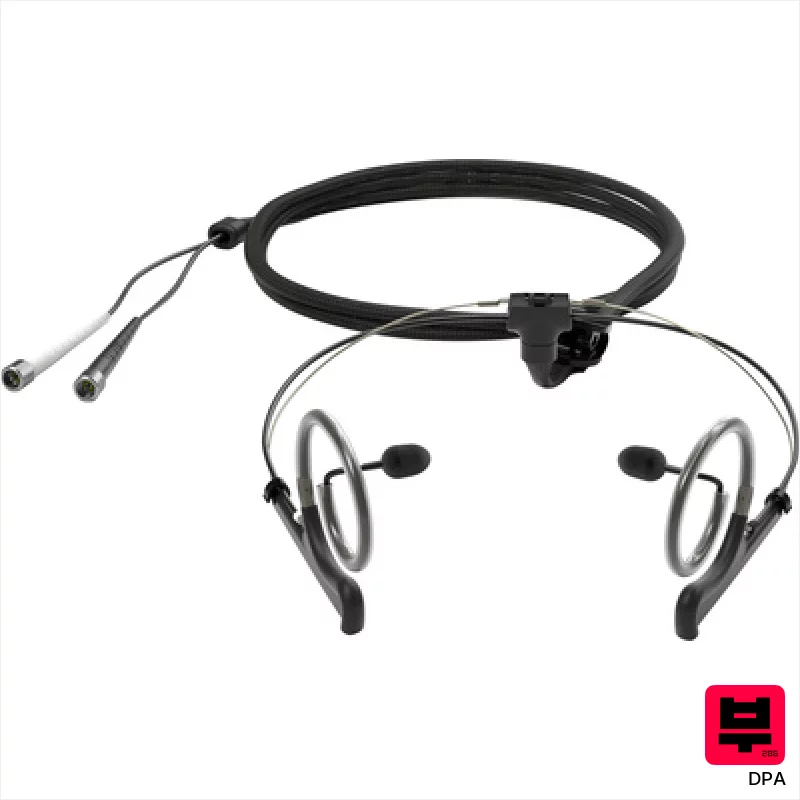
DPA 4560-OP-B-B90
- • Exceptional clarity and detail thanks to DPA's CORE+ technology.
- • Binaural design delivers truly immersive 3D audio capture.
- • Incredibly lightweight construction minimizes fatigue during extended use.
- • Robust build quality with durable materials ensuring longevity.
- • MicroDot connector limits compatibility, requiring adapters.
- • Omnidirectional pattern picks up ambient noise easily.
- • Premium-priced, making it inaccessible for casual users.
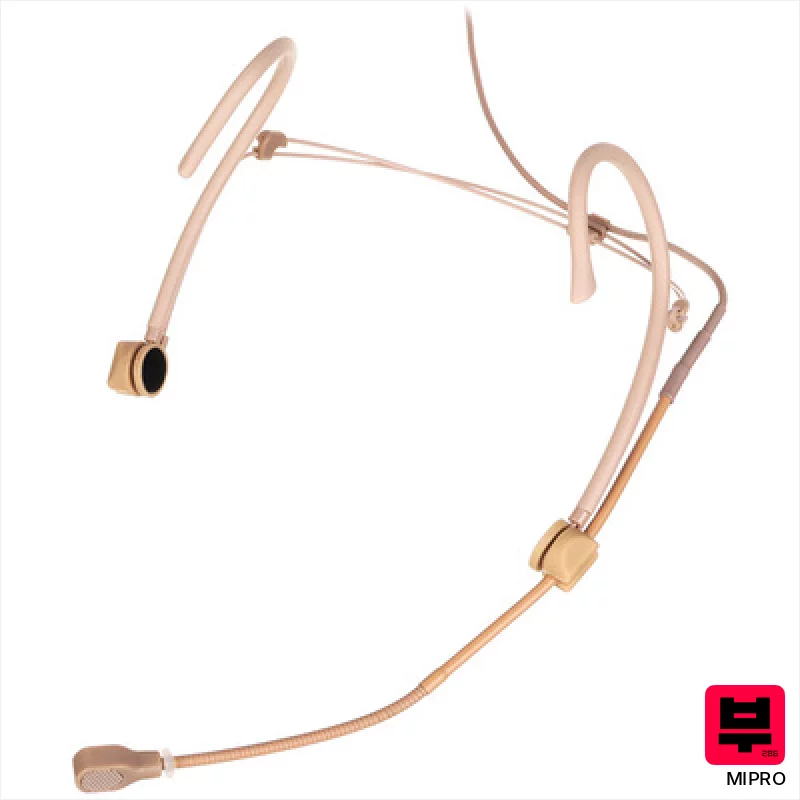
Mipro MU-506HS-1P
- • Excellent value for a robust, stage-ready headset mic.
- • 6mm capsule delivers surprisingly clear vocals and speech.
- • Fully adjustable boom offers precise mic placement and comfort.
- • Sweat resistance is a practical bonus for active performers.
- • Beige color is a bit dated and not universally appealing.
- • Cable length is quite short, limiting movement on stage.
- • Sound quality, while good, isn't quite as refined as premium models.
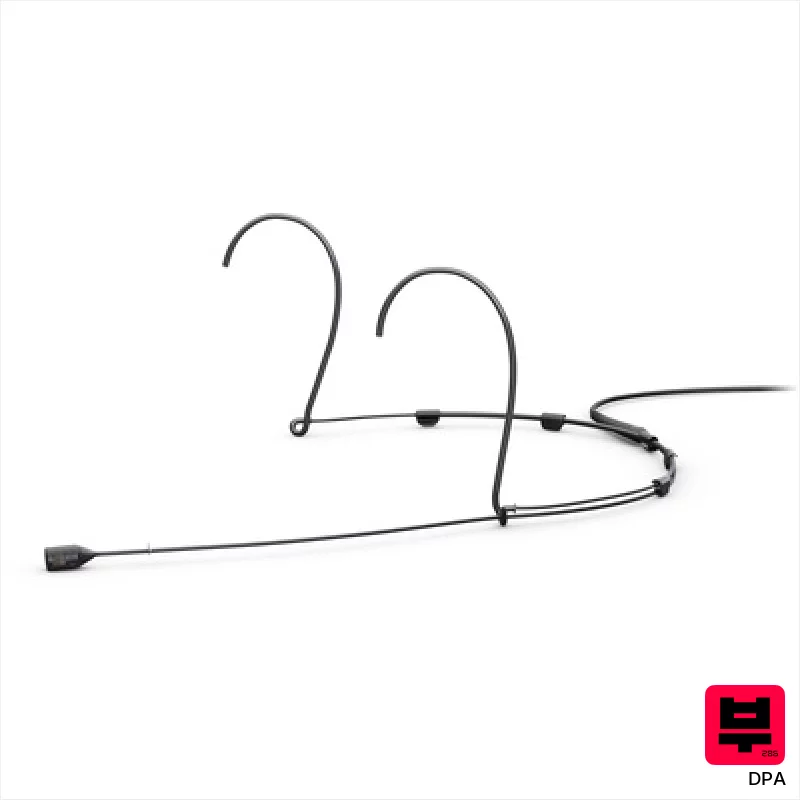
DPA 4088-DP-A-B90-LH BLK
- • Exceptional clarity and detail, revealing subtle vocal nuances.
- • Robust construction using high-grade materials for long-term reliability.
- • The B+K connector compatibility expands wireless system options.
- • Cardioid pattern effectively isolates vocals, minimizing background noise.
- • Premium-priced, representing a significant investment for many users.
- • The angled boom design might require adjustment for optimal comfort.
- • Limited versatility; primarily designed for speech and vocal applications.

Mipro MU-506HS-1U
- • Excellent sound clarity for speech and vocals, surprisingly natural tone.
- • Robust Switchcraft connector offers secure and reliable connection.
- • Fully adjustable boom provides precise mic placement for optimal gain.
- • Lightweight design (24g) minimizes fatigue during extended use.
- • Beige color is unusual and may not suit all aesthetic preferences.
- • Limited frequency response compared to studio-grade condenser mics.
- • Neckband size may be restrictive for individuals with larger necks.
How to Choose the Best Headset Microphones
Tonal Character
Broadcasting needs clarity, not color. You want a mic that captures your voice accurately without adding unwanted warmth or harshness. Too much low-end muddies the mix, too much high-end can sound brittle and fatiguing to listeners. Look for a balanced response - a clean, present sound without excessive peaks.
Noise Floor
This is HUGE. A noisy mic will bury your signal and make it a pain to clean up in post. Even a subtle hiss can become distracting over a long stream. Lower noise floor is always better; it's the difference between a professional sound and amateur hour.
Articulation & Dynamics
Can the mic handle the nuances of your voice? Does it pick up subtle shifts in volume and inflection? A mic that flattens your dynamics will make you sound lifeless and monotone. You need a mic that lets your personality shine through.
Comfort & Stability
Sounds silly, but it's crucial. A headset that's uncomfortable or constantly slipping will be a distraction, and a shaky mic is just plain unprofessional. Consider the weight, headband padding, and boom arm design.
Connectivity & Compatibility
USB is generally easiest for broadcasting, but XLR gives you more flexibility and headroom if you're using a dedicated audio interface. Make sure the mic is compatible with your computer and streaming software - driver issues are a real headache.
Buying Guide
Don't fall for the 'cheap and cheerful' trap. Those budget headsets often cut corners on the capsule - expect a grainy sound and a higher noise floor. Spending a bit more gets you a better capsule, more robust construction, and often, a more comfortable fit. Think of it as an investment in your brand - your audio quality is your reputation.
Our Methodology
We don't just look at spec sheets here. We've spent countless hours A/B testing these mics against each other and against studio condensers, running them through different interfaces and software. We've thrown them into noisy environments - simulating a live stream with background chatter - and we've put them through the wringer, because that's what gear takes in the real world.

