
Best Yamaha Dreadnought Acoustic Guitars 2026
Alright, let's talk Yamaha dreadnoughts. They get a bit of a reputation for being 'beginner guitars,' but that's a massive disservice. I've seen more working musicians relying on Yamahas than you'd think - they're consistently reliable, have a surprising amount of headroom, and offer a real bang for your buck. If you're looking for a workhorse dread that won't fall apart on stage or leave you feeling broke, keep reading.
Last updated: October 9, 2026
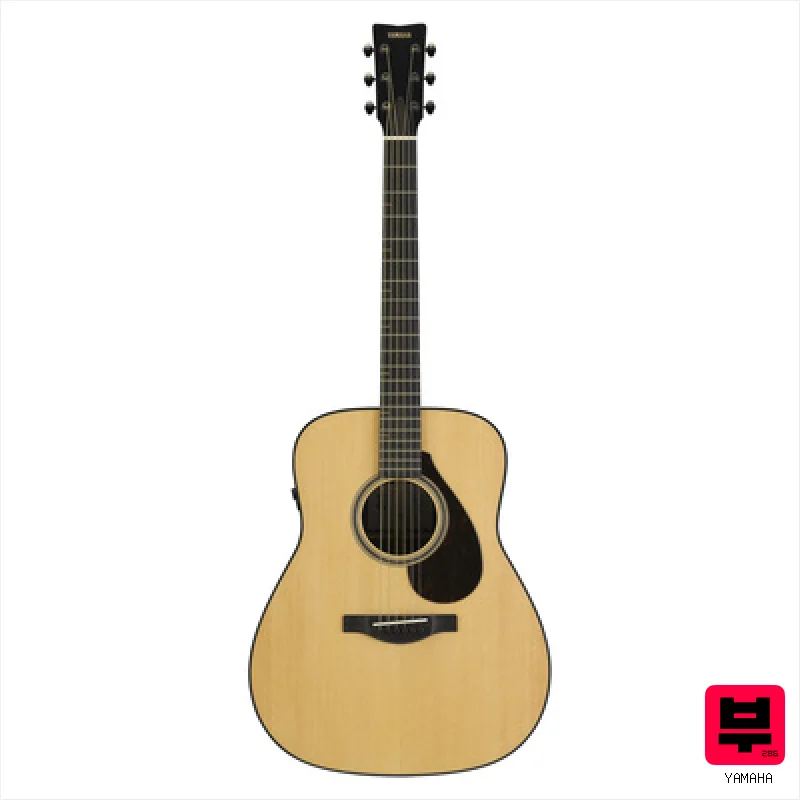
Yamaha FG7 RX
- • Solid sitka spruce top drives bright, responsive sound
- • Full Indian rosewood back and sides for deep warmth
- • Atmosfeel pickup handles low frequencies and mic blend
- • Cosmo Black Gotoh heads ensure smooth string changes
- • Heavy solid wood construction adds significant load
- • Only single master volume and bass EQ available
- • No built-in headphone output for silent practice
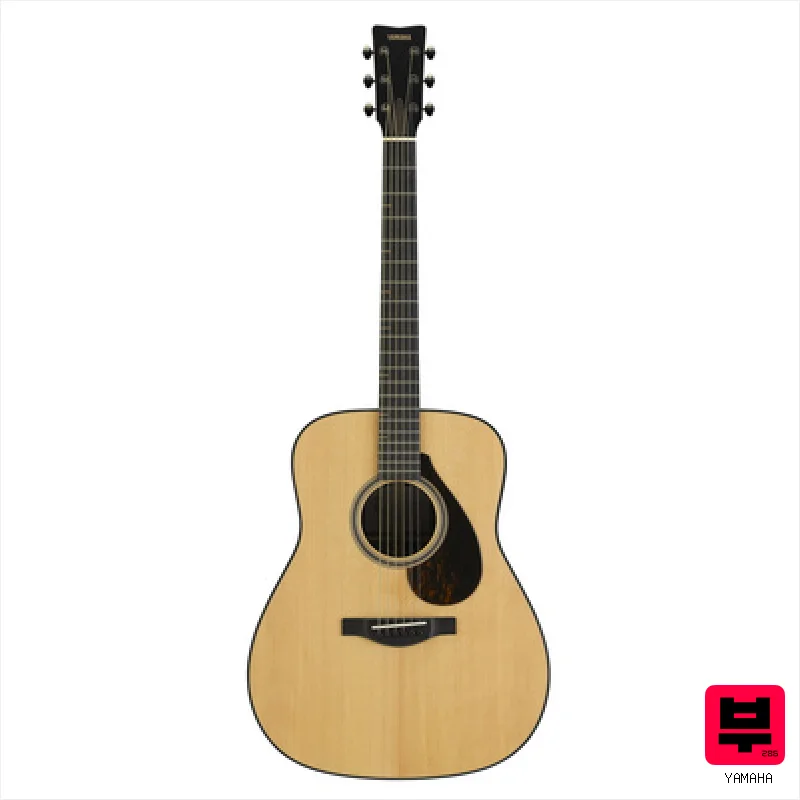
Yamaha FG7 R
- • Solid Sitka spruce top drives strong attack and clear projection
- • Solid Indian rosewood back and sides add rich, deep resonance
- • African mahogany neck provides a warm, smooth playing feel
- • Ebonized fretboard and bridge ensure durability and dark tone
- • Large dreadnought size may feel overwhelming for smaller players
- • No built-in electronics or pickups for amplified performances
- • Premium-priced positioning limits budget-conscious buyers

Yamaha TAG1 E Sand Burst
- • Solid spruce top drives clear, responsive tone
- • Mahogany back and sides add warm midrange
- • TransAcoustic tech adds built-in reverb and chorus
- • Mahogany neck with walnut fingerboard feels smooth
- • No weight listed makes carrying unknown
- • Urea nut lacks the warmth of bone
- • Transparent pickguard offers minimal scratch protection

Yamaha TAG1 C Sand Burst
- • Solid spruce top delivers strong initial attack and projection
- • TransAcoustic-2 system adds clarity without needing external speakers
- • Mahogany back and sides provide warm, mid-focused resonance
- • Rechargeable lithium battery allows full gig performance on one charge
- • No weight specification makes it hard to judge playability comfort
- • Urea nut is a plastic upgrade but lacks traditional bone warmth
- • TransAcoustic system can sometimes struggle with high-volume room acoustics

Yamaha TAG1 C Natural
- • Solid spruce top drives a strong, clear attack for cutting through a mix.
- • Mahogany back and sides offer warm, mid-focused warmth that ages well.
- • TransAcoustic-2 system plays the soundboard itself without needing external speakers.
- • Built-in reverb, chorus, and delay effects let you sound bigger instantly.
- • No stated weight rating means you don't know how heavy the guitar is.
- • Urea nut is a plastic material that can feel less smooth than bone.
- • No listed fret material means you can't be sure about playability.
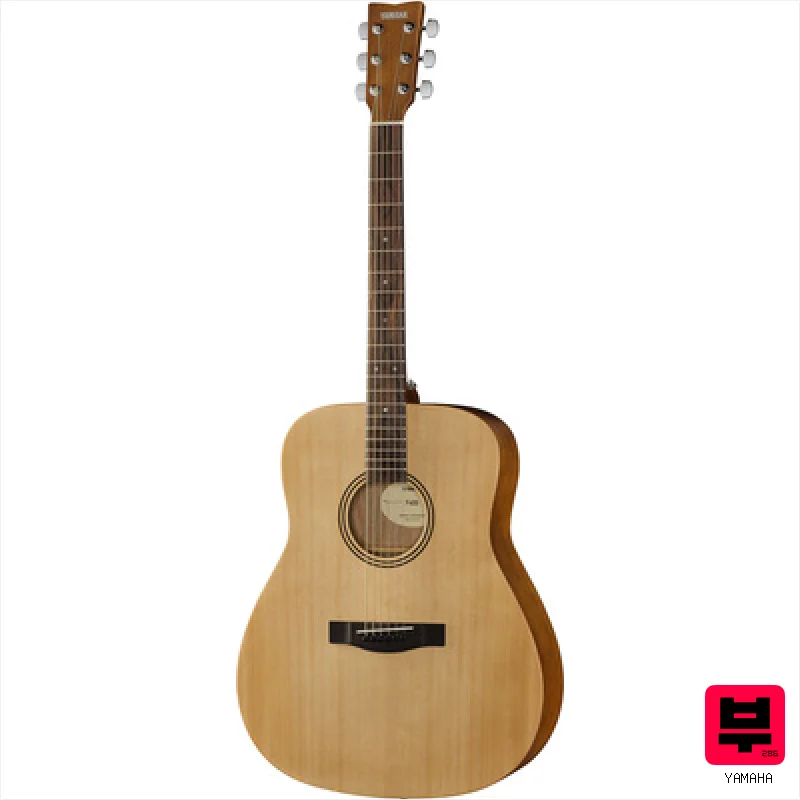
Yamaha F400 Natural Satin
- • Solid spruce top offers bright, responsive attack
- • Tonewood back and sides provide warm depth
- • Rosewood fingerboard feels smooth under fingers
- • Natural satin finish looks elegant and modern
- • No electronics listed for amplified playing
- • Weight is not specified in the description
- • Limited color options beyond natural satin
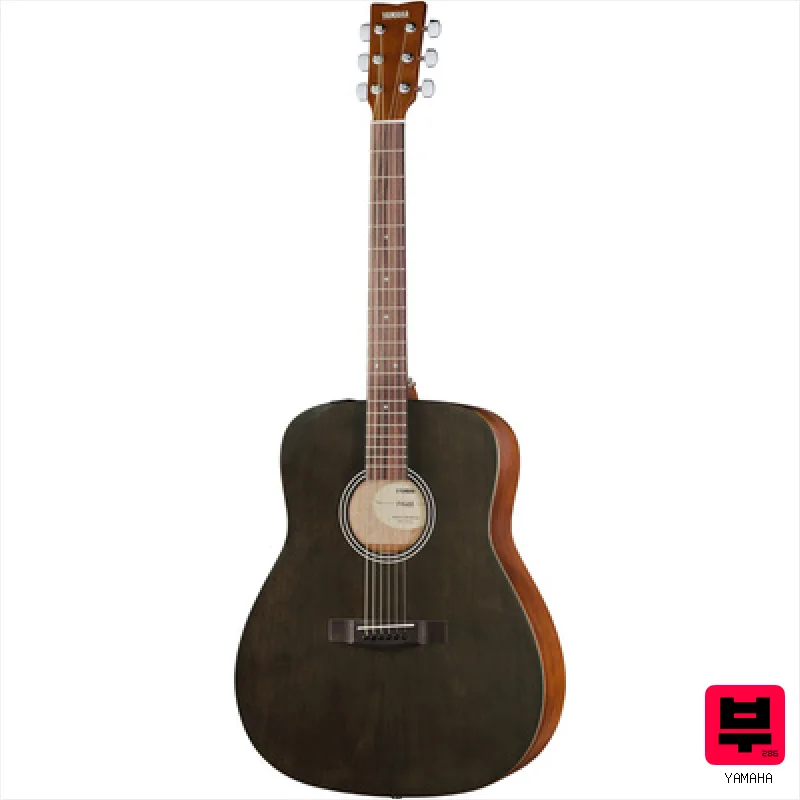
Yamaha FX400 Smoky Black
- • Solid spruce top drives strong mid-range punch for live playing.
- • SYSTEM75 pickup offers built-in 4-band EQ for quick sound shaping.
- • Rosewood fingerboard provides smooth playability across all 20 frets.
- • Dreadnought body size delivers warm, full-volume acoustic tone.
- • Smoky Black finish hides wood grain details from view.
- • No specific wood type listed for back and sides materials.
- • Neck construction details like thickness or curvature are missing.
- • Weight is not specified, which is common for this model.
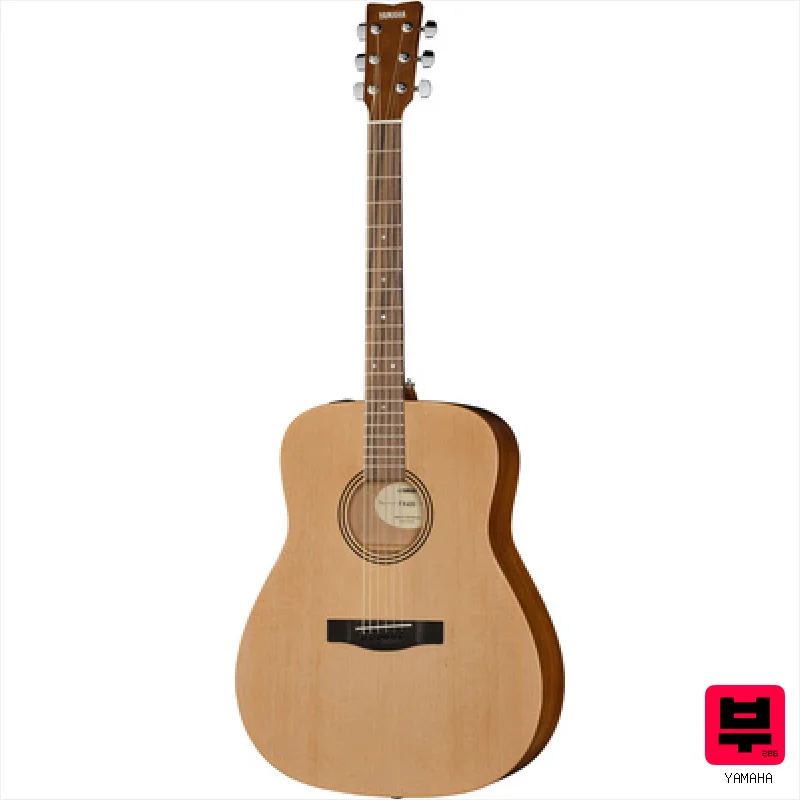
Yamaha FX400 Natural Satin
- • Solid spruce top drives strong mid-range punch for live playing
- • Rich rosewood fingerboard adds warmth to the overall tone
- • 4-band EQ lets players shape sound without external effects
- • Affordable price point offers great value for entry-level players
- • Natural satin finish may show wear quickly with heavy use
- • No specific weight listed makes comfort hard to verify upfront
- • Basic volume control lacks dedicated master gain or EQ presets

Yamaha TAG1 E Translucent Black
- • Solid spruce top drives clear, bright attack
- • Mahogany body delivers warm, mid-focused tone
- • TransAcoustic tech replaces external speakers
- • Built-in reverb and chorus effects included
- • No weight listed in provided description
- • Pickguard is transparent rather than opaque
- • Lacks Bluetooth or app connectivity features
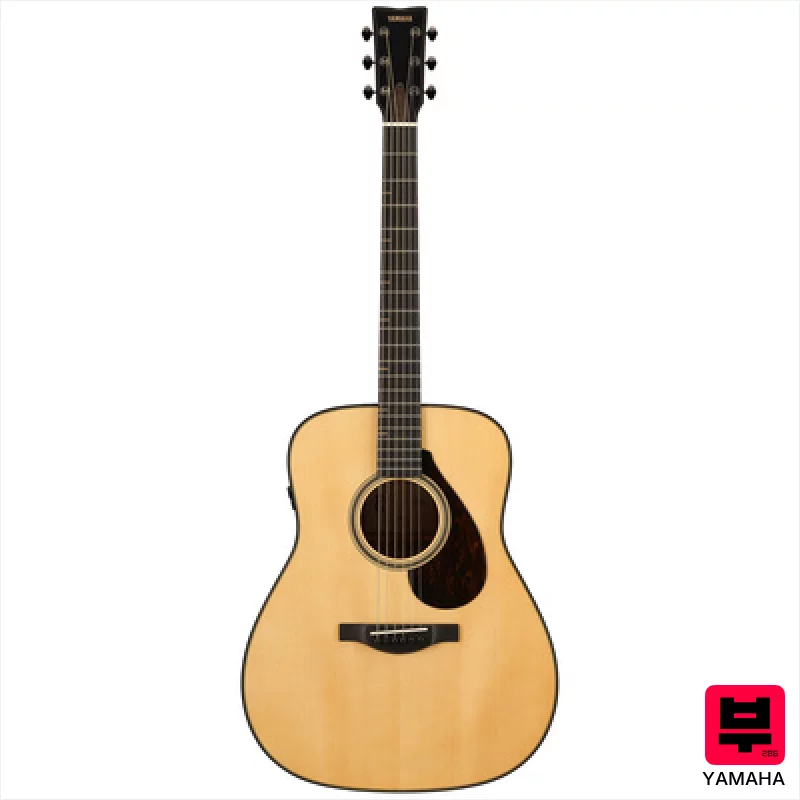
Yamaha FG9 MX
- • Solid Adirondack top delivers a mature, complex tone with excellent projection.
- • African mahogany back/sides offer warmth and focused midrange response.
- • Ebony fingerboard provides smooth playability and sustain; a premium touch.
- • Atmosfeel pickup system captures natural acoustic tone with minimal feedback.
- • Bolt-on neck, while stable, lacks the resonance of a set neck design.
- • Nitrocellulose lacquer can be prone to checking with humidity fluctuations.
- • Mahogany construction limits versatility for very bright or modern playing styles.
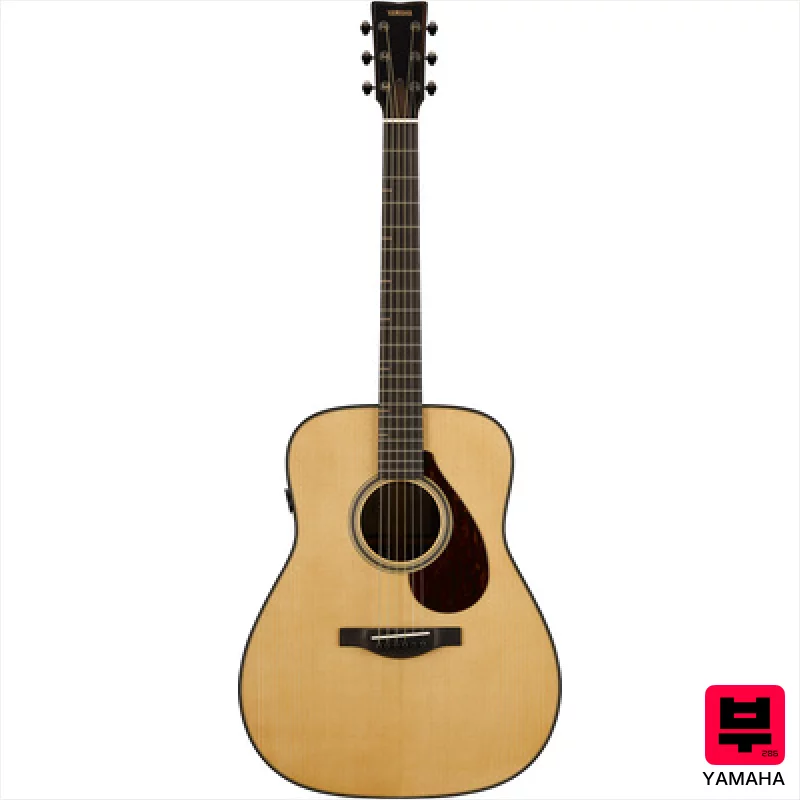
Yamaha FG9 RX
- • Solid Adirondack spruce top delivers exceptional clarity and projection.
- • Rosewood back and sides provide rich, warm overtones and sustain.
- • Ebony fingerboard offers a smooth, fast playing experience for effortless technique.
- • Atmosfeel pickup system captures a natural amplified tone, surprisingly responsive.
- • The rosewood body contributes to a relatively heavier feel, potentially tiring for some players.
- • Nitrocellulose lacquer, while beautiful, requires careful handling to avoid scratches.
- • The bolt-on neck, while stable, lacks the resonance of a set-neck design.
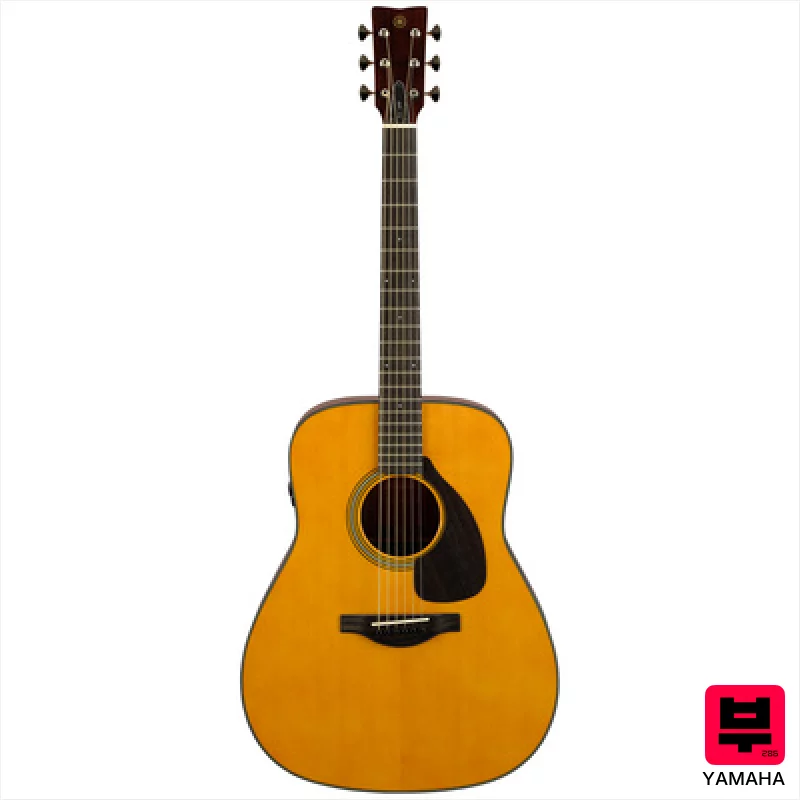
Yamaha FGX5G NT High Gloss
- • Solid A.R.E. spruce top delivers a responsive, matured tone.
- • Mahogany back & sides provide warmth and focused projection.
- • Ebony fingerboard offers exceptional clarity and smooth playability.
- • Atmosfeel pickup system captures a natural amplified acoustic voice.
- • High-gloss finish can be a fingerprint magnet and slightly alters resonance.
- • The 44mm nut width might feel narrow for players accustomed to wider necks.
- • Primarily suited for singer-songwriters; lacks aggressive edge for heavier styles.
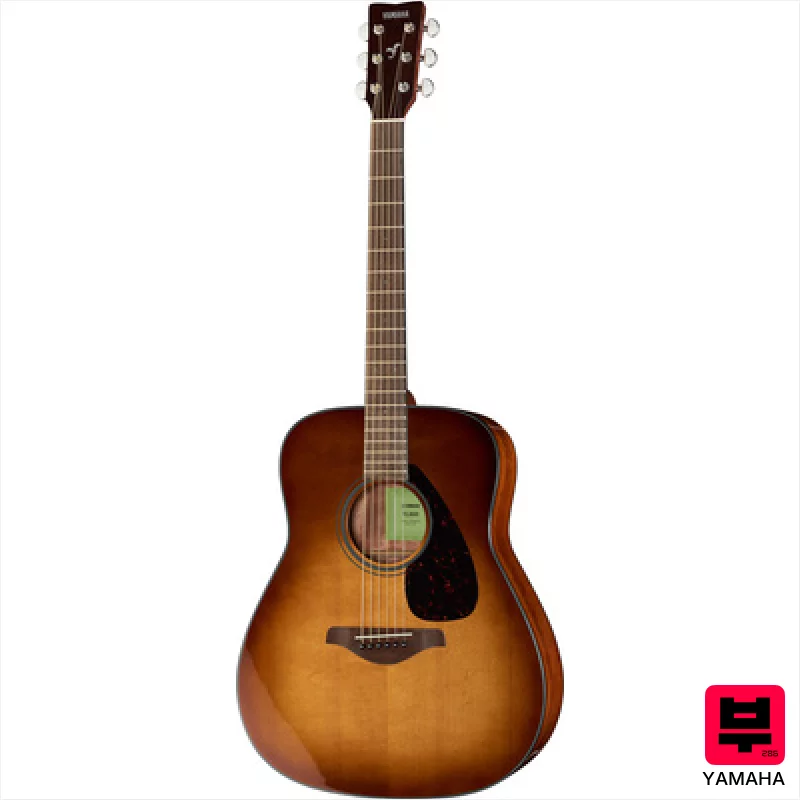
Yamaha FG800 Sand Burst
- • Solid spruce top delivers clear, balanced projection and sustain
- • Nato back and sides offer surprising resonance for the price point
- • Walnut fingerboard provides a smooth, comfortable playing experience
- • Sand Burst finish is aesthetically pleasing and well-executed
- • Nato neck, while stable, lacks the premium feel of mahogany or maple
- • Hardware, while functional, is basic and lacks refinement
- • Limited tonal versatility – best suited for strumming and fingerstyle
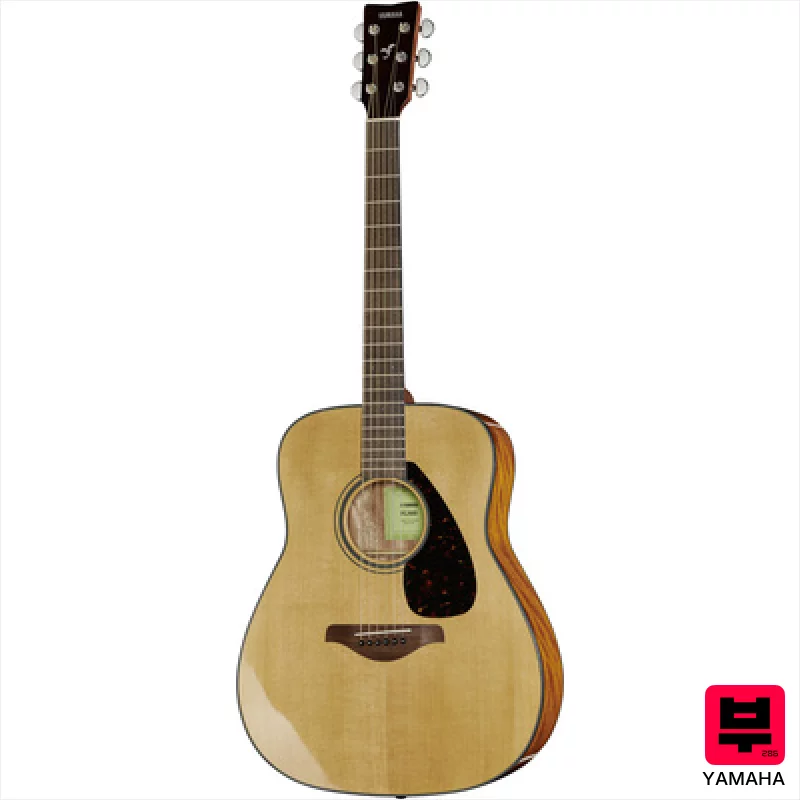
Yamaha FG800 NT
- • Solid spruce top delivers clear, balanced acoustic projection
- • Nato back and sides offer surprising warmth for the price bracket
- • Walnut fingerboard provides a smooth, comfortable playing experience
- • High-gloss finish protects the wood and enhances visual appeal
- • Nato neck, while stable, lacks the premium feel of mahogany or rosewood
- • Limited tonal versatility; excels at strumming, less suited for complex fingerpicking
- • Hardware is functional but basic; chrome finish isn't particularly luxurious
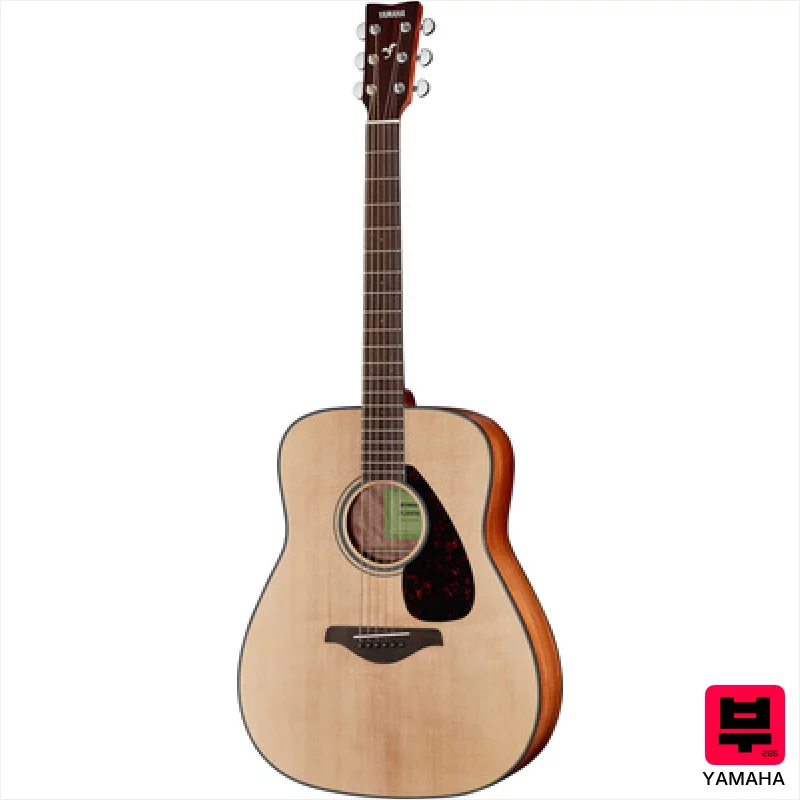
Yamaha FG800M
- • Solid spruce top delivers a bright, clear tone with excellent projection.
- • Nato back and sides offer a warm, balanced response and surprising resonance.
- • Walnut fingerboard provides a smooth playing experience and contributes to sustain.
- • Dreadnought body size provides ample volume and a full, rich sound ideal for strumming.
- • Nato neck and back/sides, while functional, lack the premium tonal complexity of mahogany.
- • Satin finish, while practical, doesn't offer the aesthetic appeal of a gloss finish.
- • Limited electronics make it unsuitable for direct recording or stage performance without an external preamp.
Every dreadnought acoustic guitars that matches
44 models match this page. The 15 above are covered in detail; the rest are listed here with their published specifications.
| # | Model | Specifications | Price |
|---|---|---|---|
| 16 | Yamaha FG5G NT High Gloss | Nut width 44 mm (1.73") · Scale 634 mm (24.96") · Frets 20 frets · Fingerboard Ebony fingerboard | $1,676 |
| 17 | Yamaha TAG3 C Sandburst | Nut width 44 mm (1.73") · Scale 650 mm (25.59") · Frets 20 frets · Fingerboard Ebony fingerboard | $1,789 |
| 18 | Yamaha TAG3 C Natural | Nut width 44 mm (1.73") · Scale 650 mm (25.59") · Frets 20 frets · Fingerboard Ebony fingerboard | $1,789 |
| 19 | Yamaha FG830 NT Bundle | Nut width 43 mm (1.69") · Scale 650 mm (25.59") · Frets 20 frets | $531 |
| 20 | Yamaha FGX820C NTII | Nut width 43 mm (1.69") · Scale 650 mm (25.59") · Frets 20 frets | $648 |
| 21 | Yamaha FG800 BL | Nut width 43 mm (1.69") · Scale 650 mm (25.59") · Frets 20 frets | $372 |
| 22 | Yamaha FG800 BS | Nut width 43 mm (1.69") · Scale 650 mm (25.59") · Frets 20 frets | $368 |
| 23 | Yamaha FGX3 NT | Nut width 44 mm (1.73") · Scale 634 mm (24.96") · Frets 20 frets | $1,420 |
| 24 | Yamaha A3R ARE TBS | Nut width 43 mm (1.69") · Scale 650 mm (25.59") · Frets 20 frets | $1,285 |
| 25 | Yamaha A3M ARE TBS | Nut width 43 mm (1.69") · Scale 650 mm (25.59") · Frets 20 frets | $1,062 |
| 26 | Yamaha Transacoustic LL-TA VT | Nut width 44 mm (1.73") · Scale 650 mm (25.59") · Frets 20 frets | $1,397 |
| 27 | Yamaha FGX830C NT | Nut width 43 mm (1.69") · Scale 650 mm (25.59") · Frets 20 frets | $804 |
| 28 | Yamaha FG830 TBS | Nut width 43 mm (1.69") · Scale 650 mm (25.59") · Frets 20 frets | $536 |
| 29 | Yamaha FG830 NT | Nut width 43 mm (1.69") · Scale 650 mm (25.59") · Frets 20 frets | $489 |
| 30 | Yamaha FG820 SBII | Nut width 43 mm (1.69") · Scale 650 mm (25.59") · Frets 20 frets | $351 |
| 31 | Yamaha A1R II TBS | Nut width 43 mm (1.69") · Scale 650 mm (25.59") · Frets 20 frets | $883 |
| 32 | Yamaha F400 Smoky Black | Nut width 43 mm (1.69") · Frets 20 frets · Fingerboard Rosewood fingerboard | $169 |
| 33 | Yamaha TAG1 E Natural | Scale 650 mm (25.59") · Frets 20 frets · Fingerboard Walnut fingerboard | $894 |
| 34 | Yamaha FX370C BL | Scale 634 mm (24.96") · Frets 21 frets | $334 |
| 35 | Yamaha FX370C NT | Scale 634 mm (24.96") · Frets 21 frets | $333 |
| 36 | Yamaha F310P TBS Set | Nut width 43 mm (1.69") · Scale 634 mm (24.96") | $223 |
| 37 | Yamaha F310P NA Set | Nut width 43 mm (1.69") · Scale 634 mm (24.96") | $245 |
| 38 | Yamaha F310 TBS | Nut width 43 mm (1.69") · Scale 634 mm (24.96") | $154 |
| 39 | Yamaha F370 TBS | Frets 21 frets | $209 |
| 40 | Yamaha F370 BL | Frets 21 frets | $200 |
| 41 | Yamaha FX370C TBS | Scale 634 mm (24.96") | $333 |
| 42 | Yamaha F370 NA | Frets 21 frets | $200 |
| 43 | Yamaha FX310AII NT | Scale 634 mm (24.96") | $266 |
| 44 | Yamaha FGX800C NT | Frets 20 frets | $480 |
Dreadnought Acoustic Guitars by the numbers
Measured across all 521 models in this category, so «wide», «short» or «expensive» mean something you can check.
How to Choose the Best Dreadnought Acoustic Guitars
Value
Yamaha consistently delivers exceptional bang for your buck. You're getting a well-built instrument with solid construction that holds up to gigging, which is a huge win compared to some other brands at similar price points that feel flimsy.
Tone
The signature Yamaha dreadnought tone leans towards a balanced response - not overly bright or scooped. You get a good low-end thump for rhythm playing, but it doesn't muddy up the mids, and the highs have a clarity without being ice-picky. It's a versatile tone that cuts through a mix without being harsh.
Build Quality
Yamaha's consistency in build quality is a big factor. The necks are straight, the bracing is well-executed, and the finish, while not flashy, is durable. This translates to reliable performance and easier setup adjustments - crucial for a gigging guitar.
Playability
Yamaha dreadnoughts generally offer a comfortable neck profile, often a modified 'slim' taper. This makes them accessible to a wide range of players, from beginners to seasoned pros. The action is usually well-regulated from the factory, although a professional setup can always elevate the playing experience.
Acoustic-Electric Options
Yamaha's pickup systems, particularly in their higher-end dreadnoughts, are surprisingly good. They don't completely destroy the acoustic voice - you still get a natural representation of the guitar's tone, even when amplified. The pickup voicing avoids that overly processed, artificial sound you often hear.
Buying Guide
Don't be fooled by the 'beginner' label. While the lower-end models are fantastic for students, the higher-end dreadnoughts (like the FG830 or FG5) are seriously good guitars. The biggest trade-off you'll encounter is the wood - solid top models will obviously offer more resonance and projection than laminate tops. If you're gigging regularly, spring for the solid top; it's worth the investment. Pay attention to the neck profile - it's a personal preference, but a comfortable neck is key to enjoyable playing.
How This List Is Built
We don't play these instruments — we're a catalog, not a review desk, and we'd rather say so than pretend otherwise. This page covers 44 of 521 dreadnought acoustic guitars from the Thomann catalogue, which is the largest single source of specification data in this category: 15 in detail, the rest listed with their specifications.
Position is computed, not curated. We parse the manufacturer's own description into actual values — nut width, scale, fret count, fingerboard radius, size, alloy — and rank on them: how many specifications a model has published, how many of them are measurable numbers, and how precisely it meets this page's criterion. A product image adds a little. Price is not a ranking signal: it tells you nothing about whether a neck fits your hand. The same inputs always produce the same order, so nothing here is shuffled to look fresh.
What this list is good for: narrowing a category down to a shortlist by spec and budget. What it isn't: a substitute for hearing an instrument. Before you buy, read hands-on reviews and, where you can, play it. Full methodology.

