
Best Cort Dreadnought Acoustic Guitars 2026
Okay, let's talk Cort dreadnoughts. For years, Cort's been the quiet giant in the acoustic world - delivering serious bang for your buck without sacrificing build quality. If you're tired of guitars that sound boxy or feel like a brick in your hands, and you need something that can handle a gig or a recording session, Cort's dreadnoughts are definitely worth a look. They've got a surprising amount of character for the price point.
Last updated: April 11, 2026
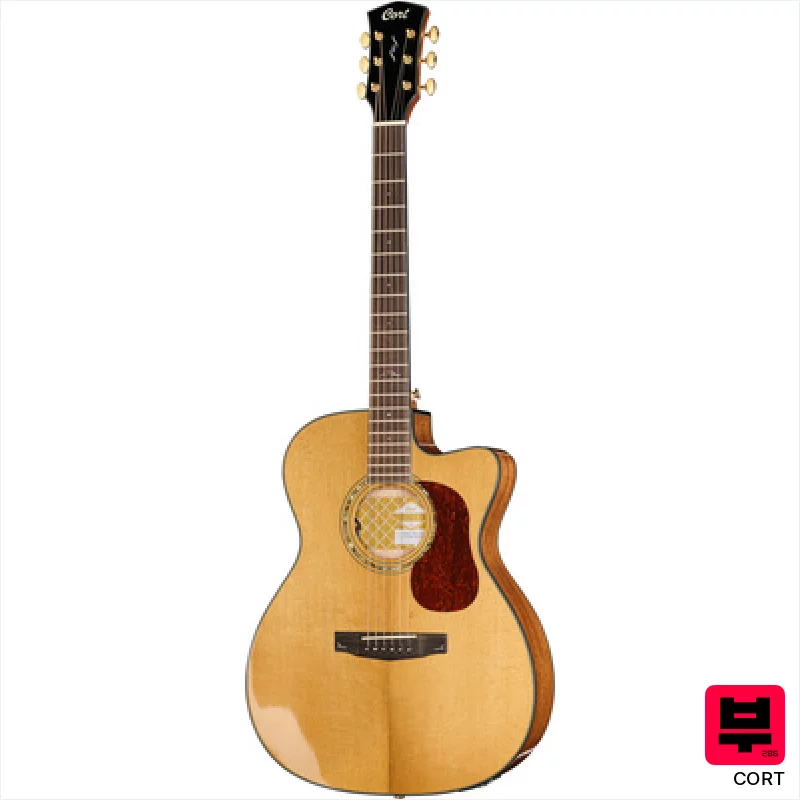
Cort Gold OC6 Natural
- • Solid Sitka spruce top delivers a responsive, clear, and balanced tonal foundation.
- • Mahogany back and sides impart warmth and sustain, nicely complementing the spruce.
- • Fishman Flexblend pickup system provides quality amplified sound with useful tonal options.
- • Macassar ebony fingerboard and bridge offer a smooth playing experience and excellent note definition.
- • Orchestra body shape may feel slightly smaller for players accustomed to a dreadnought.
- • Matt UV lacquer finish, while attractive, might show fingerprints and handling marks more readily.
- • While versatile, the mahogany construction leans towards a warmer tone, limiting its suitability for very bright genres.

Cort Earth 100 NS w/Bag
- • Solid Sitka spruce top delivers a responsive, articulate tone with good projection.
- • Mahogany back and sides provide warmth and a balanced tonal character.
- • Bone nut improves string vibration and sustain compared to standard plastic.
- • Ovangkol fingerboard offers a smooth playing experience and durability.
- • Mahogany neck might exhibit some seasonal movement, affecting action slightly.
- • The natural matte finish, while aesthetically pleasing, can be prone to fingerprints.
- • While versatile, the dreadnought body isn't ideal for fingerstyle players needing intimacy.

Cort MR500E Open Pore Brown
- • Solid spruce top delivers a balanced, articulate tone with good projection.
- • Mahogany body provides warmth and a pleasing mid-range focus.
- • Cort CE304T preamp offers usable, clear amplified sound for stage or recording.
- • Ovangkol fingerboard adds a touch of refinement and durability.
- • Open pore finish, while aesthetically pleasing, might require more careful handling to prevent finish issues.
- • 43mm nut width can feel a bit wide for players accustomed to narrower necks.
- • Mahogany construction limits versatility – not ideal for very bright or scooped tones.

Cort MR500E Open Pore
- • Solid spruce top delivers a bright, articulate voice with good projection.
- • Mahogany body provides warmth and a focused midrange character.
- • Cort CE304T preamp offers usable EQ for stage or recording applications.
- • Open pore finish allows the wood to breathe, enhancing resonance and tone.
- • Ovangkol fretboard, while durable, might feel slightly less smooth than ebony.
- • Mahogany construction can limit versatility for very bright or scooped tonal preferences.
- • Die-Cast tuners are functional, but higher-end options would improve stability.
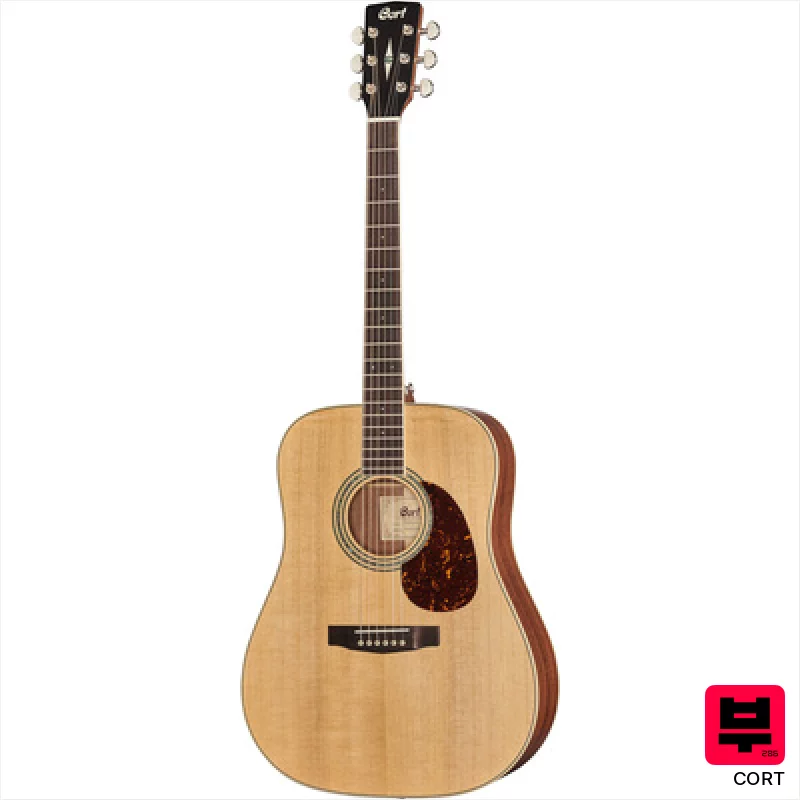
Cort Earth 100 NS
- • Solid Sitka spruce top delivers a surprisingly resonant and balanced tone.
- • Ovangkol fingerboard offers a smooth playing experience and good durability.
- • Bone nut improves string vibration and sustain compared to plastic alternatives.
- • Chrome machine heads provide reliable tuning stability and a classic aesthetic.
- • Mahogany back and sides can limit high-end clarity compared to rosewood.
- • Natural matte finish might feel less premium than gloss finishes to some players.
- • Dreadnought size can be unwieldy for smaller players or travel.
How to Choose the Best Dreadnought Acoustic Guitars
Tone
Cort dreadnoughts generally offer a warm, balanced tone. You're not getting that ice-picky, overly bright top end that plagues some cheaper guitars. There's a surprising amount of low-end thump for a guitar in this price range, which helps it cut through a band mix - though it might need a little EQ when recording.
Build Quality
Solid tops are the name of the game here, and Cort doesn't skimp. The bracing patterns are well-executed, contributing to a surprisingly resonant sound. The necks are consistently well-shaped - comfortable enough for long gigs without being too chunky or too thin.
Playability
Action tends to be on the lower side, making them easy to play, especially for players who like a quicker attack. The neck profiles are generally comfortable - a little more on the modern side, which suits a lot of players. It's not a vintage feel, but it's definitely playable.
Value
This is Cort's bread and butter. You're getting a lot of guitar for the money. The construction and components are a noticeable step up from the absolute cheapest options, justifying the price difference.
Hardware & Electronics (where applicable)
The pickups on Cort's acoustic-electric models are decent, usable. They won't blow you away, but they're far from terrible, and the preamps don't introduce excessive noise. They're functional for stage use or basic recording.
Buying Guide
Look, you're not buying a vintage Martin here. The finish might not be as flawless, and the wood bindings are often veneer instead of solid. However, that's where the compromises end. Pay attention to the solid top wood - Sitka Spruce is the most common, but Engelmann Spruce offers a slightly more open, airy tone. If you're gigging regularly, a hardshell case is a worthwhile investment to protect your investment.
How This List Is Built
We don't play these instruments — we're a catalog, not a review desk, and we'd rather say so than pretend otherwise. This page ranks 5 dreadnought acoustic guitars from the Thomann catalogue, which is the largest single source of specification data in this category.
Position is computed, not curated. Four signals, in order of weight: how completely the manufacturer documents the instrument (number of published specifications), where it sits in the price range, how specific the model designation is — which filters out generic accessories — and whether a product image exists. The same inputs always produce the same order, so nothing here is shuffled to look fresh.
What this list is good for: narrowing a category down to a shortlist by spec and budget. What it isn't: a substitute for hearing an instrument. Before you buy, read hands-on reviews and, where you can, play it. Full methodology.

