
Best Baton Rouge Dreadnought Acoustic Guitars 2026
Okay, so you're in the market for a dreadnought - a classic for a reason. Baton Rouge has quietly been building a reputation for delivering serious bang-for-your-buck in this space, offering surprisingly playable and resonant instruments at prices that won't make your wallet weep. They're not reinventing the wheel, but they're consistently hitting a sweet spot for working musicians and serious hobbyists who need a reliable, good-sounding guitar without breaking the bank. Let's dig into what makes these guitars tick.
Last updated: April 11, 2026
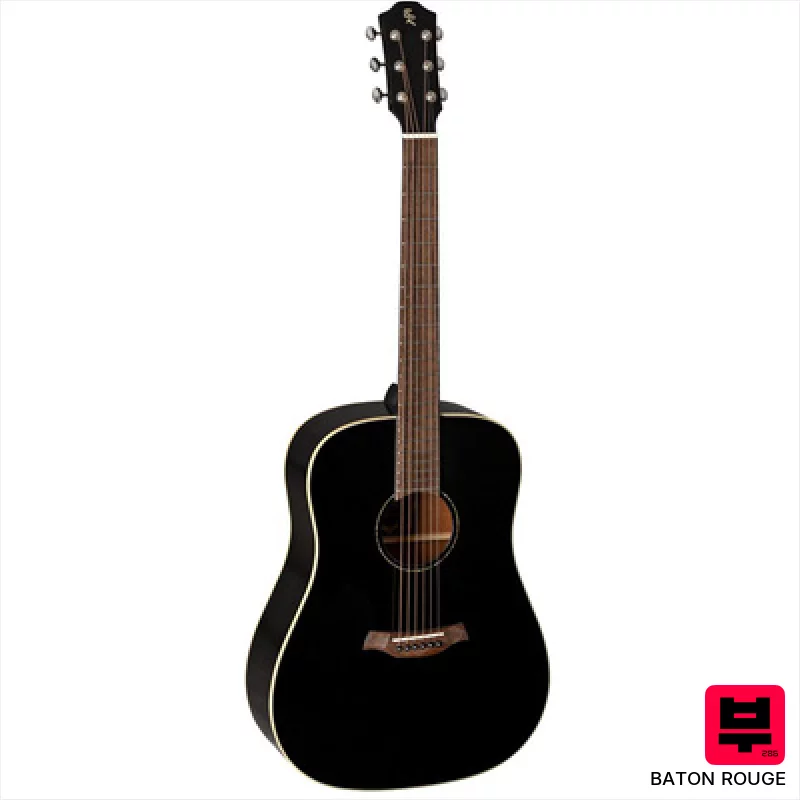
Baton Rouge X15S/D-B
- • Solid spruce top delivers bright, articulate tone with surprising projection.
- • Mahogany back and sides add warmth and sustain, balancing the spruce.
- • Okoume neck provides a comfortable feel and good stability; a great choice.
- • Bone nut and saddle contribute to improved sustain and clarity overall.
- • High-gloss finish can feel a bit plasticky and may require more careful maintenance.
- • Okoume neck, while comfortable, isn't as premium feeling as mahogany or maple.
- • The factory Elixir strings are decent, but a swap will likely unlock more potential.
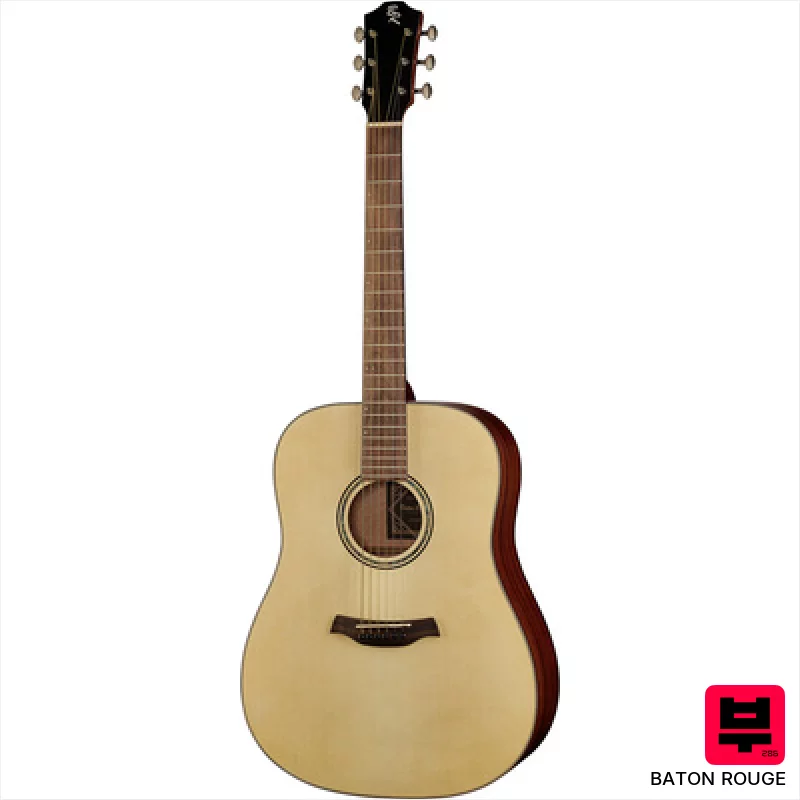
Baton Rouge X11LS/D Dreadnought
- • Spruce top delivers balanced tone with surprising clarity for the price.
- • Mahogany back and sides add warmth and sustain, preventing a brittle sound.
- • NuBone nut and saddle enhance sustain and tuning stability noticeably.
- • Open-pore finish allows the wood to breathe, improving resonance and feel.
- • Ovangkol fretboard, while functional, isn't as smooth as rosewood or ebony.
- • Antique Chrome tuners feel a bit cheap, potentially impacting fine tuning.
- • The .012-.053 string gauge might be a bit heavy for absolute beginners.
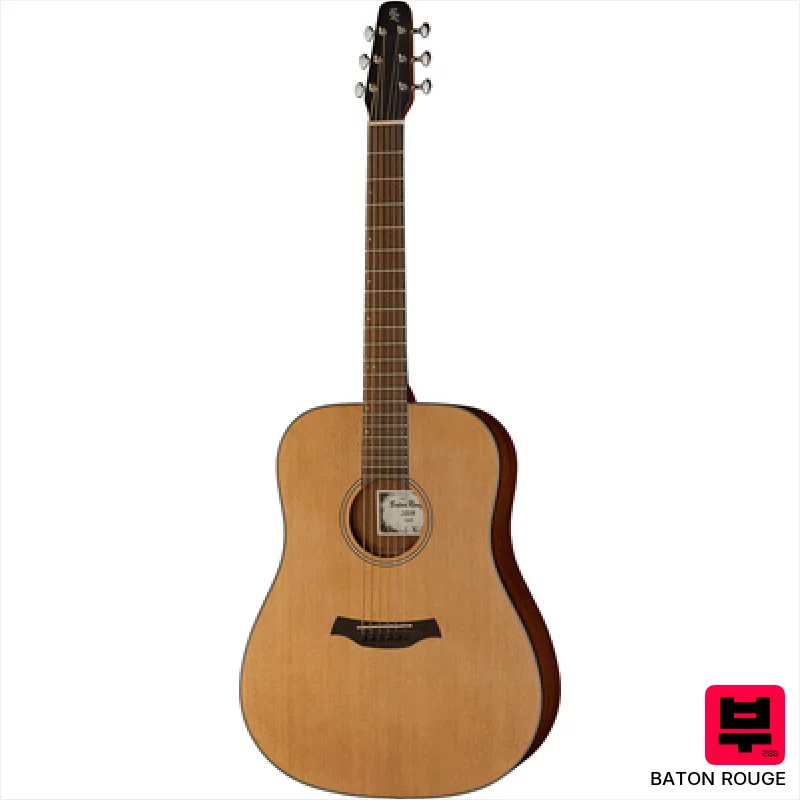
Baton Rouge L1LS/D Natural
- • Spruce top delivers a bright, responsive tone suitable for various playing styles.
- • Mahogany body provides warmth and a focused midrange character.
- • Nubone nut and saddle enhance sustain and improve string vibration transfer.
- • Open-pored matte finish allows the wood to breathe, improving acoustic projection.
- • Ovangkol fretboard, while durable, can feel slightly less smooth than rosewood.
- • ABS binding, while functional, lacks the premium look of wood binding.
- • Chrome tuners are adequate but might benefit from an upgrade for ultimate stability.
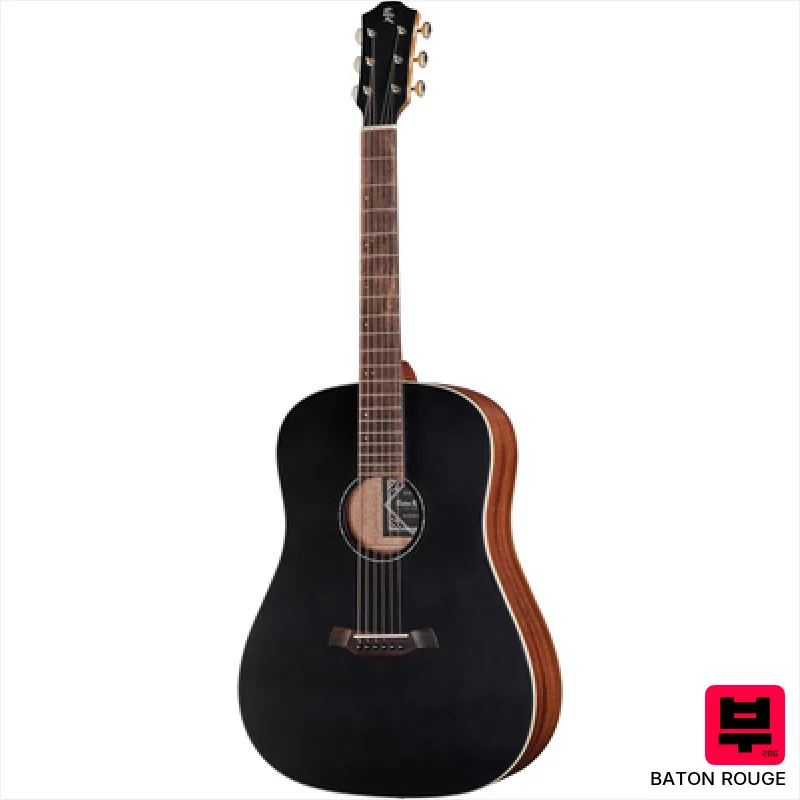
Baton Rouge X11S/SD-BT
- • Solid spruce top delivers surprisingly rich, balanced tone.
- • Okoume neck provides comfortable playability and good sustain.
- • Bone nut and bridge enhance clarity and note definition.
- • Elixir strings offer long-lasting brightness and feel.
- • High-gloss top finish can be prone to fingerprints and smudging.
- • Slope shoulder design limits versatility for fingerstyle players.
- • Mahogany back/sides can sound slightly boxy compared to rosewood.
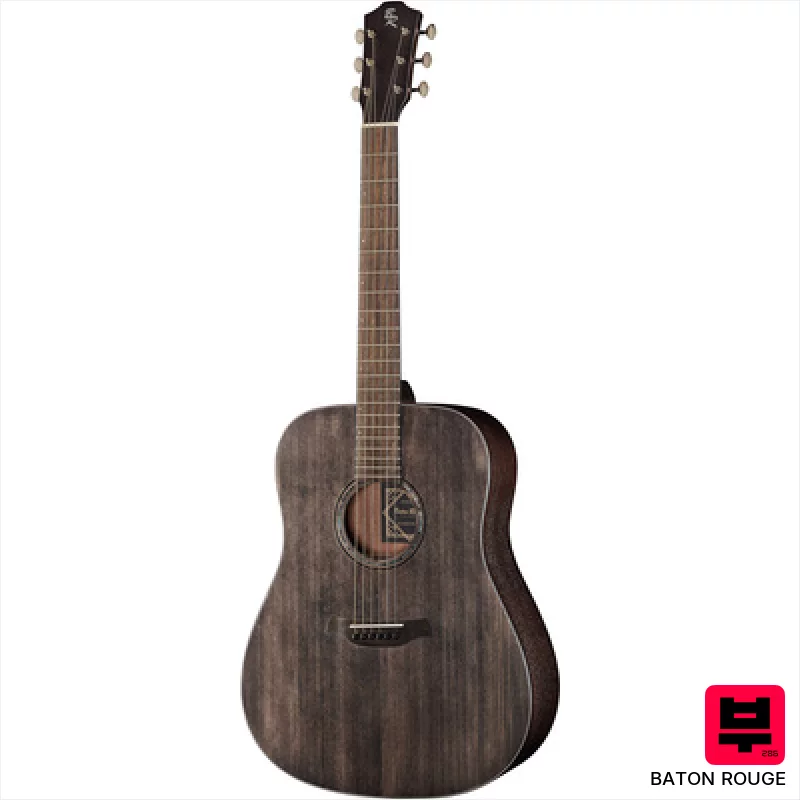
Baton Rouge X11LS/D-W-SCC
- • Solid spruce top delivers a bright, responsive tone with good projection
- • Mahogany back and sides add warmth and sustain, nicely balanced
- • Ovangkol fingerboard offers a smooth playing experience and durability
- • Nubone nut and saddle improve sustain and intonation compared to standard plastic
- • Open pore finish, while aesthetically pleasing, can be more susceptible to humidity changes
- • ABS bindings feel a bit budget, lacking the premium feel of wood bindings
- • 48mm nut width might feel wide for players used to slimmer necks
How to Choose the Best Dreadnought Acoustic Guitars
Solid Top Resonance
Baton Rouge's dreadnoughts generally feature solid tops (spruce or mahogany), which is a huge factor in their tone. Spruce gives you that bright, airy quality, good for fingerpicking and strumming, while mahogany leans towards a warmer, woodier sound with a more focused midrange - great for cutting through a band. The tops aren't always perfectly graded, but they vibrate well.
Bracing Patterns
They've been using variations on X-bracing, which is standard for dreadnoughts, but the specifics impact sustain and responsiveness. Some models have a slightly more modern voicing, which helps with projection and clarity, especially when mic'd in a studio - it doesn't get muddy easily.
Neck Profile and Playability
The neck profiles are generally comfortable - a medium C shape that fits a lot of hands well. Action is usually decent right out of the box, though a quick setup can really unlock the guitar's potential. It's a playable neck, which is key for gigging - you don't want to be fighting the instrument.
Hardware and Build Quality
Let's be honest, the hardware (tuners, bridge pins) is where Baton Rouge cuts costs. They're functional, but not high-end. The build quality itself is generally solid - decent dovetail joints, clean binding, but you might find some minor cosmetic imperfections. It's a trade-off you accept for the price.
Acoustic Projection & Headroom
These dreadnoughts have a surprisingly powerful acoustic voice, especially considering the price point. They have decent headroom - meaning they can handle a good amount of strumming and percussive playing before they start to breakup unpleasantly. This makes them versatile for different playing styles and recording situations.
Buying Guide
Look, these guitars aren't handmade masterpieces. You're getting a fantastic value, but there are compromises. The hardware will likely be the first thing you want to upgrade if you're a serious player. Don't expect flawless finishes - minor cosmetic blemishes are common. Focus on the neck feel and the overall acoustic tone - those are the things that truly matter.
How This List Is Built
We don't play these instruments — we're a catalog, not a review desk, and we'd rather say so than pretend otherwise. This page ranks 5 dreadnought acoustic guitars from the Thomann catalogue, which is the largest single source of specification data in this category.
Position is computed, not curated. Four signals, in order of weight: how completely the manufacturer documents the instrument (number of published specifications), where it sits in the price range, how specific the model designation is — which filters out generic accessories — and whether a product image exists. The same inputs always produce the same order, so nothing here is shuffled to look fresh.
What this list is good for: narrowing a category down to a shortlist by spec and budget. What it isn't: a substitute for hearing an instrument. Before you buy, read hands-on reviews and, where you can, play it. Full methodology.

