
Best Ibanez Dreadnought Acoustic Guitars 2026
Alright, let's talk Ibanez Dreadnoughts. For years, Ibanez got a reputation as a shred machine brand, and rightfully so, but they've been quietly building some seriously capable acoustic guitars, particularly in the dreadnought format. If you're looking for a dread that'll handle a gig, record well, and won't completely drain your bank account, Ibanez is absolutely worth a look - especially if you appreciate a little bit of their unique design flair.
Last updated: October 9, 2026
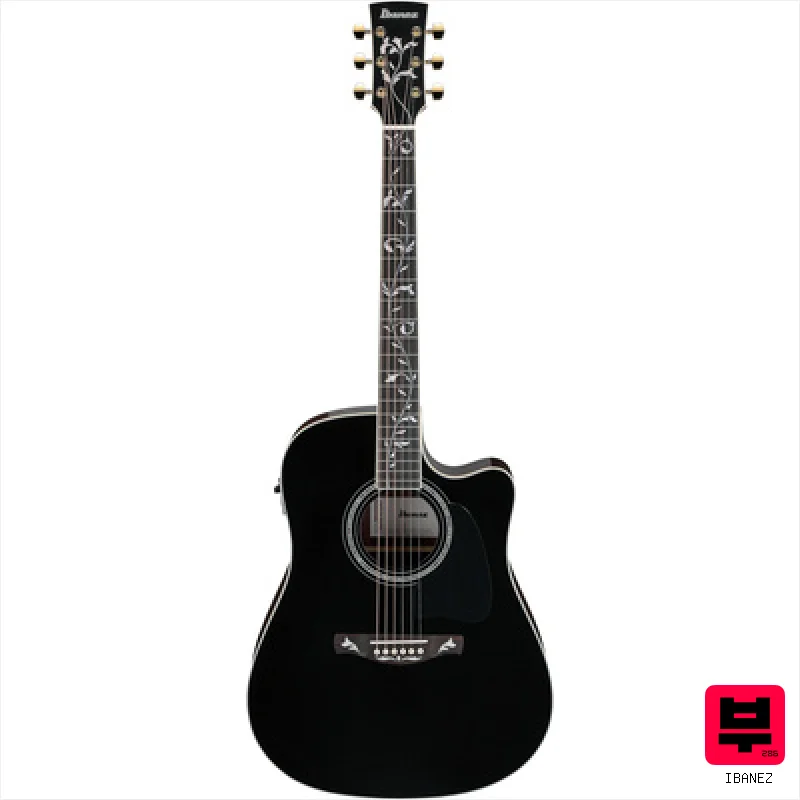
Ibanez AW391RCE-BKH
- • Solid sitka spruce top for strong attack and projection
- • African mahogany neck offers smooth playability and stability
- • Ibanez T-bar pickup provides reliable on-stage clarity
- • Dreadnought cutaway design gives easy access to upper frets
- • No listed weight makes heavy carry possible for some
- • High-gloss finish shows wear and scratches easily over time
- • Rosewood back and sides may crack in very dry climates
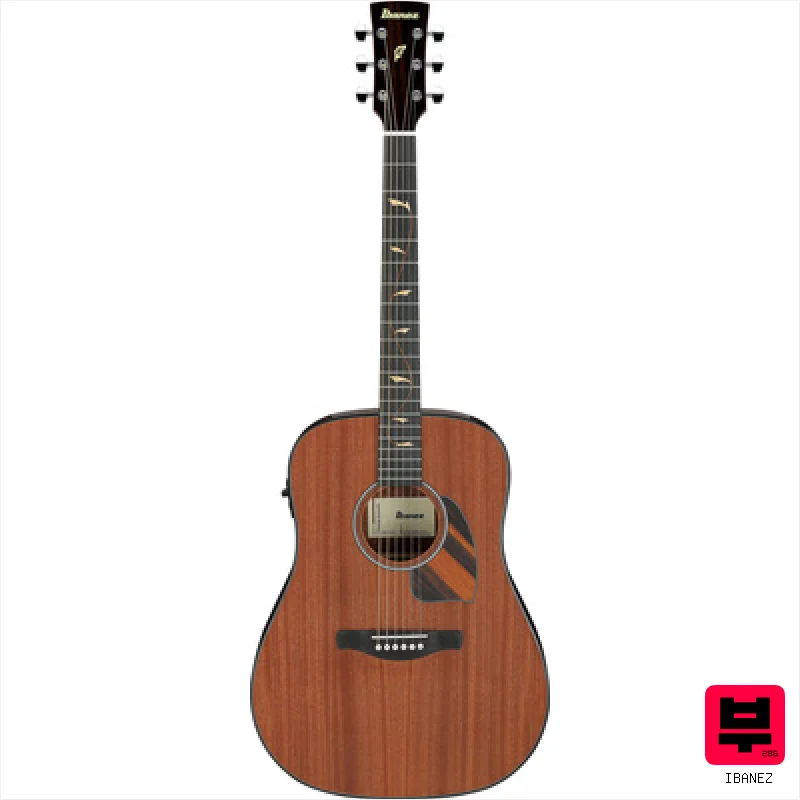
Ibanez PF34MHE-NT
- • Solid Sapele wood on top, back, and sides for rich tone.
- • Comfortable U-shaped neck profile for easy playing.
- • Built-in tuner included in the preamp system.
- • Distinctive Purpleheart fingerboard adds unique color.
- • Okoume neck is less durable than traditional maple.
- • Natural finish shows wear more easily than dark stains.
- • No external jack input for direct amplifier connection.
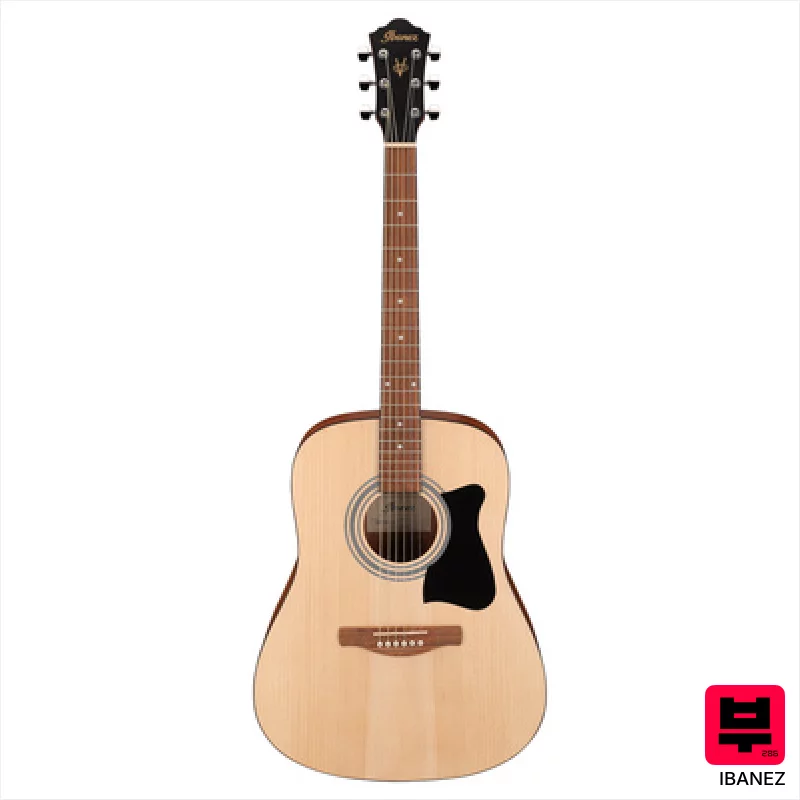
Ibanez V50NJP-OPN Jam Pack
- • Spruce top delivers surprisingly bright and resonant tone for the price.
- • Dovetail neck joint enhances sustain and adds a touch of quality.
- • Meranti back and sides offer a warm, balanced response.
- • Complete jam pack provides essential accessories for beginners.
- • Open pore finish, while aesthetically pleasing, is more susceptible to scratches.
- • Nut width of 42mm might feel cramped for players accustomed to wider necks.
- • Meranti construction limits the overall tonal complexity compared to more premium woods.
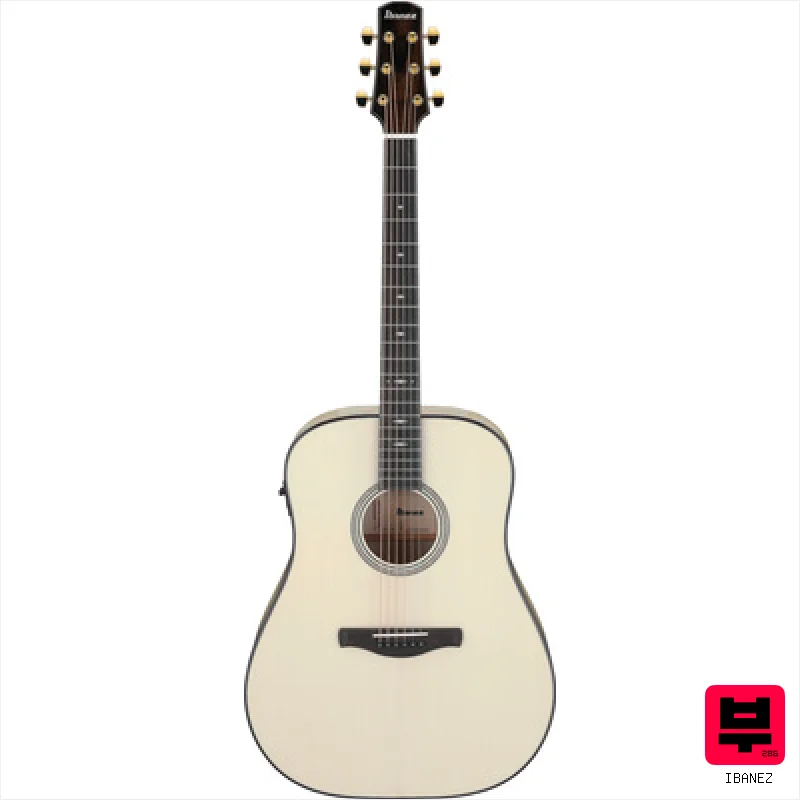
Ibanez AAD371E-ATW
- • Solid German spruce top delivers bright, clear tone
- • Flamed maple neck offers smooth playability
- • X-bracing system adds structural strength
- • Built-in tuner simplifies playing anywhere
- • Grand Dreadnought size may be heavy
- • AEQ-TP2 has limited control options
- • Natural finish shows dust easily
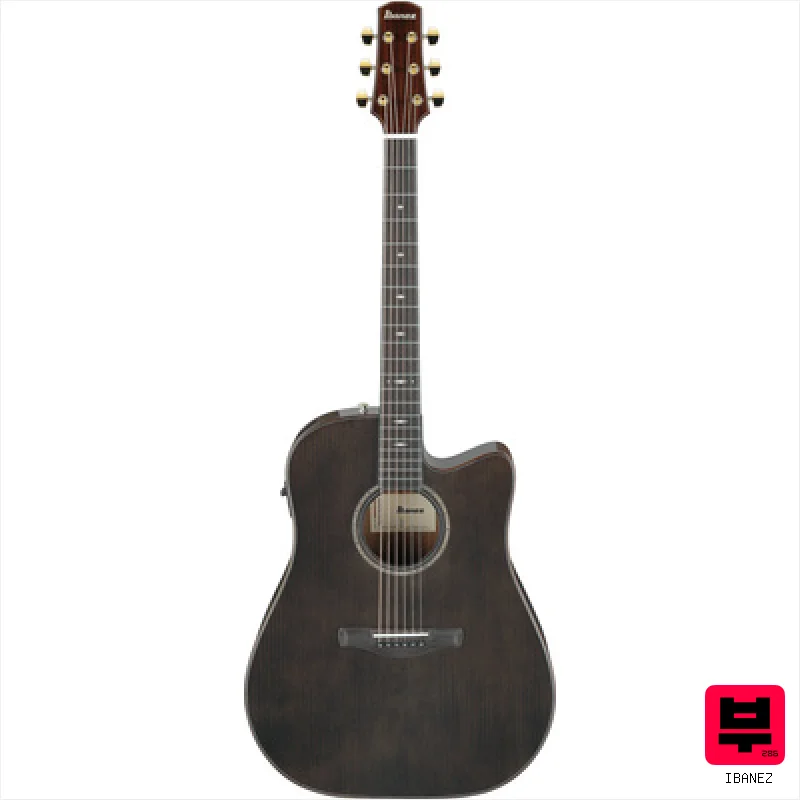
Ibanez AAD361CE-TKR
- • Solid German thermo-aged spruce top for bright tone
- • Flamed acacia back and sides add rich warmth
- • Advanced Access cutaway for easy high fret access
- • Ibanez T-Bar pickup with built-in tuner included
- • No power supply needed but limited EQ controls
- • Heavy solid wood construction adds carrying weight
- • Lacks passive controls for custom tone shaping
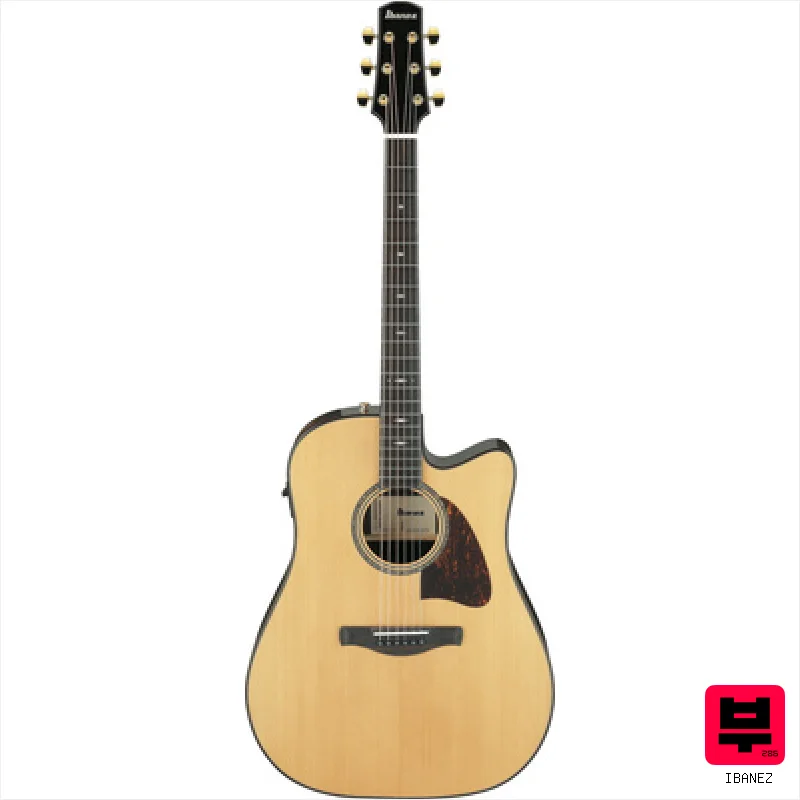
Ibanez AAD381CE-NT
- • Solid German Thermo Aged spruce top for strong projection
- • Advanced Access cutaway makes high frets easy to reach
- • Ibanez T-Bar pickup with built-in tuner for instant setup
- • Bone nut and saddle ensure precise intonation and comfort
- • No volume or tone knobs limit on-the-fly adjustments
- • X-M bracing may feel stiff compared to traditional designs
- • Grand Dreadnought size can be heavy for small players

Ibanez V54NJP-WK Set
- • Meranti top provides a surprisingly warm and resonant tone for the price.
- • Open-pore finish allows the wood to breathe, enhancing natural acoustic projection.
- • Bolt-on neck offers comfortable playability and fast action, typical of Ibanez.
- • Complete accessory pack adds significant value, ideal for beginners or travelers.
- • Meranti back and sides, while affordable, lack the tonal complexity of mahogany or rosewood.
- • Nandu fingerboard is a budget material, potentially affecting feel and durability over time.
- • Polyurethane finish, though protective, can feel less 'vintage' compared to a satin or oil finish.
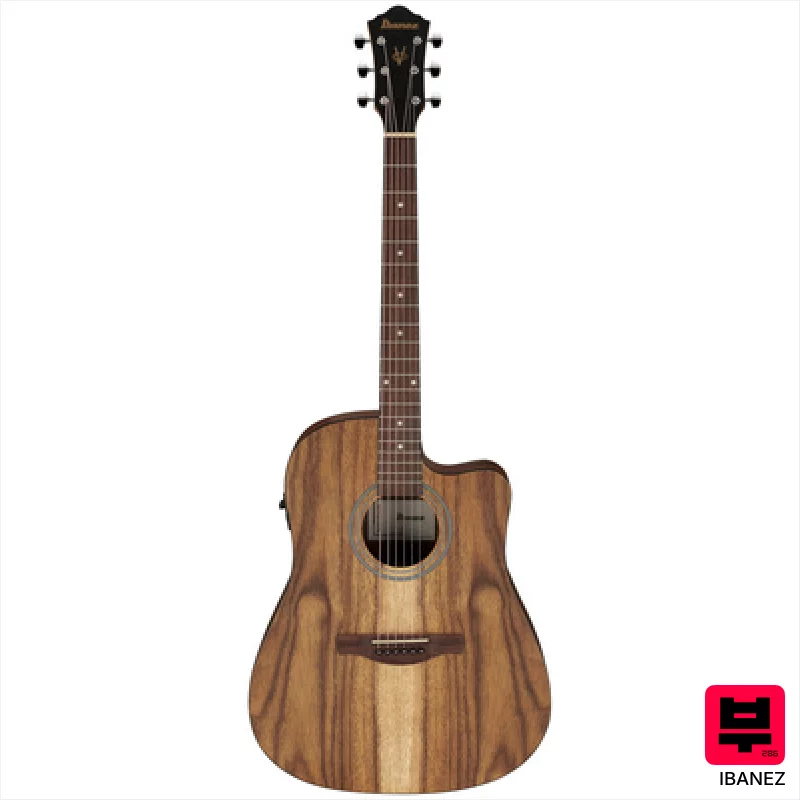
Ibanez V40WSCE-OPB
- • White Siris wood provides a unique, bright, and resonant tonal character.
- • The AEQ-2T preamp and undersaddle pickup offer surprisingly clean amplified sound.
- • Die-cast tuners ensure stable tuning, even with aggressive playing.
- • Open pore finish allows the wood to breathe, enhancing natural acoustic projection.
- • Nandu fingerboard, while playable, lacks the premium feel of rosewood or ebony.
- • Plastic nut and bridge inlay are cost-saving measures that impact perceived quality.
- • The undersaddle pickup, while functional, can exhibit a slightly 'quacky' tone.
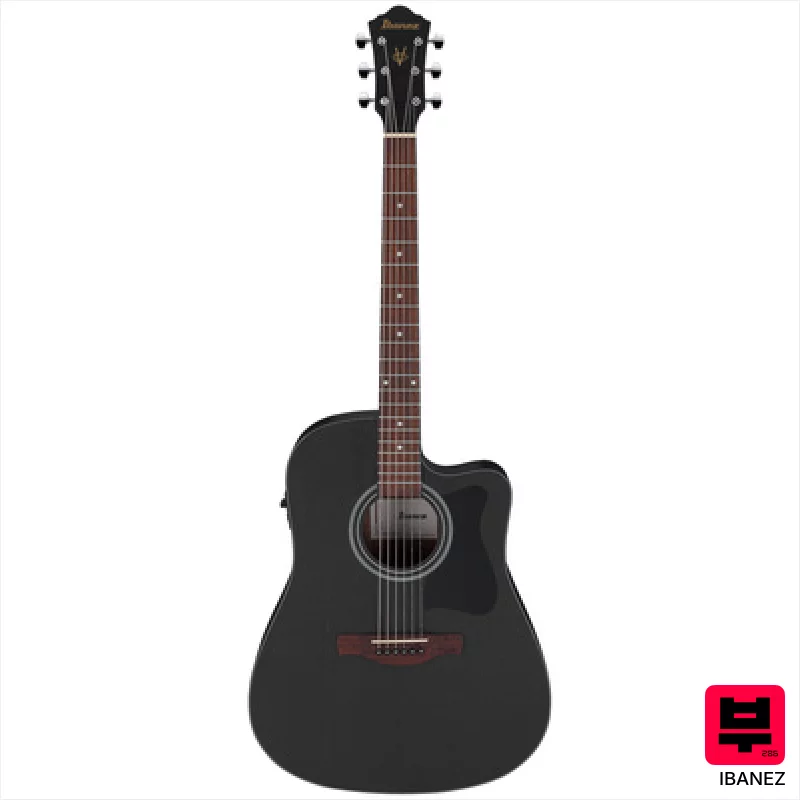
Ibanez V44CE-WK
- • Meranti construction offers surprisingly warm, balanced tones for the price.
- • The AEQ-2T preamp delivers usable onboard tuning and tone shaping.
- • 25.5in scale provides familiar electric guitar feel and easy bending.
- • Open pore finish allows the wood to breathe, enhancing resonance.
- • Nandu fingerboard, while playable, lacks the premium feel of rosewood or ebony.
- • Meranti, while decent, won’t compete with spruce tops for clarity and projection.
- • Plastic nut and bridge inlay are cost-saving measures that impact perceived value.
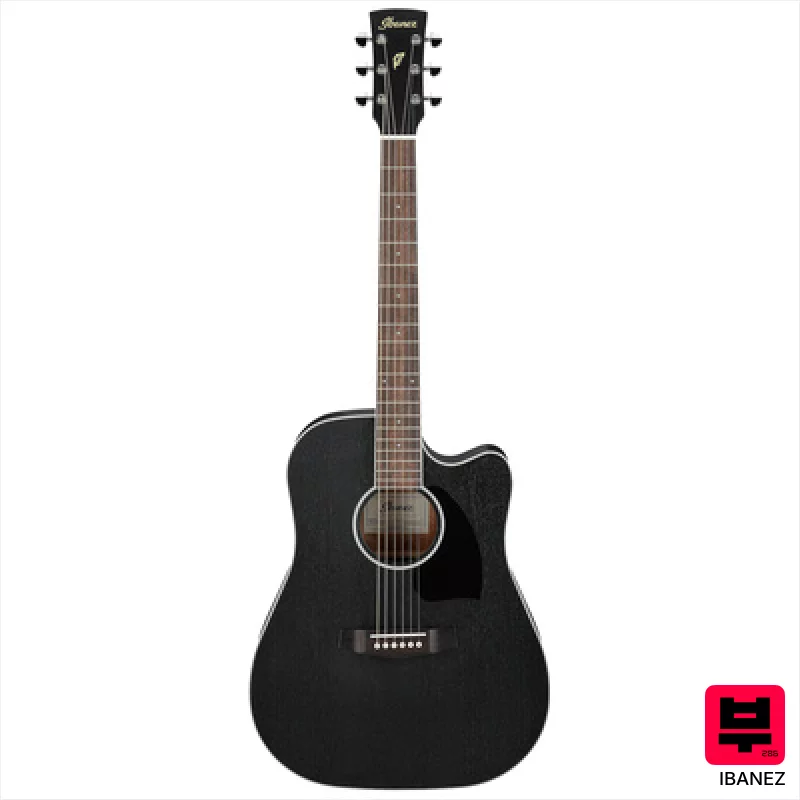
Ibanez PF16MWCE WBK
- • Okoume top delivers a surprisingly warm and resonant tone.
- • Die-cast tuners offer reliable tuning stability, a plus at this price.
- • Built-in tuner is genuinely useful for quick adjustments on the fly.
- • Open pore finish allows the wood to breathe, enhancing natural acoustic projection.
- • Okoume, while decent, lacks the premium tonal complexity of mahogany or spruce.
- • Under-saddle pickups can sound a bit thin and brittle when amplified.
- • Nyatoh neck, while playable, isn't as premium feeling as maple or rosewood.
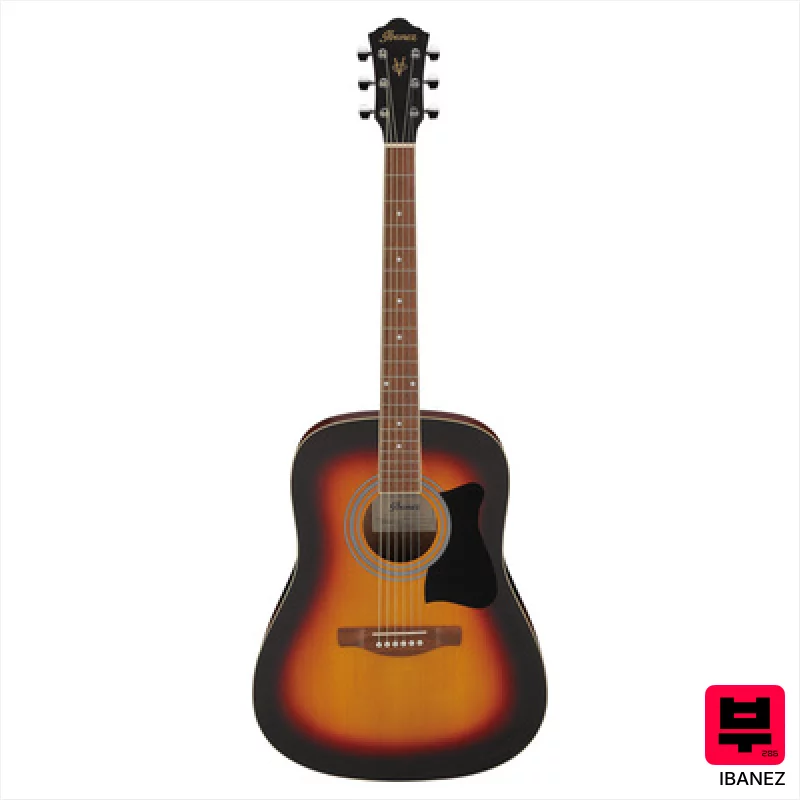
Ibanez V50NJP-OVS Jam Pack
- • Spruce top delivers surprisingly bright and responsive acoustic tone.
- • Meranti back and sides offer a warm, balanced foundation.
- • Dovetail neck joint provides good stability and sustain.
- • Complete jam pack offers excellent value for beginners.
- • Nandu fingerboard can feel slightly less smooth than rosewood or ebony.
- • Open pore finish may require more diligent care to prevent finish issues.
- • The 'V' neck profile isn't universally comfortable; can feel thick.
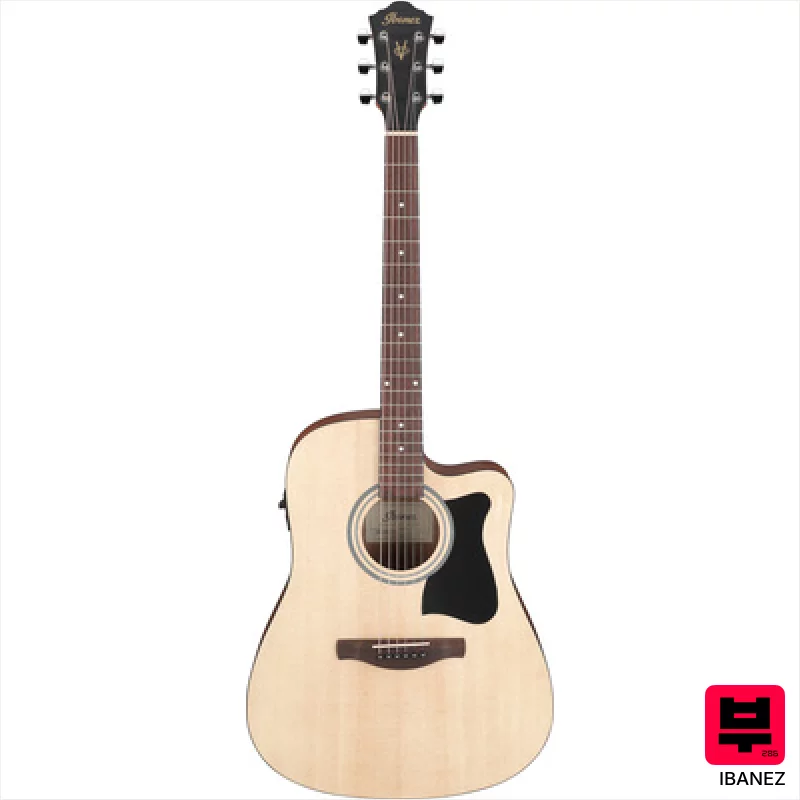
Ibanez V40CE-OPN
- • Spruce top delivers a bright, responsive tone with good projection.
- • Meranti back and sides add warmth and a touch of complexity to the sound.
- • Ibanez AEQ-2T preamp and tuner offer convenience for amplified performance.
- • Nyatoh neck provides a comfortable playing experience, especially for beginners.
- • Meranti isn't a premium tonewood, limiting the overall sonic potential.
- • Plastic nut can contribute to tuning instability and a less refined feel.
- • The .012-.053 string gauge might be a bit heavy for some players.

Ibanez V40-OPN
- • Spruce top provides a bright, responsive tone suitable for strumming and fingerstyle.
- • Meranti back and sides offer a warmer, balanced response compared to all-spruce construction.
- • Nyatoh neck provides a stable platform and comfortable feel for extended playing.
- • Chrome machine heads offer reliable tuning stability and a classic aesthetic.
- • Meranti isn't a premium tonewood; expect a less complex sonic character.
- • Plastic nut and Nandu bridge are cost-saving measures impacting potential upgrade paths.
- • Open pore finish, while aesthetically pleasing, can be more susceptible to moisture changes.
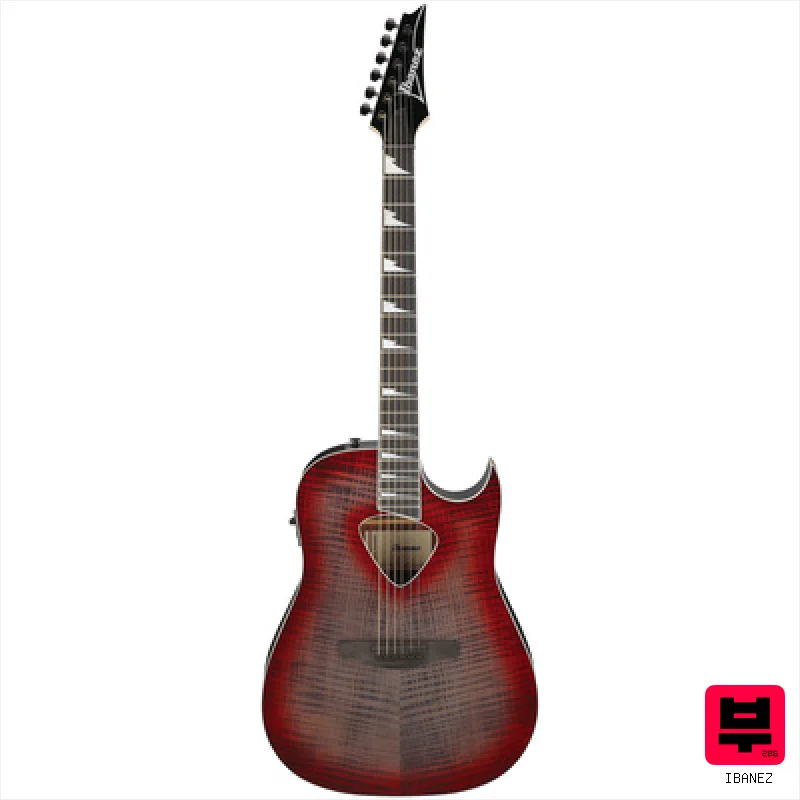
Ibanez ALT50FA-RDB
- • Flamed maple top looks stunning on stage
- • Sapele back and sides offer warm depth
- • Ibanez AEQ-2UT preamp includes built-in tuner
- • Purple Heart fingerboard adds rich sustain
- • No specific weight listed in the description
- • Body depth varies between 90 and 110 mm
- • Undersaddle pickup can sound thin
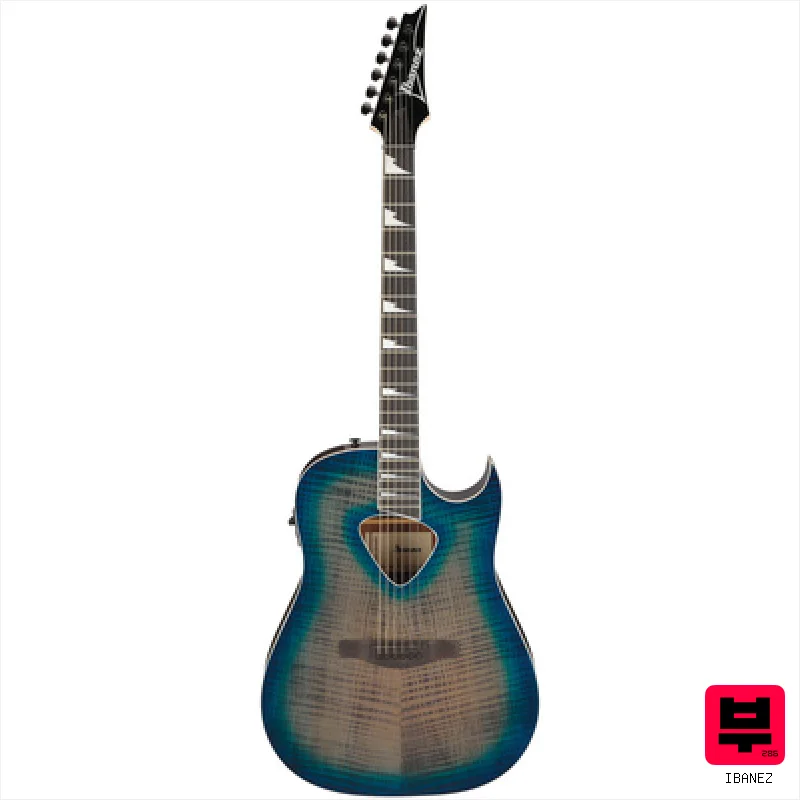
Ibanez ALT50FA-BDB
- • Flamed maple top gives a bright, punchy tone.
- • Purple Heart fingerboard adds rich, complex resonance.
- • Sharp cutaway design lets you reach high frets easily.
- • Built-in tuner makes playing in any key simple.
- • Sapele back and sides lack the warmth of rosewood.
- • Undersaddle pickup often sounds thin without external amps.
- • Body depth is standard but may feel bulky for some.
Every dreadnought acoustic guitars that matches
31 models match this page. The 15 above are covered in detail; the rest are listed here with their published specifications.
| # | Model | Specifications | Price |
|---|---|---|---|
| 16 | Ibanez AAD51CE-NT | Nut width 43 mm (1.69") · Scale 650 mm (25.59") · Frets 20 frets | $372 |
| 17 | Ibanez AAD54E-OMH | Nut width 43 mm (1.69") · Scale 650 mm (25.59") · Frets 20 frets | $334 |
| 18 | Ibanez AAD70CE-TBN | Nut width 43 mm (1.69") · Scale 650 mm (25.59") · Frets 20 frets | $334 |
| 19 | Ibanez ALT50FA-TVT | Nut width 43 mm (1.69") · Scale 648 mm (25.51") · Frets 22 frets | $352 |
| 20 | Ibanez AAD77M1E-OAW | Nut width 43 mm (1.69") · Scale 650 mm (25.59") · Frets 20 frets | $372 |
| 21 | Ibanez AW247CE-WKH | Nut width 48 mm (1.89") · Scale 650 mm (25.59") · Frets 20 frets | $545 |
| 22 | Ibanez AW65-LG | Nut width 43 mm (1.69") · Scale 651 mm (25.63") · Frets 20 frets | $280 |
| 23 | Ibanez AW417CE-OPS | Nut width 48 mm (1.89") · Scale 651 mm (25.63") · Frets 20 frets | $531 |
| 24 | Ibanez PF15ECE-TBS Bundle | Nut width 42 mm (1.65") · Scale 650 mm (25.59") · Frets 20 frets | $291 |
| 25 | Ibanez PF15ECE-TBS | Nut width 42 mm (1.65") · Scale 650 mm (25.59") · Frets 20 frets | $267 |
| 26 | Ibanez PF15ECE-BK | Nut width 42 mm (1.65") · Scale 650 mm (25.59") · Frets 20 frets | $279 |
| 27 | Ibanez PF12MHCE-OPN | Nut width 42 mm (1.65") · Scale 650 mm (25.59") · Frets 20 frets | $223 |
| 28 | Ibanez AW84CE-WK Artwood | Nut width 43 mm (1.69") · Scale 651 mm (25.63") | $362 |
| 29 | Ibanez AW54-OPN | Nut width 43 mm (1.69") · Scale 651 mm (25.63") | $252 |
| 30 | Ibanez AW54CE-OPN | Nut width 43 mm (1.69") · Scale 651 mm (25.63") | $357 |
| 31 | Ibanez AW65ECE-LG | Nut width 43 mm (1.69") · Frets 20 frets | $375 |
Dreadnought Acoustic Guitars by the numbers
Measured across all 521 models in this category, so «wide», «short» or «expensive» mean something you can check.
How to Choose the Best Dreadnought Acoustic Guitars
Neck Profile
Ibanez tends to favor slimmer, more comfortable neck profiles than some traditional dreadnought builders. This makes them easier to play, especially for players used to electric guitars, but might feel a little less substantial to some. It's a plus for speed, though.
Bracing Patterns
Ibanez often uses their own variations on bracing, sometimes incorporating X-bracing with strategically placed fan bracing. This contributes to a surprisingly balanced tone - a good low-end thump without sacrificing upper midrange clarity. It's not always the warmest, most vintage dread sound, but it's articulate.
Construction & Materials
While you'll find solid tops on higher-end models, many Ibanez dreadnoughts use laminate back and sides to keep the price down. Laminates are durable, but they'll lack the complexity and resonance of solid wood - especially in the long run. Check the top wood; Sitka Spruce is common, and delivers a bright, responsive voice.
Electronics (When Equipped)
Ibanez's proprietary electronics systems, like the Tundral II, are surprisingly good for what they are. The pickup voicing isn't going to fool anyone into thinking it's a mic'd recording, but it's clear and usable for live performance or recording demos. The onboard EQ is helpful for taming harsh frequencies.
Aesthetics & Playability
Let's be honest, Ibanez isn't afraid to be a little different visually. You'll find unique binding colors, rosette designs, and overall styling. This isn't always to everyone's taste, but it does set them apart and often reflects a focus on player comfort - like those slim, fast necks.
Buying Guide
Don't expect a sub-$300 Ibanez dread to have the tonal depth of a Martin or Taylor. Those guitars are in a different league. However, for the price, you're getting a playable, durable instrument that'll cut through a band mix and hold up to regular gigging. If you're serious about recording, consider stepping up to a model with a solid top - it'll make a noticeable difference in sustain and overall tone.
How This List Is Built
We don't play these instruments — we're a catalog, not a review desk, and we'd rather say so than pretend otherwise. This page covers 31 of 521 dreadnought acoustic guitars from the Thomann catalogue, which is the largest single source of specification data in this category: 15 in detail, the rest listed with their specifications.
Position is computed, not curated. We parse the manufacturer's own description into actual values — nut width, scale, fret count, fingerboard radius, size, alloy — and rank on them: how many specifications a model has published, how many of them are measurable numbers, and how precisely it meets this page's criterion. A product image adds a little. Price is not a ranking signal: it tells you nothing about whether a neck fits your hand. The same inputs always produce the same order, so nothing here is shuffled to look fresh.
What this list is good for: narrowing a category down to a shortlist by spec and budget. What it isn't: a substitute for hearing an instrument. Before you buy, read hands-on reviews and, where you can, play it. Full methodology.

