
Best Framus Dreadnought Acoustic Guitars 2026
Alright, let's talk Framus Dreadnoughts. These aren't your grandpa's German acoustic - they've got a history, a distinct vibe, and frankly, a tone that can really surprise you. If you're tired of the same old mahogany and spruce recipe and want something with a little more character, especially if you're cutting through a band mix, Framus deserves a serious look. They're not the cheapest, but they offer a sweet spot of quality and unique sonic signature.
Last updated: October 9, 2026
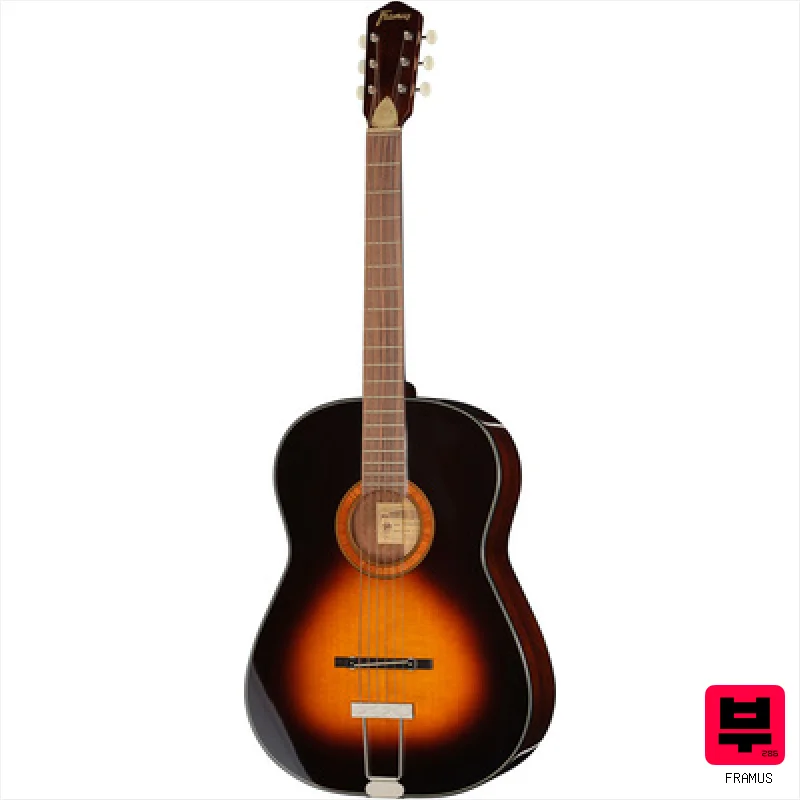
Framus Vintage Hootenanny 6 SB HP
- • Solid sitka spruce top offers strong projection
- • Solid sapele back and sides add warm depth
- • Vintage sunburst finish looks classic
- • Includes hard case and two pickguards
- • Flat fingerboard radius may feel stiff
- • No electronics included for amplification
- • Weight not listed in the description

Framus Vintage Hootenanny 6 TN
- • Solid sapele back/sides deliver rich overtones and projection for a balanced tone.
- • Mahogany neck provides comfortable feel and contributes to a warm, focused midrange.
- • Bone nut enhances sustain and tuning stability compared to plastic alternatives.
- • Vintage-style tuners offer smooth operation and a classic aesthetic appeal.
- • Nitrocellulose finish, while beautiful, can be prone to cracking with humidity changes.
- • 44mm nut width may feel wide for players accustomed to narrower necks.
- • Limited electronics make it unsuitable for direct stage amplification without an external preamp.
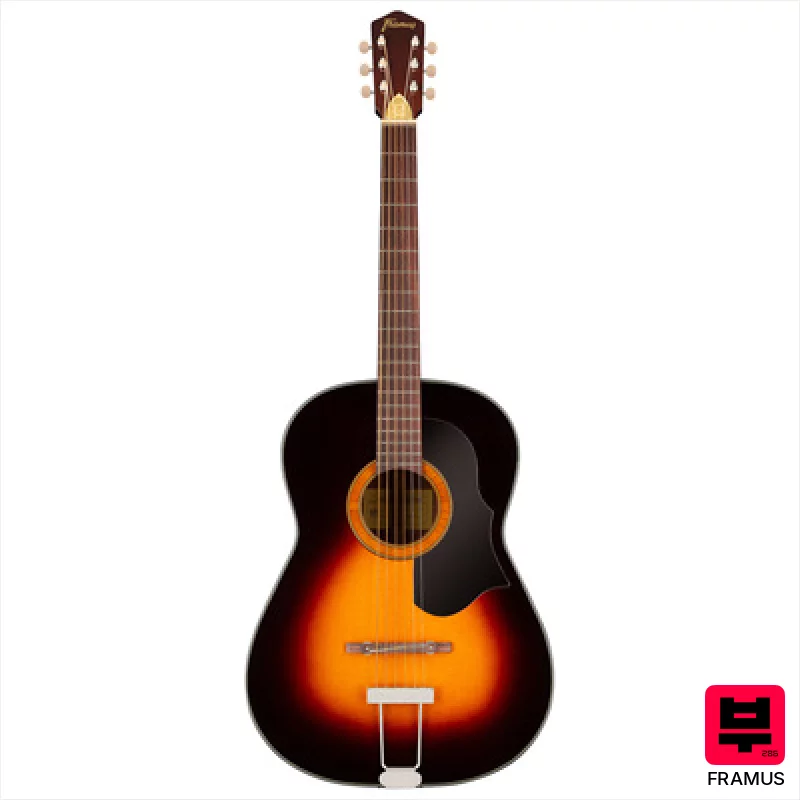
Framus Vintage Hootenanny 6 SB Nitro
- • Solid Sapele back/sides deliver rich, resonant low-end response.
- • Sitka spruce top provides bright, articulate highs and projection.
- • Mahogany neck offers comfortable feel and stable, reliable playability.
- • Vintage-style tuners ensure accurate and smooth string changes.
- • Sapele can be a bit 'dry' sounding initially; benefits from extended playing.
- • Nitro finish, while beautiful, requires more careful handling and cleaning.
- • The wider nut width (44mm) might be a challenge for smaller hands.

Framus Vintage Hootenanny 6 SB Satin
- • Solid Sapele back/sides deliver a warm, resonant, mature tone.
- • Mahogany neck offers excellent sustain and comfortable playability.
- • Bone nut improves clarity and tuning stability at the nut.
- • Vintage-style tuners provide smooth, accurate tuning and a classic look.
- • Satin finish, while attractive, can feel a little plasticky to some players.
- • Round-shoulder dreadnought is less versatile for modern, highly percussive styles.
- • Solid wood construction means it will require more care and humidity control.

Framus Vintage Hootenanny 6 HP
- • Solid Sapele back/sides deliver warm, balanced overtones and projection.
- • Sitka Spruce top provides excellent clarity and responsiveness for varied playing.
- • Mahogany neck offers stability and a comfortable, familiar feel in the hand.
- • Vintage-style nickel tuners ensure accurate tuning stability and a classic aesthetic.
- • Sapele's tonal character might lack the aggressive bite of some rosewood options.
- • The flat fingerboard radius isn't for everyone; some prefer a rounded profile.
- • The black pickguard is a purely aesthetic choice and may not appeal to all.
Dreadnought Acoustic Guitars by the numbers
Measured across all 521 models in this category, so «wide», «short» or «expensive» mean something you can check.
How to Choose the Best Dreadnought Acoustic Guitars
Heritage & Design
Framus has a legacy going back to the 1940s, and that history informs their designs. You'll see influences from pre-war instruments, which often means more ornate aesthetics and unique bracing patterns. This isn't just about looks; it impacts the resonance.
Tonal Character
Forget that generic bright, sparkly clean you get from a lot of modern acoustics. Framus dreadnoughts tend to have a warmer, more complex tone with a pronounced low-end thump and a distinct, almost woody midrange. It's not muddy, but it's got a richness that sits well in a mix, particularly with a band.
Bracing & Voicing
Framus often employs scalloped bracing, but they're not afraid to experiment. This impacts sustain, responsiveness, and the overall voicing. The result is a guitar that feels alive under your fingers, offering a wider dynamic range than many competitors.
Build Quality & Materials
Solid wood construction is standard, and the attention to detail is noticeable. The necks are generally well-done - comfortable, with a consistent feel. While they might not have the absolute flawless finish of a high-end Taylor, the build feels solid and reliable for gigging.
Projection & Cut
These guitars really cut through the mix. The combination of bracing, wood choices, and body size gives them a strong, focused projection. They don't get lost in a jam session - a huge plus for singer-songwriters or anyone playing with a full band.
Buying Guide
Framus Dreadnoughts sit in a slightly higher price bracket, but you're getting something unique. Don't expect the super-glossy, perfectly-uniform finish of some other brands - the aesthetic is often more about character and tradition than pristine perfection. Pay close attention to the neck profile; Framus necks can vary a bit, so make sure it feels comfortable in your hand. And honestly, the difference between a slightly older, used model and a new one might be minimal in terms of tone, but you can save a good chunk of cash.
How This List Is Built
We don't play these instruments — we're a catalog, not a review desk, and we'd rather say so than pretend otherwise. This page covers 5 of 521 dreadnought acoustic guitars from the Thomann catalogue, which is the largest single source of specification data in this category: 5 in detail, the rest listed with their specifications.
Position is computed, not curated. We parse the manufacturer's own description into actual values — nut width, scale, fret count, fingerboard radius, size, alloy — and rank on them: how many specifications a model has published, how many of them are measurable numbers, and how precisely it meets this page's criterion. A product image adds a little. Price is not a ranking signal: it tells you nothing about whether a neck fits your hand. The same inputs always produce the same order, so nothing here is shuffled to look fresh.
What this list is good for: narrowing a category down to a shortlist by spec and budget. What it isn't: a substitute for hearing an instrument. Before you buy, read hands-on reviews and, where you can, play it. Full methodology.

