
Best Maton Dreadnought Acoustic Guitars 2026
Alright, let's talk Maton Dreadnoughts. If you're looking for a genuinely unique acoustic voice, something beyond the usual Martin/Taylor crowd, Maton deserves a serious listen. These guitars, hailing from Australia, offer a blend of classic dreadnought power with a distinctive sonic character that's surprisingly versatile - from fingerstyle intimacy to cutting through a band mix. They're not a budget option, but the value proposition is real if you appreciate nuanced tone and solid construction.
Last updated: October 10, 2026
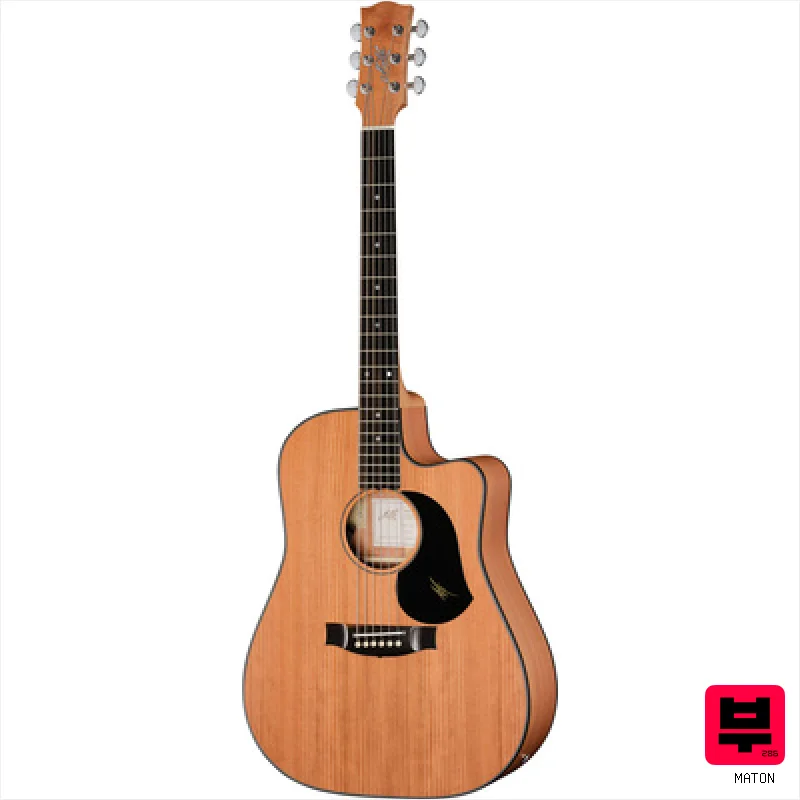
Maton RM-DNC
- • Solid redwood top offers bright attack and quick response.
- • Tasmanian myrtle back and sides add warm, rich bass.
- • X-bracing provides strong structural integrity and volume.
- • Maton AP5Pro pickup system ensures reliable signal clarity.
- • Natural satin finish hides wear and shows dirt easily.
- • No specific weight rating provided for player comfort.
- • Bone nut and saddle may require more initial setup.
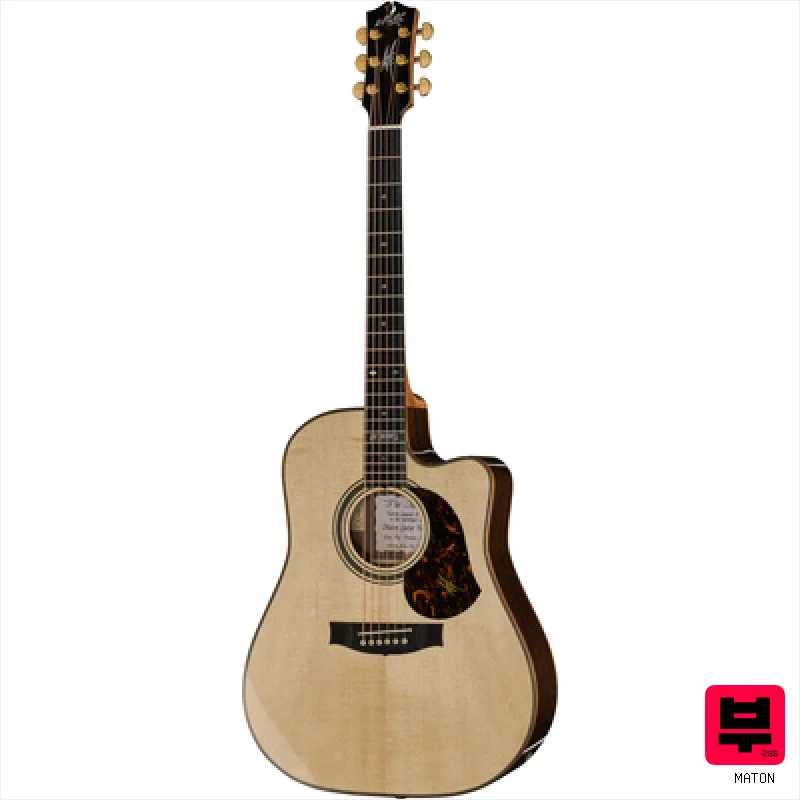
Maton EM100C Messiah
- • Solid Sitka spruce top for bright attack
- • Rich East Indian rosewood for depth
- • Included case for safe transport
- • Maton AP 5 Pro pickup installed
- • No heel cap on the mahogany neck
- • Weight not listed in description
- • No specific tonal character mentioned

Maton Troubadour Dreadnought
- • Solid spruce top delivers a responsive, articulate tone with shimmering highs.
- • Solid maple back & sides provide focused warmth and projection, excellent sustain.
- • AP5 Pro pickup system offers a natural amplified tone, surprisingly quiet stage performance.
- • Grover Rotomatic tuners ensure rock-solid tuning stability, a welcome premium touch.
- • The dreadnought body can be bulky for players with smaller frames or a preference for smaller guitars.
- • The matte finish, while aesthetically pleasing, can be prone to fingerprints and smudging.
- • While versatile, the maple construction leans toward a brighter tone, potentially limiting its suitability for very mellow styles.
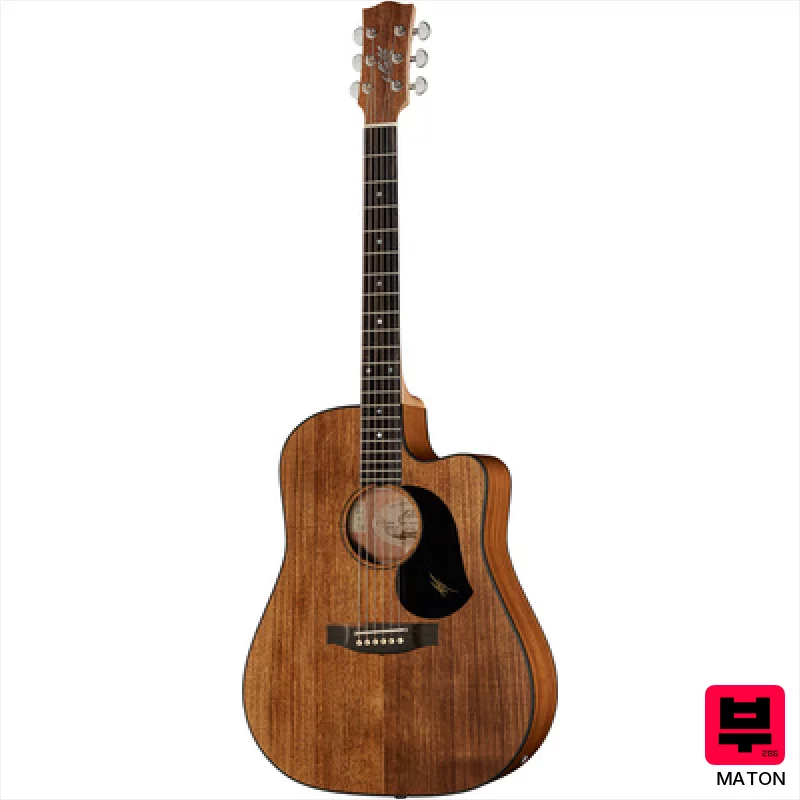
Maton EBW70C Blackwood
- • Solid Australian Blackwood delivers rich, complex overtones.
- • Queensland Maple neck offers exceptional stability and comfortable playability.
- • Maton AP5 Pro provides a balanced, natural amplified tone.
- • Grover tuners ensure reliable tuning stability even with heavy use.
- • Blackwood can be a touch darker sounding; not ideal for bright, jangly styles.
- • The dreadnought body may be unwieldy for smaller players.
- • Premium-priced, represents a significant investment for many players.
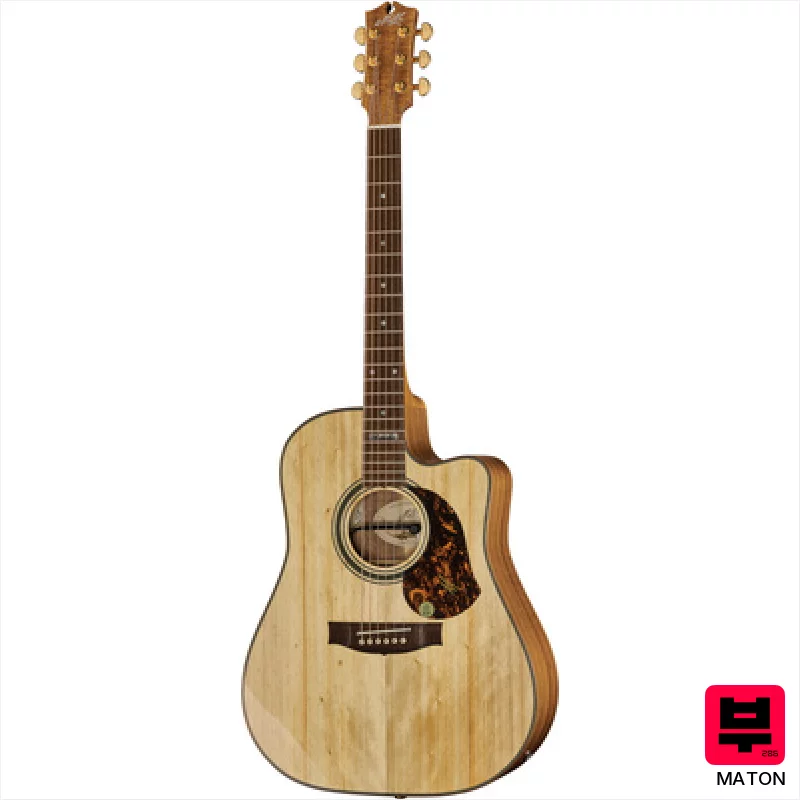
Maton EA80C
- • Solid Bunya top delivers exceptional warmth and projection
- • Blackwood back/sides enhance sustain and tonal complexity
- • AP5 Pro pickup system offers natural amplified tone and feedback resistance
- • Golden Grover Rotomatic tuners provide precise and stable tuning
- • High-gloss finish can be prone to fingerprints and smudging
- • AA blackwood back/sides add to the premium price point
- • Desert Acacia fingerboard may not be preferred by all players
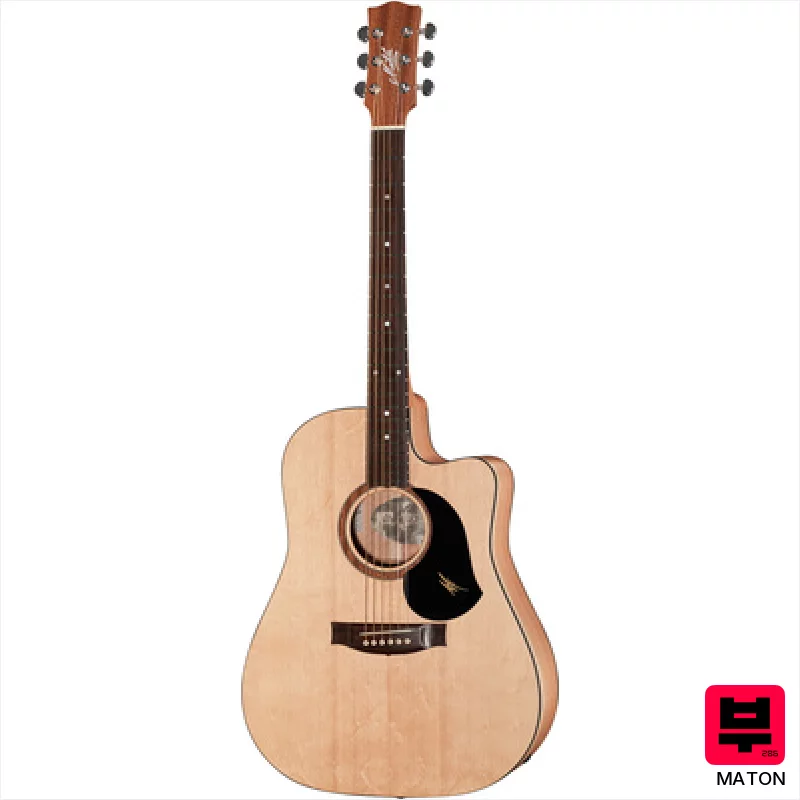
Maton SRS60C w/ Case
- • Solid Queensland Maple back/sides deliver a warm, focused, and resonant tone.
- • Maton AP5 pickup system provides a natural amplified sound, surprisingly clear.
- • Streaky Ebony fingerboard offers a smooth, fast playing experience and excellent note definition.
- • Solid Sitka spruce top provides projection and a balanced tonal response across the spectrum.
- • Queensland Maple can sometimes lack the overt 'sparkle' of some other tonewoods.
- • The matte finish, while aesthetically pleasing, can be more prone to fingerprints.
- • The dreadnought body might be a bit large for smaller players or those preferring comfort.
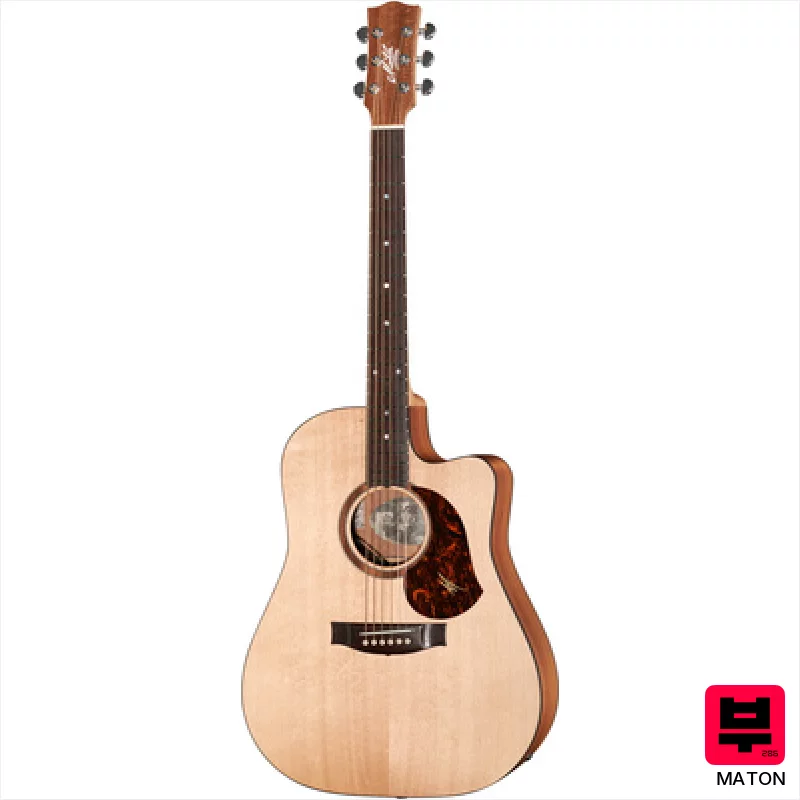
Maton SRS70C w/ Case
- • Solid Tasmanian blackwood delivers a rich, complex, and resonant low-end.
- • Sitka spruce top provides excellent projection and clarity across the tonal spectrum.
- • Maton AP5 Pro system offers a natural amplified tone with useful EQ controls.
- • Queensland maple neck provides stability and a comfortable, responsive playing feel.
- • Blackwood can be a denser wood, potentially making it slightly heavier than some alternatives.
- • The natural satin finish, while beautiful, may require more careful handling to prevent scratches.
- • While versatile, the dreadnought body shape might not be ideal for smaller players or fingerstyle work.
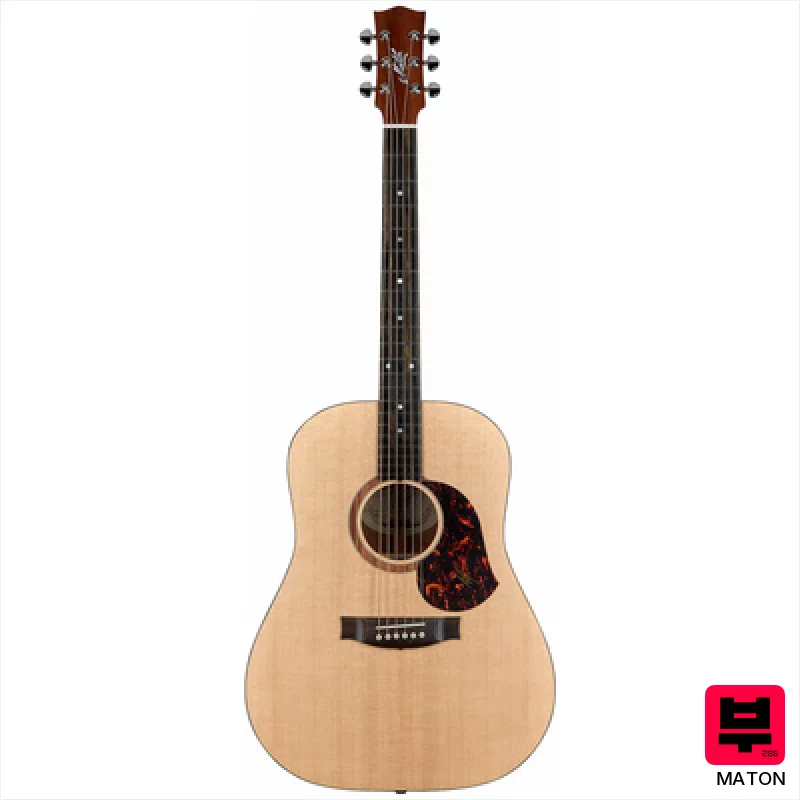
Maton S70 Solid Road Series
- • Solid Tasmanian blackwood back/sides deliver exceptional warmth and sustain.
- • A-grade spruce top provides clarity and responsiveness across the tonal spectrum.
- • Queensland maple neck ensures stability and comfortable playability with a smooth feel.
- • Ebony fingerboard offers a slick, articulate playing surface for precise intonation.
- • Matte finish, while aesthetically pleasing, can be prone to fingerprints and smudges.
- • Dreadnought body might be slightly unwieldy for smaller players or travel.
- • Limited electronics options; lacks onboard amplification for stage performance.
Dreadnought Acoustic Guitars by the numbers
Measured across all 522 models in this category, so «wide», «short» or «expensive» mean something you can check.
How to Choose the Best Dreadnought Acoustic Guitars
Tone
Matons often have a warmer, more rounded low-end than you'd expect from a dreadnought, paired with a uniquely creamy midrange. It's not a scooped sound, but a fullness that adds body without muddiness - great for recording vocals or laying down a rhythm foundation. The high end isn't overly bright; it's more of a polished shimmer rather than a brittle attack.
Australian Timber
Maton's use of Queensland Maple, often for the back and sides, is a key differentiator. It imparts a unique harmonic complexity that's different from mahogany or rosewood. You'll notice a distinct 'bloom' in the sustain, a kind of lingering resonance that adds depth.
Neck Profile
The neck profiles tend to be comfortable, often falling somewhere between a slim C and a comfortable D shape. This makes them accessible for players with varying hand sizes and playing styles, though some might find them slightly thicker than the ultra-thin necks you see on some modern guitars.
Bracing Patterns
Maton's bracing contributes to their overall responsiveness. They've refined their bracing over decades to maximize volume and projection without sacrificing tonal complexity. It's a delicate balance that allows for dynamic playing - quiet fingerpicking to full-on strumming - without the guitar sounding strained.
Build Quality
The fit and finish are generally excellent. You're getting a well-made instrument, though the finish can sometimes be a little less glossy than some American-made guitars - which, honestly, isn't a bad thing. It contributes to the instrument's overall feel and resonance.
Buying Guide
Don't expect a super-aggressive, cutting tone. Matons are about warmth and fullness, which might not be what you want for a bluegrass flatpicking monster. Pay attention to the specific wood combinations - Queensland Maple is the signature, but other timbers will subtly alter the character. And yes, they're pricier than a lot of entry-level dreadnoughts, but you're paying for that unique timber and the decades of Maton's craftsmanship.
How This List Is Built
We don't play these instruments — we're a catalog, not a review desk, and we'd rather say so than pretend otherwise. This page covers 8 of 522 dreadnought acoustic guitars from the Thomann catalogue, which is the largest single source of specification data in this category: 8 in detail, the rest listed with their specifications.
Position is computed, not curated. We parse the manufacturer's own description into actual values — nut width, scale, fret count, fingerboard radius, size, alloy — and rank on them: how many specifications a model has published, how many of them are measurable numbers, and how precisely it meets this page's criterion. A product image adds a little. Price is not a ranking signal: it tells you nothing about whether a neck fits your hand. The same inputs always produce the same order, so nothing here is shuffled to look fresh.
What this list is good for: narrowing a category down to a shortlist by spec and budget. What it isn't: a substitute for hearing an instrument. Before you buy, read hands-on reviews and, where you can, play it. Full methodology.

