AudioFu
AudioFu Chart · October 2026
Best Edgar Russ - Sound of Cremona Acoustic Violins 2026
The top pick is Edgar Russ - Sound of Cremona Scala Perfetta Violin Guarneri ($4,583). Edgar Russ - Sound of Cremona Edgar Russ Cremonese 1715 leads the high end. Ranked by the AudioFu Index from 9 models, prices checked every night.
Last updated: October 11, 2026
Top 9
Full detail for the 9 highest AudioFu Index scores. Every other model is listed below.
-
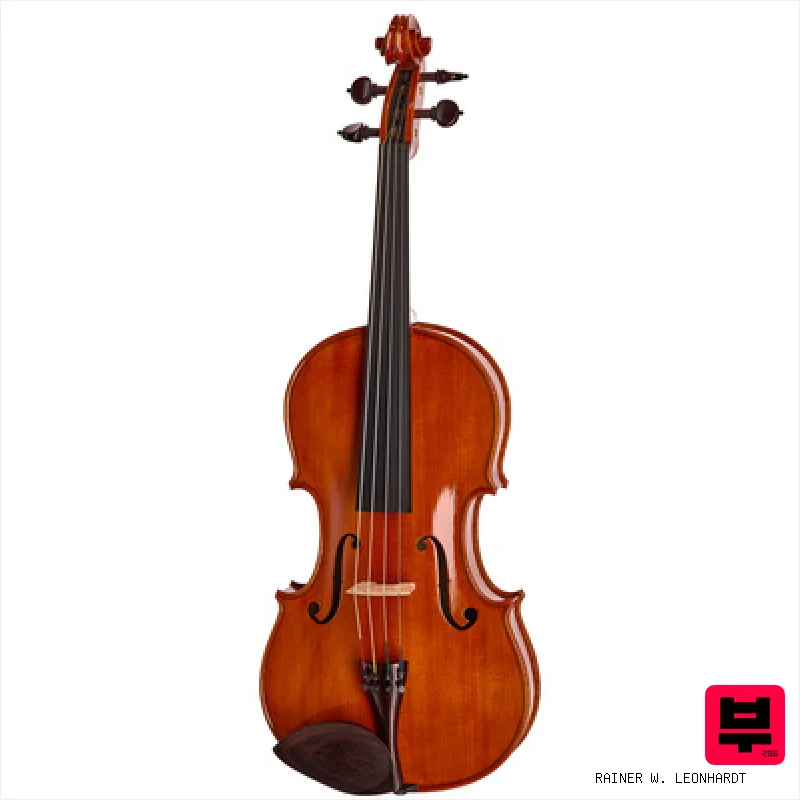
Edgar Russ - Sound of Cremona Scala Perfetta Violin Guarneri
Not on Reverb yet1 finish at Thomann
- Size4/4 size
This Edgar Russ Scala Perfetta Guarneri is a beautifully crafted instrument, perfect for intermediate to advanced players seeking a powerful, historically-inspired tone without the environmental impact of tropical hardwoods. The construction prioritizes sustainability, while still delivering a very respectable playing experience—it’s a solid choice for those wanting a reliable, quality violin.
Pros
- Solid spruce top delivers a warm, responsive, and projecting tone.
- Blackwood fingerboard provides a familiar ebony-like feel and tonal character.
- Guarneri model offers a historically inspired, powerful sound profile.
Cons
- The blackwood fingerboard, while functional, might lack the subtle nuances of true ebony.
- While well-made, the entirely non-tropical wood construction may not match the complexity of traditional instruments.
40AudioFu
IndexStableno change since Aug 14Aug 14$4,583 now$4,583€4,090 at Thomann · in stockCheck price ↗ -
Edgar Russ - Sound of Cremona Linea Mauro Macchi Violin Str.
Not on Reverb yet1 finish at Thomann
- Size4/4 size
This Edgar Russ Linea Mauro Macchi is a beautifully crafted violin from a renowned workshop. It’s a Stradivari-inspired instrument with a focus on sustainable materials – the blackwood is a clever alternative to ebony. This would be a fantastic choice for a serious student or professional looking for a rich, traditional sound and a commitment to ethical production.
Pros
- Blackwood components offer a warm, resonant tone comparable to ebony.
- Solid spruce top delivers excellent projection and clarity across the spectrum.
- Cremona workshop craftsmanship ensures meticulous construction and tonal refinement.
Cons
- The blackwood, while excellent, may not have the exact same feel as true ebony.
- Premium-priced, placing it beyond the reach of many aspiring players.
40AudioFu
IndexStableno change since Aug 14Aug 14$10,522 now$10,522€9,390 at Thomann · in stockCheck price ↗ -
Edgar Russ - Sound of Cremona Linea Mauro Macchi Violin Gua.
Not on Reverb yet1 finish at Thomann
- Size4/4 size
This Edgar Russ is a beautifully crafted violin, clearly aiming for a serious tone and sustainable construction. The Guarneri model gives it a mature, powerful voice that will really sing in a skilled player's hands. It's ideal for experienced students or professionals looking for a high-quality, ethically sourced instrument.
Pros
- Blackwood fittings offer a sustainable, beautiful alternative to traditional ebony.
- Solid spruce top delivers a responsive, clear, and focused tone with good projection.
- Cremona workshop craftsmanship ensures exceptional build quality and attention to detail.
Cons
- The blackwood, while sustainable, might lack the density of aged ebony for some players.
- Premium-priced, making it a significant investment for many aspiring musicians.
40AudioFu
IndexStableno change since Aug 14Aug 14$10,522 now$10,522€9,390 at Thomann · in stockCheck price ↗ -
Edgar Russ - Sound of Cremona Scala Perfetta Violin Strad.
Not on Reverb yet1 finish at Thomann
- Size4/4 size
This Edgar Russ Scala Perfetta is a beautifully made instrument from a respected workshop. It's a refined violin, ideal for serious intermediate to advanced players seeking a traditional, European sound and a commitment to sustainable materials. Expect a mature, focused tone with excellent projection – a real step up for someone looking to invest in a quality instrument.
Pros
- Blackwood fingerboard offers a unique, sustainable alternative to ebony.
- Solid spruce top delivers a responsive, clear, and focused tone.
- Cremona workshop craftsmanship ensures exceptional build quality and tonal maturity.
Cons
- The blackwood fingerboard might require slight adjustment for some players’ preferences.
- Premium-priced, placing it outside the reach of many student or casual players.
38AudioFu
Index↑ 4.9%since Aug 14$4,583 · Aug 14$4,807 now$4,807€4,290 at Thomann · in stockCheck price ↗ -
Edgar Russ - Sound of Cremona Linea Mauro Macchi Testore
Not on Reverb yet1 finish at Thomann
This Edgar Russ Sound of Cremona is a seriously beautiful instrument, built with reverence for the Testore lineage. It’s got a rich, complex voice with excellent projection – ideal for the experienced player seeking a traditional, nuanced tone. This violin sings with a maturity you often only find in much older instruments.
Pros
- Exceptional projection and warmth thanks to the aged spruce top
- Bogaro fittings provide a refined aesthetic and smooth action
- Solid flamed maple back offers rich tonal complexity and responsiveness
Cons
- Premium-priced, representing a significant investment for most players
- The Testore model's darker tone may not suit all playing styles or genres
33AudioFu
IndexStableno change since Aug 14Aug 14$8,954 now$8,954€7,990 at Thomann · in stockCheck price ↗ -
Edgar Russ - Sound of Cremona Marco Dotti Strad. The Betts
Not on Reverb yet1 finish at Thomann
This is a serious instrument, folks. Marco Dotti's work under Edgar Russ's guidance has produced a violin that genuinely evokes the spirit of Stradivarius, with a depth of tone and responsiveness you rarely find. It’s perfect for the advanced student or professional seeking a historically informed, beautifully crafted violin.
Pros
- Spalted hazel spruce top delivers exceptional responsiveness and clarity across registers.
- Bosnian sycamore maple back provides warmth and projection, a truly resonant combination.
- Marco Dotti’s hand-craftsmanship ensures meticulous detail and superior tonal complexity.
Cons
- The traditional Cremonese varnish, while beautiful, can be fragile and requires careful handling.
- The instrument's tonal characteristics lean towards a more classical profile; less suited for modern styles.
33AudioFu
IndexStableno change since Aug 14Aug 14$17,818 now$17,818€15,900 at Thomann · in stockCheck price ↗ -
Edgar Russ - Sound of Cremona Edgar Russ Ysaye Guarneri 1740
Not on Reverb yet1 finish at Thomann
This Ysaye Guarneri 1740 from Edgar Russ is a truly special instrument – a testament to old-world craftsmanship. It delivers a powerful, focused, and beautifully complex tone, ideal for seasoned professionals and serious students seeking a historically informed sound. Expect a dark, resonant voice with incredible sustain and responsiveness.
Pros
- Russ's Cremona workshop guarantees exceptional craftsmanship and tonal maturity.
- Val di Fiemme spruce top yields a remarkably responsive and nuanced sound.
- Bosnian maple back offers rich, warm tones with excellent projection.
Cons
- The premium-priced nature makes it inaccessible for most aspiring musicians.
- The traditional varnish can be sensitive to modern cleaning methods.
33AudioFu
IndexStableno change since Aug 14Aug 14$41,462 now$41,462€37,000 at Thomann · in stockCheck price ↗ -
Edgar Russ - Sound of Cremona Marco Dotti ex David - Heifetz
Not on Reverb yet1 finish at Thomann
This is a serious instrument, built in the Cremonese tradition with exceptionally chosen woods. The lineage – inspired by Guarneri, previously played by David and Heifetz – lends it a certain gravitas, and Marco Dotti’s work is clearly top-tier. It’s perfect for the seasoned professional or dedicated student seeking a truly exceptional violin with a warm, responsive voice.
Pros
- Exceptional Italian spalted spruce top yields remarkable projection.
- Bosnian sycamore maple back provides warmth and complex overtones.
- Casein primer and Russ's amber/linseed lacquer create stunning tonal depth.
Cons
- Premium-priced, representing a significant investment for most musicians.
- Spalted hazel spruce can be prone to cracking if humidity isn't carefully managed.
27AudioFu
Index↑ 12.6%since Aug 14$17,818 · Aug 14$20,059 now$20,059€17,900 at Thomann · in stockCheck price ↗ -
Edgar Russ - Sound of Cremona Edgar Russ Cremonese 1715
Not on Reverb yet1 finish at Thomann
This is a serious instrument for the dedicated, experienced violinist. Edgar Russ's meticulous recreation of a Stradivari model offers a depth of tone and craftsmanship rarely found, capturing the essence of the Cremonese school. It's an investment piece, truly, designed for the concert hall and discerning collector.
Pros
- Hand-crafted by Edgar Russ himself ensures exceptional build quality and tonal nuance.
- Val di Fiemme spruce top delivers a remarkably responsive and clear upper register.
- Careful aging of the wood (20+ years) contributes to a mature, complex tone.
Cons
- The premium-priced nature makes it inaccessible to many aspiring musicians.
- The traditional construction limits amplification options for modern performance needs.
25AudioFu
Index↑ 18.9%since Aug 14$41,462 · Aug 14$49,306 now$49,306€44,000 at Thomann · in stockCheck price ↗
Acoustic Violins by the numbers
Measured across all 247 models we track, not a sample.
Median $10,522 — half of all acoustic violins here cost less.
most common · 216 models
median of 5 models · 1.15 kg–2 kg
most common · 9 models
How to choose the best acoustic violins
Heritage & Construction
Edgar Russ aims to emulate the Cremonese tradition, utilizing seasoned European woods (often spruce and maple) and hand-carved tops. The details aren't always identical to a Strad or Guarneri, but the intent is clear - a solid foundation for tonal complexity.
Tone Characteristics
Expect a warm, resonant tone with a noticeable fundamental. They're not overly bright or sparkly; the emphasis is on a full, 'woody' character with a pleasing sustain. The low-end thump is present without being muddy, and the higher register avoids that ice-picky harshness you sometimes find in modern instruments. It's a tone that's inherently musical.
Playability & Neck Profile
The neck profiles are generally comfortable, designed for a range of playing styles. The action is usually set reasonably low from the factory, though a setup is always recommended for optimal performance. Good playability is key for getting the most out of any violin's tonal potential.
Build Quality & Varnish
While not museum-grade, the build quality is generally very good for the price point. The varnish is a key factor - it's not just cosmetic; it affects the instrument's responsiveness and projection. Edgar Russ's varnish aims for a traditional look and feel, allowing the wood to breathe.
Value Proposition
This is where they really shine. You're getting a violin with a considerable amount of traditional craftsmanship and tonal character for a price that's significantly lower than a truly antique Cremonese instrument or even some contemporary handcrafted violins. It's a sweet spot for serious students and gigging musicians.
Buying guide
Alright, let's talk Edgar Russ Sound Of Cremona violins. You're serious about your tone, you're tired of instruments that feel like a compromise - I get it. These aren't your pawn shop specials; they're built with a lineage tracing back to traditional Cremonese craftsmanship, aiming for that old-world vibe without breaking the bank completely. If you're chasing a warm, responsive instrument that can handle everything from Bach to bluegrass, keep reading.
Don't expect perfection - these are mass-produced instruments, not one-offs from a master luthier. The wood grain can vary, and the varnish might have minor imperfections. A professional setup is absolutely essential to optimize the action and intonation.
If you're a beginner, a slightly lower model might suffice, but experienced players will appreciate the higher-end models with more figured wood and refined varnish.
How the AudioFu Index works
Five measured signals and nothing else — no stars from strangers, no “tested by experts” we didn’t do. The weights are fixed and public. We don’t play these instruments; we measure the market around them.
This chart covers 9 acoustic violins from the Thomann catalogue (of 247 in the category). Before you buy, read hands-on reviews and, where you can, play it. Full methodology.
AudioFu earns a commission when you buy through our Thomann links. It never changes the order — the index does.
- Demand40%
How many of this exact model are for sale on Reverb right now — what musicians actually buy and resell.
- Lineup20%
How many finishes Thomann stocks — makers expand the models that sell.
- Price15%
Where the price has moved since we started tracking in August.
- Specs15%
How completely the maker documents it.
- Maker10%
How deep the brand’s range is in this category.
Questions
Are Edgar Russ violins truly 'Cremonese'?
They're inspired by Cremonese design and construction, using traditional techniques and European woods, but they aren't made in Cremona. Think of it as a respectful homage, not a direct replica.
What's the difference between the various Edgar Russ models?
Generally, higher-numbered models feature more figured wood, a thicker (and often more resonant) top, and a more refined varnish. They also tend to have slightly better bracing, contributing to improved projection and sustain.
Do I need to get a setup?
Absolutely. No matter which model you choose, a professional setup is crucial. This includes adjusting the bridge, soundpost, and action to optimize playability and tone.
Are these violins suitable for recording?
Yes, definitely. Their warm, balanced tone translates well to microphones, and they're versatile enough for a wide range of genres. A good preamp and mic are still essential, of course.
What about pickups? Can I amplify these?
Sure, they can be fitted with a pickup. The voicing of the pickup will dramatically affect the amplified tone - a piezo will sound very different than a magnetic or condenser. Finding a pickup that complements the violin's natural sound is key.