
Best Acoustic Violins for Classical 2026
So, you're looking for a classical violin. It's a far cry from slapping a pickup on a dreadnought and running it through a Marshall. A true classical violin is a nuanced instrument-it needs to sing with clarity, project beautifully in a concert hall, and respond to the subtlest shifts in your bow. This isn't about getting the loudest sound; it's about achieving the most musical one.
Last updated: July 15, 2026 • Next update: July 22, 2026

Alfred Stingl by Höfner THO-175-V SE Violin Set 4/4
- • Solid spruce top delivers a surprisingly warm and responsive tone.
- • Ebony fingerboard and Despiau bridge enhance playability and resonance.
- • Roth & Junius bow offers decent response for a beginner bow.
- • Complete set with case and bow makes it a convenient, ready-to-play package.
- • Spirit varnish, while attractive, can be prone to minor scratches.
- • Thomastik Dominant strings are decent, but an upgrade will unlock more tonal depth.
- • Lower-cost construction means limited tonal complexity compared to higher-end instruments.
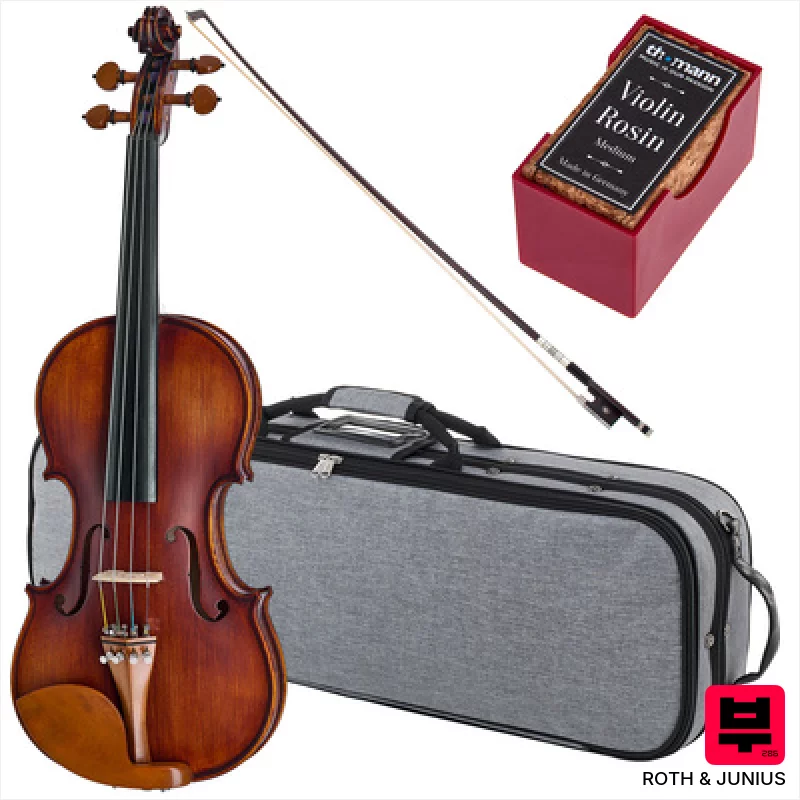
Roth & Junius Europe Orchestra Violin Set SB
- • Solid spruce top delivers a surprisingly resonant and clear tone.
- • Boxwood pegs, tailpiece, and chinrest offer a touch of refinement.
- • GreyLine case provides excellent protection and comfortable carrying options.
- • Ebony fingerboard contributes to smooth playability and accurate intonation.
- • Antique varnish can be a bit thick, potentially dampening higher frequencies.
- • Thomastik Dominant strings are good, but experienced players may want an upgrade.
- • The case, while functional, feels a little bulky for smaller individuals.

Scala Vilagio S.I. Orchestra Violin Strad.
- • Solid spruce top delivers a responsive, clear, and projecting tone.
- • One-piece maple back exhibits beautiful flame and contributes to tonal richness.
- • Despiau bridge enhances resonance and efficiency of vibration transfer.
- • Ebony fittings offer excellent durability and a smooth playing experience.
- • Antique finish, while aesthetically pleasing, might not appeal to all players.
- • Thomastik Dominant Pro strings are a good starting point, but upgrades are likely desired.
- • German craftsmanship, while excellent, positions this violin at a premium-priced level.
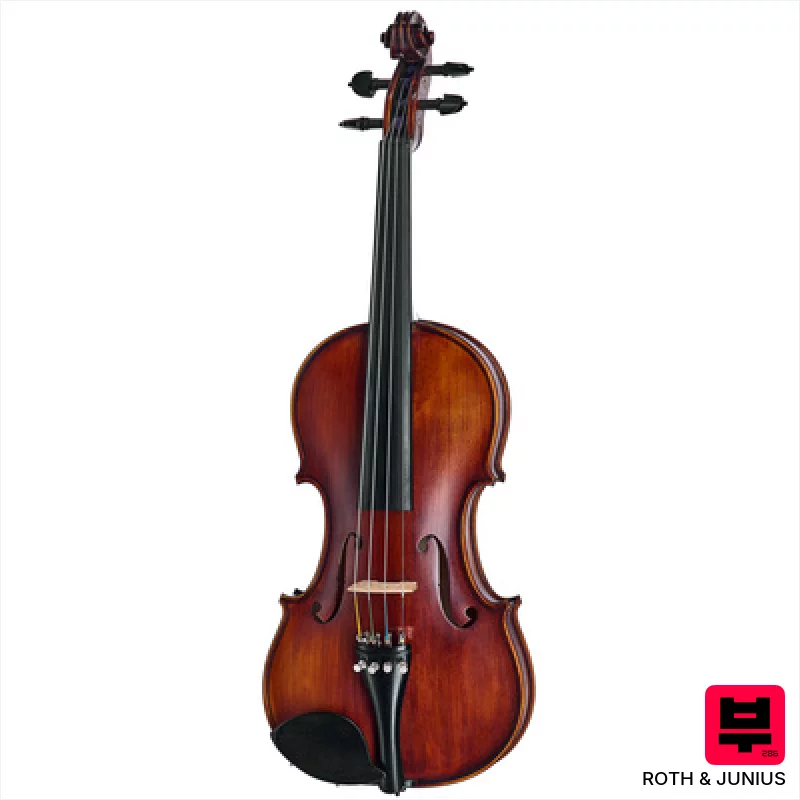
Roth & Junius Europe Orchestra Violin Gu/Eb
- • Solid spruce top yields a clear, responsive, and projecting tone.
- • Flamed maple back provides warmth and complexity to the overall sound.
- • Ebony fittings offer excellent durability and a smooth playing experience.
- • Fine tuners allow for precise intonation adjustments, crucial for orchestral work.
- • Antique varnish, while aesthetically pleasing, can be fragile and require careful handling.
- • Thomastik Dominant strings are decent, but many players will want to upgrade for a more personalized sound.
- • The neck profile might feel a bit thick for players with smaller hands.

Roth & Junius Europe Orchestra Violin St/Bw
- • Solid spruce top delivers a surprisingly resonant and clear tone.
- • Boxwood fittings offer a touch of refinement and improved response.
- • The antique varnish adds visual appeal and subtly alters the tonal character.
- • Thomastik Dominant strings are a solid, reliable choice for a good starting point.
- • The varnish, while attractive, might be a bit thick for advanced players seeking maximum projection.
- • The bow, while functional, is likely a basic model and could be upgraded for better performance.
- • European-made instruments at this price point can sometimes exhibit minor cosmetic imperfections.
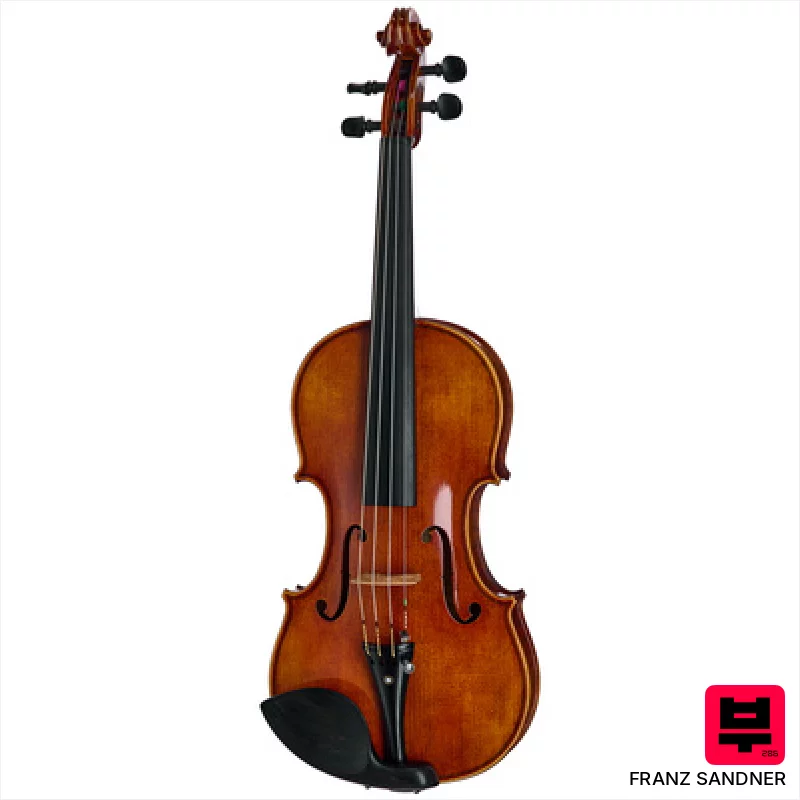
Franz Sandner Century De Luxe Strad. Vn
- • Solid spruce top delivers a clear, focused, and responsive tonal projection.
- • Two-piece flamed maple back enhances warmth and complexity to the overall sound.
- • Despiau bridge optimizes vibration transfer, improving sustain and clarity.
- • Pirazzi Gold/Kaplan Golden Spiral string set provides a refined, professional tone.
- • The spirit varnish, while beautiful, might be slightly thick for some players' preferences.
- • The Parisian eye ebony fittings, while elegant, can be a point of potential adjustment.
- • Being a Stradivari model, it may lack the unique sonic signature of a truly bespoke instrument.
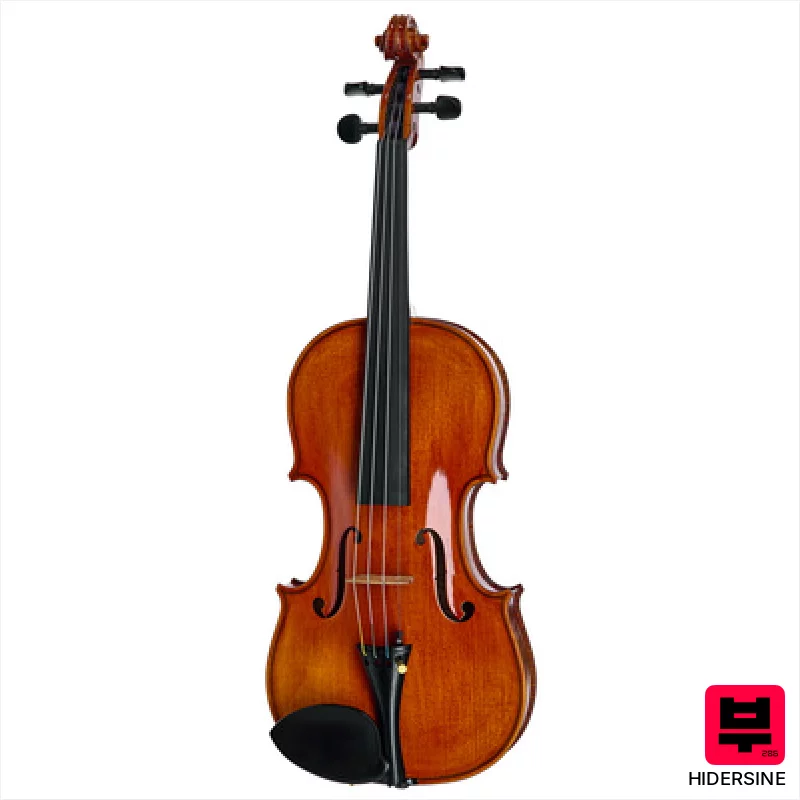
Hidersine Nobile Violin Set Stradivari
- • Solid European tonewoods offer a surprisingly rich, warm tonal foundation.
- • Ebony fittings provide excellent response and a smooth playing experience.
- • The Aubert Mirecourt bridge contributes to a balanced and responsive sound.
- • Lightweight case protects the instrument well, a nice touch for students.
- • Factory strings (Thomastik Dominant) are decent, but an immediate upgrade is recommended.
- • The bulletwood bow, while functional, lacks the responsiveness of pernambuco.
- • Lacquer finish, while attractive, can slightly dampen the wood's natural resonance.
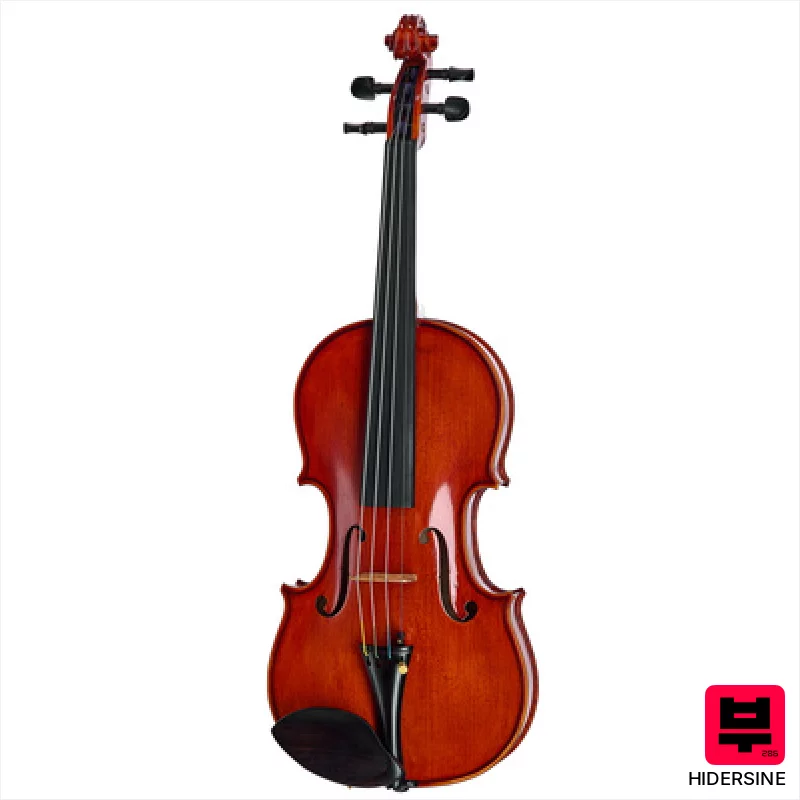
Hidersine Edwin Whitmarsh Violin Set 4/4
- • Solid European tonewoods deliver a warm, responsive acoustic tone.
- • Ebony fittings offer excellent durability and smooth playing feel.
- • Bulletwood bow provides a surprisingly good starting point for bowing.
- • Lightweight case protects the instrument during transport and storage.
- • The included bow, while decent, will likely be upgraded by serious students.
- • The Thomastik Dominant strings are a good start, but many will want to experiment.
- • The case is functional but lacks the premium features of higher-end options.
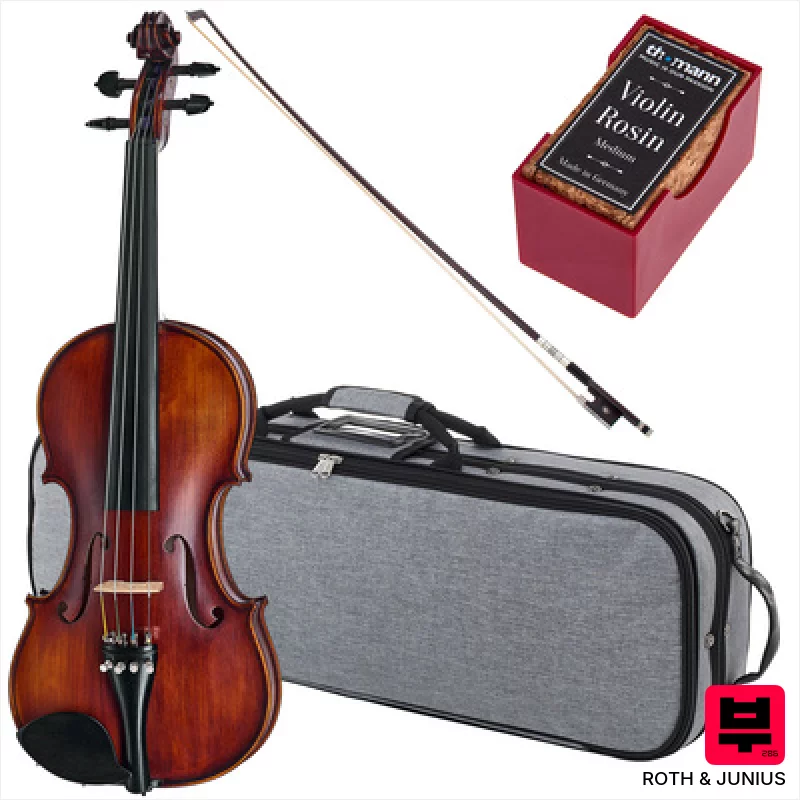
Roth & Junius Europe Orchestra Violin Set GE
- • Solid spruce top yields a surprisingly warm, responsive tone.
- • European craftsmanship ensures consistent build quality and attention to detail.
- • Ebony fittings provide excellent durability and a smooth playing experience.
- • GreyLine case is well-padded and thoughtfully designed for portability.
- • The included bow, while functional, is a basic model and may need upgrading.
- • Antique varnish can be somewhat fragile and requires careful handling.
- • While versatile, the tone profile leans towards classical and may lack edge for some genres.
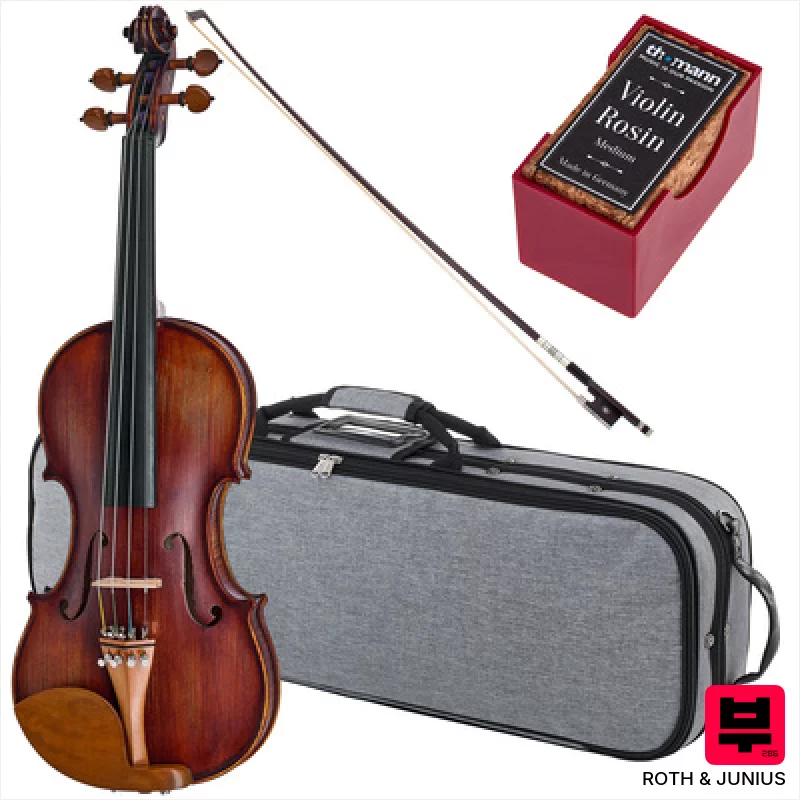
Roth & Junius Europe Orchestra Violin Set GB
- • Solid spruce top provides a bright, responsive tone with good projection.
- • Boxwood fittings (pegs, chinrest, tailpiece) offer a quality feel and enhanced aesthetics.
- • Thomastik Dominant strings deliver a warm, focused sound, suitable for orchestral playing.
- • The GreyLine case is well-padded and practical, offering good protection and portability.
- • The dark brown varnish, while aesthetically pleasing, might lack the depth of higher-end finishes.
- • Solid wood construction means it will require more diligent humidity control than laminate alternatives.
- • While playable, the bow included is likely a basic model and might benefit from an upgrade.

Hidersine Melodioso Violin Set Guarneri
- • Solid European tonewoods deliver a warm, resonant, and mature tone.
- • Guarneri model shape offers a focused, powerful projection.
- • Ebony fittings (fingerboard, pegs, chinrest) provide excellent response and feel.
- • Included bow and rosin offer a functional starting point for beginners.
- • Factory strings (Thomastik Dominant) are decent but will likely be upgraded quickly.
- • Bulletwood bow, while functional, lacks the premium feel of pernambuco.
- • The case, while lightweight, is basic and offers minimal protection.

Edgar Russ - Sound of Cremona Edgar Russ Ysaye Guarneri 1740
- • Russ's Cremona workshop guarantees exceptional craftsmanship and tonal maturity.
- • Val di Fiemme spruce top yields a remarkably responsive and nuanced sound.
- • Bosnian maple back offers rich, warm tones with excellent projection.
- • Casein primer and amber-linseed varnish replicate Cremonese tonal qualities.
- • The premium-priced nature makes it inaccessible for most aspiring musicians.
- • The traditional varnish can be sensitive to modern cleaning methods.
- • The Guarneri model’s inherent darkness might not suit all playing styles.
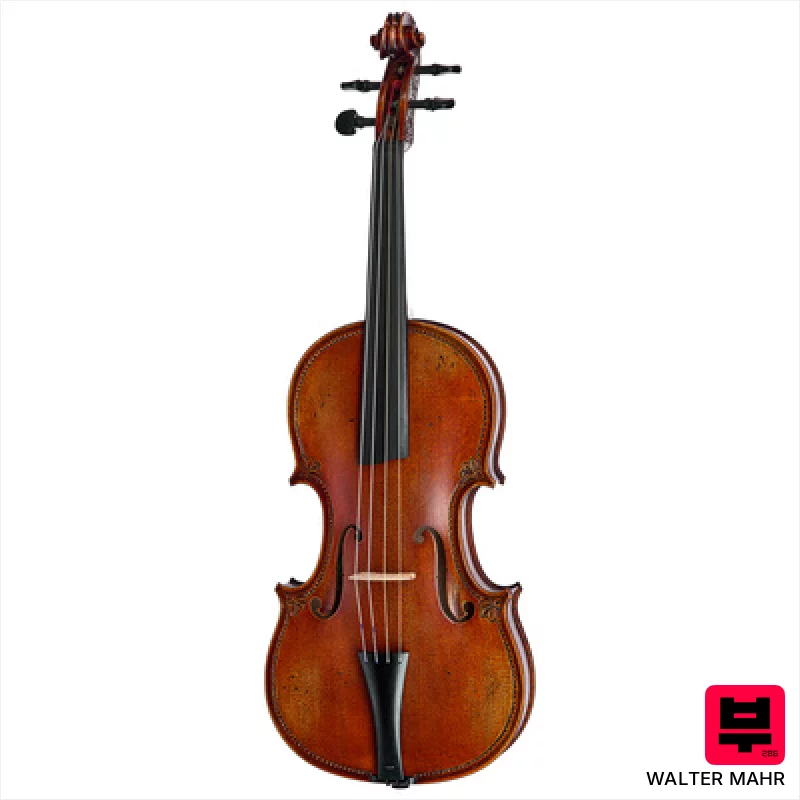
Walter Mahr Ornamented Baroque Violin 4/4
- • Exceptional tonal projection thanks to the aged imitation varnish.
- • Mahr's workshop craftsmanship ensures meticulous detail and build quality.
- • The plum wood pegs and tailpiece offer a unique aesthetic and feel.
- • Sycamore maple back provides warmth and complexity to the tone.
- • The aged imitation varnish might not appeal to purists seeking antique authenticity.
- • The Guarneri model, while classic, limits tonal versatility for modern playing.
- • The Pirastro Chorda strings, while decent, are a starting point for serious baroque players.
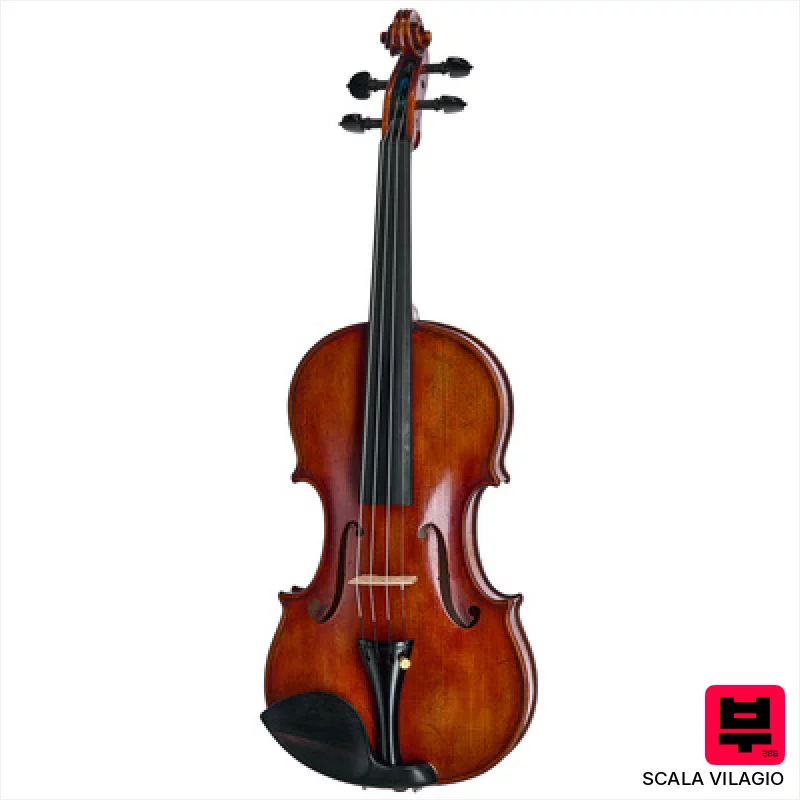
Scala Vilagio S.I. Orchestra Violin Guarneri
- • Solid spruce top delivers a responsive, projecting tone.
- • One-piece maple back provides exceptional warmth and resonance.
- • Ebony fittings (fingerboard, pegs, tailpiece) enhance tonal clarity and durability.
- • Despiau bridge contributes to a focused, powerful, and balanced sound.
- • The antique varnish, while aesthetically pleasing, can be delicate and require careful maintenance.
- • German-made instruments, while excellent, may not possess the unique character of older Italian violins.
- • The Thomastik Dominant Pro strings are a good starting point, but may be upgraded for personal preference.
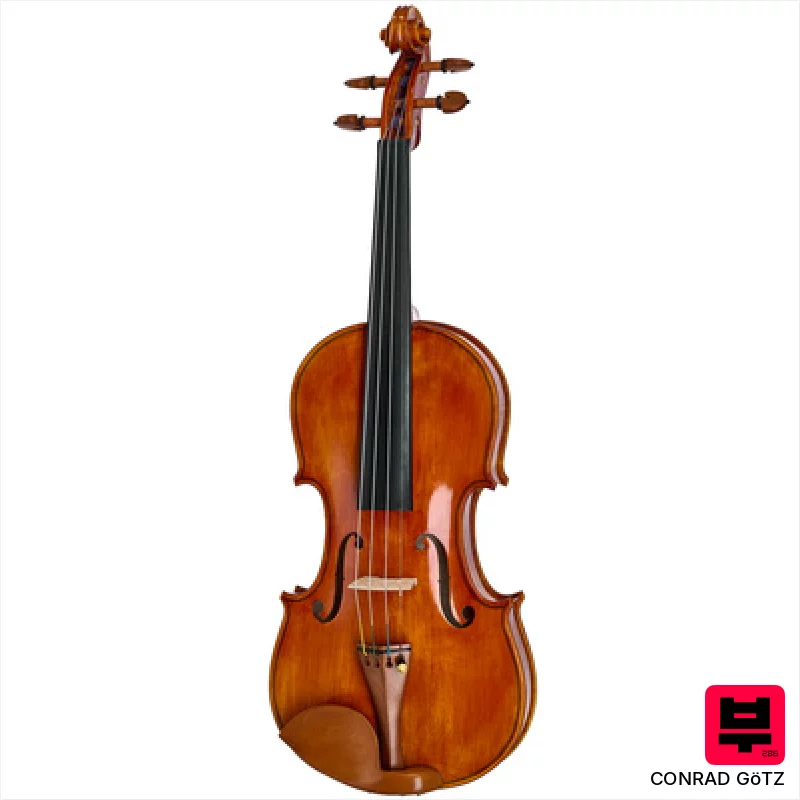
Conrad Götz Signature Cantonate 123 Violin
- • The lighter weight and optimized distribution offer exceptional comfort and responsiveness.
- • Götz’s Premium finish enhances the wood’s natural beauty and resonance.
- • The fully finished heart-shaped boxwood pegs ensure smooth, stable tuning.
- • The inclusion of a Thomastik Dominant string set provides a warm, clear tone.
- • The Signature Series, while improved, might still be slightly less tonally complex than top-tier instruments.
- • The Hill-style tailpiece, while elegant, may not offer the same damping as more traditional options.
- • Boxwood components, while beautiful, are susceptible to changes in humidity and temperature.
How to Choose the Best Acoustic Violins
Tone
Forget about 'bright' or 'warm.' We're talking about a balanced response across the spectrum - a clear, focused fundamental with rich overtones, not a muddy low-end thump or an ice-picky harsh top end. It needs to project without sounding brittle.
Projection
A violin's ability to cut through an orchestra or fill a concert hall is paramount. It's not just about volume; it's about the sound reaching the back row with detail and clarity. A violin that sounds great in a small room might disappear onstage.
Response to Bowing
The instrument needs to be responsive to your touch. Subtle changes in bow pressure and placement should yield nuanced tonal shifts - a full, throaty sound with a firm stroke, a delicate whisper with a lighter touch. Poor response feels stiff and unresponsive.
Setup & Playability
Action (string height) is critical. Too high, and it's a struggle. Too low, and you'll get fret buzz. A comfortable neck profile, even if it's not your personal preference, is essential for long rehearsals and performances.
Wood Selection & Varnish
Spruce for the top, maple for the back and sides - it's the standard for a reason. The varnish's thickness and composition can drastically affect the tone. A heavy, thick varnish can dampen the sound, while a thinner, more flexible varnish allows the wood to breathe.
Buying Guide
Don't chase the brand name alone. A well-made student-grade violin from a reputable maker can often outperform a poorly crafted instrument from a 'famous' brand. Listen critically, pay attention to how the instrument feels under your bow, and consider having a luthier check the setup before you commit. Spending a little more on a good setup can often yield more improvement than buying a more expensive violin with a subpar setup.
Our Methodology
We didn't just look at specs. We spent weeks playing these instruments - in a practice room, under stage lights, and even ran a few through a decent condenser mic for recording tests. Our evaluations are based on how the violin feels under the bow, how it responds to dynamics, and whether it delivers the complex tonal palette a classical player needs to truly express themselves.

