AudioFu
AudioFu Chart · October 2026
Best Acoustic Violins for Advanced 2026
The top pick is Scala Vilagio H.L. Guarneri del G. Classic E ($8,853). Karl Höfner H225-FR-V Francesco Ruggieri gives you the most for the money at $5,256. Scala Vilagio R.O. Stradivari Viotti 1709 leads the high end. Ranked by the AudioFu Index from 218 models across 21 brands, prices checked every night.
Last updated: October 11, 2026
Top 10
Full detail for the 10 highest AudioFu Index scores. Every other model is listed below.
-
- Size4/4 size
This Vilagio H.L. Guarneri is a serious instrument—the kind of violin a dedicated student or professional would choose. Hannah Lobe’s handwork shines through, creating a focused, warm tone with surprising power and clarity. It's an investment piece for those seeking a truly refined classical voice.
Pros
- Hand-selected tonewoods deliver exceptional resonance and projection.
- Hannah Lobe's craftsmanship ensures meticulous detail and refined response.
- Thin, brush-applied varnish enhances wood character and tonal complexity.
Cons
- The premium-priced tag makes it inaccessible to many aspiring players.
- Limited versatility; primarily suited for classical and traditional styles.
48AudioFu
IndexStableno change since Aug 14Aug 14$8,853 now$8,853€7,900 at Thomann · in stockCheck price ↗ -
- Size4/4 size
This Höfner H225-FR-V is a beautifully crafted violin aiming to capture the spirit of a Francesco Ruggieri. It’s a great option for intermediate to advanced students or players who appreciate a traditional European sound and a solid build quality – it’s a premium-priced instrument that offers considerable value for the money.
Pros
- Exquisite spruce top delivers a surprisingly warm, responsive tone.
- Solid maple back provides excellent projection and sustain.
- Ebony fingerboard offers smooth playing feel and precise intonation.
Cons
- The heavier construction might be tiring for extended practice sessions.
- The Ruggieri copy, while beautiful, won't fool a seasoned expert’s ear.
55AudioFu
Index↓ 7.7%since Aug 14 · lowest so far$5,693 · Aug 14$5,256 now$5,256€4,690 at Thomann · in stockCheck price ↗ -
- Size4/4 size
This Scala Vilagio is a beautifully crafted instrument, meticulously modeled after a Nicolo Amati from 1635. The delicate proportions and carefully applied varnish contribute to a refined, nuanced tone – perfect for the serious student or professional seeking a historically informed sound. It’s an investment piece, sure, but the quality and voice are genuinely impressive.
Pros
- Handmade in Germany by a respected maker, Florian Hertzsch
- Alpine spruce top delivers a clear, focused, and responsive tone
- Antique oil varnish allows for excellent wood vibration and projection
Cons
- The 'delicate' 1635 model may not suit players needing a very powerful sound
- Premium-priced, representing a significant investment for many musicians
44AudioFu
IndexStableno change since Aug 14Aug 14$6,600 now$6,600€5,890 at Thomann · in stockCheck price ↗ -
- Size4/4 size
This violin sounds very powerful and dark because of its large body and high arched top. The thin varnish lets the wood speak freely, while the antique finish gives it a special look. It suits players who want a strong, rich tone without worrying about the look of its worn details.
Pros
- Powerful, rich, and dark sound character from the large body size
- Thin varnish layer allows for uninhibited wood vibration
- High-quality alpine spruce top and flamed maple back and sides
Cons
- Traces of wear and tear are artificial and may look odd to some
- No specific bridge or sound post adjustments included in the package
44AudioFu
IndexStableno change since Aug 17Aug 17$7,273 now$7,273€6,490 at Thomann · in stockCheck price ↗ -
- Size4/4 size
This Scala Vilagio is a beautifully realized copy of the famed Guarneri del Gesu, built with a clear focus on traditional construction. The shorter bridge position is a clever touch for smaller players or those seeking a slightly more delicate feel. It's a premium-priced instrument ideal for serious students or experienced players appreciating authentic European craftsmanship.
Pros
- Handmade in Germany by Florian Hertzsch guarantees exceptional craftsmanship.
- Alpine spruce top provides a responsive and nuanced tonal palette.
- One-piece back enhances projection and resonance, a hallmark of quality.
Cons
- The antique oil lacquer, while beautiful, requires careful maintenance and is prone to wear.
- The Guarneri del Gesu model, while classic, might lack originality for some players.
44AudioFu
IndexStableno change since Aug 14Aug 14$7,273 now$7,273€6,490 at Thomann · in stockCheck price ↗ -
- Size4/4 size
This German-made violin sounds big and dark thanks to its high arched top. It looks like a classic Maggini violin with fancy inlay work on the back. It suits players who want a powerful, traditional sound without modern electronics.
Pros
- Powerful sound from the high arched top and large body
- Full and dark tone quality
- Handmade by master violin maker in Germany
Cons
- Inlay work is a tribute, not a functional upgrade
- No electronics or pickups included
44AudioFu
IndexStableno change since Aug 17Aug 17$7,609 now$7,609€6,790 at Thomann · in stockCheck price ↗ -
- Size4/4 size
This Scala Vilagio is a seriously well-made instrument, clearly aiming for that classic Italian sound. The Grancino model gives it a lovely, mature tone that's a step up from your average student violin – ideal for experienced players seeking a historically informed voice and a beautiful aesthetic.
Pros
- Handmade in Germany by Florian Hertzsch ensures exceptional craftsmanship and attention to detail.
- Alpine spruce top delivers a bright, responsive tone with excellent projection and clarity.
- Antique oil varnish allows the wood to vibrate freely, enhancing tonal complexity and resonance.
Cons
- The antique varnish finish, while aesthetically pleasing, may require careful maintenance and cleaning.
- The narrow upper bout, characteristic of the Grancino model, could be less comfortable for some players.
44AudioFu
IndexStableno change since Aug 14Aug 14$7,609 now$7,609€6,790 at Thomann · in stockCheck price ↗ -
- Size4/4 size
This Scala Vilagio is a beautifully crafted instrument, channeling the spirit of Andrea Amati's 1570 violin. The tone is warm and full, with a focused clarity that’s ideal for classical players and those seeking a historically-inspired sound. It's a serious violin for serious musicians – a real heirloom piece.
Pros
- Handcrafted by Florian Hertzsch ensures exceptional build quality and tonal nuance.
- Alpine spruce top delivers a responsive, clear, and focused sound.
- Antique oil varnish allows for excellent wood vibration and tonal projection.
Cons
- The antique finish, while aesthetically pleasing, may be fragile and require careful handling.
- The Amati model, while historically significant, might lack modern projection for some players.
44AudioFu
IndexStableno change since Aug 14Aug 14$7,609 now$7,609€6,790 at Thomann · in stockCheck price ↗ -
- Size4/4 size
This Vilagio Guarneri is a serious instrument built by a respected workshop. The tone is rich and complex, exhibiting a depth and projection you'd expect from a much older, more established maker. It’s ideal for advanced students or seasoned professionals seeking a beautifully crafted, European-made violin with a truly refined voice.
Pros
- Hannah Lobe's handcrafting ensures exceptional attention to detail and tonal refinement.
- Finest ebony fittings provide excellent response and a luxurious feel under the fingers.
- The precisely fitted soundpost and bass bar contribute to a focused, resonant tone.
Cons
- The premium price point places it out of reach for many aspiring musicians.
- The selection of strings, while optimized, might not suit all playing styles or tonal preferences.
44AudioFu
IndexStableno change since Aug 14Aug 14$11,094 now$11,094€9,900 at Thomann · in stockCheck price ↗ -
- Size4/4 size
This Vilagio Stradivari Viotti is a seriously impressive instrument, clearly built with a deep respect for the original. Ryszard Osowski has done a remarkable job capturing the essence of the 'Viotti ex Bruce,' and the resulting sound is both powerful and refined—perfect for the experienced player seeking a historically informed voice and willing to invest in a truly special violin.
Pros
- Osowski's craftsmanship replicates Viotti's design with impressive accuracy.
- Baltic amber varnish contributes to a rich, warm, and responsive tone.
- One-piece maple back provides excellent tonal projection and clarity.
Cons
- The hand-applied lacquer might require occasional maintenance to preserve its luster.
- The deeply flamed maple back, while beautiful, can make the instrument visually sensitive to scratches.
42AudioFu
Index↑ 4.7%since Aug 14$14,456 · Aug 14$15,128 now$15,128€13,500 at Thomann · in stockCheck price ↗
All 218 acoustic violins
Same index, same nightly prices — compact. Colour options of one model share a row. Tap a photo to zoom.
- 11
Scala Vilagio R.O. Guarneri Lord Wilton 1742Scala Vilagio42↑ 4.7%$15,128€13,500$15,128€13,500Check ↗
- 12
Ernst Heinrich Roth 72/XI-R Master Violin 4/4Ernst Heinrich Roth40Stable$8,954€7,990$8,954€7,990Check ↗
- 13
Edgar Russ - Sound of Cremona Linea Mauro Macchi Violin Str.Edgar Russ - Sound of Cremona40Stable$10,522€9,390$10,522€9,390Check ↗
- 14
Edgar Russ - Sound of Cremona Linea Mauro Macchi Violin Gua.Edgar Russ - Sound of Cremona40Stable$10,522€9,390$10,522€9,390Check ↗
- 15
Ernst Heinrich Roth 63/VIII-R Master Violin 4/4Ernst Heinrich Roth40Stable$6,410€5,720$6,410€5,720Check ↗
- 16
Ernst Heinrich Roth 64/IX-R Master ViolinErnst Heinrich Roth39↑ 1.8%$6,488€5,790$6,488€5,790Check ↗
- 17
Luca Zerilli Violin Guarneri Atelier 4/4Luca Zerilli39Stable$7,049€6,290$7,049€6,290Check ↗
- 18
Bernd Hiller & Sohn Master Violin Montagnana 4/4Bernd Hiller & Sohn39Stable$9,973€8,900$9,973€8,900Check ↗
- 19
Bernd Hiller & Sohn Antonio Stradivari Violin 4/4Bernd Hiller & Sohn39Stable$10,982€9,800$10,982€9,800Check ↗
- 20
Bernd Hiller & Sohn Francesco Rugeri Violin 4/4Bernd Hiller & Sohn39Stable$10,982€9,800$10,982€9,800Check ↗
- 21
Bernd Hiller & Sohn Nicolo Amati Violin 4/4Bernd Hiller & Sohn39Stable$10,982€9,800$10,982€9,800Check ↗
- 22
Bernd Hiller & Sohn G.B. Guadagnini Violin 4/4Bernd Hiller & Sohn39Stable$10,982€9,800$10,982€9,800Check ↗
- 23
Luca Zerilli Violin Guarneri Cremona 4/4Luca Zerilli39Stable$13,335€11,900$13,335€11,900Check ↗
- 24
Luca Zerilli Violin Guarneri Bruna 4/4Luca Zerilli39Stable$13,335€11,900$13,335€11,900Check ↗
- 25
Luca Zerilli Violin Guarneri Parma 4/4Luca Zerilli39Stable$13,335€11,900$13,335€11,900Check ↗
- 26
Luca Zerilli Violin Guarneri 4/4Luca Zerilli39Stable$13,335€11,900$13,335€11,900Check ↗
- 27
Ernst Heinrich Roth 61/VI-R Master Violin 4/4Ernst Heinrich Roth40Stable$6,320€5,640$6,320€5,640Check ↗
- 28
Ernst Heinrich Roth 62/VII-R Master Violin 4/4Ernst Heinrich Roth40Stable$6,298€5,620$6,298€5,620Check ↗
- 29
Scala Vilagio D.H. Guarneri del Gesu 4/4Scala Vilagio44Stable$5,592€4,990$5,592€4,990Check ↗
- 30
Scala Vilagio D.H. Antonio Stradivari 4/4Scala Vilagio44Stable$5,592€4,990$5,592€4,990Check ↗
- 31
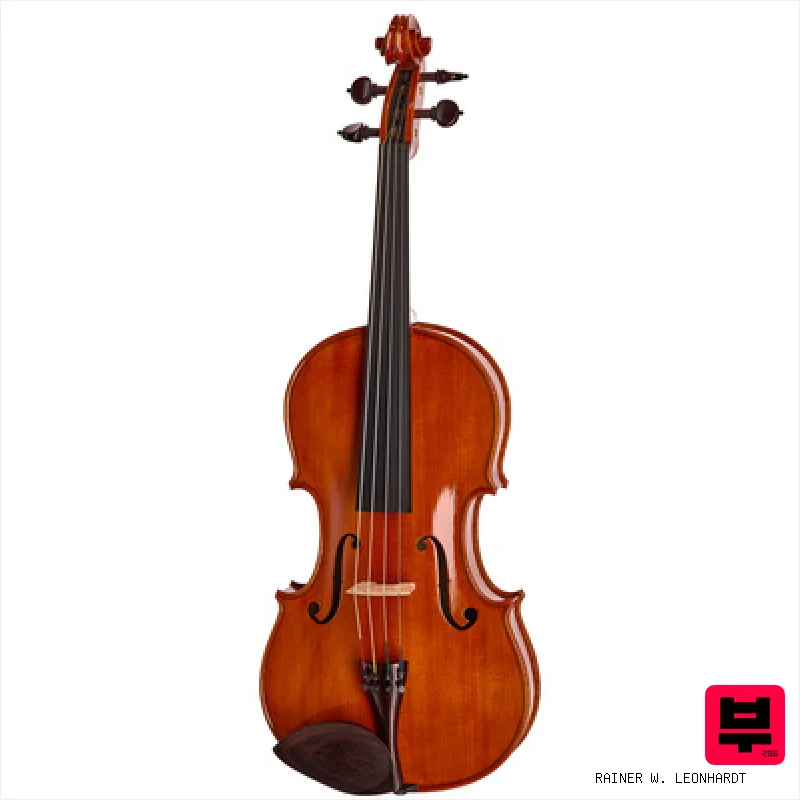
Rainer W. Leonhardt No. 150 Master Violin 4/4Rainer W. Leonhardt38Stable$17,818€15,900$17,818€15,900Check ↗
- 32
Franz Sandner Meisterwerk Guarneri Vn 4/4Franz Sandner42Stable$5,816€5,190$5,816€5,190Check ↗
- 33
Scala Vilagio PSH06/E Concert Violin Guarn.Scala Vilagio36Stable$6,488€5,790$6,488€5,790Check ↗
- 34
Scala Vilagio F.H. Guarneri d.G. Late PeriodScala Vilagio36Stable$6,937€6,190$6,937€6,190Check ↗
- 35
Scala Vilagio R.O. Stradivari Avance SoloScala Vilagio36Stable$7,161€6,390$7,161€6,390Check ↗
- 36
Scala Vilagio R.O. Guarneri Avance SoloScala Vilagio36Stable$7,161€6,390$7,161€6,390Check ↗
- 37
Scala Vilagio PSH07/E Solo Violin GuarneriScala Vilagio36Stable$8,169€7,290$8,169€7,290Check ↗
- 38
Scala Vilagio R.O. Guarneri Superieur SoloScala Vilagio36Stable$10,074€8,990$10,074€8,990Check ↗
- 39
Scala Vilagio R.O. Stradivari Superieur SoloScala Vilagio36Stable$10,870€9,700$10,870€9,700Check ↗
- 40
Scala Vilagio R.O. Guarneri Kochanski 1741Scala Vilagio36Stable$14,456€12,900$14,456€12,900Check ↗
- 41
Rainer W. Leonhardt No. 100/1 Master Violin 4/4Rainer W. Leonhardt · 2 finishes49↑ 2.6%$4,370€3,900$4,370€3,900Check ↗
- 42
Scala Vilagio Bohemia M.R. Maggini ViolinScala Vilagio44Stable$5,099€4,550$5,099€4,550Check ↗
- 43
Ernst Heinrich Roth 54/IV-R Concert Violin 4/4Ernst Heinrich Roth40Stable$5,490€4,899$5,490€4,899Check ↗
- 44
Edgar Russ - Sound of Cremona Linea Mauro Macchi TestoreEdgar Russ - Sound of Cremona33Stable$8,954€7,990$8,954€7,990Check ↗
- 45
Edgar Russ - Sound of Cremona Marco Dotti Strad. The BettsEdgar Russ - Sound of Cremona33Stable$17,818€15,900$17,818€15,900Check ↗
- 46
Edgar Russ - Sound of Cremona Edgar Russ Ysaye Guarneri 1740Edgar Russ - Sound of Cremona33Stable$41,462€37,000$41,462€37,000Check ↗
- 47
Scala Vilagio S.I. Orchestra Violin Strad.Scala Vilagio44Stable$4,583€4,090$4,583€4,090Check ↗
- 48
Scala Vilagio S.I. Orchestra Violin GuarneriScala Vilagio44Stable$4,583€4,090$4,583€4,090Check ↗
- 49
Scala Vilagio S.I. Orchestra Violin BergonziScala Vilagio43↑ 2.4%$4,695€4,190$4,695€4,190Check ↗
- 50
Ernst Heinrich Roth 52/I-R Concert Violin 4/4Ernst Heinrich Roth40Stable$5,144€4,590$5,144€4,590Check ↗
- 51
Ernst Heinrich Roth 53/II-R Concert Violin 4/4Ernst Heinrich Roth40Stable$5,144€4,590$5,144€4,590Check ↗
- 52
Andrea Varazzani Violin Model CapicchioniAndrea Varazzani31Stable$16,697€14,900$16,697€14,900Check ↗
- 53
Andrea Varazzani Violin Model Guarneri YsayeAndrea Varazzani31Stable$16,697€14,900$16,697€14,900Check ↗
- 54
Andrea Varazzani Viol. Mod. Paganini`s CannonAndrea Varazzani31Stable$16,697€14,900$16,697€14,900Check ↗
- 55
Andrea Varazzani Violin Model Guarneri SaintonAndrea Varazzani31Stable$17,818€15,900$17,818€15,900Check ↗
- 56
Scala Vilagio Scuola Italiana Baroque ViolinScala Vilagio44Stable$4,471€3,990$4,471€3,990Check ↗
- 57
Ernst Heinrich Roth 51/120-R Concert Violin 4/4Ernst Heinrich Roth40Stable$5,031€4,490$5,031€4,490Check ↗
- 58
Scala Vilagio R.O. Stradivari Lumiere ViolinScala Vilagio34↑ 4.2%$5,592€4,990$5,592€4,990Check ↗
- 59
Scala Vilagio R.O. Guarneri Lumiere ViolinScala Vilagio34↑ 4.2%$5,592€4,990$5,592€4,990Check ↗
- 60
Franz Sandner Master de luxe StradivariFranz Sandner39↑ 4.9%$4,807€4,290$4,807€4,290Check ↗
- 61
Walter Mahr Baroque Violin Amadeo 4/4Walter Mahr38Stable$4,919€4,390$4,919€4,390Check ↗
- 62
Conrad Götz Heritage Golden State 140 VnConrad Götz43Stable$4,135€3,690$4,135€3,690Check ↗
- 63
Edgar Russ - Sound of Cremona Scala Perfetta Violin GuarneriEdgar Russ - Sound of Cremona40Stable$4,583€4,090$4,583€4,090Check ↗
- 64
Edgar Russ - Sound of Cremona Marco Dotti ex David - HeifetzEdgar Russ - Sound of Cremona27↑ 12.6%$20,059€17,900$20,059€17,900Check ↗
- 65
Edgar Russ - Sound of Cremona Scala Perfetta Violin Strad.Edgar Russ - Sound of Cremona38↑ 4.9%$4,807€4,290$4,807€4,290Check ↗
- 66
Walter Mahr Violin Johann Wilfer Model 4/4Walter Mahr38Stable$4,695€4,190$4,695€4,190Check ↗
- 67
Edgar Russ - Sound of Cremona Edgar Russ Cremonese 1715Edgar Russ - Sound of Cremona25↑ 18.9%$49,306€44,000$49,306€44,000Check ↗
- 68
Scala Vilagio Scuola Italiana Violin S2 4/4Scala Vilagio44Stable$3,575€3,190$3,575€3,190Check ↗
- 69
Scala Vilagio Scuola Italiana Violin G2 4/4Scala Vilagio44Stable$3,351€2,990$3,351€2,990Check ↗
- 70
Rainer W. Leonhardt No. 110/1 Master Violin 4/4Rainer W. Leonhardt37↑ 2.6%$4,370€3,900$4,370€3,900Check ↗
- 71
Gewa La Campanella Guarneri SoloistGewa44Stable$3,194€2,850$3,194€2,850Check ↗
- 72
Gewa Le Streghe Stradivari SoloistGewa41↑ 6.7%$3,575€3,190$3,575€3,190Check ↗
- 73
Conrad Götz Heritage Cantonate 140 ViolinConrad Götz38↑ 10.3%$3,945€3,520$3,945€3,520Check ↗
- 74
Scala Vilagio R.O. Stradivari Eclat ViolinScala Vilagio36Stable$4,135€3,690$4,135€3,690Check ↗
- 75
Conrad Götz Signature Cantonate 136 ViolinConrad Götz37↑ 13.4%$3,799€3,390$3,799€3,390Check ↗
- 76
Conrad Götz Signature Golden State 136 VnConrad Götz35↑ 20.8%$3,911€3,490$3,911€3,490Check ↗
- 77
Scala Vilagio R.O. Guarneri Eclat ViolinScala Vilagio31↑ 11.5%$4,359€3,890$4,359€3,890Check ↗
- 78
Scala Vilagio R.O. Stradivari Eloge ViolinScala Vilagio36Stable$3,575€3,190$3,575€3,190Check ↗
- 79
Conrad Götz Heritage Cantonate 136 ViolinConrad Götz38↑ 11.2%$3,227€2,880$3,227€2,880Check ↗
- 80
Walter Mahr Ornamented Baroque Violin 4/4Walter Mahr38Stable$3,126€2,790$3,126€2,790Check ↗
- 81
Scala Vilagio R.O. Guarneri Eloge ViolinScala Vilagio31↑ 12.5%$4,023€3,590$4,023€3,590Check ↗
- 82
Gewa Maestro 71 Guarneri ViolinGewa44↑ 0.6%$2,006€1,790$2,006€1,790Check ↗
- 83
Gewa Maestro 71 Stradivari ViolinGewa44Stable$2,006€1,790$2,006€1,790Check ↗
- 84
Conrad Götz Heritage Contemp. 125F ViolinConrad Götz41↑ 4.8%$2,454€2,190$2,454€2,190Check ↗
- 85
Conrad Götz Heritage Metropol 136 ViolinConrad Götz38↑ 10.3%$2,768€2,470$2,768€2,470Check ↗
- 86
Walter Mahr Lion`s Head Violin 4/4Walter Mahr38Stable$2,678€2,390$2,678€2,390Check ↗
- 87
Conrad Götz Heritage Golden State 130 VnConrad Götz37↑ 13.7%$2,790€2,490$2,790€2,490Check ↗
- 88
Conrad Götz Heritage Cantonate 125F ViolinConrad Götz35↑ 17.5%$3,014€2,690$3,014€2,690Check ↗
- 89
Franz Sandner Concerto De Luxe StradivariFranz Sandner40↑ 2.7%$2,127€1,898$2,127€1,898Check ↗
- 90
Franz Sandner Concerto De Luxe GuarneriFranz Sandner40↑ 2.7%$2,127€1,898$2,127€1,898Check ↗
- 91
Scala Vilagio Scuola Italiana Violin S1 4/4Scala Vilagio40↑ 8.6%$2,118€1,890$2,118€1,890Check ↗
- 92
Franz Sandner Concerto 800 Strad. Violin 4/4Franz Sandner38↑ 8.1%$2,398€2,140$2,398€2,140Check ↗
- 93
Artino CFV-105F Carbon Violin LakatosArtino39Stable$2,230€1,990$2,230€1,990Check ↗
- 94
Conrad Götz Signature Contemp. 123 ViolinConrad Götz39↑ 8.4%$2,174€1,940$2,174€1,940Check ↗
- 95
Franz Sandner 100th Anniversary Violin 4/4Franz Sandner39↑ 5.1%$2,118€1,890$2,118€1,890Check ↗
- 96
Conrad Götz Signature Cantonate 123 ViolinConrad Götz35↑ 18.0%$2,566€2,290$2,566€2,290Check ↗
- 97
Scala Vilagio Scuola Italiana Guarneri G1Scala Vilagio37↑ 14.4%$2,230€1,990$2,230€1,990Check ↗
- 98
Franz Sandner Century De Luxe Strad. Pro VnFranz Sandner33↑ 2.2%$2,622€2,340$2,622€2,340Check ↗
- 99
Conrad Götz Heritage Cantonate 123 ViolinConrad Götz35↑ 21.3%$2,230€1,990$2,230€1,990Check ↗
- 100
Conrad Götz Signature Cantonate 115 ViolinConrad Götz36↑ 16.2%$2,006€1,790$2,006€1,790Check ↗
- 101
Franz Sandner Century De Luxe Strad. VnFranz Sandner33↑ 3.4%$2,421€2,160$2,421€2,160Check ↗
- 102
Conrad Götz Heritage Contempor. 123 ViolinConrad Götz35↑ 23.5%$2,073€1,850$2,073€1,850Check ↗
- 103
Conrad Götz Heritage Metropol 130 ViolinConrad Götz31↑ 9.6%$2,566€2,290$2,566€2,290Check ↗
- 104
Stentor SR1401 Harlequin Violin 4/4 ABStentor · 6 finishes61↓ 14.6%$189€169$189€169Check ↗
- 105
Gewa Georg Walther Violin GYGewa · 4 finishes54Stable$1,670€1,490$1,670€1,490Check ↗
- 106
Yamaha V 20 G Violin 4/4Yamaha53↓ 14.8%$1,646€1,469$1,646€1,469Check ↗
- 107
Karl Höfner H7-V Violin 4/4Karl Höfner48↓ 24.4%$558€498$558€498Check ↗
- 108
Roth & Junius Europe Lion`s Head Violin St/BRoth & Junius · 2 finishes47Stable$1,118€998$1,118€998Check ↗
- 109
Roth & Junius Europe Lion`s Head Violin Gu/BRoth & Junius · 2 finishes47Stable$1,118€998$1,118€998Check ↗
- 110
Yamaha V5 SC44 Violin 4/4Yamaha · 2 finishes46↓ 6.7%$470€419$470€419Check ↗
- 111
Karl Höfner H9-V Violin 4/4Karl Höfner45↓ 10.6%$670€598$670€598Check ↗
- 112
Stentor SR1884 Violin Arcadia AntikStentor45↓ 6.8%$782€698$782€698Check ↗
- 113
Gewa Pure Violinset EW 4/4Gewa44Stable$262€234$262€234Check ↗
- 114
Gewa Allegro Violin 4/4Gewa44Stable$279€249$279€249Check ↗
- 115
Gewa Ideale Violin 4/4Gewa44Stable$324€289$324€289Check ↗
- 116
Gewa 100th Anniversary Violin 4/4Gewa44Stable$391€349$391€349Check ↗
- 117
Gewa Maestro 1 Violin 4/4Gewa44Stable$425€379$425€379Check ↗
- 118
Gewa Maestro 2 Violin 4/4Gewa44Stable$503€449$503€449Check ↗
- 119
Gewa Maestro 6 Antiqued Violin 4/4Gewa44Stable$615€549$615€549Check ↗
- 120
Stentor SR1865 Violin Messina 4/4Stentor44↓ 4.9%$638€569$638€569Check ↗
- 121
Gewa Maestro 26 Guarneri ViolinGewa44Stable$738€659$738€659Check ↗
- 122
Gewa Maestro 26 Stradivari ViolinGewa44Stable$738€659$738€659Check ↗
- 123
Gewa Germania 11 Paris Ant. ViolinGewa44Stable$951€849$951€849Check ↗
- 124
Gewa Maestro 41 Guarneri ViolinGewa44Stable$985€879$985€879Check ↗
- 125
Gewa Maestro 41 Stradivari ViolinGewa44Stable$997€890$997€890Check ↗
- 126
Gewa Maestro 46 Guarneri ViolinGewa44Stable$1,006€898$1,006€898Check ↗
- 127
Gewa Germania 11 Violin Paris 4/4Gewa44Stable$1,006€898$1,006€898Check ↗
- 128
Gewa Maestro 46 Stradivari ViolinGewa44Stable$1,006€898$1,006€898Check ↗
- 129
Gewa Germania 11 Prag Ant. ViolinGewa44Stable$1,006€898$1,006€898Check ↗
- 130
Gewa Germania 11 Violin Berlin 4/4Gewa44Stable$1,006€898$1,006€898Check ↗
- 131
Gewa Germania 11 Violin Rom 4/4Gewa44Stable$1,006€898$1,006€898Check ↗
- 132
Gewa Germania 11 Berlin Ant. ViolinGewa44Stable$1,037€925$1,037€925Check ↗
- 133
Gewa Maestro 51 Guarneri ViolinGewa44Stable$1,118€998$1,118€998Check ↗
- 134
Gewa Maestro 51 Stradivari ViolinGewa44Stable$1,118€998$1,118€998Check ↗
- 135
Gewa Pure Violinset HW 4/4Gewa43↑ 2.6%$178€159$178€159Check ↗
- 136
Thomann Europe 5-String Violin 4/4Thomann43↑ 11.5%$436€389$436€389Check ↗
- 137
Thomann Europe 5-Str. Antiqued ViolinThomann43↑ 10.2%$615€549$615€549Check ↗
- 138
Stentor SR1875 Violin Elysia 4/4Stentor43↓ 2.7%$761€679$761€679Check ↗
- 139
Stentor SR1542 Violin Graduate 4/4Stentor42↓ 1.1%$301€269$301€269Check ↗
- 140
Franz Sandner Schönbach Violin Mod.101 4/4Franz Sandner42Stable$727€649$727€649Check ↗
- 141
Stentor SR1880 Violin Arcadia 4/4Stentor42↓ 1.3%$772€689$772€689Check ↗
- 142
Roth & Junius Europe Orchestra Violin Gu/EbRoth & Junius42Stable$839€749$839€749Check ↗
- 143
Roth & Junius Europe Orchestra Violin St/EbRoth & Junius42Stable$839€749$839€749Check ↗
- 144
Roth & Junius Europe Orchestra Violin Gu/BwRoth & Junius42Stable$862€769$862€769Check ↗
- 145
Roth & Junius Europe Orchestra Violin St/BwRoth & Junius42Stable$862€769$862€769Check ↗
- 146
Roth & Junius Stroh Violin New Edition 4/4Roth & Junius42Stable$951€849$951€849Check ↗
- 147
Eastman Andreas Eastman Violin VL405Eastman · 2 finishes42Stable$1,053€940$1,053€940Check ↗
- 148
Roth & Junius Bird`s Eye Maple Violin Gu/ERoth & Junius42Stable$1,118€998$1,118€998Check ↗
- 149
Roth & Junius Bird`s Eye Maple Violin St/ERoth & Junius42Stable$1,118€998$1,118€998Check ↗
- 150
Stentor SR1018 Violinset 4/4Stentor41Stable$167€149$167€149Check ↗
- 151
Stentor SR1550 Conservatoire 4/4Stentor41↑ 0.8%$446€398$446€398Check ↗
- 152
Thomann Classic Violinset 4/4Thomann40Stable$167€149$167€149Check ↗
- 153
Karl Höfner H11-V Violin 4/4Karl Höfner40Stable$894€798$894€798Check ↗
- 154
Karl Höfner H68HV-V Violin 4/4Karl Höfner40Stable$1,063€949$1,063€949Check ↗
- 155
Conrad Götz Signature Menuett 98 ViolinConrad Götz40↑ 5.8%$1,065€950$1,065€950Check ↗
- 156
Karl Höfner H216 AS Violin 4/4Karl Höfner40Stable$1,446€1,290$1,446€1,290Check ↗
- 157
Franz Sandner Francesca Orchestra Violin 4/4Franz Sandner40↑ 3.9%$1,455€1,298$1,455€1,298Check ↗
- 158
Stentor SR1400 Violinset 4/4Stentor39↑ 5.9%$201€179$201€179Check ↗
- 159
Yamaha V3-SKA 4/4 ViolinsetYamaha39Stable$380€339$380€339Check ↗
- 160
Stentor SR1864 Verona Violin 4/4Stentor39↑ 5.8%$670€598$670€598Check ↗
- 161
Franz Sandner Schönbach Violin Mod.107 4/4Franz Sandner39↑ 6.4%$951€849$951€849Check ↗
- 162
Franz Sandner Schönbach Violin Mod.104 4/4Franz Sandner38↑ 8.7%$839€749$839€749Check ↗
- 163
Yamaha V7 SG44 Violin 4/4Yamaha38↑ 2.4%$894€798$894€798Check ↗
- 164
Eastman Albert Nebel Violin VL601G+Eastman38Stable$1,334€1,190$1,334€1,190Check ↗
- 165
Franz Sandner The Old Imitation No.1Franz Sandner38↑ 8.4%$1,455€1,298$1,455€1,298Check ↗
- 166
Conrad Götz Heritage Contempor. 115 ViolinConrad Götz38↑ 10.5%$1,670€1,490$1,670€1,490Check ↗
- 167
Gewa Allegro Violin Set 4/4 SC MBGewa · 4 finishes37Stable$357€319$357€319Check ↗
- 168
Gewa Ideale Violin Set 4/4 SC MBGewa · 4 finishes37↓ 2.7%$402€359$402€359Check ↗
- 169
Conrad Götz Heritage Antique 108 ViolinConrad Götz37↑ 12.3%$1,118€998$1,118€998Check ↗
- 170
Conrad Götz Signature Antique 108 ViolinConrad Götz37↑ 12.8%$1,199€1,070$1,199€1,070Check ↗
- 171
Franz Sandner Black Lady Violin 4/4Franz Sandner37↑ 9.5%$1,288€1,149$1,288€1,149Check ↗
- 172
Franz Sandner Jubilee Orchestra Violin 4/4Franz Sandner37↑ 10.4%$1,545€1,379$1,545€1,379Check ↗
- 173
Conrad Götz Heritage Cantonate 115 ViolinConrad Götz37↑ 13.6%$1,961€1,750$1,961€1,750Check ↗
- 174
Thomann Classic Concerto Violin 4/4Thomann36↑ 8.7%$279€249$279€249Check ↗
- 175
Roth & Junius Europe Orchestra Violin Set GERoth & Junius · 4 finishes36Stable$894€798$894€798Check ↗
- 176
Conrad Götz Heritage Menuett 93 ViolinConrad Götz36↑ 15.1%$940€839$940€839Check ↗
- 177
Conrad Götz Heritage Bohemia 108 ViolinConrad Götz36↑ 15.1%$1,545€1,379$1,545€1,379Check ↗
- 178
Conrad Götz Signature Metropol 115 ViolinConrad Götz36↑ 14.8%$1,670€1,490$1,670€1,490Check ↗
- 179
Conrad Götz Signature Bohemia 108 ViolinConrad Götz36↑ 14.8%$1,670€1,490$1,670€1,490Check ↗
- 180
Conrad Götz Heritage Menuett 98 ViolinConrad Götz35↑ 19.2%$974€869$974€869Check ↗
- 181
Conrad Götz Heritage Audition 98 ViolinConrad Götz35↑ 20.4%$1,118€998$1,118€998Check ↗
- 182
Conrad Götz Signature Audition 98 ViolinConrad Götz35↑ 21.4%$1,221€1,090$1,221€1,090Check ↗
- 183
Thomann Skulls Violin Set 4/4Thomann29Stable$145€129$145€129Check ↗
- 184
Roth & Junius Preludio 01 Violin Set 4/4 BWRoth & Junius · 2 finishes28Stable$313€279$313€279Check ↗
- 185
Roth & Junius Preludio 02 Violin Set 4/4 BWRoth & Junius · 2 finishes28Stable$334€298$334€298Check ↗
- 186
Hidersine Venezia Finetune Viol. Set 4/4Hidersine28↓ 11.0%$727€649$727€649Check ↗
- 187
Hidersine Melodioso Violin Set GuarneriHidersine28↓ 12.6%$1,558€1,390$1,558€1,390Check ↗
- 188
Alfred Stingl by Höfner AS-170-V Violin Set 4/4Alfred Stingl by Höfner27↓ 20.5%$222€198$222€198Check ↗
- 189
Hidersine Espressione Violin Set Strad.Hidersine27↓ 9.2%$996€889$996€889Check ↗
- 190
Franz Sandner 601 Violin Set 4/4Franz Sandner27↑ 9.1%$1,342€1,198$1,342€1,198Check ↗
- 191
Thomann Red Rose Violin Set 4/4Thomann26↓ 6.7%$156€139$156€139Check ↗
- 192
Hamaril Violin Set 1A 4/4Hamaril26Stable$189€169$189€169Check ↗
- 193
Gewa Sonata Violin Set SC / MB 4/4Gewa26Stable$503€449$503€449Check ↗
- 194
Gewa Sonata Violin Set SC / CB 4/4Gewa26Stable$526€469$526€469Check ↗
- 195
Gewa Sonata Violin Set OC / MB 4/4Gewa26Stable$558€498$558€498Check ↗
- 196
Gewa Sonata Violin Set OC / CB 4/4Gewa26Stable$582€519$582€519Check ↗
- 197
Gewa Maestro 1 Violin Set 4/4 OC CBGewa26Stable$750€669$750€669Check ↗
- 198
Hidersine Edwin Whitmarsh Violin Set 4/4Hidersine26↓ 5.9%$1,052€939$1,052€939Check ↗
- 199
Roth & Junius Estudio Violin Set 4/4Roth & Junius25Stable$245€219$245€219Check ↗
- 200
Hidersine Vivente Violin Set 4/4Hidersine25Stable$290€259$290€259Check ↗
- 201
Roth & Junius RJV-A Antiqued Violin Set 4/4Roth & Junius25Stable$334€298$334€298Check ↗
- 202
Hidersine Piacenza Violin Set 4/4Hidersine25Stable$402€359$402€359Check ↗
- 203
Hidersine Venezia Antiqued Viol. Set 4/4Hidersine25Stable$558€498$558€498Check ↗
- 204
Hidersine Veracini Finetune Violin SetHidersine25↑ 0.6%$600€535$600€535Check ↗
- 205
Hidersine Veracini Violin Set 4/4Hidersine25Stable$670€598$670€598Check ↗
- 206
Hidersine Espressione Violin Set Guarn.Hidersine25Stable$1,063€949$1,063€949Check ↗
- 207
Hidersine Nobile Violin Set StradivariHidersine25Stable$1,534€1,369$1,534€1,369Check ↗
- 208
Hidersine Preciso Violin Set StradivariHidersine25Stable$1,782€1,590$1,782€1,590Check ↗
- 209
Thomann Black Rose Violin Set 4/4Thomann24Stable$156€139$156€139Check ↗
- 210
Thomann Rainbow Violin Set 4/4Thomann24Stable$167€149$167€149Check ↗
- 211
Thomann Black Fiber Violin Set 4/4Thomann24Stable$167€149$167€149Check ↗
- 212
Roth & Junius Europe Antiqued Violin Set 4/4Roth & Junius24↑ 4.7%$503€449$503€449Check ↗
- 213
Hidersine Uno Violin Set 4/4Hidersine23↑ 6.7%$178€159$178€159Check ↗
- 214
Artino European Wood Violin Set 4/4Artino23Stable$638€569$638€569Check ↗
- 215
Artino CFV-100F Carbon Violin Set 4/4Artino23Stable$1,883€1,680$1,883€1,680Check ↗
- 216
Artino VN-125 Premium Violin Set 4/4Artino22↑ 5.7%$414€369$414€369Check ↗
- 217
Alfred Stingl by Höfner AS-190-V Violin Set 4/4Alfred Stingl by Höfner22Stable$446€398$446€398Check ↗
- 218
Artino VN-155 Premium Violin Set 4/4Artino21↑ 8.2%$593€529$593€529Check ↗
Acoustic Violins by the numbers
Measured across all 247 models we track, not a sample.
Median $1,534 — half of all acoustic violins here cost less.
most common · 216 models
median of 5 models · 1.15 kg–2 kg
most common · 9 models
How to choose the best acoustic violins
Tonewood Quality
It's cliché, but it matters. Spruce tops need to be tight-grained and resonant, and maple backs need to vibrate freely. This directly impacts sustain, responsiveness, and overall tonal complexity - a cheap violin will sound boxy and lack that 'bloom' you want.
Varnish & Setup
A thick, gummy varnish can strangle the sound. A good setup-action, soundpost placement, bridge curvature-is just as critical as the wood itself. Even a fantastic violin will be unplayable with a poor setup.
Neck Profile & Playability
Advanced players need a neck profile that feels comfortable and allows for effortless shifting and vibrato. A neck that's too thick or too thin will fight you, hindering your articulation and speed.
Projection & Headroom
Can it cut through a string section? Can it handle the dynamics of a solo performance without getting muddy? You need headroom to work with-the ability to push the instrument without it collapsing into a choked-out mess.
Overall Response & Articulation
This isn't about a 'warm' or 'bright' tone; it's about how quickly and cleanly the instrument responds to your bow. A good violin will offer incredible clarity and nuance, allowing you to shape your sound with precision.
Buying guide
So, you've been sawing away for years and you're finally ready to step up your violin game. Forget the student models - we're talking about instruments that respond to nuance, offer real projection, and can handle the demands of serious playing, whether it's a late-night gig or tracking a complex session. This isn't about finding the prettiest violin; it's about finding an instrument that lets you speak through it. Let's cut through the marketing hype and find something that'll actually elevate your playing.
Don't fall for the 'old is always better' trap - a poorly restored antique can be worse than a well-made modern instrument. Pay attention to the setup-a good luthier's work is worth more than a fancy label inside. And be honest with yourself about your skill level; an overly complex instrument might feel unwieldy, hindering your progress.
Spend the money on a great setup; it's the single biggest improvement you can make.
How the AudioFu Index works
Five measured signals and nothing else — no stars from strangers, no “tested by experts” we didn’t do. The weights are fixed and public. We don’t play these instruments; we measure the market around them.
This chart covers 247 acoustic violins from the Thomann catalogue. Before you buy, read hands-on reviews and, where you can, play it. Full methodology.
AudioFu earns a commission when you buy through our Thomann links. It never changes the order — the index does.
- Demand40%
How many of this exact model are for sale on Reverb right now — what musicians actually buy and resell.
- Lineup20%
How many finishes Thomann stocks — makers expand the models that sell.
- Price15%
Where the price has moved since we started tracking in August.
- Specs15%
How completely the maker documents it.
- Maker10%
How deep the brand’s range is in this category.
Questions
What's the deal with 'European' vs. 'American' tonewood?
'European' typically implies denser, more figured wood, often from Italy or France. It's often (but not always) more expensive and can offer a slightly more complex tone, but it's not a guarantee. American spruce can be just as excellent, especially if properly sourced and seasoned.
Should I get a pickup system installed?
It depends. If you're gigging regularly or recording, a quality pickup (like a David Bruce or Krivo) is a must. Avoid cheap piezo pickups; they'll sound brittle and unnatural. The voicing of the pickup itself is a huge factor, so listen critically.
What action is ideal for an advanced player?
Lower is generally better for speed and ease of playing, but too low and you'll get buzzing. A good starting point is around 2.8-3.2mm at the E string, but it's highly personal. A proper setup is essential to dial this in.
I'm hearing a lot about 'voicing.' What does that even mean?
'Voicing' refers to the overall tonal character-the balance of frequencies, the sustain, the responsiveness. It's a subjective quality, but it's influenced by the wood, the varnish, and the setup. It's what separates a 'good' violin from a truly inspiring one.
What's the biggest compromise I'll have to make when buying a higher-end violin?
You're often trading off sheer volume for tonal complexity and responsiveness. A student violin might project louder in a room, but a more refined instrument will offer a richer, more nuanced sound - it just requires more careful bowing technique to project effectively.