AudioFu
AudioFu Chart · October 2026
Best Acoustic Violins Under $200 2026
The top pick is Stentor SR1401 Harlequin Violin 4/4 AB ($189). Ranked by the AudioFu Index from 11 models across 5 brands, prices checked every night.
Last updated: October 11, 2026
Top 10
Full detail for the 10 highest AudioFu Index scores. Every other model is listed below.
-
- Size4/4 size
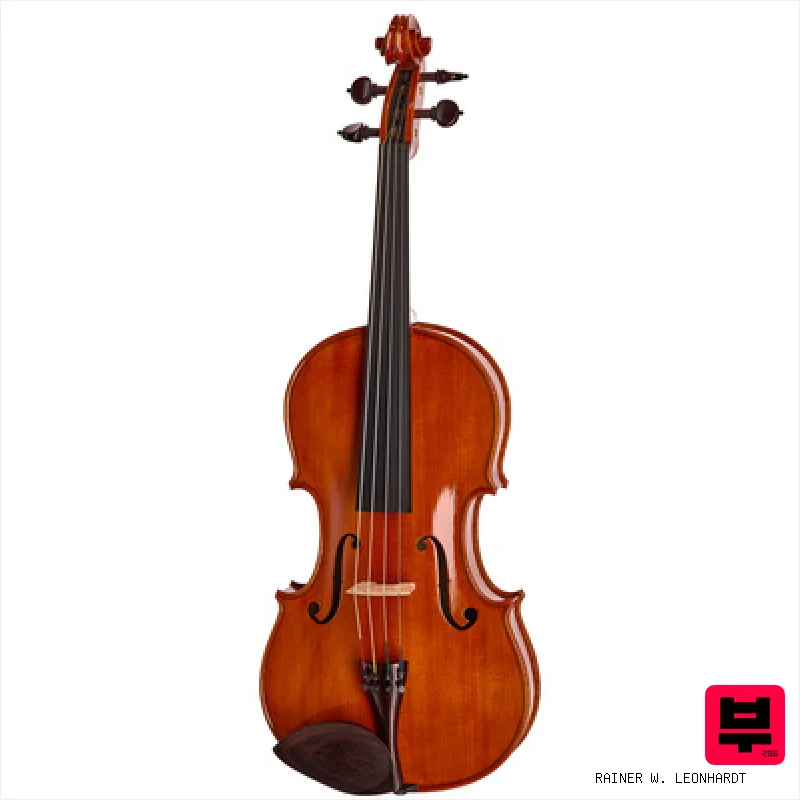
The Stentor Harlequin is a solid starter violin—it’s a reliable, budget-friendly option for students and beginners. The spruce top offers a good level of clarity, and the included case makes it convenient. It's a great value for the price point, offering a decent playing experience without requiring a significant investment.
Pros
- Solid spruce top provides a surprisingly resonant and bright tone.
- Maple back and sides contribute to a warm, balanced overall sound.
- The included case with reflectors is genuinely practical for student travel.
Cons
- The bow, while included, is a basic model and will likely need upgrading soon.
- The black stained fingerboard can feel a little slick, especially for beginners.
61AudioFu
Index↓ 14.6%since Aug 14 · lowest so far$222 · Aug 14$189 now$189€169 at Thomann · in stockCheck price ↗ -
- Size4/4 size
This Gewa Pure Violinset is a solid, budget-friendly option for absolute beginners or students just starting out. The tone is surprisingly good for the price, and the included accessories make it a complete package. Don't expect professional-grade performance, but it's a great way to get started without a huge investment.
Pros
- Solid spruce top offers a surprisingly bright, resonant tone.
- Massaranduba bow provides decent responsiveness for a student instrument.
- Inlaid purfling adds a touch of visual refinement for the price point.
Cons
- The hardwood fingerboard likely isn’t ebony; will feel harder than premium options.
- The dark brown varnish appears thin, revealing the wood grain somewhat unevenly.
-
- Size4/4 size
The Stentor SR1018 is a solid starter violin package, offering good value for the budget-conscious beginner. The spruce top delivers a surprisingly pleasant tone, and the included accessories get you playing immediately. It’s ideal for students or anyone just starting their violin journey.
Pros
- Spruce top provides a surprisingly resonant and clear tone for the price.
- Maple back and sides offer decent projection and warmth.
- Included bow, while basic, is playable and functional for a beginner.
Cons
- The black stained hardwood fingerboard can feel a little slick and unforgiving.
- The included bow lacks rosin channels and responsiveness for advanced playing.
-
- Size4/4 size
This Thomann violin set is a genuinely impressive offering for absolute beginners or students on a tight budget. The solid spruce top provides a surprisingly good starting point for tonal development, and having a complete set ready to go removes a lot of the initial investment barriers. Don't expect professional-level performance, but it’s a solid foundation to build upon.
Pros
- Solid spruce top delivers surprisingly bright, clear tone for the price.
- Ebony fingerboard offers a decent playing surface, minimizing stickiness.
- Complete set including bow and case makes it incredibly accessible for beginners.
Cons
- Maple back and sides are likely lower-grade, impacting overall resonance.
- Included bow is basic; expect a need for upgrade for serious practice.
40AudioFu
IndexStableno change since Aug 14Aug 14$167 now$167€149 at Thomann · in stockCheck price ↗ -
- FingerboardBirch fingerboard
- Size4/4 size
Look, this Thomann Skulls set isn't going to win any concerto competitions, but it’s a surprisingly decent starter violin for absolute beginners or kids. The aesthetic is certainly… memorable, and the included accessories make it a complete package at a budget-friendly price point. Just be prepared to upgrade the bow down the line.
Pros
- Solid spruce top offers surprisingly good projection for the price.
- Jujube pegs and chinrest provide a decent, playable feel.
- The included case offers basic protection during transport.
Cons
- The bow is very basic, requiring significant rosin and care.
- Solid maple back and sides are likely lower grade, impacting tonal complexity.
29AudioFu
IndexStableno change since Aug 14Aug 14$145 now$145€129 at Thomann · in stockCheck price ↗ -
- Size4/4 size
The Red Rose is a surprisingly decent entry point for absolute beginners or students on a tight budget. The solid spruce top offers a better sound than many instruments in this price range, and the included accessories get you playing right away. Don't expect professional-level performance, but it's a solid foundation for learning.
Pros
- Solid spruce top delivers surprisingly warm, resonant tone for the price.
- Maple back and sides provide decent projection and structural stability.
- Complete set – case, bow, and rosin – makes it exceptionally accessible for beginners.
Cons
- Chinese birch fingerboard can feel harder and less smooth than ebony or rosewood.
- Included bow lacks responsiveness and may need re-hairing sooner than higher-quality bows.
26AudioFu
Index↓ 6.7%since Aug 14 · lowest so far$167 · Aug 14$156 now$156€139 at Thomann · in stockCheck price ↗ -
- Size4/4 size
- Weight1.15 kg
This Hamaril 1A is a decent starting point for absolute beginners or students on a tight budget. The solid spruce top is a nice touch at this price, giving it a bit more character than many student instruments, and the tuner is a welcome addition. Don't expect professional-level sound, but it's a functional and complete set.
Pros
- Solid spruce top provides a surprisingly warm, resonant tone.
- Ebony fingerboard offers a smooth playing experience and good response.
- The included Thomann CTM-700 tuner is genuinely useful for beginners.
Cons
- The bow hair is likely low quality and will need frequent re-rosining.
- The maple back and sides are likely a lower grade, impacting sustain.
26AudioFu
IndexStableno change since Aug 14Aug 14$189 now$189€169 at Thomann · in stockCheck price ↗ -
- Size4/4 size
The Black Rose is a genuinely surprising package at this price point. The solid wood construction gives it a better tone than many entry-level instruments, making it ideal for absolute beginners or students on a tight budget who want a real acoustic experience – just plan on upgrading the bow down the line.
Pros
- Solid spruce top offers surprising projection for the price.
- Maple back and sides contribute to a warm, resonant tone.
- Complete set provides immediate playability for beginners.
Cons
- Bow is basic; upgrading will significantly improve tone and response.
- Solid wood construction means humidity control is essential to prevent cracking.
24AudioFu
IndexStableno change since Aug 14Aug 14$156 now$156€139 at Thomann · in stockCheck price ↗ -
- Size4/4 size
This Thomann Black Fiber violin is a solid starter set. The solid wood construction provides a better tone than many fully synthetic options at this price point, and having a bow and case included is a real convenience. It's ideal for absolute beginners or students needing an affordable, functional instrument.
Pros
- Solid spruce top offers decent projection and warmth for the price.
- Maple back and sides contribute to a focused, balanced tone.
- Jujube fittings (fingerboard, chinrest, tailpiece) are a surprisingly good touch for this budget.
Cons
- The 'carbon fibre look' is purely cosmetic and doesn’t impact the sound or feel.
- Solid wood construction means it’s susceptible to humidity and temperature changes – requires care.
24AudioFu
IndexStableno change since Aug 14Aug 14$167 now$167€149 at Thomann · in stockCheck price ↗ -
- Size4/4 size
This Thomann Rainbow Violin Set is a surprisingly well-rounded option for absolute beginners or students on a tight budget. The all-solid wood construction is a big plus at this price point, offering a foundation for future tonal improvement, although the birch fingerboard will feel a little stiff initially. It's a great starter pack for kids or anyone just starting their violin journey.
Pros
- Solid spruce top offers decent projection for the price range
- Full solid wood construction improves potential for future tonal development
- Included bow is surprisingly playable for a beginner set
Cons
- Chinese birch fingerboard will feel harder and less smooth than ebony
- Bow hair quality is basic, requiring frequent rosin application
24AudioFu
IndexStableno change since Aug 14Aug 14$167 now$167€149 at Thomann · in stockCheck price ↗
All 11 acoustic violins
Same index, same nightly prices — compact. Colour options of one model share a row. Tap a photo to zoom.
Acoustic Violins by the numbers
Measured across all 11 models we track, not a sample.
Median $167 — half of all acoustic violins here cost less.
most common · 11 models
How to choose the best acoustic violins
Tone
At this price point, don't expect complex harmonic richness. We're looking for something balanced - not overly bright and ice-picky, and ideally with a little bit of warmth in the lower registers. That 'fat midrange honk' is a bonus, but realistically, you're aiming for 'usable' rather than 'inspiring'.
Playability (Action & Neck Profile)
A high action (string height) makes it a chore to play, especially for beginners. A comfortable neck profile is also key - a thick, unwieldy neck can make fast passages feel like a wrestling match. We're prioritizing instruments that feel reasonably easy to manage.
Construction Quality
Let's be honest, the wood isn't going to be seasoned for decades. However, we're looking for decent craftsmanship - solid wood (not just plywood!), well-fitted parts, and a reasonable finish. Loose seams or a poorly fitted bridge are red flags.
Sustain & Resonance
Even a budget violin should sustain a note reasonably well and resonate with a bit of life. A dead-sounding instrument is just depressing to play, and it won't inspire you to practice. It won't be concert hall level, but it shouldn't sound muffled.
Setup
A good setup - bridge height, soundpost placement, tuning pegs - can make a huge difference. Many of these violins will need some tweaking to play their best, so factor that into your budget (or find a local luthier).
Buying guide
Alright, so you need a violin and your budget's hovering around two hundred bucks? It's a tough spot, let's be real. You're not going to get a Cremonese masterpiece, but you can find something playable that won't make you want to chuck it across the rehearsal room. This list is about finding the best bang-for-your-buck instruments that'll get you making music, not just collecting dust.
Under $200, you're making trade-offs. The wood will likely be lower-grade spruce and maple, the finish will be basic, and the hardware will be functional but not fancy. Don't expect incredible projection or nuanced tone - it's about getting something that's playable and reliable for practice, student lessons, or occasional gigs.
A decent bow is almost as important as the violin itself, so don't skimp there either.
How the AudioFu Index works
Five measured signals and nothing else — no stars from strangers, no “tested by experts” we didn’t do. The weights are fixed and public. We don’t play these instruments; we measure the market around them.
This chart covers 11 acoustic violins from the Thomann catalogue. Before you buy, read hands-on reviews and, where you can, play it. Full methodology.
AudioFu earns a commission when you buy through our Thomann links. It never changes the order — the index does.
- Demand40%
How many of this exact model are for sale on Reverb right now — what musicians actually buy and resell.
- Lineup20%
How many finishes Thomann stocks — makers expand the models that sell.
- Price15%
Where the price has moved since we started tracking in August.
- Specs15%
How completely the maker documents it.
- Maker10%
How deep the brand’s range is in this category.
Questions
Are these violins suitable for beginners?
Absolutely. They're a cost-effective way to start learning without a huge investment. Just be prepared for a less-than-perfect playing experience - it's something you can improve with setup and practice.
Can I record these violins?
You can, but be mindful of their limitations. They'll likely need some EQ and potentially a bit of reverb to sound decent in a mix. Don't expect a pristine, studio-quality recording without some serious work.
Do I need to get it professionally set up?
Almost certainly. A professional setup (bridge adjustment, soundpost placement, etc.) can dramatically improve playability and tone. It's an investment that's often worth it, especially for beginners.
What's the difference between solid wood and plywood?
Solid wood vibrates more freely and produces a richer tone. Plywood is layered wood glued together, which dampens the vibrations and results in a less resonant sound. Solid wood is preferable, even in a budget instrument.
Can I upgrade parts later?
Definitely. You can always upgrade the strings, bridge, or pegs to improve the instrument's performance. That's often a more cost-effective approach than buying a completely new violin.