AudioFu
AudioFu Chart · October 2026
Best Acoustic Violins Under $500 2026
The top pick is Stentor SR1401 Harlequin Violin 4/4 AB ($189). Yamaha V5 SC44 Violin 4/4 leads the high end. Ranked by the AudioFu Index from 34 models across 9 brands, prices checked every night.
Last updated: October 11, 2026
Top 10
Full detail for the 10 highest AudioFu Index scores. Every other model is listed below.
-
- Size4/4 size
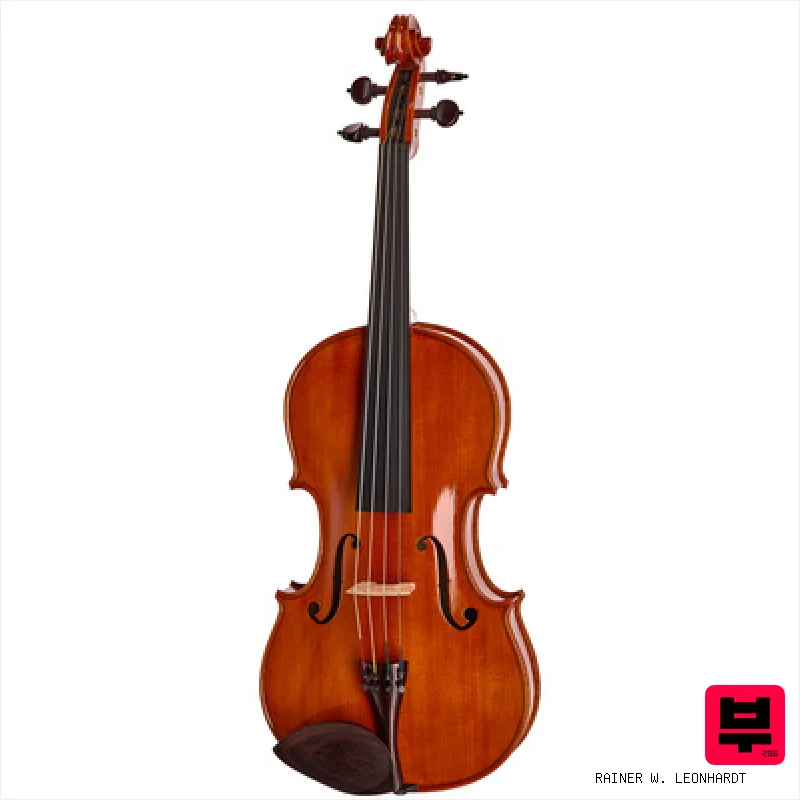
The Stentor Harlequin is a solid starter violin—it’s a reliable, budget-friendly option for students and beginners. The spruce top offers a good level of clarity, and the included case makes it convenient. It's a great value for the price point, offering a decent playing experience without requiring a significant investment.
Pros
- Solid spruce top provides a surprisingly resonant and bright tone.
- Maple back and sides contribute to a warm, balanced overall sound.
- The included case with reflectors is genuinely practical for student travel.
Cons
- The bow, while included, is a basic model and will likely need upgrading soon.
- The black stained fingerboard can feel a little slick, especially for beginners.
61AudioFu
Index↓ 14.6%since Aug 14 · lowest so far$222 · Aug 14$189 now$189€169 at Thomann · in stockCheck price ↗ -
- Size4/4 size
The Yamaha V5 SC44 is a solid entry-level violin; it's well-made for the price point and offers a surprisingly pleasant sound. It’s a great choice for students or anyone just starting out, providing a reliable and affordable instrument to learn on without sacrificing too much in terms of playability.
Pros
- Solid spruce top delivers a surprisingly warm, responsive tone.
- Hand-carved top offers decent projection for its class.
- Ebony fingerboard provides a smooth playing experience, crucial for intonation.
Cons
- Oil-based finish can feel a bit thick and less refined than varnish.
- Included bow is serviceable but lacks the responsiveness of a higher-grade bow.
46AudioFu
Index↓ 6.7%since Aug 14 · lowest so far$503 · Aug 14$470 now$470€419 at Thomann · in stockCheck price ↗ -
- Size4/4 size
This Gewa Pure violin set is a solid, budget-friendly option for students or anyone just starting out. The solid wood construction gives it a surprisingly mature tone, and the included accessories make it a complete package. It’s a great way to get a playable, decent-sounding instrument without a huge investment.
Pros
- Solid spruce top provides a surprisingly resonant and clear tone.
- Ebony fingerboard and pegs offer a smooth playing experience and stable tuning.
- The Massaranduba bow, while basic, is responsive for a beginner's bow.
Cons
- The dark red-brown varnish can appear a bit thick and less refined upon close inspection.
- The Massaranduba bow, while adequate, won't offer the responsiveness of a higher-grade bow.
44AudioFu
IndexStableno change since Aug 14Aug 14$262 now$262€234 at Thomann · in stockCheck price ↗ -
- Size4/4 size
The Gewa Allegro is a surprisingly solid entry-level violin, offering a good foundation for beginners or students. The use of solid tonewoods and ebony fittings elevates it above many budget instruments. It's a great choice for someone starting out who wants a respectable sound without a premium-priced investment.
Pros
- Solid European spruce top delivers a surprisingly resonant, clear tone.
- European maple back/sides offer good tonal projection and warmth.
- Ebony fittings (fingerboard, pegs, chinrest) contribute to stability and responsiveness.
Cons
- The Aubert bridge is serviceable but a higher-grade bridge would improve sustain.
- While playable, the setup might benefit from a professional adjustment for optimal comfort.
44AudioFu
IndexStableno change since Aug 14Aug 14$279 now$279€249 at Thomann · in stockCheck price ↗ -
- Size4/4 size
The Gewa Ideale is a solid entry-level violin offering a surprisingly mature tone for its price point. It's a fantastic option for students or players looking for a reliable, well-built instrument without a premium-priced tag. The solid tonewoods and ebony fittings give it a feel and sound far beyond what you'd expect at this level.
Pros
- Solid European spruce top delivers a surprisingly warm, responsive tonal character.
- Hand-varnished finish enhances the wood's resonance and aesthetic appeal.
- Ebony fittings (fingerboard, pegs, chinrest) offer excellent durability and playability.
Cons
- The spirit varnish, while attractive, might be a bit thick for some players’ taste.
- While well-made for the price, the bow is a basic model and could be upgraded later.
44AudioFu
IndexStableno change since Aug 14Aug 14$324 now$324€289 at Thomann · in stockCheck price ↗ -
- Size4/4 size
This violin comes with a solid spruce top and maple back, plus a good bow and case. It looks nice with a flamed back and uses high-quality parts like a Milo Stamm bridge. It is a great choice for players who want reliable wood and accessories without extra tech.
Pros
- Solid European spruce top provides strong projection
- Slightly flamed back adds visual and structural appeal
- Milo Stamm bridge ensures precise intonation
Cons
- Lack of specific sound character description
- Missing pickup or electronic features
44AudioFu
IndexStableno change since Aug 17Aug 17$391 now$391€349 at Thomann · in stockCheck price ↗ -
- Size4/4 size
The Gewa Maestro 1 is a solid entry-level violin that punches above its weight class. The European tonewoods and careful craftsmanship deliver a surprisingly mature sound, making it ideal for students or hobbyists looking for a reliable and affordable instrument to grow with. It’s a great foundation for developing good technique and exploring the joys of playing.
Pros
- Solid European spruce top delivers a surprisingly warm and responsive tone.
- Well-flamed maple back and sides offer good projection and aesthetic appeal.
- Aubert 'Mirecourt' bridge contributes to a focused and clear fundamental.
Cons
- Hand-applied varnish, while beautiful, may exhibit noticeable color variation.
- Larsen Aurora strings are decent, but a future upgrade would unlock more tonal potential.
44AudioFu
IndexStableno change since Aug 14Aug 14$425 now$425€379 at Thomann · in stockCheck price ↗ -
- Size4/4 size
This Gewa Pure Violinset is a solid, budget-friendly option for absolute beginners or students just starting out. The tone is surprisingly good for the price, and the included accessories make it a complete package. Don't expect professional-grade performance, but it's a great way to get started without a huge investment.
Pros
- Solid spruce top offers a surprisingly bright, resonant tone.
- Massaranduba bow provides decent responsiveness for a student instrument.
- Inlaid purfling adds a touch of visual refinement for the price point.
Cons
- The hardwood fingerboard likely isn’t ebony; will feel harder than premium options.
- The dark brown varnish appears thin, revealing the wood grain somewhat unevenly.
-
- Strings5-string
- Size4/4 size
This Thomann 5-string violin is a solid entry point for exploring the extended range. The build is decent, the sound is surprisingly good considering the price, and the included strings are a nice touch. It's perfect for students, hobbyists, or anyone wanting to experiment with a 5-string without a huge investment.
Pros
- Solid spruce top delivers a surprisingly resonant and warm tone for the price.
- European craftsmanship generally implies a higher standard of setup and attention to detail.
- The inclusion of Thomastik Dominant strings is a significant upgrade over basic offerings.
Cons
- Solid maple back and sides, while good, might lack the complexity of aged, figured maple.
- Ebony fretboard is likely a harder, less figured grade, potentially feeling a bit less luxurious.
-
- Size4/4 size
The Stentor SR1542 is a solid choice for beginner violin students or those needing an affordable practice instrument. It offers a surprisingly good sound for the price point, and the complete outfit eliminates the initial setup hurdles. It's a dependable workhorse that will serve a student well while they're developing their skills.
Pros
- Solid spruce top delivers a surprisingly resonant and clear tone.
- Maple body provides a warm, balanced acoustic response.
- Ebony fingerboard offers a smooth playing experience, crucial for developing technique.
Cons
- The included bow is basic; an upgrade will significantly improve tone and response.
- Matte finish, while aesthetically simple, can feel a bit plasticky to the touch.
42AudioFu
Index↓ 1.1%since Aug 14 · lowest so far$305 · Aug 14$301 now$301€269 at Thomann · in stockCheck price ↗
All 34 acoustic violins
Same index, same nightly prices — compact. Colour options of one model share a row. Tap a photo to zoom.
- 11
Stentor SR1018 Violinset 4/4Stentor41Stable$167€149$167€149Check ↗
- 12
Stentor SR1550 Conservatoire 4/4Stentor41↑ 0.8%$446€398$446€398Check ↗
- 13
Thomann Classic Violinset 4/4Thomann40Stable$167€149$167€149Check ↗
- 14
Stentor SR1400 Violinset 4/4Stentor39↑ 5.9%$201€179$201€179Check ↗
- 15
Yamaha V3-SKA 4/4 ViolinsetYamaha39Stable$380€339$380€339Check ↗
- 16
Gewa Allegro Violin Set 4/4 SC MBGewa · 4 finishes37Stable$357€319$357€319Check ↗
- 17
Gewa Ideale Violin Set 4/4 SC MBGewa · 4 finishes37↓ 2.7%$402€359$402€359Check ↗
- 18
Thomann Classic Concerto Violin 4/4Thomann36↑ 8.7%$279€249$279€249Check ↗
- 19
Thomann Skulls Violin Set 4/4Thomann29Stable$145€129$145€129Check ↗
- 20
Roth & Junius Preludio 01 Violin Set 4/4 EBRoth & Junius · 2 finishes28Stable$313€279$313€279Check ↗
- 21
Roth & Junius Preludio 02 Violin Set 4/4 EBRoth & Junius · 2 finishes28Stable$334€298$334€298Check ↗
- 22
Alfred Stingl by Höfner AS-170-V Violin Set 4/4Alfred Stingl by Höfner27↓ 20.5%$222€198$222€198Check ↗
- 23
Thomann Red Rose Violin Set 4/4Thomann26↓ 6.7%$156€139$156€139Check ↗
- 24
Hamaril Violin Set 1A 4/4Hamaril26Stable$189€169$189€169Check ↗
- 25
Roth & Junius Estudio Violin Set 4/4Roth & Junius25Stable$245€219$245€219Check ↗
- 26
Hidersine Vivente Violin Set 4/4Hidersine25Stable$290€259$290€259Check ↗
- 27
Roth & Junius RJV-A Antiqued Violin Set 4/4Roth & Junius25Stable$334€298$334€298Check ↗
- 28
Hidersine Piacenza Violin Set 4/4Hidersine25Stable$402€359$402€359Check ↗
- 29
Thomann Black Rose Violin Set 4/4Thomann24Stable$156€139$156€139Check ↗
- 30
Thomann Black Fiber Violin Set 4/4Thomann24Stable$167€149$167€149Check ↗
- 31
Thomann Rainbow Violin Set 4/4Thomann24Stable$167€149$167€149Check ↗
- 32
Hidersine Uno Violin Set 4/4Hidersine23↑ 6.7%$178€159$178€159Check ↗
- 33
Artino VN-125 Premium Violin Set 4/4Artino22↑ 5.7%$414€369$414€369Check ↗
- 34
Alfred Stingl by Höfner AS-190-V Violin Set 4/4Alfred Stingl by Höfner22Stable$446€398$446€398Check ↗
Acoustic Violins by the numbers
Measured across all 48 models we track, not a sample.
Median $313 — half of all acoustic violins here cost less.
most common · 6 models
most common · 48 models
How to choose the best acoustic violins
Tonewood
Spruce and maple are standard, but quality varies wildly. Expect lower-grade wood at this price - you're unlikely to find highly figured maple, and the spruce might be a bit stiff, leading to a less responsive feel. It's about finding the least stiff wood available.
Setup & Playability
This is HUGE. A poorly set-up violin can sound awful regardless of its wood. Action (string height) is critical - too high, and it's a struggle; too low, and you'll get buzzing. A decent setup can transform a mediocre violin.
Bow Quality
Often overlooked! A bad bow will make even a good violin sound terrible. Don't expect pernambuco - synthetic bows are the norm here, and the quality ranges from unusable to surprisingly decent. Look for one that responds evenly across all strings.
Varnish & Finish
The finish affects the violin's resonance. Thicker, heavier finishes tend to dampen the tone. While you won't get a beautifully aged varnish, look for a finish that doesn't feel like it's choking the sound.
Construction Quality
Check for solid construction - no obvious glue gaps, cracks, or uneven seams. A poorly built violin will fall apart quickly, especially with gigging. Stability is key; you want it to hold its tuning and resist warping.
Buying guide
Alright, so you're looking for a decent acoustic violin without breaking the bank? Under $500 is a challenge, let's be honest, but it's doable if you know what to look for. Forget the glossy marketing - we're talking about getting a usable, gig-worthy instrument that won't make you cringe when you record it. This list isn't about 'amazing' violins; it's about the best value you can find.
At this price point, you're making compromises. Expect a slightly boxy tone, less sustain than higher-end instruments, and potentially a less refined feel. The biggest bang for your buck is a good setup - if possible, have a luthier check and adjust the action and bridge.
Don't get hung up on aesthetics; focus on how it sounds and feels in your hands.
How the AudioFu Index works
Five measured signals and nothing else — no stars from strangers, no “tested by experts” we didn’t do. The weights are fixed and public. We don’t play these instruments; we measure the market around them.
This chart covers 48 acoustic violins from the Thomann catalogue. Before you buy, read hands-on reviews and, where you can, play it. Full methodology.
AudioFu earns a commission when you buy through our Thomann links. It never changes the order — the index does.
- Demand40%
How many of this exact model are for sale on Reverb right now — what musicians actually buy and resell.
- Lineup20%
How many finishes Thomann stocks — makers expand the models that sell.
- Price15%
Where the price has moved since we started tracking in August.
- Specs15%
How completely the maker documents it.
- Maker10%
How deep the brand’s range is in this category.
Questions
Are student violins really that bad?
Some are terrible, but many are perfectly functional for beginners and intermediate players. The term 'student violin' just means it's designed for learning, not necessarily that it's poorly made - it's often a cost-cutting measure.
Can I upgrade the strings?
Absolutely! Better strings can significantly improve the tone and responsiveness. Steel or synthetic core strings are a good starting point; avoid cheap aluminum strings.
What about electric violins with pickups?
Electric violins in this price range often sacrifice acoustic tone quality to get the pickup functionality. If your primary goal is amplification, it's an option, but prioritize acoustic sound first if you're also playing acoustically.
Is it worth buying used?
Definitely. You can often find a better quality used violin for the same price as a new one. Just be sure to inspect it carefully for cracks or repairs.
What if the action is too high?
Don't try to adjust it yourself unless you're experienced. Take it to a luthier - they can lower the action safely and make a huge difference in playability.