
Best Volume/Expression Pedals Under $50 2026
Okay, so you need a volume pedal - or maybe an expression pedal to tweak your reverb or delay - but your wallet's looking a little thin. It's a common situation. You don't want to spend a fortune on something that's mostly just a knob, but you also don't want a noisy, unreliable piece of junk that cuts out mid-song. Let's look at what you can realistically get for under $50, and what to expect.
Last updated: July 22, 2026 • Next update: July 29, 2026
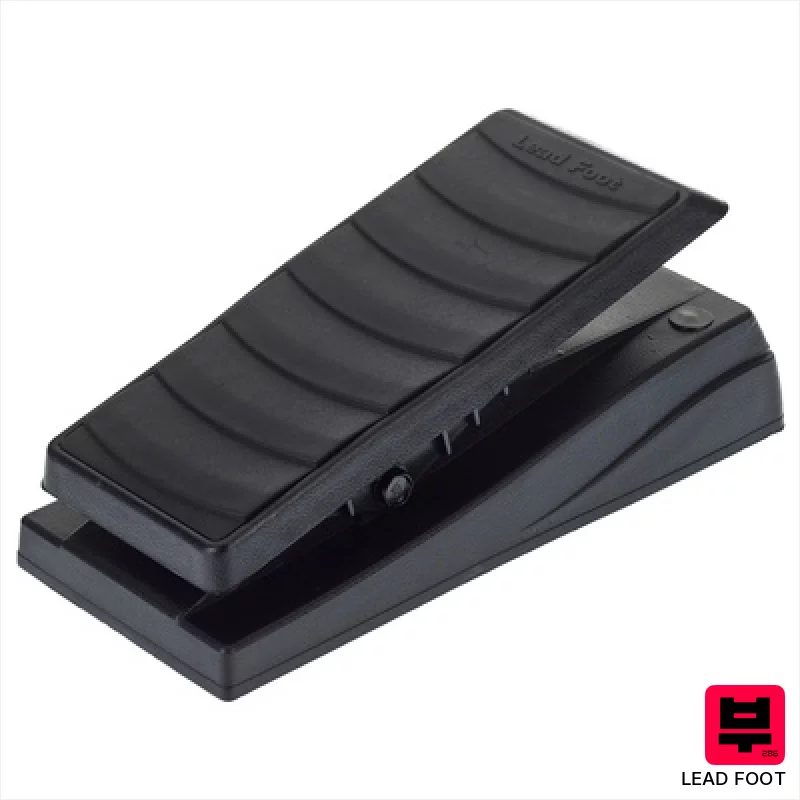
Lead Foot LFV-1
- • Robust plastic pedal construction withstands gigging and regular use.
- • High-quality sockets ensure reliable signal transfer and longevity.
- • Made in Europe indicates a focus on quality control and materials.
- • Extremely affordable, providing excellent value for budget-conscious players.
- • Plastic pedal construction lacks the premium feel of metal alternatives.
- • Linear taper may not be ideal for wah-like effects or expressive swells.
- • Mono signal path limits stereo signal manipulation capabilities.
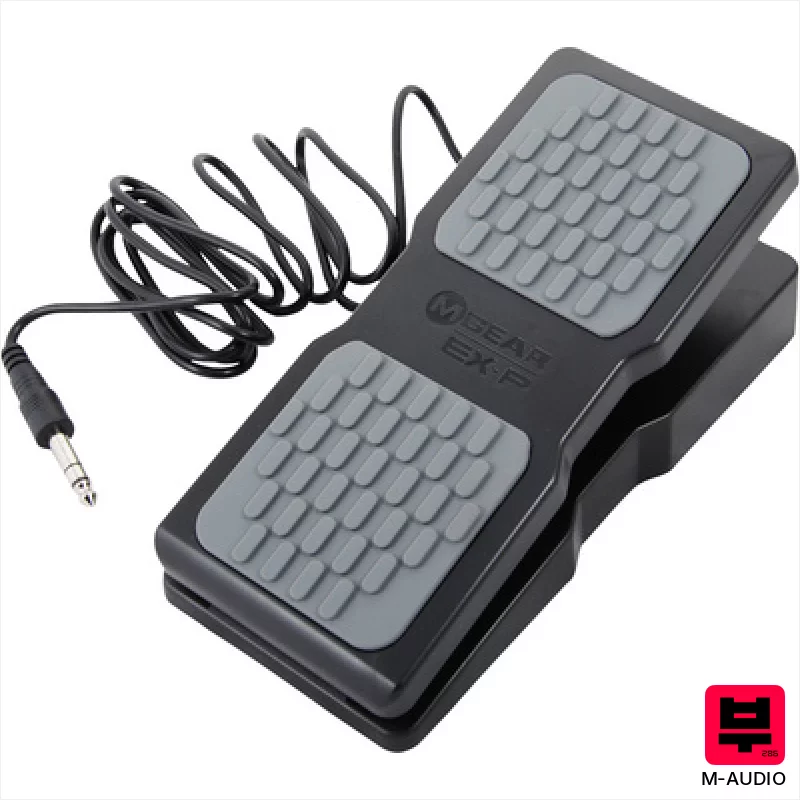
M-Audio EX-P Expression Pedal
- • Affordable entry point for MIDI expression control
- • Polarity switch expands compatibility beyond M-Audio gear
- • Robust plastic construction handles gigging reasonably well
- • Decent cable length avoids awkward pedalboard cable management
- • Plastic construction feels budget, lacks premium pedal feel
- • Limited range of motion compared to higher-end expression pedals
- • Expression response curve is somewhat linear, not ideal for nuanced swells
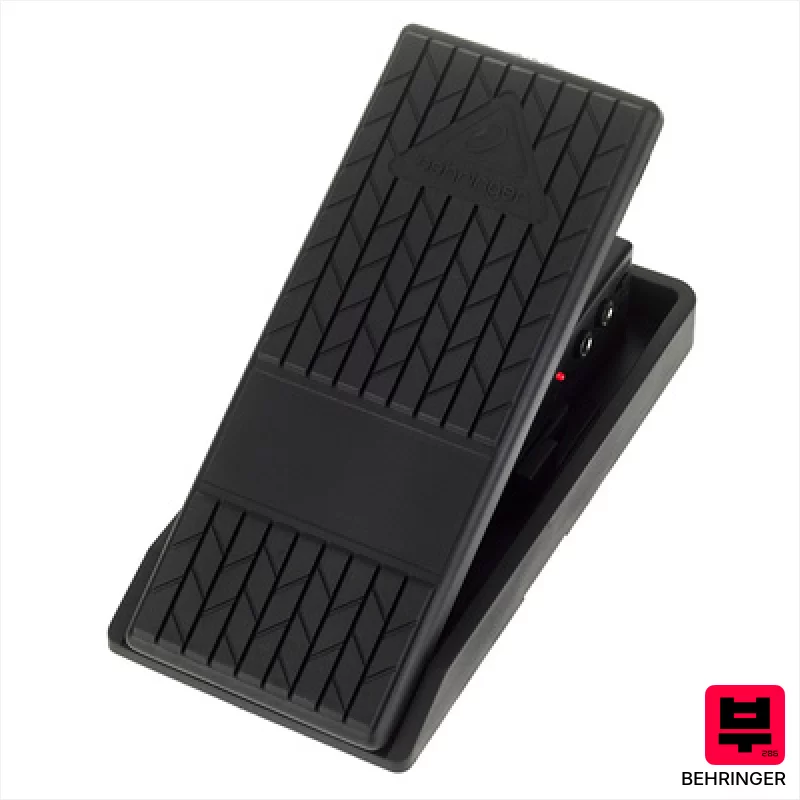
Behringer FCV100 V2
- • Excellent value for a functional expression/volume pedal
- • Robust die-cast housing offers surprising durability
- • Switchable polarity provides versatility for various setups
- • Two outputs allow for complex signal routing and splitting
- • Plastic construction feels somewhat cheap despite the metal housing
- • Limited taper options restrict nuanced expression control
- • Power supply not included; adds to initial investment

Nektar NX-P
- • Universal compatibility simplifies integration with various keyboards and digital instruments.
- • Adjustable sensitivity pot allows for precise expression control tailoring to playing style.
- • Switchable polarity offers flexibility for different synth or effect configurations.
- • Lightweight design (0.5kg) makes it easily portable and gig-friendly.
- • Plastic construction feels somewhat budget-oriented; lacks premium pedalboard robustness.
- • Limited range of expression compared to higher-end, full-travel pedals.
- • Basic design lacks visual flair; aesthetics are purely functional, not stylish.
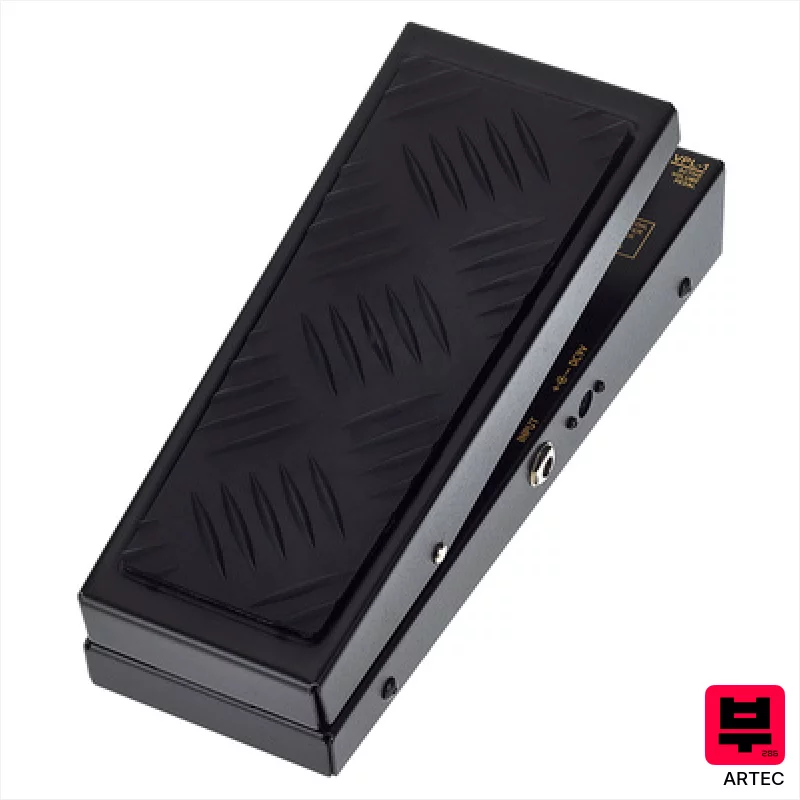
Artec VPL-1
- • Robust metal enclosure provides surprising durability for the price.
- • Fixed output jack is genuinely useful for silent tuning.
- • Simple controls offer immediate, intuitive volume swells.
- • Surprisingly quiet operation; minimal noise even at low volumes.
- • Plastic internal components feel a bit cheap given the weight.
- • Lack of included power supply is a cost-cutting measure, noticeable.
- • Linear taper limits expressive possibilities for nuanced swells.
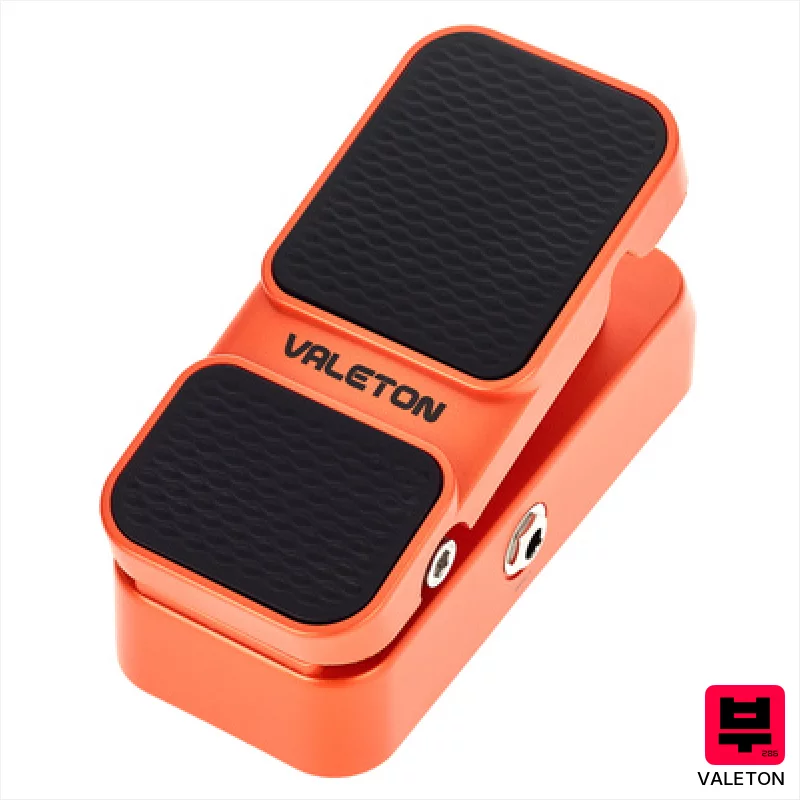
Valeton Surge EP-2 Mini
- • Lightweight aluminum housing feels surprisingly robust for the price point.
- • Passive design eliminates the need for power, simplifying pedalboard setups.
- • Automatic source detection streamlines use for both volume and expression.
- • Compact size saves valuable space on crowded pedalboards or in gig bags.
- • The plastic base feels a little cheap and may benefit from a rubber pad.
- • Limited taper options restrict nuanced expression control possibilities.
- • Passive nature means it’s reliant on amp’s volume control for extreme attenuation.
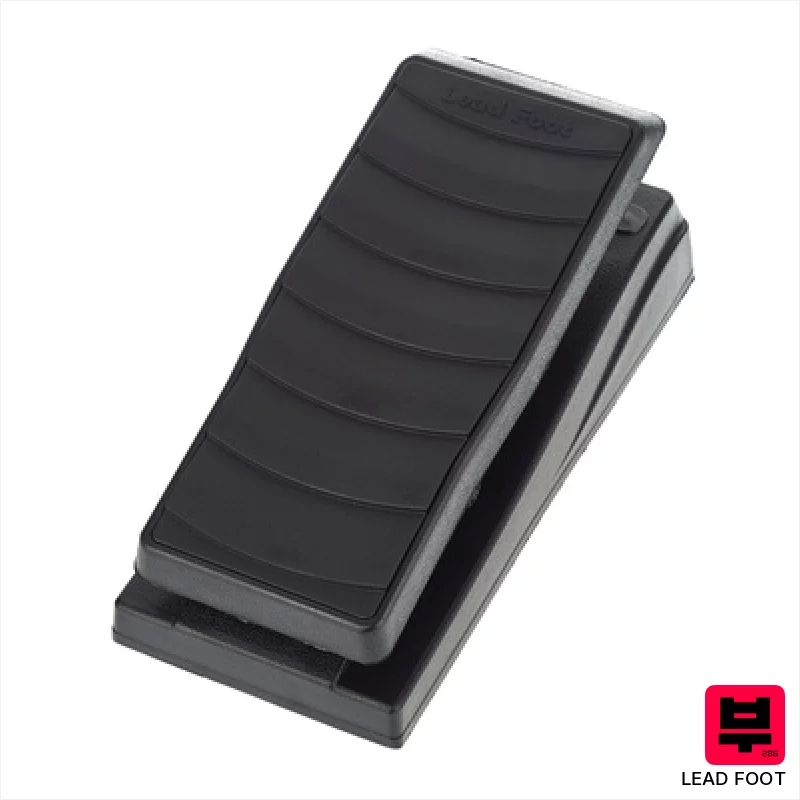
Lead Foot LFX-1
- • Robust die-cast construction ensures lasting durability on stage.
- • Stereo jack plug simplifies connection to a wide range of processors.
- • Compact size minimizes pedalboard real estate usage.
- • Affordable price point makes it accessible for budget-conscious musicians.
- • Incompatibility with Yamaha and Korg limits its appeal to some users.
- • Basic taper offers limited expressive control compared to premium pedals.
- • Limited range of motion might feel restrictive for complex swells.
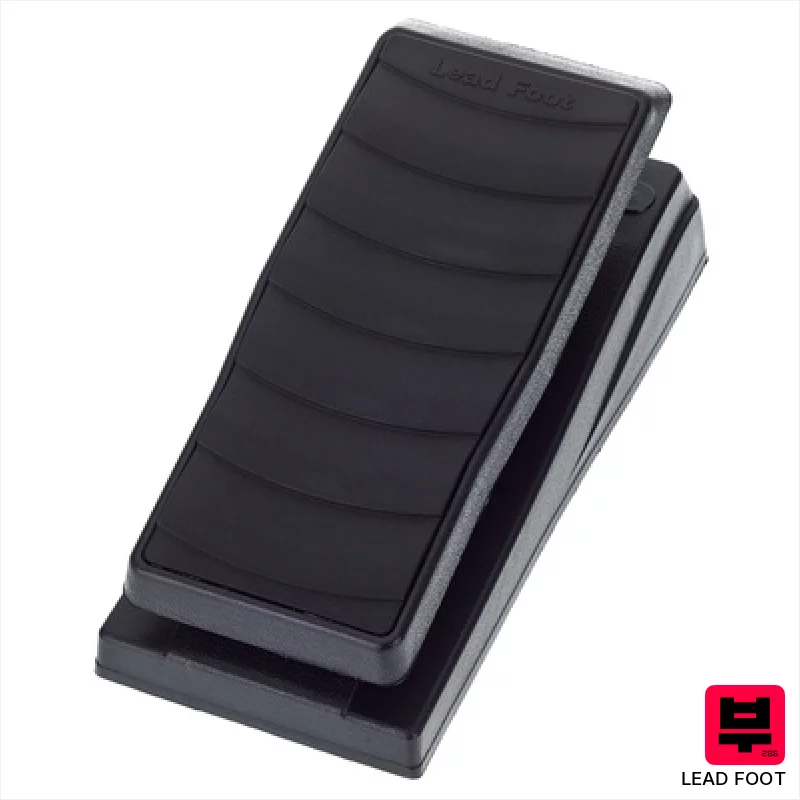
Lead Foot LFV-2
- • Robust construction with high-quality bushings ensures long-term reliability
- • European manufacturing implies stringent quality control and durable components
- • Front-mounted connections offer convenient, accessible pedal operation
- • 25k Ohm potentiometers provide a wide dynamic range for expressive swells
- • Limited taper options restrict nuanced volume control for some players
- • Compact size might feel cramped for those accustomed to larger pedals
- • Stereo operation necessitates dual amplifier or effects chain setup
How to Choose the Best Volume/Expression Pedals
Noise Floor
At this price, you're going to compromise somewhere. A quieter pedal is always better, especially if you're recording direct or playing clean tones. Expect some hiss - the question is, is it manageable?
Sweep Range
A good volume pedal needs a wide, usable sweep. You want to go from almost silent to full volume without jumping or sudden transitions. Expression pedals need a smooth range for nuanced control.
Durability
Cheap plastic enclosures and wobbly pots are a recipe for disaster on the road. Look for something that feels solid, even if it doesn't look like a tank.
True Bypass vs. Buffered
True bypass is generally preferred for preserving your signal, but in cheaper pedals, the buffer can sometimes actually improve things by adding a little gain and tightening up the low-end. It's a trade-off.
Expression Pedal Range/Control
Expression pedals often have limited range or a non-linear response. Check reviews to see if the range is suitable for your needs and if the pedal responds predictably to your foot movements.
Buying Guide
Realistically, under $50, you're getting a budget pedal. Don't expect boutique-level performance or build quality. The biggest trade-offs will be noise and durability. If you're serious about clean, quiet tones, or you gig regularly, consider stretching your budget - but for bedroom practice or occasional use, these pedals can get the job done. Pay close attention to user reviews about noise and reliability before pulling the trigger.
Our Methodology
We're not just looking at spec sheets here. We've spent countless hours plugging these pedals into various amps, guitars, and rigs - from bedroom practice stacks to loud club stages. We've A/B'd them against more expensive options, and most importantly, we've tried to see how they hold up to the realities of gigging and recording, not just a pristine studio environment.

