
Best Lehle Volume/Expression Pedals 2026
Let's be honest, volume pedals often get a bad rap. Most are noisy, lifeless, and just plain don't inspire. But Lehle? Lehle is different. If you're chasing that smooth, responsive swell for ambient textures, a clean taper for clean tones, or need rock-solid reliability for gigging, you need to check out what Lehle's been doing for decades.
Last updated: October 8, 2026
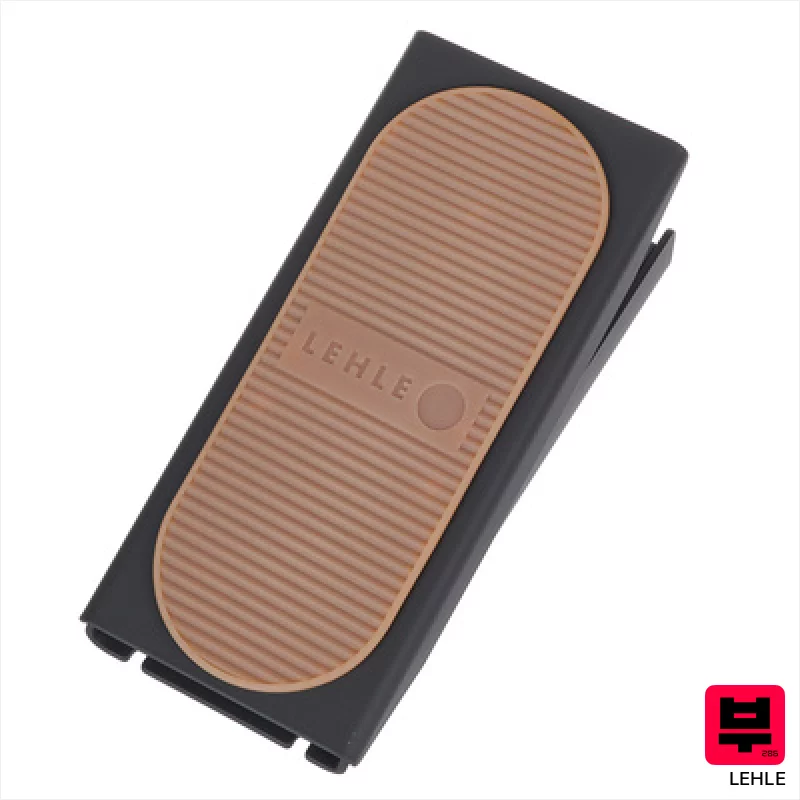
Lehle Mono Volume S
- • Magnetic sensor eliminates wear, ensuring pristine operation for years.
- • 30V technology delivers exceptional headroom and a remarkable 120dB dynamic range.
- • Buffered direct output is a huge boon for tuners and silent recording.
- • Compact size and lightweight design make it pedalboard-friendly and versatile.
- • Price point positions it as a premium investment for serious players.
- • Requires an external power supply, adding to overall cost and complexity.
- • Limited taper options may not suit all players’ expressive needs.

Lehle Dual Expression
- • German engineering delivers exceptional reliability and precision
- • Dual outputs vastly expand routing and pedalboard flexibility
- • Magnetic sensor ensures wear-free, consistent expression control
- • USB MIDI connectivity opens up software control possibilities
- • Size and weight make it less ideal for compact pedalboards
- • Price point positions it as a premium investment
- • Limited aesthetic customization options compared to some competitors
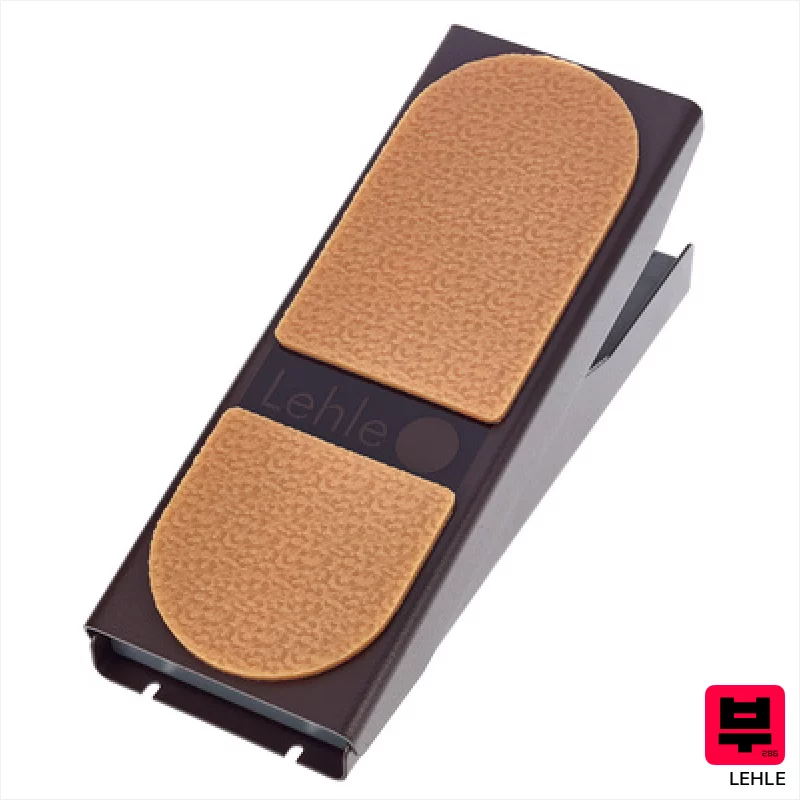
Lehle Stereo Volume
- • Magnetic sensor eliminates potentiometer noise and wear, ensuring pristine signal
- • 110dB dynamic range with Blackmer VCA provides exceptional headroom and clarity
- • Balanced/unbalanced outputs offer flexible routing for various setups
- • Low-friction bearings and adjustable brake facilitate smooth, precise volume control
- • Premium-priced, representing a significant investment for many players
- • Coaxial power connector is less common, potentially requiring a specific adapter
- • Size and weight make it less ideal for extremely compact pedalboards
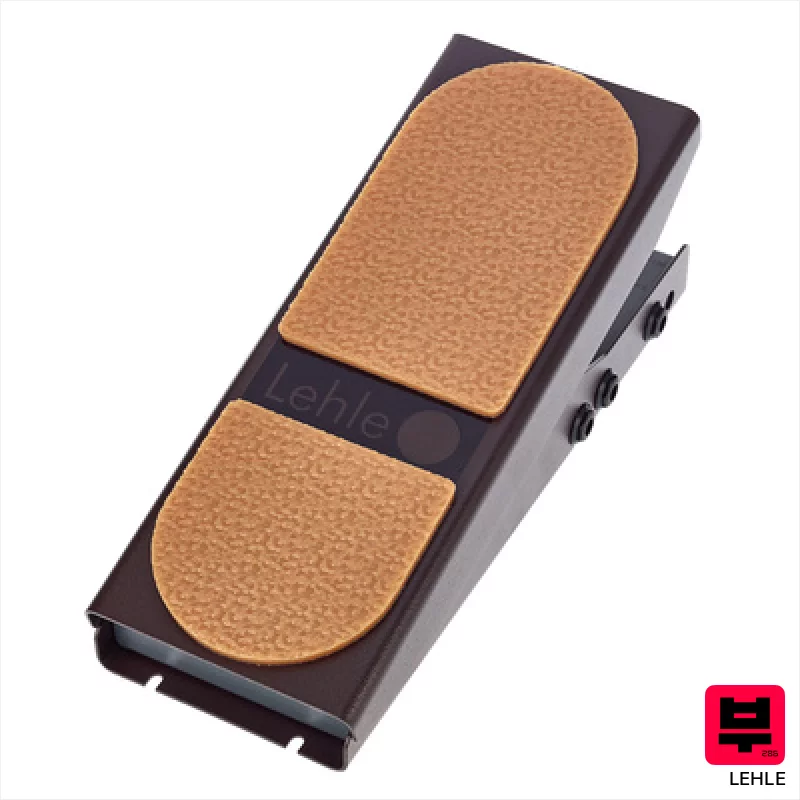
Lehle Mono Volume 90
- • Magnetic sensor eliminates potentiometer wear, ensuring consistent performance over time.
- • 110dB dynamic range via Blackmer VCA provides exceptional headroom and clarity.
- • Buffered direct-out simplifies tuning and expands routing options.
- • Precision-engineered low-friction bearings offer smooth, effortless volume sweeps.
- • Premium-priced compared to more basic volume pedals on the market.
- • Coaxial power connector can be inconvenient for some setups.
- • While versatile, truly shines for pedal steel and similar nuanced swells.
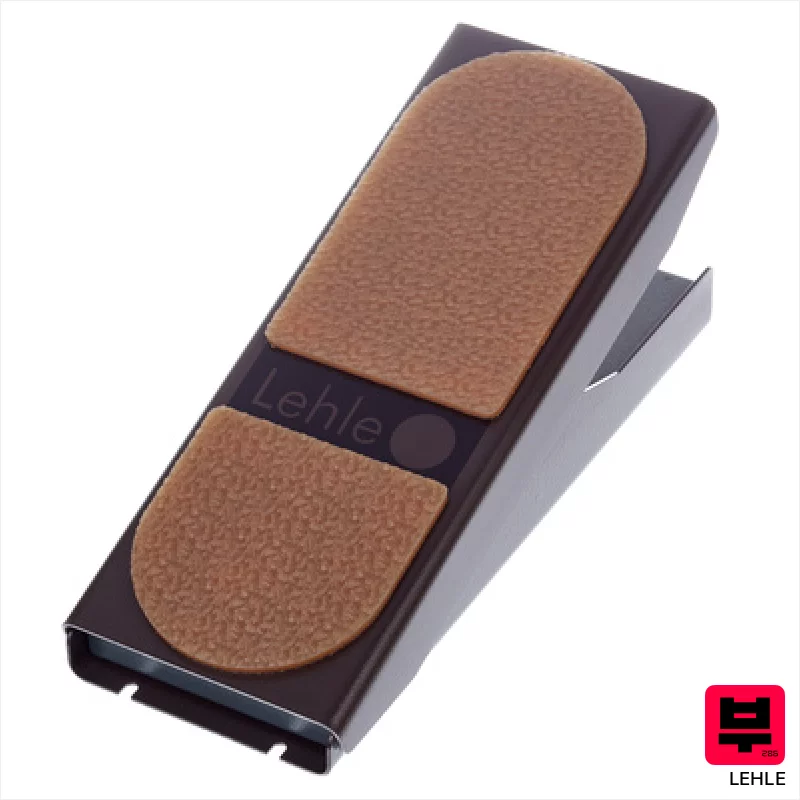
Lehle Mono Volume
- • Magnetic sensor eliminates wear, ensuring consistent volume control
- • Blackmer VCA provides an exceptionally clean and wide dynamic range
- • Buffered direct-out simplifies tuner use and amp switching
- • Robust metal enclosure and low-friction bearings promise long-term reliability
- • Requires a separate power supply, adding to the overall cost and complexity
- • The magnetic sensor can be susceptible to interference from strong magnetic fields
- • Premium-priced compared to standard potentiometer-based volume pedals
Volume/Expression Pedals by the numbers
Measured across all 53 models in this category, so «wide», «short» or «expensive» mean something you can check.
How to Choose the Best Volume/Expression Pedals
Build Quality
Lehle isn't messing around. These are built like tanks - German engineering, robust footswitch, and components that'll likely outlive you. This isn't a pedal you're replacing every year; it's a piece of gear you pass down.
Taper & Response
This is where Lehle truly shines. The taper isn't just linear; it's musical. It allows for incredibly subtle swells and a clean, even drop in volume without any of that abrupt cutoff you get with cheaper pedals. Perfect for those shimmering clean swells or a gradual fade into distortion.
Noise Performance
Seriously, these are quiet. Like, ridiculously quiet. Even with a high-gain amp and sensitive pickups, the noise floor is practically nonexistent. This is a huge deal when you're trying to create clean, dynamic textures without unwanted hiss.
True Bypass
Lehle's true bypass design means your tone isn't altered when the pedal is disengaged. No signal degradation, no muddying of your amp's character - just pure, unadulterated tone. This is crucial for maintaining clarity and articulation in a band setting.
Expression Pedal Integration
Lehle's expression pedals aren't just volume controllers; they're incredibly versatile. They can be used with a huge range of effects, from wah and tremolo to delay and reverb, offering a level of real-time control that's unmatched by most other pedals.
Buying Guide
Lehle pedals aren't cheap, let's get that out of the way. You're paying for the build quality, the meticulous taper design, and the rock-solid reliability. Don't even bother looking at the imitators - they'll cut corners on components and the taper will be all over the place. If you need a volume or expression pedal that's going to last and inspire, and you value tone above all else, Lehle is the only choice.
How This List Is Built
We don't play these instruments — we're a catalog, not a review desk, and we'd rather say so than pretend otherwise. This page covers 5 of 53 volume/expression pedals from the Thomann catalogue, which is the largest single source of specification data in this category: 5 in detail, the rest listed with their specifications.
Position is computed, not curated. We parse the manufacturer's own description into actual values — nut width, scale, fret count, fingerboard radius, size, alloy — and rank on them: how many specifications a model has published, how many of them are measurable numbers, and how precisely it meets this page's criterion. A product image adds a little. Price is not a ranking signal: it tells you nothing about whether a neck fits your hand. The same inputs always produce the same order, so nothing here is shuffled to look fresh.
What this list is good for: narrowing a category down to a shortlist by spec and budget. What it isn't: a substitute for hearing an instrument. Before you buy, read hands-on reviews and, where you can, play it. Full methodology.

