
Best Mission Engineering Volume/Expression Pedals 2026
Let's be honest, a good volume pedal isn't just about making things quiet. It's about swells, subtle dynamic shaping, and occasionally, completely muting your amp - something you absolutely need for clean intros or doom metal breakdowns. Mission Engineering has been quietly building some of the most reliable and musically useful volume/expression pedals for years, and they've carved out a niche for themselves that's worth a closer look. Forget the hype, let's talk about what these pedals actually do for your sound.
Last updated: July 22, 2026 • Next update: July 29, 2026
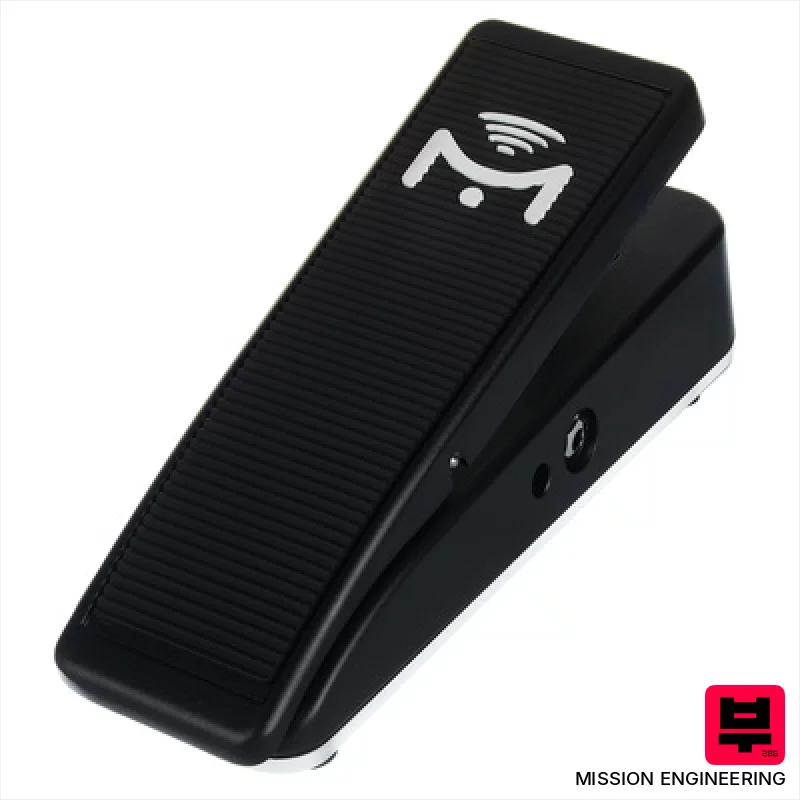
Mission Engineering SP25L-Pro Aero BK
- • Dual 25K outputs offer exceptional versatility with varied gear.
- • The acrylic base and sapphire LED provide clear visual feedback.
- • Extended range and ergonomic design suit both standing and seated players.
- • Robust construction inspires confidence for gigging and studio use.
- • The 1.8 kg weight can be a burden for smaller pedalboards.
- • The price point places it in a premium-priced category.
- • The sapphire LED might be distracting for some users in dark environments.
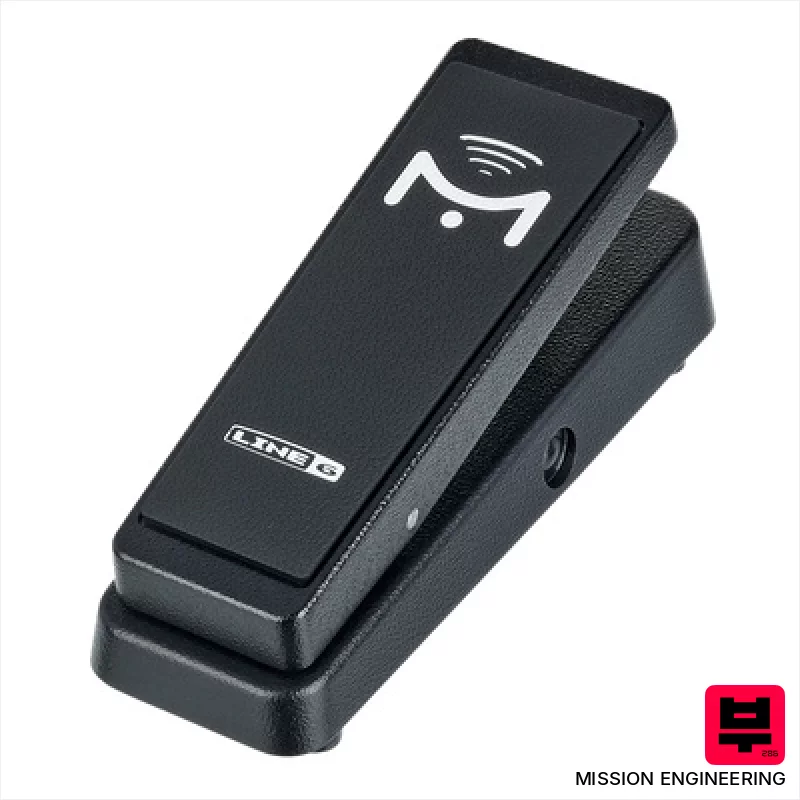
Mission Engineering EP1-L6-BK SPL
- • Excellent Line 6 integration; seamless control of amp and effects parameters.
- • Robust metal construction ensures long-term durability and reliable performance.
- • Spring-loaded return provides familiar wah-like feel or auto-off functionality.
- • Heavy-duty build feels substantial and inspires confidence underfoot.
- • Limited compatibility; primarily designed for Line 6 gear, restricting versatility.
- • Relatively heavy; may be cumbersome for smaller pedalboards or travel.
- • Price point positions it as a premium option compared to budget expression pedals.
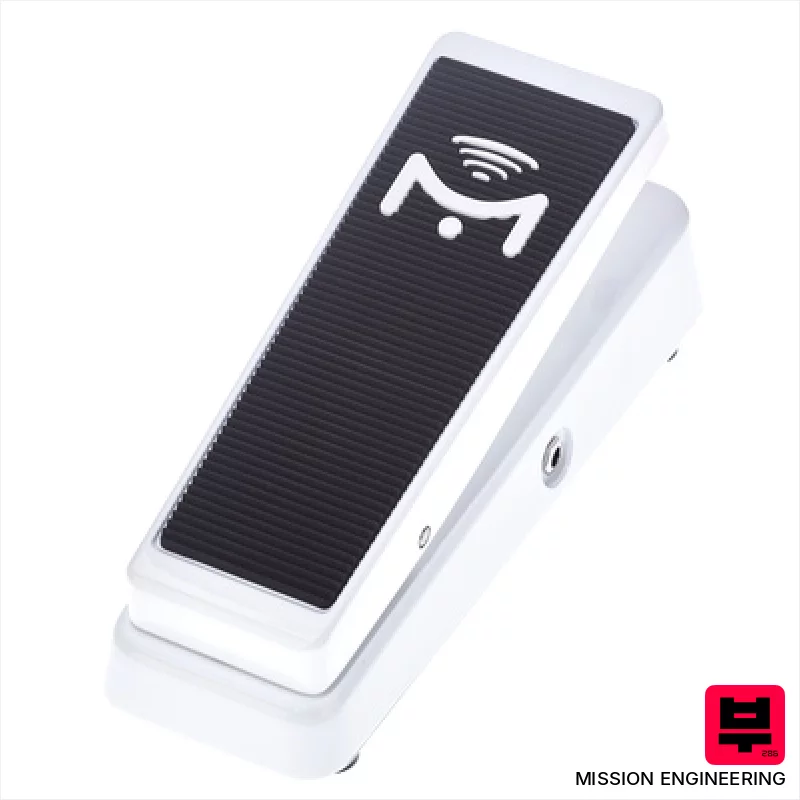
Mission Engineering SP-H9-WH
- • Excellent H9 integration offers seamless, precise effect control.
- • Robust die-cast construction ensures long-term durability and roadworthiness.
- • Integrated toe switch provides convenient on/off functionality for effects.
- • Wide range of motion allows for subtle to extreme effect manipulation.
- • Limited versatility beyond Eventide H9/Max applications; less ideal for general expression.
- • Weight can be a factor for pedalboard portability, especially on smaller setups.
- • Price point places it in a premium-priced category for a volume/expression pedal.

Mission Engineering SP1-L6H-BK
- • Precise Helix integration offers seamless, natural control.
- • Toe switch simplifies Helix workflows, reducing clutter.
- • Robust construction with a substantial, stable feel.
- • Wide range of motion delivers expressive dynamic shaping.
- • Limited versatility outside of the Line 6 ecosystem.
- • Relatively heavy, potentially impacting pedalboard stability.
- • Price point might be high for users needing basic volume control.
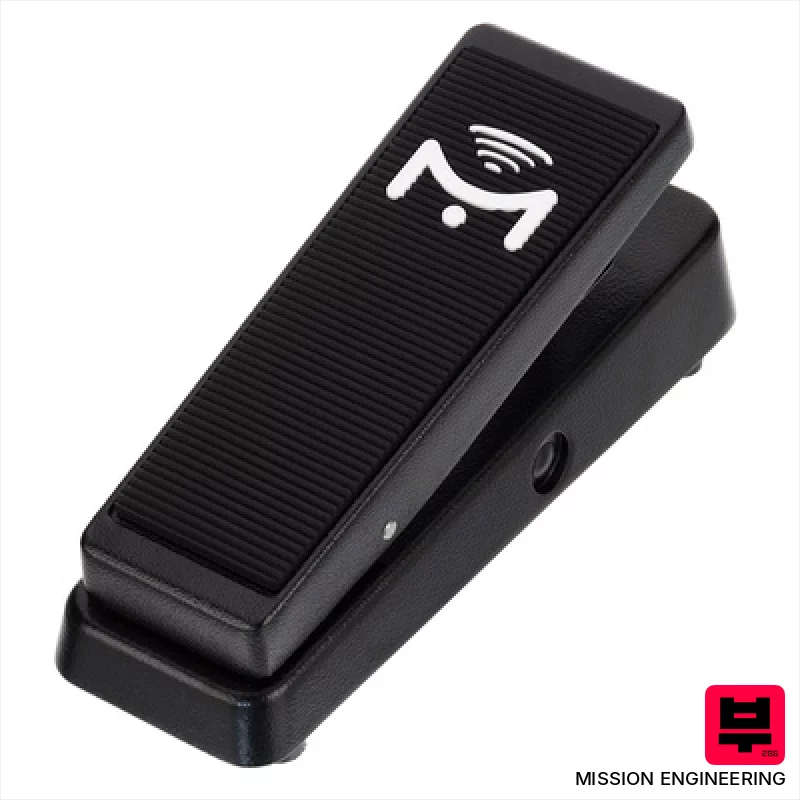
Mission Engineering EP-25K-BK
- • Robust die-cast construction ensures long-term reliability under gigging conditions
- • 25K taper optimizes response with Eventide, Strymon, and Moog devices
- • Dual outputs allow simultaneous control of two expression-compatible effects
- • Wide range of motion provides nuanced expression control for dynamic swells
- • Relatively heavy, potentially cumbersome for smaller pedalboards
- • 25K taper limits versatility with devices designed for 100K pots
- • Price point places it in a premium category for expression pedals
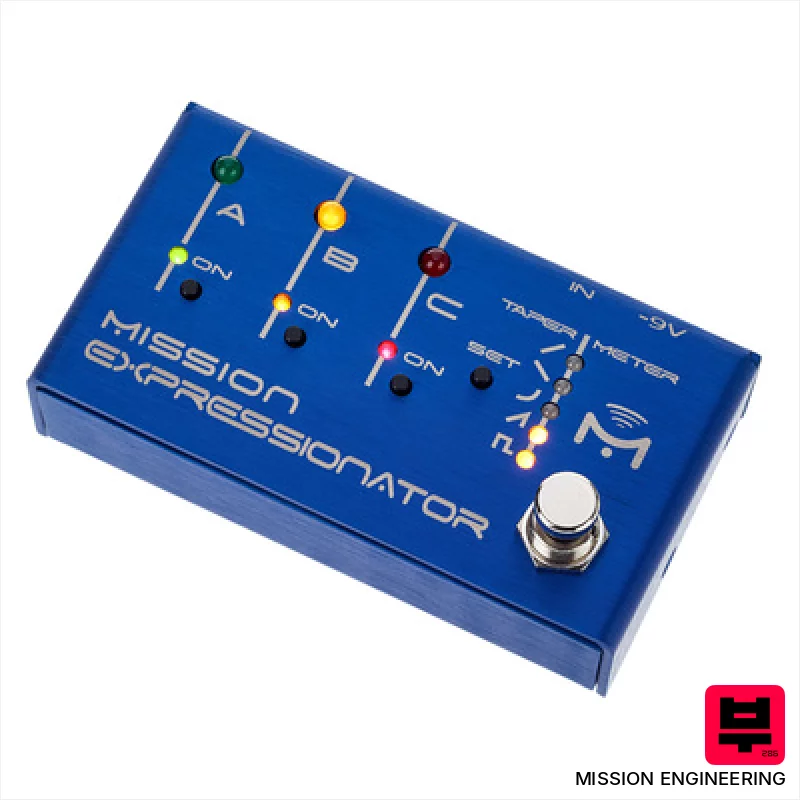
Mission Engineering Expressionator
- • Three independent expression outputs vastly expand creative control.
- • Programmable tapers allow nuanced effect shaping for each channel.
- • Compact size minimizes pedalboard real estate impact.
- • LED indicators provide clear visual feedback of pedal position and channel.
- • Requires a separate 9V DC power supply, adding to overall expense.
- • Limited to three effects – not ideal for sprawling pedalboards.
- • The enclosure feels a little plasticky considering the price point.
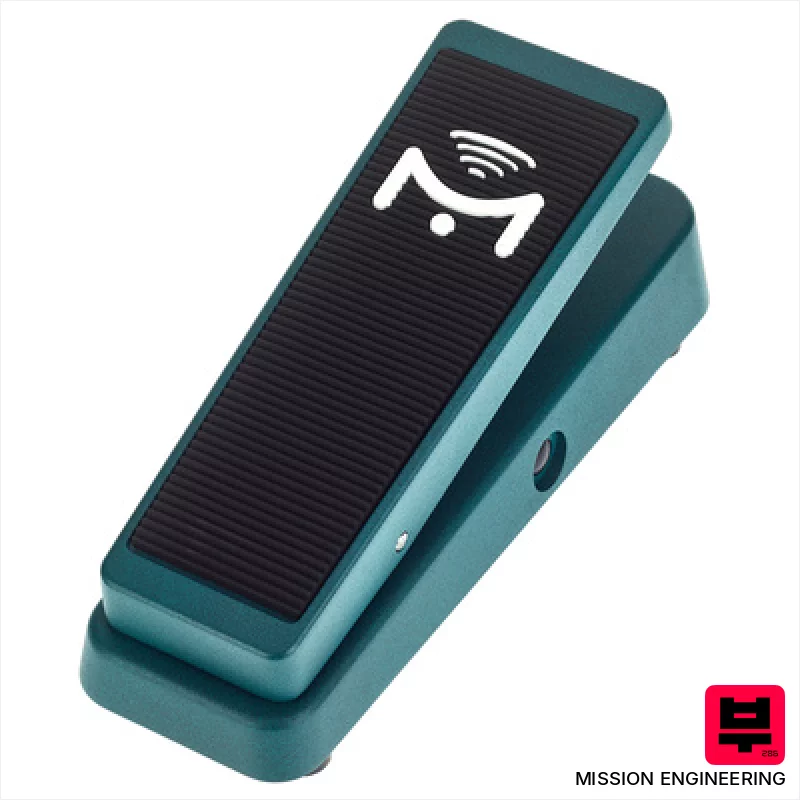
Mission Engineering EP1-KP-GN SPL
- • Precise linear taper perfectly matches Kemper Profiler requirements
- • Spring-loaded return mimics wah pedal feel or auto-off functionality
- • Robust die-cast construction ensures long-term durability
- • Green color offers a unique visual aesthetic for pedalboards
- • Price point places it at the higher end of expression pedal options
- • Limited versatility outside of Kemper Profiler integration
- • Size and weight make it less ideal for extremely compact pedalboard setups
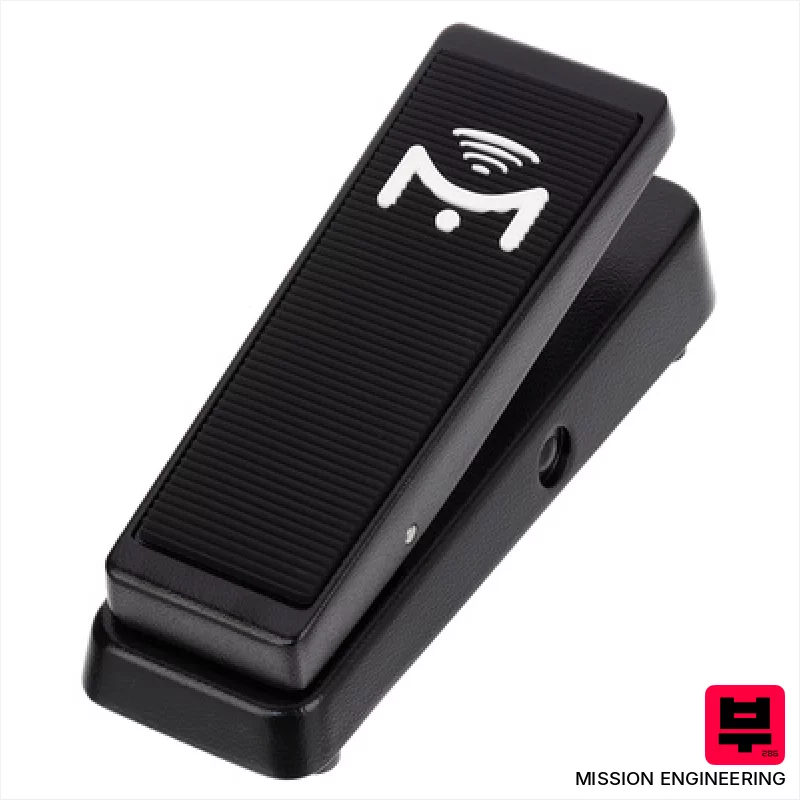
Mission Engineering SP-1-BK
- • Robust metal casing provides excellent durability for stage use
- • Sealed 10K linear potentiometer ensures smooth, predictable expression control
- • Toe switch functionality expands versatility beyond basic expression
- • Dual TRS outputs offer flexible routing options for various setups
- • Weight (1.43 kg) can be a consideration for pedalboard portability
- • TRS requirement for switch functionality limits compatibility with older gear
- • Price point places it in the higher end of expression pedal options

Mission Engineering SP1-TMP Fender
- • Robust die-cast metal construction ensures lasting road reliability.
- • Toe switch offers convenient, hands-free control for effects changes.
- • Designed specifically for Fender Tone Master Pro, seamless integration guaranteed.
- • USA-made quality reflects precision engineering and durable components.
- • Limited taper options restrict fine-grained control over expression effects.
- • The black finish can be prone to showing pedalboard wear and tear.
- • Price point places it in a premium category for an expression pedal.
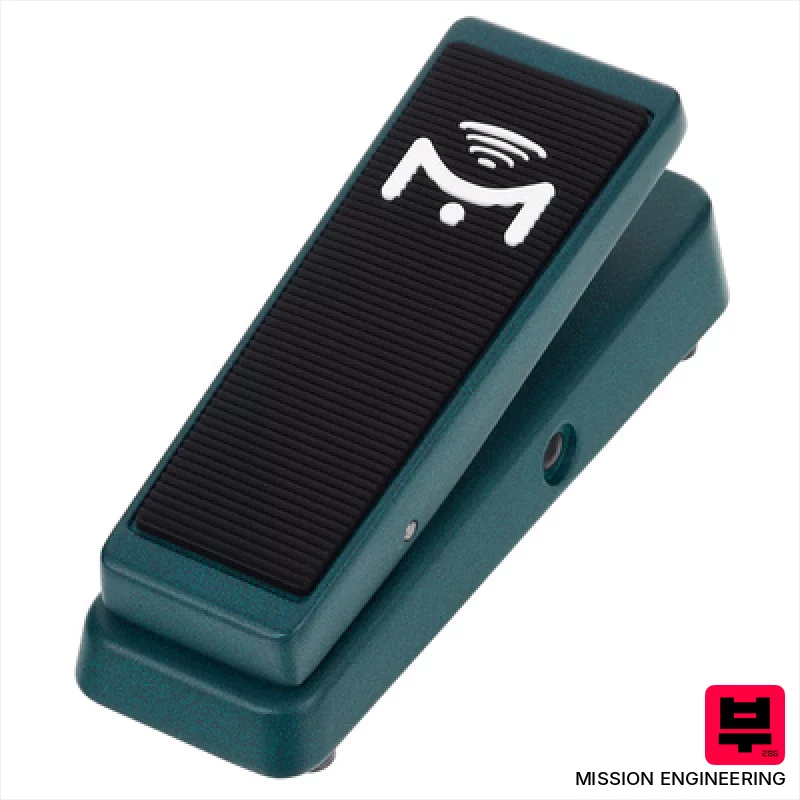
Mission Engineering EP1-KP-GN
- • Kemper integration is seamless, eliminating external switching needs
- • Linear taper provides predictable, natural volume/expression control
- • Robust steel shaft and chassis ensure long-term durability
- • Toe-switch functionality adds convenience for on-the-fly effects changes
- • Limited versatility outside of Kemper Profiler workflows
- • Heavier than many expression pedals, potentially impacting pedalboard stability
- • Green color may not appeal to all aesthetic preferences
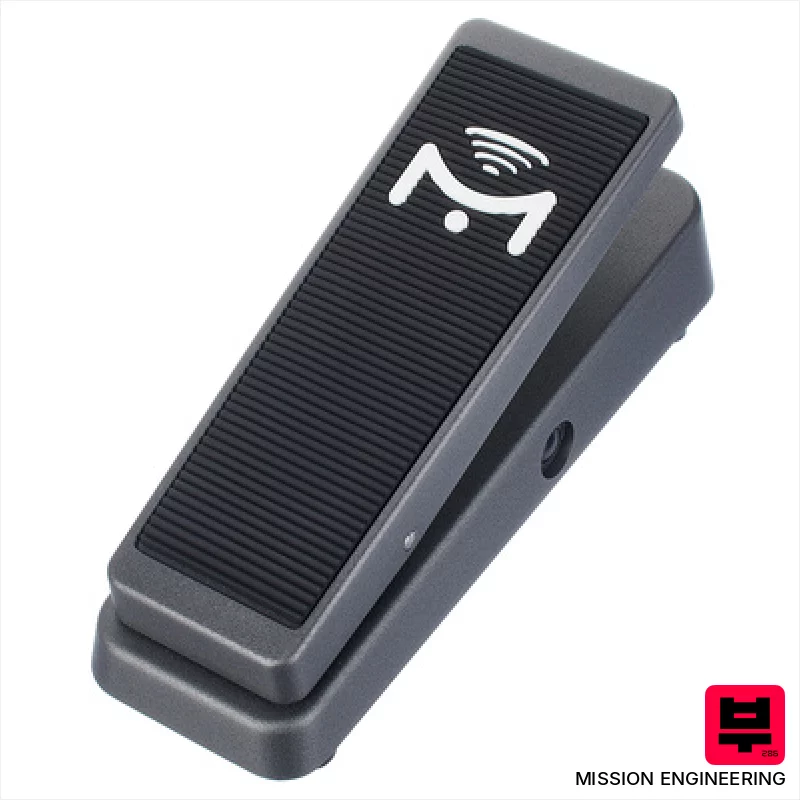
Mission Engineering SP1-ND-GY
- • Linear taper perfectly matches Neural DSP Quad Cortex’s response curve
- • Integrated toe switch simplifies pedalboard routing and reduces clutter
- • Robust die-cast construction ensures durability for gigging musicians
- • Heavy-duty design minimizes play while maintaining reliable performance
- • Price point puts it in a premium-priced category for expression pedals
- • Limited taper options restrict versatility with non-Neural DSP gear
- • Large footprint demands significant space on a crowded pedalboard
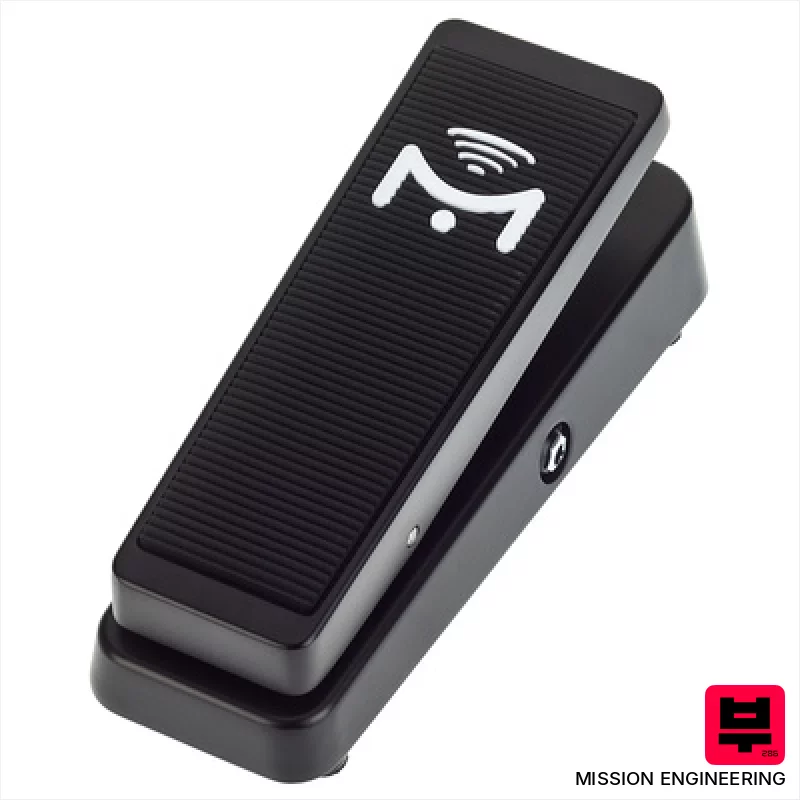
Mission Engineering VM-Pro Black
- • Robust metal casing provides excellent roadworthiness and longevity.
- • Sparkle switch preserves high-end frequencies during volume swells.
- • Integrated buffer combats signal loss in complex pedalboard setups.
- • Switchable impedance caters to vintage fuzzes and high-impedance instruments.
- • Relatively heavy, potentially impacting pedalboard stability.
- • Requires a separate power supply, adding to the overall cost.
- • Taper, while functional, isn't a premium, logarithmic curve.
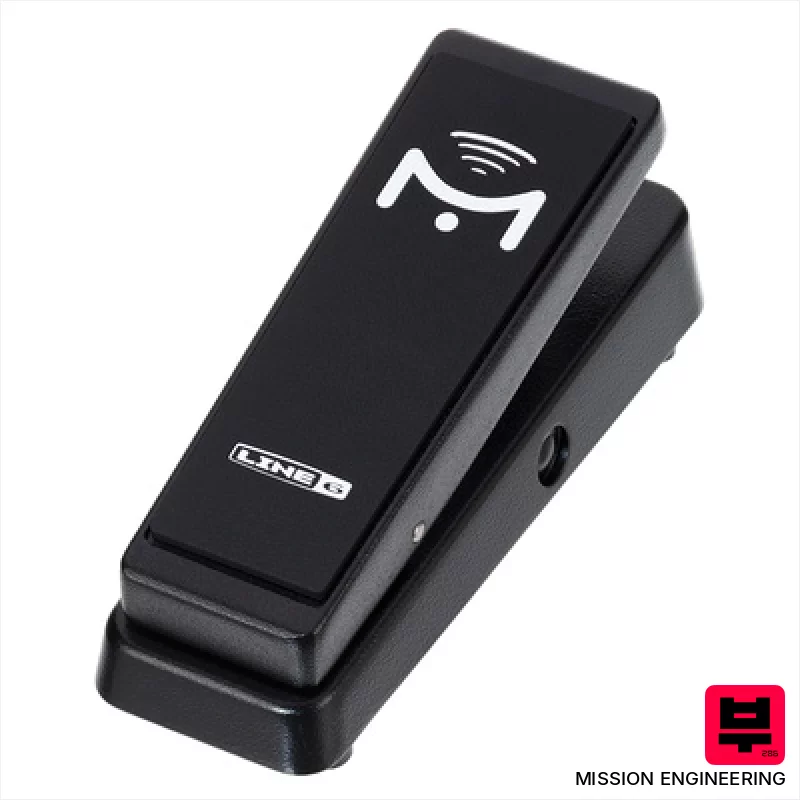
Mission Engineering EP1-L6-BK
- • Robust metal housing provides excellent durability for stage use
- • Specifically engineered for seamless Line 6 amp/effect control
- • Large pedal range offers a wide dynamic expression control
- • Heavy-duty construction ensures reliable performance over time
- • Limited versatility outside of Line 6 gear ecosystems
- • Weight makes it less ideal for travel or smaller pedalboards
- • Price point might be a barrier for budget-conscious players
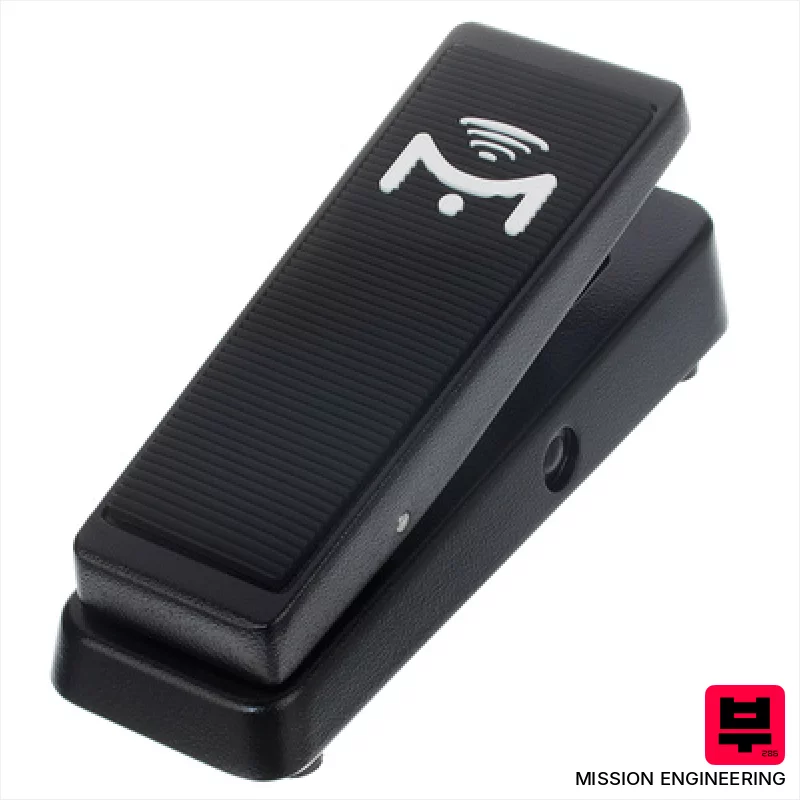
Mission Engineering EP-1-BK SPL
- • Robust metal casing ensures exceptional durability for stage use
- • Sealed 10K linear pot offers precise, predictable control
- • Extended range caters to complex modulation and amp parameter sweeps
- • Spring return provides consistent and reliable heel-down positioning
- • Relatively heavy for portability, especially for gigging bassists
- • 6.3mm TRS output limits compatibility with some older gear
- • Price point might be steep for occasional expression pedal users

Mission Engineering EP-1-BK
- • Robust metal casing provides excellent durability for gigging musicians
- • Sealed 10K linear potentiometer ensures smooth, predictable expression control
- • Extended adjustment range offers nuanced control over effects and amp parameters
- • Universal compatibility simplifies integration with diverse gear setups
- • Relatively heavy, may require a sturdy pedalboard setup
- • Price point positions it at the higher end of expression pedal options
- • Limited aesthetic customization compared to some boutique pedals
How to Choose the Best Volume/Expression Pedals
Build Quality
Mission Engineering pedals are built like tanks. The enclosures are thick, the pots feel solid, and the footswitch has a satisfying click that inspires confidence. This isn't a pedal you'll be replacing anytime soon, which is a huge deal when you're gigging regularly.
Tone Transparency
This is where Mission Engineering really shines. Unlike some volume pedals that introduce a muddy or colored tone when attenuated, these pedals are remarkably transparent. You're mostly hearing your guitar and amp, which is what you want from a volume pedal.
Expression Pedal Range & Accuracy
The range of motion is crucial for expressive swells and subtle volume adjustments. Mission Engineering pedals offer a wide range and excellent tracking - no jerky or uneven swells here. It accurately translates your foot movements into volume changes.
Stereo/Dual Mono Capabilities
Many Mission Engineering pedals offer stereo or dual mono operation, which is essential for handling multiple amps or creating unique stereo effects. This adds a layer of versatility that's often missing in cheaper alternatives.
Mute Functionality
The ability to completely kill your signal - a true mute - is a game-changer for clean intros or silent tuning. Mission Engineering's mutes are clean and immediate, not gradual or filtered, which is crucial for maintaining clarity.
Buying Guide
Don't expect flashy aesthetics - Mission Engineering prioritizes functionality over aesthetics. The housings are utilitarian, which is fine by me. Pay attention to whether you need stereo/dual mono capability; if you're only running a single amp, a standard mono pedal will suffice. The price point is competitive, but you're paying for reliability and transparency - features that will save you headaches down the line, especially on the road.
Our Methodology
We don't just glance at specs here at Audiofu. We put these pedals through the wringer - everything from bedroom practice sessions to loud band rehearsals and even a few studio tracking gigs. We A/B them against other volume pedals in their price range, paying close attention to how they interact with different amps and guitars, and ultimately, whether they contribute something genuinely useful to your playing.

